Tuesday, June 16, 2026
Home Blog Page 504

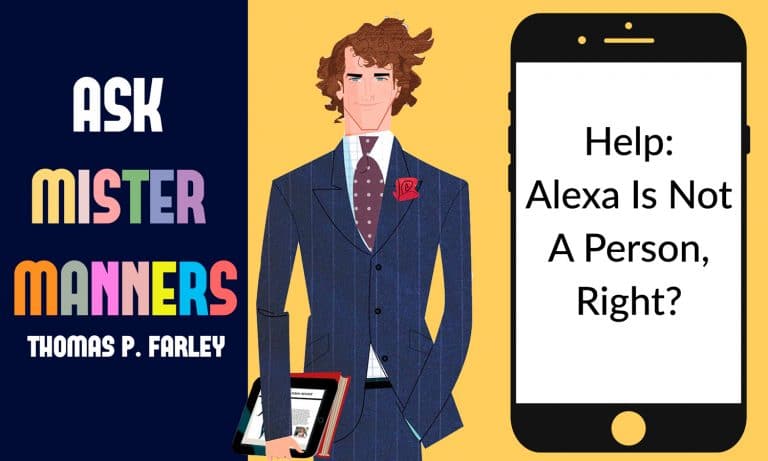
Ask Mister Manners, Thomas P. Farley: ‘Alexa Is Not A Person, Right?’

I feel uneasy about the way my husband treats our virtual assistants as if they’re real people. It’s weird, right? Or am I the one who’s out of line?

Etiquette tips on how to interact in today’s world. Have a question for Mister Manners? Send your queries to info@whatmannersmost.com and look for replies in the coming weeks. 

ACKNOWLEDGING ALEXA

Q: My husband insists on praising our smart speakers like they are people. Am I wrong for thinking it’s absurd to say “please” or “thank you” to Alexa or Siri?

A: Just because our devices plausibly emulate human speech and have adorable monikers does not mean they have feelings. Their appreciative-sounding pre-programmed replies notwithstanding, our electronics do not experience a flurry of emotion when we express our gratitude for their services. With that in mind, a user should feel no more obligation to thank a smart speaker than to heap praise on a soda machine for tossing down a can of ginger ale or a clothes dryer for not breaking up a pair of socks.

And yet, a recent study by the Pew Research Center indicates there’s a whole lot of politeness being exchanged, with more than half of Americans acknowledging they at least occasionally thank their smart devices. The number is particularly high for women, who are forty-percent more likely to verbalize their appreciation to Alexa and Siri than are men. 

RELATED: Ask Mister Manners, Thomas P. Farley: ‘My Son’s A Freeloader’

Despite those numbers, you should feel no obligation—let alone guilt—for skipping the consideration when interacting with a microphone attached to a speaker attached to the Internet. Unless, of course, you’re in a home with children and are still instructing them in the art of gratitude. By displaying respect toward all contributors to a household’s comfort and contentment (including the electronic ones), adults can model a pattern of behavior that embraces thankfulness as an antidote to instant gratification and entitlement. 

If, on the other hand, your home has no little ones running around, feel free to conduct tête à têtes with your smart speaker minus the merci.

Hey Alexa: Why Isn't Anyone Naming Babies 'Alexa' Anymore?
Photo courtesy of Amazon, Inc.

PRIDE, WITH A SIDE OF PRYING

Q: My college-age son has had a new boyfriend since February. Although they had both planned for him to come meet our family this summer, unfortunately, the pandemic put those plans on indefinite hold. My son is a bit on the shy side and doesn’t share very much with us. Would it be wrong for me to send his boyfriend a Facebook friend request so I could learn more about him?

A: Let your son share details on a timetable and in a fashion of his own choosing. Ensure he is confident of your support and that he knows his boyfriend will be most welcome in your home whenever circumstances allow. When that day arrives, I’m certain you’ll learn far more from an in-person visit than you will from an intensive review of his Facebook page. Apart from depicting a very narrow slice of most users’ actual lives, Facebook is hardly the platform of choice for members of Generation Z anyway. These days the social media hub comes in a distant fourth in visits by teens, ranking way below Instagram, YouTube and Snapchat. 

RELATED: Ask Mister Manners, Thomas P. Farley: ‘Will They Call Me Racist?’

If you really want to discover more about this young man, be patient and accept the slow reveal. With any luck, you and your family will soon have actual face time with him, giving you ample opportunity to learn about one another. In the meantime, you’re much better off saving the Facebook stalking for looking up your own college paramours.

Mister Manners, Thomas P. Farley, is a nationally regarded expert who appears regularly in the media to discuss modern-day etiquette dilemmas — from how to split a check fairly to how to get a word in edgewise. Follow Thomas on Facebook, Twitter and Instagram. And for more insights, listen to his brand-new podcast, “What Manners Most,” which will be focused exclusively on Coronavirus-related etiquette for the foreseeable future.
Move Over Epidiolex, Sativex Wants The Spotlight

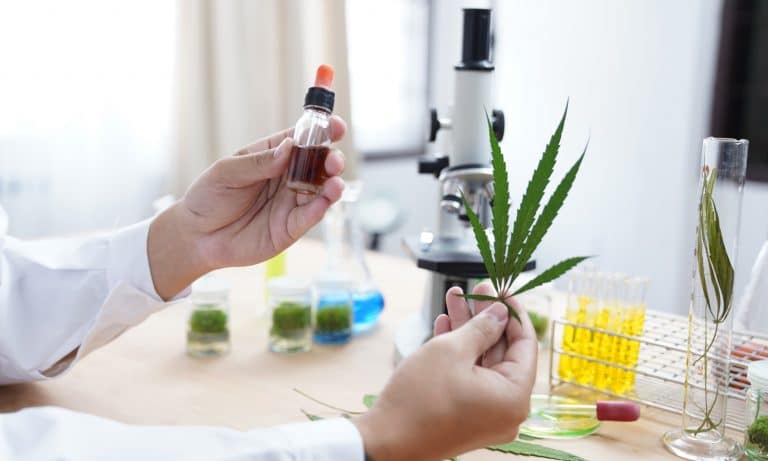
Sativex (nabiximols) is a complex botanical medicine formulated from the extracts of the cannabis plant that contains the principal cannabinoids THC and CBD along with other cannabinoid components.

GW Pharmaceuticals plc (NASDAQ:GWPH) has pushed the legalization of cannabis ahead with its work on the drug Epidiolex. Now the company is making its plans known for its other cannabis drug: Sativex.

The company is announcing its plans for its pipeline product, nabiximols, to hit the U.S. market. This strategy includes multiple opportunities for the submission of an initial New Drug Application (NDA) to the U.S. Food and Drug Administration (FDA), the earliest of which could occur in 2021.

“We are excited to present the details of our clinical program and regulatory strategy for nabiximols, which we believe support the potential for a substantial near-term commercial opportunity in the U.S. Following constructive meetings with the FDA, we are now commencing a Phase 3 clinical program that provides multiple opportunities for an NDA submission, including as early as 2021”, stated Justin Gover, GW’s Chief Executive Officer.

RELATED: FDA Declares Cannabis Drug Epidiolex No Longer A Controlled Substance

“Beyond the initial target indication of MS spasticity, our Phase 3 clinical program is designed to achieve a broad spasticity label over time. This development strategy, together with the long-term exclusivity potential of nabiximols, provides GW with confidence that this product should represent a significant value driver for GW.”

What Is Nabiximols?

According to GW Pharma, nabiximols is a complex botanical medicine formulated from the extracts of the cannabis plant that contains the principal cannabinoids THC and CBD and also contains minor constituents, including other cannabinoid and non-cannabinoid plant components, such as terpenes, sterols, and triglycerides. The product is administered as a mouth spray. The commercial name outside the U.S. is Sativex and it is commercially available for the treatment of MS spasticity in numerous countries.

Remembering Dr. Lester Grinspoon, The Intellectual Leader of The Marijuana Movement
Photo by Bloomberg Creative/Getty Images

The biotech company outlined the following plans for Sativex:

MS Spasticity Clinical program
  • Three positive Phase 3 MS spasticity trials already completed outside of the U.S.
  • Five new MS Spasticity Phase 3 trials are expected to commence in H2 2020 (2) and H1 2021 (3), any one of which we believe could enable a NDA submission
    • Phase 3 muscle tone studies – placebo-controlled cross-over design
      • N=52; Expected start: Q4 2020
      • N=190; Expected start: Q1 2021
      • N=36 (nabiximols responders); Expected start: Q1 2021
    • Phase 3 spasm frequency studies – placebo-controlled parallel group
      • N=450; Expected start: Q4 2020
      • N=~200 (nabiximols responders); Expected start: Q2 2021
Spinal Cord Injury (SCI) spasticity clinical program
  • Three SCI trials are expected to be initiated in 2020 and 2021
    • N=~100 (observational clinical discovery study); Expected start: Q4 2020
    • N=~100 (muscle tone in nabiximols responders); Placebo-controlled parallel group design. Expected start: Q2 2021
    • N=~400 (spasm frequency); Placebo-controlled parallel group design. Expected start: H2 2021

    This second spasticity indication may lead to broad anti-spasticity labeling and usage.

Post Traumatic Stress Disorder (PTSD) clinical program

  • We are also exploring the potential of nabiximols to reduce sleep disturbance symptoms, as well as anxiety and irritability, in patients with PTSD
  • A Phase 2/3 study in PTSD will have approximately 325 subjects and is anticipated to be initiated in H1 2021

Stock Performance

GW Pharmaceuticals stock has moved higher over the past six months. The stock hit a low of $72 in March and was recently trading at $121. It looks to be moving higher based on the news for Sativex.

This article originally appeared on Green Market Report.

Study Suggests Women Are More Sensitive To THC

A Canadian study found gender influences how much of an effect THC has on us, with women being more affected than men.

While there’s a belief that more men smoke cannabis than women — due to stereotypes and ease of access — it’s widely assumed that the plant affects the sexes similarly. But a recent study from the University of Toronto suggests that there are some significant differences between gender, with THC affecting women more pronouncedly.

The study, published in the journal Psychopharmacology, gathered 91 volunteers between the ages of 19 and 25 and had them smoke a joint with either 12.5% THC or a placebo. Participants were monitored for their vital signs, and were later asked to complete cognitive tasks and effort scales in hopes of gauging their reactions and measuring how w affected they were by marijuana.

“What I want to stress here though is that, in our study, participants were able to smoke the amount of cannabis they wanted to. When participants smoke to their desired high, we call this ‘titrating to effect,'” explains Justin Matheson, the study’s lead author. “Titrating to effect is possible when smoking cannabis because THC delivery to the brain is very rapid with this route of administration, so users can feel the high as they are still smoking.”

RELATED: Can You Smoke Marijuana While Taking Antibiotics?

“We found that women smoked less of a cannabis joint, had lower levels of THC in blood, yet experienced the same acute effects as men,” he says. “So, I think the main take-away is that women may need a lower dose of THC to get to the same degree of intoxication as men.”

Medical Marijuana Users Are Happier Than Non-Users, Study Finds
Photo by Elle Hughes via Pexels

This phenomenon isn’t understood, but one theory that the researchers posed is that estrogen, a primarily female hormone, could influence the metabolism of THC. Levels of estrogen could account for the differences spotted in the study and for the reactions that women experience when consuming THC.

RELATED: How Marijuana Affects Men And Women Differently

Not a lot of studies have been conducted on cannabis and the differences that the compound has depending on the sex of the person who’s consuming it. Matheson explains that while there needs to be more research conducted on this topic, it’s important for physicians and scientists to recognize that past studies have excluded females, leaving our understanding of medicine with a bias towards men.

Enormous Tax Revenue Is Exactly Why The Feds Won’t Legalize Cannabis

A tax code provision means the federal government profits more from state-by-state legalization than any nationwide model.

Marijuana legalization has been touted as a possible solution to the American economy, which has faced an uphill battle toward recovery following the coronavirus pandemic.  While legalizing marijuana won’t fix every financial woe, the added tax revenue generated through legal cannabis sales and licensing could provide a helpful boost.

In states where cannabis is illegal for adult-use, lawmakers have already pushed cannabis reform legislation with this mindset. Gov. Michelle Lujan Grisham expressed regret in April that New Mexico had not legalized recreational cannabis before the pandemic. Her reason? The state would have an additional $100 million in its budget and recent projections show New Mexico will have a $100 million budget deficit in the upcoming fiscal year.

Bipartisan legislators in New York and Pennsylvania have taken similar stances, seeing legal cannabis as a quick salve to economic wounds.

“It’s not enough to say the state doesn’t have money. We have to find it,” said New York state Sen. Jessica Ramos. “I believe legalizing marijuana can help.”

RELATED: This CEO Says Marijuana Will Be Federally Legal By 2022

Read enough of these statements, and it’s easy to assume this line of thinking working its way to the White House. But that’s unlikely to happen anytime soon and it has nothing to do with Attorney General William Barr’s recent persecution of cannabis companies or Donald Trump doubling down on anti-marijuana rhetoric ahead of the election.

It’s about the money. Put simply, the federal government may not have a similar incentive as lawmakers do at the state level. As recently pointed out by The Motely Fool, the tax code contains a provision called 280E. It involves businesses that profit from drugs listed in the Controlled Substances Act, and creates a strange tension between cannabis businesses and illegality.

How Impeachment Could Affect Marijuana Legalization
Photo by Esther Kelleter/Getty Images

The provision states “[n]o deduction or credit shall be allowed for any amount paid or incurred during the taxable year in carrying on any trade or business if such trade or business (or the activities which comprise such trade or business) consists of trafficking in controlled substances (within the meaning of schedule I and II of the Controlled Substances Act) which is prohibited by Federal law or the law of any State in which such trade or business is conducted.”

RELATED: How Some Consumers Avoid Paying High Taxes For Recreational Marijuana

Cannabis is a Schedule I drug. That means marijuana businesses cannot take tax deductions and savings like other corporations, excluding the cost of goods sold. That amounts to a whole lot of money paid to the feds in taxes. Estimates suggest cannabis companies could pay up to a 70% tax rate as a result of this provision. State governments may gain money from legal cannabis, but the feds would actually lose money should prohibition end — possibly $5 billion over a 10-year period.

Adding a special marijuana sales tax or some other sin tax to cannabis wouldn’t make up for that lost revenue. The current model where cannabis is kind of legal, but kind of not benefits the federal government more financially than if cannabis was totally legal or totally illegal. Considering Democratic nominee Joe Biden isn’t bullish on legalizing either, the status quo will likely remain no matter who is elected President this year.

The Link Between Flavonoids, Alzheimer’s And Marijuana

A new study found that higher long-term dietary intakes of flavonoids are associated with lower risks of Alzheimer’s disease and related dementias.

Researchers recently discovered that a low flavonoid intake was associated with Alzheimer’s risk, meaning a diet lacking berries, apples, tea, and other flavonoid rich foods could hold one of the keys to the disease.

The April 2020 study published in The American Journal of Clinical Nutrition found, “higher long-term dietary intakes of flavonoids are associated with lower risks of Alzheimer’s disease and related dementias (ADRD) in U.S. adults.” The study does not provide an immediate connection between the two but rather showcases an association. 

According to Oregon State University, “Evidence suggesting that some flavonoids or flavonoid-rich foods may enhance cognitive function is currently limited, and it is not yet known whether their consumption could lower the risk of cognitive impairments and dementia in humans.” The University also stated that certain flavonoids have been shown to, “cross the blood-brain barrier and exert preventive effects towards cognitive impairments in animal models of normal and pathological aging.” Not only helpful for cardiovascular health, flavonoids are being investigated for their effect on the body all over the world.

A 2019 piece published in Nature Communications also found that foods rich in flavonoids could decrease the risk of cancer. Flavonoid rich foods include apples, berries, cocoa-based products, red grapes, and red wine and tea.

Facts about Alzheimer’s 

The number of American adults with Alzheimer’s is heightening with each passing year. According to the Alzheimer’s Association, “The number of Americans living with Alzheimer’s is growing — and growing fast. More than 5 million Americans of all ages have Alzheimer’s. An estimated 5.8 million Americans age 65 and older are living with Alzheimer’s dementia in 2020.”

RELATED: Can Marijuana Cure Or Cause Dementia?

The Centers for Disease Control (CDC) states that Alzheimer’s is the most common type of dementia and it can seriously affect a person’s ability to carry out daily activity. According to the UK’s National Health Service, Alzheimer’s disease is thought to be caused by the abnormal build-up of proteins in and around brain cells and the plagues they deposit. 

Cannabis Alzheimer’s Disease
Photo by Shopify Partners via Burst

Where Marijuana Comes In

In July 2019, The Fresh Toast covered a study about cannabis and Alzheimer’s that found, “THC and CBD did the most to prevent learning impairment,” and that the compounds created a change in the plaques responsible for building up and causing memory blockages.

RELATED: Study Confirms CBD Could Protect Brain Against Neurodegenerative Diseases

Even better, a study featured in the Journal of Alzheimer’s Disease found that small doses of THC could lessen production of the proteins (and plaque) which are often found in the brain of Alzheimer’s patients. 

Could marijuana hold another key to slowing the disease or offering an alternative for patients in cognitive disfunction or pain? Only time will tell, and hopefully, the research is already underway. 

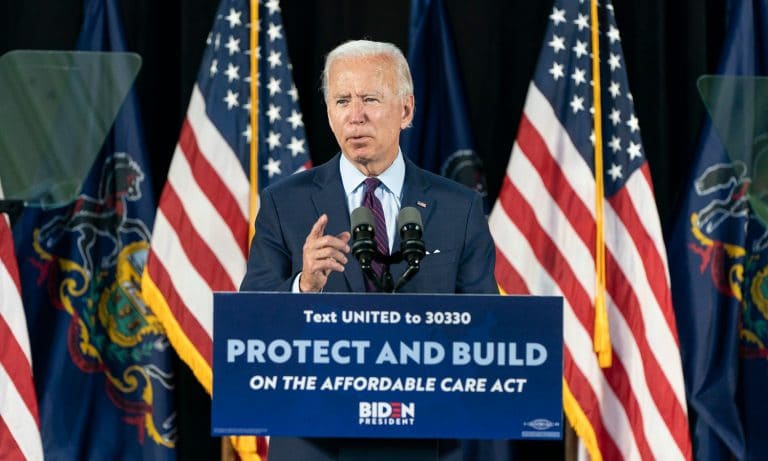
Biden-Sanders Task Force Gets Heated About Marijuana

The task force is split on whether to include cannabis reform among its recommendations to Joe Biden for the upcoming election.

During the Democratic presidential debates, Joe Biden stood alone on cannabis reform. The majority of candidates had voiced support for marijuana legalization, siding with the more than two-thirds of voters who believed America should end prohibition. Biden instead supported decriminalization and expressed the need to further research the plant before making it available to the American public.

That division has represented a point of contention within the “unity” task force Biden formed with former rival Sen. Bernie Sanders since winning the nomination. Sanders has supported cannabis legalization for over four years. He made it known that if elected President he would write an executive order to legalize the plant his first day in office.

According to Politico, marijuana legalization has been discussed at length among the task force. The group, which had members individually appointed by Sanders and Biden, is focused on criminal justice reform and some view cannabis as folding within that larger conversation. Those in the Sanders contingency support legalization. Some within Biden’s camp personally endorse ending prohibition, and have discussed whether the issue should be among the recommendations placed before Biden.

RELATED: Bernie Sanders And Cory Booker On What Legal Marijuana Would Mean For People Of Color

Chiraag Bains, a co-chair of the task force tapped by Sanders, is in that camp. He told Politico that Biden should “end the War on Drugs, including by legalizing marijuana.” Bains specified that view wasn’t an official statement from the taskforce, however. It was just his own position.

“There’s an opportunity to advance a really bold agenda on criminal justice,” he said. “This is part of envisioning a completely different future, not returning to a pre-Trump era. I say that as someone who served proudly in the Obama administration. We just have to be much more aggressive about rooting out systemic racism and injustice in the legal system.”

Will Bernie Sanders Push Joe Biden To Dramatic Marijuana Reform?
Photos: Joe Raedle/Staff/Getty Images; Scott Eisen/Stringer/Getty Images

It isn’t certain whether the task force will ultimately recommend Biden shift his platform to endorse cannabis legalization. Biden won the Democratic primary by not following the “social media left” and placating ideological benchmarks. “There is a conversation that’s going on on Twitter that they don’t care about,” a Democratic strategist told Politico. “They won the primary by ignoring all of that.”

Who Biden chooses as his running mate — reconciling their views into his campaign — may prove the ultimate deciding factor. Sens. Kamala Harris and Elizabeth Warren were both tapped as potential vice president candidates by Biden’s camp. Each have endorsed multiple pieces of cannabis legislation in Congress and were also vocal supporting cannabis legalization in the primaries.

RELATED: Looking Back: President Obama’s Impact On The War On Drugs

Brookings Institution Senior Fellow John Hudak recently noted that cannabis legalization may be popular among American voters, but it isn’t salient. Many already have access to marijuana products through legal and illicit markets. But conversations around policing and criminal justice reform could shift how the voting public views cannabis as a political issue.

“If cannabis reform gets folded into the larger conversation around racial justice and policing, that could create that policy window,” said Hudak. “Where everything comes together at the right time and something can get done. That makes it more salient to Americans. Because then Americans stop thinking about it as can you buy cannabis legally or not. You’re thinking about it as something systemic, something institutional, something that touches a lot of issues.”

4 Topics To Broach Before Dating Someone Post-Pandemic

The coronavirus is here to stay, making many nervous to get back to real life dating. Here’s how you can approach this change responsibly.

We hate to break it to you, but the coronavirus has altered the ways in which we date. While some are comfortable exposing themselves to some risks, those who are at high-risk can’t afford the luxury. As the pandemic progresses and we adapt to our new socially distanced lives, people should be getting comfortable with discussing uncomfortable topics, such as your date’s possible exposure to the virus. “Have you been self-quarantining?” is the new, “When was the last time you had unprotected sex?”

What sort of topics should you prepare yourself for discussing with a date? And how do you broach these topics in the first place? We did some research and found some valuable starting points.

Keep your dating profile current

Tinder Reveals The Most Discussed Politicians On The App
Photo by Leon Neal/Staff/Getty Images

RELATED: 5 Tips To Make Your Virtual Date Less Awkward

Something that might help you feel more comfortable is to update your dating profile and ensure it looks current. While it might have been cool to have photos of you hanging out with your friends in a sweaty and crowded party, in this climate, it pays to be safe. Take some new photos and flex your photography skills. Forbes recommends using window lighting during the day, standing in front of your window with your back to the room, giving you a movie-like look.

While it’s nice to update your bio regularly, avoid going crazy with the quarantine or depressive vibes. Don’t be aggressive and say something like, “If you don’t wear a mask, swipe right.” We understand the impulse, but you can obtain this information more deftly later on.

Ask about their experiences with COVID-19

It’s important to know whether they’ve had COVID-19 or been with someone who’s had the virus. You should also ask if they’ve had symptoms the week prior to meeting up, which won’t eliminate all risk, but will reduce your odds of contracting the virus.

Get a glimpse of their life post-pandemic

match is now offering dating coaches to hold your hand through the process
Photo by rawpixel.com

RELATED: Teens Are Struggling With Mental Health Amid COVID-19

Once you start chatting and texting with someone, try to paint a picture of their post-pandemic life and whether they follow similar social distancing guidelines. Ask if they’ve been working from home, whether they have roommates or live with family members. This information is important, since it can inform you on their level of risk. Aside from providing you with important information, these questions will also show you if the person you’re talking to is compatible with you.

Check their post-pandemic dating habits

Ask if they’ve been meeting up with other people, whether these meetings have been held in open spaces or closed ones. The more people they’ve been exposed to and the more careless they’ve been will increase your risk of the virus. We’re all itching to socialize, but it’s important you find someone who isn’t so careless if you’re going to be physical with them.

Can You Smoke Marijuana While Taking Antibiotics

There is still much research to be done examining individual medications and how the use of marijuana could change how they work in the body.

It isn’t too common to experience severe side effects with the use of marijuana, according to the Department of Health. But that isn’t to say there aren’t some annoying reactions associated with the plant, such as  red eyes, dry mouth, sedation, and anxiety. 

However, there are ways that your marijuana use could interfere with your health. If you’re taking medications, like an antibiotic, for another health condition, will marijuana help or hinder its effectiveness?

Drug Interactions and Cannabis

We don’t know a lot about how cannabis interacts with medications. There is some research indicating that marijuana use can increase the pain-relieving effects of opioids without increasing the levels of opioids found in plasma. This could reduce opioid use, according to the journal Medicines. The same research review pointed out that children taking clobazam, an anti-seizure medication, and cannabidiol, experience increased levels of clobazam in their blood. And, those who are taking valproate and using medical marijuana appeared to be at higher risks for abnormalities in liver function. 

RELATED: Could CBD Eventually Become An Antibiotic?

This is just the tip of the iceberg, really. There is still much research to be done examining individual medications and how the use of marijuana could change how they work in the body. Patients taking medication for chronic health conditions will certainly want to talk with heir doctor before using marijuana, but what if you’re on a short treatment using antibiotics? Can you use marijuana while taking antibiotics and kick your infection to the curb without complications of delay? 

Study: The Most Harmful Drugs Are Legal
Photo by rawpixel.com

You can use marijuana while taking antibiotics

When it comes to taking antibiotics and using marijuana at the same time, there isn’t any research that indicates this isn’t a safe practice. In fact, you won’t find antibiotics on a list of drug interactions if you go hunting online. 

RELATED: CBD Can Improve Effectiveness of Antibiotic Medication

Another thing worth looking into is what marijuana does for the immune system. If you are taking antibiotics to fight off an infection of some kind, you want your body to do its part to get you well. There is some debate about how cannabis affects the immune system. We know that some research indicates that marijuana may suppress the immune system, but there is also research that suggests it may make your immune system stronger and help it fight illness.

Ultimately, there don’t appear to be real risks associated with using marijuana while on antibiotics. In fact, it may be possible that your marijuana use could help your immune system fight off an infection. If possible, we suggest talking it over with your doctor to determine if there is anything you should change about your current marijuana use. Additionally, it is always a good idea to pay close attention to your body, noting adverse reactions and making changes if necessary.

What The FDA Is Doing For Better COVID-19 Data Dashboards

Medical experts indicated that the shared goal is to bring as much data at once and to understand every facet and update of current COVID-19 knowledge.

Real-time information has never been more critical than in response to the ongoing public health emergency, wrought by the spread of COVID-19. The U.S. Food and Drug Administration (FDA,) announced its participation in the COVID-19 Diagnostics Evidence Accelerator, a multi-stakeholder collaborative project to advance diagnostics’ development. The Diagnostics Evidence Accelerator is a project collaboration with the Reagan-Udall Foundation for the FDA in partnership with Friends of Cancer Research.

“While there are current studies of viral diagnostic and antibody tests using traditional assessment methods, the Diagnostics Evidence Accelerator will allow the community to analyze both diagnostic and clinical data in real-time, said Amy Abernethy, M.D., PhD., FDA Principal Deputy Commissioner. “This has the potential to contribute to the scientific evaluation of diagnostic tools and medical interventions for COVID-19.” 

In many ways, this new initiative is a data dashboard, a tool often used in business applications that tracks, analyzes, and displays essential data, metrics and interprets results in KPIs (key performance indicators).

The Diagnostic Evidence Accelerator is the companion tool to the Therapeutic Evidence Accelerator, which brings experts in health data aggregation. Medical experts indicated that the shared goal is to bring as much data at once and to understand every facet and update of current COVID-19 knowledge.

RELATED: FDA Pursues Action Against Companies Offering Misleading Antibody Tests

“This collaboration with the FDA, scientists and data experts is meeting the urgency of the moment to speed the pace of diagnostic testing,” said Ellen V. Sigal, chair of both The Reagan-Udall Foundation and the Friends of Cancer Research organization. Dr. Sigal said the shared goal was real and actionable data and information as a basis for decisions.  

What New Guidelines For Serology Testing Mean For COVID-19
Photo by Shidlovski/Getty Images

Dr. Jeff Shuren, M.D., J.D., Director of FDA’s Center for Devices and Radiological Health, saw the opportunity to gain immediate information to build decisions based on data and therapeutic evidence.

RELATED: FDA Steps Up In Ongoing Coronavirus Health Crisis

“The aim of the Accelerator is to propose questions, refine them, evaluate the feasibility of different approaches, and to bring together groups that have the data to answer the questions and develop lasting solutions,” he said.

“Ultimately, we hope that real-world data can provide a more generalizable and rapid read-out of results than traditional clinical trials,” Dr. Shuren added. 

The FDA also sees the data culled from tools such as the Diagnostic Evidence Accelerator as a tool to provide new information to guide decisions for the FDA or to issue or modify emergency use authorizations (EUAs). In an emergency setting, the FDA may issue EUAs, which can be evaluated with a different standard than is required for approval or clearance in non-emergency situations.

Forget Munchies, Marijuana Can Be An Appetite Suppressant

A little-known cannabinoid called THCV can trigger your brain to eat less and avoid greasy, fatty foods.

Marijuana’s capability as an appetite stimulant is well-documented. And, no, we’re not talking about the “munchies.” We’re referring to its ability to kick-start appetite in potentially life-threatening situations.

Cancer, for instance, can induce adverse metabolic changes in patients, causing them to lose their appetites and tissue in the process, which results in a condition called “cachexia.” Chemotherapy treatment and anti-cancer drugs often exacerbate these effects, but research shows medical cannabis can boost appetite, mood, and caloric intake in cancer patients, while simultaneously battling cancer cells.

AIDS patients similarly suffer from wasting syndrome, in which someone loses more than 10% of their body weight. Multiple studies have reported increased appetite and lowered nausea symptoms for HIV-positive subjects who consumed marijuana when compared to those who took a placebo.

This positive effect on appetite is predominantly associated with THC, the psychoactive cannabinoid in the cannabis plant. Marijuana contains at least 113 cannabinoids and one of them has received newfound attention for its opposite effect — suppressing appetite and potentially improving energy levels.

It’s called THCV and it’s similar to THC. The two cannabinoids share psychoactive elements and molecular structure, but their differences have caused intrigue in the scientific community.

RELATED: Concentrates Really Won’t Make You Higher Than Smoking Weed

A 2018 Molecular Biology study described THCV as an “anomaly” of the cannabis plant and represents the only known phytocannabinoid to act as an antagonist in the CB1 receptors in your body’s endocannabinoid system. In fact, a 2015 study published in the International Journal of Neuropsychopharmacology reports that low doses of THCV can counteract some of THC’s mind-altering, intoxicating effects while potentiating others.

THCV: Powerful Appetite-Suppressing Cannabinoid
Photo by rawpixel.com

Most surprisingly, the study found THCV’s antagonist effect had the reverse impact on appetite than THC. The mechanism works like this: THCV triggers your brain, specifically the amygdala region, to associate types of food consumption with an unpleasant sensation. The more you ate, the less you’d enjoy it, the study found. This was found particularly true with greasy, fatty foods.

“By increasing the tendency on the part of appetitive regions to assess food as unpleasant, this effect may decrease time to satiety as food becomes unpleasant on repeated consumption, in turn reducing overall consumption,” the study’s authors wrote.

RELATED: THCV: Powerful Appetite-Suppressing Cannabinoid

This has caused others to suggest THCV as a possible tool in fighting obesity, without possible side effects such as anxiety, depression, and insomnia present in current anti-obesity drugs.

The only problem? Most cannabis strains produce only trace amounts of THCV. Some firms have begun replicating the cannabinoid in labs for commercial use, though their product isn’t yet widely available.

Those looking to experiment with THCV now should fear not. Research shows THCV is most plentiful in sativas, typically those that come from Africa. At the dispensary, ask your budtender if they have any African hybrids. Other strains known to contain higher levels of THCV include Doug’s Varin, Girl Scout Cookies, and Durban Poison.

Don't Miss Your Weekly Dose of The Fresh Toast.

Stay informed with exclusive news briefs delivered directly to your inbox every Friday.

We respect your privacy. Unsubscribe anytime.