Tuesday, June 16, 2026
Home Blog Page 508

6 Things To Know Before Buying CBD

0

If you haven’t tried CBD yet, or are just getting started in your journey, here are some things that may be helpful to know before you make your purchase.

Have you been watching from the sidelines while everyone around you has been joining the CBD craze? If you’re ready to find out for yourself what it’s all about, you might feel kind of overwhelmed. There is an incredible amount of information about CBD available online with some of it feeling contradictory and confusing. 

Here are 6 things to know before buying CBD for the first time.

1. CBD Can Be Derived From Either Hemp or Marijuana 

Let’s cover the basics first. CBD, or cannabidiol, can either be derived from marijuana or hemp, both of which come from the cannabis sativa species of plant. The main difference between hemp and marijuana CBD is the amount of THC it contains. Hemp has only .03% THC, while CBD derived from marijuana can have between 5% and 30% THC. And unlike hemp, it’s considered a Schedule 1 drug, which makes it federally illegal. So, if you stick with CBD derived from hemp, which has no psychoactive effect, you won’t get high. 

2. CBD Is Legal in Most States

Photo by Binoid CBD via Pexels

RELATED: FDA And USDA Start Making Sense On Hemp CBD

Because hemp-derived CBD contains little or no THC, it is legal to sell and buy throughout most of the United States. This is due to a bill called the US Farm Bill which was passed in December of 2018. 

3. CBD is Safe

For most people, CBD is safe, according to the World Health Organization. There are a few populations who shouldn’t take it or need to talk it over with their doctor first. If you’re pregnant or breastfeeding, you should avoid it altogether. If you’re immunocompromised or taking prescription medications, you should talk with your doctor about any potential side effects. Children should also be seen by a doctor before beginning the use of CBD.

4. CBD Does Have Side Effects

5 Common Myths About Hemp Oil And CBD Oil
Photo by Tinnakorn Jorruang/Getty Images

RELATED: Why That CBD Oil You Just Bought Might Be Bogus

If anyone tries to tell you there are no side effects associated with the use of CBD, they’re wrong. The most common side effects associated with CBD are fatigue and drowsiness, nausea, diarrhea, and changes in mood. The good news is that these side effects are uncommon and typically mild. Sometimes, adjusting your dose can help alleviate or eliminate side effects altogether.

5. Good CBD Can Be Expensive

Even though you can certainly find cheap CBD, that doesn’t mean you should expect to be able to find a high-quality product for $10 or $15. In the case of hemp-derived products you definitely get what you pay for. If you want a lab-tested, high potency product you can expect to spend between $30 and $120 for a quality CBD oil tincture.

6. CBD Has Health Benefits, but It Doesn’t Fix Everything
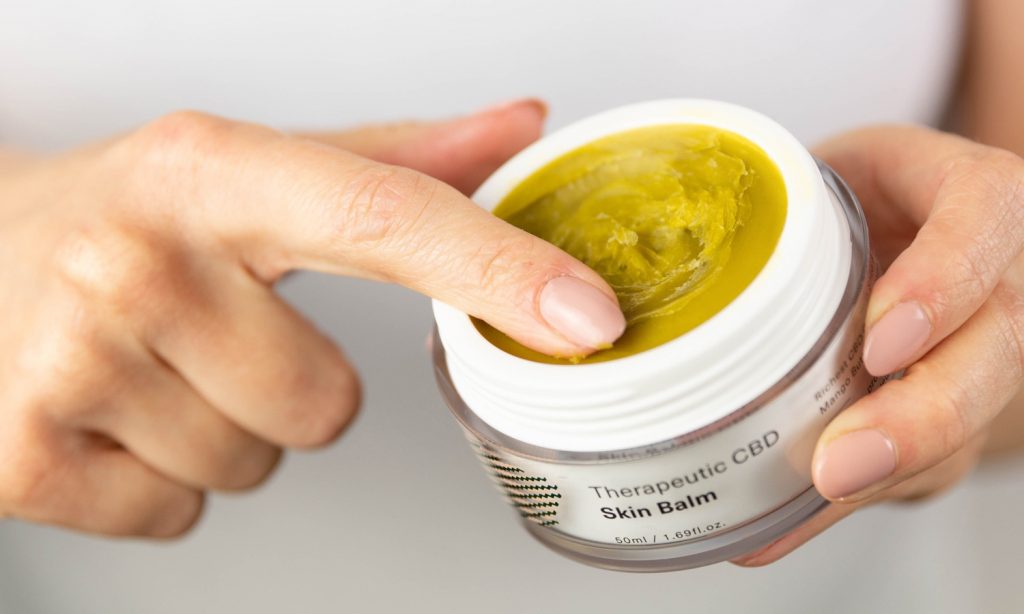
how to choose cannabis topicals that will actually work
Photo by Hemptouch CBD via Unsplash

While it is certainly true that cannabidiol has been found to have certain health benefits, it is not the cure-all some make it out to be. So far, it has only been approved by the FDA for use on specific seizure disorders

There is also some research that has found it to decrease anxiety and aid in better sleep. It can reduce inflammation and may help reduce pain for this reason. Before you turn to CBD, do a little research and talk to your doctor to make sure it is a good fit for you.

What You Should Know About Crossfaded Highs

Crossfaded highs are known for their dizzying, nauseating and disorienting effects. They might even facilitate weed induced panic attacks.

Crossfaded highs are terrible, but fortunately they’re pretty easy to avoid. In the simplest of terms, crossfaded highs occur when you’re both high and drunk. Just like it sounds, it’s not fun.

While crossfaded highs can be entertaining for some people — like the moment where you’re drunk but not black out drunk — for the large majority, this isn’t the case. Crossfaded highs are known for their dizzying, nauseating and disorienting effects. They might even facilitate weed induced panic attacks.

Some medical experts also think that there’s actual dangers to crossfade highs. Marijuana produces an antiemetic effect, making it harder for people to vomit. While this is helpful for medical marijuana, when paired with alcohol, vomiting is one of the most efficient and straightforward ways of purging the body of excess alcohol the liver can’t process, preventing alcohol poisoning.

RELATED: Why Some People Don’t Get High The First Time They Smoke Marijuana

It’s not understood why this phenomenon happens and why combining these two different substances creates such a strong reaction within our bodies, which is why the most effective way to prevent crossfaded highs is to avoid mixing heavy drinking and smoking. Still, sometimes all you need is to have a couple of beers and a puff of marijuana before you go off the crossfaded deep end.

What Are Crossfaded Highs And How To Avoid Them
Polina Zimmerman/Pexels

When faced with one of these highs, the best thing you can do is to stay calm and nurse yourself out of your drunken stupor, which is the part that could lead to some health risks. Find a friend that you trust and who can care for you, stay hydrated and wait it out. Sleeping it off is also effective, since it’s one of the simplest ways of coping with too much alcohol and marijuana in your system. Just, you know, good luck falling asleep.

RELATED: Drinker Or Toker: Which One Makes A Better Life Partner?

The most effective way to avoid crossfaded highs is to choose a substance for the night and stick to it. If it’s a weed night, keep the alcohol locked away and vice versa. If you’re out partying and consuming alcohol, try to resist the urge to toke up when a friend offers.

Colorado Consumers Thoughts On Stoned Driving Policies

0

According to a new study, Colorado users question the dangers of driving while high and desire more research about legal limit and self-assessment guidelines.

Cannabis consumers thoughts on stoned driving policies have recently been made clear.   The feedback about driving while under the influence of marijuana is “out of touch,” although not in a way you might expect. A two-year study from the Colorado Department of Transportation (CDOT) found Colorado marijuana users considered driving while high was, more often than not, not that dangerous.

They were also skeptical about many laws and regulations involving cannabis use and getting behind the wheel. Many heavy users relied on a “gut check” to determine whether they could drive safely or not after using.

“The more often people consumed cannabis, the less dangerous they considered driving under the influence of cannabis to be,” the study’s authors wrote. “Respondents who use cannabis typically believed individual differences in consumption or tolerance were mitigating factors in someone’s ability to safely drive under the influence.

“Most users are critical of laws, policies, and enforcement surrounding driving under the influence of cannabis,” researchers continued. “Cannabis supporters saw government policies as out-of-touch.”

RELATED: Driving With Kids In Your Car Can Lead To Felony Charges If You Have THC In Your System

Educators and law enforcement teach drivers your body requires one hour to process each drink you’ve had. Online charts also calculate what your blood alcohol level may be based on gender, weight, and how much you drank. But no such data or guidelines exist for marijuana use, complained study participants. They wanted more meaningful research about detection methods, proper self-assessment guidelines, and how long to wait until driving.

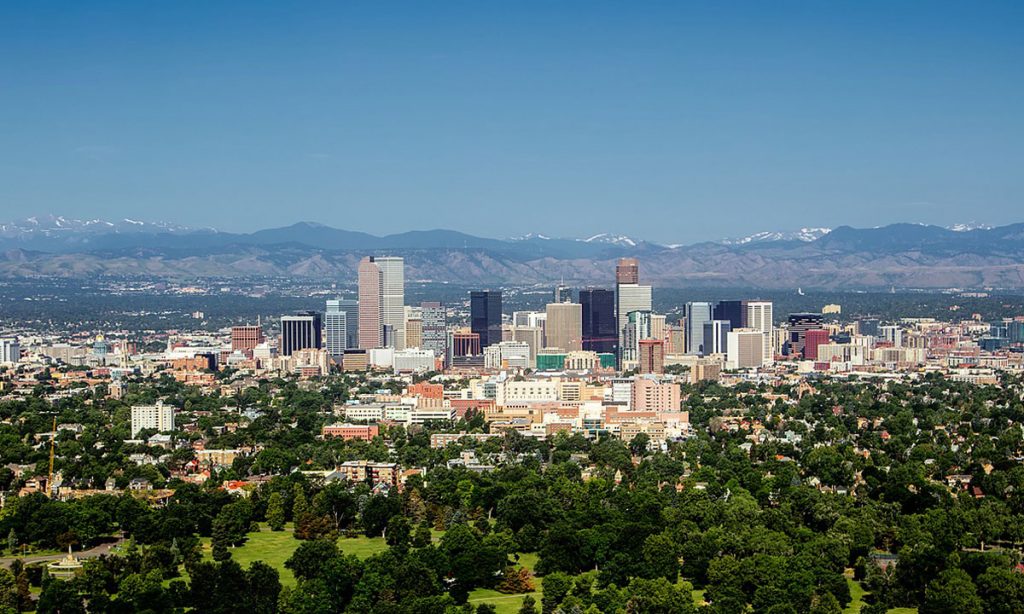
Here's How Marijuana Is Helping Keep Denver Safe
Photo by 12019 via Pixabay

CDOT surveyed more than 18,000 Coloradans for the research through a combination of online forms, in-person meetings, and focus groups. They found many marijuana users were sensitive to negative, “stoner” stereotypes or scare tactics traditionally used in public service announcements and education campaigns. Researchers concluded the most effective strategy was to first appeal to consumers’ feelings, then follow up with facts.

RELATED: Heavy Marijuana Users Are More Dangerous Drivers — Even When Sober

“When you’re talking about marijuana and cross over into that ‘and then he died’ phase … you cross over into that area where you’re getting unbelievable and those of us who partake are going, ‘Oh my gosh, again?’” one woman told researchers. “When you aren’t realistic, it gets really frustrating and nobody listens.”

A previous survey found drivers think texting is more dangerous than driving while high. AAA released a study last year that found nearly 15 million Americans got behind the wheel of a car an hour after smoking marijuana within the past 30 days. A 2017 report released by the Governors Highway Safety Association concluded the effects of marijuana on driving “are complex, not understood well, and vary from driver to driver.”

Cannabis And Ketamine: Is There A Risk Of Interaction?

With more research on the horizon, those suffering with severe depression may find reprieve in ketamine and cannabis.

Used for thousands of years, cannabis ignites the CB1 and CB2 receptors, offering positive effects throughout the human body. Discovered as early as the 1960s, ketamine is often prescribed to help individuals with mental illness, such as depression. Both help the body experience euphoria, and recently, researchers studied the use of both drugs to better understand their links and interactions. 

In 2015, the journal Biological Psychiatry found that one patient experienced an interaction with their bipolar drugs. While all drugs have the risk of interaction, a lack of available studies and research keep the specifics around drug interactions with cannabis difficult to pinpoint. 

A 2012 study found exactly the opposite. In the case of a 56-year-old woman suffering from severe neuropathic pain, cannabis mixed with ketamine offered deep relief. Published in the Journal of Clinical Anesthesia, researchers found that despite the use of opiates, the woman’s pain steadily increased. After stopping pain medication due to side effects, her team started her on oral cannabis (0.5 grams in cookies). This resulted in “the reduction of pain intensity from 8 to 5 on the pain scale. Adding ketamine cream twice daily further reduced the pain (pain scale: 2 to 3).” The authors cited that, “Ketamine and cannabis may act synergistically because cross-talk exists, and the cannabinoid and the opioid receptor systems also have synergistic interactions.” This begs the question, “Why do some drugs interact with cannabis while others do not?”

According to researchers, it’s all in the compounds.

Understanding cannabis’s interactions

A 2019 study published in the journal Medicines found certain drugs seemed to interact with cannabis in oncology patients in many ways. Researchers explained that, “Drug interactions may result from chemical reactions between different components or modifications by certain components of certain biochemical pathways involved in the action or metabolism of related drugs.” Researchers also indicated that cannabis’s interactions could stem from how the compound was grown and prepared, as well as how its chemical make-up joined another compound.  

RELATED: Does Marijuana Have Any Dangerous Drug Interactions?

“Cannabis has been used in various forms as crude extracts or purified ingredients (with different THC/cannabinoids ratios); therefore, drug interactions caused by cannabis depend not only on the drugs involved but also the chemical components/profiles of the cannabis preparations used.” 

The study directly tied vaporized cannabis to an increase in the pain-relieving effects of opioids as well. Drug interactions are not always negative and health practitioners often look to stack or co-prescribe drugs to help with certain symptoms. The study additionally cited an earlier research project which found, “a synergistic interaction between gabapentin and THC, where gabapentin not only improved the THC therapeutic window, but also effectively enhanced its anti-allodynic activity.” 

Researchers concluded that, “There is still limited data on significant drug interactions caused by medicinal cannabis. Thus, the evidence-based clinical guidelines on interactions of drugs with medicinal cannabis are still lacking.”  

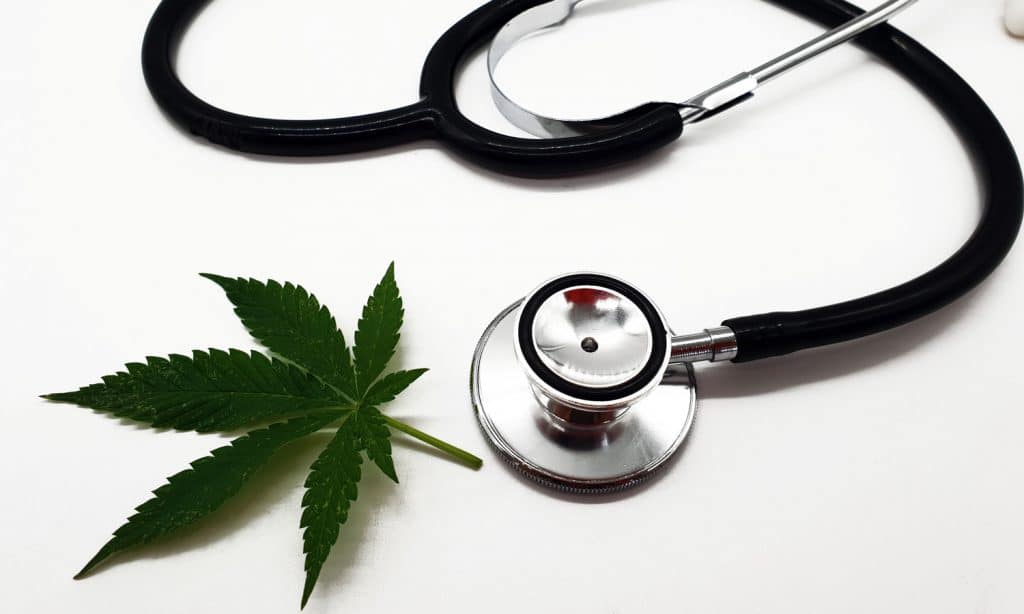
Getting Medical Marijuana Can Sometimes Be Tricky — Here's How To Navigate
Photo by Denise Hasse/EyeEm/Getty Images

So, what is it about cannabis and ketamine? 

According to the Multidisciplinary Association for Psychedelic Studies (MAPS), they believe both cannabis and ketamine have the potential to treat certain conditions, with some considerations.  

“In 2006, scientists from the US National Institute of Mental Health injected 17 patients suffering from depression — and who had failed at least six previous drug treatments – with either a low dose of ketamine or a placebo. More than two thirds responded favorably to the drug within a day.” 

RELATED: Will Psilocybin Clinics Be The Next Big Thing In Treating Depression?

Often prescribed for veterans or those with PTSD, ketamine can be a lifeline for individuals experiencing mental illness. However, it can also be addicting. One veteran, Sean Kiernan, President of the Weed for Warriors Project, stated that, “Ketamine was the most effective drug I’ve ever taken for suicidal thoughts — but it is not a long-term medicine you should use. I got psychologically addicted to it for four years.” Kiernan believes cannabis has the potential to help many veterans and advocates for its use not only because it’s non-addictive, but it can be a better alternative to ketamine, which can alter the mind and create dependency. 

With more research on the horizon, those suffering with severe depression may find reprieve in ketamine and cannabis, but only after discussing potential interactions with their healthcare teams.

FDA Updates Document For Public Health Emergency Guidance

The guidance document was issued by the Center for Drug Evaluation and Research of the FDA and was intended for IRBs and clinical investigators.

The Food and Drug Administration (FDA) has recently issued an updated guidance report. This is a detailed document that provides instruction describing the potential to access an Institutional Review Board (IRB), a general term describing a group evaluating results of data collected during medical testing for SARS-CoV-19.

According to the FDA:

 “During the COVID-19 public health emergency, the Agency has received a substantially increased volume of individual patient expanded access requests for COVID-19 investigational drugs. Although FDA has issued guidance on expanded access requests, including expanded access for individual patients, the Agency is aware that Institutional Review Boards (IRBs) seek clarity regarding the key factors and procedures IRBs should consider when reviewing individual patient expanded access submissions, including for reviews conducted by a single member of the IRB, to fulfill its obligations under 21 CFR Part 56. Therefore, FDA is issuing this guidance to provide recommendations regarding the key factors and procedures IRBs should consider when reviewing expanded access submissions for individual patient access to investigational drugs for treating COVID-19.” 

The guidance document was issued by the Center for Drug Evaluation and Research of the FDA and was intended for IRBs and clinical investigators. An IRB reviews the procedures and steps taken during a medical review to ensure that the patient’s rights were considered and respected during the examination.

RELATED: FDA Steps Up In Ongoing Coronavirus Health Crisis

The purpose of IRB review is to assure, both in advance and by periodic review, that appropriate steps are taken to protect the rights of individuals as patients, when these patients are participating as subjects in the research.

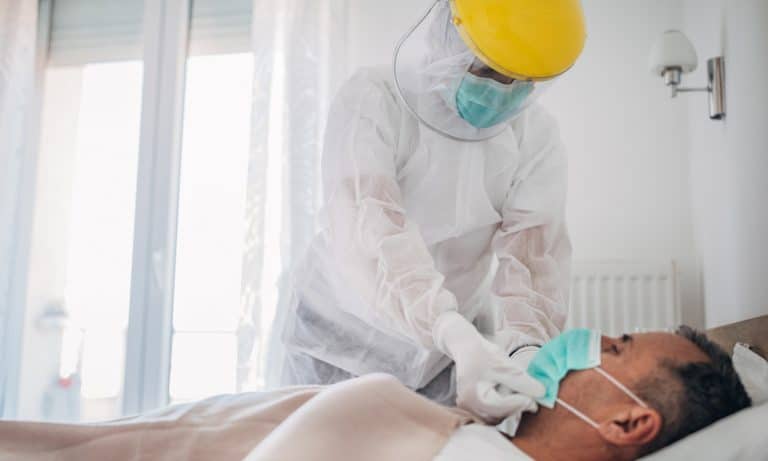
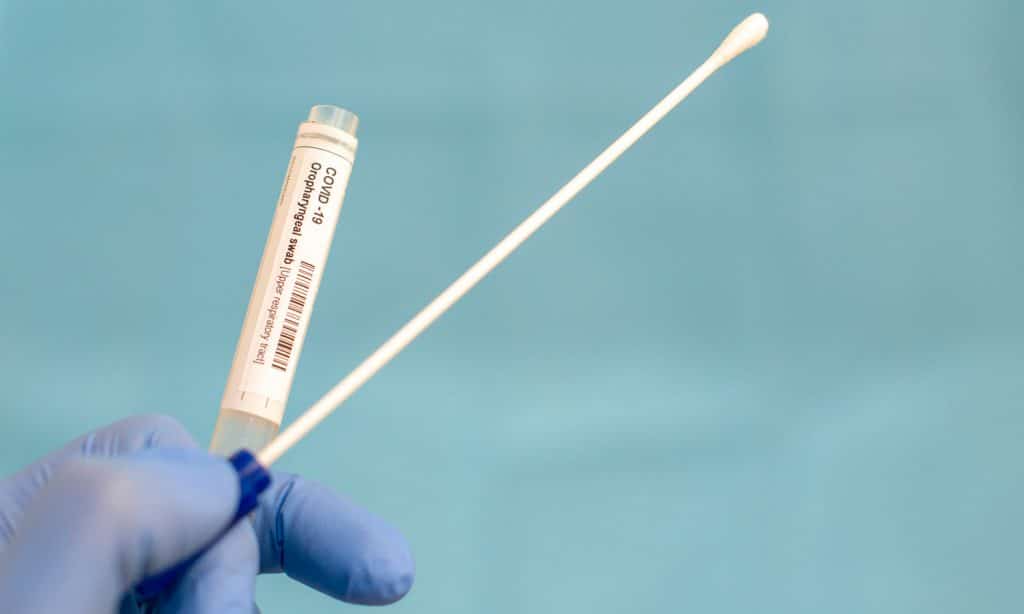
FDA Has Approved A New At-Home Test For COVID-19
Photo by Paul Biris/Getty Images

The guidance also applies to investigational drugs. Investigational drugs may be approved by the FDA for use in one disease or condition, but will still be considered “investigational” in treating other diseases or conditions (in other situations, this might be called an experimental or an investigational agent)

By the time the national emergency was declared on March 13, the requests by physicians to treat their COVID-19 patients with investigatory drugs had significantly increased. The ability to treat patients with investigatory drugs falls under the FDA’s umbrella regulations for the patient’s expanded access pathway. This is sometimes called “compassionate use guidance.” This allows a patient with a serious disease to gain access to an investigational drug or biological product.

The unprecedented spread — and strength and sheer volume — of COVID-19 cases in the U.S. are among the factors that necessitated this decision. 

6 Ways To Tell If You’re A Dedicated Marijuana User

Weekend warrior? Diehard smoker? Casual user? If you are confused about your dedication to the cannabis culture, here are some ways to help sort that out.

There was once a time when being a marijuana user was like being a member of a secret society. Not everyone was doing it, but there were a few telltale signs that showed when someone was in. If a dude drove a jacked-up Monte Carlo tricked out with interior lighting and a dreamcatcher dangling from his rearview mirror, chances were good that he was part of the scene. This is especially true if you heard Steve Miller blasting from the speakers as he passed by. Or if a girl made a well-placed roach clip or two part of her fashion accessories, she was probably among the heads.  

These days, however, the secret is out. It seems that everyone we meet is in the cannabis club in some form or fashion. Yet, we are still of the opinion that there are weekend warrior types, those who dedicate themselves to the herb only when it is convenient, and the diehards — people who would risk life and limb for this plant if it came down to it. So which side are you on? If you are confused about your dedication to the cannabis culture, here are six ways to help sort that out.

You Wake and Bake

A Deep Dive Into What Cannabis' THCA Can Do For You
Photo by rawpixel.com

RELATED: Charlize Theron Liked To ‘Wake And Bake’ For Most Of Her Life

If the first thing you do when the dastardly alarm goes off in the morning is grab your trusted smoking device for a wake and bake ritual, you are most likely a faithful marijuana user. Anyone who needs to be high before they brush their teeth has smoked enough weed in their time to know that getting out of bed without a nice head change isn’t worth it.  

You Are A Daily Smoker

The easiest way to determine whether someone is a devoted marijuana user or just a part-time toker is to look at how much dope they are smoking. Someone who only chiefs the reefer on special occasions is far different than those who believe that just having weed is the occasion. A person who is genuinely dedicated to the doobie typically uses marijuana every day, even if it is just to unwind once the deeds of the day are done.

You Always Have Weed In The House

Photo by agafapaperiapunta/Getty Images

RELATED: This Is How To Know When It Might Be Time To Lay Off Marijuana

We’ve all met that person who smokes marijuana but never has any. But a committed marijuana user never lets his or her weed supply become scarce. These people typically buy more than just a dime bag at a time, and you had better believe they are making contact with their dealer long before their stash starts to looks skimpy. In legal states, these people are regulars down at their local pot dispensary. They might even be on a first name basis with the budtenders.  

You Name Your Smoking Devices

You might remember when you purchased your first bong, bowl or vape pen. Just the simple act of taking ownership of a piece of marijuana paraphernalia is one of the first steps to pledging allegiance to the leaf. But a person isn’t considered a dedicated marijuana user until after they have given their smoking device a name. That’s when you know weed has become an extension of their very being, a part of the family, the only religion they will ever need. 

You Can Be High In Public With Ease

Blending Marijuana
Photo by MStudioImages/Getty Images

Everyone is a marijuana user until one actually walks into the room. We’ve all been high and attempted to go out for a night on the town. But once we arrive, we spill drinks, laugh incessantly at everything that happens around us, and we just have a difficult time overall holding it together. A real marijuana user doesn’t experience this clown shoe reaction to weed anymore. Nope, he or she can get stoned and virtually navigate even the most challenging social situations as good (if not better) than most people can when they are sober.

You Are A Nerd About All Things Marijuana

Some folks would like to believe they are a true marijuana aficionado simply because they’ve been to a legal pot dispensary and maybe tried a handful of different products. However, a dedicated marijuana user is also a nerd about all things weed. Not only do they know the complete history of marijuana and the origins of prohibition — most people do not — but they can also talk for hours about setting up personal grow spaces and genetics.

What To Know About Baking With CBD

There are all sorts of CBD-infused foods on the market. Still, that shouldn’t stop you from baking your own treats.

CBD’s impact on the wellness industry has been, for better or worse, vast. The restorative and non-hallucinogenic compound has been called many things, including, but not limited to: a fad, the best thing that’s ever happened to patients who need pain relief, and one of the most profitable business ventures of the future.  There are a variety of ways to consume, so here is what to know about baking with CBD.

While there are tons of CBD products and edibles out there, the FDA is still closely monitoring the compound. While this is annoying and confusing, it’s also a good opportunity to get creative, especially if you’re feeling like having a delicious brownie that will also relax you.

How it works

Baking Tips
Photo by Brodie Vissers via Burst

CBD has been called non-psychoactive, which isn’t entirely accurate. While the compound won’t get you high, it will diminish some mental symptoms, like depression, anxiety and stress. There’s physical effects, which include pain management and the reduction of inflammation. There’s also evidence of the compound contributing to better sleep and in relaxing your nervous system after a particularly grueling week or day.

RELATED: The FDA Continues To Chase CBD Companies

It’s important to know that CBD remains a mystery, and that it can affect people in different ways. For some that means blissful calm, while for others it means the chance to sleep like a baby. Both sound great.

Baking it in

Here's What Kind Of CBD Product Is Most Popular In Each State
Photo by lovelyday12/Getty Images

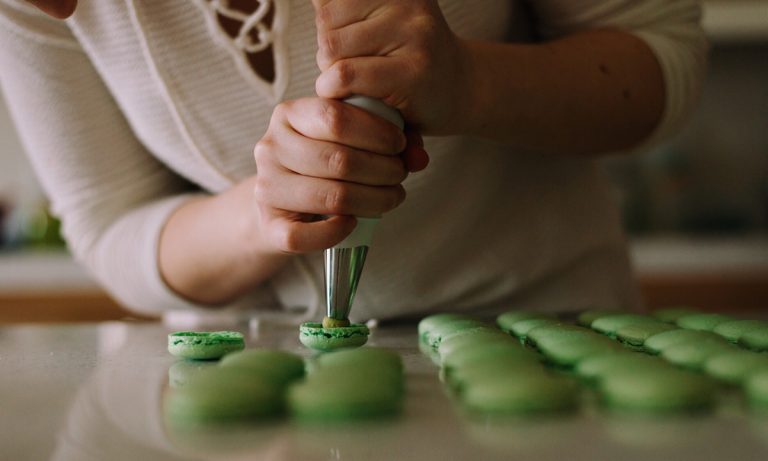
If you plan to bake CBD into a cake, a brownie, or a savory dish, you need the compound to be extracted into some sort of fat. Full spectrum CBD tinctures are the best option for beginners.

When it comes to the amount of CBD you want to use, it all depends on your desired dosage. If you’re baking 6 cookies, then you should multiply that number with the dosage and use that amount of oil.

RELATED: Taking CBD For The First Time? Here Are Some Quick Basics

The recommended dosage is murky at best, one that’s influenced by the fact that the FDA has not granted CBD an official serving size. It’s a trial an error process, but a good rule of thumb is to calculate the dosage according to your body weight. You can also use the CBD oil’s recommended serving per cookie or brownie.

While CBD can be incorporated into any sweet and savory recipe, it’s best to start off with something that you’ve done plenty of times before. Later, once you’ve had a few trial runs, feel free to try out new recipes and get creative.

Does Padma Lakshmi Smoke Weed?

Lakshmi uses her celebrity platform to speak up for her political beliefs, even if they might place her in the midst of controversies. Does this include marijuana?

Among other things, Padma Lakshmi is an author, model, and TV personality, most notably as the host of “Top Chef.” Lakshmi has published several cookbooks and is a strong force within the food industry. She’s quickly becoming an icon.

This week, her new Hulu seres “Taste the Nation” debuted. The program has already received great reviews, praising its political tone and the fact that it chooses to highlight the voices of minorities, which are often lost within the restaurant world.

Does Lakshmi smoke weed?

RELATED: Does Chrissy Teigen Smoke Weed?

Lakshmi uses her celebrity platform to speak up for her political beliefs, even if they might rob her of supporters and place her in the midst of controversies, like the time she baked a 4th of July pie with a message for closing migrant camps.

When it comes to weed, however, there’s not much information out there on whether she enjoys a smoke sesh as much as she enjoys an authentic bean burrito. Still, she has spoken up for marijuana legalization, much like other outspoken progressives who oppose the war on drugs.

RELATED: Does Karlie Kloss Smoke Weed?

She added another tweet to the chain and recommended followers to watch “13th,” the documentary directed by Ava DuVernay that discusses how prisons are disproportionately filled with black people.

This State Is Home To The Largest Marijuana Black Market

An increased tax on flower has forced legally operating dispensaries to increase their prices, which makes it hard for them to compete with the black market.

In California, medical marijuana has been legal since 1996. In 2018, recreational use became legal in the state as well. With that, the state became the largest legal marijuana market in the world, according to date from BDS Analytics.

Unfortunately, this isn’t the only way California tops the charts in the world of cannabis. The state also has the largest marijuana black market in the world.

The Numbers: Black Market Marijuana in California

In 2018, law enforcement officials in California reported destroying 1.6 million marijuana plants because they were illegally grown, according to The New York Times. What does this mean for the financials of the industry? Halfway through 2019, black market sales were projected to reach $8.7 billion in California, according to the LA Times. Meanwhile, legal sales were on track to reach a little over one third of that number at $3.1 billion.

The black market has a real cost for the state as a whole as well as for entrepreneurs in the industry. When California first legalized marijuana, tax revenue was predicted to reach $643 million during the first year of legal sales, according to BDS Analytics. In reality, the state only took in $345 million that year.

RELATED: Why The Black Market Continues To Thrive — And What Is Being Done About It

Take a look a MedMen as an example of how the illicit market is hurting dispensaries that are sticking with the legal route. By the time the second half of 2018 came around, this major retail chain was struggle to make ends meet. The reason? They couldn’t compete with the low prices being offered by illegal sellers. Meanwhile, other retailers report the frustration of competing with unlicensed dispensaries operating in plain sight.

What's The Deal With Cannabis Lounges In California?
Photo by Free-Photos via Pixabay

Behind the Thriving Marijuana Black Market

It isn’t a mystery why black market marijuana is thriving in California. First, we know that licensed dispensaries are facing high taxes on everything they sell. As recently as January 2020, the state increased taxes on the flower from $9.25 to $9.65 per dry ounce and the leaf from $2.75 to $2.84 per dry ounce, according to a notice from the California Department of Tax and Fee Administration. This has forced legally operating dispensaries to increase their prices, which makes it hard for them to compete with the black market.

RELATED: Canadian Retailers Will Sell ‘Value Brand’ Marijuana To Overcome Black Market Dominance

There is also the issue of availability. The majority of California’s illicit weed isn’t even used within the state. Instead, the black market is feeding illegal sales in states where recreational sales remain illegal, according to Politico. And, within the state, the opening of legal dispensaries has been slow with a concentration of locations in specific areas while other areas have few or no dispensaries.

What does the future hold for the black market in California? It doesn’t look great, especially if things don’t change within the legal industry. Researchers predict that illegal marijuana will still claim 54% of sales in 2024 in California, while other legal states are predicted to see illegal sales to only account for 30% of cannabis income.

What To Expect When Smoking Weed For The First Time

Your inaugural weed smoking session is largely dependent on your body and mindset. But here’s what you can probably expect your first time.

Your first experience with marijuana can be great, but it can also be terrible. No wonder people are nervous. Here is what to expect when smoking weed for the first time.

Despite the fact that people have been getting high for hundreds of years, we still know very little about the drug and what it’s capable of. But we do know that your mindset,  body and the type of marijuana you’re consuming can all have an effect on your high, leaving vastly different first impressions from person to person. You might get relaxed and giggly, while your buddy gets paranoid and anxious. Good times!

Here’s a breakdown of some of the most common reactions you might expect from your first time consuming weed.

The Good

People Use Marijuana
Photo by Hưng Nguyễn via Unsplash

RELATED: 4 Things You Need To Know Before Visiting A Marijuana Dispensary

If everything goes correctly, people who are consuming weed for the first time should get high with a good amount of ease. Their bodies haven’t been exposed to cannabis, which means that there’s no tolerance. People who experience a good first high report feeling happy, relaxed, giggly, and very aware of their surroundings, which include colors, sensations, and more. This is why high people can have deep conversations about the state of their shoes. Also why they eat so voraciously.

The Bad

new study says marathon weekend sleep sessions dont work
Photo by Wokandapix via Pixabay

Bad highs usually happen when first timers smoke too much or are in a place that’s uncomfortable for them, such as a crowded party. If someone is naturally anxious, smoking weed might also increase their odds of having a bad time. They might start to worry over other people “knowing” that they’re high, and experiencing dry mouth and thirst.

In order to prevent a bad high, it’s important to moderate how much weed is smoked and be surrounded by people you trust. If a bad high occurs, remember that these are temporary and harmless.

The Nothing

Here’s What You Can Expect When Smoking Weed For The First Time
Photo by Quốc Bảo via Pexels

RELATED: Why Some People Don’t Get High The First Time They Smoke Marijuana

It’s also common for people who smoke weed for the first time to feel nothing. It’s sad. Experts believe that THC must interact with some people’s bodies several times in order to activate their endocannabinoid system. This is called a “sensitization period.”

Know you know what to expect when smoking weed for the first time, so have fun!

Don't Miss Your Weekly Dose of The Fresh Toast.

Stay informed with exclusive news briefs delivered directly to your inbox every Friday.

We respect your privacy. Unsubscribe anytime.