Tuesday, May 12, 2026
Home Blog Page 509

Study Finds Hemp Oil Can Help Chronic Neuropathic Pain

It’s another step towards lessening our dependency on the pharmacological use of opioids and opioid-derivatives.

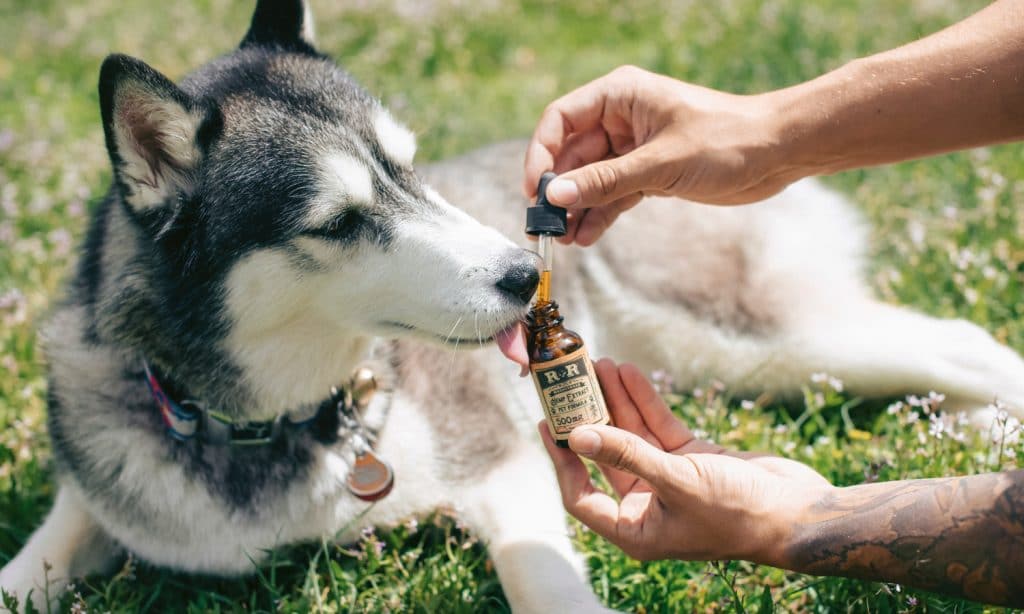
Medical professionals and researchers throughout the U.S. are seeking to steer patients away from opioids and other severely addictive medications. The University of New Mexico released a study in May, published in the scientific journal Life, with positive long-term results in the expanded use of hemp oil to treat chronic neuropathic pain. 

Researchers seek to rely on increasingly natural and organic ways to treat chronic pain.  The biggest takeaway from this UNM study is the increased efficacy of hemp oil, which  means an opportunity to move away from dependence on the pharmacological use of opioids and opioid-derivatives. 

Conventional pharmacological drugs are ranking high as one of the leading forms of causing preventable deaths, and conventional medical errors are the third leading cause of death in the U.S..

Cannabis plants with low THC are still psychoactive, but tend to result in less psychedelic experiences, while still offering profound and often immediate relief from symptoms such as pain, anxiety, and depression,” says co-researcher Dr. Jacob Miguel Vigil, an associate professor in the UNM Psychology Department. 

The UNM researchers used mice as a study subject to examine both the efficacy and the safety of cannabis products. For several hours after being dosed with hemp oil, the mice demonstrated reduced pain. Cannabis oils have been used to relieve aches and pains, anxiety, sleep disturbances and other maladies. They’re also widely available in your local drug store, big box retailer and Amazon. (Just make sure your product is legit before purchasing.)

RELATED: Why Mice Are Perfect For Marijuana Research

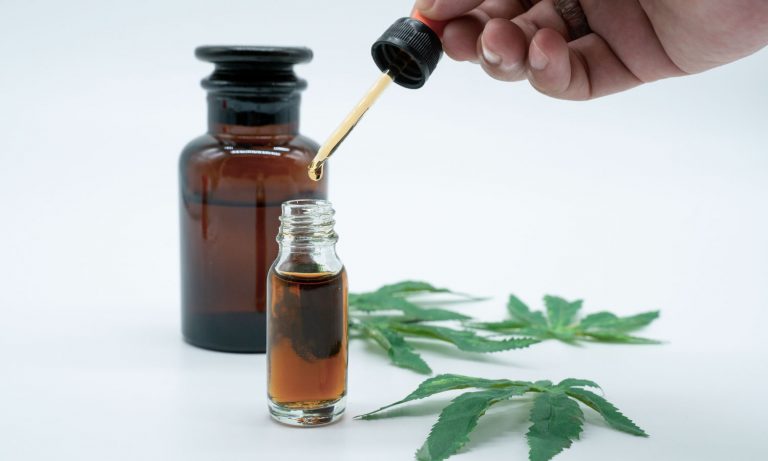
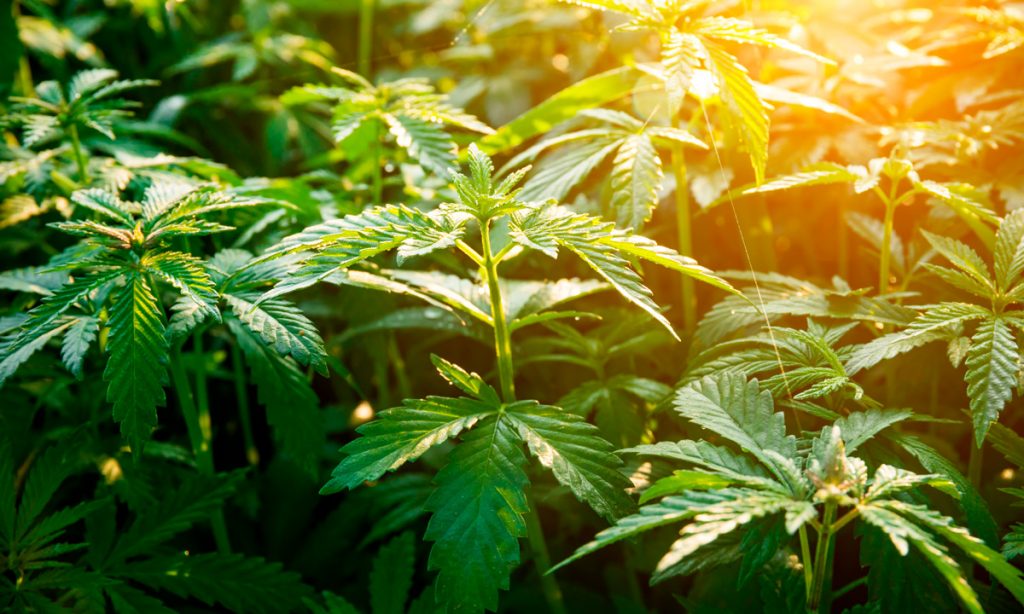
Cannabis plants can also produce cannabinoid (CBD). If your CBD oil is purified from hemp plants (hemp CBD), it’s federally legal. If not, it’s still illegal on a federal level, classified as a Schedule 1 drug.  

Farmers harvest the plant and collect CBD. But caution is strongly advised because the extraction process for THC is essentially the same as CBD, which means the CBD you just bought likely contains a bit of THC.

Long-Term Effects Marijuana
Photo by ColiN00B via Pixabay

“There are many intriguing findings in pre-clinical studies that suggest CBD and hemp oil have anti-inflammatory effects and may be helpful with improving sleep and anxiety,” says Dr. Brent Bauer, an internist and director of research for the Mayo Clinic Integrative Medicine program. Dr. Bauer cautioned in 2019 that the studies on humans are still relatively limited

RELATED: 3 Main Differences Between CBD Oil And Hemp Oil

There is still the need for additional information and continued study in the use of cannabis oils to alleviate pain. In addition to medical professionals, this is still an evolving area to keep up on the latest information for patients, medical professionals, retailers, law enforcement professionals, city and state officials, among others. 

Study Finds Denver’s Marijuana Businesses Need To Diversify

Racial disparity among marijuana business owners and employees are in need of change, policymakers say.

A 2017 Marijuana Business Daily poll reported that less than 10% of nationwide cannabis businesses were founded by Hispanic or African American owners. Sadly, a study commissioned by Denver policymakers found the cannabis industry still needs more diversity initiatives and inclusion in one of marijuana’s epicenters.

About 75% of licensed Denver marijuana business owners are white, the study finds, and 68% of employees are white as well. Though Hispanic or Latino populations make up about 30% of the population in Denver county, only 12% of marijuana business owners and employees are Hispanic or Latino.

Black and African American residents account for less than 6% of ownership and employee bases in Denver’s cannabis scene. According to 2019 U.S. Census Bureau statistics, around 10% of Denver county is black or African American.

“This study sadly confirmed what was widely suspected,” executive director of Denver’s Excise and Licensing division Ashley Kilroy said in a statement. “Just like what has been seen across the state and in other legalized markets across the U.S., Denver does not have a diverse marijuana industry.”

RELATED: The Role Marijuana Legalization Can Play In Fighting Racial Injustice

Denver commissioned the study before widespread protests against police brutality and systemic racism spurred a reckoning with various American industries. City policymakers hoped the study would highlight opportunities to address social justice and social equality initiatives, according to the Denver Post.

More than 80% of Denver Teens Don't Smoke Marijuana
Photo by Eric Donzella via Unsplash

Researchers gathered data used through an online survey that tapped a wide swath of cannabis industry stakeholders, including dispensary owners, budtenders, social justice advocates, growers, the general public, and more. Over 50% of those survey labeled ownership opportunities as “poor,” but employment opportunities as “good.” Money represented a barrier to entry in both cases, however; almost 77% of respondents said access to capital was the biggest hurdle to ownership while just over 70% cited low wages for entry-level jobs as a barrier to working within the industry.

RELATED: Dispensary Job Market Still Strong Despite Lockdowns

Data from the American Civil Liberties Union (ACLU) shows racial disparities in marijuana arrests persist. Though Colorado has the lowest racial disparity in the nation, black residents are still 1.5 times more likely to get arrested for marijuana possession than white people. Lack of opportunity in the legal industry could fuel those numbers, according to experts.

“The emerging legal marijuana industry is overwhelmingly white-owned and white-dominated, and provides good access to white customers,” Stanford psychologist Keith Humphreys told the Post. “So one possibility is that that leaves the illegal market disproportionately composed of people of color, both the buyers and the sellers.”

How To Perfect Your Video Call Make Up

Video calls provide a unique challenge when it comes to makeup. Here’s what some experts recommend.

One of the small comforts we get to enjoy nowadays is the ability to spend our days in our sweatpants with no makeup on. Although this perk quickly gets old and a little sad, it’s nice to put a temporary hold on these kinds of concerns, which are time consuming and tedious. Still, at some point you’re going to have to connect to a Zoom call, whether that’s with friends, a date or your coworkers.

Your laptop’s camera will never replace the real deal, which means that your makeup should be approached differently. Unless your laptop or phone has a very advanced camera, most of the nuance of makeup will be lost in video, which is why some suggest kicking it up a notch or focusing on key areas that will make you look better.

Makeup artist Kasey Spickard pointed out to The Strategist some of the challenges the camera creates. “The camera can wash you out, so you want to focus on sculpting and creating definition in the face.”

RELATED: Are Second Hand Cosmetics Safe To Use?

For video calls, makeup experts prioritize using foundation, concealer and highlighter. These tackle some of the biggest problems created by cameras, which are oily looking skin, eye bags and less definition in your nose, cheekbones and jaw.

Here's What You Should Know About Video Call Make Up
Photo by Ekaterina Bolovtsova via Pexels

Another factor that plays a big role with cameras is lighting and the positioning of your laptop or smartphone. If you’re having a long or important video meeting and want to look good and comfortable, make sure to put your laptop in someplace that’s safe and elevated, preventing double chins and other awkward positions.

RELATED: Zoom Says It’s Taking Steps To Censor Nudity From Video Chats

When it comes to lighting, a window with some shades over it is the goal, since partial natural light is the most flattering. If you don’t have that, you can try a selfie ring, which provides decent illumination and soft light.

Zoom video calls are much like taking selfies. Try to achieve a natural and comfortable look, one that won’t take you hours to put together but that will help you feel make the most out of the current situation.

4 Positive Habits We’ve Picked Up During Lockdown

Social distancing measures have affected our quality of life greatly, but hopefully we can hold on to some of these positive habits.

The side effects of spending over three months in lockdown with limited contact with others have been widely discussed. The mental and physical repercussions of this period of time are concerning for everyone, with experts predicting that the negative habits will follow us after the pandemic is over.

But little has been written or discussed about the good stuff that we’ve picked up during our months in isolation. Here are 4 positive habits we hope stay with us after this stage of the pandemic has passed.

Less spending

5 tips to make budgeting easier
Photo by rawpixel.com

RELATED: Is It Safe To Go Swimming During The Pandemic?

The fact that the economy has been put on hold means that most of us have been forced to put a limit on our spending. The first couple of weeks, when there was no toilet paper or hand sanitizer, people were desperate for essentials, hoarding groceries and items as if they were going to run out of stock. They didn’t. And although people are still doing a lot of online shopping, once the country is moving again, some people believe there will be a renewed support for small businesses and for shopping conscientiously.

Working out more

While we’ve all been watching more TV and spending more time on our phones, spending all this time cooped up has also provided us with plenty of opportunities for working out. Physical exercise is something that a lot of us have a hard time prioritizing; since the pandemic eliminated most sources of distraction, we’ve allowed ourselves to try new workouts and wellness routines, which have afforded us those much touted health benefits.

Learning how to cook

Netflix Announces New Marijuana-Themed Competitive Cooking Show
Photo by rawpixel.com

RELATED: Sports Fans Have Been Watching Some Weird Stuff During Pandemic

The amount of cooking and baking that has been done over the past couple of months is unparalleled. Cookbooks have been topping best seller lists and baking has been an ongoing trend on social media. The pandemic has really challenged people to get out of their comfort zones and prepare meals as a way of bonding with their family members and roommates. Plus, think of how much money you save not going out to eat so much.

Working from home

For those who are lucky enough to have been able to work from home during the pandemic, this shift will likely continue in the future, even if offices reopen this year. Telecommuting eliminates pollution, stress and facilitates the ability to spend time with family. It’s crazy but fitting that it took a pandemic for America to realize that you can still get your work done (if not more) without spending most of your waking hours in the office.

4 Things To Know Before Visiting A Marijuana Dispensary

To ensure you have the best experience during your first dispensary trip, make sure you understand this short list of things a person needs to know before visiting.  

People have a tendency to get a bit excited when the concept of legal weed comes alive in their state. Hey, we can’t say that we blame them. It’s not every day that a plant still considered as dangerous as heroin and LSD in the eyes of the federal government gets the green light to be sold in a retail environment similar to beer. It’s a big deal, we don’t care who you are, especially considering the checkered, eight-decades long history of cannabis prohibition in the United States.  

We’ve watched curious cannabis enthusiasts plot entire vacations around legal marijuana, traveling thousands of miles just to get in on the weed action that their home state may not be progressive enough to have. We’ve also seen some of these people get to a dispensary and be turned away or have bad experiences because they didn’t necessarily understand all of the rules associated with these places before making their journey. To keep that misfortune from happening to you, we have assembled a shortlist of 4 things a person needs to know before visiting a weed store.  

You Must Be 21 and Older To Buy Marijuana From A Dispensary 

When cannabis advocates first began the push to legalize marijuana for recreational use in this country, they patterned the sales pitch after the alcohol trade. In all of the 11 states that have legalized marijuana in a manner similar to booze, a person must be at least 21-years-old before they step foot in a dispensary. There are no exceptions to this rule.

Photo by OpenRangeStock/Getty Images

A person showing up to a retail reefer outlet for the first time can expect to be greeted by security personnel, and this person will ask to see some ID. It is necessary to have a valid driver’s license before going any further into the facility. And we don’t care how cute and charming you might be, anyone who does not have this documentation will be asked to leave the premises immediately. Always be sure to have your driver’s license on hand before making the trip to buy weed in a legal state. You will definitely need it.

Be Prepared For The Budtender To Be Really Great, And Sometimes Bad

Once you finally get inside the showroom part of the dispensary, you will be greeted by a budtender. This person’s job is to show products, answer questions, and even offer recommendations. A good budtender is more like a consultant. He or she will ask the customer essential questions to guide them in the direction to the best possible cannabis choices. A bad one, however, is like a tired clerk at a convenience store. Sure, you can ask them about the products if you want, but most aren’t qualified to do much more than punch buttons on a cash register.

RELATED: Ladies And Gentlemen, Be Sure To Tip Your Budtenders — Or Not

Photo by Heath Korvola / Getty Images

If you don’t know what types of cannabis strains or products you are looking to procure, these people, the clerk types, probably aren’t going to be able to point you in the right direction. Ideally, you want the consultant that knows a thing or two about weed. The good news is, most dispensaries try and ensure their staff is adequately trained and possess the right amount of product knowledge to help customers make informed purchases. Customers need to be able to ask a lot of questions about the products and get a satisfactory response.

If your budtender doesn’t seem quite up to speed on what he or she is selling — you’re getting a lot of “I don’t know” — you might want to change dispensaries before making a purchase. And don’t forget to tip the budtender who goes above and beyond to make your dispensary visit a pleasant one.  

Cannabis Dispensaries Are Mostly Cash-Only Operations, But Some Still Take Credit Cards

Since marijuana is still illegal at the federal level, a lot of banks are scared to do business with the cannabis trade for fear that they might be charged with money laundering. Unfortunately, this means that a vast majority of the marijuana dispensaries out there are operating on a cash-only basis. But it is not unheard of to step inside a marijuana store and hear a budtender telling customers that they are also accepting credit/debit cards.

Google
Photo by Matthew Henry via Burst

Some dispensaries have found a way around the law, so they’ll have no problem selling you weed without cash changing hands. But it is always smart to have a grip on the accepted payment methods of a dispensary before your arrival. When in doubt, just know that cash is always king on the weed scene. Just be sure to bring along plenty of it, as buying weed in a dispensary is more expensive than on the black market. Remember, there are state, local and excise taxes that will be applied to the base price of all marijuana products.  

There Are No Returns in A Marijuana Dispensary

A cannabis dispensary might be a retail environment, but it’s not the GAP. There is a no return policy in these establishments. While you, the customer, will inevitably be introduced to a variety of marijuana products during your visit, it is best to only spend money on those items that you are sure will work into your lifestyle.

RELATED: Let Your Friendly Neighborhood Budtender Help You

Photo by Sonya Yruel/Drug Policy Alliance

People have a habit of getting a little overzealous the first time they buy legal weed and end up dropping several hundred bucks on flower, edibles disposable vape pens and anything else the budtender shows them. But when they get home, they find themselves overcome with buyer’s remorse after realizing that they just spent their entire grocery budget and rent on weed.

Unfortunately, it’s too late then to change your mind. Stepping back inside of the dispensary and asking for a refund isn’t going to get you anywhere. The best advice is to just be careful not to buy into every exciting product that the budtender shows you during your visit. Dispensaries aren’t going anywhere. You can always go back another time.

Does Chrissy Teigen Use Weed

Model, cookbook author, Twitter clapbacker and all around cool mom Chrissy Teigen is known for her fiery personality. Does she smoke weed?

Chrissy Teigen, renowned model turned food icon, is one of the world’s most beloved celebrities. Known for her humor, detailed Instagram stories, delicious food and online drama, Teigen has a strong hold over social media, similar to the Kardashians.

When she was 15, she worked at a surf shop, where she landed a modeling campaign with clothing company Billabong through the shop’s clients, and was discovered by a photographer.  Her modeling career took off as she used it as a base to jump to there things. She appeared in the 2010 Sports Illustrated swimsuit issue, and was named “Rookie of the Year”. The following year, she designed and debuted a capsule collection with swimwear designer DiNeila Brazil at Mercedes-Benz Fashion Week Swim in Miami as well as appeared as a featured character in the 2011 Electronic Arts video game Need For Speed: The Run. She also filmed a Cooking Channel special titled Cookies and Cocktails. She continues to do a variety of things and capture the public’s imagination.

There’s not a lot out there on Teigen and her personal marijuana use, but it’s a different story regarding her inner circle.

RELATED: Does Karlie Kloss Smoke Weed?

In an interview with Rolling Stone, her husband John Legend said that he was an occasional smoker. “Occasionally. I’m not like an avid smoker. Never in the studio, or singing, or anything like that. It takes me a little past drunk. It makes me real mellow, and I usually like to have my girl around,” he said, alluding to Teigen. He’s also said that he supports the legalization of the drug, calling out prohibition for disproportionately targeting black people.

When it comes to Teigen’s own statements regarding marijuana, she’s mentioned it humorously in tweets, uploading a video of her sister cooking while high.

 RELATED: Does Lady Gaga Smoke Weed?

Although all evidence suggests that Teigen could be a secret pothead, in another tweet, she said that she doesn’t smoke weed because it makes her feel weird.

Raise your hand if you’d personally like to experience a “weird” Teigen?

Why Prince William’s Son Almost Didn’t Get A Royal Title

Royal titles have become a bit more tricky – it isn’t always a given now.

Did you know there was almost an issue with the Cambridge’s family?  Here is why Prince Williams’s son almost didn’t get a royal title. The youngest child of Prince William and Kate Middleton wouldn’t have been bestowed a royal title when he was born if it wasn’t for his grandmother.

According to Hello! Magazine (by way of Daily Express), a 1917 law that dates back to King George V states that only the first grandson of Prince Charles would be granted an official royal title (which would be Prince George). But the Queen took legal action and had that law changed.

Had it been enforced, two-year-old Prince Louis and his older sister Charlotte would have been known as “royal” and “lady” instead of the more regal “prince” and “princess.”

The Queen’s legal action also ended another antiquated rule: that sons trump daughters in the line of succession, which means that Louis would have been fourth in line for the throne and Charlotte would have been bumped down to fifth.

RELATED: The Terrible Way Young Prince Harry Found Out He’d Never Be King

Why Prince William's Youngest Son Almost Didn't Get A Royal Title
Photo by Chris Jackson/Staff/Getty Images

The Queen’s intervention also means that her daughter, Princess Anne, could have given her children royal titles as well, but she declined. Anne’s husband, Mark Philips, also rejected the title of “earl” before their wedding.

RELATED: Here’s Why Princess Charlotte’s Kids Probably Won’t Have Royal Titles

Prince Harry and Meghan Markle’s son, Archie, was entitled to be styled as the Earl of Dumbarton. But because his dad wants his kid to have a chance at a “normal” life, little Archie is formally known as Master Archie Harrison Mountbatten-Windsor.

Kate is not referred to as “princess” for a completely different reason. According to the Daily Express, the reason that Kate isn’t known as “Her Royal Highness Princess Catherine” is pretty simple: it’s not the highest ranking title. The Duchess of Cambridge is a higher rank that many princess titles (such as Princess Eugenie, the daughter of Prince Andrew, who is not higher ranking that Kate).

RELATED: This Is Why Prince Philip Is Not King Of England

Now, if Prince William were to become the prince of a principality, say, replacing his father as the Prince of Wales, Kate could decide to take the title of princess, becoming Catherine, Princess of Wales. But just like her mother-in-law, Camilla, she may choose to stick with the title of Duchess, even though it doesn’t sound as cool to us commoners.

Is It Safe To Go Back To Your Gym?

 Even though we’re still in the midst of a pandemic, gyms are reopening across the country. Here’s what you should know in order to stay as safe as possible.

As the U.S. slowly tries to find a new normal, states are reopening non-essential businesses, including gyms and restaurants. While distancing measures have been implemented to keep people safeguarded against COVID-19, this is a trial period and no one knows how this phase will turn out. Still, life must go on.

One of the dirtiest environments are gyms, which were one of the first businesses to close some months ago when the coronavirus struck the country. Gyms are notorious for their germs and general lack of sanitation. Add to that an open workout environment with a lot of sweaty people and you have a recipe for virus exposure.

It doesn’t help that gym equipment, such as dumbbells, yoga mats and machines, are almost constantly in contact with different people who are potentially contaminating them in some way at all times.

Simply put, even if you’re rigorous with cleaning and social distancing, there’s always some degree of risk when inside a gym. Here’s what you can do to try and keep yourself safe:

Be diligent with your cleaning

5 tricks to make your treadmill workout less boring
Photo by William Choquette via Pexels

RELATED: Now Is The Perfect Time To Improve Your Workouts With Weed

If you’re planning on rejoining your gym, be sure to have your tools on you, whether that means masks, cleaning wipes, disinfectant or hand sanitizer. The security measures are dependent on the gym itself, but don’t trust employees or gym goers to wipe down each item after they’re done with it. It helps if you bring your own yoga mat for your floor exercises, and try to limit touching equipment you absolute don’t need to use. Before and after using each machine and dumbbell, be sure to sanitize it. Also remember to wash your hands before and after you leave the building. And possibly inbetween sets.

Keep your distance from others

Another thing that can help you stay safe is to keep your distance from other people in the gym. Try to visit during off hours and wait for others to be done with the machines instead of hovering over them. Remember that sweaty and tired people tend to breathe harder, ejecting droplets that can travel further distances.

Find the right gym

Photo by rawpixel.com

RELATED: What Is ‘Quaranteam’ And Is It Safe?

The best thing you can do for your safety is trust your gym. While you can’t be sure that employees are doing their job in cleaning every surface regularly, you should feel like your gym is being diligent with their cleaning and distancing measures. Before you rejoin your gym, account for the building’s structure, ventilation and the coronavirus safety measures they’ve implemented. If staff is not regularly filling spray bottles of disinfectant and restocking paper towels to wipe down equipment, consider this a red flag.

Nevada Gov. To Pardon Tens Of Thousands Of Marijuana Convictions

Should the resolution pass, the Nevada pardons represents growing marijuana-centric criminal justice reform occurring nationwide.

A new resolution introduced by Gov. Steve Sisolak would pardon tens of thousands of low-level marijuana offenders in Nevada, a state that voted to fully legalize cannabis in 2016. Sisolak will present the resolution to the Nevada Board of Pardons Commissioners next week. If passed, it will provide an unconditional pardon for anyone convicted of possessing less than one ounce of marijuana.

“The people of Nevada have decided that possession of small amounts of marijuana is not a crime,” Sisolak said. “If approved, this resolution will clear the slate for thousands of people who bear the stigma of a conviction for actions that have now been decriminalized.”

The Governor’s office clarified that such pardons would not apply in cases of possession with intent to sell. A bill, signed last year by Sisolak, already exists that allows low-level marijuana offenders to petition the courts to expunge their records. This new resolution would remove that bureaucratic step and pardon offenders automatically.

RELATED: How Technology Is Helping To Wipe Marijuana Convictions Off The Books

Sisolak first floated the resolution back in March at a Board of Pardons Commissioners meeting. Though a pardon does not overturn a conviction, it does restore various rights to offenders, including the right to vote and hold certain jobs and public office.

Nevada's Legal Weed Retail Sales
Photo by Andrey Grinkevich via Unsplash

The resolution coincides with widespread criminal justice reform in the country, following weeks-long protests over police violence and systemic inequalities. California Gov. Gavin Newsom labeled cannabis legalization a “civil rights issue” earlier this week. Portland, Oregon Mayor Ted Wheeler announced he would redirect marijuana tax revenue from police budgets and fund programs that directly support communities of color.

RELATED: Not All Marijuana Offenses Are Pardonable As Cannabis Reform Proceeds

The National Organization for the Reformation of Marijuana Laws (NORML) petitioned the feds to recognize marijuana prohibition as more harmful than the plant itself.

“We all have an important part to play right now in acknowledging the role that racially-motivated drug war policies have played in perpetuating systemic injustice in America,” NORML wrote in an open letter. “We hope that you continue to use your voice to call attention to this issue, and that you consider joining those of us in calling for long overdue public policy changes.”

Cannabis Beverage Market To Hit $1.82B By Year’s End

CBD and THC infused drinks to benefit from “the lipstick effect” as consumers seek small luxuries during COVID-19 lockdown and beyond.

Prohibition Partners, has released a new report indicating that all segments of the beverage industry are now embracing cannabis-infused drinks, with  a clear potential for a growing consumer base as 16% of people who have not yet consumed cannabis-infused drinks say they will probably do so within the next 12 months. They estimate the global cannabis drinks market will be worth US$1.82 billion by the end of 2020 and that number will be infused by those looking for relief from the current COVID-19 pandemic.

“When facing an economic crisis, consumers will be more willing to buy less costly luxury goods. The underlying assumption is that consumers will buy luxury goods even if there is a crisis, but that these goods will be more budget conscious luxury. Cannabis infused drinks are an ideal example of this and Prohibition Partners has found that cannabis products are expected to benefit from this period of self-isolation,“ said Stephen Murphy, Managing Director of Prohibition Partners.

Consumers are stockpiling cannabis products in a bid to ensure that their supplies are secured indefinitely. As part of the “home entertainment line-up” in regions where cannabis is legal, beverages can expect to benefit from this trend in hard times to watch more television and spend more on little extras for their in-home leisure. The current stressors of 2020 have already proven to be a boost to cannabis-based products. Despite the current inevitable economic downturn, cannabis is still set to record impressive growth as consumers look for products to help them relax and de-stress and as the most popular format, drinks will likely be the greatest beneficiary.

Consumer demand is strong; the report finds that one in four consumers or would-be consumers of other cannabinoid-based products would be willing to try cannabis-infused drinks, and 28% of people who have already tried infused beverage consumers say they intend to buy more infused consumer goods in the coming three months.

“We are on the cusp of a drinks revolution, for hundreds of years, legal socializing has either involved alcohol, or sobriety; outside of caffeine and nicotine, ultimately you either got drunk, or you didn’t. The emerging cannabis drinks market is one of the most exciting sectors within the beverage industry; cannabis infusion will truly disrupt the drinks market and become a highly lucrative source of revenue for those who embrace it,” said Murphy.

RELATED: Are CBD-Infused Alcohol Beverages Legal?

The cannabis beverage industry has been further driven by COVID-19 shining a spotlight on respiratory illness and lung disease in an unprecedented way in how people choose to consume cannabis. People are avoiding smoking and vaping in favor of other formats such as edibles, including drinks. Furthermore, governments throughout the globe will be searching for ways to bolster flagging economies and cannabis-infused beverages have the potential to deliver.

Here's What You Should Know About CBD Canned Drinks
Photo by George Hodan via publicdomainpictures

Prohibition Partners has also found that working parents have been particularly responsive to the beverages; 2020 has seen them take on the roles of worker, teacher and parent all at once – their wish to reduce stress is evidenced by the fact that almost 70% of people who reported that they are likely to buy more infused products in the coming three months, have children under the age of 18. This indicates that parents may need an outlet to provide a form of escapism or herbal self-medication during the crisis. This is likely to also be a key reason that more than half of those who intend to purchase more cannabis-infused drinks in the coming three months are ages 25–44.

Claire Birks, Prohibition Partners Senior Analyst says “The global drinks market may be large but overall industry growth is slow with some analysts forecasting annual growth at around just 3%. Our research has found that cannabis-drinks, however, are poised for much bigger growth and point towards an almost 45% compound annual growth rate for the cannabis-infused segment of the drinks industry.”

RELATED: Solving For CBD’s Funky Taste Before Beverages Can Go Mainstream

Federal US Government Statistics from April show a rise in stress-drinking directly resulting from the global pandemic and this has been mirrored across much of the world. Furthermore, a leading professor of Health at the University of Boston has warned that a spike in alcohol use disorders is on its way owing to a shift in alcohol purchase and consumption habits during the crisis.

The emerging cannabis drinks segment, however, could lessen that impact. Consumer research conducted by Prohibition Partners has found that four in 10 consumers who have or intend to purchase cannabinoid-infused beverages do so as a replacement for other intoxicating substances.

How Cannabis is Disrupting Drinks Globally, is set to be discussed at the online global event Prohibition Partners LIVE – set to run in place of the annual Cannabis Europa on June 22-23.

Don't Miss Your Weekly Dose of The Fresh Toast.

Stay informed with exclusive news briefs delivered directly to your inbox every Friday.

We respect your privacy. Unsubscribe anytime.