Saturday, July 18, 2026
Home Blog Page 508

Can You Smoke Marijuana While Taking Antibiotics

There is still much research to be done examining individual medications and how the use of marijuana could change how they work in the body.

It isn’t too common to experience severe side effects with the use of marijuana, according to the Department of Health. But that isn’t to say there aren’t some annoying reactions associated with the plant, such as  red eyes, dry mouth, sedation, and anxiety. 

However, there are ways that your marijuana use could interfere with your health. If you’re taking medications, like an antibiotic, for another health condition, will marijuana help or hinder its effectiveness?

Drug Interactions and Cannabis

We don’t know a lot about how cannabis interacts with medications. There is some research indicating that marijuana use can increase the pain-relieving effects of opioids without increasing the levels of opioids found in plasma. This could reduce opioid use, according to the journal Medicines. The same research review pointed out that children taking clobazam, an anti-seizure medication, and cannabidiol, experience increased levels of clobazam in their blood. And, those who are taking valproate and using medical marijuana appeared to be at higher risks for abnormalities in liver function. 

RELATED: Could CBD Eventually Become An Antibiotic?

This is just the tip of the iceberg, really. There is still much research to be done examining individual medications and how the use of marijuana could change how they work in the body. Patients taking medication for chronic health conditions will certainly want to talk with heir doctor before using marijuana, but what if you’re on a short treatment using antibiotics? Can you use marijuana while taking antibiotics and kick your infection to the curb without complications of delay? 
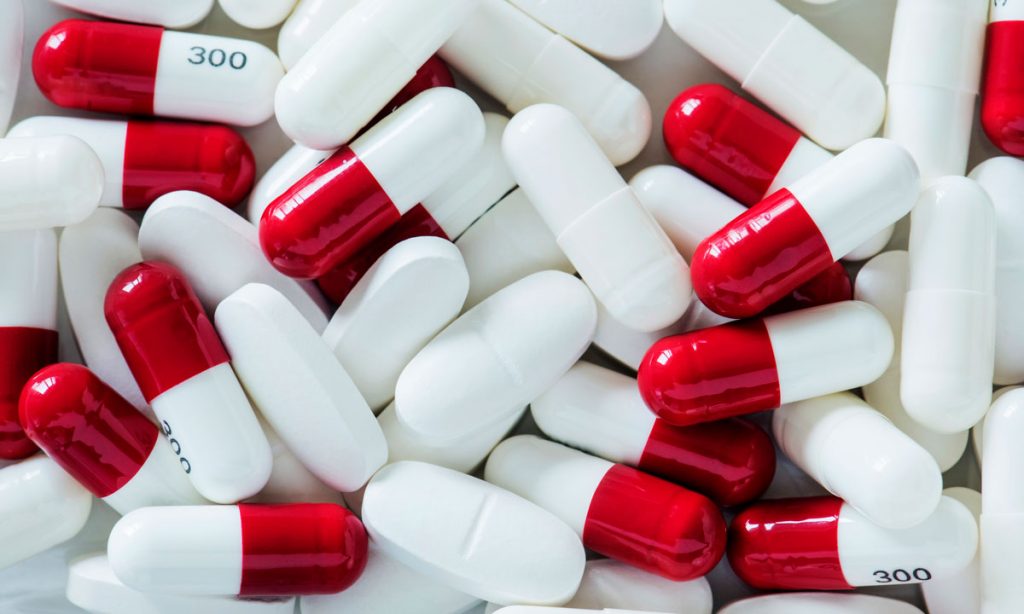
Study: The Most Harmful Drugs Are Legal
Photo by rawpixel.com

You can use marijuana while taking antibiotics

When it comes to taking antibiotics and using marijuana at the same time, there isn’t any research that indicates this isn’t a safe practice. In fact, you won’t find antibiotics on a list of drug interactions if you go hunting online. 

RELATED: CBD Can Improve Effectiveness of Antibiotic Medication

Another thing worth looking into is what marijuana does for the immune system. If you are taking antibiotics to fight off an infection of some kind, you want your body to do its part to get you well. There is some debate about how cannabis affects the immune system. We know that some research indicates that marijuana may suppress the immune system, but there is also research that suggests it may make your immune system stronger and help it fight illness.

Ultimately, there don’t appear to be real risks associated with using marijuana while on antibiotics. In fact, it may be possible that your marijuana use could help your immune system fight off an infection. If possible, we suggest talking it over with your doctor to determine if there is anything you should change about your current marijuana use. Additionally, it is always a good idea to pay close attention to your body, noting adverse reactions and making changes if necessary.

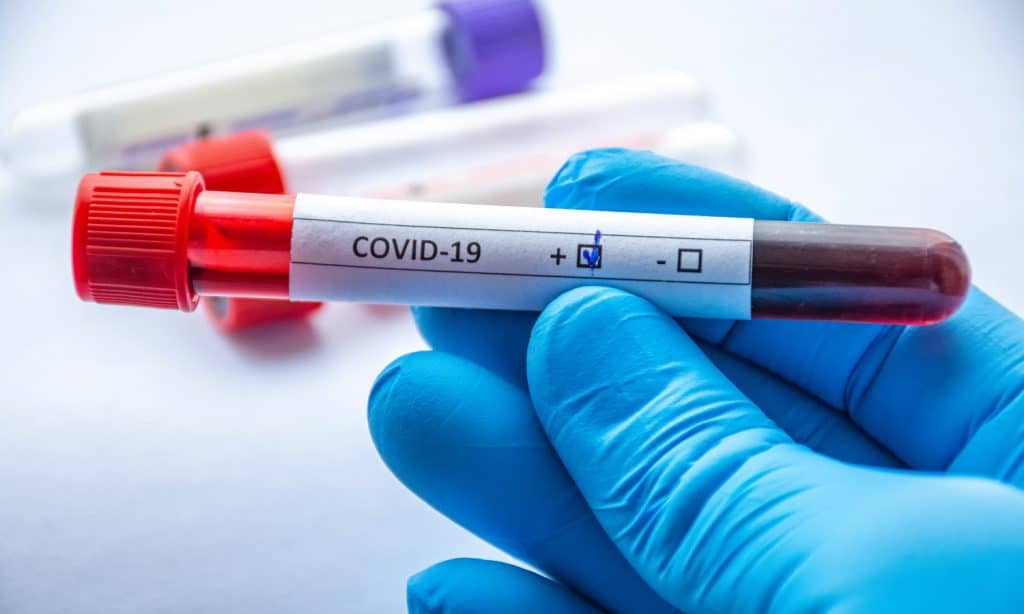
What The FDA Is Doing For Better COVID-19 Data Dashboards

Medical experts indicated that the shared goal is to bring as much data at once and to understand every facet and update of current COVID-19 knowledge.

Real-time information has never been more critical than in response to the ongoing public health emergency, wrought by the spread of COVID-19. The U.S. Food and Drug Administration (FDA,) announced its participation in the COVID-19 Diagnostics Evidence Accelerator, a multi-stakeholder collaborative project to advance diagnostics’ development. The Diagnostics Evidence Accelerator is a project collaboration with the Reagan-Udall Foundation for the FDA in partnership with Friends of Cancer Research.

“While there are current studies of viral diagnostic and antibody tests using traditional assessment methods, the Diagnostics Evidence Accelerator will allow the community to analyze both diagnostic and clinical data in real-time, said Amy Abernethy, M.D., PhD., FDA Principal Deputy Commissioner. “This has the potential to contribute to the scientific evaluation of diagnostic tools and medical interventions for COVID-19.” 

In many ways, this new initiative is a data dashboard, a tool often used in business applications that tracks, analyzes, and displays essential data, metrics and interprets results in KPIs (key performance indicators).

The Diagnostic Evidence Accelerator is the companion tool to the Therapeutic Evidence Accelerator, which brings experts in health data aggregation. Medical experts indicated that the shared goal is to bring as much data at once and to understand every facet and update of current COVID-19 knowledge.

RELATED: FDA Pursues Action Against Companies Offering Misleading Antibody Tests

“This collaboration with the FDA, scientists and data experts is meeting the urgency of the moment to speed the pace of diagnostic testing,” said Ellen V. Sigal, chair of both The Reagan-Udall Foundation and the Friends of Cancer Research organization. Dr. Sigal said the shared goal was real and actionable data and information as a basis for decisions.  

What New Guidelines For Serology Testing Mean For COVID-19
Photo by Shidlovski/Getty Images

Dr. Jeff Shuren, M.D., J.D., Director of FDA’s Center for Devices and Radiological Health, saw the opportunity to gain immediate information to build decisions based on data and therapeutic evidence.

RELATED: FDA Steps Up In Ongoing Coronavirus Health Crisis

“The aim of the Accelerator is to propose questions, refine them, evaluate the feasibility of different approaches, and to bring together groups that have the data to answer the questions and develop lasting solutions,” he said.

“Ultimately, we hope that real-world data can provide a more generalizable and rapid read-out of results than traditional clinical trials,” Dr. Shuren added. 

The FDA also sees the data culled from tools such as the Diagnostic Evidence Accelerator as a tool to provide new information to guide decisions for the FDA or to issue or modify emergency use authorizations (EUAs). In an emergency setting, the FDA may issue EUAs, which can be evaluated with a different standard than is required for approval or clearance in non-emergency situations.

Forget Munchies, Marijuana Can Be An Appetite Suppressant

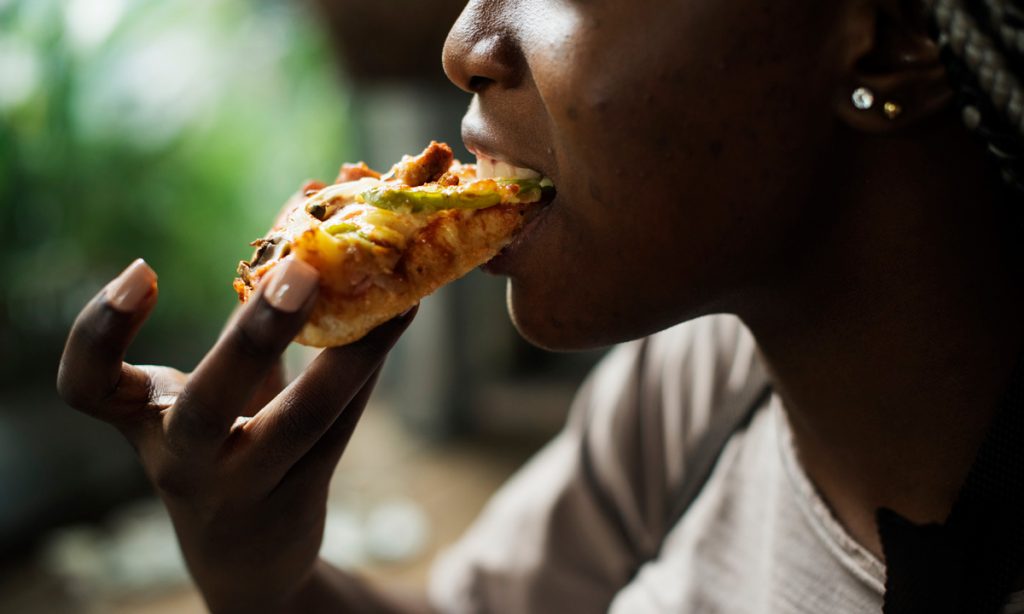
A little-known cannabinoid called THCV can trigger your brain to eat less and avoid greasy, fatty foods.

Marijuana’s capability as an appetite stimulant is well-documented. And, no, we’re not talking about the “munchies.” We’re referring to its ability to kick-start appetite in potentially life-threatening situations.

Cancer, for instance, can induce adverse metabolic changes in patients, causing them to lose their appetites and tissue in the process, which results in a condition called “cachexia.” Chemotherapy treatment and anti-cancer drugs often exacerbate these effects, but research shows medical cannabis can boost appetite, mood, and caloric intake in cancer patients, while simultaneously battling cancer cells.

AIDS patients similarly suffer from wasting syndrome, in which someone loses more than 10% of their body weight. Multiple studies have reported increased appetite and lowered nausea symptoms for HIV-positive subjects who consumed marijuana when compared to those who took a placebo.

This positive effect on appetite is predominantly associated with THC, the psychoactive cannabinoid in the cannabis plant. Marijuana contains at least 113 cannabinoids and one of them has received newfound attention for its opposite effect — suppressing appetite and potentially improving energy levels.

It’s called THCV and it’s similar to THC. The two cannabinoids share psychoactive elements and molecular structure, but their differences have caused intrigue in the scientific community.

RELATED: Concentrates Really Won’t Make You Higher Than Smoking Weed

A 2018 Molecular Biology study described THCV as an “anomaly” of the cannabis plant and represents the only known phytocannabinoid to act as an antagonist in the CB1 receptors in your body’s endocannabinoid system. In fact, a 2015 study published in the International Journal of Neuropsychopharmacology reports that low doses of THCV can counteract some of THC’s mind-altering, intoxicating effects while potentiating others.

THCV: Powerful Appetite-Suppressing Cannabinoid
Photo by rawpixel.com

Most surprisingly, the study found THCV’s antagonist effect had the reverse impact on appetite than THC. The mechanism works like this: THCV triggers your brain, specifically the amygdala region, to associate types of food consumption with an unpleasant sensation. The more you ate, the less you’d enjoy it, the study found. This was found particularly true with greasy, fatty foods.

“By increasing the tendency on the part of appetitive regions to assess food as unpleasant, this effect may decrease time to satiety as food becomes unpleasant on repeated consumption, in turn reducing overall consumption,” the study’s authors wrote.

RELATED: THCV: Powerful Appetite-Suppressing Cannabinoid

This has caused others to suggest THCV as a possible tool in fighting obesity, without possible side effects such as anxiety, depression, and insomnia present in current anti-obesity drugs.

The only problem? Most cannabis strains produce only trace amounts of THCV. Some firms have begun replicating the cannabinoid in labs for commercial use, though their product isn’t yet widely available.

Those looking to experiment with THCV now should fear not. Research shows THCV is most plentiful in sativas, typically those that come from Africa. At the dispensary, ask your budtender if they have any African hybrids. Other strains known to contain higher levels of THCV include Doug’s Varin, Girl Scout Cookies, and Durban Poison.

FDA Issues June 2020 Statistical Guidance Report, Available For Download

The FDA advises that modifications to primary or key secondary endpoints would generally require a protocol amendment or an investigational device exemption (IDE) supplement.

The U.S. Food and Administration (FDA) issued its statistical guidance report for June 2020. This latest document is a series of FDA guidance reports that are created to keep medical experts, healthcare personnel, and others informed on the latest FDA research statistics and analysis for the COVID-19 public health emergency (PHE).

According to the FDA, the documents do not create or confer any rights for or on any person, and they do not operate in a way that would restrict or generally limit the Agency and its operation.  

The current FDA guidance report addresses the collection and the analysis of data during a clinical trial. Some previously planned critical tests were put on hold during the COVID-19 health emergency. While prioritizing the safety of trial participants, the sponsors planned to address the impact of COVID-19 on the program’s ability to meet the trial objectives.

The FDA advises that modifications to primary or key secondary endpoints would generally require a protocol amendment or an investigational device exemption (IDE) supplement. Similarly, changes to the analysis of primary or vital secondary parameters are reflected in an updated statistical analysis plan before locking the database and before any modifications to a non-blinded interim report.

When considering modifications to the trial to address the impact of COVID-19, sponsors should not propose any trial modifications based on data that may introduce bias into the interpretation of trial findings, the FDA advised. Generally, for a blinded trial, changes can be found on information that reveals the magnitude of the treatment. 

RELATED: FDA Pursues Action Against Companies Offering Misleading Antibody Tests

The FDA also indicated that information not specific to individual participants, such as information on site closures and the disruption of the supply of the investigational product, may also be appropriate to use when considering modifications to the trial. 

5 Ways To Prevent Your Electronic Device From Overheating
Photo by VIKTOR HANACEK via picjumbo.com

As discussed in the Guidance summary, researchers need to capture specific information at the participant level, and must describe the context and/or reasons for post-baseline events as they relate to COVID-19. The reasons might include discontinuation of treatment, withdrawal from the trial, the use of alternative or rescue treatments, a missed endpoints, and the use of alternative endpoint ascertainment methods. This information may be useful for incorporating into analysis strategies to address potential biases or for the performance of sensitivity analyses related to the impact of COVID-19.

RELATED: What Healthcare Workers Need To Know About Newest FDA Drug Approvals

The FDA counsels that for sponsors considering stopping a trial and conducting a final analysis, a significant consideration is the loss of statistical power from a smaller sample size or less follow-up time than was anticipated.

The report gathers information from the following agencies: Center for Drug Evaluation and Research; Center for Biologics Evaluation and Research; Center for Devices and Radiological Health, and the Center for Veterinary Medicine.

4 Ways Quarantine Has Affected Our Sex Lives

0

Whether you’re alone or coupled (or thrupled, if that’s your thing), our sex lives have been impacted by the lockdown. Here’s how.

Ever since the pandemic appeared, people’s sex lives have taken a turn, whether they are single or in relationships. Social distancing guidelines have made it tough for established couples to meet up and singles to go on dates. Couples who’ve spent their quarantines together have also faced a lot of stress, constantly being on top of each other (and not in the fun way).

As the pandemic continues, single people have been adapting to this awkward new normal, keeping their distance while also trying to find a way to get back to having intimacy with others.

The future is uncertain in many regards, with rules and regulations evolving on a constant basis. Still, the coronavirus has already left an imprint on people’s sex lives. Here are four examples:

Some people are horny while others are not

Can The Coronavirus Be Transmitted Through Sex?
Photo by Prostock-Studio/Getty Images

RELATED: Can The Coronavirus Be Transmitted Through Sex?

The pandemic and our current social climate is a big source of stress, prompting many different reactions from people, all understandable. While some people are hornier than usual and find sex and masturbation as a good form of relief, others are depressed causing their libidos to take a plunge.

Couples quarantined together have been experiencing different emotions altogether. While some have bonded over the shared stress, others have experienced some irritability and tension due to constant contact. Couples therapists recommend taking your time to process your emotions and creating a space for yourself, where you can process your feelings and have some time for self-care. (May we suggest getting high alone?)

More people are watching porn

People are spending large chunks of their time online and are understandably itching for human contact. Logically, people are watching tons of porn. Pornhub experienced a spike in traffic during March due to their free premium memberships. Now that the promotion has ended, traffic is still up when compared to pre-pandemic times.

There’s a lot of self-pleasure

Can Consuming Marijuana's CBD Improve Your Sex Life?
Photo by Free-Photos via Pixabay

RELATED: How To Take Care Of Your Libido When Quarantined With Others

Since a lot of people have been spending the last couple of months alone, there’s been an increasing interest in all sorts of sexual topics, with people purchasing sex books, discussing sex openly and buying tons of sex toys. While it’s normal for people to be bored and seek pleasure (i.e. masturbation and junk food), it’s also important to adapt to these circumstances and find healthy ways to cope, such as cooking and working out.

Virtual sex is a thing

As has been the case with most of the pandemic, virtual spaces have been stepping up and trying to fill the void of people’s needs. In this case, sexual connection. Sex parties and chats have been adapting to the digital, even if people should be careful about the websites they use and the necessary precautions in order to keep their data private and secure.

5 Questions To Ask Yourself Before Visiting A Marijuana Dispensary

A good dispensary should be a welcoming place for everyone. Here are some things to keep in mind before you patronize one.

One of the best aspects about legal marijuana is its dispensaries, which can inform newcomers and seasoned consumers on the types of cannabis that exist and the products that best suit their needs. But no matter a budtender’s level of expertise or way of communicating with costumers, it helps significantly if you know a few basics. Here are five questions to ask yourself before making visiting a marijuana dispensary.

Do you live in a legal state?

Basic stuff, sure, but the more states legalize marijuana the easier it is to lose track of them. As of this writing, recreational marijuana is legal in 11 states and D.C., allowing adults over 21 to enter their marijuana dispensaries and purchase products. Here’s a handy list that’s updated regularly to keep you in the loop on our nation’s state-by-state marijuana laws.

What kind of cannabis do you want to consume?

Businesses Are Better In States With Legal Marijuana
Photo by Zummolo/Getty Images

RELATED: Should You Tip Your Budtender?

Now that you know if your state is legal or not, it’s time to do some research and see which type of marijuana you’re interested in consuming. You can smoke flower, soak in some cannabis infused bath salts, dab, vape, eat an edible and more. Know the answer to this question or ask your budtender for more information on each method, learning which one suits your needs best. Depending on what method you chose, this is how long you’ll be high.

What effect are you looking for?

Most methods have specific strengths when it comes to how they affect your body. If you’re looking into medical marijuana, you might find better information by contacting a doctor who’s educated in the area versus a budtender who may or may not know your ailment and what you’re looking for. For starters, here’s a doctor’s general guide to help you find the best method of consuming medical marijuana.

How psychoactive do you want to get?

Marijuana Stores Being Targeted By Looters
Photo by Heath Korvola/Getty Images

RELATED: 4 Things You Need To Know Before Visiting A Marijuana Dispensary

Depending on your tolerance, strain and method of consumption, marijuana’s effects on mind and body can shift drastically. You should be clear with your budtender about your level of experience with the plant so that they can provide you with the proper product and dosage. It’s also important to be clear about the experience you’re seeking, whether you want some pain relief or are just looking for a fun experience with friends.

How discreet do you want to be?

Discretion varies from person to person. Some people are able to openly use dab rigs in their living room while others have to consume something less conspicuous. For those who don’t want to attract attention, edibles, vape pens, sublinguals and transdermal patches are great options.

Do The Dixie Chicks Smoke Weed?

The Chicks have never been ones to shy away from controversy, from criticizing the president to addressing spousal abuse. Do their liberal beliefs extend to weed?

We all know at least one song by The Dixie Chicks, no matter our age, gender, or tolerance for country music. But now, amid nationwide protests for racial justice, Natalie Maines, Emily Strayer and Martie Maguire are now just The Chicks. Like Lady Antebellum, who’ve recently changed their name to Lady A, The Chicks dropped the “Dixie” from their name, a word that romanticizes the pre-Civil War South.

The Chicks have updated their social media handles to reflect the name change, and released a video for their song “March, March,” which is a tribute to all of the past and present protests for equality and social justice.

As women who aren’t afraid to stand up for their social or political beliefs (remember when Maines publicly criticized President Bush for invading Iraq? Or their 1999 song “Goodbye Earl” about the murder of an abusive husband?), what is their stance on marijuana?
5 things to know about cannabis in 2020
Photo by Francesco Carta fotografo/Getty Images

In a 2013 profile for Rolling Stone, Maines said she was stunned by the backlash she got from her controversial Bush remarks. “It shocked me and kind of grossed me out that people thought I would be a conservative right-winger, that I’d be a redneck,” she said. “But at that time, people didn’t ask us things like, ‘What do you think of gay marriage?’ If they had, they would have learned how liberal I was.”

RELATED: For The First Time, The Majority Of Republicans Favor Marijuana Legalization

She went on to say that, “Not only do I not like this president, I love gay people! And I’m pro-legalization of marijuana and all drugs! Yeah, let me blow your mind.”

So, while the answer to whether or not The Chicks (or at least some of them) smoke marijuana isn’t crystal clear, it sounds like they’re not opposed to it.

5 Ways To Keep Up With Your Quarantine Workout Once You Return To The Office

 Going back to the office doesn’t mean you have to stop the workout routine you nailed in lockdown. Here’s how.

The pandemic has proved to be the perfect opportunity to try out some new workouts, all with the intent of moving around and staving off boredom. Now that the weather is warming up, there’s ample opportunities for people to leave their homes, workout and return feeling refreshed and ready to take on some more isolation. Just kidding.

The world is slowly reopening, testing the waters and getting back to normal-ish. While this is exciting, it’s also important to be careful and to remember that we’re not out of the woods yet. It would also be great if we could all retain some of our fitness now that we have — or are gearing up — to jump back into office work.

Here’s 5 tips that can help you stay in shape:

Buy the right equipment

Going to work and then trying to find the time to go the gym or on a run during your day is difficult. If there’s one thing we learned from our months spent indoors is that you can work out a lot within your home. Purchase some weights, a yoga mat, a jump rope, or anything else that’s portable (and enjoyable). Make the time for workouts at home or somewhere else where you can just carry that stuff and burn some calories, no matter where you are.

Make time for the workouts you like

Can You Use Cannabis For Your Workout Recovery?
Photo by Jonathan Borba via Pexels

RELATED: Is It Safe To Go Back To Your Gym?

There’s no need to pursue something you don’t enjoy. The important thing is that you have a workout routine. If you dread working out, try to transform your workout into something that you look forward to instead of it being something you dread. Hate running? Don’t do it then. Try going on long walks instead.

Use your calendar

Your calendar is a helpful tool whenever you’re too busy with appointments. Adding in the days and approximate times for your workouts will give you a reminder and also help you stick to them. Try getting up earlier, or sneaking in 10 or 15 minutes of jump roping before your morning shower or during your lunch break. No matter how busy you are, it’s entirely possible to fit in a workout.

Sneak in short workouts throughout the day

5 tricks to make your treadmill workout less boring
Photo by William Choquette via Pexels

RELATED: Can You Get A Yeast Infection On Your Face From Wearing A Mask?

A good strategy for days when you’re too busy and can’t block out an entire hour to exercise is to workout in chunks. Sneak in some push ups, bicep curls or a couple of runs up and down the stairs (assuming your office has a stairwell). While this method goes kind of against the norm, it will make you appreciate the movement of your muscles and how your body feels afterwards.

There’s no need to rejoin the gym

Gyms are still unsafe, which is why you don’t need to push yourself to rejoin them. Try new workouts that feel satisfying, no matter if they’re not as intense or grueling as what you’re used to. What matters is that you move around and stay motivated.

America’s Complicated Perception Of Weed And Booze

In addition to surveying public perception of alcohol and marijuana use, this research also aimed to find out why people turn to each substance.

America’s complicated perception of weed and booze is again evolving. Times are changing and as more states legalize both recreational and medical marijuana, it is obvious that public opinion about the two is changing, too. At face value, it appears that more people are accepting of marijuana, both as a recreational substance and plant-based medicinal product.

What if we take a closer look? A recent survey performed by the American Addiction Center aimed to do just that and shed some light on the public opinion on weed and booze. Their results confirm what we suspected from the start — the way Americans feel about weed and booze is pretty complicated.

More People Believe Marijuana Should Be Illegal

In the survey of 1,000 people, the American Addiction Center found that 17% of those surveyed believed marijuana should be an illegal substance. This is compared to only 10% of respondents stating that they would prefer alcohol be illegal.

RELATED: Study: Alcohol More Harmful To The Brain Than Marijuana

Interestingly enough, when the results of the survey were adjusted based on the respondents’ own use of these two substances, the overall opinion was different. Among those who don’t drink alcohol at all, 38% want it to be illegal. When the same questioned was asked about marijuana among those who don’t use it, only 30% said they would like it to be illegal.

Is marijuana or alcohol more dangerous?

We know that alcohol use is significantly more dangerous than marijuana use, with an estimated 88,000 alcohol-related deaths occurring in the United States each year. How does public perception line up with the facts? When asked questions about the dangers of each substance, the researchers found that most people seemed to understand that alcohol is more dangerous but still many felt that marijuana was dangerous, as well. 

RELATED: Teenagers Ditch Alcohol And Cigarettes For Weed And Vaping

The average response to the survey was that alcohol is somewhat dangerous or very dangerous. For marijuana, the average response was that it was not very dangerous or somewhat dangerous.

how to make drinking alcohol easier on your body
Photo by Giovanna Gomes via Unsplash

When looking asked for more specific concerns about using marijuana or drinking alcohol, the biggest concern for both substances was how they behave in public. However, respondents were significantly more concerned about their public behavior when drinking alcohol than when using marijuana.

Why do people use marijuana and alcohol?

In addition to surveying public perception of alcohol and marijuana use, this research also aimed to find out why people turn to each substance. According to the results, a much higher number of people use alcohol to celebrate than they do marijuana.

A surveyed 14% of alcohol users admitted they felt they are addicted, while only 8.2% felt that was the reason behind their marijuana use. Interestingly, when asked if they use alcohol or marijuana to cope with stress, the results were nearly identical — 42% said they turn to alcohol while 41% turn to marijuana as a way of dealing with the stress in their life.

Remembering Dr. Lester Grinspoon, Intellectual Leader Of The Marijuana Movement

0

Grinspoon’s book reads as prophetic today, at a time when cannabis reform intersects with the racial injustice and policing issues that currently plague society.

The notion that cannabis holds medical benefits worthy of scientific exploration isn’t such a radical idea today. Give credit to Dr. Lester Grinspoon for that, as he emerged as an invaluable scholarly voice promoting cannabis reform amid the Nixon Administration’s War on Drugs. Grinspoon, who was instrumental in early legalization efforts, died June 25 — one day after his 92nd birthday.

He attended Tufts University and Harvard Medical School, later becoming a longtime fixture in Harvard’s psychiatry department. When Grinspoon first entered Harvard, he viewed cannabis with the same criticism typical, believing it was a harmful drug. Then he met Dr. Carl Sagan, the famed astrophysicist and cannabis advocate. Sagan, a Harvard colleague and good friend to Grinspoon, offered to split a joint one day in the 60s.

“When I saw him smoking for the first time, I said, ‘Carl, you musn’t do that! That’s a very dangerous drug,’ ” Grinspoon told the Boston Globe in 2018. “He took another puff and said, ‘Here, Lester, have some, you’ll love it and it’s harmless.’ I was absolutely astonished.”

Grinspoon became determined to prove Sagan wrong, and reviewed the available research vigorously. In the process, he quickly changed his mind and became a cannabis advocate instead. He wrote his landmark book Marihuana Reconsidered in 1971, where he first argued legalizing a plant that had been prohibited for 34 years until then. At the time it was published, nine out of 10 Americans believed cannabis should remain illegal.

RELATED: How Marijuana Reform Intersects With Policing And Racial Justice

Grinspoon’s book reads as prophetic today, at a time when cannabis reform intersects with the racial injustice and policing issues that currently plague society.

“Indeed the greatest potential for social harm lies in the scarring of so many young people and the reactive, institutional damages that are direct products of present marijuana laws,” Grinspoon wrote.  “If we are to avoid having this harm reach the proportion of a national disaster within the next decade, we must move to make the social use of marijuana legal.”

This Is How To Know When It Might Be Time To Lay Off Marijuana
Photo by Artëm Vasilenko/EyeEm/Getty Images

“And we must consider the damage inflicted on legal and other institutions when young people react to what they see as a confirmation of their view that those institutions are hypocritical and inequitable,” he added.

Grinspoon advocated alongside The National Organization for the Reformation of Marijuana Laws (NORML) throughout the 80s. “For the last five decades, Dr. Grinspoon was the intellectual leader of the marijuana legalization movement,” NORML founder Keith Stroup wrote following news of Grinspoon’s passing.

Unlike Sagan, Grinspoon openly admitted to smoking cannabis in an interview with Barbara Walters on The Today Show. When the public saw a Harvard professor admit such a thing, he hoped it would reshape the image around marijuana users and stoner stereotypes. Decades would pass before that happened and Grinspoon suffered professionally for his public marijuana stance. He was denied full professorship by Harvard multiple times, with rumors circulating the university’s hiring committee disapproved of his cannabis relationship.

RELATED: Study Finds Medical Marijuana Patients Are Happier And Healthier Than Non-Users

Grinspoon’s advocacy continued into the last stages of his life. He memorably wrote an open letter to NFL commissioner Roger Goodell imploring the league to explore cannabis as effective treatment for football players, especially in diminishing concussion and CTE damage.

“In the end, Dr. Lester Grinspoon led the way to insist that our marijuana policies be based on legitimate science,” Stroup wrote. “He made it possible for us to have an informed public policy debate leading to the growing list of states legalizing the responsible use of marijuana.”

Don't Miss Your Weekly Dose of The Fresh Toast.

Stay informed with exclusive news briefs delivered directly to your inbox every Friday.

We respect your privacy. Unsubscribe anytime.