Wednesday, June 17, 2026
Home Blog Page 515

3 Ways CBD Can Help You Get Into Swimsuit Shape

As many cities across the country begin to emerge from lockdown, it’s time to start thinking about our physical health. Here’s how CBD can help you shed any unwanted quarantine pounds.

Summer brings a lot of joys like beach and pool days, outdoor grilling, and swim lessons for your kids. But if you are hoping to drop a few pounds or tone up before you have to show up in your swim trunks over the next few months, you might be wondering how your CBD use is going to factor in.

Can CBD help you lose weight and get the bathing suit body you desire? Here’s everything you need to know.

CBD may help with weight loss  
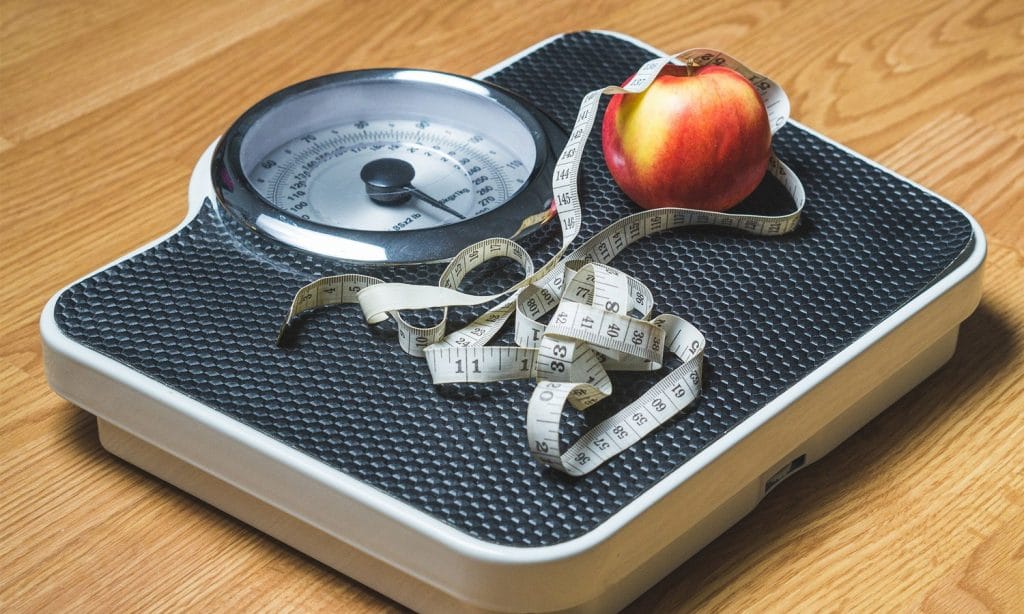
How CBD Can Potentially Combat Obesity
Photo by TeroVesalainen via Pixabay

If your goal is to lose some weight before summer, your CBD isn’t going to get in the way. In fact, it may be able to help. CBD may suppress appetite (or at least regulate it so you don’t binge) and might give your metabolism a boost.

RELATED: How CBD Can Potentially Combat Obesity

Human research is limited to back this up. But a 2011 study of rats found that injecting the animals with daily doses of CBD led to significant reductions in body weight. Researchers believe it may have to do with CBD affecting CB1 and CB2 receptors in the brain. These can help regulate your appetite, which can help if you are tempted by the candy bowl and trying to keep to your healthy diet.

CBD can help reduce inflammation  
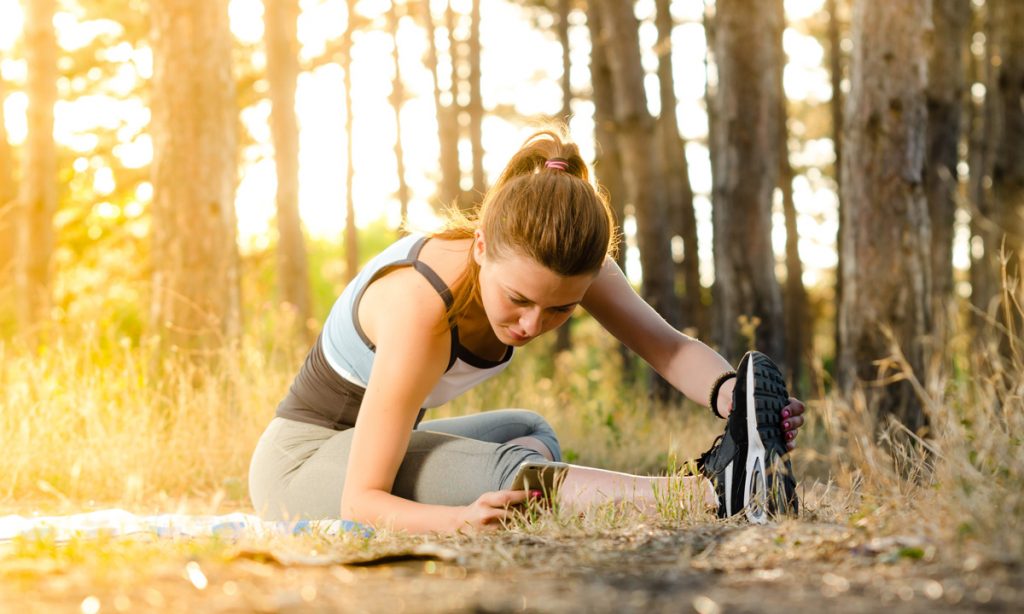
Photo by Alexander Mils via Unsplash

CBD itself can’t help you drop all the pounds you want, but exercise can help you feel your best before summer. Of course, if you aren’t in the best of shape right now, exercise might hurt. A lot. That’s where CBD can come in.

RELATED: Inflammation & Obesity: Can Cannabis Help Break The Cycle?

Research shows that CBD can help reduce inflammation in the body. When you are sore and don’t think you can keep moving through another workout, try CBD oil or CBD topical cream. Your body will feel less swollen and your muscles and joints may loosen up a bit. That means you can keep pushing toward your goals.

CBD can reduce the appearance of cellulite and stretch marks

Exercising In The Summer
Photo by rawpixel.com

You watch your diet and exercise, but you can still have cellulite hanging around. So annoying! CBD can help with that, too.

CBD naturally increases collagen production, which can make skin look healthier and reduce your chance of developing additional cellulite as you age. For existing cellulite, CBD can help reduce stretch marks, cellulite, and improve your skin’s elasticity and texture. Apply topical CBD daily for best results and watch your skin look smoother and healthier by summer.


4 Myths About Cannabis Concentrates

There’s a lot of misconceptions surrounding concentrates, with many claiming that they’re as bad as cocaine and crack. Here are 4 myths  we want to clear up.

As marijuana legalization continues to spread across the U.S., there are countless new businesses offering oils, waxes, distillates, crumble, dab equipment, and extraction machines. While many praise cannabis concentrates and their effectiveness, there’s plenty of dangerous misconceptions surrounding them. Some people say using concentrates can be as addictive as cocaine and that using them is, at times, a deadly practice.

Where does this information come from and is there any truth to these statements? Here are 4 myths about cannabis concentrates that we want to clear up:

Concentrates are better than cannabis flower

Photo by Darrin Harris Frisby/Drug Policy Alliance

RELATED: Marijuana 101: Dabbing Wax Vs. Vaping Wax

A concentrate hit will leave you high for days

High-Potency Marijuana Doubles Risk Of Anxiety Issues, Study FInds
Photo by Keenan Constance via Pexels

RELATED: Differences In Marijuana Highs: Flowers, Edibles and Concentrates

While concentrate newbies might experience a really potent high because they ingested the wrong dose, this shouldn’t happen if you’re consuming concentrates responsibly and have done all the necessary research.

Concentrates are deadly

Photo by rgbspace/Getty Images

RELATED: Dabbing Is On The Rise Among Teens — Here’s What Parents Should Know 

Since there’s so much misinformation surrounding the dabbing process, there have been some reports that claim that overdoses have been influenced by the recent popularity of concentrates. While there might be an existing relationship, marijuana advocates claim that concentrates are safe and produce the same positive results as cannabis flower. Even if you get too high from ingesting the wrong dose, no one has ever died from consuming them.

Concentrates are filled with harmful chemicals

marijuana dabbing
Photo by bartystewart/Getty Images

While the process of making concentrates is one that involves the use of complex chemicals, facilities are equipped to handle these solvents and are very strict when it comes to how they’re produced. All the information should be clearly stated on the product’s label, and concentrates should be made by professionals who are working responsibly. In short, dangerous concentrates are rarely found in a regulated market.

Research Finds CBD Could Save Dogs From This Disorder

A study out of Colorado State University found that seizure reduction was related to how much CBD was in a dog’s bloodstream.

Many people want to know the truth around CBD for pets. Could it legitimately help my dog or is just snake oil? And while CBD has been promised as a cure for dog’s anxiety or cancer, a recent research finds CBD could save dogs from this disorder in particular.

Dr. Stephanie McGrath of Colorado State University developed a pilot study around CBD’s effect on dogs with epilepsy. In her clinical trial, 89% of the dogs taking CBD had a reduction in seizures. This is significant because, according to researchers, up to 5.7% of dogs worldwide suffer from idiopathic epilepsy.

“There was a significant reduction in seizure activity,” McGrath told FOX 31 Denver. “The higher the CBD in the dog’s bloodstream, the greater seizure reduction we achieved.”

dogs know when youre upset and want to help
Photo by Alvan Nee via Unsplash

RELATED: Fact Check: Is Marijuana’s CBD Psychoactive Or Not?

To conduct the study, researchers gave nine epileptic dogs CBD while administering placebos to seven other dogs. While McGrath says the reduction in seizures from dogs taking CBD didn’t meet the 50% effectiveness threshold, the results were encouraging. Still, more research is needed.

“It’s really exciting that perhaps we can start looking at CBD in the future as an alternative to existing anticonvulsive drugs,” McGrath told Yahoo UK.

Does Karlie Kloss Smoke Weed?

The model and fashion icon is getting called out for faux wokeness on Instagram. Does her liberal leaning include marijuana consumption?

Karlie Kloss has had a complicated relationship with fame. Earning acclaim for her work as a Victoria’s Secret model, being Taylor Swift’s best friend, and a speaker for women wishing to work in male dominated fields like technology, her online presence took a turn in 2018.

That’s when Kloss married Josh Kushner, brother of Jared Kushner, also known as Ivanka Trump’s husband and President Trump’s senior advisor.

While Kloss normally doesn’t acknowledge the Trump family on social media, she recently uploaded a Cleo Wade quote on Instagram, using it to call out racism, and informing her followers that proceeds of the sales of prints would go to The Antiracist Research & Policy Center. Not surprisingly, Kloss’s post caused a lot of outrage.

“Karlie, give it a rest,” actress and writer Tavi Gevinson commented. “You have a lot of nerve to make a show of championing girls’ coding and your other causes while only politely disowning your family in public (lmao @ you ignoring ivanka on social media; she still went to your wedding). I can’t believe you’re not more embarrassed not just by them but YOUR decision to only publicly disown their politics in polite ways so you can have it both ways.”

RELATED: Does Lady Gaga Smoke Weed?

But what we want to know is: does Karlie Kloss smoke weed?

As expected, Kloss has a very clean social media presence. Most of her posts are related to her work in “Project Runway” or personal projects. There’s not a lot of spontaneous images circulating around the internet of her, especially no photos of her smoking a joint.

Does Karlie Kloss Smoke Weed?
Photo by Francois Durand/Stringer/Getty Images

In 2019 Josh Kushner’s company, Thrive Capital, made an investment in marijuana, leading a $35 million fundraiser for LeafLink, a New York based marketplace for buyers and sellers of marijuana. Although not much was said regarding Kushner’s position with the drug, an investment of that size suggests that he’s all in for marijuana legalization.

RELATED: Does Lana Del Rey Smoke Weed?

Sadly, that’s about it for Kloss’s connections with marijuana, unless you want to count this trailer of Bill Nye’s science show where Kloss is a guest and Nye is conducting experiments with weed.

Even before she was involved with the President’s family, Kloss was never one to get too personal on social media. Now, with her awkward position as a Democrat and liberal who’s married into a prominent Republican family, it seems very unlikely that she’ll open up to any controversy, including weed.

A Message From Marijuana Policy Project ED Steve Hawkins

Dear readers, we wanted to share a message from Marijuana Policy Project ED Steve Hawkins as one of our partners and leaders in the  legalize cannabis movement.

“I decided to join MPP because I believe that we will not fundamentally change policing practices in this country until we put an end to the war on drugs, and it starts with ending the prohibition on cannabis.”

I just spent the last two nights immersed in work that is sadly too familiar. I found myself once again providing assistance to lawyers representing an African American family who had lost a loved one at the hands of the police. So often, I am drawn back to where my career began over three decades ago as a young civil rights lawyer taking on cases involving police brutality and the death penalty. For me, there was little distinction between Black and Brown people losing their lives on the street to the police and those same people being strapped to gurneys and put to death. Both serve as forms of state-sanctioned murder disproportionately applied to people of color in the United States.

The murder of George Floyd by four Minneapolis police officers is merely the latest chapter in a long and ugly history of racial oppression that has defined our nation since its inception. I have spent my life fighting against this legacy and striving for racial justice in multiple ways — through the courts, at the United Nations, in the halls of Congress and state legislatures, and on the front lines of protest. Indeed, that journey is what led me to serve as executive director of the Marijuana Policy Project two years ago.

Since 1970, when President Nixon listed cannabis as a Schedule I drug under the Controlled Substances Act, this plant has been at the epicenter of a vicious drug war. This war has been waged on communities of color over the last half century, taking the form of oppressive policing in which African American and Latinx lives have proven to be expendable. We have seen this in deadly police encounters, such as the killing of Philando Castile, where the police officer rationalized the shooting because he smelled “burnt marijuana” in the car and “thought I was gonna die.”

RELATED: Science Says Medical Marijuana Improves Quality Of Life

This cannabis-consumption-as-justification has been used repeatedly, as we saw with Trayvon Martin (trace amounts of THC in his system as grounds for asserting he was under the influence), Michael Brown (recent use of cannabis), and Sandra Bland (found hung in her jail cell). Further, a quarter of all deadly “no-knock” drug raids, such as the one that resulted in the recent police shooting of Breonna Taylor, involved cannabis during a seven-year period (2010-2017) according to The Washington Post. Those killed include James Wescott (.2 grams in his possession) and Henry Magee (12 plants in his home) — both African American men. All of these lost lives represent intolerable crimes of racial injustice perpetrated by law enforcement under a system that has weaponized cannabis against people of color.

Trial After Marijuana Bust
Photo by qimono via Pixabay

I decided to join MPP because I believe that we will not fundamentally change policing practices in this country until we put an end to the war on drugs, and it starts with ending the prohibition on cannabis. The latest FBI statistics show that there were over 660,000 cannabis arrests in 2018 — one every 48 seconds — with blatant racial disparities in arrest rates. Take that number and increase it by a magnitude of four or five and you peek into the window of millions of police encounters where Black and Brown youth are subject to harassment and intimidation each day, sometimes with fatal consequences. I witnessed this firsthand with my nephews — Joshua and Isaiah — growing up in Yonkers, New York, as their feelings of self-worth and dignity were diminished by the numerous times they were stopped, questioned, searched, and insulted by the police.

There are many ways that policing will have to change in the United States to protect Black and Brown lives. That includes proper training on racial bias and use of force, a reward system for de-escalating conflict, independent prosecutors and autopsy examiners in police shootings, and federal laws to bar chokeholds and other forms of deadly restraint. But we must add to that list the legalization of cannabis — and not just its decriminalization. Only through legalization do we dramatically end arrests for cannabis-related offenses and rid ourselves of the number one pretext for thousands of police stops that happen daily in communities of color. While cannabis legalization alone will not save Black and Brown lives, it offers an opportunity to re-center policing away from a focus on the drug war to a focus on community healing and positive relationship-building. In that, there is hope.

In solidarity,

Steve Hawkins
Executive Director
Marijuana Policy Project

Why Prince William Wants Harry And Meghan To Move Out Of LA

Los Angeles isn’t for the faint of heart, and it’s certainly not for anyone uncomfortable with fame and intrusive media.

It wouldn’t be a royals story without some family drama. In this episode, Prince William is worried about his brother and sister-in-law living in Los Angeles. For obvious reasons, L.A. isn’t exactly where you move to when you want to escape the paparazzi, and apparently, William is the only royal who understands that.

Prince Harry and Meghan Markle have been staying at Tyler Perry’s $18M sprawling compound in Beverly Hills since they stepped away from their royal duties earlier this year. Finding their own home has been challenging, with a global pandemic taking place right now, among other things. But staying in an exclusive, gated community where nobody can gain access to you has its drawbacks.

RELATED: The Unusual Way Prince William Has Dealt With Anxiety

As the Observer reports, there have been at least five incidents in which drones were illegally flown just 20 feet above Perry’s home in order to capture photos of the couple with their son, Archie.

meghan markles 5 best looks
Photo by Chris Jackson/Staff/Getty Images

While the move to Los Angeles has been pretty seamless for Markle, who was raised in the City of Angels, Harry has been leaning on his older brother for emotional support, especially now that he’s living in an area known for its celebrity worship.

RELATED: Prince Harry Is Reportedly Missing These Comforts Of Home

A source told Us Weekly that Wills has “advised Harry to return to London or move elsewhere” and that “he’s concerned about his brother’s well-being and safety.”

The insider also said that Harry had “unrealistic expectations” of life in Los Angeles and “saw L.A. through rose-colored glasses.”

Dark Web Marijuana Sales Soar During Pandemic

The continued global crisis makes it difficult to know how black-market consumer behavior will change in the future.

The coronavirus pandemic caused an uptick in doomsday hoarding behavior, with Americans stocking up on toilet paper, frozen poultry, and hand sanitizer. They also bought a bunch of marijuana.

Previous data showed legal cannabis sales skyrocketed when Americans became serious about the pandemic around mid-March. But now we have a better idea of how COVID-19 affected black market sales.

The European Monitoring Center for Drugs and Drug Addiction (EMCDDA) studied dark web marijuana sales with findings published in the Journal of Addiction Medicine, as WIRED first reported. The number of dark web cannabis sales increased more than 30% in the first three months of 2020, which coincided with when the pandemic first impacted Europe. EMCDDA analysts aren’t sure why this jump in sales began as early as it did in Europe.

“It’s possible that buyers were trying to stock up for the weeks to come, or there’s just a larger group of cannabis users discovering online as a convenient distribution channel when social contact is limited and they have limited means to reach out to their usual dealer,” EMCDDA’s principal scientific analyst, Teodora Groshkova, told WIRED.

RELATED: How Drug Use Is Changing For Better—And Worse—Under Quarantine

What surprised Groshkova’s team is how this affected revenue. In January, the predominantly Europe-based purchases made 11,036 weed purchased on Europe’s three biggest dark web markets. In March, that number was 14,289. None of which resulted in a huge jump in revenue. The pandemic inspired a mass of personal stash buys, but large-quantity wholesale faded significantly at the same time. Sales on Cannazon, a marijuana-only market, dropped from $2.1 million in January to $1.7 million in March.

4 Tips To Help You Avoid Online Shopping Scams
Photo by Westend61/Getty Images

Groshkova suggested local black market dealers who sourced their sale supply from the dark web couldn’t justify mass purchases once human contact diminished. In turn, it could also mean black market customers just bought directly from the source.

RELATED: Canadian Retailers Will Sell ‘Value Brand’ Marijuana To Overcome Black Market Dominance

“When the offline opportunities for resale is limited, these people are not so interested to get hold of this type of larger amount,” Groshkova told WIRED. “They see that they’re going to have difficulty shifting these products.”

Still the findings do have limitations in drawing long-term conclusions. The global coronavirus pandemic continues, which makes it difficult to know how black-market consumer behavior will change in the future. And as some states propose marijuana legalization as a quick injection to the economy, the black market could change in unpredictable ways moving forward.

Is It Safe To Road Trip This Summer?

The coronavirus has halted most travel, which is not ideal during the summer months. Is taking a trip by car a safe option?

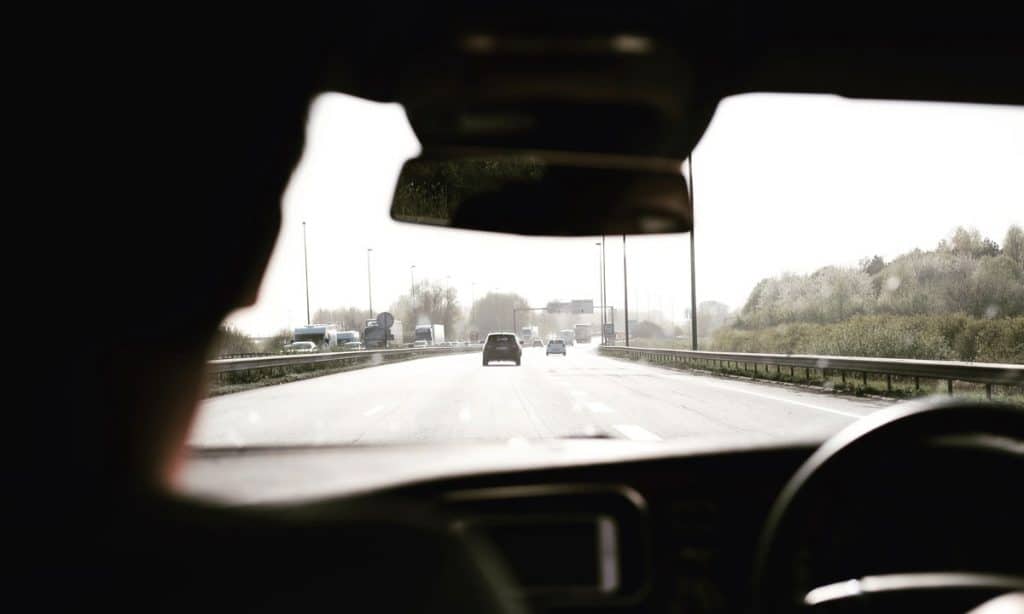
Travel has often felt like a luxury for many, and now, that feeling has been amplified. While it’s certainly not the most pressing issue right now, it’s one that affects almost everyone — from those who want to visit family to those who need a much-needed (physical and mental) escape from their homes. While airports and airlines are still functioning, a lot of people are wondering about road trips and whether that’s a safer option than getting on a plane.

Answers regarding the coronavirus change on a regular basis. Medical experts and the Centers for Disease Control are learning as they go and analyze the progress of the virus, meaning that what we might think is safe could turn out to be less safe in a short period of time.

Traveling by car seems like a much safer option than any form of public transportation or air travel. But experts stress that what we should all keep in mind is where we’re coming from and what we plan to do once we arrive to a new place.

RELATED: England Is Banning Sex Between People Who Don’t Live Together

Where you come from is important information. In early March, experts determined that travelers from New York were largely responsible for spreading coronavirus infections across different states in the US..

roadtrip
Photo by Rucksack Magazine via Unsplash

If you’re traveling from a city with a significant amount of COVID-19 cases, the safest thing you could do for the community you’re visiting is to stay quarantined for a period of 14 days. This is a lot to ask of people who are traveling in order to visit family members or moving to a new city for a new job opportunity.

While on the road, try to limit your stops as much as possible, whether they’re for pumping gas, buying food or bathroom breaks. When you stop, be sure to wear a mask and use hand sanitizer or wash your hands often. Remember to follow social distancing guidelines and be aware of the fact that when crossing state lines, people may have different attitudes and reactions to virus safety measures. It’s better to be safe and respectful than sorry.

RELATED: 5 Things To Know Before Hiking With Weed

As always, evaluate your own situation and the people you’ll be exposing. Ask yourself if anyone you’ll be exposing (or potentially exposing) is at risk. Before making a decision, be sure to look through each state’s guidelines, including the state you are coming from and the one you’ll be arriving in. Try your best to comply with these rules and to keep other people safe.

What New Guidelines For Serology Testing Mean For COVID-19

These blood-bases tests could help healthcare professionals identify individuals who have developed an adaptive immune response to SARS-CoV-2 — the coronavirus that causes COVID-19.

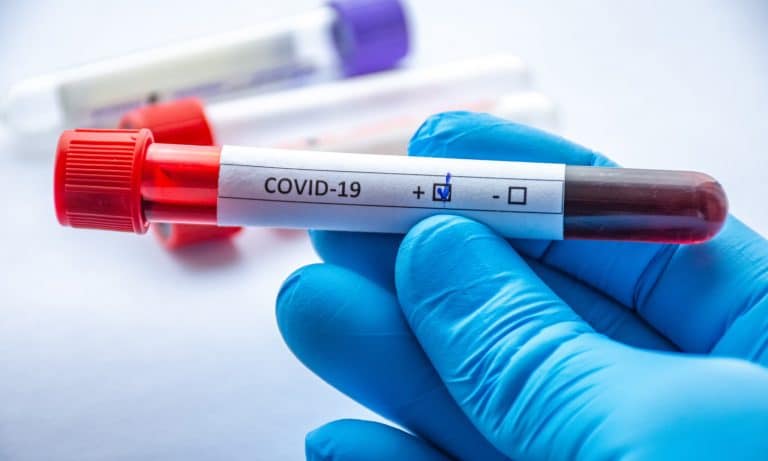
“Serology tests detect the presence of antibodies in the blood when the body is responding to a specific infection, like COVID-19. In other words, the tests detect the body’s adaptive immune response to the infection caused by the virus rather than detecting the virus itself.” (FDA)

History is filled with ancient battles between warring armies, where flags displayed a coat of arms. In the current war against COVID-19, the flag for serology indicates an important measurement in the fight to treat and to diminish the coronavirus. Like the historic flag, it’s important for the warriors in this present pandemic to understand what the colors signify.

To turn the tides of battle, the ultimate goal is for the medical professional or the medical researcher to understand how COVID-19 is spread, how people developed it and how it is spreading among the general population. As the coronavirus crisis started its rapid rise earlier this year, those were the questions being asked by both federal and state health officials.

In that vein, the U.S. Food and Drug Administration (FDA) has just released new guidelines around serological test performance as well as approved an Emergency Use Authorization for manufacturers offering antibody testing. While serology testing helps determine, for example, how many infections have occurred at different points in time, until just recently healthcare teams and public health advocates didn’t have the ability to see who had already been infected — only who was currently infected.

Understanding New Rules Around Serological Testing
Photo by cicerocastro/Getty Images

RELATED: Understanding New Rules Around Serological Testing

Here are three important key points the FDA released about COVID-19 serology testing:

  • The FDA does not currently know the prevalence of SARS-CoV-2 antibody positive individuals in the U.S. population, and prevalence may change based on the duration the virus is in the country and the effectiveness of mitigations.
  • Prevalence may vary widely between locations and between different groups of people, such as health care workers, due to different rates of infection.
  • A second test, typically one assessing for the presence of antibodies to a different viral protein, generally would be needed to increase the accuracy of the overall testing results.

The FDA also released resources around serological testing success rates and authenticity, which you can view on the agency’s website.

Study Finds No Association Between Marijuana And Stroke Risk

While more research is necessary, a new study concludes that there is no association between stroke risk and marijuana use.

Google “does marijuana increase risk of stroke,” and you’ll likely become confused. Some research, released earlier this year, indicates heavy marijuana consumption doubles the risk of stroke for young people. Other studies have indicated that data used in this research  is closer to correlation than causation.

But a new study published in the journal Neurology Clinical Practice aims to put the matter to bed. American Academy of Neurology researchers claim there is no link between stroke risk and marijuana use, based on recent findings.

“Previous studies that investigated cannabis use and risk of stroke have had conflicting results, some showing a decreased risk and others showing a greatly increased risk,” the study’s lead author Dr. Carmela San Luis said in a statement.

RELATED: Science Explains How Marijuana Inspires Awe

“Our observational study looked specifically at recent cannabis use by reviewing drug testing data for people admitted to the hospital. While more research is needed with larger numbers of people, our study lends support to the studies showing that cannabis use does not increase the risk of stroke.”

A Doctor's Advice On How To Manage The Imperfect World Of COVID-19
Photo by Negative Space via Pexels

For their research, San Luis’s team collected data from 9,350 patients admitted to the hospital who also received a urine test for drug use. (Those who tested positive for drugs other than marijuana were excluded from the study.) A total of 1,643 people of the group (18%) had marijuana in their system, according to the drug test. They found those who tested negative for marijuana were twice as likely to have had an ischemic stroke than those who tested positive.

When researchers adjusted for other significant stroke risk factors, blood pressure, obesity, smoking, and more, they reported no link between recent marijuana use and the likelihood of suffering a stroke. As the researchers emphasized, this was an observational study. That means scientists can’t definitively say smoking marijuana has no impact on stroke risk. Instead, it shows there’s no association between the two.

RELATED: Semen Laced With THC Detected In Habitual Marijuana Users

“Our research adds to the list of studies with conflicting results, so it is important to continue to investigate stroke risk and cannabis use,” San Luis added. “Future studies are now needed in larger groups of people that not only include data from drug screenings but also dosing amounts as well as a person’s history of cannabis use.”

Don't Miss Your Weekly Dose of The Fresh Toast.

Stay informed with exclusive news briefs delivered directly to your inbox every Friday.

We respect your privacy. Unsubscribe anytime.