Tuesday, June 16, 2026
Home Blog Page 571

What Is CBG And Why Is Everyone Comparing It To CBD?

Despite sharing some similarities with CBD, researchers think CBG can treat other conditions and produce more powerful results than the super famous cannabinoid.

We’re only starting to learn about the dozens of cannabinoids that exist within cannabis, with each one displaying a different set of effects. While these elements haven’t been as researched and monetized as CBD or THC, they’re still worth mentioning, especially since we’re learning more about them and noticing that their effects can be just as strong and impressive.

When it comes to wellness and health, many cannabis experts believe CBG is the next element that you should be on the lookout for.

RELATED: What You Need To Know About The Healing Benefits Of Marijuana’s CBG

Like CBD, cannabigerol (CBG) is a non-psychoactive compound. Despite not having yet been used in clinical trials, research suggests that CBG can decrease anxiety and depression without producing highs. In addition to treating these conditions, studies where CBG was used on rats show that the compound can treat illnesses like IBS, Chron’s disease, cancer and glaucoma, setting it apart from the effects that are normally associated with CBD.
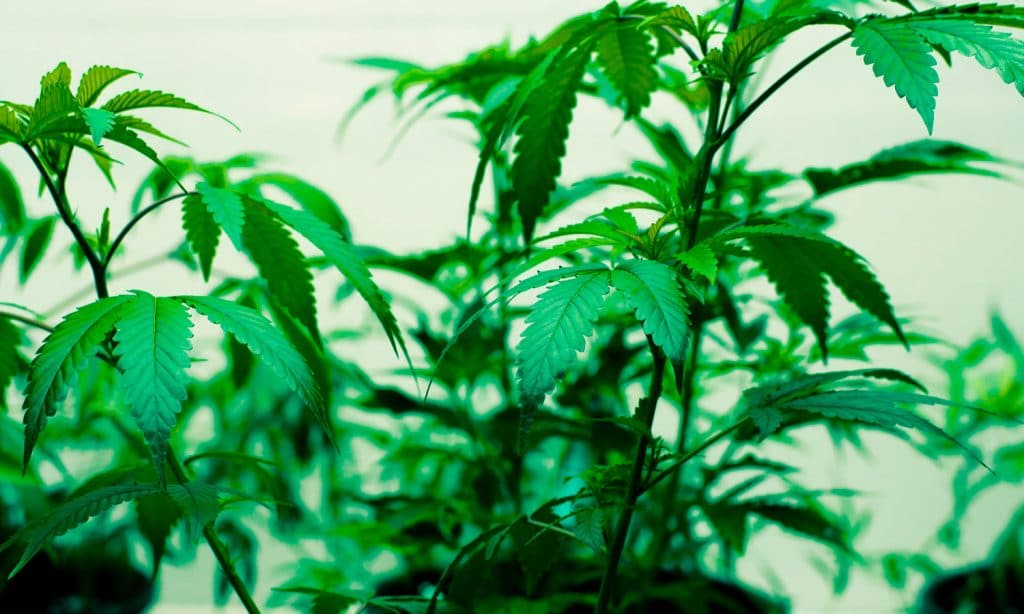
Top 4 Predictions For Hemp And Hemp CBD In 2020
Photo by SEASTOCK/Getty Images

Dr. Perry Salomon, medical cannabis expert and anesthesiologist, explained to Shape magazine that despite the fact that CBG is relatively unknown, it’s referred to by experts as the stem cell of cannabis. “CBGA (the acidic, inactive form of CBG) changes, is broken down, and becomes the base molecule that other cannabinoids form from,” he said.

RELATED: 5 Of The Most Promising Cannabinoids For 2020

Since CBG shares some DNA with CBD, it’s likely that there is some overlap between their effects, including counteracting some of the powerful side effects of THC. “Studies of CBG seem to show that it activates the CB1 receptor just as CBD does, which essentially decreases psycho-activation,” says Salomon.

While more research is needed to understand CBG in its entirety, it’s great news that other cannabinoids are stepping in and showing off a different set of abilities that the ones that are known by most researchers and users. Instead of canonizing CBD, we should all try to focus on different elements of the cannabis plant that could provide relief for dozens of symptoms and diseases.

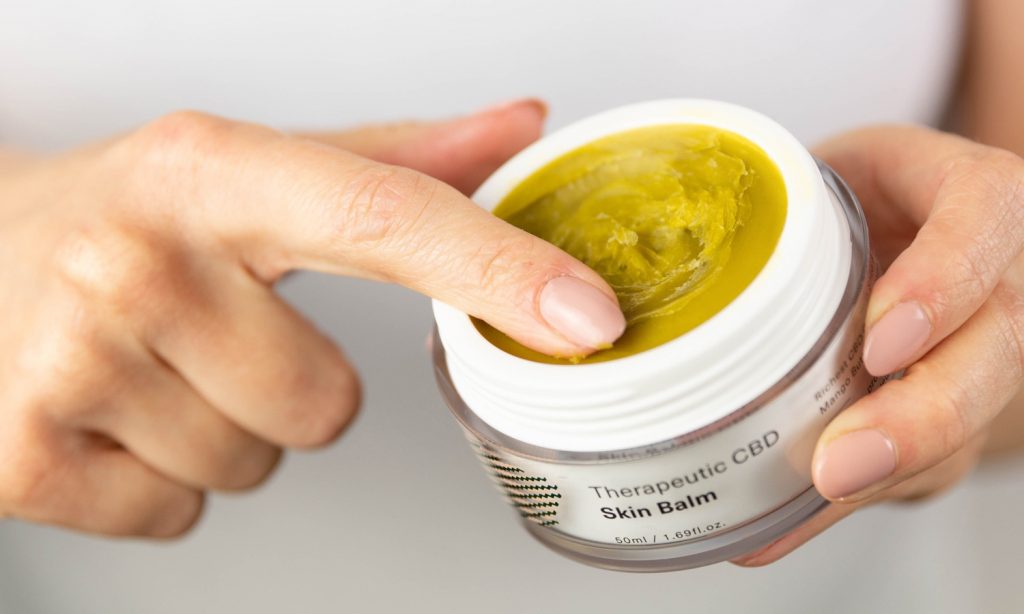
CBD Craze Sparks ‘Weed Washing’ Trend

“Weed washing” refers to the act of adding hemp oil, mostly to beauty products, just to capitalize on the CBD hype.

Remember the term ‘pinkwashing’? Where companies slapped a pink ribbon on just about anything and claimed to be donating lots of money to breast cancer research? It’s happening again, but this time it’s in the cannabis industry.

“Weed washing” is a disturbing trend that appears to be most dominant in the beauty industry and refers to the act of adding hemp oil that does not contain CBD or only contains a minuscule, non-therapeutic amount to a product in order to capitalize on CBD’s popularity and high price point. So what is the key difference between the properties of hemp seed oil and hemp oil that contains CBD? Hemp seed oil, which has been compared to jojoba or rosehip seed oil (known for their nourishing and anti-inflammatory properties), is derived from hemp seeds (which contain 0% THC), typically through cold-pressing. CBD oil is derived from the flowers, leaves, and stalks of the hemp plant and commonly derived through CO2 or ethanol extraction.

Claire McCormack, reporting for Beauty Independent, found that many beauty brands use the combination of incorporating hemp seed oil as an ingredient, cannabis leaf imagery on the label, and buzzwords like “calm”, “de-stress”, and “blissed out” to lure customers with the false promise of CBD. Weed washed products by such big-name brands as Sephora, Origins, and The Body Shop are all called out in McCormack’s piece for deliberately misrepresenting the CBD content (or lack thereof) in their new skincare lines.

RELATED: Why That CBD Oil You Just Bought Might Be Bogus

Due to what health information site Healthline calls “the green rush” (referring to the entrepreneurial eagerness to jump on the CBD bandwagon), customers are more vulnerable to wasting their money on weed washed, non-therapeutic products than ever before. Teadora, a vendor of natural and organic skincare products using ingredients sustainably sourced from the Brazilian Amazon, offers a set of guidelines to avoid being “weed washed”.

how to choose cannabis topicals that will actually work
Photo by Hemptouch CBD via Unsplash

Their simple steps for knowing what to look for when scanning the labels of products that feature CBD as an ingredient include: ensuring that the ingredient is listed as “full-spectrum hemp”, “cannabinoid” or “cannabidiol” rather than simply “hemp oil”; looking for at least 50 mg of CBD in the product for anti-inflammatory properties, 100 mg for anti-aging properties, at least 200mg for pain relief; and knowing your source.

RELATED: 10 Mainstream Businesses Betting On CBD

These guidelines emphasize the larger point that even if beauty products do contain CBD, the concentration may not be high enough to provide any therapeutic effect. This could drive consumers away from CBD-enhanced products if they feel they are not seeing benefits that warrant the higher price tag, cutting this growing market short before it has a chance to fully mature.

While consumers and producers wait on more definitive federal guidelines regarding the manufacturing and marketing of beauty products that claim the healing benefits of CBD, weed washing remains rife within the industry and the need for comprehensive consumer education more pressing than ever.

This article originally appeared on Green Market Report.

High Protein Diets May Hurt Your Heart

Researchers found high-protein foods heightened the amino acids in the body and seemed to have a direct effect on a rise in cholesterol.

New research just unveiled what many nutrition experts have been telling clients for the past few years: High-protein diets may actually harm your body and shorten your life. 

The study, published in 2020 by The Lancet, showcases a higher risk for cardiovascular events and diseases for those who eat a  high-protein diet, rich in animal tissue. Uncovered in the study, high sulfur amino acids are getting the blame for stress on the heart. 

While the body needs amino acids to keep it running smoothly, they found high-protein foods heightened the amino acids in the body and seemed to have a direct effect on a rise in cholesterol.

RELATED: The Connection Between Intermittent Fasting And Your Endocannabinoid System

“Overall, our findings suggest that diets lower in SAA (sulfur amino acids) are associated with reduced risk for cardiometabolic diseases. Low SAA dietary patterns rely on plant-derived protein sources over meat derived foods. Given the high intake of SAA among most adults, our findings may have important public health implications for chronic disease prevention.” 

Understanding sulfur amino acids

The U.S. National Library of Medicine defines sulfur amino acids as this: “Methionine, cysteine, homocysteine, and taurine are the 4 common sulfur-containing amino acids, but only the first 2 are incorporated into proteins.” Keeping a diet low in methionine and cysteine could be as easy as keeping a list of which foods contain these sulfur amino acids. 

didnt use
Photo by rawpixel.com

Foods rich in methionine


  • Turkey
  • Beef Steak
  • Tuna
  • Pork Chops
  • Tofu
  • Milk 
  • Ricotta Cheese


Foods rich in cysteine


  • Chickpeas
  • Eggs
  • Lentils
  • Oats
  • Turkey
  • Walnuts


Eat this, not that

“There is significant study that shows that animal protein has a negative impact on heart health. If one wants to do a ketogenic diet, I strongly recommend a vegetarian keto approach,” explained Heather Sand, certified nutritionist and personal trainer in Minnesota. 

RELATED: Can Food Addiction Be Tackled With Marijuana And Hemp?

Foods like nut butters, low-carb fruits, and leafy non-starchy vegetables, such as kale and broccoli, are all a great place to incorporate keto-friendly, vegetarian options onto your plate and into your lifestyle. Avoid foods like meat and potatoes, red beans, sauces and grain cereals.

Sand believes starting children early on healthy diets can help them choose healthier foods as adults. “My fridge is always stocked with dark berries,” Sand mentioned. “I always keep kale on-hand for salads or to dehydrate with salt and pepper for chips. The kids actually beg for them!”

The Relationship Between CBD And Owning Pets Is Deeper Than You Think

0

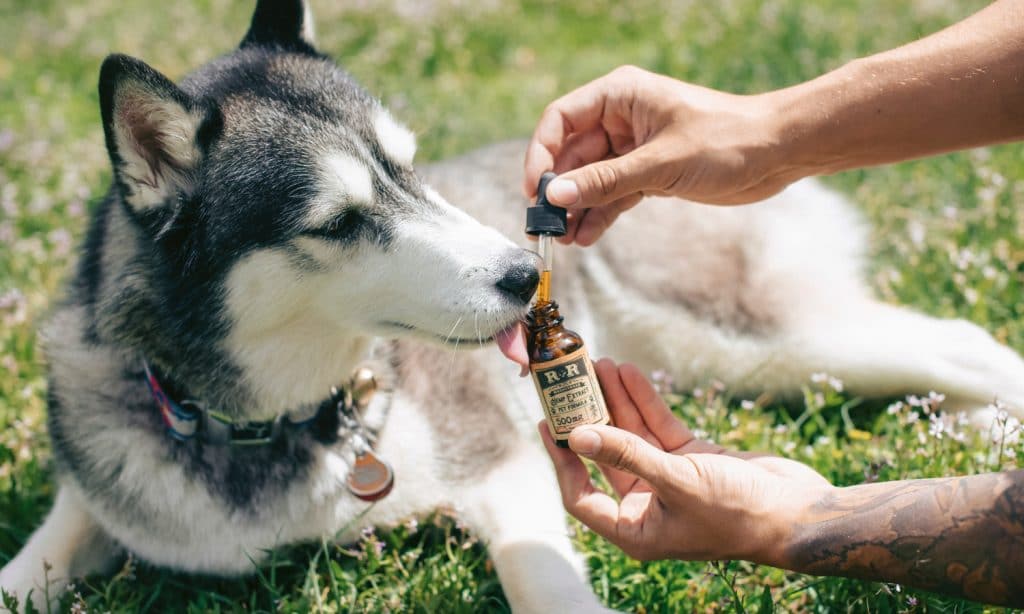
The CBD pet market has exploded in recent years and will only continue to do so.

Most pet owners can’t help but treat their furry friends to the same perks they give themselves. Whether you’re a dog or cat person, plenty of folks share their bed, food, Instagram, plane seat, and more with their animal friends. In fact, they do so gladly.

This might explain the relationship between CBD and owning pets is deeper than you think. According to research conducted by BDS Analytics and Arcview Market Research, the CBD pet market is expected to grow 5% faster than the overall CBD market over the next four years. Data trends predict the CBD market will rise from $1.8 billion in 2019 to $20 billion in 2024, a 48% compound annual growth rate (CAGR). In that same time frame, the pet CBD market will increase from $64 million to $810 million, a 53% CAGR.

RELATED: People Keep Turning To Marijuana Lingo To Name Their Pets

The research came from a RestoraPet, after the company learned that hemp CBD product accounted for 25% of its total revenue, as the company’s CBD line previously totaled less than 5% of revenue.

What To Know Before Using CBD To Treat Pet Travel Anxiety
Photo by R+R Medicinals via Unsplash

The connection to CBD and owning pets might run deeper than you think. For example, 74% of CBD users own pets, according to research from Headset Analytics and Nielsen. Furthermore, 24% of pet owners use CBD products for themselves, their pets, or both. About a quarter of American adults with dogs use hemp-CBD products — half of them use it just for their dogs, half use it just for themselves.

RELATED: Why Have No States Legalized Marijuana Use For Pets?

“Understanding the dynamics at play in the cannabis space and their impact on the pet industry is critical,” Maria Lange, Vice President of Strategic Initiatives at Nielsen, said in a statement. “Despite open questions around regulations, hemp-CBD is exploding in the pet space.”

Latest polling data from Gallup poll states that 1 in 7 Americans use CBD products. All of which means we should add CBD products as just another things humans can’t help sharing with their pets.

Conservative Investors Involved With Cannabis

Investing in marijuana stocks is risky these days, so why is CalPERS sinking more money into major cannabis companies?  

It’s been clear for some time now that investing in cannabis stocks has not gone so well.

So why is the California Public Employees Retirement Systems (CalPERS) — the biggest public pension fund in the U.S. with 1.9 million members and $373 billion in retirement funds — upping its investments in major cannabis companies, such as Tilray (increased to 25,400 shares from a beginning of 1,617 shares in 2018), GW Pharmaceuticals (increased to 63,900 shares from 37,100 shares in 2018) and Innovative Industrial Properties (increased to 36,212 shares from 11,671 shares in August, 2019)?

All three of those stocks have taken major hits this year since their respective highs in 2018.

Tilray looked like a good selection at first. It was the first cannabis company to do an U.S. initial public offering on Nasdaq in July, 2018, raising $153 million. It’s stock shot up initially to $148 a share by October, 2018, then crashed hard, now hovering about $17 a share.

Maybe CalPERS got sucked in to the early cannabis hype.

California, which went legal with adult use in 2018, appeared to be a big hit for the industry early on, but had a bumpy start while sorting our regulations. It is still being hammered with high taxes, but seems to be getting its act together a little better now.

RELATED: For Marijuana Companies And Investors, Failure Isn’t An Option

Cannabis consumer spending in California is forecast to reach $7.2 billion in 2024, which is a 19 percent compound annual growth rate (CAGR) over the next five years.

But there is a major problem in California: The black market is expected to make up 53 percent of all sales in 2024.

Is Smoking Marijuana Laced With Human Remains Dangerous
Photo by Cavan Images/Getty Images

That makes things a bit “iffy” in California, prompting the question: Why did CalPers decide to invest in the risky and volatile world of marijuana stocks?

Maybe the pension fund was experiencing a whiff of desperation.

A Pew Report from 2016 found that many state retirement systems like CalPERS are on an “unsustainable course, coming up short on their investment targets and having failed to set aside enough money to fund the pension promises made to public employees.”

RELATED: Liberals Are More Likely To Smoke Marijuana Than Conservatives

Taxpayers doubled their contributions over the past ten years, the Pew report found, but the total “still fell short of what is needed to improve the funding situation.”

In 2016, CalPERS had less than 60% of the funds needed to pay its promised benefits—it’s now estimated to be around 70%.

At least CalPERS is in good company. Another conservative, risk-aversion investor, the “oracle of Omaha” Warren Buffet’s Berkshire Hathaway is invested in cannabis.

how to invest in marijuana stocks
Photo by p_saranya/Getty Images

Berkshire Hathaway also owns $95 billion of financial company shares, led by 900 million of Bank of America stocks worth $25 billion. At least two cannabis companies in Massachusetts use Bank of America.

A unit of Berkshire’s MiTek business, Cubic Designs, Inc. specializes in making platforms that maximize floor space in warehouses and is working with marijuana dispensaries to help them expand the number of plants they cultivate.

Another of Berkshire Hathaway’s holdings, Mondelez, Inc., makers of Oreos and Chips Ahoy, is rumored to be thinking of creating CBD-infused products.

RELATED: Should I Invest In My Friend’s Marijuana Business?

Buffet’s exposure to cannabis companies may come as a surprise to him, but that seems highly unlikely. He probably sees a sure thing coming—big money for banks banking a multibillion dollar industry—though the Secure and Fair Enforcement Banking Act (SAFE), which would enable all U.S. banks to get a slice of the cannabis pie, hit a snag in Congress recently.

The SAFE act is still the best bet for banks and investors going forward who own banks that want to get into the cannabis business. But chances are slim that it will pass Congress this year.

Pillows Are The Next Big CBD Product

0

The company behind a new CBD pillow claims that their product will allow you to sleep comfortably and evenly throughout the night.

The growth of the CBD industry is unprecedented. The compound has become so trendy that it’s almost a joke now. We’ve got CBD drinks, clothes, pet treats and now CBD pillows. Really?

Pillows aren’t strangers to weird products; there are plenty of pillow cases that are made out of silk or special fabrics that are rumored to be great for your skin. So, if you squint your eyes and twist your head, it kind of makes sense why someone would think that CBD pillows would sell.

RELATED: 5 Of The Silliest CBD Products On Sale

A brand called CBD Pillow says in a press release that their product is the first of its kind in the U.S.. “The CBD Pillow is a revolutionary new way of distributing this safe, all-natural sleep aid. And unlike creams or edibles, this delivery method allows for micro dosing of CBD all night long so you get a sustained, restful sleep.”

According to the press release, the pillow is packed with small CBD capsules that burst when they come in contact with skin. So, if you’re interested in preserving the pillow’s shelf life and extending your sleep aid, you might want to avoid accidentally rubbing against it when making the bed or using it as a back support.

5 Things Sleep Experts Would Never Include In Their Bedrooms
Photo by Devin Kleu via Unsplash

The press release explains that when laying on top of the pillow, the CBD will be slowly absorbed through your hair follicles and skin, allowing you to sleep comfortably and evenly throughout the night.

RELATED: Is CBD A Rising Star Or Just A Popular Fad?

“We were searching for a safe, natural solution to help people get the rest they so desperately need, and we found that solution in CBD. With the CBD Pillow, we can now provide the highest quality CBD, in the easiest, least intrusive way, so that everyone can experience the benefits of CBD,” says CBD Pillow CEO Michael Hughes.

The pillows are obviously expensive, available online for $129. The CBD industry is going to have a hard time topping this weird idea. Or maybe not.

Just Started Working Out, Why You Might Gain Weight

0

Starting a new workout program can alter your body, making you gain some weight for a short period of time.

Congratulations! You chose to stick to a regular workout regimen, when most people have already ditched their New Year’s resolutions. Although forming new habits takes some effort, you may find yourself with a renewed sense of purpose once you begin to see results, whether in the form of dopamine or the development of bigger muscles. One change that might be disheartening, however, shouldn’t discourage you: weight gain.

Starting a new workout program can trigger a change in your body that could alter your weight in the beginning. But if you stick to this new lifestyle long enough (at least a few weeks), there will be a weight and muscle mass redistribution. “Initially, they aren’t all what some people may perceive as headed in a positive direction, because you may gain a little weight at first,” explains Gary Calabrese to the Cleveland Clinic.

Here are three reasons why you might gain weight after committing to your workouts:

Water retention

workouts
Photo by Flickr user ThoroughlyReviewed

RELATED: Ask Science: Should I Work Out When I’m Feeling Sick?

The amount of water in your body has a large influence over the number that appears on your scale. “Water makes up approximately 65 to 90% of a person’s weight, and variation in water content of the human body can move the scale by ten pounds or more from day to day,” clinical physiologist Jeffrey Dalgan told Shape magazine.

Water is a temporary change, one that doesn’t reflect your body composition. When starting a new workout program, your muscles will likely tear due to the stress; in order to heal, your body will retain as much water as possible.

Development of muscle mass

study shows how marijuana can motivate you to exercise
Photo by bruce mars via Unsplash

RELATED: Can CBD Help People Lose Weight?

The process of developing muscle mass might also increase your weight. This is due to glycogen or sugar, which is the fuel that your body uses to develop muscles. After your begin to work out more regularly, your body will store more glycogen in order to give you more energy.

After a few weeks or months of you continuing your work out program with the same regularity, your body will adapt and so will your weight.

Muscle vs fat

13 types of marijuana that will improve your workouts
Photo by Alora Griffiths/Getty Images

It’s important to know that measuring your weight on a scale isn’t indicative of your health or level of fitness. A person who works out regularly may weigh more than someone who doesn’t work out at all. This can be explained by muscle and how it works within your body.

“In simple terms, a pound of muscle weighs the same as a pound of fat,” physiologist Katie Heimburger tells WebMD. “The difference is that muscle is much more dense than body fat. Therefore, a pound of muscle will take up much less room in your body than a pound of fat.”

For Marijuana Companies And Investors, Failure Isn’t An Option

Cannabis companies don’t have the same financial advantages of other companies, meaning success is the only option.

As high as waves rise, they all eventually crash. The cannabis industry has learned that lesson the hard way, as many of marijuana’s biggest players have experienced significant downturns over the past several months.

MedMen, one of the most recognizable marijuana brands, has shed over 40% of its corporate headcount, including co-founder and CEO Adam Bierman. Tilray laid off 10% of its staff this week and cannabis publication Leafly slashed 18% of its workforce “to more closely align our business operations with the market realities,” CEO Tim Leslie said. Marijuana retailer Caliva recently announced it will ditch cannabis delivery app EAZE as a partner in March and will let go more than 200 employees.

For Tilray, the layoff announcement was a “logical response given the current state of the industry,” Cowen & Co. analyst Vivien Azer said in a report sent to clients Tuesday.

“Both Canadian and international LPs have built up infrastructure levels that exceed current market demand,” Azer added.

RELATED: 4 Predictions For The Marijuana Industry In 2020

These examples, sadly, could go on. However far any cannabis company falls, though, you won’t see any of them declaring bankruptcy. That’s because they can’t.

“The simple answer on bankruptcy is in general a company that is growing or processing or selling cannabis cannot access federal bankruptcy,” David Feldman, a partner at Hiller P.C., a global law firm, told The Fresh Toast.

Due to marijuana’s federally illegal status, marijuana companies don’t have access to the same financial advantages as other business sectors do, including bankruptcy. If a marijuana company experiences turbulent times, it has few options to bounce back. Considering only 90% of marijuana companies are profitable, the downward turn in the market has presented difficult choices for executives. Some businesses have simply folded or sold themselves to other publicly traded companies. Otherwise, the solutions are few and far between.

finding business opportunities in the cannabis industry
Photo by FatCamera/Getty Images

“Many states have insolvency proceedings you can go through. A number of states allow that, if you’re in a legal state,” Feldman says. “You can also try to restructure your debt and equity table in the way that people do and work out situations.”

Hence the layoffs, as well as businesses shedding assets, selling real estate to raise cash, or pulling out of operations in other states. The reality is that many marijuana businesses have a significant cash crunch at the moment. Initially, the belief was that multi-state operators, like MedMen, had to grow as quickly as possible so that when legalization came, the biggest players would be bought out. That hasn’t happened and doesn’t appear like it will anytime soon.

RELATED: 3 Cannabis Entrepreneurs Under 30 To Watch

Because those companies overpromised and underdelivered for investors, it caused a major market correction with declining stock values in the cannabis space. As a result, capital has temporarily dried up and now cannabis companies have to realize new ways to keep the lights on.

What you’re seeing, in other words, is cannabis companies going through some very real growing pains. While Feldman believes this will be better for the marijuana industry in the long run, it doesn’t mean things will get easier for these companies anytime soon

“A number of these operators are no longer sitting around waiting for legalization and instead trying to chart a path towards their own success as an independent company,” Feldman says. “That includes actually focusing on achieving profitability and not being dependent on capital raising for funding their operations.”

Could CBD Cause Impaired Driving?

0

Now that the entire nation is presumably hopped up on CBD, are the roads even safe to travel on anymore?  

Cannabidiol, the non-intoxicating cannabis compound best known by its three-letter abbreviation CBD, is perhaps the most crucial discovery of mankind since the dawning of rolled toilet paper. Well, let’s not get carried away. Where would we be without that stuff, am I right?

Nevertheless, CBD is now a household name in the United States, making its way inside food, beverages and a slew of other products that Americans are gobbling up with rabid enthusiasm. But now that the entire nation is presumably all jacked up on CBD, are the roads even safe to travel on anymore? It’s a question recently proposed by the U.S. Food and Drug Administration (FDA), which believes the effects of this popular cannabis derivative might be causing trouble behind the wheel. 

It’s not that CBD causes the kind of impairment that comes from smoking real-deal marijuana, the FDA says. It’s just that CBD might cause motorists to be a little less alert than they normally would.  

Drivers should “use caution if planning on operating a motor vehicle after consuming any CBD products,” the FDA said in a press release issued in December 2019. The agency is concerned that CBD should be used with caution because it is known to cause “drowsiness, sedation, or lethargy.” 

RELATED: Medical Marijuana Cardholders Can Still Be Busted For Stoned Driving

But is this a real concern? After all, the FDA is the same agency that’s out there posting stuff every once in a while about how CBD might cause a variety of yikes! moments for Americans, such as diarrhea, mood swings, liver damage and shrunken testicles. “CBD has the potential to harm you, and harm can happen even before you become aware of it,” the FDA wrote in a statement. 

Heavy marijuana users might be dangerous drivers when sober
Photo by Jessica Furtney via Unsplash

The truth of the matter is there isn’t a heck of a lot of research out there on CBD. There is even less when it comes to its effects on motorists. Still, hundreds of people die each year as a result of drowsy driving, according to the National Highway Traffic Association. So, if there is any chance that the increased use of CBD across the United States could somehow cause more people to fall asleep behind the wheel, well, we should definitely look into that. There are some studies presently underway that are searching for any correlation between CBD and drowsy driving.

In the meantime, some scientists say it is, in fact, possible that people who use CBD could experience some unexpected drowsiness. “There is some evidence to suggests that CBD may cause mild sedation at high doses, and this could translate into subtle driving impairment,” Thomas Arkwell, a Ph.D. candidate at the University of Sydney, said in an interview with Inverse.

RELATED: The Number Of People Who Get Behind The Wheel After Smoking Weed Will Surprise You

And CBD drowsiness makes perfect sense too, considering that cannabis advocates have been preaching for years about CBD’s ability to tame a variety of conditions ranging from anxiety to insomnia. It is well within the scope of reason that if CBD can chill people out and help them find sleep through the night, then it could be putting them to sleep on the roadways. But then again, much like other sleep aids, the knock-out effects on individuals would depend on dosage and other factors. 

More research is undoubtedly needed before we can definitively say that CBD shouldn’t be used while driving. All of these questions are something that should be looked into by the federal government. Instead, it continues to stymie cannabis-related research while approving more seemingly dangerous drugs.

Financial Forecasts For Medical Marijuana

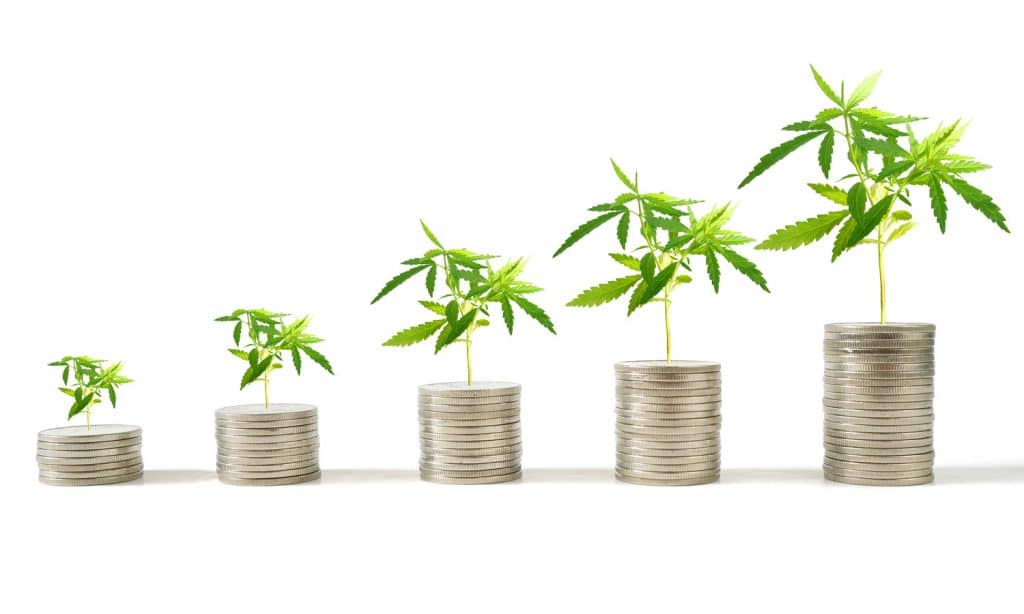
One thing is certain: The numbers are telling a very compelling story for following and perhaps investing in marijuana for years to come.

Researchers and financial analysts are forecasting unprecedented growth both in the United States and global markets; we’ve moved a long way from “reefer madness,” to legal dispensaries. Interested in the future and what it might hold, especially around investments?  Are are some financial forecasts for medical marijuana.

Many pundits and skeptics are asking how many more financial ceilings can marijuana break. The truth is, medical marijuana and CBD are forecasted to rise even more in the next ten years. How much more? Here are five remarkable numbers we found on marijuana’s staggering growth:

A May 2019 press release from Grand View Research produced astounding numbers on where the global legal marijuana market is headed. Slated to reach $66.3 billion by the end of 2025, researchers also notated a compounded annual growth rate (CAGR) of 23.9%. Factors of acceleration included recent legalization, medical marijuana use and recreational applications. Other studies cite similar numbers, capturing the attention of investors and financial analysts. With South Africa and New Zealand considering legalization, strong numbers are expected in Australia, Germany, Columbia, Poland, Israel, and Uruguay. 

RELATED: Should I Invest In My Friend’s Marijuana Business?

Allied Market Research cited the U.S. Topical Pain Relief Market will grow to $3.73 billion by 2025, registering a CAGR of 6.0% from 2018 to 2025. Driven by an, “increase in prevalence of arthritis and other bone-related conditions,” researchers found that adoption of topical pain products saw a surge with geriatric populations and sports players under a caveat: They don’t stink. Researchers noted that strong odors, or unpleasant smells could hinder market growth. 

who will be the big business winners in cannabis
Photo by Darren415/Getty Images

Known to aid in sleep, marijuana is expected to have a hand in the Global Sleep Aids Market, according to Allied Market Research. Already valued over $50 million, by 2023, the market is estimated to grow to almost $79.8 million with a CAGR of 7.0%. 

Arcview Market Research published a, “2019 Update to the State of Legal Marijuana Markets,” which stated that in 2019, global marijuana sales were expected to grow 38% to $16.9 billion with a CAGR of 26.7% between 2017 and 2022. 

RELATED: 4 Predictions For The Marijuana Industry In 2020

According to The Street, Cowen’s cannabis analyst believes by 2030, the U.S. market alone will be worth $80 billion. In fact, research gave “outperform” ratings for all three of the publicly-traded cannabis stocks that it covers: Tilray Inc. (TLRY) – Get Report , Canopy Growth Corp. (CGC) – Get Report and KushCo Holdings Inc. (KSHB) . One belief for the high growth is past users flocking back to cannabis, from partaking earlier in their youth.  

One thing is certain: The numbers are telling a very compelling story for following and perhaps investing in marijuana for years to come.

Don't Miss Your Weekly Dose of The Fresh Toast.

Stay informed with exclusive news briefs delivered directly to your inbox every Friday.

We respect your privacy. Unsubscribe anytime.