Tuesday, June 23, 2026
Home Blog Page 578

Smuggling Legal Weed, Don’t Get Caught By Doing This

0

A motorist driving home with a little weed stowed inside doesn’t have to be a master smuggler, they just have to be a smidge smarter than the fool doing it at high speeds.

Interstate marijuana trafficking is about to become more widespread in the Midwest now that legalization has taken hold in Illinois and Michigan for adults 21 and older. There’s just no way to stop diehard weed enthusiasts, not to mention the droves of cannabis curious, from trekking into one of these states for legal bud. But if you are smuggling weed in for a legal state, don’t get caught doing this

Not only do they get to experience the novelty that is buying weed from a store, but they also get to, for once, avoid street dealers, corner thugs, and other shady characters of the illicit drug trade. It’s a thing of beauty, really, as long as these folks don’t get busted. Weed might be legal in parts of the country, but it is still very much a no-no in others.

Still, while the threat of jail is very real for those caught with weed in prohibition states, most amateur marijuana smugglers can pull it off unscathed if they aren’t complete, bumbling idiots. It’s like the old adage goes: “You don’t have to run faster than the bear to get away. You just have to run faster than the guy next to you.” The same goes for transporting marijuana into areas of prohibition. A motorist driving home with a little weed stowed inside doesn’t have to be a master smuggler, they just have to be a smidge smarter than the fool doing it at speeds of over 100mph.

Indiana State Police say they finally caught a local resident crossing the border with marijuana purchased in Illinois. But it wasn’t some next-level police work that led to their capture. It was the fact that they were driving along the interstate at 103mph. It’s a chapter straight out of the dumb strikes back.  

RELATED: How Legal Weed Will Be Problematic For Police In Pot-Free Indiana

A report from WNDU says that on January 1, the day weed went legal in Illinois, a trooper  was parked along I-80 when a Chrysler zipped by him at a blinding rate of speed. Of course, this is when the lights came on and the trooper dashed out in pursuit of the hurried vehicle. During the traffic stop, the officer noticed a strong odor of marijuana coming from inside. The report indicates that the driver, 26-year-old Michael Peavey, was sweating profusely by the time the cop started asking questions, which only amplified their suspicions. Eventually, a search of the vehicle was conducted. 
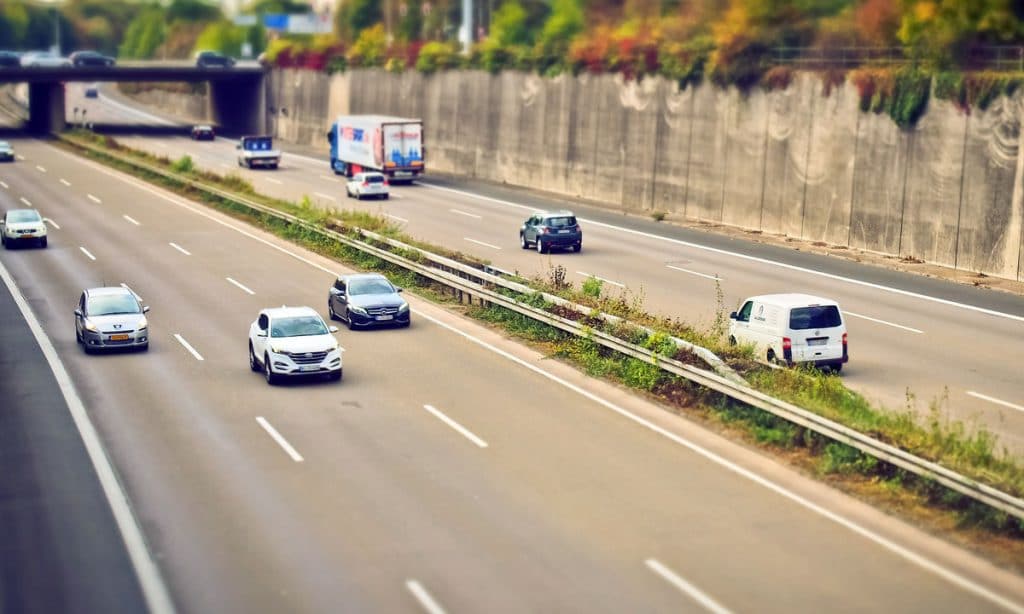
Colorado Weed
Photo by MichaelGaida via Pixabay

Anyone care to take a guess what the officer discovered? Wait for it. Try 100 grams of marijuana that was bought earlier that morning in Illinois. The driver also had an illegal firearm and ammunition under his seat. In other words, he is royally screwed and, unless his legal team is top-notch, will probably spend some time in prison. 

RELATED: How To Keep Police From Searching Your Vehicle For Weed

Meanwhile, police in parts of Iowa say they haven’t experienced an uptick in people smuggling marijuana from Illinois. And they’ve been watching for it, too. Princeton Police Chief Brian Carsten told WQAD that his force patrols the interstate, hoping to catch drivers coming across the state line with weed. But so far, this quest has been fairly uneventful. Carsten has a theory, too, for why legalization across the river hasn’t caused an uprising in marijuana busts in his neck of the woods.  
Festivus
Photo by Matt Popovich via Unsplash

“I don’t think the people we’re dealing with in the street and in patrol are the ones that are going to dispensaries and buying it legally,” the officers told the news source.

RELATED: How To Not Get Busted Smuggling Marijuana Into A Prohibition State

But in reality, the reason police aren’t seeing much interstate drug trafficking is simple. Most people traveling with weed from Illinois or Michigan are not getting caught because they are obeying the traffic laws. It’s the reason we haven’t heard about any substantial increases in small time smuggling as of yet. The speed demon with the pistol under his seat and a few other miscreants is the worst of it.

Marijuana customers that are smuggling stashes in from Illinois aren’t putting themselves in a position to get stopped by the police in the first place. They are minding their speed, not crossing over the center line, and just otherwise driving responsibly. After all, law enforcement in prohibition states cannot spend all day pulling over hundreds of motorists in hopes of finding marijuana. Therefore, most of these people are getting away with breaking the law.
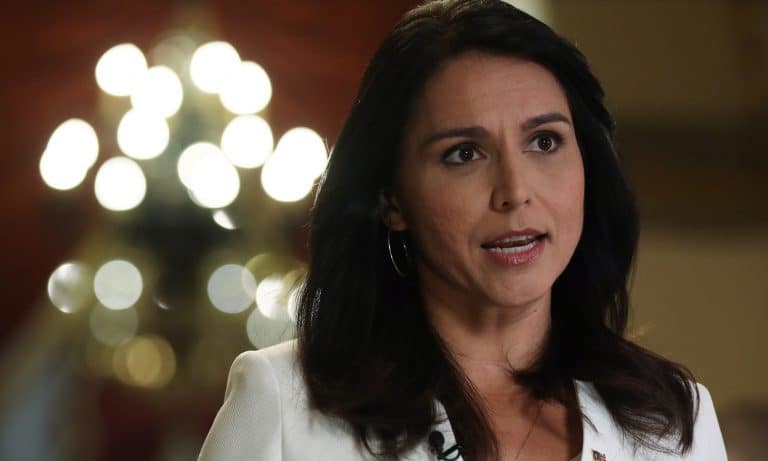
Tulsi Gabbard Now Believes We Should Legalize All Drugs

Citing Portugal’s drug policy as inspiration, Tulsi Gabbard wants to end the war on drugs by legalizing and regulating all drugs.

Last year, Democratic presidential candidate Tulsi Gabbard said the United States should move to legalize marijuana and decriminalize illicit drugs like cocaine and heroin. This, she told Reason, was her strategy to end America’s war on drugs. In a campaign stop in Merrimack, New Hampshire, Gabbard expanded on that position; she endorsed legalizing all illegal drugs so that addicts can receive proper treatment instead of entering the criminal justice system.

“If we take that step to legalize and regulate, then we’re no longer treating people who are struggling with substance addiction and abuse as criminals and instead getting them the help that they need,” Gabbard said, as reported by Forbes.

RELATED: Punishing Drug Dealers Just Leads To More Violence And Deadly Narcotics

The Hawaii congresswoman was responding to a voter’s query about whether or not Gabbard’s position was more focused on harm reduction and treatment, or if it was about removing illicit black-market narcotics from the streets. All the above, said Gabbard, who has previously introduced federal bills to expand marijuana research. 

Federal Employees
Photo by Flickr user Paul Frederickson

“The costs and the consequence to this failed war on drugs is so vast and far reaching, socially and fiscally, that if we take these necessary steps, we’ll be able to solve a lot of other problems that we’re dealing with in this country,” she said.

Gabbard acknowledged the Portuguese approach to drug policy as an inspiration. In Portugal, all drugs have been decriminalized since 2001. According to the Centers for Disease Control and Prevention (CDC), the United States saw 70,237 drug overdose deaths in 2017 alone, with synthetic opioids credited as the main cause. Portugal, comparatively, had 30 deaths attributed to drug overdoses in 2016, Statistics Portugal reported.

RELATED: NIH Director Says Marijuana’s Legal Status Is ‘Big Deterrent’ To Research

This new endorsement to legalize all drugs places Gabbard further left than her Democratic presidential competitors when it comes to drug policy. Mayor Pete Buttigieg supports decriminalizing all drugs while tech entrepreneur Andrew Yang has advocated to decriminalize all opioids while tweeting that we should make psilocybin “magic” mushrooms “more freely available.”

Does The Entourage Effect Affect Your High

The strong and uncomfortable side effects of THC, like paranoia and anxiety, are believed to be decreased when a strain also contains a healthy amount of CBD

Despite America’s slow but steady embrace of cannabis, there are still plenty of aspects about the plant that we don’t understand. One of the mysteries that inspires the most curiosity amongst researchers is how cannabis compounds interact with each other, producing different medicinal benefits and highs.

One of the most useful examples is that of THC. If you isolate pure THC and consume it, it’s not the same effect as when THC is consumed and allowed to mix with the other elements present in cannabis. The same case occurs with CBD and it’s a phenomenon known as the entourage or ensemble effect.

RELATED: The Effects Of Smoking Low-THC, High-CBD Cannabis

Although most data relies on anecdotes, it’s believed that THC and CBD have a strong relationship, with one tempering the other. The strong and uncomfortable side effects of THC, like paranoia and anxiety, are believed to be decreased when a strain also contains a healthy amount of CBD, leaving you with a high that’s mellow, manageable and pleasant.

What Is CBG And Is It Legal?
Photo by Andrea Robinson/Getty Images

While CBD and THC are the compounds believed to have most medicinal effects, until there’s more research on the other parts of the cannabis plant, we’ll never know which compound is responsible for marijuana’s medicinal benefits and which one produces the strongest results. Even the plant’s terpenes — the aromatic oils present in cannabis and in plenty of other plants — have been associated with medicinal benefits.

In an interview with Wired, Adie Wilson-Poe, a cannabis researcher at Washington University, said, “If you were to vaporize a whole flower, you’d be consuming potentially a couple dozen anti-inflammatory molecules at once. In this sense I think of whole-plant cannabis as like a multivitamin for inflammation.”

RELATED: What Is Marijuana’s Entourage Effect And Why Should You Care?

While this influx of potential therapeutic compounds is exciting, it’s also a little daunting. For us to exploit the depths of cannabis for medicinal and recreational purposes, the government needs to figure itself out; cannabis remains classified as a schedule I type of drug, limiting its use and preventing scientists from conducting the necessary research.

Once the entourage effect is explored in full, studies will be able to orient researchers and help them understand the different compounds in cannabis — specifically, which ones work together and which ones are best kept separate. Change is coming, just at a snail’s pace.

Is Smoking Marijuana Laced With Human Remains Dangerous

0

We already know consumption of marijuana via smoking is not the healthiest thing for humans. So throwing in a lump of human ash can’t possibly make it better, right?

New Orleans-based metal band Down said it best: “And when I die, bury me in smoke.” The sentiment behind the words, at least as far as I’m concerned, is that once this life is over, there is no better tribute to all of the good, the bad and utterly rotten we’ve cast out into the world than if our friends and family roll up our ashes in a fat joint and smoke us straight to the great beyond. 

It’s a seemingly insane ethos that’s been a part of the stoner community for a long time, especially among celebrities. In fact, several years ago, members of Tupac Shakur’s circle claimed they smoked the late artist’s ashes, while Keith Richards of the Rolling Stones says he snorted his father’s remains in a pile of cocaine.

And, just when it couldn’t possibly get any weirder, just this week, a Wisconsin man was arrested for selling marijuana laced with his mother’s ashes. This got me thinking: Man, it really is a weird world. But it also made me question whether any of the people who ever engaged in such a ritual ever experienced any health repercussions. We are talking about inhaling the dust of corpse, after all. It cannot be sanitary. 

We already know that the consumption of marijuana via smoking is not the healthiest thing for humans to do. Just like any other burnt plant matter, marijuana smoke contains carcinogens that have been known to cause a pesky disease called cancer. But toss in a lump of ash from something that used to walk the Earth, and the risk of harm should increase exponentially, right?

Well, not exactly.

Apparently, a person would need to smoke marijuana laced with human remains quite regularly before it would cause any real health issues. It’s sort of like what coal miners might experience after spending years in the mines inhaling the dust. On occasion, breathing in these particles isn’t going to destroy the lungs, but do it for a decade or more and the harms could be significant, even deadly.  

How To Use CBD To Reduce Holiday Stress
Photo by Dennis Aglaster/EyeEm/Getty Images

There are all sorts of factors that could seemingly cripple the lungs of anyone who dares smoke the ashes of a dead relative. But it really depends on how the body was dealt with before cremation that dictates the level of danger.

The real risk comes into play if the body was embalmed before entering the oven. The chemicals used in this process are incredibly toxic and can bring about some severe adverse effects if they are consumed. Interestingly enough, embalming fluid soaked marijuana is highly sought after in some circles. It creates a PCP type effect that some folks, for whatever reason, tend to enjoy. But health experts advise against this practice wholeheartedly. Not only can it lead to poisoning, but it can produce long term health problems. 

RELATED: Don’t Smoke Bon Iver’s Weed, According To This Musical Collaborator

Fortunately, there are no laws in any state that requires embalming for bodies set to be cremated. Some funeral homes might have policies that mandate embalming if a body is going to be viewed publicly. Some may even require the process if the body cannot be dealt with within a certain amount of time. 

But for the most part, the Federal Trade Commission, which enforces funeral rule, does not require embalming for cremation. Most of the time, refrigeration is an acceptable method of preservation until it comes time to fire up the oven. Therefore, anyone wishing to smoke the remains of a loved one should discuss memorial options with the funeral director that do not involve embalming.

Whether or not you choose to share with them your plans is entirely up to you. But don’t worry about breaking the law. While there are strict rules for handling a body before cremation, there aren’t any for what can or cannot be done with the remains after the ashes are in hand. There are, however, some cases when smoking human remains could be considered “abuse of a corpse,” which is a criminal offense. But most states do not treat it as such.

This Week’s Music: Tame Impala, Selena Gomez And Eminem

This week’s column features a new song from Tame Impala and new records from Selena Gomez and Eminem.

This Week’s Music is a weekly column that discusses the weeks’ best, worst, and most interesting songs. We try to select songs of different artists and genres to keep things interesting and to please a variety of music fans.

This week’s music features new songs from three different kinds of giants: Tame Impala for the indie and cool crowd, Selena Gomez for the tweens and gays, and Eminem for… some people, I guess. Have a listen:

Pop

Tame Impala – Lost In Yesterday

RELATED: This Week’s Music: Travis Scott, Hailee Steinfeld And Jenny Lewis

Tame Impala makes the kind of music where the songs blur together, no matter the album, lyrics, or instruments used. They’re all extremely similar to one another. While, as usual, they’re a hit because they’re fun and deliciously easy to listen to, it’d be great to hear the band stretch their limbs in terms of sound and songwriting. But that’s just me nitpicking, the song is still a good time.

Selena Gomez – Vulnerable

RELATED: This Week’s Music: Justin Bieber, Usher And Raye

After a crazy year in terms of news and health, Selena Gomez returns to the music scene with a new album. I personally think it’s her best yet, because it plays well to her strengths and shielding her from her weaknesses. “Vulnerable” is the best song on the record, showing off Gomez’ breathy vocals and quick diction, supported by a great beat and some sincere and thoughtful lyrics that although stray towards melodrama still manage to stick the landing.

Rap

Eminem – Darkness

As he did in 2018, Eminem surprise released this record and called it “Music To Be Murdered To.” Boasting a cover where he’s seen holding a shovel and wearing a fedora, Eminem doesn’t seem to have changed much. His songs feature personal, vulnerable and violent lyrics that mention shooters, at times calling out these tragedies by name in ways that range from edgy to tasteless depending on your level of tolerance. Despite the currency of the lyrics, Eminem feels like he belongs to a different time.

CBD Is Safe And Harmless, Right? Not Always

0

CBD is promoted as safe, healthy, and part of an everyday life of woke wellness. But among all those accolades and ca-chinging at the cash registers lurks a harsh reality.

Cannabidiol (CBD) products are everywhere. Many of them are illegal. All of them have questionable effects on health and wellness. And to some in the cannabis industry, those facts come as somewhat of a surprise.

To others, the CBD sales and marketing game is a wild west no-holds-barred free-for-all, with the consumer taking all of the risks.

There are CBD infused beverages, CBD creams and salves and CBD in all sorts of wellness products. There are smokable and edible CBD products. CBD is promoted as safe, healthy, and part of an everyday life of woke wellness.

But among all those accolades and ca-chinging at the cash registers lurks a harsh reality.

RELATED: Why That CBD Oil You Just Bought Might Be Bogus

According to the U.S. Food and Drug Administration, which has still only approved one CBD product (GW Pharmaceutical’s Epidiolex, where the FDA collected its first real lab science about CBD), CBD can cause liver injury. It can affect the metabolism of other drugs and cause serious side effects. CBD used with alcohol or depressants increases the risk of becoming drowsy. It affects alertness, causes diarrhea, and changes in mood.

The long-term use of CBD is still unclear, as is using multiple forms of CBD at the same time, such as taking an edible while using salve or cream at the same time.

What Were The Biggest CBD Trends In 2019?
Photo by paulynn/Getty Images

Perhaps even more alarming, CBD has been shown to affect male reproductive activity, such as testicular size, sperm growth and development, and decreased testosterone.

So all of those CBD products you see in your favorite shopping mall, in kiosks inside the mall, in Whole Foods, in Walgreen’s – which appear to legitimize the products just because they are in trusted stores – are still iffy at best. Labels don’t always tell the full story.

RELATED: These Are The 4 Biggest Problems With CBD Products

Already tests of some products reveal not only no CBD at all in the products, but CBD mixed with THC in other supposedly CBD-only products. A 2017 analysis of 84 CBD products sold online cited by the National Institutes of Health found that 26 percent contained substantially less CBD than the label indicated, and 43 percent contained substantially more. Tests by the FDA also found issues with levels of CBD content.

But there is a silver lining to the dark CBD cloud. The 2018 Farm Bill legalized hemp-derived CBD, gave the FDA final say, which then handed the issue off to the USDA. The USDA recently announced interim rules for hemp production, just ended stakeholder reviews on those rules, and plans to submit final rules within two years. That will help open the door to the science the FDA requires to analyze CBD for its safety to consumers.

But for now, CBD is a buyer’s beware situation. Caveat emptor y’all.

5 Ways CBD Can Help You Battle Cold Season

Like vitamins, CBD can be used to prevent colds from occurring, or at least decrease their odds.

Winter makes for a tough group of months. Despite the beauty of it, not everyone is a fan of shorter days, lots of time spent indoors and increased odds of developing colds. Luckily, there’s some research out there that suggests that CBD might help you when it comes to the common cold, so at least there’s that.

According to some data, it’s not that CBD is viable medicine that can treat your colds, as Hello MD explains, the compound can be used to prevent them from occurring, or at least decrease their odds, like a vitamin. It can also help in reducing some of their most common symptoms.

From protecting your skin against breakouts and dryness, to boosting your immune system, here are some of the benefits that CBD can provide for you during flu and cold season:

Sleep

One of the most affecting elements of the flu or a cold is how these diseases affect your sleep. Body aches, fevers and runny noses can make it very hard for people to focus on sleeping, even if they’re exhausted.

RELATED: Debunking 7 Common Myths About CBD

According to some studies, CBD can help you sleep, especially when you’re problems are short term. The study says that by easing pain and anxiety, people have an easier time falling asleep.

A stronger immune system

Common Cold
Photo by Matthew Henry via Burst

Nothing protects your body from colds better than a strong immune system, which battles infections and all sorts of illnesses. CBD interacts with our endocannabinoid system, stimulating our immune system through the CB1 and CB2 receptors located in our bodies.

Pain relief

If you get a particularly strong cold, one of the worst symptoms you can experience are fever and body aches. The latter is particularly hard to provide relief from, causing discomfort when standing, sitting and laying down. CBD is a great pain reliever, especially when consumed orally or when applied topically.

Nourish dry skin

tainted skin scream may have left a woman in a coma
Photo by Praiwan Wasanruk/Getty Images

One of the most common concerns people have throughout the winter is dry skin, which affects every part of you that’s exposed to the cold. For some, this means that their hands, lips, chins and noses break easily due to the frigidness of the environment.

RELATED: This Is How CBD Works To Heal Your Body

CBD works amazingly with skin care products, having a place in lip balms, face creams and all sorts of topicals.

Antibacterial properties

CBD has antibacterial properties that can help you battle infections, particularly those that develop with the common cold or flu. According to one study, CBD was “remarkably effective” at killing bacteria, having antibiotic effects against different types of staph and strep bacteria.

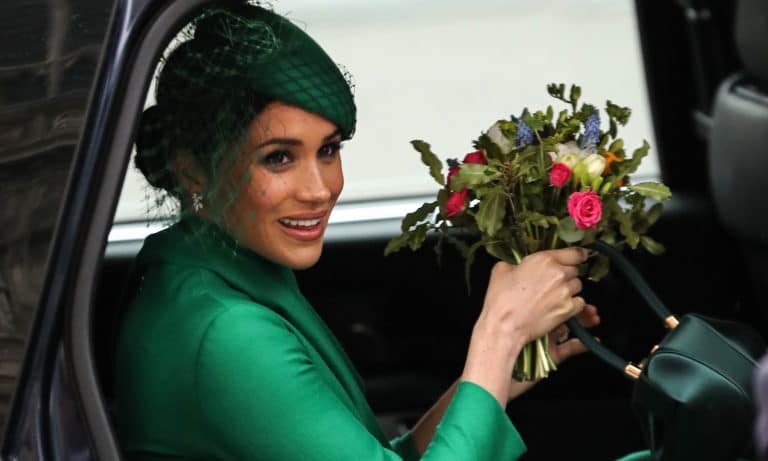
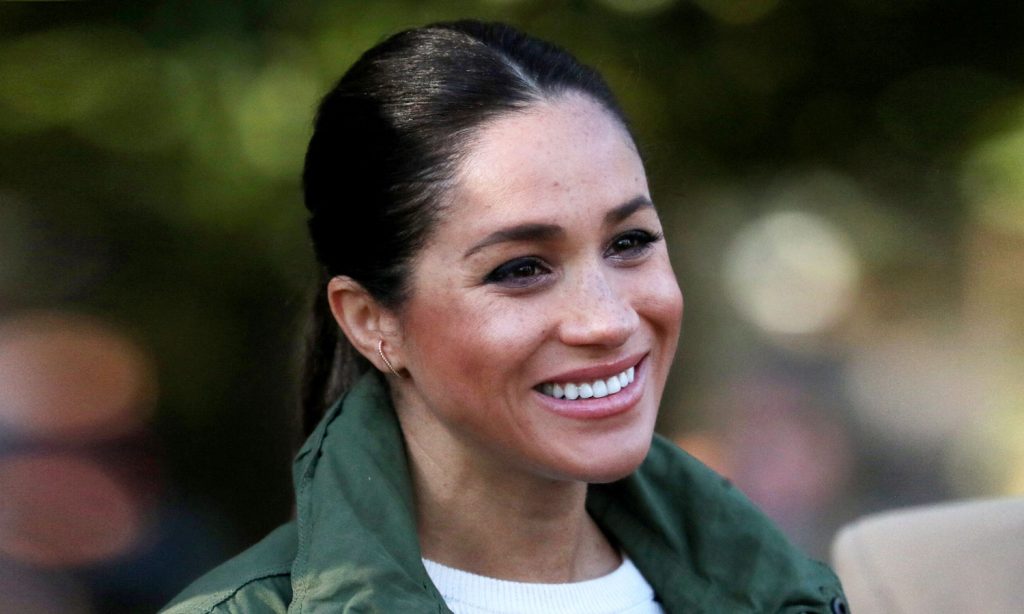
Does Meghan Markle Smoke Weed

Meghan Markle is one of the most prominent celebrities across the globe. Does she smoke marijuana every now and then?

Ever since her relationship with Prince Harry became public, Meghan Markle has been under a glaring and critical spotlight. Every couple of months a new scandal breaks, be that from her estranged family, from supposed tensions that exist among the royal in-laws or her and Prince Harry’s decision to forge their own traditions.

When reading these headlines, it’s hard to differentiate fact from fiction. What’s real and what are the ramblings of some journalist who want to sell papers?

About a week ago, the Duke and Duchess of Sussex announced that they were stepping down from their royal duties. In a very polite statement, the couple informed the world that they would be splitting their time between the U.K. and America, and that they wanted their kid to be raised in a more modern environment.

https://www.instagram.com/p/B7EaGS_Jpb9/

Last week, we wrote about Prince Harry and his relationship with marijuana. Now we ask ourselves, does Meghan Markle smoke weed? Let’s see what the internet has to say.

RELATED: Does Prince Harry Smoke Weed?

Back in 2011, during her Jamaican wedding to first husband Trevor Engelson, Markle included joints in the gift bags for her guests.

“It’s illegal, but it’s no big deal in Jamaica,” said Thomas Markle, Meghan’s father. “It’s almost customary down there. I don’t smoke weed and to the best of my knowledge nor does Meghan. I don’t know what I did with mine. I think I gave it away. I kept the bag and I use it to keep the sea air off one of my Emmys.”

Photo by Pool/Getty Images

In the months leading up to the royal wedding, Thomas Markle was heavily covered by the media. He conducted several paid interviews which revealed that he was no longer in contact with his daughter and he wasn’t invited to the ceremony.

There was also news that Meghan’s nephew, pot farmer Tyler Dooley, named several marijuana strains after the Duchess (Markle’s Sparkle) in hopes of making a few bucks. It worked.

“Markle Sparkle made headlines and made me a lot of money,” he said. His other strain, named after Meghan and Harry’s son, is called “Archie Sparkie.” 

RELATED: Does Vince Vaughn Smoke Weed?

It’s pretty obvious that the news surrounding Meghan and marijuana is mostly scandalous for the sake of being scandalous.

Despite how outdated the royals are and how awful Meghan Markle has been treated from every direction, we can’t help but wonder if anyone has ever smoked a joint in Buckingham Palace. Someone should go undercover and investigate.

Is The Bachelor Cast Allowed To Consume Marijuana On Air

Behavior from The Bachelor contestants has caused us to wonder if they’re allowed to consume marijuana on the show.

For those of you who live in an area without access to cable or online streaming services, “The Bachelor” is a reality dating show where women from all over the country compete for the attention — and ultimately love — of a single man. But it’s also a show designed to maximize messy drama and catfighting, with both men and women guilty of embarrassing themselves for our entertainment.

The newest season of the show features Peter “The Pilot” Weber as the Bachelor. Among the women vying for Pete is Katrina Badowski, who had this to say about her potential love interest. “You need to risk it for the biscuit,” she said. “And he looks like a really f***ing hot biscuit.” To make this kind of comment you either assume she is either trying to maximize her 15 minutes of fame or high out of her mind.


via GIPHY

Mashable writer Anna Iovine assumed the latter — which is totally fair! — and it inspired her to investigate if contestants on the show can smoke weed. It’s an intriguing question, as “The Bachelor” mansion, where the show’s contestants live, is located in California. For those somehow unaware, marijuana is recreationally legal in California.

RELATED: Smoking Marijuana For The First Time: A Beginner’s Guide

It would make sense if the show’s producers allowed contestants to consume marijuana. Their job is to make the most entertaining show possible, which is why drinking is often encouraged on the show. (Though they’ve cut down the drinking in recent years.) High people are prone to saying hilarious things on camera. I’ll refer to the above, where a grown woman calls someone “a really f***king hot biscuit.”

Unfortunately, the show appears pretty keen on not revealing if marijuana consumption takes place in the mansion or not. A spokesperson for Warner Bros., which handles production for the show, says they had no contribution to make at this time. Former contestants, focusing on recent personalities following on California’s legalization in 2018, didn’t respond to requests for a comment.

RELATED: ‘Euphoria’ Has A Lot Of Sex, Drugs, And Alcohol, But That’s Not Necessarily A Bad Thing

However, one former producer did respond that they do not know if contestants are allowed to smoke weed. But they added that since marijuana is federally illegal, it was unlikely. That seems the closest we’re going to get to the truth for now. Until then, you can make your best educated guesses on whether or not your favorite “Bachelor” contestant is high on marijuana or fame the next time they do something silly.

Will The FDA Treat Hemp CBD As A Dietary Supplement

This would be a significant change as the FDA has long held that Hemp CBD cannot be classified as dietary supplement.

The Food and Drug Administration (FDA) may soon change its tune on hemp-derived CBD (Hemp CBD) thanks to a bill recently filed by chairman of the House Agriculture Committee, Rep. Collin Peterson (D-MN) and cosponsored by Reps. Thomas Massie (R-KY), James Comer (R-KY) and Chellie Pingree (D-ME).

HR 5587 is an Act “To amend the Federal Food, Drug, and Cosmetic Act [(FDAC)] with respect to the regulation of hemp-derived cannabidiol and hemp-derived cannabidiol containing substances.” As of the time of this writing, the bill’s text is not available on Congress.gov but is provided by Marijuana Moment’s Kyle Jaeger, who wrote a great article on the bill.

If passed in it’s current form, HR 5587 would amend the FDAC’s definition of dietary supplement (21 U.S.C. 321(ff)(3)(B)) as shown below in bold:

The term “dietary supplement” does  not include—

(i) an article (other than hemp-derived cannabidiol or a hemp-derived cannabidiol containing substance) that is approved as a new drug under section 355 of this title, certified as an antibiotic under section 357 of this title, or licensed as a biologic under section 262 of title 42, or

(ii) an article (other than hemp-derived cannabidiol or a hemp-derived cannabidiol containing substance)    authorized for investigation as a new drug, antibiotic, or biological for which substantial clinical investigations have been instituted and for which the existence of such investigations has been made public, which was not before such approval, certification, licensing, or authorization marketed as a dietary supplement or as a food unless the Secretary, in the Secretary’s discretion, has issued a regulation, after notice and comment, finding that the article would be lawful under this chapter.

RELATED: USDA Releases Hemp Rules

The bill would also amend the FDAC to clarify that federal law does not prohibit a person from introducing Hemp CBD into interstate commerce, as shown by the proposed amendments to 21 U.S.C. 331(ll):

The introduction or delivery for introduction into interstate commerce of any food to which has been added a drug approved under section 355 of this title, a biological product licensed under section 262 of title 42, or a drug or a biological product for which substantial clinical investigations have been instituted and for which the existence of such investigations has been made public (other than hemp-derived cannabidiol or a hemp-derived cannabidiol containing substance)[.]

Top 4 Predictions For Hemp And Hemp CBD In 2020
Photo by SEASTOCK/Getty Images

This would be a significant change as the FDA has long held that Hemp CBD cannot be classified as dietary supplement because the FDAC’s definition of dietary supplement explicitly exempts any article that is approved or investigated as a drug unless the article was marketed as a dietary supplement or food prior to being publicly investigated as a drug. The FDA’s view is that Hemp CBD was not marketed as such prior to the investigation of CBD as a drug. The FDA could deal with this through regulation, as the FDAC does grant the FDA Secretary the authority to regulate around the definition of dietary supplement. That hasn’t happened, though, and it appears that the FDA is running out of time.

HR 5587, as currently drafted, only would apply to Hemp CBD, not other cannabinoids such as CBN or CBG. The 2018 Farm Bill encompasses all hemp-derived cannabinoids in its definition of “hemp” so HR 5587 could encompass more than just CBD without having to amend the Farm Bill. It’s likely that this bill was drafted in light of the CBD craze over the last few years so it isn’t all that surprising that CBD is the only cannabinoid listed. If HR 5587 picks up steam, it will be interesting to see whether the language is revised to encompass other, less popular cannabinoids, in order to prevent recurring problems.

what is the best time of day to take cbd
Photo by OlegMalyshev/Getty Images

In addition to removing obstacles related to making Hemp CBD a dietary supplement, the bill would also require the US Department of Agriculture (USDA), in consultation with other federal agencies, to submit to Congress a study on the following:

  • the costs and requirements for establishing and operating a hemp testing program, including the costs and requirements for operating or contracting with a laboratory approved by the Drug Enforcement Agency;
  • the costs and requirements for the destruction of hemp crops determined to be in excess of 0.3 percent delta-9 tetrahydrocannabinol or opportunities for remediation or alternative uses;
  • the feasibility of producer compliance with sampling timetables;
  • the feasibility of producer compliance with reporting requirements; and
  • other known or potential challenges by the participation of States or producers in the domestic hemp production program.

It’s probably too early to tell whether this HR 5587 has a chance to become law. It was presented with bipartisan support but the legislative process can be unpredictable. Even if this bill does eventually become law, it will likely be subject to significant changes along the way. We simply don’t have enough information at this point to know what will happen.

We do know, however, that HR 5587 sends a clear message to the FDA, and to a lesser extent to the USDA, that lawmakers are not pleased with the treatment of hemp. For the FDA, this seems to be based on the agencies continued hostility towards Hemp CBD. For the USDA, it seems that lawmakers have heard the backlash against the USDA’s testing requirements including the need to test for total THC at DEA-certified labs.

RELATED: The FDA’s Problem With Hemp-CBD

Remember, federal agencies only exist because of federal lawmakers. They are creatures of statute, statutes that were crafted by lawmakers in Congress. If agencies fail to interpret a statute in the way the legislature wants, it has the unique power to amend the statute. That’s what is happening here.

This may seem like an outright rebuke, but in all fairness to the FDA, former commissioner Dr. Scott Gottlieb has told Congress that a legislative change may be needed in order for the FDA to regulate Hemp CBD in a timely manner.  In addition, the USDA has publicly stated that testing hemp for THC content has proved challenging.

We’ll keep an eye on HR 5587 and all things Hemp CBD. 2020 is likely going to be another big year for cannabis, especially at the federal level. Stay tuned.

Daniel Shortt is an attorney at Harris Bricken and this article was originally published on the Canna Law Blog.

Don't Miss Your Weekly Dose of The Fresh Toast.

Stay informed with exclusive news briefs delivered directly to your inbox every Friday.

We respect your privacy. Unsubscribe anytime.