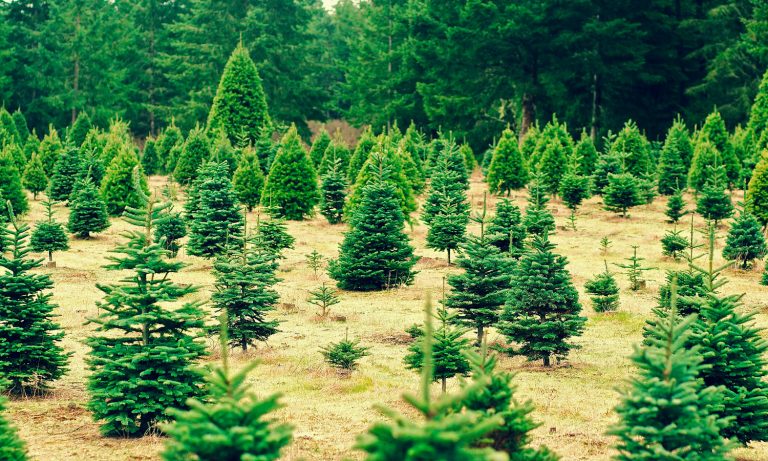
Growers are choosing to grow crops that are easier to take care of and that produce more money than seasonal Christmas trees.
Christmas trees take their time to grow and develop, which is why some growers are tempted to plant less seasonal and more profitable crops, such as hemp. This change could make it hard for those who are looking for a Christmas tree to find the option they want.
“If you love Christmas trees, then the key is to come early, so that you can get first dibs,” said John Patton of Patton Christmas Trees. “Especially the people who like to get big trees… the biggest shortage are on the trees that are 8 to 9 feet and above.”
Patton spoke with the CBS affiliate in Dallas-Fort Worth and explained that people who buy their trees early in the year should find plenty of options, but those who leave their shopping for last minute might find some trouble. “Originally, the grower said, ‘sounds good, John… we’ll get you your entire order… and then, as we got closer to November, they all of a sudden started saying, ‘look, we just don’t have enough trees to fill everybody’s order’,” he explained.
Photo by Annie Spratt via Unsplash
Out-of-state growers are choosing to invest their time in growing crops that are easier to plant and that end up making more money. “No doubt we will sell out,” Patton said. “One of the biggest wholesalers in all of Texas, guy named Bill Clem, he said his order was cut by almost 30% this year.”
Over the years, fake Christmas trees have been growing in popularity, since they’re easier to cleanup and can be reused over the years.
Millennials have reportedly increased the value of natural Christmas trees since they prefer it over other options. We’ll have to wait a couple of years in order to see how serious is the effect of CBD and whether it will have a larger effect over the production of Christmas pines.
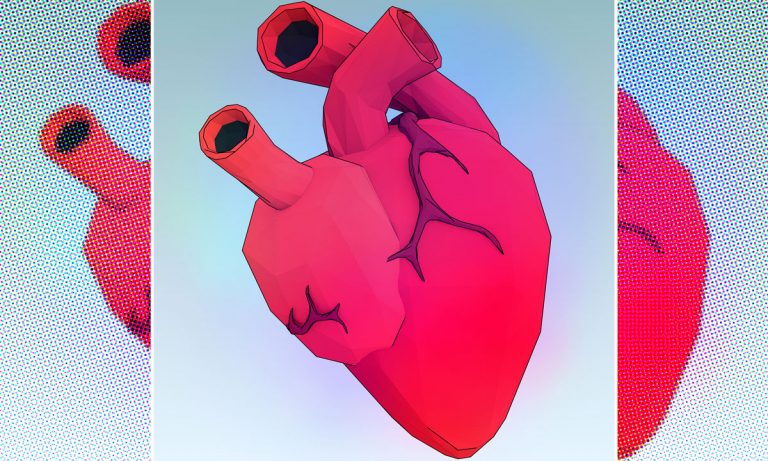
A study conducted by the American Heart Association shows that cannabis users actually had a lower risk of atrial fibrillation. And the good news doesn’t stop there.
As any cannabis enthusiast will tell you, all experiences with marijuana are not the same. While people use it for its pleasant effects and therapeutic benefits, the experience isn’t fail safe.
Cannabis is known to sometimes cause an excited, even nervous or anxious reaction depending on the user, sample composition, amount consumed and other elements. Doctors call it an adrenergic state. This state is known to increase the risk of atrial fibrillation, the irregular, chaotic beating of the heart’s chambers and is also known as A-fib.
It is this reaction that has caused some concern about cannabis use by people with compromised heart health. Doctors have little information about the effect of cannabis on the occurrence of A-fib in patients with heart failure. A study conducted by the American Heart Association shows that cannabis users actually had a lower risk of A-fib. The good news doesn’t stop there.
First, let’s have a look at the study. Sometimes the best way to see patterns is to simply look back. That’s exactly what this study did by using the Nationwide Inpatient Sample to examine the hospital records of over six million patients in the U.S. admitted for heart failure.
Researchers compared the health, length of hospital stay and mortality rates of cannabis users and non-users. They “observed significantly reduced odds of atrial fibrillation among cannabis users.” Not only that, patients who were cannabis users were also less likely to die in the hospital. Also surprising to researchers was the fact that cannabis users also had shorter hospital stays than non-cannabis users.
Photo by LPETTET/Getty Images
This is not the first time that cannabis has shown a positive proactive effect to reduce the risk of serious health conditions. A study published in Neuropsychopharmacology showed that heavy cannabis users may have a reduced risk of stroke because of increased blood and oxygen flow to the brain. Cannabinoids, active compounds in cannabis, have also been shown to protect against traumatic brain damage.
Despite the good news, prescription cannabis medicine commercials are a long way off as long as cannabis remains listed as a Schedule I substance by the DEA and the FDA has “not approved marijuana as a safe and effective drug for any indication.” However, as the leading cause of death for both men and women in the US. with more than 600,000 Americans dying from heart disease every year, more research is inevitable.
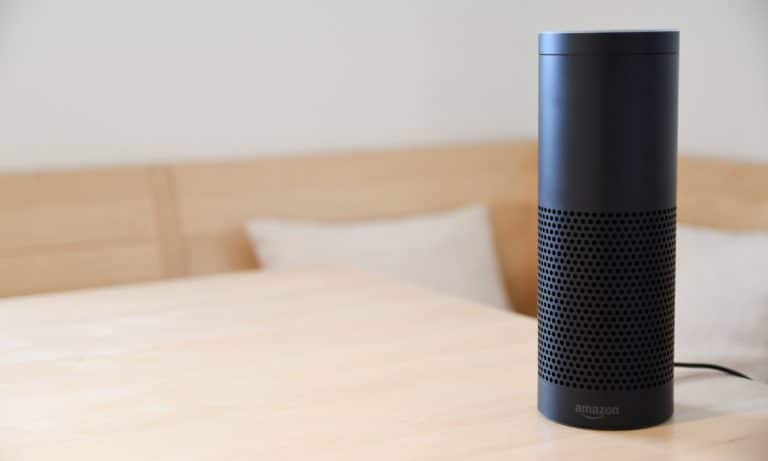
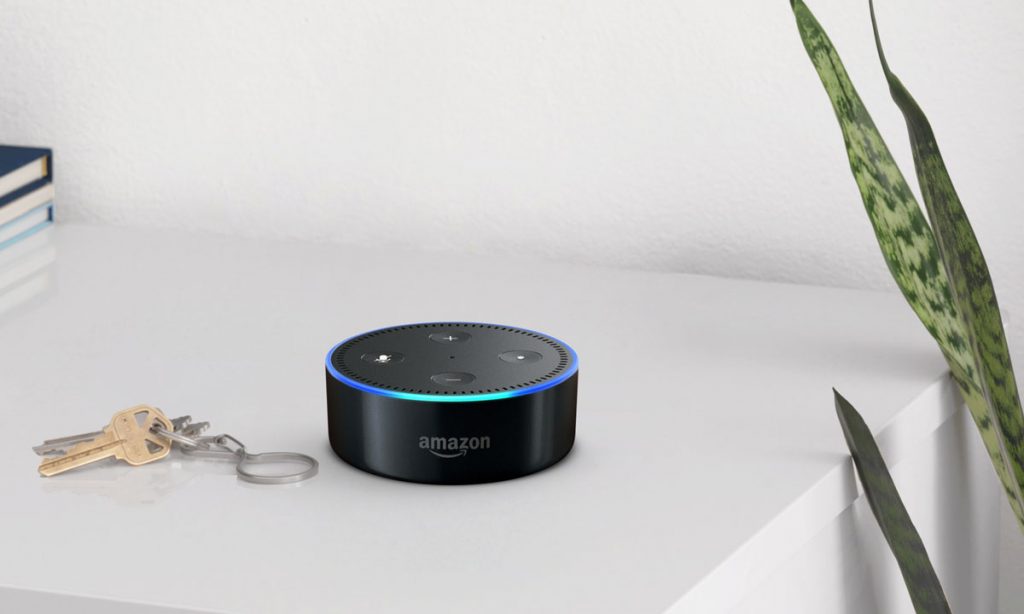
New technology brings us a step closer to a world where Alexa forms an intrinsic part of our daily environment.
If you were thinking that voice assisted AI was a temporary technological development that wouldn’t leave its mark on the world, Amazon is here to remind you that it’s here to stay. A surprisingly casual announcement from the company reports that now, Alexa will be able to run in even the most basic of programs, requiring only 1MB of memory.
While Amazon has released hundreds of devices containing Alexa capabilities, ranging from Earbuds, to kindles, to glasses, this new technology (awkwardly called called AVS Integration for AWS IoT Core) really bridges the gap that normally differentiates “complex tech” to the kind of technology you interact with on a daily basis.
“We now offload the vast majority of all of this to the cloud. So the device can be ultra dumb. The only thing that the device still needs to do is wake word detection. That still needs to be covered on the device,” Dirk Didascalou, the vice president of AWS IoT, told TechCrunch.
According to Didascolou, this technology brings us a step closer to a world where Alexa forms an intrinsic part of our environment. Instead of focusing your attention on a device and calling out to it, the focus would be on the software, which could now be present in both your speaker and, say, your coffee mug.
While this announcement suggests exciting tech and a lot of comfort for our future by giving us plenty of different ways to access digital information, it also raises concerns for those who worry about their voice assistants recording their lives and conversations. Don’t worry, this is still a big issue that companies don’t know how to address. We’ve just learned how to live with it.
Consuming turkey and marijuana doesn’t have to result in couchlock this Thanksgiving—you just need to choose wisely.
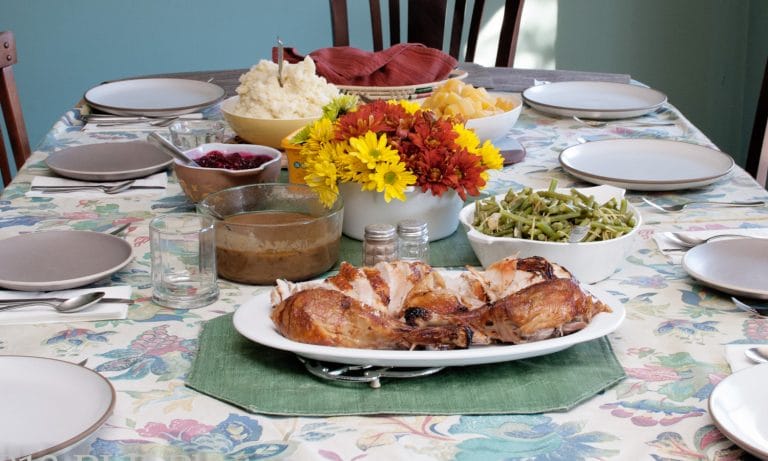
Everyone eats too much on Thanksgiving. It’s hardly a surprise. With all that delicious food, it’s nearly impossible to stop yourself. But even if you could, would you even want to try? Of course not.
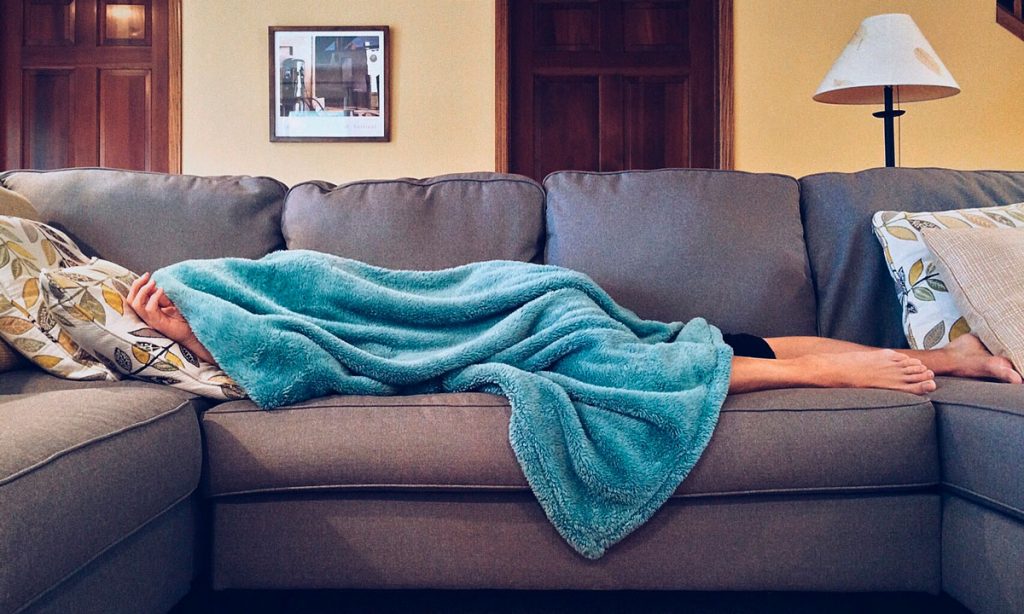
On the surface, Thanksgiving presents a vexing problem for those who prefer cannabis over alcohol. Eating turkey will make you sleepy, right? Add in some marijuana and it appears like a combination ripe to make you pass out on grandma’s couch. No one wants that — you might miss dessert!
Now, if you’re participating in Danksgiving or find yourself in a situation where you’ve accidentally toked too much before the meal, this is an expected probability. That said, a majority of Americans travel many miles to see family they only visit once a year. Missing family time because of turkey and toking would be an unfortunate outcome for most. However, there’s a way to participate in both of your favorite activities — smoking and eating — without ending up on grandma’s cushions unable to talk or move.
The Thanksgiving myth that turkey makes you sleepy revolves around tryptophan, an amino acid found in turkey. Tryptophan produces two neurotransmitters in your body: serotonin and melatonin. Serotonin raises mood levels and is associated with healthy sleep. Melatonin, meanwhile, is more closely linked to regulating and inducing sleep cycles. This is why many travelers will take melatonin to avoid jet lag when flying internationally.
Photo by Wokandapix via Pixabay
What causes you to pass out, then, is consuming tryptophan-rich turkey in conjunction with all those carbohydrates and sugary desserts. Eating carbs and sugars causes the body to release insulin, which flushes out many amino acids in your bloodstream. Except tryptophan that is. Tryptophan remains, unencumbered by competitors, ready to release its sleepy properties past your blood-brain barriers.
Think of it as tryptophan waiting in line, then his best friend carbohydrate invites him to cut everyone to the front. So if you don’t want to feel drowsy after your meal, maybe skip the dinner roll and avoid that extra heaping of mashed potatoes on your plate.
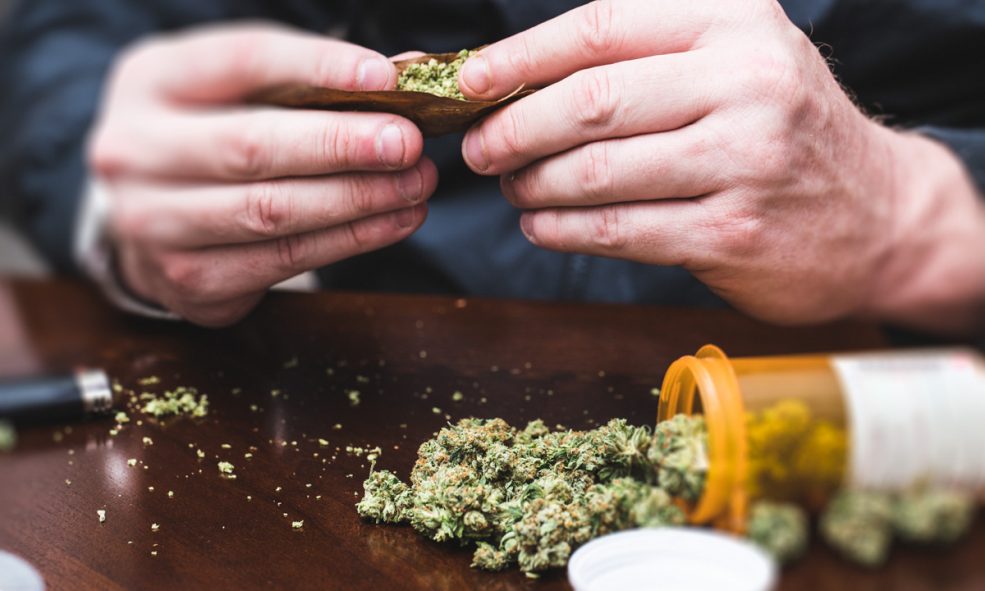
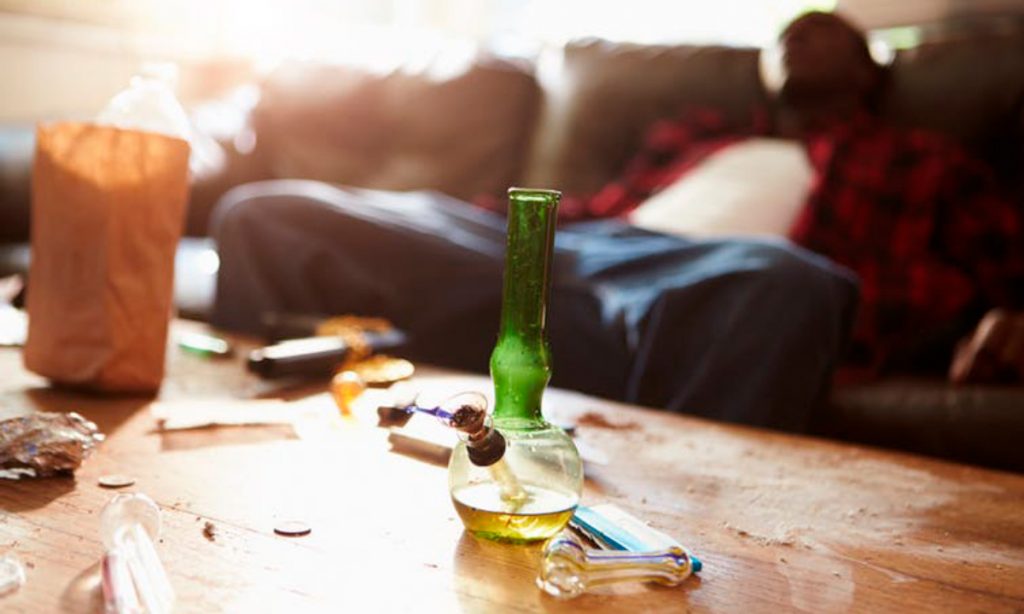
Another myth to debunk: just smoking weed won’t cause you to pass out. The primary concern is what and how you’re consuming marijuana before Thanksgiving. Using low-THC or 1:1 THC-CBD products will stop you from passing out in mashed potatoes bowl. Tinctures, vaporizers, and edibles are all great to manage your high properly in this way, causing a gentler high.
If you’re committed to smoking flower, however, you can mitigate the risk there, too. Sativa strains are generally associated with raising energy levels and some athletes use cannabis to help them train. Some people use specific sativa strains to increase appetite and allow them to get thirds on Thanksgiving. Meanwhile, indica strains are known to produce more relaxing, soothing effects as typically associated with marijuana. So consuming cannabis responsibly and avoiding some extra carbs could be the difference between playing catch with your nephew after dinner or watching the football game trapped on the couch. Choose wisely.
This move will only further oppress an already weak legal market and fuel the thriving illicit market, according to industry insiders.
The California Department of Tax and Fee Administration has announced that it will increase taxes on the regulated cannabis industry yet again. The markup rate for the marijuana excise tax will increase from 60% to 80% on New Year’s Day.
This rate is used to provide the basis for California’s 15% excise tax. This move will only further oppress an already weak legal market and fuel the thriving illicit market, industry participants said. Among the California industry operatives expressing concern as the market struggles to meet expectations and profitability is Ben Larson, board member at the Cannabis Beverage Association and CEO of Vertosa.
“If the state is looking for another way to give a boost to the illicit market and drive more companies out of California that are trying to engage in the legal market — this is it. Well done,” he said.
Cynthia Salarizadeh, founder and president of the California-based premium cannabis products company House of Saka, said the taxes are beginning to make profitability impossible.
“[The] cost of goods are so high in the legal cannabis market that any additional taxation kills our margins and will hurt smaller businesses, along with the bigger ones.”
This goes against the theory that cannabis use reduces dopamine production resulting in lower motivation and, ultimately, inability to achieve life goals.
The Fresh Toast – The old myth says one thing, but science reveals cannabis does not make you lazy, data wins the day.
“Marijuana will ruin your motivation. It will make you lazy.” Or so we were told. It’s an old stereotype drummed into the public mindset through multi-million dollar ad campaigns. We were taught that pot not only fries your brain like an egg, but strips away any personal motivation, leaving you living with your parents well into adulthood.
Like any other effective propaganda, kernels of truth help obscure the lie. We do know that cannabis engages the CB1 receptors in a way that promotes the release of dopamine, the pleasure chemical naturally produces. So, it is no surprise that someone who uses cannabis would enjoy it and want to do it again. But does this mean that during the process our personal motivation to accomplish short and long-term goals is inhibited? It;s a good question and one that all cannabis enthusiasts should want to know the real answer to.
Scientists at Florida International University are doing what good researchers do. They’re challenging assumptions and seeking facts concerning this very topic, publishing a study following the motivation levels of adolescents who are regular cannabis users. Even their hypothesis, published in the journal Substance Use & Misuse, followed the oft-held belief that cannabis zaps personal motivation, with frequency and increased amounts having a bigger detrimental effect.
But that is not what they found. The motivation of 79 teens aged 14-18 were evaluated using standardized self-reporting tools known as the Apathy Evaluation Scale and Motivation and Engagement Scale. In fact, they concluded that “no significant differences were observed between regular and light users on any motivation index.” Their findings did not support any link between motivation and cannabis use in the adolescents they observed.
Monkey Business Images/Shutterstock
This goes against a theory, developed in 1972, that proposed that cannabis use reduces dopamine production resulting in lower motivation and, ultimately, inability to achieve life goals. Twenty years later, sectors of the scientific community have challenged this assumption and instead point to the possibility of depression being the real culprit, not cannabis.
Not all marijuana use is the same. The amount consumed is a critical consideration. Also, as cannabis users are aware, different strains have different effects based on THC:CBD balance and terpene profile. But just because it is possible to smoke yourself into a couch-lock situation, it doesn’t mean it zaps your long-term motivation.
As the G.I. Joe cartoons reminded us in the 80s, “knowing is half the battle.” In this case, some insight into real research can help us identify old-school propaganda from fact-based info.
So, enjoy your cannabis in moderation. When those old commercials pop up, enjoy them for what they are: an attempt to scare and dissuade you. Science has your back on this one
These companies are accused of marketing CBD products in ways that violate the FD&C Act, including marketing CBD products to treat diseases or for other therapeutic uses.
On Monday, the U.S. Food and Drug Administration issued warning letters to 15 companies for illegally selling products containing cannabidiol (CBD) in ways that violate the Federal Food, Drug, and Cosmetic Act (FD&C Act). The FDA also published a revised Consumer Update detailing safety concerns about CBD products more broadly. The FDA also indicated in the press release that it cannot conclude that CBD is generally recognized as safe among qualified experts for its use in human or animal food.
The companies sent these warning letters were accused of using product webpages, online stores and social media to market CBD products in ways that violate the FD&C Act, including marketing CBD products to treat diseases or for other therapeutic uses for humans and/or animals. The FDA also noted that some of the products were marketed towards infants and children, which could have adverse reactions. Other violations include marketing CBD products as dietary supplements and adding CBD to human and animal foods.
“As we work quickly to further clarify our regulatory approach for products containing cannabis and cannabis-derived compounds like CBD, we’ll continue to monitor the marketplace and take action as needed against companies that violate the law in ways that raise a variety of public health concerns. In line with our mission to protect the public, foster innovation, and promote consumer confidence, this overarching approach regarding CBD is the same as the FDA would take for any other substance that we regulate,” said FDA Principal Deputy Commissioner Amy Abernethy, M.D., Ph.D..
Photo by Nisangha/Getty Images
“We remain concerned that some people wrongly think that the myriad of CBD products on the market, many of which are illegal, have been evaluated by the FDA and determined to be safe, or that trying CBD ‘can’t hurt.’ Aside from one prescription drug approved to treat two pediatric epilepsy disorders, these products have not been approved by the FDA and we want to be clear that a number of questions remain regarding CBD’s safety – including reports of products containing contaminants, such as pesticides and heavy metals – and there are real risks that need to be considered. We recognize the significant public interest in CBD and we must work together with stakeholders and industry to fill in the knowledge gaps about the science, safety and quality of many of these products.”
Daddy Burt LLC, doing business as Daddy Burt Hemp Co., of Lexington, Kentucky
Under the FD&C Act, any product intended to treat a disease or otherwise have a therapeutic or medical use, and any product (other than a food) that is intended to affect the structure or function of the body of humans or animals, is a drug. The FDA has not approved any CBD products other than one prescription human drug product to treat rare, severe forms of epilepsy.
The FDA also does not approve of companies selling CBD products with the suggestion that the product should be added to either human or animal food.
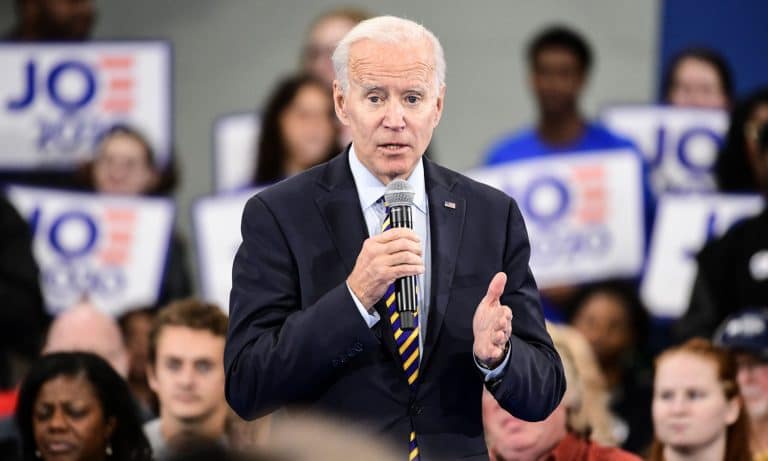
But Biden isn’t giving up yet and still attempting to atone his political follies. During a recent call with reporters, Biden was asked if he made a mistake suggesting marijuana is a “gateway drug.” The former Vice President had a different answer than he did a few weeks ago.
He was also quick to correct the record of his previous comments, stating that he didn’t actually say it was a gateway drug. “I said some say it’s a gateway drug.”
Biden’s comments at a recent town hall in Las Vegas weren’t so clear. Instead, the presidential candidate called for a different approach to potential marijuana regulation at the federal level.
“The truth of the matter is, there’s not nearly been enough evidence that has been acquired as to whether or not it is a gateway drug,” Biden said at the town hall. “It’s a debate, and I want a lot more before I legalize it nationally. I want to make sure we know a lot more about the science behind it.”
Photo by Marco Jimenez via Unsplash
Cory Booker’s campaign, which has become an attack dog against Biden’s marijuana views, did not allow the new comments to go unchallenged. Sabrina Singh, who serves as Booker’s national press secretary, asked if Biden believes marijuana is not a gateway drug anymore, why is still against legalization.
“If @JoeBiden finally agrees with @CoryBooker that marijuana is not a gateway drug, then why does he still oppose federal legalization?,” Singh tweeted.
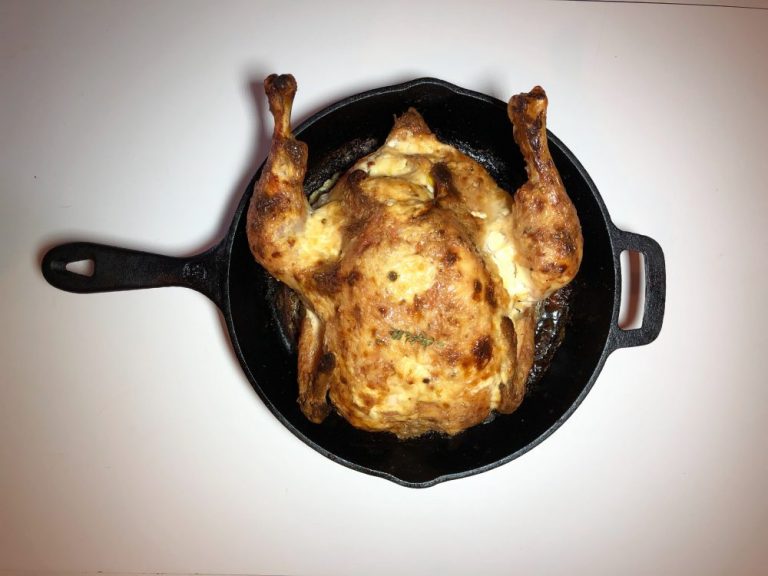
This year, forgo the traditional turkey and try chicken stuffed with the good herb for a mini take on Thanksgiving, or just a regular romantic Sunday.
Not everyone will be partaking in the traditional family and turkey this year. Some just prefer not to celebrate Thanksgiving, while others opt for Friendsgiving or orphan gatherings. And considering the fairy tale reimagining of the day, who can blame them?
Those of us rolling in smaller crews on Thursday won’t want to be working with a massive turkey; there’s only so many leftovers you can take, and cooking that big bird is a whole lot of effort. Plus, without the big family that comes with what amounts to mixed company, you can freely infuse your food and not worry about children or unsupervised baby boomers copping an unwanted high.
This year, try chicken and a few fixin’s with the good stuff for a new take on mini Thanksgiving, or just a regular romantic Sunday.
For that perfect reasonable roast, go for a high quality organic chicken, and stay under four pounds to limit the excess. There are countless delicious methods for roasting which could make it hard to pick, but here are three internet favorites to ease the decision making:
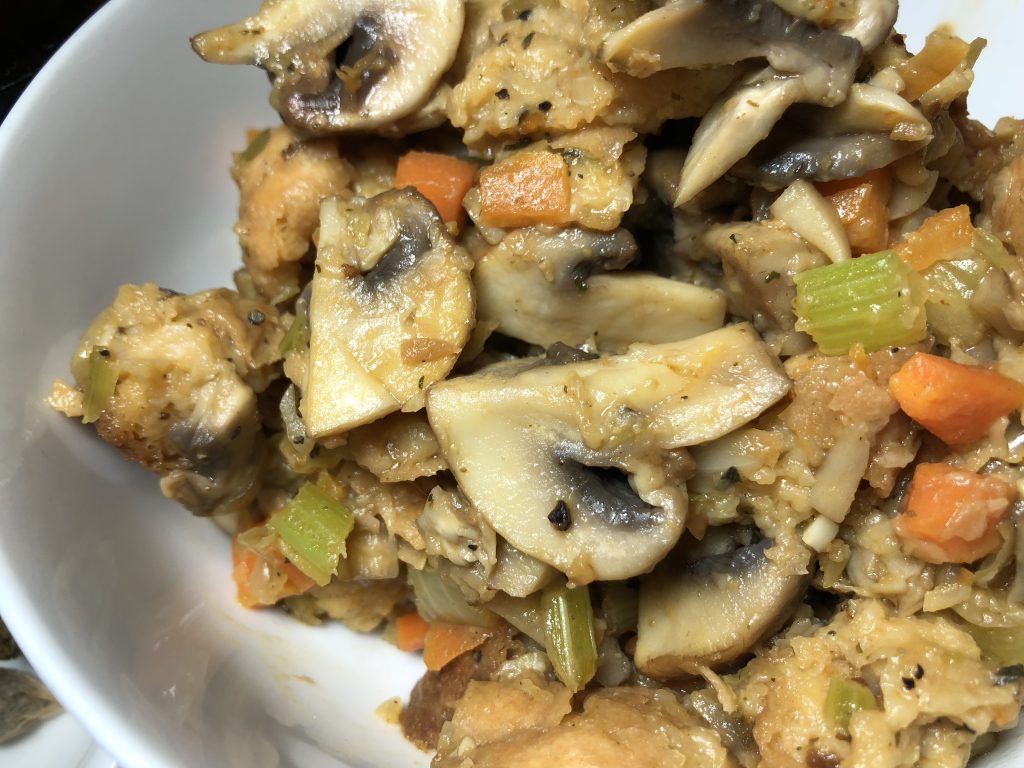
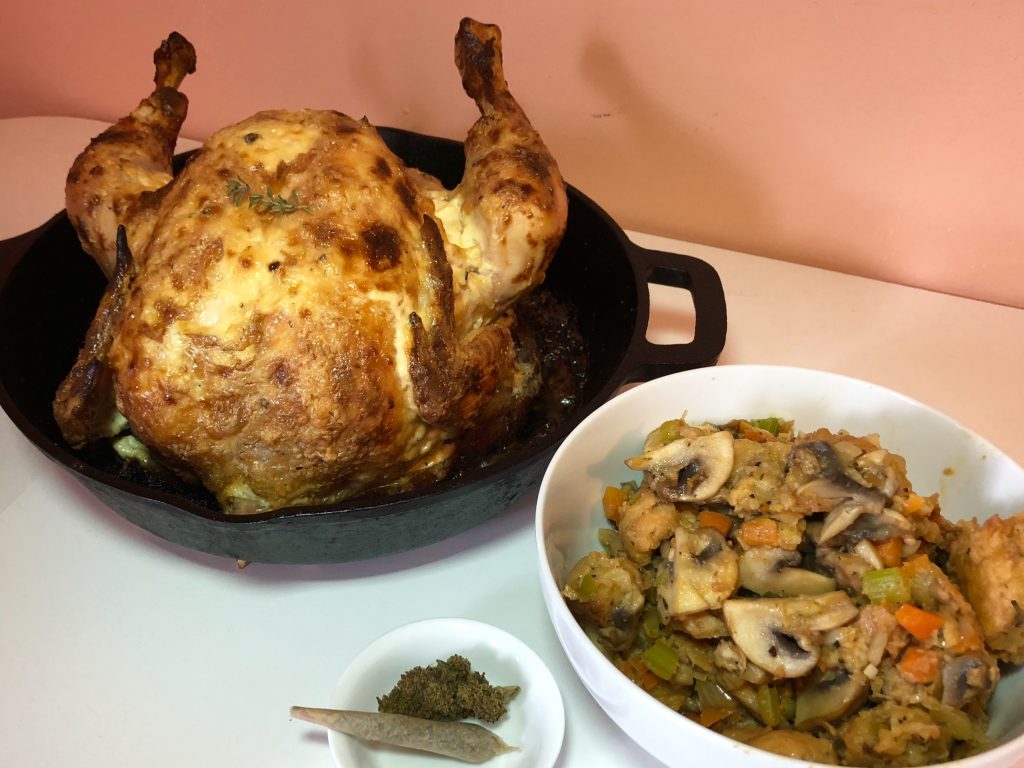
We went with the Million Dollar Chicken over here, and though I’d swap root veg for the sourdough at the bottom, it was a wonderful treat. For the infused side of your dream mini feast, here’s a cannabis stuffing recipe that will have you going in for seconds before the munchies set in.
Photos by Danielle Guercio
Herbed Mushroom Stuffing
Danielle Guercio 2018
Serves 4, Estimated 10mg THC per serving
1 lb button or baby portobello mushrooms
4 Tbsp unsalted butter
2 Tbsp cannabis infused butter*, melted
Small bunch thyme
4 sage leaves
5-6 rosemary needles
Pinch tarragon
Pinch oregano
2 celery ribs
1 large or two medium carrots
½ a white onion
3-4 garlic cloves
¾ loaf of day old baguette, sourdough, or ciabatta bread
1 cup vegetable or chicken broth
1 cube vegetable bouillon
Salt
Pepper
Prepare the ingredients by finely dicing the vegetables and half of the mushrooms, cutting the rest into large chunks. Cube bread into rough 1-inch and 1.5-inch pieces (you can also do this the day before to let them dry out even more).
Sauté carrot, celery, garlic, and onion into the non-infused butter until translucent. Add the smaller chopped mushrooms and cook until they begin to release moisture stirring frequently. Transfer the veggies into a heat-safe bowl.
Stir in the herbs, salt, pepper, melted cannabutter, veggie cube, and broth, and mix until the ingredients are combined. Add the bread and fold until the broth is absorbed. You can alternatively add ¼ cup of broth at a time until you get to your desired consistency, some people like more moist stuffing than others.
Either stuff a chicken with this mixture and bake to the recipe’s specifications, or pile into a casserole and heat up for a yummy side dish with a slight crisp on the top.
Serve with your beautiful bird and some type of green vegetable for a complete holiday meal. This one shoots for quality over quantity.
Photos by Danielle Guercio
*Cannabutter
Decarboxylate 2 grams of finely ground cannabis or .25 gram of concentrate. Put material in lidded mason jar or vacuum sealed bag with cannabis and one stick of butter. Heat in water bath just under boiling for at least 1 hour. Strain and cool to use in recipes.
Though this isn’t the giant Turkey with eight sides many are used to, its more than enough to get the party going for up to four people. Getting pleasantly stoned while you chow down should be the new American tradition you bring to the table.
Since CBD reduces inflammation and supports liver health and can help manage nausea, it works as a digestive aid that can help alleviate any groggy feelings that arise post-feast.
Many Americans partake in that annual Thanksgiving tradition of stuffing themselves with turkey and the trimmings and then finding themselves couch locked. This time their mobile state is caused by tryptophan and not THC.
For those unfamiliar with tryptophan, this essential amino acid is the key ingredient in making serotonin, a neurotransmitter responsible for elevating and balancing people’s moods. When tryptophan synthesizes serotonin, the chemical reaction produces the hormone melatonin, which regulates people’s sleep patterns. When one consumes turkey which contains tryptophan with massive amounts of carbohydrates, the body can become very sluggish.
Short of foregoing this feast, what can one do to avoid moving around zombie like after dinner? CBD may provide some answers. First, since CBD reduces inflammation and supports liver health and can help manage nausea, it works as a digestive aid that can help alleviate any groggy feelings that arise post-Thanksgiving feast.
Also, as CBD contains less than .3% THC, it does not have the psychoactive properties found in cannabis that contains higher levels of THC. Hence, one can be medicated at the dinner table and remain alert and focused without giving off a stoner vibe. In addition, CBD can help calm one’s nerves and reduce anxiety, thus helping to prevent one from getting triggered from familial stressors such as that moment in the meal when one’s right wing relative goes into rant mode.
Consuming CBD at Thanksgiving
Even though hemp derived CBD is now federally legalized, family members may not want to be around someone smoking up a storm. The most discrete way to consume CBD products during a family get-together would be edibles. Capsules or gel caps look like vitamins and can be taken very discreetly. Tinctures are another option especially if the tincture is water soluble and can be easily added to drinks or food.
Photo by Natalia Y via Unsplash
Gummies and other candies are also discrete options, though one should be mindful these items often have a high sugar content on a day when sugar consumption is likely to be much higher than usual. As chocolate produces a sedative reaction on its own, a CBD infused chocolate edible is probably not the best choice for those wishing to remain alert.
For those new to consuming CBD, start small by taking a product containing 5 to 10mg of CBD. Take the product thirty minutes to an hour before the Thanksgiving feast will be served. Then increase the dosage gradually as need be.
In addition to the dosage, be mindful of the terpenes present in the particular CBD strain used in this product. In particular, look for strains high in limonene that have an uplifting citrus effect and will help perk one up.
When taken in small doses Linalool, the terpene found in lavender, can have a calming effect without putting one to sleep. Be careful to avoid any CBD strains high in humulene, as this is the terpene also present in beer that produces an intoxicating drowsy effect. However, both linalool and humulene can be very effective sleep aids should one find it difficult to turn off one’s mind after an intense day of holiday happenings.