TikTok’s parent company has approached different music labels to acquire different licensing deals.
ByteDance, the gigantic Chinese technology company that owns TikTok, is planning on joining the music subscription business.
According to the Financial Times, ByteDance has recently approached Warner Music, Universal and Sony for different licensing deals. Although no one knows what ByteDance plans to do with these, it’s safe to assume that TikTok is not going anywhere anytime soon, and that deals such as these can only improve people’s intense commitment to the site.
TikTok, like Musica.ly before it, is an app that’s known for utilizing songs on users’ short clips. If their parent company were to own a larger pool of music, this could prompt more people to download the app and create more content. Although these licenses don’t really provide much money for artists, (Pitchfork reports that artists are paid an initial cut that didn’t account for the virality of the video), at least they’d earn some notoriety, which, in these times, counts for something.
The bulk of these clips use songs from artists that are relatively unknown, the more obscure the better. There’s no way of predicting which clip and which song will go viral, so having your song on the app is like tossing a coin.
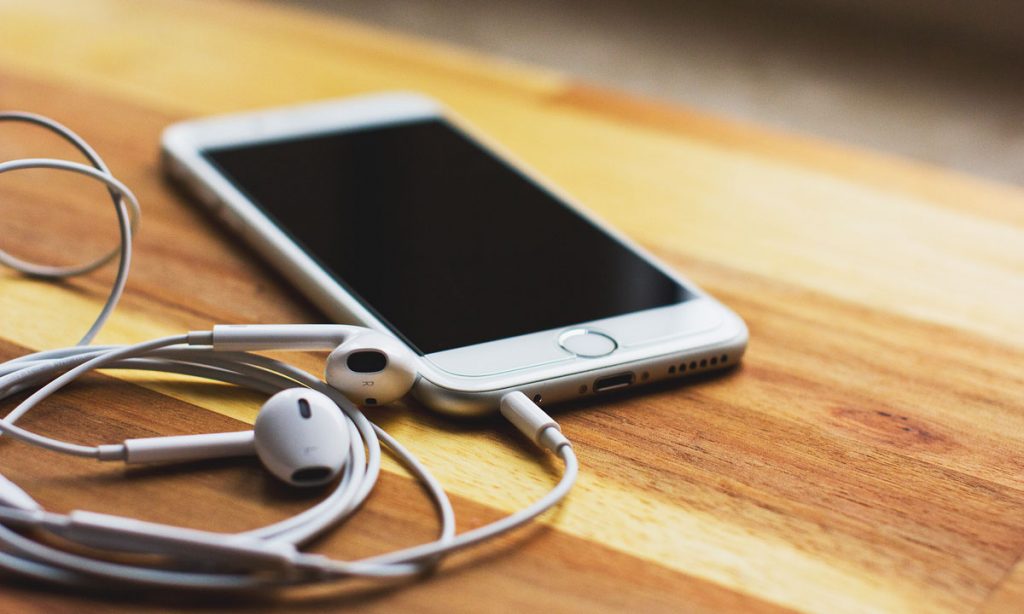
Photo via freestocks.org
Despite ByteDance’s plans for expansion, TikTok continues to be plagued by controversies, at least within the U.S.
Reuters reported last week that the U.S. government launched a national security review of ByteDance’s purchase of Musica.ly. Although the purchase was completed two years ago, the U.S. is concerned with the app’s possible censorship of political content and has questions about how it stores users’ personal data. So, kind of like every other giant tech company scandal, only with a dash of communism because the app is Chinese.
“While we cannot comment on ongoing regulatory processes, TikTok has made clear that we have no higher priority than earning the trust of users and regulators in the U.S. Part of that effort includes working with Congress and we are committed to doing so,” said a TikTok spokesperson. They also explained that while their parent company is Chinese, TikTok doesn’t store their data in China, and that their content is not influenced by any foreign government.
Anyway, who cares about politics? People are in it for the memes.
A new Cedars-Sinai study found that e-cigarettes placed a greater strain on the heart than traditional tobacco products.
In case there wasn’t enough of a public health worry over vaping and e-cigarettes, new research adds to the concerns. A new study from the Smidt Heart Institute at Cidars-Senai shows that using vaping products could place a greater harm on the heart than smoking cigarettes or traditional tobacco delivery devices.
“What makes e-cigarettes so harmful to the heart and lungs is not just nicotine,” said senior author Florian Rader said in a statement. “It’s the completely unknown bucket of manufactured products used to form vapors that is likely causing the most harm. This is what we believe is underlying the current public health problem.”
The Cidars-Senai researchers collected measurements of 30 healthy young adults ages 18 to 38, 10 of whom were tobacco smokers, 10 e-cigarette users, and 10 non-smokers. The researchers compared participants’ blood flow to the heart muscle in two different exercises: before and after using nicotine, as well as before and after conducting a handgrip exercises physiologic stress.
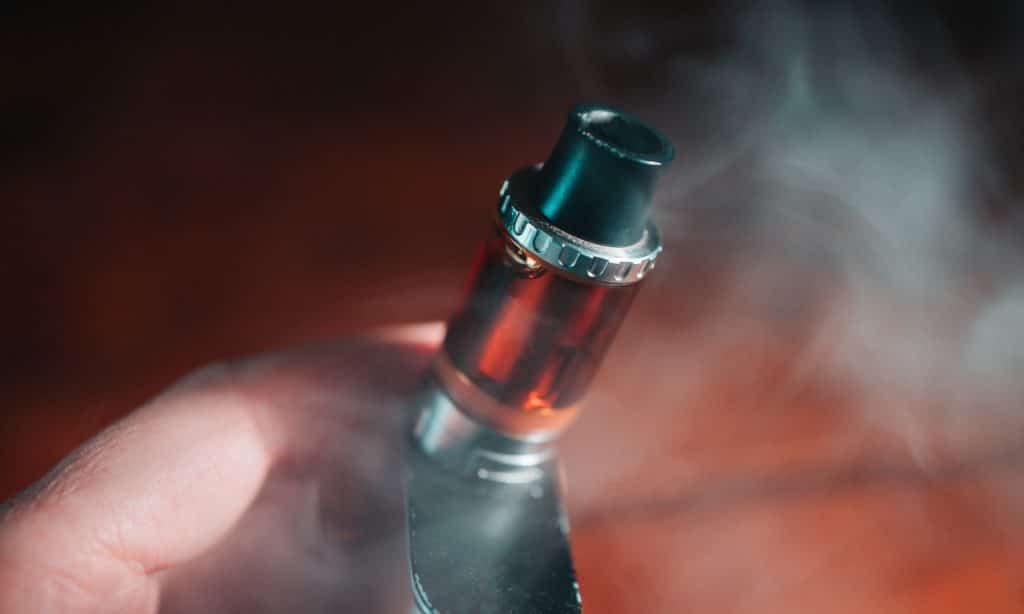
Photo by Tom Eversley/EyeEm/Getty Images
For traditional cigarette users, blood flow increased slightly after smoking while at rest, but decreased following subsequent stress. E-cigarette users, however, saw decreases in blood flow after inhalation, regardless if they were at rest or placed under stress.
“This suggests e-cigarettes cause an abnormality that impedes blood flow regulation in the heart,” Rader told Time.
Rader added that the study was too small in scope to provide any definitive answers about the vaping crisis and what long-term health problems e-cigarettes pose. The researchers also did not control for the use of cannabinoids like THC or CBD. A significant amount of vape use includes these elements and stands at the center of our current vaping crisis.
Still, the study comes at a crucial time for American e-cigarette use. A recent Food and Drug Administration study, cited by the Cidars-Senai researchers, found that e-cigarette use is rising for adolescents. In 2018, 20.8% of high schoolers used e-cigarettes, a figure that has since risen to 27.5% in 2019. Furthermore, the FDA estimated that last year 3.62 million middle and high school students consumed e-cigarettes.
While families struggle to understand the risks and benefits of THC, some are moving to try CBD or cannabidiol.
Epilepsy affects 3.4 million Americans, according to the Center for Disease Control (CDC). Even more heartbreaking, just over 470,000 children have the disorder of the central nervous system, creating a future of uncertainty for many parents. Often accompanied by seizures and a loss of awareness, children with epilepsy struggle to remain in school and to fit in with their peers.
Amy Brooks-Kayal, MD, chief of pediatric neurology at Children’s Hospital Colorado and professor of pediatrics, neurology, and pharmaceutical sciences at the University of Colorado School of Medicine, recently shared what her hospital tells parents of children with epilepsy. She recommends baseline testing to aid in understanding marijuana’s effects on seizures. While the hospital does not currently recommend medical marijuana, she explains:
“The stories of families eager to try medical marijuana are incredibly moving and completely understandable—because any parent of a child with such a life-altering condition would do everything in their power to make their child better.”
The Epilepsy Foundation makes a case for CBD
While families struggle to understand the risks and benefits of THC, some are moving to try CBD or cannabidiol. The Epilepsy Foundation explained that evidence in laboratory studies and small clinical trials offered CBD as a potential tool to help control epileptic seizures.
The Foundation elaborates, “In recent years, several studies have shown the benefit of specific plant-based CBD products, such as CBD oil, in treating specific groups of people with epilepsy who have not responded to traditional therapies.”
A child with epilepsy during a seizure. www.shutterstock.com
The Foundation also shared a study from the New England Journal of Medicine which found, “the addition of CBD to a traditional seizure medication decreased the frequency of drop seizures significantly in children and adults with LGS.”
While more research will help illuminate if CBD or cannabis can help children with epilepsy, a compelling story in TIME magazine spoke to the power of parents on a mission to help their children heal. One quote from Dr. Orrin Devinsky, head of the Comprehensive Epilepsy Center at New York University, speaks the loudest, “We’ve introduced a dozen new drugs in the past 20 years, but it’s not clear we’ve made a significant advance in the treatment of drug-resistant epilepsy. We have failed as a scientific and medical community.”
Perhaps failure will be an action of the past as new studies emerge to help parents find ways to combat their feelings of hopelessness and offer their children better treatments that help eradicate the complications of epilepsy.
Most men said that they sent these images in hopes of having sex, finding a romantic or sexual partner or for personal gratification, in that order.
Dick pics are a pretty common sight for women with smartphones. And thanks to social media, it’s not uncommon to get an unsolicited pic from total strangers. Despite the fact that dick pics have become a sort of joke shared among women and an unfortunate staple of this day and age, having someone harass your phone with them sucks, marking a clear divide between genders.
Some researchers wanted to know why unsolicited dick pics were so popular, publishing their findings in the Journal of Sex Research. Over 1,000 men were surveyed for the study, with all of them filling out a questionnaire anonymously. The men were straight and ranged between the ages of 16 and 72. Nearly half, 48% had sent unsolicited genital images and 52% of them had not, which is how researchers were able to track differences among groups.
The study predictably found that most men send unsolicited pics of their genitalia in hopes of having sex or that they’ll get some nudes in exchange. Men are also more likely to send these images if they’re young and single, with their reasons for sharing the images varying from person to person.
Photo by rawpixel.com
Narcissistic Tendencies
Men who sent these images tended to score higher on the narcissistic scale and also scored higher on “benevolent” and “hostile” sexism (the former is the kind of sexism that puts women on a pedestal and the latter is the one that is based on negative views of women). Most men said that they sent these images in hopes of having sex, finding a romantic or sexual partner or for personal gratification, in that order.
The category of personal gratification was an interesting one for researchers since they thought that the modern day dick pick fulfilled the same kind of role as flashers and exhibitionist, who find sexual pleasure in these behaviors. The study’s results show that this isn’t the case, and that a high percentage of men think that sending these images is expected and part of the norm.
There’s nothing wrong with sharing some nudes. Things get murky when people get sketchy about it, sending images to strangers or to people they know without their consent. Even if your intentions are the most honorable, ask first. Don’t be a creep.
Barber entered the cannabis business because he trusts the plant’s potential in relieving the physical consequences that playing a professional sport can leave on an athlete’s body.
Co-author, Natan Ponieman
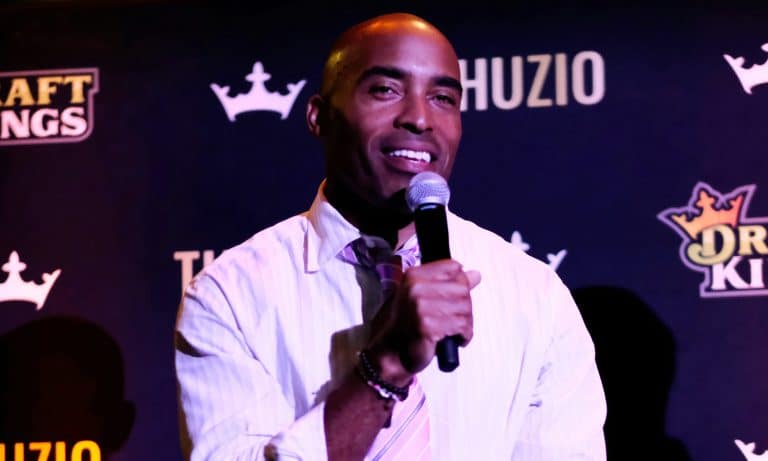
Tiki Barber is a former NFL player who entered the cannabis industry in 2018 when he co-founded Grove Group Management.
After a successful 10-year run as running back for the New York Giants, Barber cultivated a career in writing and broadcasting, which he complemented with several business ventures. In 2019, he debuted on Broadway with the Kinky Boots musical. Grove Group Management is an investment platform devoted to growing cannabis businesses on the manufacturing and distribution end.
In a recent, exclusive conversation, the former athlete discussed how his past and present experience in pro football and show business helped him craft his entrepreneur profile.
Team Playing And Persistence As The Keys To Success
Barber told us that grit was the main value he acquired during his football years.
“I think success, whether it be as a professional athlete, a radio host, and entrepreneur, or a performer on the Great White Way is dependent upon preparation and execution. I learned to deal with failure because the next play is always more important than the last.”
The entrepreneur said that executing, in part, requires an awareness of all the inputs that affect a decision.
“In football recognizing when the hole is going to open; in business knowing when to take a risk.”
He recognized that in both activities, chances of success are limited without a great team.
Photo by smileitsmccheeze/Getty Images
Cannabis Treatment For NFL Players?
Barber explained he entered the cannabis business because he trusts the plant’s potential in relieving the physical consequences that playing a professional sport can leave on an athlete’s body. However, the NFL and particularly current commissioner Roger Goodell have made hard claims about the plant, aiming to keep it on the banned substances list.
“Interestingly, despite the hard stance that the league, i.e., Commissioner Goodell takes with substances of abuse, including cannabis, we’ve already seen our players association and the league agree to study the medicinal benefits of CBD and other cannabis derivatives,” said Barber, referring to possible concessions that some key members of the league are proposing in terms of marijuana policy.
“If I could tell the commissioner anything, it would be to take advantage of this opportunity to become a leader in providing a very public alternative to opioids, a crisis that is well documented and has been a scourge on society.”
Combining Philanthropy In Autism With Cannabis Investments
Aside from his business ventures and artistic projects, Barber has been actively participating in the world of philanthropy.
“I’m extremely proud of the work that we’re doing at KultureCity, an autism acceptance and sensory inclusion organization that is focused on making the world a more accessible place, including and especially sporting venues, through staff training and installation of sensory rooms.”
Barber’s participation in the cannabis industry and his prior charity work in the field of autism are a logical combination when considering that autism has been one of the most studied conditions in the field of cannabis medicine in recent years.
“I am cautiously optimistic, there is still a lot of studies that need to be done in the US. But there have been studies done in Israel that suggest that Cannabidiol can improve autism spectrum disorder comorbidity symptoms in a majority of patients,” concluded Barber. Javier Hasse and Natan Ponieman are part of the Benzinga Cannabis team.
Javier Hasse and Natan Ponieman are part of the Benzinga Cannabis team.
Joe Biden walks back his previous marijuana support and asks if cannabis could lead to harder drug use.
You could say Joe Biden tried to play nice when he supported marijuana decriminalization and reshuffling cannabis to a Schedule II drug earlier this summer. But ever since then, the democratic presidential candidate has walked back his tacit approval of cannabis to reveal he truly doesn’t care for the plant.
At the Democratic debates in September, Biden insisted marijuana possession should remain an illegal misdemeanor. Biden reversed course further this weekend, stating he would not legalize marijuana as President because there isn’t “enough evidence…whether or not it is a gateway drug.”
“The truth of the matter is, there’s not nearly been enough evidence that has been acquired as to whether or not it is a gateway drug,” Biden said, according to Business Insider. “It’s a debate, and I want a lot more before I legalize it nationally. I want to make sure we know a lot more about the science behind it.”
Though Biden doesn’t personally support it, he added that “states should be able to make a judgement to legalize marijuana. I think that’s okay.”
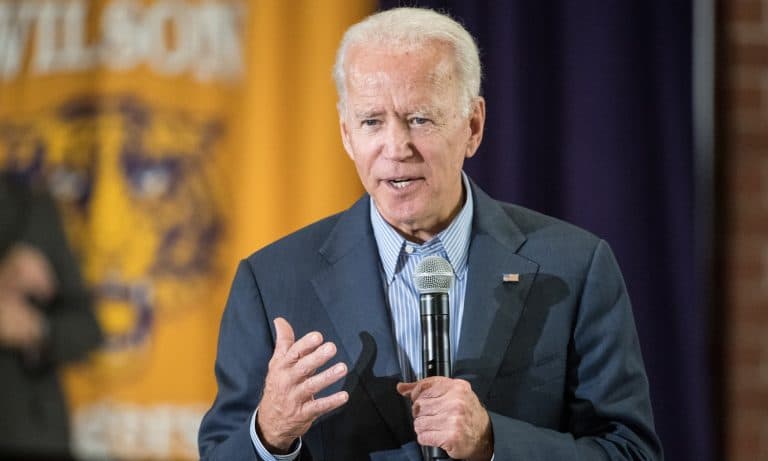
Photo by BrindleBerry/Getty Images
While his opponents in the Democratic primary have unveiled intricate plans to legalize cannabis at the federal level, including grants and programs that would heal the damage caused by the War on Drugs, Biden believes more research is needed. Biden’s congressional voting record, by the way, shows he supported legislation that institutionalized the War on Drugs.
“It is not irrational to do more scientific investigation to determine, which we have not done significantly enough, whether or not there are any things that relate to whether it’s a gateway drug or not,” Biden said.
Biden’s gateway drug theory is not supported by the National Institute on Drug Abuse, which previously explored whether marijuana was, in fact, a gateway drug or not. According to their research, “the majority of people who use marijuana do not go on to use other, ‘harder’ substances.”
A 1999 Institute of Medicine report also found that marijuana “typically precedes rather than follows initiation of other illicit drug use.” Cannabis, the report reads, “does not appear to be a gateway drug to the extent that it is the cause or even that it is the most significant predictor of serious drug abuse; that is, care must be taken not to attribute cause to association.”
Although THC and CBD are two commonly consumed cannabinoids, CBG is gaining more popularity and attention due to its medicinal value.
Cannabis is an extremely complex plant, and it contains many more cannabinoids than just THC and CBD. How many cannabinoids do you think this plant contains? So far, more than 60 cannabinoid compounds have been discovered, and cannabigerol (CBG) is one of them.
CBG is a non-psychoactive cannabinoid that can help treat multiple medical conditions, diseases, and illnesses. Although THC and CBD are two commonly consumed cannabinoids, CBG is gaining more popularity and attention due to its medicinal value.
Background Of CBG
It’s important to know that CBG is the non-acidic form of CBGA, which is the parent molecule from which several additional cannabinoids are produced. Once a cannabis plant fully matures, the majority of the CBG within the plant is already converted into CBGA. As a result, CBGA turns into other cannabinoids. Despite this conversion, CBG is often referred to as the ‘stem cell’ or ‘parent’ of other cannabinoids.
In 1975, researchers discovered that CBGA (the acid form of CBG) was the first cannabinoid formed in the cannabis plant. Based on limited research findings, it appears that CBG works with other cannabinoids to provide synergy and balance to the cannabis user. It’s also believed that CBG can partially counteract the cerebral head high associated with THC consumption, which is similar to CBD’s abilities in this regard.
CBG Medicinal Properties & Benefits
Before learning about CBG’s medicinal properties, it’s essential to know that CBG is non-psychoactive, non-impairing, and non-intoxicating. CBG can act on the body’s central nervous system without creating a psycho-active high. Therefore, users don’t have to worry about feeling high after consumption. Not only does CBG contain anti-bacterial, anti-microbial, and anti-septic properties, but it also holds efficacy in battling against MRSA (Methicillin-resistant Staphylococcus aureus). Specifically, in a 2008 study, CBG demonstrated its effectiveness against MRSA.
In addition, one 2009 review article found that CBG and other cannabinoids can slow the progression and growth of various tumors and cancer cells. Due to CBG’s ability to inhibit the growth of cancer cells and tumors, this cannabinoid shows a significant promise in helping treat different forms of cancer. Similarly, in recent years, CBG was found to be an extremely active neuroprotectant, especially regarding Huntington’s Disease. It has been discovered that CBG can help protect neurons, which can be useful in treating many neurodegenerative diseases.
Aside from these benefits, CBG has shown a significant potential for helping treat glaucoma. In particular, CBG can reduce intraocular pressure while acting as an effective vasodilator and increasing fluid drainage from the eyes. The medicinal benefits don’t stop here though. CBG also contains anti-inflammatory properties, which could help treat symptoms related to inflammatory bowel disease and other inflammatory-related issues. This cannabinoid can reduce inflammation by targeting specific molecules responsible for inflammation including pain syndromes, cancer, and IBD.
Photo by Juanmonino/Getty Images
CBG’s Mental Health Benefits
Now, what are CBG’s non-physical benefits? For starters, a 2016 report showed that CBG could be an alternative form of treatment for anxiety and depression. Thus far, CBG’s anti-anxiety properties have been revealed through different research findings, but more research needs to be done. Additionally, since CBG can block serotonin receptors, this suggests a potential role for this cannabinoid helping treat depression.
CBG also possesses the ability to inhibit the uptake of the brain’s GABA. GABA is often referred to as an amino acid that acts as a neurotransmitter within the central nervous system and also calms the system down. GABA can block nerve impulses, and when GABA is inhibited, it can result in lessened anxiety and muscle tension. Thus, it’s believed that CBG can provide anti-anxiety and potentially anti-depressant effects.
Additional Medicinal Properties
Aside from the many medical benefits mentioned above, CBG even contains analgesic properties, which can help treat numerous diseases and illnesses. Now, rewind over a decade to when one 2007 study was conducted, which revealed that CBG inhibited keratinocyte proliferation. This suggests a significant role for CBG aiding in the treatment of skin disorders including psoriasis. In general, though, CBG can simplify the making of natural skin-moisturizers, thus, this cannabinoid could be used to combat dry skin and other skin disorders.
Lastly, did you know that CBG can impact the body by increasing anandamide levels? It turns out that this cannabinoid can do just that. For those who don’t know, anandamide is a naturally-occurring cannabinoid that helps regarding the regulation of biological functions like sleep, memory, pain sensations, and appetite.
Overall, not only does CBG contain a plethora of medicinal properties, but it can also have a positive impact on people’s lives. Whether you currently experience health issues or not, this cannabinoid shows a significant potential in helping treat different conditions, diseases, and illnesses.
Can patients with Parkinson’s disease benefit from CBD or medical cannabis? The research says yes!
Although there isn’t much research surrounding the use of CBD and cannabis in regards to Parkinson’s Disease, one particular study caught my eye. In the Journal of Clinical Pharmacy and Therapeutics in 2014, a case report reviewed sleep disorders of six patients with Parkinson’s Disease.
REM SLEEP BEHAVIOR DISORDER
One particular patient caught my eye, a 61-year-old-man with a history of Parkinson’s. His symptoms began with sleep agitation and two years later he was diagnosed with Parkinson’s Disease. This specific sleep disorder is often characteristic of Parkinson’s and is referred to as REM Sleep Behavior Disorder, or RBD. During nightmares, patients often experience violent reactions such as punching, kicking and yelling.
PATIENT 1
This fellow was talking, swearing, yelling, kicking and punching in his sleep. He even injured his wife during one of his nightmare rages. These specific episodes occurred once a month and often related to work, conflict, animal attacks and fighting. Most recently, his wife reported the dreams had increased in frequency to four times per week lasting as long as 2 minutes.
CBD was administered for six weeks to the patient as well as others in the study. All five of the patients who received the treatment saw full reversal of their REM Sleep Behavior Disorder.
MECHANISM
CB1 receptors in the brain are thought to regulate the sleep/wake cycle. Anandamide stimulates these CB1 receptors during sleep, increasing the length of slow wave and REM sleep. With the addition of CBD and THC, the body reacts in the same way, creating a deeper more nourishing sleep pattern. Through the addition of CBD, patients can finally get a good night’s sleep!
CURRENT TREATMENTS
Current prescription medications such as Clonazepam create a sedation effect lasting long into the daytime. This can increase the risk of falls and motor vehicle accidents especially in the elderly. Making CBD a great and safe alternative to those prone to accidents.
CONCLUSION
The administration of CBD has been shown to be beneficial in the treatment of Parkinson’s related sleep disturbances. Thanks to CBD, Parkinson’s patients can finally get a good nights sleep!
The MORE Act would deschedule marijuana and create programs to assist those communities disproportionately affected by the War on Drugs.
This week could prove to be historic for marijuana legislation at the federal level. House Judiciary Committee Chair Jerry Nadler announced today (Monday) that the Marijuana Opportunity Reinvestment and Expungement Act (MORE Act) is schedule to receive a Congressional markup and vote Wednesday, Nov. 20.
The MORE Act would deschedule cannabis at the federal level, effectively decriminalizing the plant nationwide. In addition, the bill would create a funding program to repair the damages caused by the War on Drugs. Should Nadler’s schedule go as planned, this action would qualify the MORE Act as the first piece of comprehensive marijuana legislation to make it this far in Congress.
“The data speaks for itself—low-income communities and communities of color have disproportionately borne the brunt of the devastation brought on by marijuana prohibition,” Queen Adesuyi, National Affairs Policy Manager for the Drug Policy Alliance, said in a statement. “The MORE Act is the most robust bipartisan legislation so far not only to end federal marijuana prohibition, but also to ensure that the communities that have been hardest hit by prohibition are not left behind.”
Photo by LPETTET/Getty Images
The MORE Act would create a nationwide expungement program for marijuana-related offenses. Prior convictions would be expunged, and federal requests must resentence those still under supervision, upon request. Immigrants could not be denied citizenship status based on marijuana possession or offenses, under the bill.
While decriminalizing marijuana, the legislation would also assess a 5% sales tax on cannabis products to create programs that would assist communities impacted by prohibition, which disproportionately affects communities of color. Individuals adversely impacted by the War on Drugs would receive job training, legal aid, and literacy education. Small businesses with social and/or economically disadvantaged owners could receive specialty loans and assistance in minimizing the barriers to cannabis licensing.
Earlier this year, the House passed the bipartisan SAFE Banking Act, which increases marijuana businesses access to legal financial services.
“It would be a tragic mistake to have the only marijuana reform bill that passes this Congress be one that solely benefits the industry, despite both the unprecedented support for legalization nationally amongst Americans and all the harm that we know federal prohibition has caused to individuals and communities across this country,” Adesuyi said. “Fortunately, by ensuring the MORE Act moves forward, several leaders in the House are showing that they understand that this is a matter of fundamental justice that the US Congress needs to address.”
Chemotherapy and radiation are often suggested by care teams to help put the disease into remission, however, recent studies have also cited the benefit of cannabinoids or marijuana.
A cancer of the blood, Leukemia affects the bone marrow, red blood cells, white blood cells, and the cells that cause clotting. Its symptoms include chills, weakness, susceptibility to infection, weight loss, bruising, swollen lymph nodes, and bone pain.
Chemotherapy and radiation are often suggested by care teams to help put the disease into remission, however, recent studies have also cited the benefit of cannabinoids or marijuana. The National Cancer Institute (NCI) even has a page dedicated to cannabis and cancer, explaining the benefits and risks of marijuana and CBD oil.
Better treatments for patients
A 2017 study by the International Journal of Oncology found that when chemotherapy was combined with cannabinoids, the potency of the drugs was “slightly improved.” Even more impressive, the research team found that even when used alone, THC and cannabidiol killed cancer cells. The authors of the study wrote:
“Phyto cannabinoids possess anticancer activity when used alone, and a number have also been shown to combine favorably with each other in vitro in leukemia cells to generate improved activity. “
An option for palliative care
A 2013 study showcased the power of cannabis in palliative care, citing a case of a 14-year-old patient whose failing health wasn’t responding to chemotherapy and radiation treatment after being diagnosed with Acute lymphoblastic Leukemia (ALL). After the family started giving the patient cannabinoid extracts by mouth.
Interestingly, after fifteen days, doctors observed that the patient had a decrease in the need for morphine and an increase in euphoria and alertness. The cannabidiol seemed the help the patient in the weeks before she passed away. Researchers noted that the patient died of a secondary infection, and the patient’s Leukemia seemed to be in remission.
Ultimately, whether or not to use cannabis in treatment comes to the all-important discussion between patient and doctor. With more clinical trials around the world focusing on marijuana, hopefully, new research will shed light on effective ways to combat the disease and keep loved ones around for many more years to come.