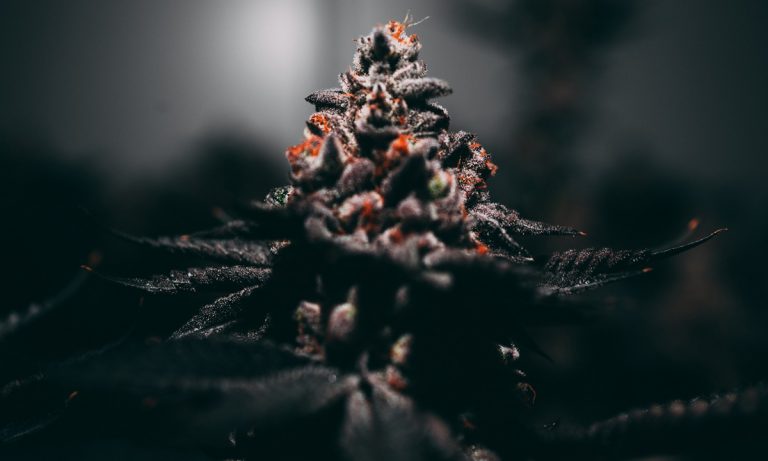
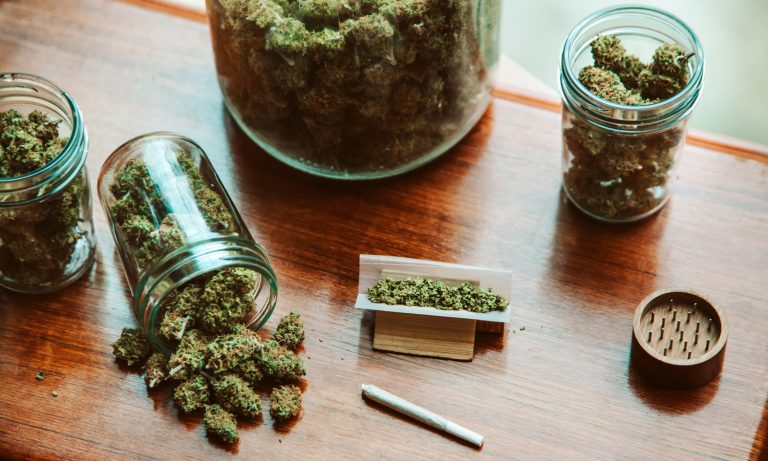
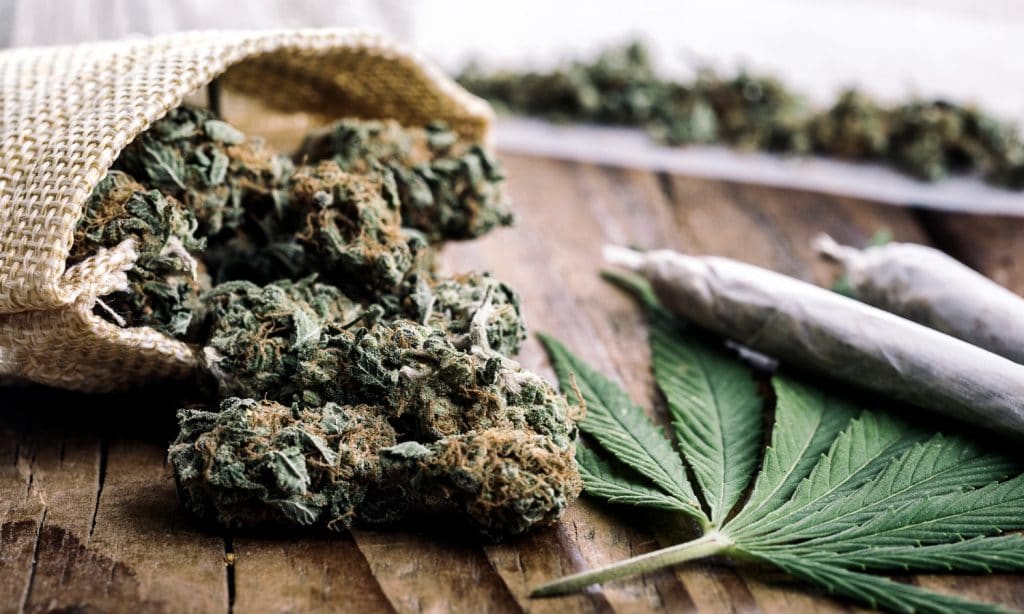
Evaluating cannabis based on THC may have once seemed necessary. Today, enlightened consumers pay attention to other cannabinoids present like CBD, CBN, CBG and others.
THC is the intoxicating compound that made cannabis a rock star. It is still the sole consideration for some shoppers when picking a product in a retail store. Could it be that the use of poison by the federal government several decades ago is still helping shape this myopic shopping phenomenon?
In the late 1970s, the United States and Mexico tried to eradicate marijuana in the DEA’s war on drugs by using a deadly herbicide, paraquat. The chemical, known to cause damage to the esophagus, liver and kidneys and to be fatal if swallowed, was sprayed by helicopters and low flying airplanes onto suspected crops. The idea was to defoliate the fields the same way the toxic chemical had been used to defoliate jungles in Vietnam. It was a practice that was particularly dangerous in states like California where a significant amount of marijuana was being grown for medicinal use.
As a result, cannabis growing took up residence inside. There, safe from the government choppers and their poison, a quiet revolution took place. The more limited footprint of inside growing encouraged ingenuity and discovery. Growers, who now had feet instead of acres to work with, had to make the most of their harvest. Many began to breed strains for high THC content. This had the intention of providing more bang for the buck to consumers. Afterall, no one was working with lab tested product. A bag of weed was judged for its look, smell and especially how high it got you. That’s what kept people coming back for more.
That was decades ago. No one, except a few select researchers, were speaking about CBD or any of the other over 100 cannabinoids found in the plant. There was an explosion of hybrid strains as boutique growers experimented combining genetics. Hydroponics would also be employed like never before because of the yields it could produce if well maintained.
Photo by jopstock/Getty Images
Evaluating cannabis based on THC may have once seemed necessary. The same cannot be said now. Today, enlightened consumers pay attention to other cannabinoids present like CBD, CBN, CBG and others. Cannabis users in the know also pay attention to the ratio of THC:CBD. Doing so can help them discover other strains with a similar profile and effect.
A quick look at the label will also tell a savvy shopper about terpenoid content. Terpenes are the aromatic molecules that give all plants, their fruits and flowers a distinctive smell. Terpenoids, as they are referred to in cured cannabis, are also valued for their own therapeutic value and ability to contribute to an overall entourage effect, or synergistic relationship.
Shopping for cannabis based solely on the fact that it is a high THC strain is a rookie move. There is so much more to know. More importantly, there is a much wider variety of experience from which to choose. Demand helps shape a marketplace, and knowledge shapes values.
When customers begin to ask detailed questions about the cannabis producers, chemicals used in the process as well as sustainable growing and waste management techniques, the market is strengthened. Producers reevaluate their processes and retailers provide different products. Regulators are not the only ones helping shape this market. A high cannabis consumer IQ has an effect on the market, a good one.
Certain foods, drinks, and activities claim to improve your memory. Here are a few that have some scientific support.
Some people are born with good memory and some people are not. Those of us who belong to the latter group are faced with a lot of hurdles, most of which are embarrassing because we can’t remember a thing if we don’t add it to some sort of calendar.
While there are some who are inherently more organized than others, there are a few things that can help you improve your memory, at least according to some studies. Here are five memory boosters that will help you remember things more accurately.
Crossword puzzles
While completing these kinds of puzzles won’t miraculously make you remember things, they’re good for your brain. When engaged with regularly, studies have found that puzzles help recall words easier, increase concentration, reduce risk of dementia and improve the functioning of the brain of older adults.
According to P. Murali Doraiswamy, director of Duke University’s Neurocognitive Disorders Program, jamming sessions help people develop their focus. If you play an instrument and sing at the same time, you’ll be using your brain’s different pathways, which is very good for your brain health. So, even if you sound awful, joining a band can be really productive for other aspects of your life.
Sleep
Sleep is super important for memory. If you don’t sleep enough, you’ll have trouble focusing, remembering things and learning. Sleep also plays an important role for building memories and learning new things, helping your brain absorb better. If this paragraph made you rethink the decisions you made in college, you’re not alone.
Photos: Matthew Brodeur via Unsplash; Patrick J. Lynch, medical illustrator via Wikimedia
CBD
Several studies have found links between CBD use and a reduced risk of dementia and Alzheimer’s. While we don’t have enough research to make a clear connection at least you know that consuming CBD won’t mess with your memory, unlike some people’s experience with THC.
Coffee
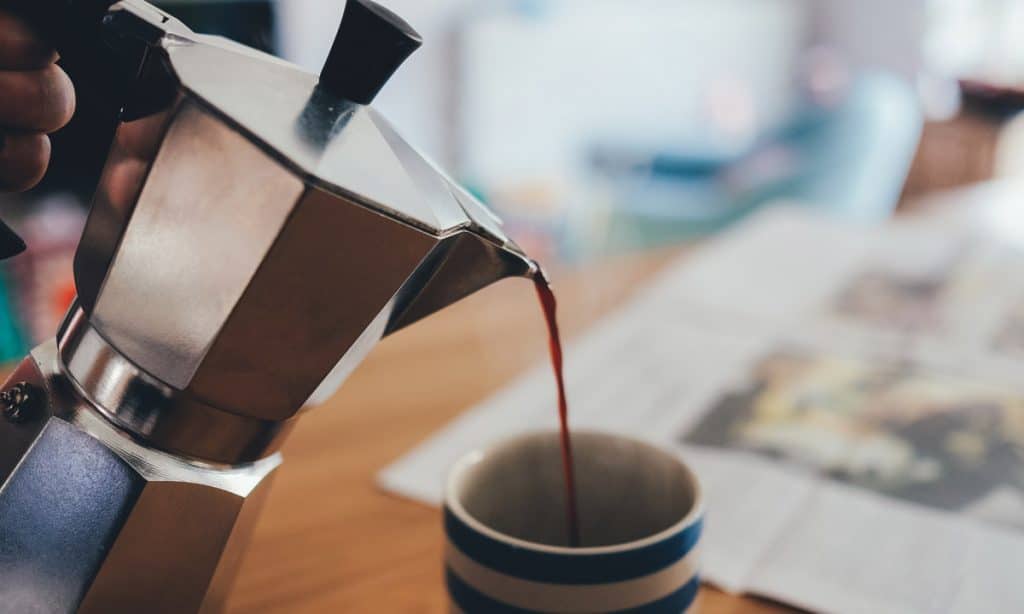
Different studies suggest that consuming caffeine can improve long term memory, especially when consumed after a “learning session.” One particular study said that 200mg of caffeine improved the memory of test subjects, improving their performance on certain memory exercises.
These products aren’t the most popular form of CBD delivery, but they do serve consumers looking for a joint-like smoke.
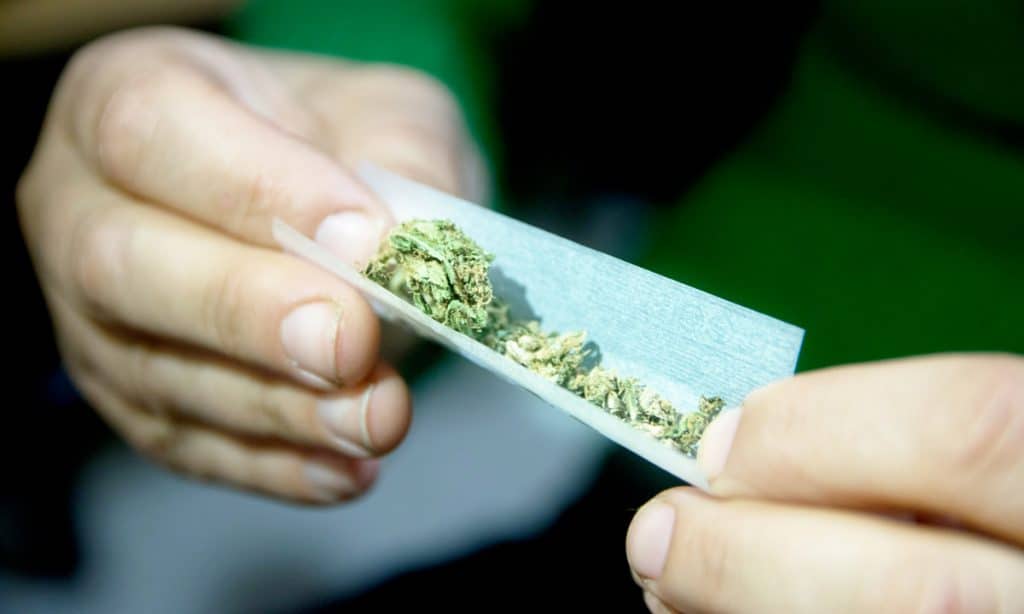
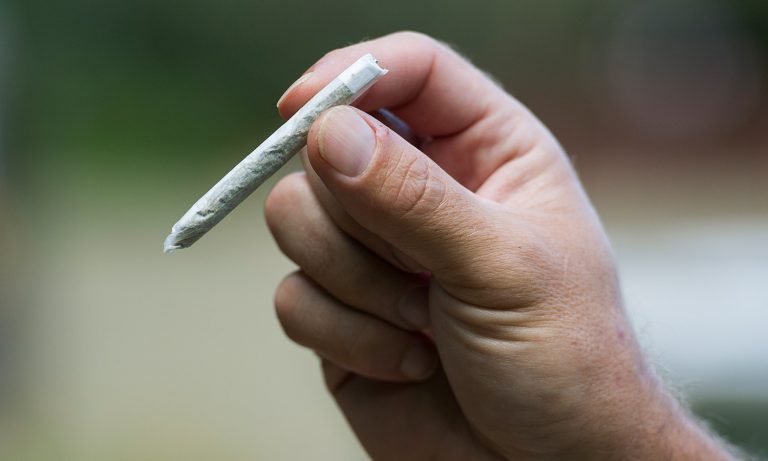
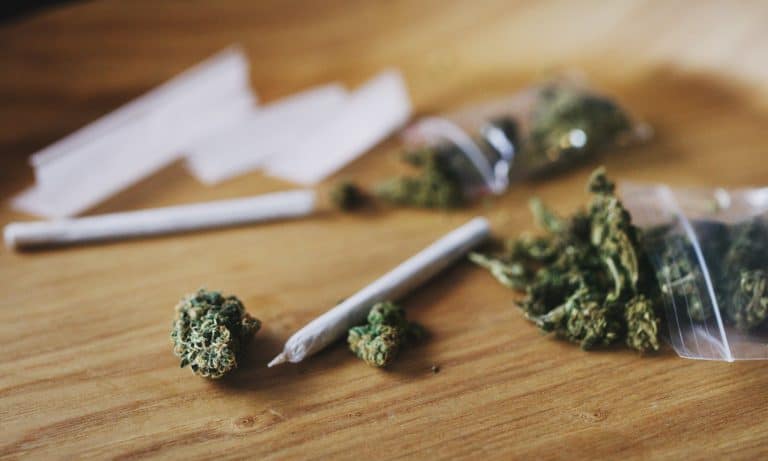
Joints, hand or machine-rolled cannabis cigarettes, are a part of both marijuana and broad culture. While cannabis joints are commonly consumed for their psychoactive effects, but a different type of cannabis joint provides the curative benefits of CBD without the THC high also exists. Known as CBD or hemp joints, and sometimes called cigarettes (although they don’t contain tobacco), these products aren’t the most popular form of CBD delivery, but they do serve consumers looking for a joint-like smoke. Here are 5 things about CBD cigarettes you should know.
It’s going to smell like weed because it’s the same plant.
Hemp is cannabis sativa, as is the THC-containing marijuana. Varieties that have been cultivated to produce CBD-heavy buds that do not contain enough THC to produce an effect can be considered legal hemp. CBD smokes won’t get anyone high, but might garner some inquisitive sniffs and raised eyebrows in public.
CBD cigarettes are (usually) legal.
CBD joints filled with non-psychoactive hemp, are legal so long as the herb contained within meets the federal guidelines, primarily that it contains less than the 0.03% THC threshold.
Hemp joints provide the same healing benefits as CBD.
Cigarettes made out of CBD-dominant cannabis provide the same functionality as other CBD preparations, such as pills, edibles, topicals, tinctures, and concentrates, although it might be one of the least efficient delivery methods, as is the case with THC.
Smoke from hemp cigarettes is not healthy.
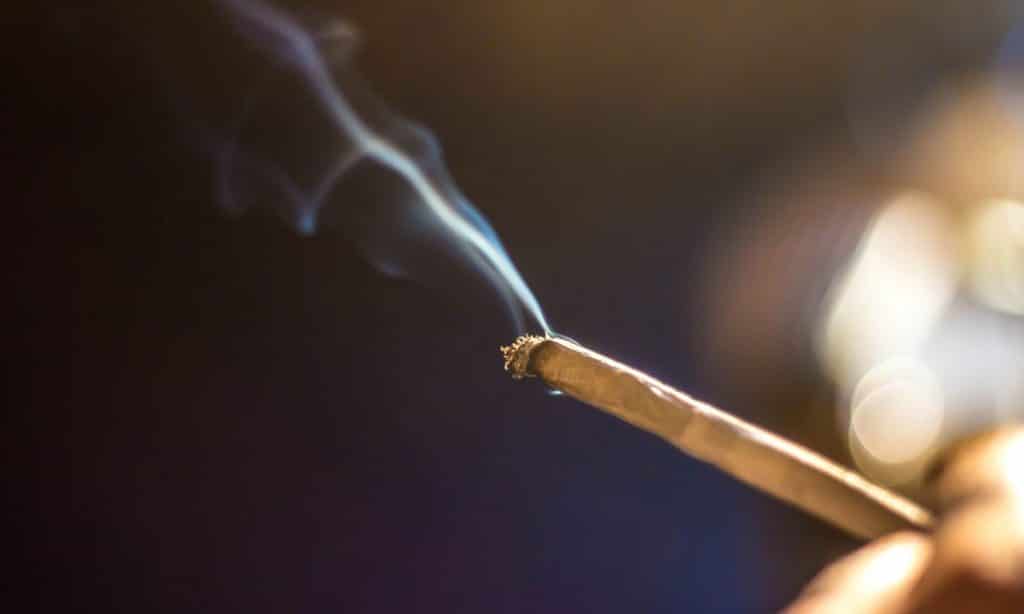
Smoke from burning plant matter, including cannabis, contains carcinogens, although the risk of cancer from smoking a CBD joint is the same as that of a THC-containing cannabis joint.
Photo by Daniele Levis Pelusi via Unsplash
The health and wellbeing qualities of CBD makes it worthy of a spot in the rotation.
An occasional hemp joint full of CBD can provide a relaxing, pleasurable pause on life, especially when pain and inflammation relief is more pressing than a head buzz.
A hemp joint might not be for everyone, but pre-rolls with CBD-heavy legal buds are part of the varied cannabis market and available for the sore, sleepless or anxious tokers not looking to get high.
More than 70 million dogs in America are currently diagnosed with osteoarthritis. It’s a painful condition, especially for dogs in their senior years.
Cannabis isn’t just for humans. The active compounds in the plant are also showing promise in the lab when it comes to treating the pain associated with certain types of canine arthritis.
Although typically referred to as a single condition, arthritis is actually a category of more than 100 diseases and conditions that affect joints and their surrounding tissue. Pain and swelling, stiffness, and aching joints are common symptoms. There is no known cure, and it is not just something that affects humans.
More than 70 million dogs in America are currently diagnosed with osteoarthritis (OA). OA refers to a chronic form of joint inflammation that is the result of cartilage deterioration. It is a painful condition experienced by dogs, especially those in their senior years.
Because there is no known cure for arthritis, mitigation of symptoms is often what veterinarians and pet owners aim to assist with. Treatment options for dogs are similar to humans, with a variety of NSAIDs, steroids and opiates at a doctor’s discretion to reduce joint pain.
Photo by Antoine Beauvillain via tookapic
Each of these standard treatments carries its own risks including increased risk of heart attack, stroke, weakening of bones and even addiction.
And the pain is real. Dogs with OA can lose the ability to jump on beds, couches and other familiar sleeping spots. They can lose the ability to enjoy the long walks they once did and even have difficulty getting off of the floor in some cases. Pain and inflammation from OA can also affect their once restful sleep.
A study published by BMC Veterinary Research investigated the presence of cannabis-like compounds in the arthritic knees of dogs undergoing surgery. Fluid was drawn from the arthritic knee and the opposing, unaffected knee and analyzed for compounds including AE (Anandamide) and 2-AG, two naturally occurring cannabinoids chemically similar to the compounds found in cannabis.
They found that the fluid collected from joints affected by OA “had significantly higher levels” of AEA and 2-AG. The body seemed to ramp up production of these and other chemicals in the affected joints, likely for therapeutic effect.
The importance of this finding is not lost on veterinarians like Dr. JoAnna Pendergrass, who writes for American Veterinarian and has written about this study.
“Studies like this provide more scientific insight into how cannabis works in the body,” she reminded us in a call. “This study lends support to do more research.” Dr. Pendergrass said that, in time, she would like to see, “how cannabis can help with seizures for dogs with epilepsy as well as other conditions experienced by horses, cats and other companion animals.”
It’s a fair question and worth looking into since mammals and all vertebrate animals have an endocannabinoid system (ECS) that produces and utilizes cannabis-like compounds naturally. In fact, the authors of this research have already proposed larger studies to investigate the role of the endocannabinoid system for diseases in canines to discover more information that could help the whole of veterinary medicine.
Veterinarians are quick to warn pet owners to not be hasty when taking matters into their own hands. While safe, whole plant extracts like VET CBD are available for pets in markets like California, administering cannabis without veterinary guidance is not a good idea. Cannabis intoxication of your animal, while not likely to be fatal, can create a scary, anxiety-laden experience for an animal that didn’t ask to be high.
As Dr. Pendergrass reminded us, “while these compounds may be helpful, we need much more veterinary research before we can fully implement” cannabis into standard animal therapies.
If marijuana was regulated like tobacco and alcohol, the effects of the vaping illness would have been minimized.
According to the latest findings from the Centers for Disease Control and Prevention, vitamin E acetate is to blame for America’s vaping illness. The CDC found the chemical, used to dilute and extend THC vaping liquid products, in all 29 fluid samples provided by patients in 10 different states. The vaping disease has sickened more than 2,000 and killed 39, the federal agency’s records show.
But one lung doctor is declaring this all could have been avoided. In a passionate NBC News op-ed, Vin Gupta, assistant professor of pulmonary and critical care medicine at the University of Washington, wrote that marijuana legalization could have prevented the disease and remains the solution today.
“I would argue that the current vaping epidemic that we’re experiencing right now may not have occurred, or the chances of it being such an epidemic may have been minimized, if marijuana was legalized at the federal level,” Gupta says in Now This video.
While Americans can recreationally use marijuana in 11 states and medically access it in 33 states, the substance is still a Schedule I drug in the federal government’s opinion. This inhibits the controlling agencies at the federal level, like the Food and Drug Administration, from properly regulating and testing products available for mass consumption. This allows bad operators in the black market, and at the legal level, to jeopardize American lives for a quick buck.
Some estimates state that vaping products account for 30% of all legal marijuana sales, although customers have stopped purchasing concentrates at the same rate since news of the outbreak. But the FDA hasn’t examined any of these products. Instead, some regulatory body should provide oversight akin to the alcohol and tobacco industries.
Photo by matt_benoit/Getty Images
“Other federal agencies, like the Alcohol and Tobacco Tax and Trade Bureau (TTB), exist to ensure compliance with a host of laws regulating advertising, product safety and voluntary recall of alcohol and tobacco products,” Gupta writes. “Placing marijuana under their jurisdiction would establish further safeguards on how these potentially damaging substances can be used.”
Those within the cannabis industry agree with Gupta. One chief executive at Tilray, the Canadian pharmaceutical and cannabis company, noted that many vaping illness cases have been linked to products purchased from informal sources, either on the street or secondhand. That doesn’t happen in Canada, Tilray CEO Brendan Kennedy said.
“All the products that we produce in Canada and produce around the world are well tested by not only Health Canada, but regulators in other countries,” Kennedy told CNBC. “One could argue this vaping crisis could lead to more legalization.”
This week’s animals include two golden retrievers doing very dumb things, a squirrel with an awesome hairstyle, and more!
There’s no better pick-me-up than the one you get when you see a clip of an animal acting silly, which is why we’ve compiled this weekly column. These short videos feature all sorts of animals and can provide that much needed mid-week rush of endorphins, anywhere at any time.
This week’s cute animal videos feature two golden retrievers doing very dumb things, some cats cuddling and looking unhappy, and a squirrel with an awesome hairstyle. Have a look!
The guiltiest
This guy could have just done a lot of things. He could have just eaten your shoe, he could have pooped on the couch. It’s all the same. His expression works for a lot of things which is why it’s so useful for memes.
There are few things better or more annoying than a big dog with no spatial awareness. Like, it’s very annoying to have to share your space with such a large and hairy creature, but it’s also kind of amazing.
https://www.instagram.com/p/B4k853wF2E-/
A cat who perfectly fits inside the sink
Cats love to be snug. The smaller the space, the better, even if their heads have to move in uncomfortable positions because there’s no space for it.
https://www.instagram.com/p/B4xXNcvFwth/
Sonya the squirrel
Sonya is surely the most stylish squirrel you’ll ever see. I know the ears have something to do with her breed and that there are millions of squirrels who look just like her, but she’s still a style icon.
While one cat looks wildly less enthused about this situation than the other, it’s still sitting there, accepting all that licking and looking at the camera as if asking for help.
Illegal cartels use public forests to grow their marijuana crops, contaminating nearby wildlife and water sources.
The large amounts of insecticides and chemicals used to breed black market marijuana plants have been affecting the health of wildlife and water sources in several public forests across the U.S.. The damage to these crops could last decades.
NPR spoke with several experts and employees from the U.S. Forest Service, who said that it’s very common for drug cartels to target dense forests to hide their grow operations in plain sight. These illegal marijuana sites can go undetected for years.
“The true crime here is the fact that they’re killing off basically America’s public lands, killing off the wildlife, killing off our water. This is stuff that, you know, it’s not gonna repair itself,” explains Kevin Meyer, law enforcement assistant from the U.S. Forest Service.
The chemicals and pesticides used on these sites, many of which are banned in the U.S., are incredibly damaging to forest ecosystems. “A quarter teaspoon could kill a 600-pound black bear. So obviously just a tiny amount can kill a human. It remains in an ecosystem for a long period of time,” says wildlife ecologist Greta Wengert, regarding the insecticide carbofuran.
Photo by skodonnell/Getty Images
While this problem has existed for as long as marijuana has been sold, it’s only recently that cartel growers have started using more chemicals and pesticide products, spreading them throughout large plots of land without regard for their surroundings.
Aside from hurting the plants and the animals that surround the area, chemicals like these stay in the ecosystem for years, reducing animal populations and influencing future generations of animals. These substances infect mothers and their offspring, causing deaths that will later infect insects and animals that feed on the remains. It’s a vicious cycle that perpetuates and affects all wildlife far beyond the one spot where the marijuana was cultivated.
While the state of California has set up several organizations designed to prevent the spread of these sites, experts estimate that they’re only able to capture around half of them each year. Aside from the tremendous ecological damage, these sites are also affecting marijuana’s legal market, undercutting it by around 50%.
“A lot of the product that they’re growing is filled with these poisons and it’s likely finding its way into the market in various forms — flower, oils and vape pens,” explains Rich McIntyre, director of the Cannabis Removal on Public Lands Project.
A long-standing belief among law enforcement that marijuana turns your tongue green is used in DUI cases across the country.
Mythology abounds in the marijuana world. Prohibition forced cannabis communities underground, which resulted in the formation of a marijuana counterculture in the 60s and 70s. As a result, marijuana tips and tricks — how black pepper sedates paranoia, joint rolling techniques, etc. — were often passed around by word of mouth. There was little existing literature outside High Times and Terence McKenna to educate yourself.
Law enforcement crafted its own mythology regarding marijuana users. Among the popular tropes were weed is a gateway drug and legalizing cannabis would inhibit police from doing their jobs. This is simply not true, as one study funded by the Department of Justice found. And while the internet has empowered many to dispel rumors and fake news on both sides, some still persist in a subtle yet pernicious manner.
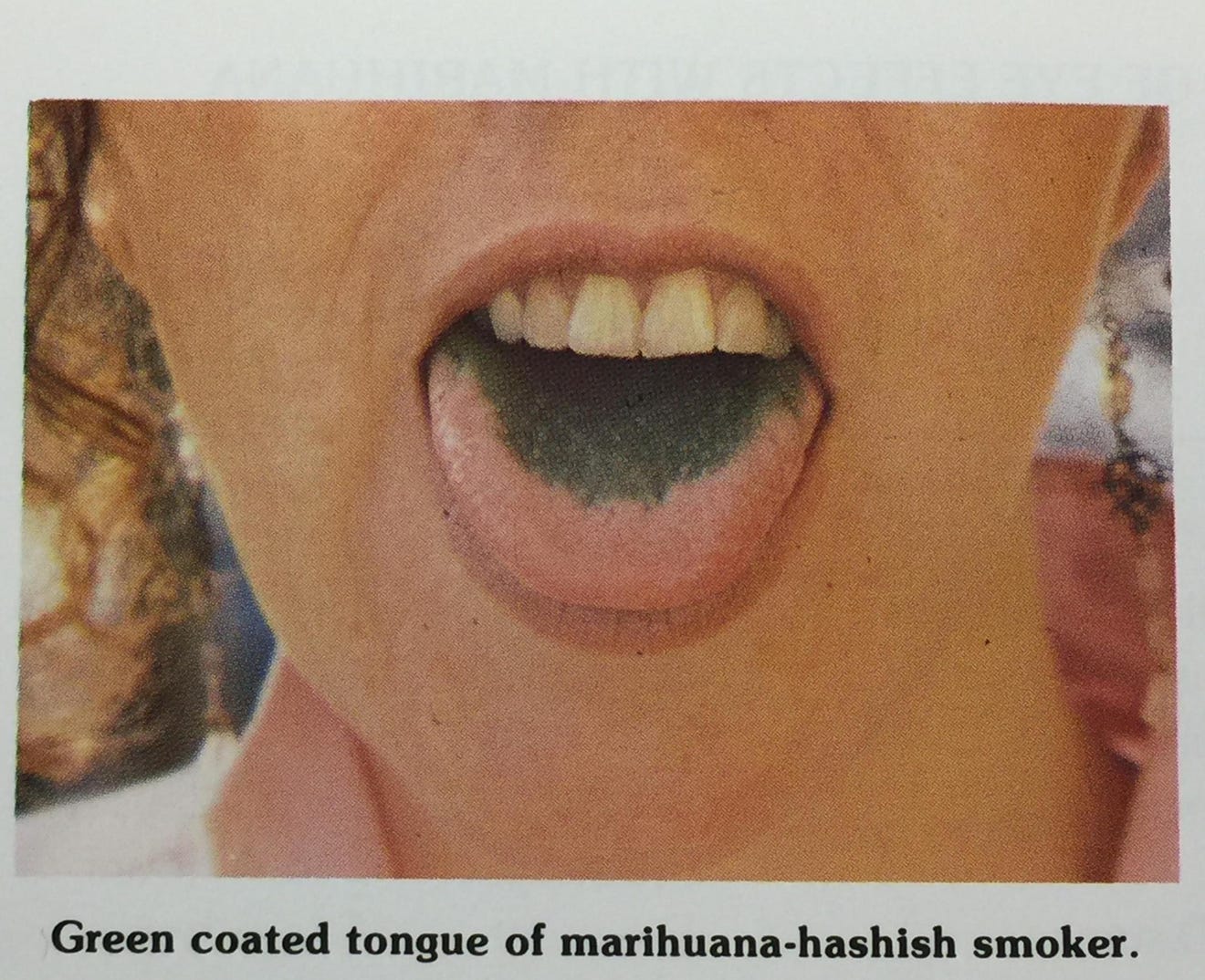
Take, for example, the myth that smoking marijuana will create a viscous green film atop your tongue. Smoking marijuana can dry out your mouth, creating the dreaded “cottonmouth” many daily users describe. For anyone with cannabis experience, the idea that marijuana will create more color-tinted saliva in your mouth is a funny one.
Yet for some Americans, the green tongue myth is no laughing matter. Law enforcement across the country reference the green coating as probable cause in DUI cases. In fact, many police officers are trained to look for a green tongue in marijuana-related cases. According to The York Daily Record, 28 out of a possible 1,300 DUI cases in the York County Court of Common Pleas last year detail a “green film,” “green tint,” and “green coating.”
“The science behind marijuana consumption turning your tongue green is about as sound as the science behind the earth being flat or that lying makes your nose grow,” Erik Altieri, executive director of NORML, told the York Daily Record in an email.
Photo by Nastasic/Getty Images
To identify possible persons under the influence, police undergo a Drug Evaluation and Classification Program. “Possible green coating on the tongue” is listed as a potential characteristic of marijuana users, in the Feb. 2018 Instructor Guide manual. The course, as well as law enforcement advocates, reference two specific peer-reviewed studies as the basis for the “green tongue” theory.
In the first, a 1998 study published in the Journal of the American Optometric Association, two of the five authors worked in law enforcement. The paper, without citation, states those who recently smoked marijuana “might have a greenish coating” on the back of their tongue. Karl Citek, an optometry professor at Pacific University, told the Record they were just reporting on what police were taught in the Drug Evaluation and Classification Program. In other words, the police’s reference was their own program.
The second, a 2017 study published in the Journal of Forensic Sciences, was an analysis of persons suspected of driving under the influence via blood samples. In their reports, police mentioned a “coating on the tongue” in 185 cases. Toxicology reports stated that 96.2% of these drivers had THC in their system. In a scientific sense, this is a classic case of confusing causation with correlation. These researchers did not discover smoking marijuana caused a coating of the tongue. Instead, they connected reports of what officers saw in the field against their lab results.
By the way, the first page of the second study notes that, “Authors all work for The Orange County Crime Laboratory testifying on driving under the influence cases, specifically in regard to marijuana, which represents a possible conflict of interest.”
All of this appears far from conclusive. One expert told The York Daily Record the initial myth began because of a 1986 handbook called “Identifying the Marihuana User.” Included in the book is picture provided by the author, physician Forest Tennant, which shows the “Green coated tongue of marijuana-hashish smoker.” While that’s possibly where it all started, hopefully new research is conducted outside possible police influence. In the world of law enforcement, facts should lead the way, not mythology.
Multiple studies have showcased that THC and CBD offer an alternative to opioids and other pain medicines.
With knee pain, everything seems to be a chore. From climbing stairs, to getting in-and-out of the car, individuals that suffer from prolonged knee soreness and discomfort often benefit from surgery, with many stating that after-care can be almost as difficult as the pain itself. In fact, Googling “knee surgery aftercare” often brings up results in how to avoid surgery altogether.
However, delaying surgery can have subtle effects that patients often don’t realize. BoneSmart, a website by AESCULAP Implant Systems, found research on why delaying surgery could bring additional complications. From a risk of deformities to the increased inability to manage pain, BoneSmart also found that delaying the procedure could prolong time under anesthesia.
The Arthritis Foundation also echoed the research of others like BoneSmart on the internet but added the caveat that most patients could make an informed decision with knowledge of weighing the pros and cons of having immediate surgery or choosing to delay the procedure.
Additionally, the Foundation shared a study by the Agency for Healthcare Research and Quality, showcasing the fact that demand for the total knee replacement procedure has been steadily rising since 2011, as has patient questions about avoiding opioid addiction and additional therapies available in after care.
Multiple studies have shown that THC and CBD offer an alternative to opioids and other pain medicines but often patients don’t know where to look for proven studies on the effects of cannabis on pain within the body. As Brandon May from Clinical Pain Advisor shares, “Research examining the therapeutic effects of CBD remains limited, as the majority of clinical studies focus on THC, which binds CB1 receptors rather than on CBD itself.”
Photo by razerbird/Getty Images
The role of THC and CBD
With America being slow to warm to understanding cannabis’s role in medicine, a clinical trial sponsored by McMaster University in Canada is looking into the role of cannabis in post-surgical pain. In their trial brief, they explain:
“Medicinal cannabis has begun to emerge as a potential therapy for pain reduction and produces effects largely due to 2 active components: (1) cannabidiol (CBD), and (2) tetrahydrocannabinol (THC). Studies of CBD have shown analgesic, anti-inflammatory, and anti-anxiety properties, but without the psychoactive effects (feeling ‘high’) that THC produces. This study will assess the feasibility of a definitive trial to explore whether adding CBD vs. placebo to usual care before and after surgery can reduce the rate of persistent post-surgical pain after total knee replacement. This study will randomize 40 patients to receive either CBD or placebo and follow them for six months to confirm our ability to recruit patients, adhere to protocol, and capture full outcome data for at least 90% of patients.”
As the U.S. continues to struggle in hosting trials and studies due to the classification of cannabis, pressure continues to mount on all involved in healthcare to explore additional therapies.
How technology is improving patient outcomes
With many patients choosing to move forward with surgery, there seems to be a feeling of apprehension of what to expect after, as each individual’s recovery plan is usually customized. Medicare’s Comprehensive Care for Joint Replacement Model started recommending immediate discharge after surgery instead of placing patients in after-care facilities, which some say has added depth to the opioid-epidemic for those unable to discontinue pain medicine at proper times.
Dr. Michael Suk, chair of Geisinger’s Musculoskeletal Institute, shared recently with Modern Healthcare that while after-surgery care is set individually with each patient, certain best practices are a guideline. These include timeframes for check-ins with the health care team and offering specific resources for education. Noticing a need to offer home-bound patients a way to connect to resources throughout their recovery, Dr. Suk and his team partnered with Force Therapeutics to offer an app that allows patients to not only have touchpoints with nurses and gives access to detailed care plans. Geisinger’s strategic partnership has helped create big cost savings, and helped patients feel empowered. Other technologists and entrepreneurs have taken notice of recent trends in helping patients stay connected after surgery. The MyMobility app has been rolled out at Hoag Orthopedic Institute to allow patients to showcase their rehabilitation statistics (steps taken, amount of time spent in activity) so the care team can make further recommendations for follow-up care.
Technology is helping care teams to better align best practices with patients who may need extra support or experience hesitation at completing physical therapy at home with the added bonus that more frequent communication may help identity an opioid addiction, with more eyes and ears on care. However, patients must feel empowered to share that they are dependent on opioids, which often is kept silent due to a myriad of reasons.
Photo by gilaxia/Getty Images
Tackling opioid addictions after surgery
A 2018 report looked at opioid use after knee replacement surgery and found:
While the number of opioid pills prescribed is dropping from 85 pills to 82, surgeons often feel pressure to prescribe more opioids than they feel are necessary.
Patients were often prescribed more than double the 20 morphine milligram equivalents (MMEs) dose when many were given opioids of 50+ MMEs, which poses not only an overdose risk, but could lead to complications to the liver and body.
Most interesting, patients undergoing a knee replacement surgery reported an incidence of later dependence of 15.2% versus the overall average of 12%, (an increase from a rate of 9% of a 2017 study.)
With opioid addiction facing unprecedented scrutiny, doctors and rehabilitation specialists are not only looking to new technologies to combat a dependence on painkillers, but also demonstrating a want to understand new ways of treating ancient issues of pain.
Here’s the bottom line
“Survey data indicates that the use of cannabis is common among patients with chronic pain[2] and patients who use it for this indication typically report it to be an effective treatment.[3] Majorities further report that cannabis possesses fewer side effects than conventional pain medications and that it provides greater symptom management than opioids.[4]” (NORML.org)
NORML, a national organization committed to revamping the U.S.’ marijuana believes in the power of cannabis in relieving pain and other organizations are starting to post their own guides for patients. The Arthritis Foundation, The Rheumatoid Arthritis Support Network, and many more organizations are starting to give their members new information on CBD and THC for pain. Even more, other studies are popping up from around the world, hoping to recruit individuals who are recovering from knee surgery to identify the benefits of THC and CBD in after-care.
If you’re readying for surgery, consider discussing CBD and THC with your medical practitioner and care team. Not only might the compounds play a role in decreasing a long-term dependence on opioids, but they may also provide other benefits as well.
Two preliminary studies highlight a growing concern regarding the link between marijuana use and heart problems.
Young people who heavily use marijuana beware. It could be increasing your risk of stroke and heart disease. Two new presentations from the American Heart Association Scientific Sessions point to these increase risks of cardiovascular problems, which could become worse should marijuana use be combined with e-cigarette consumption.
The first study, which will be published in the upcoming issue of Stroke, analyzed data from the Behavioral Risk Factor Surveillance System, provided by the Centers for Disease Control and Prevention. Researchers found that young frequent marijuana users, or people who used cannabis 10 days a month or more, were almost 2.5 times more likely to suffer a stroke than those who did not report marijuana use. According to their data, marijuana users were more likely to be heavy drinkers, current cigarette users and e-cigarette users, which could have influenced the study’s results.
The authors empathized this was an observational study. Their research did not identify a biological mechanism between marijuana use and stroke. Instead, they were presenting a possible link worthy of further exploration.
“Young cannabis users, especially those who use tobacco and have other risk factors for strokes, such as high blood pressure, should understand that they may be raising their risk of having a stroke at a young age,” lead study author Tarang Parekh said in a statement. “Physicians should ask patients if they use cannabis and counsel them about its potential stroke risk as part of regular doctor visits.”
Photo by Get Budding via Unsplash
Another preliminary study found that a young person diagnosed with cannabis use disorder had a 50% greater risk of hospitalization due to arrhythmia, or an irregular heartbeat. Cannabis use disorder is often characterized by habitual, compulsive use of marijuana, akin to alcoholism. According to the research, frequent marijuana users in the 15 to 24-year-old range experienced 1.28 times higher chances of hospitalization from heart problems while those in the 25 to 34-year-old range had 1.52 higher odds.
The latter study has yet to be published in a peer-reviewed journal.
“The effects of using cannabis are seen within 15 minutes and last for around three hours. At lower doses, it is linked to a rapid heartbeat. At higher doses, it is linked to a too-slow heartbeat,” Rikinkumar S. Patel, resident physician in the department of psychiatry at the Griffin Memorial Hospital in Norman, Oklahoma, said in a release.
“The risk of cannabis use linked to arrhythmia in young people is a major concern, and physicians should ask patients hospitalized with arrhythmias about their use of cannabis and other substances because they could be triggering their arrhythmias.”