Saturday, June 27, 2026
Home Blog Page 613

Demi Moore Says Her ‘Addiction’ to Ashton Kutcher Was ‘Devastating’; Demi Lovato Gives First Interview Since Overdose

0

Demi Moore opens up about her struggles with ex-husband Ashton Kutcher; Demi Lovato talks about accepting her body, new music, and facing her own reflection.

Demi Moore Says Her ‘Addiction’ to Ashton Kutcher Was ‘Devastating’

Via People:

Demi Moore is opening up about her struggles with ex-husband Ashton Kutcher and the effects their relationship had on her three daughters.

“The addiction and the co-dependency… like my addiction to Ashton — that was probably almost more devastating because it took me seriously away emotionally,” Moore, 56, said on Monday’s Red Table Talk on Facebook Watch.

https://www.instagram.com/p/B4bAt2LnAnP/

Sitting down with hosts Jada Pinkett Smith, Willow Smith and Adrienne Banfield-Norris, the actress and two of her three daughters: Rumer and Tallulah Willis, spoke about her spiral into addiction after almost 20 years of sobriety.

Tallulah, 25, spoke about the repercussions her mother’s addiction had on her after her older sisters, Rumer, 31, and Scout, 28, moved out.

“Watching the behavior with Ashton, those years, because everyone had left the house and it was just me living there. I felt very forgotten and I feel like I developed and nurtured a narrative where she didn’t love me and I truly believed it,” Tallulah said. “I know that she does, 100 percent but in that moment you’re hurt.”

Tallulah was 9 years old when Moore relapsed. Moore described the moment she fell back into addictive habits while on a trip with Kutcher, 41. The two were married for eight years before they divorced in 2013.

“Ashton said, ‘I don’t know if alcoholism’s a thing. I think it’s about moderation,’” Moore recalled. “If I had stayed close to working my program… I, of course, lived the majority of my adult life sober. I was great sober.”

When Willow asked what she thought made her quit sobriety, Moore said, “I wanted to be that girl.”

“I made my own story up, that he wanted somebody that he could have wine with that he could do stuff [with]. He’s not the cause of why I opened that door up,” she continued. “I wanted to be something other than who I am. And I gave my power away.”

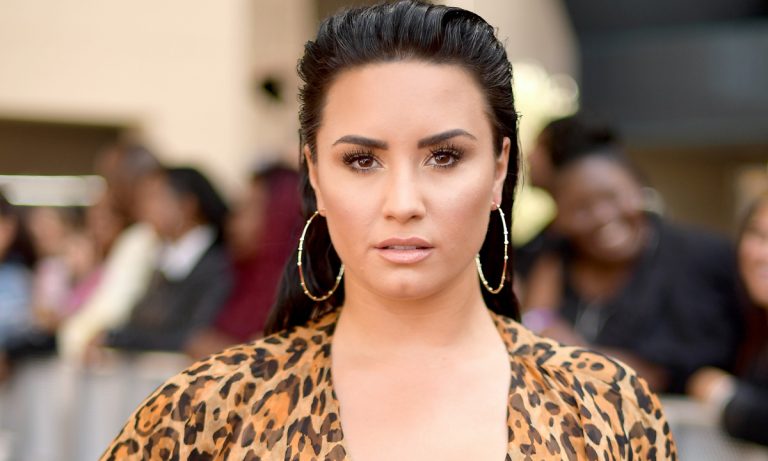
Demi Lovato Talks New Music, Body Image In 1st Interview Since Her Overdose

Via iHeart Radio:

Demi Lovato attended the 2019 Teen Vogue Summit at Goya Studios in Los Angeles to give her first interview since she suffered a near-fatal overdose in July 2018. After a year of introspection, the “Tell Me You Love Me” singer has set out on a road to confidence, happiness, and sobriety, having accomplished as much by remaining clean every step of the way. Now, in this new sit-down, the pop star talks about accepting her body, new music, and facing her own reflection.

Scroll down for all the highlights from Lovato’s first interview in over a year below.

On body positivity: “We hear the term body positivity all the time. To be honest, I don’t always feel positive about my body. Sometimes I do not like what I see. I don’t sit there and dwell on it. I also don’t lie to myself. I used to look in the mirror if I was having a bad body image day and say ‘I love my body, you’re beautifully and wonderfully made.’ But I didn’t believe it. I don’t have to lie to myself and tell myself I have an amazing body. All I have to say is ‘I’m healthy.’ In that statement, I express gratitude. I am grateful for my strength and things I can do with my body. I am saying I’m healthy and I accept the way my body is today without changing anything.”

On living for herself: “Over the past five years I’ve learned life is not worth living unless you’re living for yourself. If you’re trying to be someone you’re not, or you’re trying to please other people, it’s not going to work out in the long run,” she said. “If you want to dye your hair purple, dye your hair purple. If you want to love someone of the same sex, love someone of the same sex. Be yourself and don’t be afraid of what people think.”

On dealing with cyber bullies: “What people don’t realize is I’m an extremely sensitive person. When someone says something mean about me or makes a meme making fun of me, I have a good sense of humor. But when it’s a very serious subject it can be hurtful. … I’m so tired of pretending I’m not human. When you say stuff, it affects me. I try not to look, but I see it.”

On releasing new music: “I have new music coming. I didn’t say when — now I’m just teasing you. It’s important to remember that I am so cautious this time around of jumping back into things. I’ve really decided to take my time with things. When the time is right, I will put it out there. I am dying to release new music … but everything in due time.”

On facing herself in the mirror: “What I see in the mirror [is] someone that’s overcome a lot. I’ve been through a lot and I genuinely see a fighter. I don’t see a championship winner, but I see a fighter and someone who is going to continue to fight no matter what is thrown their way. I have a lot of confidence now because I have said the things I believe in. … That’s what I see when I look in the mirror — a strong woman.”

https://www.instagram.com/p/B4a8szJB2f6/
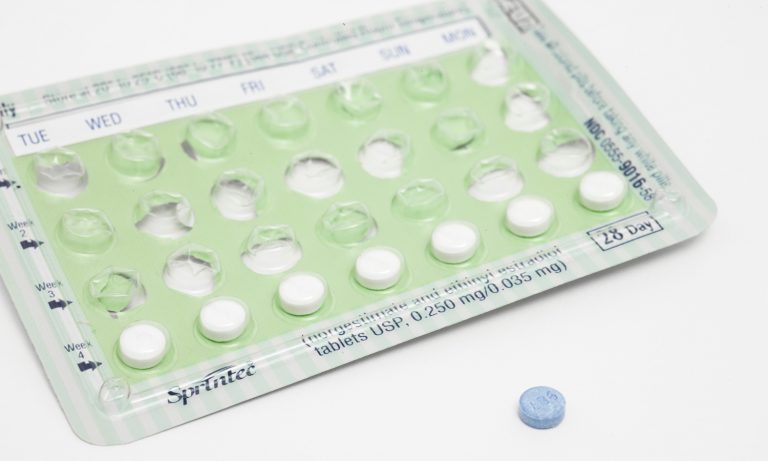
What You Need To Know About Marijuana And Birth Control

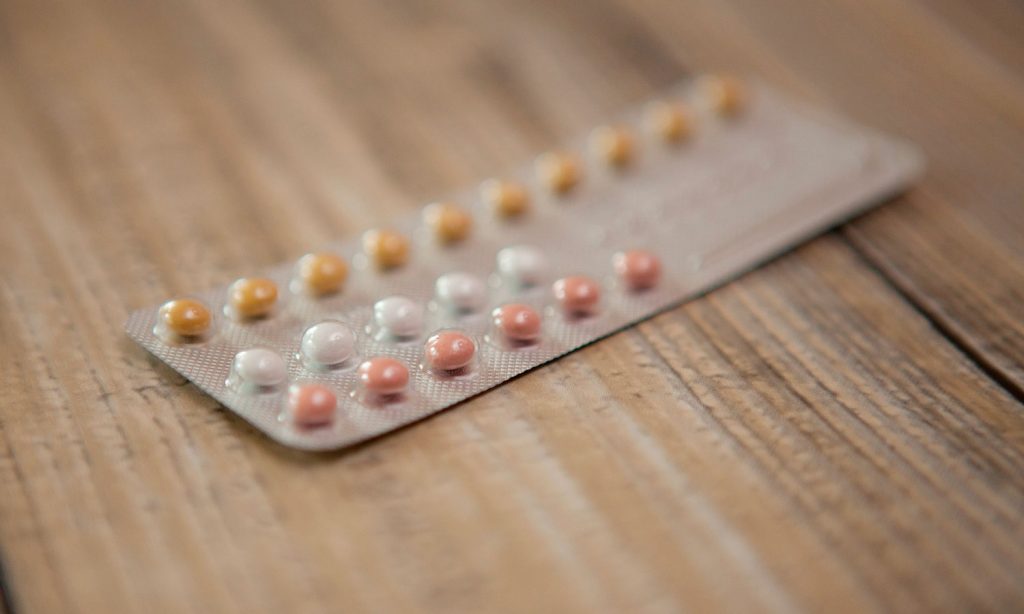
While most doctors remind patients of the risks of using cannabis when they start a birth control regime, many patients still have unanswered questions.

Whether a woman is trying to prevent pregnancy, or choosing birth control for another reason altogether, the choice of birth control can come with the possibility for negative effects on the body. For instance, many women aren’t aware that the risk of smoking tobacco while on hormonal birth can elevate their risk for stroke, blood clot, and heart attack. 

Birth control pills and other methods of contraception have also been known to increase blood pressure and some types of cancer. As with everything, medicine often offers a trade of risks. For women concerned about the risks associated with mixing marijuana with birth control, here’s what you should know.

Blood Pressure and THC

While THC can elevate blood pressure directly after ingesting, more studies are still needed to understand the direct cause. A 2016 study published in the  Journal of Hypertension found “a modest association between recent cannabis use and systolic blood pressure,” but stressed the importance of waiting for other studies to investigate further.

RELATED: Here’s What Pregnant And Breastfeeding Women Need To Know About CBD

In fact, the Cardiology Advisor explains it one step further. With cannabinoids affecting blood pressure in different ways, a recent study showed that cannabis users had higher systolic versus diastolic blood pressure. Systolic blood pressure measures the movement or force of blood against the artery walls while diastolic measures the resting period between heartbeats. The modest rise in blood pressure of about 3mm Hg, the Cardiology Advisor found the number may be “difficult to discern in clinical practice.” 

Photo by GabiSanda via Pixabay

Interestingly, in several studies, it was found that cannabinoid (CBD) oil actually decreased blood pressure. In a 2017 study published in JCI Insight, researchers found that CBD oil reduced a resting systolic blood pressure rate and stroke volume while increasing the heart rate. Individuals who took CBD had a lower blood pressure rate by -5mmHg and an increased heart rate at 10 bpm.  

Easing the effects of birth control

Birth control can have other effects on the body, like vaginal dryness and mood swings. Cannabinoid receptors are present in the uterus, fallopian tubes, and other areas of the female reproductive tract. We know cannabinoids play a part in helping to control inflammation and pain, but also pleasure.

RELATED: The Impact Cannabis Use During Pregnancy And Breastfeeding Has On Newborns

For women who experience hesitation during sexual intercourse, or currently in menopause, science suggests that CBD oil may help to not only set the mood but ease dryness and pain during sex. Women are just starting to investigate the power of CBD and THC put topically on the body. One woman shared her story on using cannabis as a lubricant on HelloMD, saying, “Cannabis has helped me in many ways—from cramp relief after getting a UTI to pain relief-focused topicals to the amazing benefits of cannabis-infused lubricants.”

While most doctors remind patients of the risks of using cannabis when they start a birth control regime, many patients still have unanswered questions. For women seeking answers of whether or not cannabis or CBD is safe to use while on birth control, the best step is to have an open and frank discussion with your gynecologist.

New Study Suggests Smoking Cigarettes Makes People Less Attractive

0

A new study claims that the term “smoker’s face” isn’t just an insult; there’s scientific evidence to prove it actually exists.

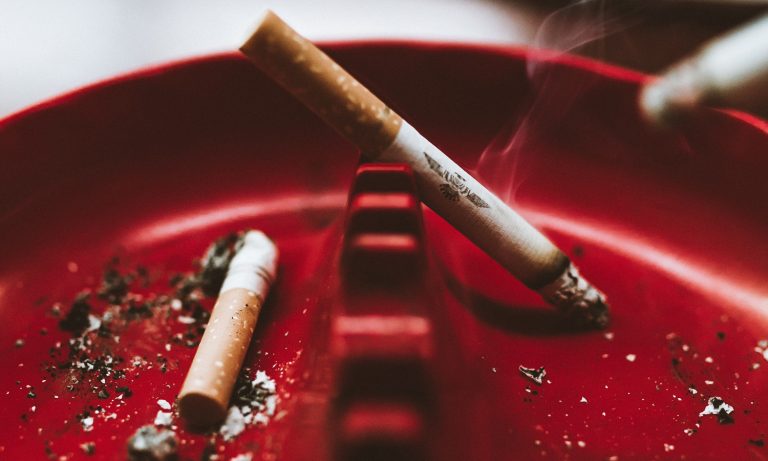
As if lung cancer and impaired health wasn’t a big enough deterrent, a new study says that smoking cigarettes also causes “smoker’s face,” a condition that makes people’s faces look older and less attractive.

This term, coined in the 80s, refers to the facial lines and the damage that appears once people pick up a smoking habit for long periods of time. Although the expression was used randomly, scientists hadn’t found evidence that supported it until now. This new study, conducted by PLOS Genetics, says that smokers tend to look older than people their own age, having two genetic variants that non-smokers don’t have.

“The analysis searched across 18,000 traits and apart from the new finding of more rapid facial aging, also identified several previously reported effects of smoking, confirming the method’s effectiveness. The known effects of smoking that the analysis identified included worse lung function, and higher risk of chronic obstructive pulmonary disease (COPD) and skin cancer,” says the study.

RELATED: How CBD Oil Can Help You Quit Smoking

nicotine smokers are 7 times more likely to smoke cannabis on a daily basis
Photo by Антон Воробьев via Unsplash

The New York Post points out some of the side effects of smoking that people find unattractive, including: yellow teeth, a propensity for more cavities and dental issues, dry skin, and a propensity for saggy and wrinkly skin, due to the loss of elasticity caused by nicotine. All of these — depending on the smoker’s habits — could settle in before the age of 30, drastically affecting people’s looks. Another trait that’s rarely mentioned is the lines that appear on the corners of people’s mouths due to the puckering of the lips around the cigarette.

RELATED: Research Shows Parallels Between Cannabis And Tobacco Secondhand Smoke

There’s a lot of contradicting evidence out there regarding smoking. While there’s been a large focus on people quitting the habit and trading it for other healthier options (the CDC claims smokers in the U.S. have reduced their numbers from 20% in 2005 to 14% in 2017) the rise of vaping devices also needs to be accounted for. Despite the vaping illnesses that have affected hundreds of people, teenagers are vaping in increasing amounts. Still, despite all of this, studies that say that smoking could make us uglier might make people think twice before lighting up. We’re all a little vain, aren’t we?

Senior Citizens Are The Biggest Marijuana Users In Canada

As marijuana sales reach an all-time high in Canada, senior citizens have a significant hand in rising legal cannabis use in the country.

When serious conversations around marijuana legalization begin, a loud opposition always voices concern over adolescents suddenly sparking up. The argument follows that legalization would make weed use more appealing to youngsters, thanks to increased familiarity and access. But research suggests the exact opposite time and again.

Washington and Denver teenagers used marijuana less after the substance was legalized in their areas, studies have found, while federal data from 2017 The National Survey on Drug Use and Health reported adolescent use declines in all legal states except Alaska.

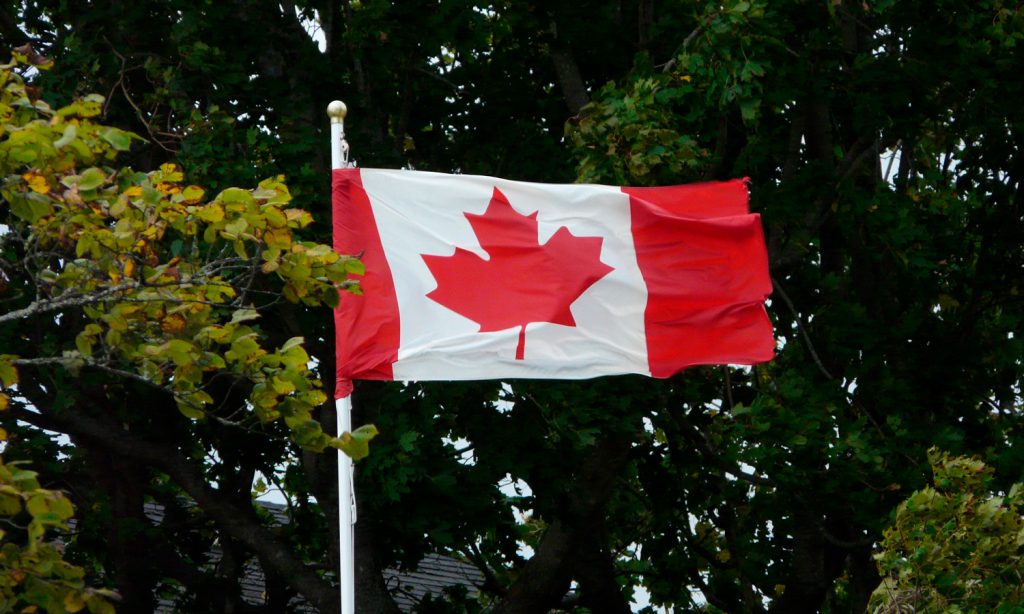
Canadians heard similar arguments prior to official rollouts of legal marijuana sales last year. But the demographic flocking to cannabis in droves is senior citizens. According to recent data from Statistics Canada, older adults account for the fastest-growing demographic of cannabis users in the country.

RELATED: Study: Dispensary Locations Don’t Impact Teen Cannabis Use

did canada blow its chance to be world cannabis leaders already
Photo via pxhere

In 2012, less than 1% of Canadian seniors reported using marijuana—about 40,000 total consumers. Today, that number has jumped tenfold to 400,000 marijuana users, which translates to 7% of the demographic. A quarter of this group admit to being first-time users as well. This influx of users has increased the average age of the Canadian marijuana user, which was 29.4 years in 2004, but has since risen to 38.1 in 2019.

In figures that echo legal marijuana users in the United States, more than half of seniors say they exclusively use cannabis for medicinal purposes, and for its general health effects. The other half of the population split between recreational use and recreational/medicinal use. Seniors were also most likely to use cannabis products obtained through legal means (41%) versus younger consumers (ranging from 23% to 29%, depending on age group).

RELATED: 1 In 5 Professional Golfers Used Marijuana This Year

The number is not insignificant. Much like California, Canada struggles combatting black market sales in the country. High taxes and scarce retail weed shops have kept many Canadians choosing their neighborhood dealers instead of licensed producers. Per Statistics Canada, the tides are changing, albeit slowly. Canadians obtaining cannabis from illegal sources dropped from 52% in 2018 to 42% in 2019. Earlier this year, Statistics Canada also reported legal marijuana sales reaching an all-time high.

Are People Using Food Stamps To Buy Legal Marijuana

0

While there is an element of truth in the idea that welfare recipients can use some funds to buy marijuana, it’s not exactly as cut and dry as some media outlets have reported.

One of the most controversial arguments against the legalization of marijuana — at least as far as regular people are concerned — is that welfare recipients will somehow be able to use the federal Supplemental Nutrition Assistance Program (SNAP) to buy weed instead of putting food on the table. 

For several years, red-blooded Americans have been worried that welfare recipients are swiping their SNAP cards at cannabis dispensaries rather than at the grocery store. This fear of stoner socialism can be attributed to a story that began to spread years ago, shortly after Colorado became the first state to legalize for recreational use.

At least one satire news site put out an article suggesting that cannabis customers could use food stamps to buy edible forms of marijuana in some places. That’s all it took for this rumor to get stuck in the craw of a conservative society hellbent on keeping a leash on those who rely on our hard-earned tax dollars for support.  

RELATED: Nevada Has The Most Expensive Vape Pens, Washington the Cheapest Pre-roll

While there is an element of truth in the idea that welfare recipients can use some funds to buy marijuana, it’s not exactly as cut and dry as some media outlets have reported. This is what’s really happening. 

Long gone are the days when food stamps were doled out as coupons. Now, SNAP benefits come in the form of a government-issued debit card that can be used where food is sold. People who receive these benefits can step inside their local grocery or convenience store and buy whatever food items they need. And they can even make elaborate purchases, too, depending on how much money is put on their card every month. This means welfare recipients can purchase steak, lobster, caviar, whatever. The only stipulation is that SNAP cards cannot be used to buy non-food items like beer, wine, hard liquor, tobacco, household supplies or medicine.

what is cannabis decarboxylation and how to do it at home
Photo by beusbeus/Getty Images

The same goes for cannabis. Not even the purchase of edible forms of marijuana is permitted using these cards. So, no, welfare recipients are not swiping SNAP cards to buy weed in legal states. If Uncle Sam isn’t going to allow people to buy federally legal vices like booze and cigarettes, he isn’t going to give them the freedom to purchase marijuana, which is still banned under federal law. 

RELATED: These Cities Consume The Least Amount Of Marijuana In The World

However, the government has another program called Temporary Assistance for Needy Families. Recipients of these benefits also receive a debit card that can be used at ATMs to make cash withdrawals. What is happening, in some cases, is cannabis customers on this program are using ATM’s in cannabis dispensaries to grab some fast cash and then using the money to buy weed. Still, this doesn’t appear to be the kind of problem that is spiraling out of control.

Some states have passed laws that prevent government-issued debit cards from being used at ATMs in places like casinos, liquor stores and strip clubs. But those cards can be used at any other ATM for cash that could be taken to a dispensary to buy marijuana. There is nothing that can be done to stop that. Where there is a will, there is a way. But the takeaway here should be that food stamp recipients are not out there spending money allotted for food items on legal marijuana. That’s simply not true.

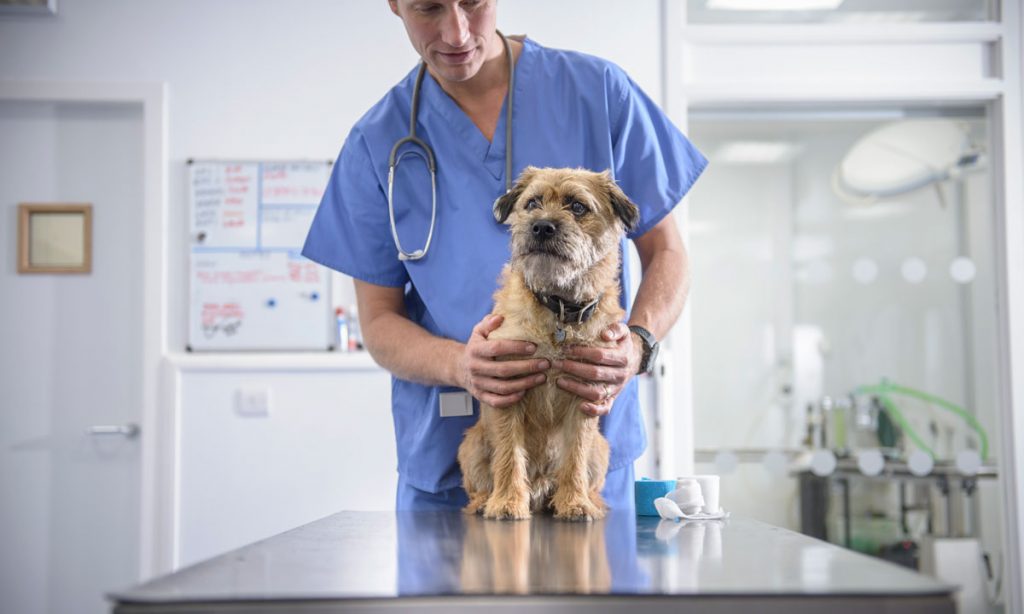
Key Steps If Your Dog Eats Marijuana

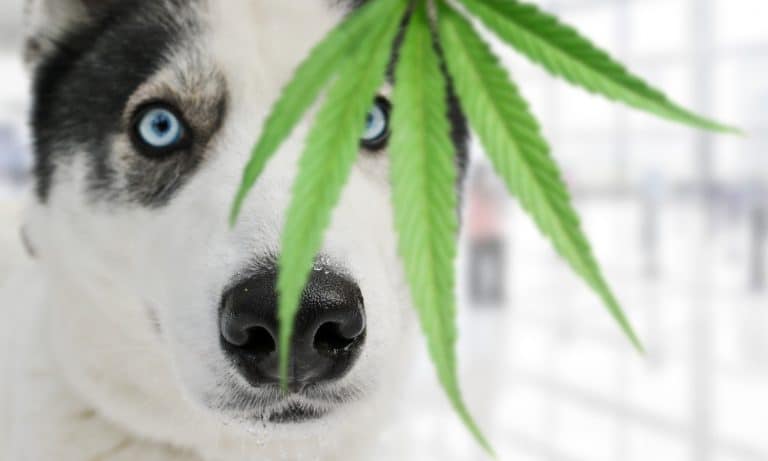
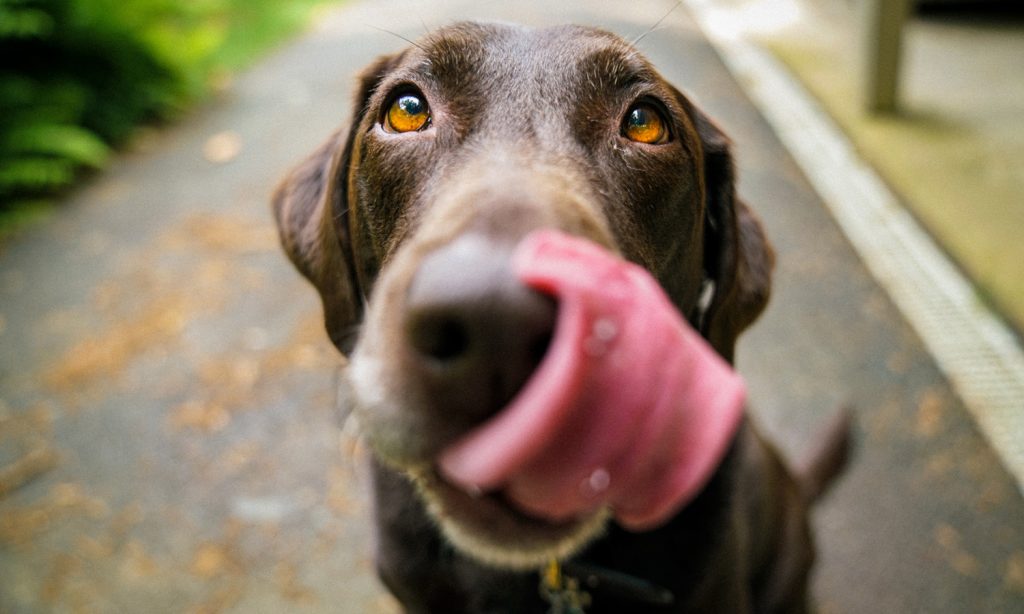
Dogs will eat anything that’s nearby, even if it’s marijuana. Don’t panic. Here’s what you can do if this happens.

Dogs have the annoying talent of finding the most inconvenient things to eat and chew, especially if they’re sweet and edible. This is particularly dangerous if you keep edibles around the house.

While it’s unlikely that your dog will eat your weed just because they like the taste, dogs are capable of eating just about anything, so you can never be too careful. In fact, over the past few years, these incidents are becoming more common, especially in states where marijuana is legal.

The Huffington Post spoke to some veterinarians who shared their tips for what to do if your dog eats marijuana.

Learn the symptoms of marijuana poisoning in dogs

No matter how much marijuana your dog consumes, you should keep an eye on their symptoms and learn what marijuana poisoning looks like. Symptoms can change depending on the size of the dog and the amount of cannabis that was consumed. These can include vomiting, drooling, wobbly movements, barking or howling, lethargy, rapid heart rate and changes in body temperature. Although the symptoms are kind of all over the place and hard to monitor, your dog will be feeling pretty miserable, and that’s easy to tell.

Act fast

While marijuana is not exactly toxic for dogs, if your dog ate it in the form of an edible, other compounds may cause adverse reactions. “Some of the ingredients in edibles, like chocolate or the sugar substitute Xylitol, can be deadly,” says Michael San Filippo, spokesperson for the American Veterinary Medical Association.

Depending on the state and feel of your dog, call a vet and consult them or take them straight there to be treated.

RELATED: Your Pet On Pot, Or Even CBD: Not A Good Thing, A Vet Toxicologist Explains

dogs keep getting high from eating human feces
Photo by James Barker via Unsplash

Induce vomiting

While it’s best to consult a doctor, making your dog vomit is kind of simple and could help them get the toxins out of their stomach. When done within 15 minutes of ingestion, this could help prevent toxins from seeping into their bloodstream. “Give one teaspoon of 3% hydrogen peroxide orally per 10 pounds of dog. Your dog should throw up within about 15 minutes,” said Gary Weitzman, president of the San Diego Humane Society.

Take your dog to the vet

The best way to ensure that nothing goes wrong is to take your pet to the vet and let the experts determine what to do. Be honest with them no matter how you obtained the marijuana since this could help them determine the course of treatment and save the life of your dog.

RELATED: The Difference Between CBD Oils For Humans And Dogs

Vets Say They're Seeing More Dogs Being Poisoned By Marijuana
Photo by Monty Rakusen/Getty Images

Make sure it doesn’t happen again

No matter the bad experiences, some dogs don’t learn and try to eat everything in sight. Make sure that you put your marijuana and edibles in a place that’s out of reach, where the elements can’t fall and where your dog won’t be able to find them. All household members should know to keep marijuana out of your pet’s reach.

What Needs To Happen For Marijuana To Become Legal At The Federal Level

Statistics show that only about 4% of bills filed in Congress every year will become law. And there are literally thousands of bills introduced each year.

If the question of whether the United States should legalize marijuana at the federal level was put to a vote tomorrow, it would pass with flying colors. At least in the court of public opinion. Some of the latest national polls indicate that around 66% of the population supports the idea of weed being taxed and regulated like alcohol. Unfortunately, though, there is presently no such ballot process that allows the citizens of this country to cast a vote intended to change the federal laws in America. 

No sir, it’s up to our elected officials in Congress to do that, so it sometimes takes a small miracle to get anything accomplished. This means controversial issues like marijuana reform are often ignored. Yet, the “we’re not hearing it” attitude is changing. Some believe weed will be legal nationwide within the next two years. But what exactly needs to transpire on Capitol Hill for that to happen? 

At its most basic level, marching a marijuana-related bill into the federal government is a relatively simple process. There are committee meetings, votes, hearings, more votes, and, if the majority of Congress can agree, the President of the United States gets to chime in. But toss a few hundred politicians into a room and what do you get? A bunch of individual and party agendas fighting for power. So, it stands to reason that it’s not exactly easy to get any piece of legislation passed through the chambers of Congress. Most of them are as good as dead soon after they are introduced. 

RELATED: Grading The Presidential Candidates On Marijuana: Overall Rankings

In fact, statistics show that only about 4% of bills filed in Congress every year will become law. And there’s not just a handful of legislative items being dealt with either. There are literally thousands of bills introduced each year. It doesn’t take an oddsmaker to see just how difficult it can be for a controversial piece of legislation calling for the end of marijuana prohibition to get a fair shake.

But, as with any issue, it is never going to get any floor time if a lawmaker doesn’t keep drafting, filing and pleading their case. Thankfully, more lawmakers are doing that these days concerning marijuana. But it takes a lot more than just a handful of diehard troopers to get it done. 

Photo by Architect of the Capitol via Wikimedia

Once a bill is submitted to the House of Representatives, it is stamped with an identification number and sent over to committee for review. The chairman of the committee then determines if the issue should receive any consideration. He or she may choose to ignore it, or it could get a “mark up,” which would put it in line for further review. If the committee votes favorably for the measure, it is cleared to go before the full House for debate. But the Speaker has the final say on whether the bill gets put on the docket or if it is cast out into political purgatory.

Let’s just say that a bill calling for legal cannabis the end of nationwide marijuana prohibition is given the proverbial OK by the Speaker. It then has the opportunity to be discussed before hundreds of lawmakers. This is where arguments are presented against the language and amendments are introduced. A voice vote is often used to see if enough lawmakers support those concerns. A full vote is next. As long as the majority (218 of 435) supports the bill, it moves on to the Senate for review.

We watched this part of the process in action earlier this year with the SAFE Banking Act. The measure cleared the House in a vote of 321 to 103. It is now awaiting some kind of response from the Senate. 

It is then up to the Senate Majority Leader to determine whether the bill gets any further consideration. It could be quickly snuffed out and left for dead. Or it could be passed without issue. Most of the time, however, the Senate has its own idea about how the legislation should read, so it either files its own version or makes amendments to the House bill until it is satisfied.

If modifications are made, the bill must take a trip back to the House for concurrence. Any significant adjustments would need to be negotiated by a small conference committee. The goal here is to take the House and Senate version and come up with a single agreement. If either chamber rejects the language, there is more than a good chance that it is going to fail miserably. 

RELATED: Support For Marijuana Legalization Reaches All-Time High Despite Vaping Illness

But let’s say both the House and Senate are happy with the deal. This is when the bill is shipped over to the President. He or she then has 10 days to take action. If not, the bill automatically becomes law. If the President vetoes it, however, the bill is dead. That is unless both chambers can somehow come together and revive it with a two-thirds override. But that’s a big IF. Congress has only overridden just over 100 vetoes in American history.

The next President could get the ball rolling on nationwide marijuana legalization a bit more efficiently. While the President cannot just swoop in and legalize weed in his or her first 100 days of office, they can initiate the process to have the herb removed from the Controlled Substances Act. Some of the 2020 presidential candidates have indicated that they would do just that. But the Democrats will need to knock President Trump out of office before that is even possible.

Do’s And Don’ts Of Using Marijuana On The Slopes

For starters, don’t be a jerk in public. Follow social rules and be mindful of people around you before puffing.

Among the winter recreational activities many cannabis consumers enjoy doing while high is going down the slopes. If you plan to flock to the mountains this season with bud in tow, here’s some do’s and don’ts to make the most of your trip with weed.

DO — Remember there are still rules around recreational cannabis. Some states where recreational marijuana is legal are also home to popular ski destinations, such as Colorado. And while pot is legal, smoking up in public still isn’t, so keep that in mind before you toke up at the resort. Many ski spots are also on federal land, where state-level cannabis rules are inapplicable and still illegal.

DON’T — Get so high you can’t safely ski/ride. Cannabis affects everyone differently, and different strains can create different effects. Edibles in particular, while a discreet way to get high, immune from wind or precipitation, can create a more intense high and delayed onset. Whether it be flower, vape, or edible, start low and slow.

RELATED: Here Are 5 Best Winter Activities to Do While High

DO — Take into consideration the weather and overall conditions when packing your cannabis. Combustion can prove difficult with wind; bowls might be difficult to pack. Consider a windproof lighter and slow burning paper for joints. A vape might be your best bet, although an expensive device getting lost or damaged would be a major bummer. A disposable vape pen has the convenience of not needing a charger and a low-cost way to get high that works in cold, wet and windy conditions.

Do’s And Don’ts Of Toking On The Slope
Photo by Laurent Perren via Unsplash

DO — Remember to hydrate. It can be easy to forget, but remember to drink plenty of water while you’re out, especially if you’re consuming cannabis, which can cause dry mouth and make you thirstier.

DON’T — Be a jerk in public. Follow social rules and be mindful of people around you before puffing. The slopes and the fun that can be had attracts everyone, and marijuana smoke, or any smoke, can be unpleasant and ruin their ski day.

RELATED: 7 Ways To Get Lifted And Stay Fit While Indoors This Winter

DON’T — Drop your gloves while reach for and using your cannabis. Lighting a bowl, holding a joint, or pushing a button on a vape might prove difficult or impossible with gloves on, but if you’re partaking, say, on a lift, you could drop your gloves and lose them. Better safe than sorry, tie your gloves to your sleeves.

DON’T — Ski or ride past your ability or behave recklessly, especially high.

DO — Remember to have a good time and be safe.

This Week’s Music: HAIM, Dua Lipa And Tame Impala

This week’s column features the much awaited return of Dua Lipa, HAIM’s new song and amazing music video and Tame Impala’s latest.

This Week’s Music is a weekly column that discusses the weeks’ best, worst, and most interesting songs. We try to select songs of different artists and genres to keep things interesting and to please a variety of music fans.

This week’s column features the much awaited return of Dua Lipa, HAIM’s new song and amazing music video and Tame Impala’s latest. Check them out!

Pop

HAIM – Now I’m In It

“Now I’m In It” is HAIM’s second solo single of the year, even if they’ve participated in other projects with Vampire Weekend and Charli XCX. Directed by P.T. Anderson, the music video is technical and beautiful, grim but also light, embodying the feel of the song. Like “Summer Girl,” the band’s previous song released this year, there’s a sadness and melancholy built into the lyrics and music, pushing the band into uncharted territory. While they’re still bright and California-like, there’s more gravitas to their work. It makes for a promising future and challenges the band’s image and preconceptions.

Dua Lipa – Don’t Start Now

RELATED: This Week’s Music: Harry Styles, King Princess And Halsey

“Don’t Start Now” is Dua Lipa’s second single of the year, paving the way for her much awaited second album. The song is positioned in Dua Lipa’s comfort zone, discussing heartbreak and break ups through a fun and empowering lens, themes that have built up the singer’s career. Still, “Don’t Start Now” is an achievement, managing to sound as refined as her work with Calvin Harris and Silk City but only boasting the name of her producing team. Dua Lipa needs no collaborators to shine and to make music that resonates and that makes for a great time.

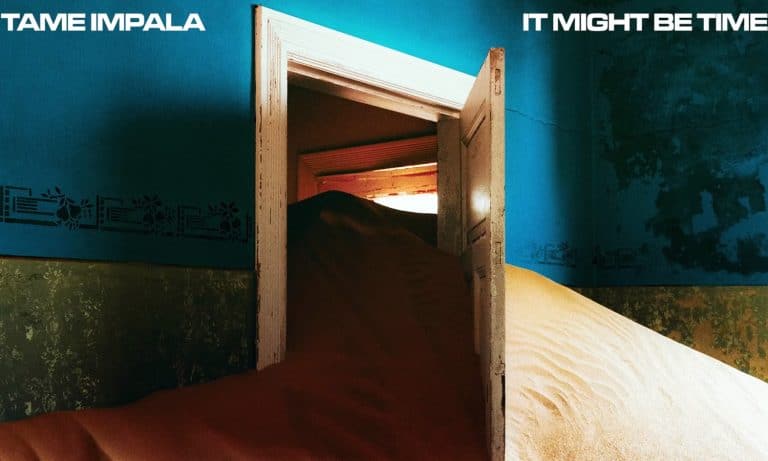
Tame Impala – It Might Be Time

You won’t get any surprises or variety from Tame Impala. The band has perfected their psychedelic 70s infused sound and trademarked it for themselves. When you listen to the opening of one of their songs, there’s no mistaking who’s interpreting it. “It Might Be Time” tackles themes explored in previous and sometimes better songs of theirs, but it’s still got a powerful hook that makes it easy to forget that we’ve all been here with them, plenty of times.

1 In 5 Professional Golfers Used Marijuana This Year

Golfers have become outspoken advocates for CBD products and a majority believes marijuana should be allowed on the PGA Tour.

Among professional sports, who would’ve selected golf as the catalyst to shift marijuana policy for athletes? Not us, but golf finds itself in a unique position compared to other sports. While it’s an open secret that football and basketball players use cannabis, we usually only hear about their support for policy change or the launch of their new marijuana brand after these same athletes retire.

That isn’t the case with golf. If you haven’t heard, golfers love CBD oil. Several of them, including Bubba Watson, Scott McCarron, and Charley Hoffman, enjoy endorsement deals with CBD companies. Though unconfirmed, many speculated that Tiger Woods and Phil Mickelson have taken to chewing CBD gum during major tournaments.

In addition, two-time winner Matt Every was suspended by the PGA Tour in October for violating the substance abuse policy. He later admitted he holds a medical marijuana prescription for a mental health condition. Every knew the tour’s policy, but continued to use marijuana anyways because “cannabis has proven to be, by far, the safest and most effective treatment,” he said.

RELATED: Soccer Superstar Megan Rapinoe Builds Equality For All Through Cannabis

In this light, a new anonymous poll conducted by GOLF.com should come as no surprise. Among the 52 professional golfers that participated, nearly 60% said the tour should allow players to use marijuana. When asked if they knowingly smoked weed or ingested edibles, one in five golfers said they had. The poll also found that just about 30% of the top 125 ranked professional golfers in the world regularly use CBD.

Photo by Harry How/Staff/Getty Images

The latter is notable because of the Tour’s anti-CBD stance. This April, the PGA Tour sent a newsletter to players warning them not to use CBD. The letter was in response to the World Anti-Doping Agency’s decision to drop CBD from its list of banned substances, which the Tour believes led to an increase of use of CBD products by athletes. Because CBD products remain unregulated by the federal government and using CBD could still cause players to test positively for THC, resulting in a suspension, the Tour argued it was in a golfer’s best interest not to use CBD.

RELATED: Why Are Professional Golfers Obsessed With CBD Oil?

Robert Garrigus tested positive for THC back in March, which caused him to be suspended by the Tour. Ever since, he’s emerged as the most outspoken critic of golf’s marijuana policies and believes they should change. According to this poll, he doesn’t seem alone in that stance.

“If you have some sort of pain and CBD or THC may help that, and you feel like it can help you and be prescribed by a doctor, then what are we doing?” Garrigus said. “If you are doing marijuana then we should be testing for alcohol, too. If you can buy it in a store, then why are we testing for it? That’s my opinion.”

Don't Miss Your Weekly Dose of The Fresh Toast.

Stay informed with exclusive news briefs delivered directly to your inbox every Friday.

We respect your privacy. Unsubscribe anytime.