Cannabis is popular, but not nearly as popular as its cousin, which is a global powerhouse.
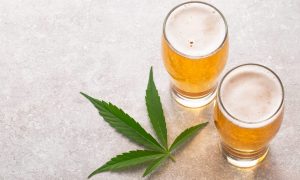
Cannabis has been around for thousands of years, but its similarly aged cousin is still more popular on a global level. You might think Coco-Cola was popular when it had a more active coca component, but it is not the OG version of fun. Cannabis is related to hops, which is a base for most beer. This biggest clue to their relationship is in the smell. You can tell since they both have a bit of a dank aroma.
While marijuana is becoming widely accepted, it has a ways to go to be as popular as its cousin. Globally, when you look at the beverages we consume, most North Americans would be surprised. Water, followed by tea are the top two drinks in the world. Surprisingly, beer is the third…making hops valuable and highly consumed. Coffee, is the fourth most drank beverage.
Photo by Sarah Pender/Getty Images
Hops comes from the plant humulus lupulus and marijuana comes from the cannabis plant. Both are parts of the relatively small family of Cannabaceae. They basically are cousins, sharing a key ingredient called terpenesans. Cannabis contain terpenes and terpenoids; tetrahydrocannabinol (THC) is a terpenoid. Hops lack the enzyme which could convert cannabigerolic acid into THC or CBD. While THC is what makes you high, hops doesn’t contribute to the alcohol content of beer, but rather the weight and flavoring. On its own, hops has been used for anxiety, sleep disorders, restlessness, symptoms of menopause, and other conditions, but there is no good scientific evidence to support these uses.
While in humans, cousins shouldn’t marry, the same is not true in the hops/cannabis world. In 2022, the Canadian and US marijuana beer market was estimated at $190+ million. Beverages are a growing populations and mainstream beer makers have taken notice. Coors, Molson, Anheuser-Busch, and more have developed beers with cannabis, with some looking toward the non-alcoholic market.
As more states approve legalization – more people are interested in trying it. But what do you REALLY need to know.
While it has been used for over a thousands years, cannabis for the canna newbie or canna curious can be confusing. Delaware and Ohio are the latest states to pass laws to allow marijuana. Now over 50% of US population has access to legal weed, along with Canada and parts of Europe. And when rescheduling happens, it will become even more accessible. Add the fact over 85% believe it should be legal, and it has gone mainstream. So more people are take a first step and trying it.
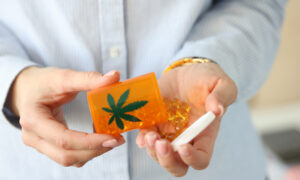
But for the first timers, it can be a bit intimidating. Things have changed and there are a variety of options. For first-timers, you can go old school with smoking, but with today’s younger generation and new users, gummies and vaping are popular. And there are even more options.
Photo by RODNAE Productions from Pexels
The Basics
Unlike alcohol, marijuana can be used for fun and for medication. Some people use it to boost creativity, ease social anxiety, relax, work out, sleep and more. The trend to trade out alcohol for marijuana, for certain days or all together, is called California sober and is a big hit, especially for the under 30 set. Marijuana can also be used to replace harmful including smoking nicotine, and replacing the use of opiates and sleeping pills. It has clear medical benefits, but nothing is perfect. No one has ever died from an overdose and mostly people dose off if they have too much.
If you keep your dose to 5mg or more, the intense part of the high is the first 30 minutes and then can linger for a couple of hours. The more you consume, the longer it lasts and potential a more powerful high.
Types of Marijuana
Photo by Kampus Production from Pexels
There are different types of marijuana and different compounds present in the plant. Sativa, indica, and hybrid strains are a category limited to the physical look of the plant, although a lot of cannabis users swear by its effects and how different they are. CBD is a cannabis compound but a lot of people consider it a type of marijuana.
Sativa stimulates the mind and senses, working best when paired with an activity, like working out, having a fun conversation, or doing anything energizing. Indicas stand on the other end of the spectrum, producing a relaxing and anxiolytic effect. Hybrid strains are a mix of sativa and indica, producing mixed results.
CBD is a cannabis compound, like THC. Unlike THC’s psychoactive effect, CBD is mostly medicinal. It produces no “high” feeling and results in long-lasting muscle, pain, and anxiety relief.
How to partake
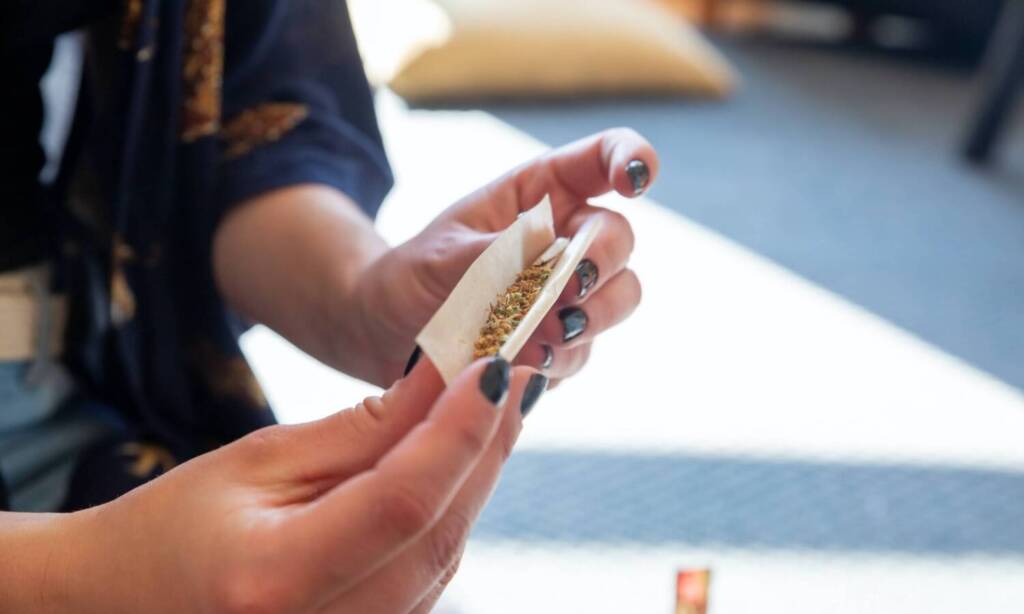
There are multiple ways to consume cannabis. The traditional way of smoking marijuana (pipes, joints, and bongs) is popular with the over 50 set and is perfect to settle in and enjoy a good chill session. Vapes, gummies, other edibles, and sublingual are also popular formers for those new to cannabis. Dabbing is the seasoned user.
Vaporing
Photo by LexScope via Unsplash
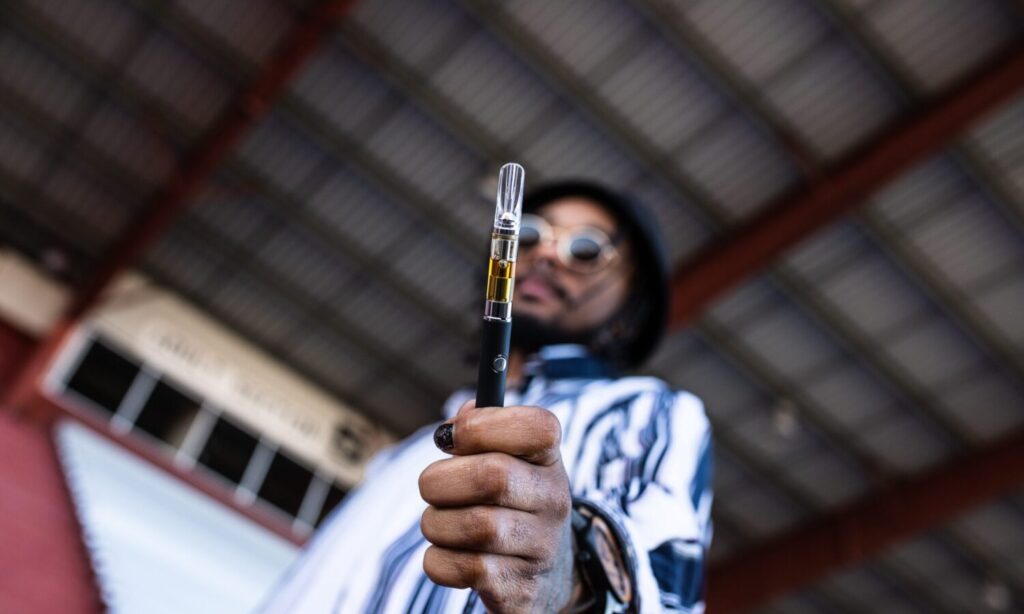
Discreet and comfortable, filled with cartridges which vaporize marijuana instead of combusting it, like joints and pipes. With a vape pen there is no need to learn how to roll a joint or how to pack a bowl. They produce immediate effects that will stay in your body for a couple of hours. Start with a first puff and slowly ease into how much you can enjoy.
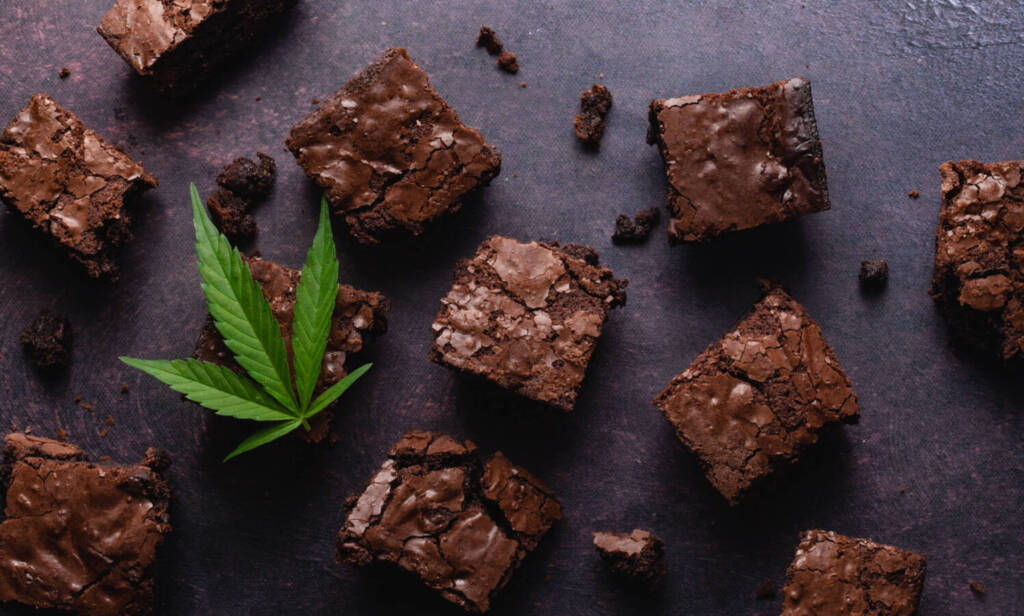
Gummies are the most popular form of edibles by far, followed by chocolate. Convenient, and discreet, dispensaries purchased edibles are easy to manage dosage. The one downside is takes its time to feel the high since the THC is absorbed differently. For beginners, it is great way to start as you can manage a dose and start with 5mg or under.
Sublingual and Topicals
Sublingual are oils you can slip under the tongue and put in something else and absorb. Quick with a little punch, manage your dosage for a good high. This is another good option for those who don’t wish to smoke. Topicals are creams and lotions, they can help with pain or intimacy.
Like alcohol, it may take time to find the groove and the perfect high or chill. Take time, don’t overdo, try to avoid the munchies, and have a good time.
Records are breaking as the early summer heat soars….but can marijuana help you chill you out?
It is HOT outside, and we are talking record breaking, miserable, change shirts several times a day hot. Those who are suffering the most are the Desert Southwest, California’s Central Valley, and western and southern Texas. Some of the new records – Death Valley (122); Needles, Calif. (115); Phoenix (113); Las Vegas (111); Fresno, Calif. (107); Amarillo, Tex. (102); Sacramento (101); Kanab, Utah (101); Reno, Nev. (98); and Flagstaff, Ariz. (91). Part of the issue is there is a huge heat dome over the air, trapping hot air for days (and nights). Even with air-conditions, it is tough, but can cannabis cool your heat dome misery.
High tempertures play havoc with your body. Extended hot weather days can cause poor sleep, lack of appetite, hot or damp skin, headaches, loss of motivation, irritability and more. Staying cool and keeping your body at a reasonable temperature of 97° – 99° is critical as it cause dangerous complications like dehydration, heat stroke and more.
Cannabis is one thing in box of tools to keep your body at a normal temperature. It can does reduce your body temperature—temporarily. Several studies indicate marijuana can, reduce the body temperature short term. Food like spicy mustard, chili flakes and wasabi can also provide quick relief. The cannabis cool effect is thought to happen because of the way THC interacts with a receptor called TRPA-1. This receptor controls important functions, including pain relief and body temperature.
Not all weed is created equal when it comes to body chilling phenomenon. According to some consumers, switching to tinctures and edibles rather bongs, pre-rolls, or other methods involving heating the product helps move to a cooling response quicker.
You can also replace drinking alcohol at home with cannabis beverages. Consuming this way is refreshing and as potent without dehydrating your body.
Cannabis is popular as a non addictive sleep aid. In hot weather, some struggle with both falling and staying asleep. The sleep-promoting effects of cannabinoids are due to their interactions with cannabinoid receptors in the brain. When cannabinoids bind to these receptors, they send messages to increase levels of sleep-promoting adenosine and suppress the brain’s arousal system. Together, these effects may help cannabis users feel sedated or sleepy.
Temperatures aren’t the only thing warming up this summer – the cannabis market is heating up with potential changes.
It is the time of year for high temperatures, travel, grilling, and more. And as a bonus this year, things are heating up for cannabis this summer. The industry is holding its breath as the current administration lumbers toward rescheduling, Florida is setting the stage again for a fight between the governor and his residents and licenses are granted as Ohio opens the marijuana market.
The cannabis industry is starting to rise out of a mess caused by overexcitement, federal regulation and zero tax relief for mom and pop businesses. And, it seems, the Biden administration seems to be finally taking rescheduling serious with both President Biden and Vice President Harris using it as a talking point in speeches.
The Drug Enforcement Agency (DEA) hasn’t be the most excited despite both Health and Human Services (HHS) and Food and Drug Administration (FDA) recommending the change. Several key federal health agencies were part of conference recently to discuss the marijuana science and policy considerations for researchers navigating cannabis studies, but the DEA cancelled their participation. Currently, it is in a 60 day public comment period and they DEA will move afterwards. Fall seems to be the time a final decision will be made.
Photo by Jeff Swensen/Getty Images
Florida has voted on marijuana three times. The first time medical passed by 60% and the the then popular Governor declared it not enough. The second time it passed by over 70% and the Governor said the public was confused. Now they go for a third time and the Governor doesn’t want a vote and especially doesn’t want support from his citizens. But things have changed. Faced with soaring problems and a more negative view of his nanny state policies, DeSantis barely breaks 50% approval ratings. In a new Fox New poll, 66% of the state backs expanding legalization. Included in the poll is Republicans are at 57% for making the plant more available, it seems DeSantis is again swimming against what Florida wants.
The state where 7 US presidents were born, Ohio, is gearing up to sell recreational marijuana in dispensaries. Ohio’s 132 medical marijuana dispensaries are now able to apply for recreational sales permits. It means marjijuana could be sold to the adult general public begin by mid July. And, most likely, it means most Buckeyes should have access by the later part of the summer. And it means the end of the year will be a boon for the states tax coffers. Smaller state Missouri did over $1 billion in sales in their first year, so the state budget should look good next year.
Summer had roared in with record temperatures across the Southern US….boozy ice cream is a perfect way to make it more
Yes, it gets hot in the summer, but toss in a heat dome and temperatures soar! It is a weather phenomenon where the atmosphere traps hot air, like a lid or cap. The heat is trapped in the day and night and soars to usually high levels. But cool ice cream cocktails for a heat dome couple become your new boozy treat!
Champagne is a perfect way to toast relief from 100+ degree temperatures…or just because it is a Tuesday. When not give a chic, adult update to the classic root beer float. This quick combo can be used for an afternoon delight or post dinner dessert.
Ingredients
750ml(1 bottle) champagne
Create
Have chilled champagne flutes read
Add 3-4 small scoops of ice cream/sorbet/frozen yogurt to each glase
Top with champagne, garnish with a strawberry, and serve immediately
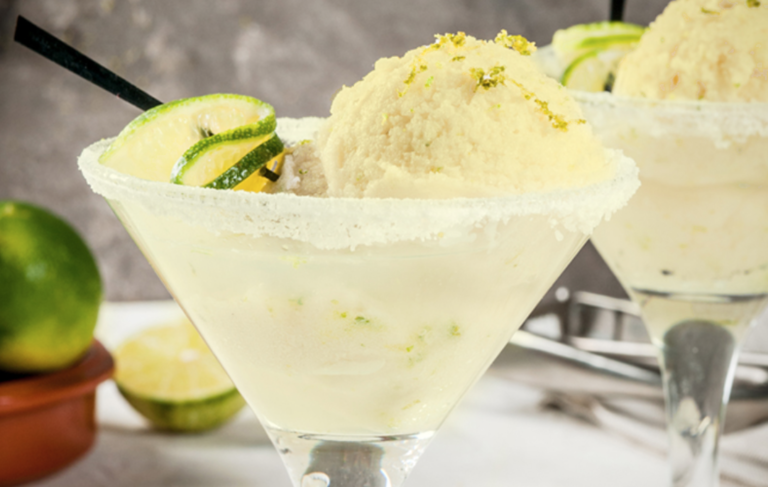
Margarita Ice Cream Float
Margaritas are go to cool drink of the summer….so why not kick it up a notch and a little cream fun????
Ingredients
2scoopssoftened Vanilla Ice Cream
4Tbspfresh lime juice
2cuplemon lime soda
2shot100% agave tequila
lime wheelgarnish
salt on the rimgarnish
Create
Juice limes to produce 4 tbsp of fresh lime juice.
Wet rim of glass with lime wedge. Pour salt onto a plate. Turn glasses upside down and press rim into the salt. Scoop ice cream into each glass.
Combine lemon lime soda, tequila, and lime juice and divide between two glasses.
Garnish with lime wheel and grate lime peel and enjoy!
Martini A La Ice Cream
Take the cool, classic martini and make it a refreshing relief which laughs at the rise thermometer. You can choose a variety of flavors, but the pink of the strawberry looks great.
Ingredients
1 oz Vodka
1 oz White chocolate liqueur
1 oz Strawberry liqueur
2 scoops strawberry ice cream
Sugar
Ice
Create
Rim edge of martini glass in coarse sugar
Fill martini shaker with ice, vodka, white chocolate liqueur and strawberry liqueur
Shake well
Add two scoops of strawberry ice cream to martini glass and pour mix over top
Shakes are classic summer treats, and most people would be surprised to learn strawberry is the most popular flavor sold. Here is a classic cocktail blending the joy of ice cream and the richness of bourbon.
Ingredients
6ouncesbourbon
3cups premium vanilla ice cream (plus more if needed)
1 1/2cupswhole milk
6tablespoonschocolate syrup, divided
Create
Place four heavy pint glasses in the freezer to chill for 30 minutes
Add the bourbon, ice cream, milk, and four tablespoons of the chocolate syrup to a powerful blender
Add three ice cubes, and blend until smooth. If the mixture seems too thin, add another 1/4 to 1/2 cup of ice cream and blend again
Divide evenly among the prepared pint glasses, and top each with 1/2 tablespoon of the remaining chocolate syrup
Summer colds are the worst – but this pineapple cough syrup can help save the summer!
Summer cold symptoms are common and miserable. We are used to summer being a fun time and enjoying outdoor activities. But coughs, small fevers and general misery can spoil the best laid plans. Luckily, this tropical syrup with give relief form summer colds…and bring a little smile on your face! Summer and winter colds are caused by different viruses, but the symptoms are the summer.
If you have a light summer cold, this syrup can help. But if symptoms or fever persists, you need to see a medical professional, and you can keep using the syrup among the treatment options.
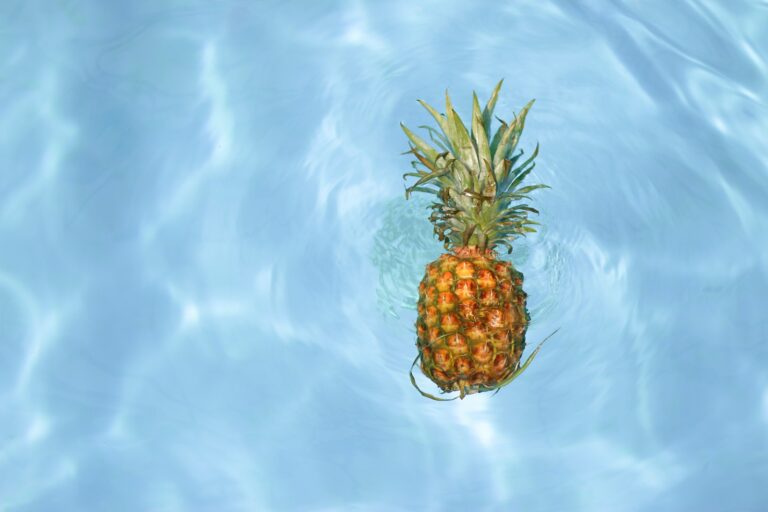
The good things about this tropical mix is is based in pineapple, which is low in calories and high in vitamins and minerals. One cup continues 1/3 of your daily dose of vitamin C, manganese, fiber, and B vitamins!
Photos by Maria Penaloza
Pineapple Cough Remedy
Makes 16 oz, 2mg THC per oz, estimated
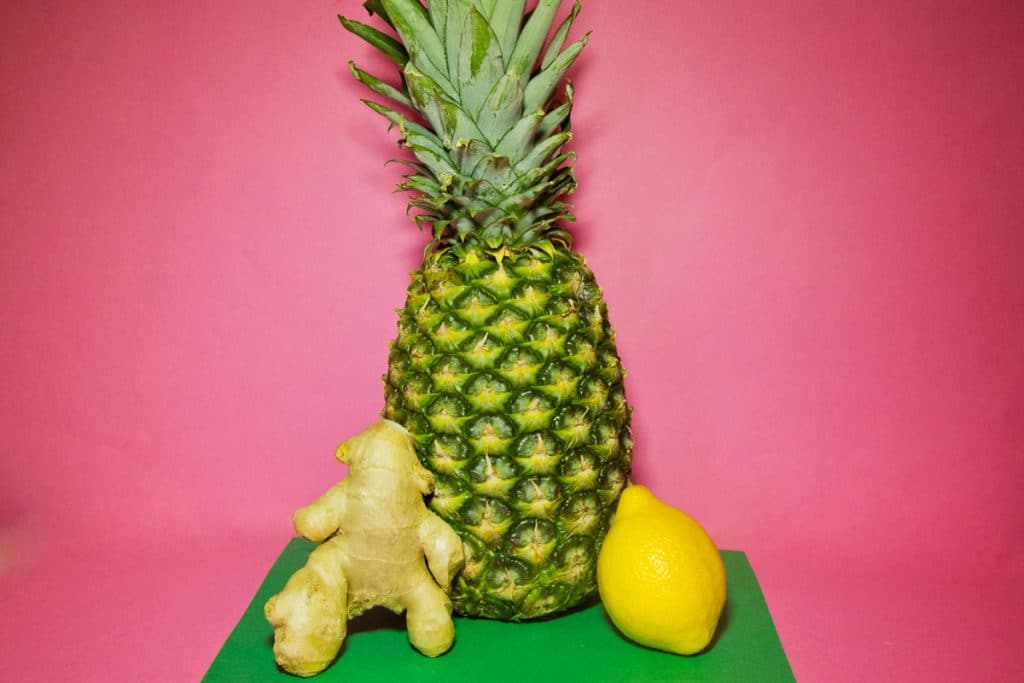
1 pineapple
1lb ginger
3 lemons
1 Tbs cannabis glycerin tincture
Depending on the type of juicer you have, you can decide how concentrated to make the juice. If using a blender, you may have to add some water. A centrifugal juicer tends to make a very strong juice, so be prepared for some spice, but know you can add water to taste.
Break down a fresh pineapple by removing the leaves and cutting off the tough outer skin. Remove the core and either cut into spears for a centrifuge juicer and chunks for a blender. Skin the ginger by using a scraping motion with a spoon or the blunt side of a butter knife, then cut into chunks. Remove skin and most of the pith from lemons, cut in half.
Photos by Maria Penaloza
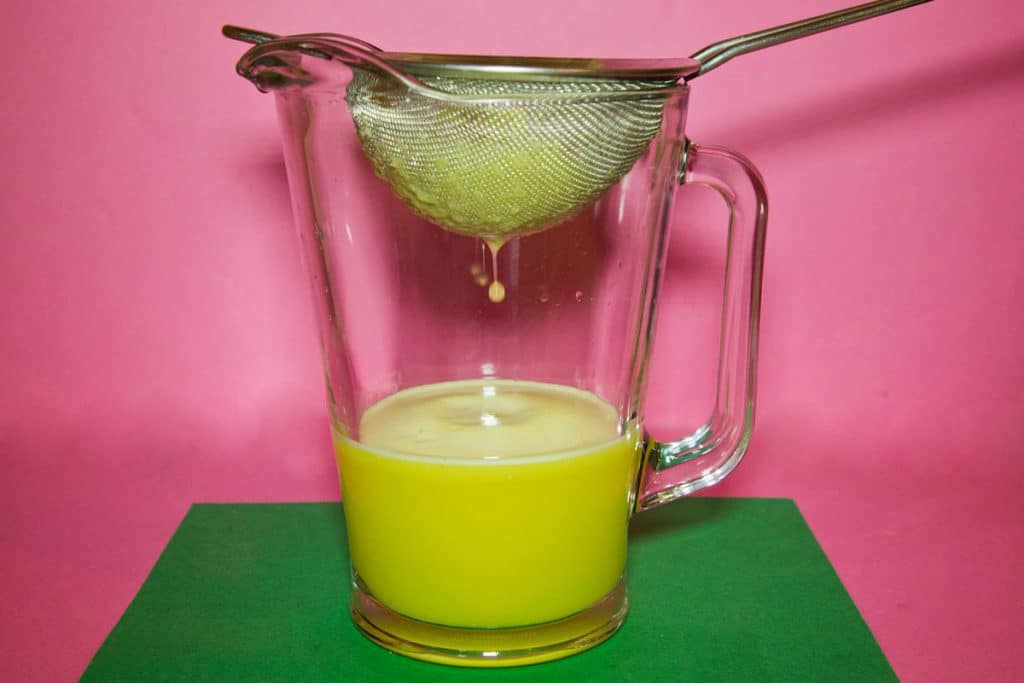
Blend or juice all ingredients, adding 16oz of water if using a blender. You must strain well if you’re blending, as it will be really pulpy and not pleasant this way. Taste for possible dilution with a centrifugal juicer.
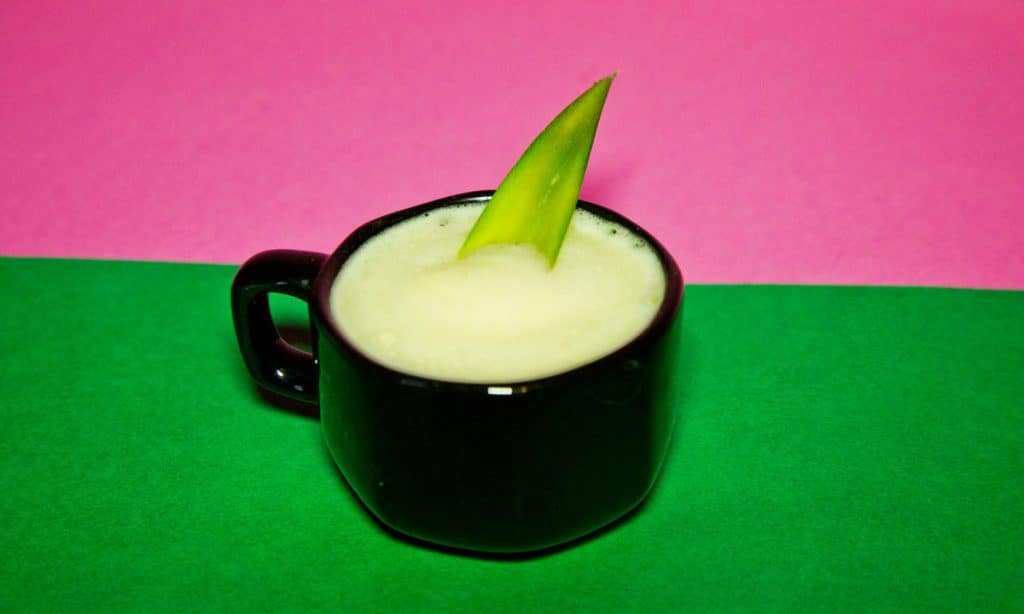
Add glycerin tincture and mix until dissolved. Either store in a clean bottle with a seal or cap, or dispense into smaller jars for single serving on the go. Serve 1 oz at a time after gargling for best results. Stores for 2 days maximum in the fridge.
*Cannabis Glycerin Tincture
Decarboxylate 3.5g of finely ground cannabis at 225 degrees for 20 minutes in a tightly sealed, oven safe container. Put cannabis in lidded mason jar or vacuum sealed bag with cannabis and ½ cup vegetable glycerin. Heat in water bath just under boiling for at least 1 hour. Strain and chill to use in recipes.
Photos by Maria Penaloza
Being sick is the worst, and when you have the energy to put some of your efforts into treating symptoms and taking care of yourself, you tend to get better faster, or at least it feels that way. If you’re in bad shape, this juice would also be easy to purchase from a juice spot, and adding cannabis in a oil form to help relieve pain or help skip anything smoky until your respiratory system is in tip top shape.
Science has proven the cannabis plant has medical benefits…but it shows more is not better.
Anxiety is something most people experience at some point, but for some, they experience it way more frequently. An estimated 31.1% experience an anxiety disorder at some time in their lives. Cannabis can help with anxiety, but dosage is a key. It is a case of too much hurts rather than helps. Studies show low THC with a mix of CBD can be the most effective treatment. It is always good if you have a mid or long term issue with anxiety to talk with a health professional and work with them to find the right dosage, just like any other medication.
Microdosing has become very popular for those who use medical marijuana. The most common reasons including anxiety and chronic pain. More complex reasons include treatment of cognitive deficits, mental illnesses, and many diseases considered incurable. But to understand the benefits, you have to understand your situation and dosing. Microdosing means using between 2.5-5 mg to take the edge off and allow the plant’s benefits to take evenMore research is being put into the benefits of marijuana, but it important to work with professionals.
Photo by megaflopp/Getty Imagess
Like alcohol, there needs to be an eye on the amount and strength of marijuana consumed. In a of study published in JAMA Psychiatry this week found regularly consuming high-THC marijuana and marijuana products could lead to mental health and addiction problems down the road.
Specifically, researchers reported those who consistently used high-THC marijuana were four times more likely to abuse the drug and twice as likely to develop anxiety disorders. The study’s authors added regularly consuming potent cannabis increases your chances of subsequent illicit drug use by 30%. The study had a significant limitation, the authors wrote, regarding where participants sourced their cannabis with survey respondents not having scientific way of determining THC levels in their cannabis.
Previous research has show that today’s marijuana is stronger than it needs to be. This is especially true when buying illegal marijuana, as black market producers breed cannabis strains designed to deliver the highest high to consumers in hopes they’ll come back for more. A study published earlier this year also found that 70-90% of medical marijuana products were too strong for effective chronic pain relief.
The President’s home is known as the White House – but occasionally there has been a bit of green there.
It is pretty clear the US presidents are not big public champions of marijuana use. And while the Biden/Harris administration has clearly made it known they are not a fan, what about recent past presidents and their families? Who has had weed in the White House. The west and east wings are full of people helping run the government, especially the younger crowd, but what about the residence part with the commander-in-chief and his family.
In recent memory, the first president to use marijuana in the White House was John F. Kennedy (JFK). According to Michael O’Brien, JFK’s biographer, the president used to smoke cannabis with Mary Meyer, one of his mistresses. JFK suffered chronic back pain beginning in his early 20s. He underwent a total of 4 back operations and pain plagued him for life. Cannabis is known to help chronic pain and he looked for relief in a variety of places. In fact, the hunt for to numb the pain included Max Jacobson, the first Dr. Feelgood.
Lyndon B Johnson drank but didn’t use and while Gerald Ford didn’t consume weed, his wife drank and use opiates. Ford’s son Jack did confess to using marijuana and most likely consumed while they were in residence. He was the first adult son to live in the White House since F.D.R.’s days, and the pressure was immense. His desire is understandable.
Jimmy Carter confirmed the rumors about marijuana’s most famous moment in the White House, the time Willie Nelson smoked a joint with the President’s son atop the White House roof.
“When Willie Nelson wrote his autobiography, he confessed he smoked pot in the White House,” Carter says. “He says that his companion was one of the servants in the White House. Actually, it was one of my sons.”
Savvy individuals started putting two and two together and realized exactly which Carter boy smoked a joint with Nelson — Chip Carter, Jimmy’s middle son. Chip had developed a personal friendship with NORML founder Keith Stroup and was “a marijuana smoker himself”.
The Reagans amped up the reefer madness with the Say No To Drugs campaign. First Lady Nancy become a huge advocate against all drugs. Despite the campaign and Nancy’s aversion to drugs (and apparently) drinking, Ronald Reagan was a big fan of wine. Their successors, who they were notoriously not close to the Reagan, the George H.W. Bushes, were old school drinker with vodka martinis and bourbon. But not green or gummies.
Clinton’s famous “I didn’t inhale” caused a buzz about his trying marijuana. He was the first president to come clean about it, but by the time he was president, he didn’t consume. George W. Bush had reformed by his election and nether used drug or drank after an unfortunate period in his life.
The next president shared he consumed cannabis in college and as a young adult seeing it more as a rite of passage. President Barack Obama said smoking marijuana is no more dangerous than alcohol, but seems have to stopped as his political career took off. His successor does not drink or consume any drugs.
Biden, who is famously old school, does not use marijuana at all, but could be the first to take large step toward legalization.
Bouldering and rock climbing have exploded – can cannabis help with this hot activity?
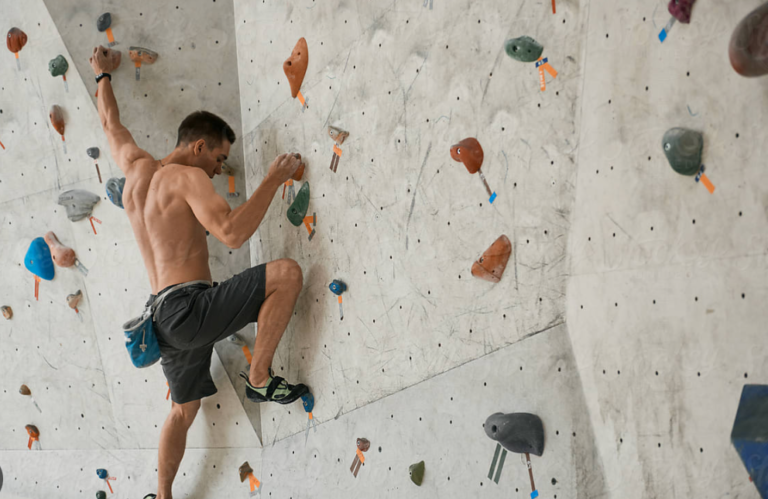
Even 5 years ago, rock climbing and bouldering were niche activities for those with a passion. But since it has become a fun, core strengthening, urban activity and is now a multi-billion dollar industry. Cities, towns and cruise ships now have climbing gyms and the popularity as soared. North American climbing gyms alone almost reached $1 billion dollars last year, this doesn’t count outdoor, equipment and other markets. With its popularity, it blends in with other lifestyle options, so here are key tips on bouldering and marijuana.
France is was the birthplace of modern bouldering. Pierre Allain, a pioneering French climber in the mid-20th century, loved the Fontainebleau forest and was among the first to see bouldering as a unique discipline within climbing, not just a training tool. He developed climbing shoes with rubber soles, increasing climbers’ ability to grip the rock, a revolution which helped bouldering gain recognition as a legitimate sport. Around the same time in the US, a gymnast as well as a climber, John Gill approached bouldering with a focus on strength, balance, and dynamic movement. Regarded as the father of modern bouldering, he introduce the concept ‘clean climbing’ – leaving no trace on the rock – which has influenced generations of climbers to respect and protect the natural environment.
A Climbing Magazine anonymous survey of professional climbers a couple years ago, in which most said they used it for recovery while others said they sometimes climbed while using cannabis. A deeply-researched review conducted by scientists, including members of the World Anti-Doping Agency and National Institute on Drug Abuse, found that “the use of cannabis as doping will not help to gain a competitive edge by any means.” But the review also highlighted how cannabis can help athletes deal with anxiety in high-pressure situations—climbing includes plenty of high-pressure situations—and “play a major role in the extinction of fear memories” from traumatic athletic events, such as suffering a tough whipper or something more serious.
“Cannabis improves sleep and recovery after an event, reduces anxiety and fear and aids the forgetting of negative events such as bad falls and so forth,” researchers wrote. “Cannabis enhances sensory perception, decreases respiratory rate and increases heart rate; increased bronchodilation may improve oxygenation of the tissues.”
Photo by Tom Wheatley via Unsplash
Marijuana can also help you in the gym during training sessions. A University of Colorado study concluded using marijuana before exercise “increases motivation” as well as “enhances recovery from exercise.” Recovery is huge, particularly in sports brutal on the body like climbing. Professional athletes in football, basketball, hockey, fighting, and even golf have all come out in favor of using cannabis as a recovery tool, with some saying CBD is enough.
More than those other sports, though, safety is of the utmost importance while climbing. Combining marijuana and climbing should be done with serious intention and without harming belay partners or fellow climbers. An online survey conducted by Training Beta, a website dedicated to rock climbing training, explored how readers felt about the relationship between climbing and cannabis. Among 1,462 respondents, 47% said they weren’t comfortable with high belayers and 46% responded that it depended on the setting and person belaying them.
It is summer wedding season – complete with stress, family and things which just go wrong….wedding couples should know about this key aphrodisiac
Weddings come in all shapes and sizes. Couples are diverse – young, old, same sex, different sex, Star Trek fans and more. Even Rupert Murdoch has gotten remarried for the 5th time. Science, Hallmark Rom-Coms and Bridezilla shows highlight the good, the perfect and sometimes the mess, but the strain of it all can cause problems. Wedding couples should about know about this aphrodisiac to make the wedding time extra special.
Marijuana has been an intimacy go-to for thousands of years. It pops up in the Karma Sutra and is used extensively in sensual tantric rituals, yoga, and more. It has been established across the world couples can enjoy both sex and cannabis. If can be helpful in many ways, including leading up to the magic moment.
The bible of women getting married, Brides Magazine, reported, intimacy is improved with cannabis is imbibed. And cannabis can lead to better sex. It has definitely gone mainstream and is acceptable. The other main resource is The Knot, which also gently suggests ways ot make the wedding and honeymoon better.
With bridezillas being on the rise, one way cannabis or cbd can make is difference is reducing the anxiety. THC appears to decrease anxiety at lower doses while CBD at all dose. It can also help with sleep leading up to the big day. Healthier and less fattening than alcohol, it helps set a positive stage for nuptials and nighttime.
When it comes to the honeymoon, women have cannabinoid receptors in their reproductive system. Cannabis helps relax female muscles, increase lubrication and even intensify and draw out orgasms. CBD, which comes from the cannabis plant. can be just as effective in the bedroom, reducing any pain and calming your headspace. But the right THC strain can have you in another world with your partner and you don’t have get give a high, simply in the mood.
And with over 50% of the country having legal weed, smoking it isn’t the only option. Gummies and vapes are more discreet with way less smell. With gummies, you can microdose to take the edge off the planning and event. It might be something worth considering.