Sunday, December 21, 2025
Home Blog Page 820

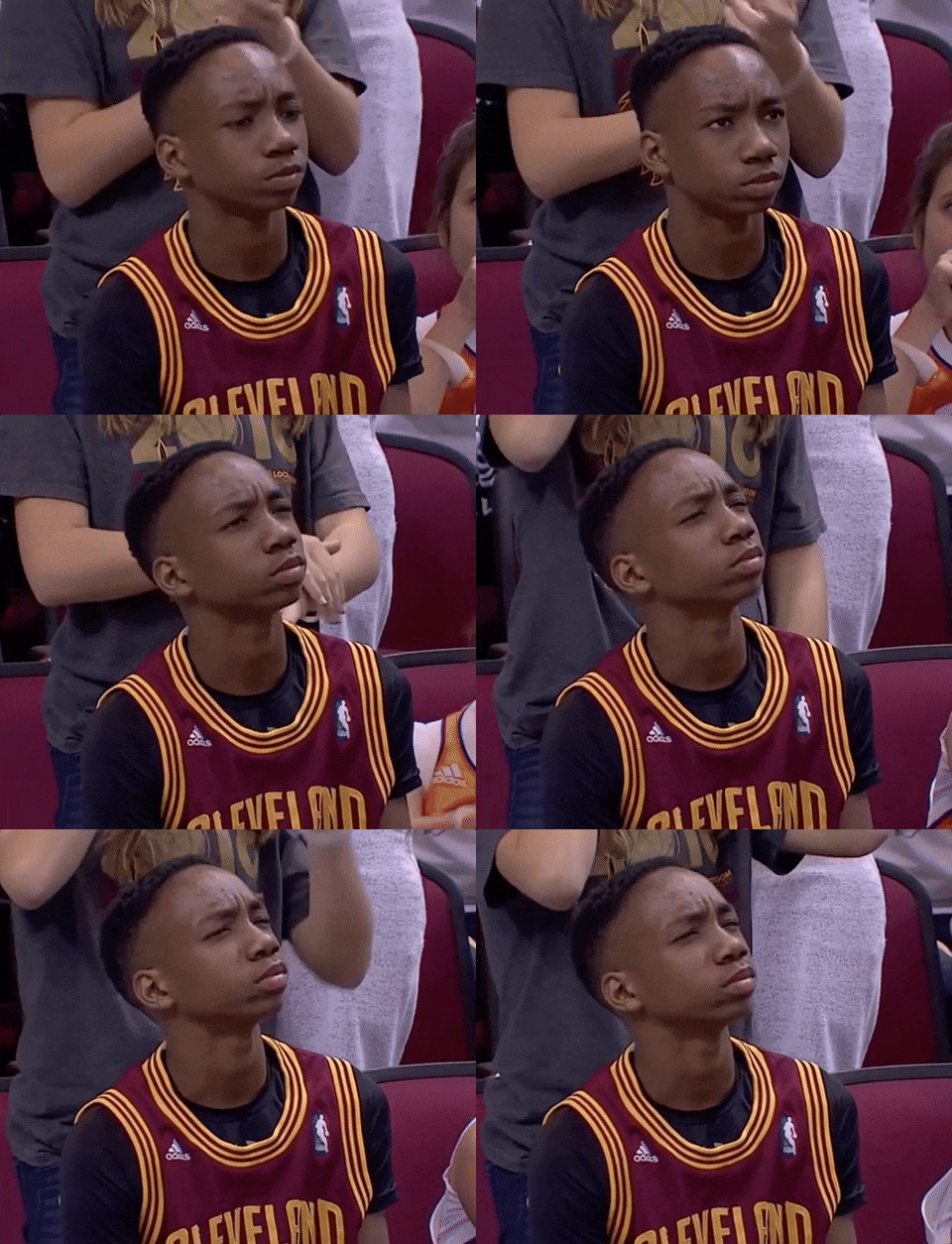
Meme Of The Week: Presidential Alert Meme Is The Laugh We All Need

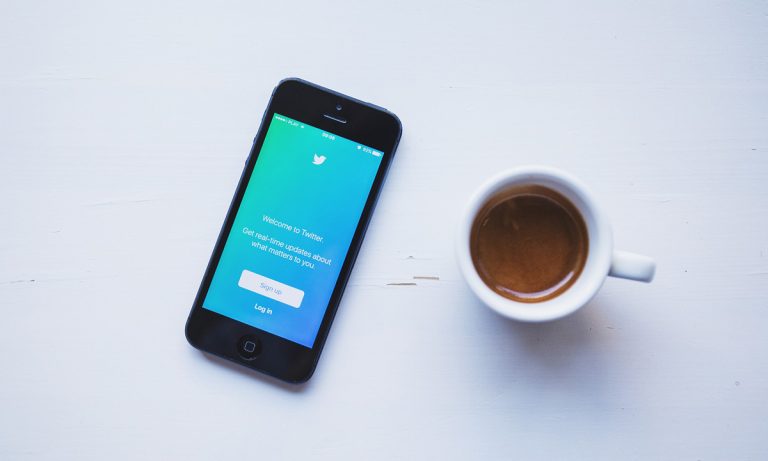
If you weren’t the recipient of one yourself, it’s a safe assumption that you know all about the presidential alert that went out this past Wednesday — essentially a group text that included almost everyone in the country. The alert was sent out in order to test out the Wireless Emergency Alert system, which notifies Americans in case of a national emergency, natural disaster, or terrorist attack.

It was only a matter of time before the text in the emergency alert was swapped with all sorts of messages and jokes, becoming the latest meme online.

There’s not much explanation or science to this meme, which doesn’t make it any less fun. It’s pure escapism, making classic jokes such as “U up?” and referencing Harry Potter movies. Users add in all sorts of jokes and they work really well if you picture Trump voicing the messages as if they were a personal text.

Don’t worry. The president can only text you in case of a serious emergency, so if you see a text like this one in the future, it means that the world is ending or something bad is happening. Let’s just laugh with some memes and pretend that everything is okay for once. You deserve it.

True Or False: A Polygraph Is A Reliable Lie Detector

Attorneys for Christine Blasey Ford, the woman who’s accused Supreme Court justice nominee Brett Kavanaugh of sexual assault, released the results of a polygraph test focused on the decades-old incident. They suggest that Ford’s responses to two questions about her allegations were “not indicative of deception.”

How trustworthy is that assessment and the polygraph technology it relies on?

People have long yearned for some way to separate truth from falsehood, whether in high-stakes court cases or family kerfuffles. Over the years, inventors have developed an evolving assembly of tools and instruments aimed at figuring out whether someone is telling a lie. They’ve tried to incorporate increasingly more science, but with varying degrees of success. Society has often looked to instruments like the polygraph to inject some objectivity into the detection of deception.

As a defense lawyer, I’ve had many a client tell me that he or she did not commit the alleged crime. But I’ve never asked a client to submit to a polygraph exam: It’s high risk, low reward, and the results – while inadmissible in a criminal case – are unpredictable. Just how reliable is a polygraph at identifying who’s lying and who’s telling the truth?

Looking for signs of lies

Methods of lie detection have progressed from their torture-centric roots. Early techniques included subjecting someone to a water test: Those who sank were considered innocent, while floating indicated guilt, lies and witchcraft. Neither outcome was good news for the accused. In medieval Europe, an honest man was thought to be able to submerge his arm in boiling water longer than a liar.

Eventually people developed more humane methods, focusing on physiological factors that could be used as arbiters of truth. In the early 20th century, William Moulton Marston – self-proclaimed “father of the polygraph” – showed a strong link between systolic blood pressure and lying. Basically, spin a tale and your blood pressure rises. Martson also created the comic book character Wonder Woman, whose golden lasso can extract the truth from those it ensnares.

In 1921, physiologist John Larson, from the University of California, Berkeley, was the first to couple measurements of both blood pressure and breathing, looking at rises and drops in respiration. The Berkeley Police Department adopted his device and used it to assess the trustworthiness of witnesses.

In 1939, Larson’s protégé, Leonarde Keeler updated the system. He made it compact for travel and added a component to gauge galvanic skin response, which measures sweat gland activity that could reflect the intensity of an emotional state. His device, purchased by the FBI, was the precursor to the modern polygraph. Later versions were variations on this original.

Sensors detect changes in how the subject’s body reacts to questions from the examiner. AP Photo/Fernando Vergara

Lie detectors today

“Lie detector” is a broad term. It most often refers to a polygraph, but also applies to a Certified Voice Stress Analysis, an fMRI brain scan, or even software used to analyze the word choice and variation a subject uses when recounting an event.

What today’s polygraph does is encapsulated in the word itself. “Poly” means many or multiple, and “-graph” means to write. The system records several physiological responses – most often perspiration, heart rate, breathing rate and blood pressure – and graphs them out visually for an examiner to interpret.

There are two most common approaches to administering a polygraph. In what’s called the Controlled Question Technique, an examiner will ask irrelevant questions, control questions and relevant questions. Then, based on what he sees in the graphical representation of the subject’s physiological responses, he will identify whether they change significantly in response to relevant questions. The underlying assumption is that deception will, due to the stress induced by lying, lead to a measurable response in the form of increased perspiration, heart rate and so on.

The second approach is known as the Guilty Knowledge Test, which is really a misnomer. It tests any knowledge of events, not just guilty knowledge. The examiner measures a subject’s response to specific questions in an attempt to discern whether the subject does in fact have personal knowledge of an event. This could be anything from knowing how many times a victim was stabbed to the color of the getaway car.

Presumably, a person who lacks knowledge of an event would not react significantly differently to the accurate answer because he or she wouldn’t know what’s right and what’s not. Meanwhile, so the logic goes, a person who has firsthand knowledge would demonstrate a physiological response. Of course, this method also has inherent limitations regarding, among other things, what types of questions may be presented.

Can polygraphs really tell truth from lies?

The efficacy of polygraphs is hotly debated in scientific and legal communities. In 2002, a review by the National Research Council found that, in populations “untrained in countermeasures, specific-incident polygraph tests (GKTs) can discriminate lying from truth telling at rates well above chance, though well below perfection.” Better than flipping a coin to figure out whether someone is telling the truth, but far from achieving consistent and reliable results.

The NRC warned against using polygraphs in employment screenings, but it did note that specific-incident polygraph tests in the field yield more accurate results. It seems targeted, relevant questions – for instance, “Was the robbery committed with a gun?” – meant to unmask a subject who may have a strong motive to lie or conceal information seem to work better.

Polygraphs can deliver false positives: asserting that someone is lying who is actually telling the truth. The consequences of “failing” a polygraph can be serious – from not getting a job to being labeled a serial killer.

In the 1998 Supreme Court case United States v. Scheffer, the majority stated that “there is simply no consensus that polygraph evidence is reliable” and “[u]nlike other expert witnesses who testify about factual matters outside the jurors’ knowledge, such as the analysis of fingerprints, ballistics, or DNA found at a crime scene, a polygraph expert can supply the jury only with another opinion.”

Notably, litigation over the precursor to the modern polygraph gave rise to the seminal Frye opinion from the D.C. Circuit in 1923, which held that the polygraph evidence was inadmissible in court. In 2005, the 11th Circuit Court of Appeals reiterated that “polygraphy did not enjoy general acceptance from the scientific community.”

The reality is that multiple factors – including nervousness in a high-stakes situation – can affect the readings detected by a polygraph machine, and give an impression that the subject is lying. For that reason, polygraphs are not generally admissible in any criminal case, even though police interrogators will sometimes trick a suspect into submitting to one. Polygraphs may be admissible in civil cases, depending on the state, and some states allow polygraph tests to be used in criminal cases if everyone agrees to it.

Better than nothing?

In short, polygraphs may offer some – albeit slight – confidence that a person is telling the truth about a particular incident. Studies have shown that when a well-trained examiner uses a polygraph, he or she can detect lying with relative accuracy.

But a polygraph is not perfect: An examiner’s interpretation is subjective, and results are idiosyncratic to the person being tested. Under the right circumstances, the polygraph allegedly can be fooled by a trained individual. Even some of my forensic evidence students “beat the test” when I bring a polygraph examiner in for a classroom demonstration.

Perhaps the 11th Circuit summed it up best: There is no Pinocchio factor associated with polygraphs. As much as we’d like a sign as obvious as a growing nose, there’s no 100 percent reliable physical sign of telling a lie.

A polygraph examination demonstrates “that the examinee believes her own story.” And perhaps that’s enough. A subject’s willingness to even submit to an exam often reveals a level of veracity and can fill a void when the other party has not similarly submitted to an exam.The Conversation

Jessica Gabel Cino, Associate Dean for Academic Affairs and Professor of Law, Georgia State University

This article is republished from The Conversation under a Creative Commons license. Read the original article.

Mormon Church Backs Medical Marijuana Initiative In Utah

0

Although the Mormon Church has been in vehement opposition to an initiative designed to legalize a statewide medical marijuana program, it appears that is no longer the case. An apparent “compromise” has been reached between the church, cannabis advocates and Governor Gary Herbert, according to various reports. So, just like that, the Church of Jesus Christ of Latter-day Saints, which has always maintained an anti-drug policy for its parishioners, now supports marijuana for therapeutic use.

That means that no matter what happens in the upcoming November election, medical marijuana will have an opportunity to move forward. Herbert says he intends to bring lawmakers in for a special session after the midterm election to hash out a palatable deal, regardless of how the election pans out. If voters approve Proposition 2, the initiative will be revised to make good on the compromise. If it fails, the issue will be brought to the table under a similar model.

“Today we have a group of people who’ve come together to help create a better policy than exists in Proposition 2, which will provide for us to have access to safe cannabis-based treatments and really a framework for true medical marijuana use,” Herbert saidat a press conference.

The Mormon faith was initially against the concept of medical marijuana because of concerns that it would spiral into widespread use. This attitude put the church at odds with the majority of the voters. A poll released earlier this year found 77 percent of the voting public is in support of medical marijuana.

So, the compromise, which, according to Herbert, will focus on the unintended consequences of legalization, should prove beneficial for all parties involved. It is at least a sign that the issue of medical marijuana is no longer considered taboo in conservative Utah.

But that doesn’t mean that the church supports Proposition 2. Elder Jack Gerard said it continues to oppose the language of the initiative, but that it would, to some degree, stop campaigning so desperately against it. The compromise is what the church is behind wholeheartedly.

“We believe it creates a framework that is good for patients, their caregivers, is good for children, and in our mind, that’s good for Utah,” Gerard said.

Is there a chance the deal will fall through?

That doesn’t seem likely. The agreement reportedly has the full support of the church and the Republican-dominated state legislature. All of the controversial points included in Proposition 2 have been eliminated, which has put opposing forces at ease. The compromise will not come with a home cultivation provision, nor will permit edibles that are attractive to children. Smoking will be banned. Also, medical marijuana will be distributed exclusively through local health departments.

Still, medical marijuana advocates were quick to take the deal to prevent foreseeable hassles if Proposition 2 was victorious at the polls.

Ben Affleck Issues Statement After 40 Days Of Rehab; Brad Pitt Seen Getting ‘Flirty’ With Holistic Nurse

BEN AFFLECK ISSUES STATEMENT AFTER 40 DAYS OF REHAB

This week I completed a forty day stay at a treatment center for alcohol addiction and remain in outpatient care.

The support I have received from my family, colleagues and fans means more to me than I can say. It’s given me the strength and support to speak about my illness with others.

Battling any addiction is a lifelong and difficult struggle. Because of that, one is never really in or out of treatment. It is a full-time commitment. I am fighting for myself and my family. So many people have reached out on social media and spoken about their own journeys with addiction. To those people, I want to say thank you. Your strength is inspiring and is supporting me in ways I didn’t think was possible. It helps to know I am not alone. As I’ve had to remind myself, if you have a problem, getting help is a sign of courage, not weakness or failure.

https://www.instagram.com/p/BohgO4KAAz5/?taken-by=benaffleck

With acceptance and humility, I continue to avail myself with the help of so many people and I am grateful to all those who are there for me. I hope down the road I can offer an example to others who are struggling.

BRAD PITT WAS SEEN GETTING ‘FLIRTY’ WITH A HOLISTIC NURSE AT A CHARITY EVENT

Brad Pitt has sparked fresh dating rumours after being spotted on a night out with a female pal in LA. The actor, 54, was joined by jewelry designer and holistic therapist Sat Hari Khalsa at the Silverlake Conservatory of Music annual charity bash this week. The pair were seen smiling and laughing as they chatted closely at the event.

A clean-shaven Brad kept a low-profile in his dark flat cap and blazer, while Sat was wearing a white dress underneath a white cardigan. Some US reports said he arrived with her, but a source said they are just friends. The event was hosted by Brad’s good friend, Flea from Red Hot Chilli Peppers, who also founded the charity. Sat previously joined the Chilli Peppers on tour as their holistic nurse.

CHRISTINA AGUILERA ON BRITNEY SPEARS AND MADONNA KISS!

Everybody remembers the infamous kiss Britney Spears and Madonna shared at the 2003 MTV Video Music Awards, but not everybody remembers that Christina Aguilera was there too.

During an interview with Andy Cohen on SiriusXM’s Radio, Cohen asked Aguilera, 37, if she felt bothered that her role in the performance didn’t get the same kind of press, even though she also locked lips with the “Like a Virgin” singer.

“It was weird,” Aguilera, who recently kicked off her Liberation Tour, admitted. “And you know why they cut it? The cut away to get Justin [Timberlake]’s reaction.”“She can have her kiss, it’s okay,” she added. Aguilera also said that she would love to see Britney again.

“I would love to reconnect somehow and have a tea date or something with Britney,” she admitted. Continuing, she remarked, “I don’t know, I think that would be really fun after all these years, both being mamma bears now.”

This Is The Age When We’re Most Self-Confident

0

Like a fine wine or George Clooney, many things improve with age: wisdom, the ability to tune people out on social media, the art of saying “no” …and now we can add self-esteem to the list.

According to a recent study published in the journal Psychological Bulletin, 60-years-old seems to be the magic number for our self-confidence levels, which may stick around for a full decade. Researchers studied data from more than 164,000 people.

Results showed that average levels of self-esteem increased from age 4 to 11 years, remained stable from age 11 to 15, increased strongly until age 30, continued to increase until age 60, peaked at age 60 and remained constant until age 70, declined slightly until age 90.

The analysis revealed that “people’s self-esteem changes in systematic ways over the life course.” On average, self-esteem increases in early and middle childhood, remains constant in adolescence, increases strongly in young adulthood, continues to increase in middle adulthood, peaks between age 60 and 70 years, and then declines in old age, with a sharper drop in very old age.

“Midlife is, for many adults, a time of highly stable life circumstances in domains such as relationships and work. Moreover, during middle adulthood, most individuals further invest in the social roles they hold, which might promote their self-esteem,” study co-author Ulrich Orth, a professor of psychology at the University of Bern in Switzerland, told TIME.

Up until this extensive study, it was assumed that confidence levels would take a hit during the “awkward” teenage years, but that’s not the case at all. Instead, it plummets in old age. Explains Orth:  “Old age frequently involves loss of social roles as a result of retirement, the empty nest, and, possibly, widowhood, all of which are factors that may threaten self-esteem. In addition, aging often leads to negative changes in other possible sources of self-esteem, such as socioeconomic status, cognitive abilities and health.”

The pattern of findings from the study holds across gender, country, ethnicity, and birth cohort.

5 Apps To Help You Break Up With Facebook

Are you ready to say goodbye to Facebook but don’t want to drop all the awesome apps and services that it offers? Do you even know how many apps and companies Facebook owns?

While Facebook has faced a tough year in terms of publicity, apps such as WhatsApp and Instagram — both owned by Facebook — have not suffered because both brands, fortunately, have enough recognition and strength to stand on their own. While you won’t find an app that rivals Facebook in terms of scope, there are dozens of apps that provide cool services and unite people with similar interests.

Popular Science compiled a list of some apps that can help you replace the Facebook-sized hole in your life. Check out five of our favorites:

Ello

https://giphy.com/gifs/hipster-30-rock-no-KmZjJZBvqwr0k

This app is great for artists and creative people, creating a profile for you based on your interests and the type of content you want to watch, be that  photography, writing, painting, and more. The app also allows you to follow artists, post or repost art, and connect with others.

Peanut

This app is the ultimate social media site for moms, allowing users to provide support for each other, discuss stories, receive some advice, or facilitate meet-ups. Peanut is very similar to Tinder, pairing you up with people who live in your area, swiping left or right if you want to connect with them.

Wanelo

https://giphy.com/gifs/money-shopping-i-love-it-BwmyYZjbTDJhm

Wanelo is a social media site for shopping, offering the best deals on all sorts of products. You can follow shoppers, create lists, swap bargains, and more. Wanelo asks for your personal information in order to provide a curated profile for you, making for a fun experience. This app is another interesting experiment, combining shopping with a social media platform which may result in something really unique.

Vero

https://giphy.com/gifs/orange-is-the-new-black-piper-chapman-myedit-70etMB6O2Vp28

Vero is like the poor man’s version of Instagram: a photograph based social media site that although still in development holds a lot of potential for growth and development. The three-year-old app with a strictly chronological feed allows you to upload images and videos, but also allows you to post recommendations of books, movies, and music, while allowing you to filter who gets to see what posts. It’s a bit of a strange experiment, but it plans on growing and charging a fee for users once it gets up and running. If any of this interests you, sign up as soon as possible and skip out on the coming fees.

Tumblr

https://giphy.com/gifs/blog-scott-pilgrim-7rQf04hfkMx9K

By far the biggest app on this list, Tumblr has over 365 million devoted users who think that the site is better than all the rest. Tumblr is an amazing place for fandoms and for people who have distinct interests and passions. Part time blog and part time social media site, your Tumblr profile allows you to upload photos, videos, text posts, audio files, and more. It’s also fun and addictive, providing a practically endless loop of content from all sorts of sources.

That Time Kate Middleton Dated Prince William’s Rival

For whatever reason, there’s been a lot of reliving the messy breakup that Kate Middleton and Prince William experienced more than a decade ago when they decided to take “a break” after their college romance got a little too heavy too fast. During that time, both Will and Kate saw other people. And neither were happy about it.

https://giphy.com/gifs/netflix-friends-xUOwGaK4KQ9Z6WZqso

Recently, it was disclosed that Will crushed hard on a woman named Isabella Calthorpe that sent Kate spiraling into a fit of jealousy. Nothing every happened between Will and Isabella (that we know of), but it’s rumored she was one of the reasons Kate and Will split in the first place.

And now we know that Kate got revenge in the bet way possible. She dated Will’s rival. Specifically, his Eton college schoolmate, otherwise known as shipping heir Henry Ropner. He is also the former boyfriend of someone named Jecca Craig, who William actually dated after she and Ropner split. Don’t the royals have any other options??

Back in 2007, the Daily Mail (by way of The Sun) reported that the two hooked up less than two months after Kate and Will called it quits. Ropner was there to “cheer her up” in her time of need. How gentlemanly of him!

A source told The Sun: “Henry is delighted to be there for Kate now that she’s split from William. They’ve been meeting up and enjoying themselves.” Uh huh.

https://giphy.com/gifs/kate-royalty-middleton-i8QAoKuqgFnry

The source (we see you Queen Elizabeth!!) continued: “There’s been a lot of flirting. Now she’s single, Kate is enjoying Henry’s company regularly.”

“Henry is very wealthy. He has moved in William’s circle for years.”

Kate and Will reunited shortly after she started seeing Ropner, which some speculate was initiated by Will and his fierce jealousy.

But all the drama was short-lived. In fact, Ropner got married to Natasha Sinclair (who?) just a few months after the royal couple tied the knot — a decision reportedly “inspired” by Kate.

[h/t InStyle]

You Won’t Believe How Many Americans Eat Fast Food On A Daily Basis

Look, we’ve all been in need of a quick bite. That feeling when your stomach is rumbling and you just want something swift and flavorful to satisfy your hunger pangs. In that moment, fast food is always there, like an artificial beacon of light willing to help you in exchange for a quick buck and a spike your cholesterol level.

And yet it’s still shocking that on any average day, nearly 40 percent of Americans consume fast food. According to a report from CDC’s National Center for Health Statistics, 36.6 percent of adults admitted to eating fast food in the past 24 hours between 2013 and 2016. This is a lot of burgers, fried chicken, and tacos.

Those in younger age groups consumed the most fast food of any demographic. Researchers were able to conclude that as we get older, we tend to eat less fast food. Neither of those statistics should come as a surprise. What should is that fast food consumption actually rises with income levels. Fast food is not just for poor college kids anymore.

Among genders, men were more likely to report eating fast food during lunch while women admitted to hitting up a drive-thru for a quick snack.

Now, we don’t need to tell you the devastating effects eating fast food can have on your health. Another recent study from the British Medical Journal found that eating too much “ultra-processed foods,” like sugar cereal and candy, directly impacted your likelihood of getting cancer.

So maybe let’s lay off all the fast food, America. Not all the time, of course. We’re not monsters. Just make it a treat instead of an everyday thing…if you have to have it. Your health will thank you later.

Can Medical Marijuana Cure My Fear Of Public Speaking?

Toking out in the green room might not make you better at speaking in public, but it will make you a more courageous one.

That’s the result of a 2011 study published in Neuralpsychopharmacology (my favorite nonosyllabic word). In an experiment sublime in both its simplicity and cruelty, a team of researchers from the University of Sao Paulo tested two sets of nervous speakers by dosing one with CBD, one of the active ingredients in marijuana, and giving the other a placebo. They then instructed the subjects to compose a four minute speech (on the scintillating topic of public transportation), which would be videotaped. Both were compared against a group of un-nervous speakers, a so-called healthy cohort.

The researchers were genuinely undecided going into the experiment, noting in the report that “the relationship of cannabis with anxiety is paradoxical.” On one hand, many cannabis users smoke specifically to manage their anxiety. But on the other hand, intense panic attacks are some of the most common of marijuana’s undesirable side effects.

The results, however, were unambiguous: The phobic speakers who had taken CBD felt less anxious and uncomfortable than their un-dosed peers. Their thinking was less impaired and they also felt less dread anticipating their performance. In fact, there was no appreciable difference between them and the healthy control group.

On the downside, the CBD cohort all delivered variations of the same talk, exhorting listeners to examine their hands—really examine their hands.

OK, that was a cheap joke. And an incorrect one too, because it’s not CBD, but the intoxicating THC that’s the cannabinoid responsible for stoney logic. But there was at least one nonfictional cause for possible concern in the trial: CBD “almost abolished” negative self-evaluation.

While it’s true that negative feelings perpetuate anxiety, it’s also true that negative self-evaluations are what drive us to improve. What’s missing from the study is whether the speakers’ self-satisfaction was warranted. In this age of TED-talk proliferation, the last thing we need is another influx of supremely confident speakers who actually have nothing to say.

8-Year-Old Finds 1000 Year Old Relic

It is something like the start of kid’s adventure book – except is real life.

In what sounds like a classic fable come to life, a kid is exploring around a beautiful body of water, and the 8-year-old finds 1000 year old relic. The Swedish found an ancient sword while playing in a local lake.

According to The Local, the water level of Vidöstern lake was very low this year due to a drought, which might have contributed to why the young girl, Saga Vanecek, spotted the sword so easily. The relic was taken to the Jönköpings Läns Museum where curators confirmed that the sword is over a thousand years old, possibly dating to the pre-Viking days of the 5th century AD. “It’s about 85 centimeters long, and there is also preserved wood and metal around it,” said the museum’s Mikael Nordström. “We are very keen to see the conservation staff do their work and see more of the details of the sword.”

RELATED: Entomologist Explains Why You Should Not Kill Spiders In Your Home

For now, the sword won’t be available for display since it has to undergo a preservation process that could take up to a year. After the sword was discovered, several teams and researchers from the museum were sent out to search the area, asking the little girl to keep her finding a secret in order to prevent people from tampering with the area.

“I was outside in the water, throwing sticks and stones and stuff to see how far they skip, and then I found some kind of stick,” explained Vanecek. She was asked if she wanted to be an archeologist, but she said that she wanted to be a doctor, a vet, or an actress. She’s not interested in saving the world or in becoming the next Arthur.

Don't Miss Your Weekly Dose of The Fresh Toast.

Stay informed with exclusive news briefs delivered directly to your inbox every Friday.

We respect your privacy. Unsubscribe anytime.