Thursday, June 18, 2026
Home Blog Page 893

Medical Marijuana Protects Against Strokes, Study Finds

Strokes kill 140,000 Americans each year and nearly 800,000 suffer from an attack. But a promising study suggests that cannabis may lower a person’s risk of having a stroke.

The research, conducted at the Center for BrainHealth at The University of Texas and published in the journal, “Neuropsychopharmacology,” found marijuana improves oxygen and blood flow to the brain, reducing the risk of clots that cause a brain attack.

Dr. Francesca Filbey, the lead researcher and her team have discovered that the “primary psychoactive ingredient present in cannabis —tetrahydrocannabinol (THC) — relaxes arterial walls resulting in lower blood pressure and increased blood flow to tissues.”

The research team also claim that frequent cannabis consumers have the lowest risk for stroke because of their extremely efficient brain blood flow.

While the reason for the brain changes related to chronic marijuana use is unclear, Filbey said that these changes may reflect underlying differences in brain tissue metabolic rate.

“Past marijuana research has shown changes in cognitive functions such as memory and executive functioning. Our study seeks to understand the possible neurophysiological mechanisms that may drive these cognitive changes,” said Filbey, who is also Bert Moore Chair in BrainHealth and head of the cognitive neuroscience program in the School of Behavioral and Brain Sciences.

The study consisted of 74 cannabis users and 101 nonusers matched for age and IQ. All users reported at least 5,000 usages over their lifetime and daily use for 60 days leading up to the study. Participants were required to refrain from cannabis for 72 hours before the study to eliminate acute effects of the drug. Participants underwent magnetic resonance imaging, and THC metabolite levels were measured using urinalysis.

Filbey and her team found that cannabis users showed “higher global oxygen extraction fraction and cerebral metabolic rate of oxygen” compared to nonusers. Also, blood flow in the putamen — an area of the brain associated with reward learning and habit formation — was found to be greater in users than nonusers.

Increased blood flow in the putamen may either reflect the capacity of THC to dilate blood vessels or the development of additional circulatory pathways.

“Currently, cannabis is the most widely used illicit drug. As it becomes more widely legalized, understanding neurophysiological alterations and its effects on the brain’s health and performance are becoming increasingly relevant,” Filbey said.

10 Types Of Marijuana That Will Help Suppress Your Appetite

Know that there are multiple ways to consume marijuana, you can eat or drink it, rub it into your skin, vape, smoke and much more.

Marijuana provides stress relief, helps out in social situations and makes your creativity bloom, it’s the world’s most versatile plant, offering a kick to almost all activities. One of its major drawbacks (sometimes) is the increase of appetite, commonly known as the munchies, which can also be great, but not to your waistline. Lucky for you, we found 10 types of marijuana and are munchie free and will suppress your appetite.

Know that there are multiple ways to consume marijuana, you can eat or drink it, rub it into your skin, vape, smoke and much more. Ask the budtenders at your local dispensary which products have the strains listed and then pick how you want to put it into your body.

Here are 10 types of marijuana you can consume for when you want to rein in that hungry monster that lives inside all of us:

http://giphy.com/gifs/end-full-bAlYQOugzX9sY

Durban Poison

This pure sativa comes with energizing and uplifting effects, offering the best results for when you need to stay productive and have to seize the day. It’s also earthy and sweet, with a pine smell that’s crazy good.

XJ-13

This hybrid strain offers euphoric buzz that’s perfect for stimulating great conversations and your creativity. It’s also great for newbies who don’t want to deal with paranoia, producing a super relaxing high.

Blue Dream

This hybrid is among the most famous strains in California and for good reasons, inducing cerebral stimulation and full body relaxation. Its great for people who are suffering with depression, pain or other ailments that require high THC content.

Doug’s Varin

Providing a high that’s short and sweet, this sativa strain contains a lot of THCV, which gives you a burst of energy while suppresses your appetite. Doug’s Varin is great to consume before a short activity that requires focus, providing that extra kick and supply of energy.

Jack The Ripper

http://giphy.com/gifs/qPiiMhjwXzvYA

This type of marijuana provides an intense and longlasting stimulating effect that can be super fun and energizing.

Power Plant

With a sharp, peppery taste and a pungent smell, Power Plant will give you a clear headed although intense buzz, making you happy and igniting your creativity.

Medihaze

This plant comes with serious uplifting effects and some really delicious smells, combining the scents of pine, mint and spices. It’s also great for relieving pain, anxiety and inflammation.  

Harle-Tsu

This new strain will give you pain and inflammation relief without any psychoactivity, providing no paranoia or anxiety.

Cannatonic

This type of marijuana produces a brief high that’s super relaxing and uplifiting. It’s also great for treating migraines, anxiety and any type of physical or muscular pain.

Red Congolese

http://giphy.com/gifs/cool-palm-trees-1hujy3a24Q3eM


Very popular in California, this type of sativa will give you a weightless euphoria while at the same time helping you focus and giving you mental clarity. It’s also great for treating nausea and tension.

Katy Perry Called Pope This And More

Pope Francis has apparently left quite an impression on pop star Katy Perry.

The American singer-songwriter, who met the pope in April, told Vogue Australia that she’s a “big fan” of Francis.

“It’s a combination of compassion, humility, sternness and refusal,” Perry said in a wide-ranging interview published Wednesday. “He is rebel ― a rebel for Jesus.”

Perry said she appreciated the pope’s love of animals, and that he took the name of her favorite saint, Francis of Assisi. She also said she admires that he sticks to his vow of poverty, even at the Vatican.

Kate And William’s Secret Vacation

The Duke and Duchess of Cambridge and their children Prince George, Princess Charlotte and Prince Louis are believed to be enjoying their first holiday as a family of five in Mustique. While no photographic proof has surfaced, Twitter is rife with comments that the royals have headed to the Caribbean. According to royal blogger Tea Time with the Cambridges, the family were spotted arriving at St Lucia airport, where they then boarded a private plane to their next destination – the small island of Mustique. Kate’s family, the Middletons, were also spotted. Kensington Palace has declined to comment.

Mustique, which is a favourite with royalty and celebrities alike, is extremely exclusive. It has around 100 luxury villas and operates a no-fly zone over the area, which would be perfect for the Cambridges and their young children. The royals would be able to soak up the sun and enjoy some relaxed, carefree downtime away from the public eye.

It’s not clear which of the Middletons have joined the party, but Kate’s parents Carole and Michael are likely to be in Mustique too, as is Kate’s younger sister Pippa, who may be enjoying a babymoon with her husband James Matthews ahead of the arrival of their first child. The group also have extra reason to celebrate – not only would the Cambridges be marking their first holiday as a family of five, but William and Kate’s son Prince George is turning five on Sunday.

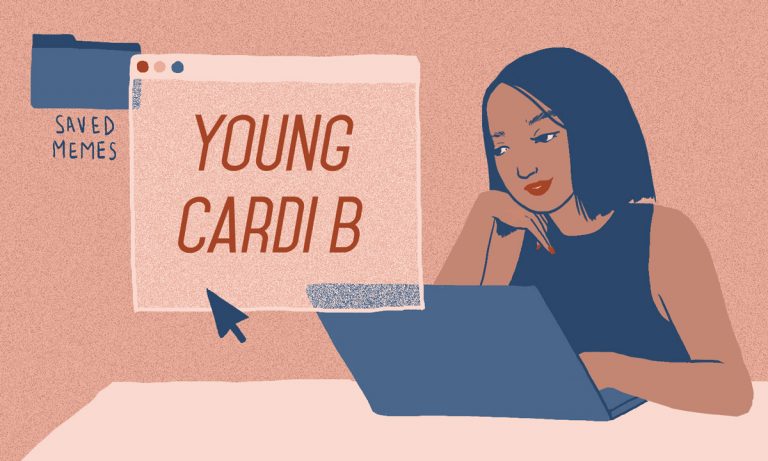
Meme Of The Week: Young Cardi B Is The Sassy Response For Every Occasion

Cardi B took over the world  last year with a couple of amazing songs and collaborations with singers, and an enviable attitude and personality. With a combination of sassiness and hilarity, Cardi B gave us millions of reaction gifs and phrases that lend themselves to almost every situation.

A photo of 5-year-old Cardi, who simultaneously looks adorable and like she’s judging you, is her latest viral offering that lends itself perfectly for a meme, with people attaching different phrases on it while putting the image on different scenarios.

Most of these memes start with the phrase “My mommy says,” followed by a situation that’s funny and eerily reminiscent of your childhood. You may find yourself identifying with Cardi – if you were an annoying kid – or remembering someone who was just like her.

Yaaaa annoying for this ?????Leave five year old Belcalis alone ??

A post shared by Cardi B Official IG (@iamcardib) on

???????too funny cause i was a smart ass like this ???

A post shared by Cardi B Official IG (@iamcardib) on

Other versions of these memes take things further by photoshopping Cardi in different spots and giving the jokes more ammo.

Even Offset accepts the charm of the Cardi B meme and wears it proudly.

How Marijuana’s THCA Can Effectively Treat Your Worst Pain

Following is a conversation with Erin Green of Edibles by E regarding her unique edibles made with THCA.

First off, what prompted you to try CBD tinctures?
In December 2015, I underwent a back surgery and by March 2016, I was diagnosed with chronic pain and Fibromyalgia. Doctors prescribed the usual opiates for my symptoms: Norco, Percocet, and a few others. Then the memories of people in my life and the memories of their heartbreaking battles with opiate addiction came crashing down on me. A friend suggested that I use a CBD tincture to try and relieve my pain and hopefully replace the opiates. The CBD tincture that I ended up with was not the most palatable concoction but when is medicine supposed to be enjoyable?

Why did you switch to using THC?
I heard it was good for sleep. Fibromyalgia is notorious for insomnia and I’m no exception. And the THC worked. It got me to a place I could stop taking Ambien. And it was helping with my pain and it lessened the symptoms but I felt chronically high which I don’t want on a daily basis. I want to be a productive person and relate to other people and being high every day wasn’t making that very easy for me.

Photos courtesy of Edibles by E

I decided to not decarboxylate the THC first and just use the cannabis as is and without heat. I read that the psychoactive effects aren’t active unless heat is applied or unless you decarboxylate the cannabis first. Turned out that I still got relief from the cannabis without feeling the psychoactive effects. I later learned this is the cannabinoid called THCA.

How do you use THCA to treat your pain?
I use THCA during the day to help relieve my symptoms and my pain without being high. I use THC at night to also relieve pain and to help with sleep. Both cannabinoids have properties that are medically beneficial. Through my research though I do believe that THCA is a more powerful anti-inflammatory.

Surprisingly THCA is one of the stronger cannabinoids, for reasons I have yet to figure out, CBD is the only non-psychoactive cannabinoids marketed by the cannabis industry.  This is basically the reason Edibles by E was created. It felt like it was my duty to see to it that THCA was offered to people like me so at least they have this choice. It didn’t feel right to keep this information to myself.

Explain the products that you offer.
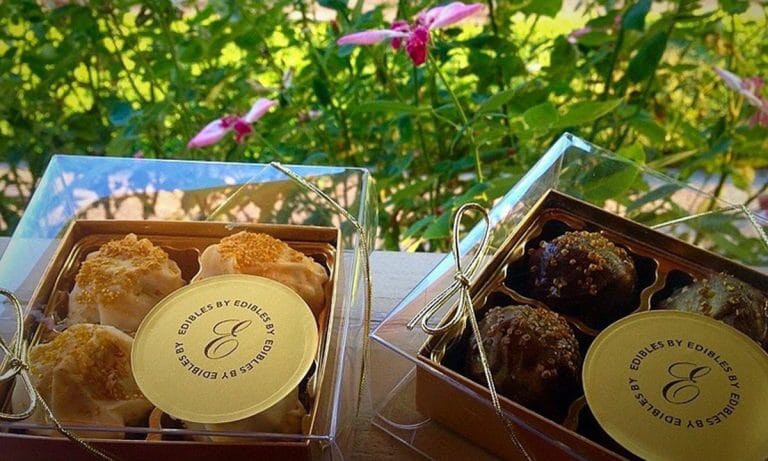
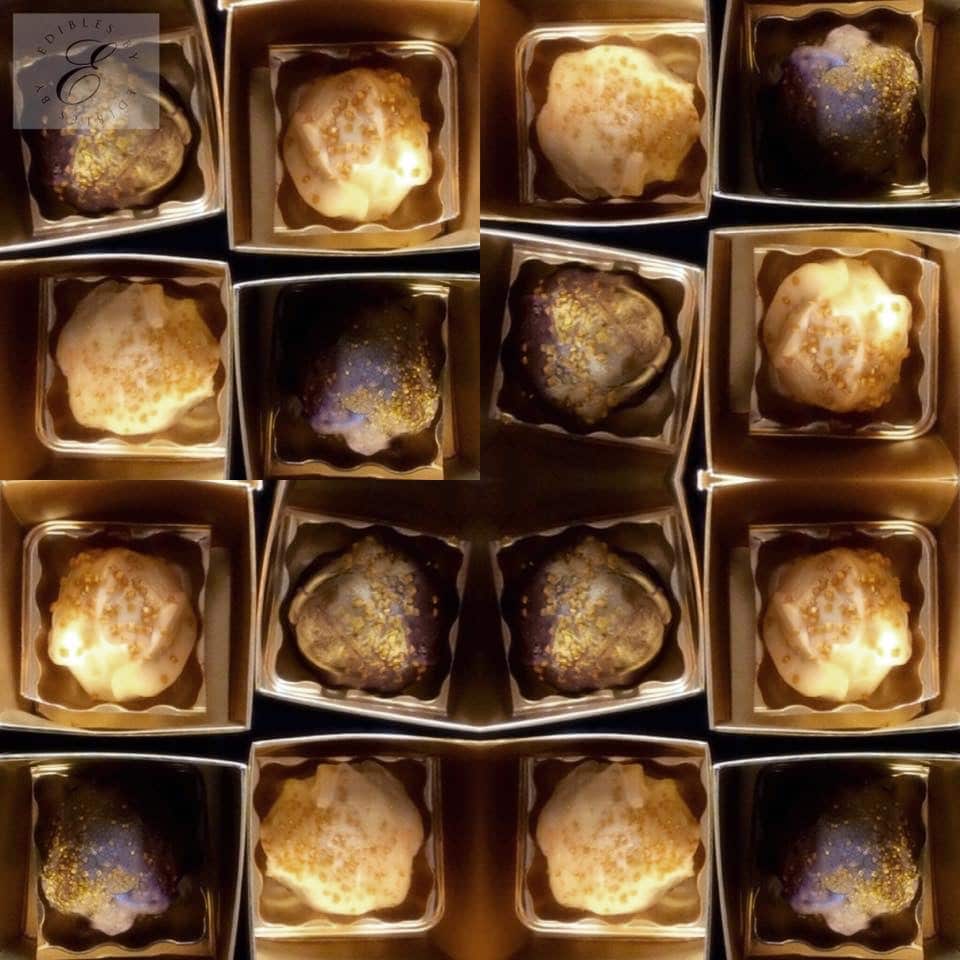
Some of our edibles come in both cannabinoids and are  low dose, allowing patients to accurately dose with the option of a psychoactive or non-psychoactive medication. We offer delicious truffle cakes in double chocolate or lemon chiffon, we created the Honey Shot which is cannabis infused flavored honey in a pipette (tube with a plunger) so you can get every drop plus a pipette cap in case you want to wait and save it for later. We also have our green apple and spearmint sublingual mints. Sublingual is a melt in your mouth delivery system so the effects are quicker than the ordinary edible that gets processed through the stomach and liver. These mints or lozenges are lower dosed and great for microdosing and for those new to cannabis.

Photos courtesy of Edibles by E

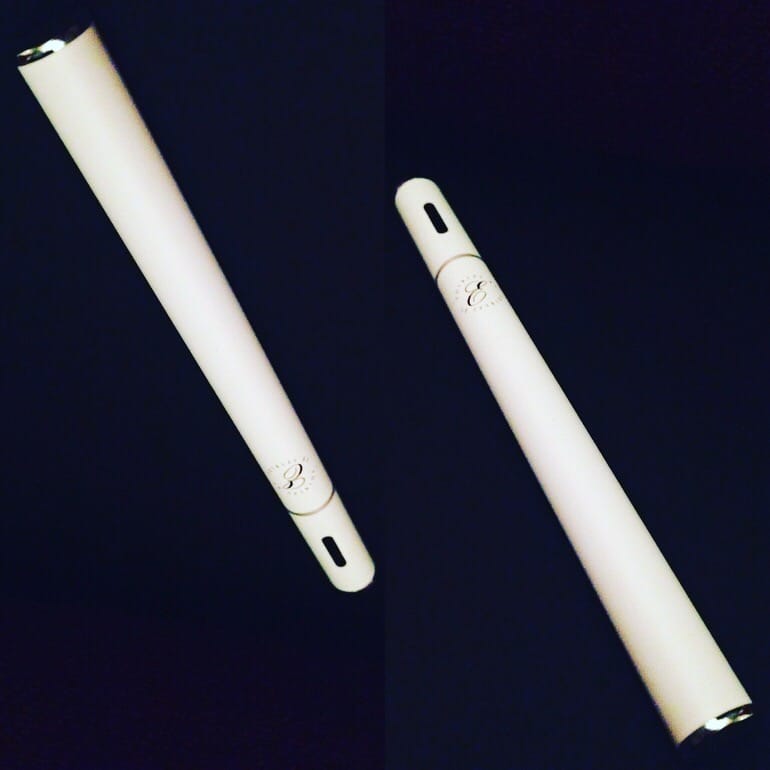
The most recent product we have out on the market is the ready to go easy vape. This is intended for people who are curious about vaping and also for those older people like my 70-year-old aunt who was letting her three grandchildren’s life choices stress her out so bad I couldn’t take it. I introduced her to our stylish and easy to use vape pen and she’s doing great now. She self medicates and doesn’t have to charge it or worry about a button to push or a cartridge to buy and it’s just classy enough that she called and asked me for one for her friend.

What are your future plans?
Terpenes have been my latest research project. They are what gives most natural elements the smells you’re used to like lavender and lemons and cloves. If you squeeze the leaves of the pine tree and you got a drop of liquid this would be a terpene. Along with aroma, terpenes also give you taste and when it comes to cannabis the terpenes combined with THC can offer certain medicinal benefits as well.  Our next product will be our new vape pen “Fullfilled.”  This will be ready to  and easy to use just like our current vape pen however instead of reintroducing terpenes to create the original strain of the cannabis oil we will add nine particular terpenes that we researched to create a perfect blended formula to give you the best flavors and aromas and to also work with the oil to add terrific medicinal  benefits.

A History Of The S’more, A Favorite Campfire Snack

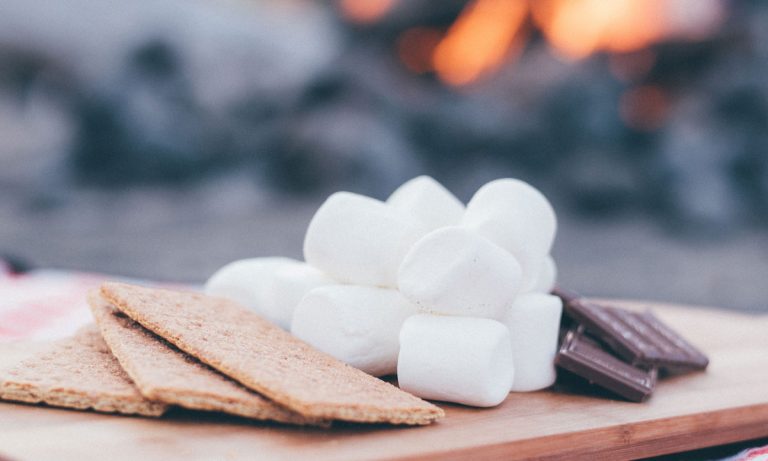
Receiving a surprise cameo in the hit movie The Menu, this summer, 45 million pounds of marshmallows will be toasted over a fire in America. Many will be used as an ingredient in the quintessential summer snack. Here is a history of the S’More, a favorite campfire snack.

Huddling around a campfire and eating gooey marshmallows and warm chocolate sandwiched between two graham crackers may feel like primeval traditions.

But every part of the process – including the coat hanger we unbend to use as a roasting spit – is a product of the Industrial Revolution.

The oldest ingredient in the s’more’s holy trinity is the marshmallow, a sweet that gets its name from a plant called, appropriately enough, the marsh mallow. Marsh mallow, or Althea officinalis, is a plant indigenous to Eurasia and Northern Africa. For thousands of years, the root sap was boiled, strained and sweetened to cure sore throats or simply be eaten as a treat.

The white and puffy modern marshmallow looks much like its ancient ancestor. But for hundreds of years, creation of marshmallows was very time-consuming. Each marshmallow had to be manually poured and molded, and they were a treat that only the wealthy could afford. By the mid-19th century, the process had become mechanized and machines could make them so cheaply that they were included in most penny candy selections. Today the marshmallow on your s’more contains no marsh mallow sap at all. It’s mostly corn syrup, cornstarch and gelatin.

Chocolate is another ancient food. Mesoamericans have been eating or drinking it for 3,000 years. The Europeans who encountered indigenous people in Mexico in the 1500s noted that chocolate was used to treat numerous ailments ranging from dysentery and indigestion, to fatigue and dyspepsia.

But again, it was the Industrial Revolution that made chocolate cheap enough and palatable enough for the average person. The chocolate that the Mesoamericans ate was dark, grainy and tended to be somewhat bitter.

In 1875, a candlemaker-turned-chocolatier named Daniel Peter invented a process to mix milk with chocolate. He then added some more sugar, and the modern milk chocolate bar was born. Peter’s company eventually merged with Henri Nestle’s two companies, and Peter’s invention was dubbed the Nestle chocolate bar. It proved to be so much more popular than the darker bars on the market that other candy companies, from Cadbury to Hershey, released their own versions.

Finally, the graham cracker was invented by the Presbyterian minister Sylvester Graham, who felt that a vegetarian diet would help suppress carnal urges, especially the scourge of “self-pollution” (read: masturbation).

The original graham cracker used unsifted whole-wheat flour. Graham felt that separating out the bran was against the wishes of God, who, according to Graham, must have had a reason for including bran.

In his “Treatise on Bread, and Bread-Making,” he gives many examples of prominent writers throughout history who urged the consumption of whole wheat flour.

Graham was highly influential in the development of the health food movement of the 19th century, and his acolytes included John Harvey Kellogg of the Battle Creek Sanitarium, who used the graham cracker as a basis for his famous flaked cereal line.

As for how the graham cracker became a part of the s’more, the snack’s true origin remains unclear.

The first mention of this treat is in a 1927 edition of the Girl Scout manual “Tramping and Trailing with the Girl Scouts.” In a nod to the treat’s addictive qualities, it was dubbed “Some More.”

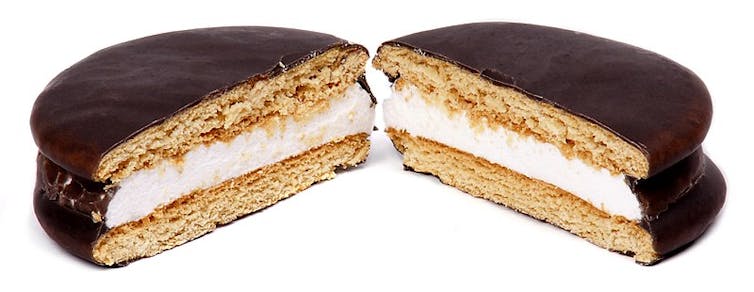
The term s’more is first found the 1938 guide “Recreational Programs for Summer Camps,” by William Henry Gibson. Some think the s’more may be a homemade version of the Mallomar or the moon pie, two snacks introduced in the 1910s.

Some think the moon pie may have inspired the s’more. Evan-Amos

Today, the s’more has become so popular that it’s inspired a range of spin-offs. You can eat a s’mores-flavored Pop Tart for breakfast, munch on a s’mores candy bar for dessert and even unwind after a long day at work with a s’mores martini.

The ConversationAs I often tell my students, the health-conscious Sylvester Graham is probably rolling over in his grave after what became of his beloved cracker. Hope you enjoyed a history of the S’More, a favorite campfire snack.
Jeffrey Miller, Associate Professor and Program Coordinator, Hospitality Management, Colorado State University

10 FDA-Approved Drugs Researched Less Than Cannabis

It is a bizarre world, the United States drug market. Although the federal government, specifically the U.S. Food and Drug Administration, must first deem a medication “safe and effective” before it is distributed to patients all across the country, the drug sometimes comes back to bite them in the ass. In fact, here are 10 FDA-approved drugs researched less than cannabis on the market!

There have been a number of medications recalled throughout the years because their side effects end up proving detrimental to patients. This is funny, considering that the cannabis plant still remains a Schedule I dangerous drug under the DEA’s Controlled Substances Act. Meanwhile, somewhere around 30 states have legalized it for medical purposes. So far, no shocking side effects have reared their ugly head. Still, the feds continue to block any chance of making it easier to research the herb to find out if it fits the criteria of an FDA approved medication. The only exception being the recent green light of GW Pharmaceutical CBD drug Epidiolex – a deal that cost the company billions to bring to fruition.

Related: Flying With Marijuana From One Legal State To Another Is Still Illegal

The fact that the FDA sometimes has to recall prescription drugs shows that the research process leading up to the all-important seal of “approval” is a bit of a scam. And the agency, perhaps trying to avoid getting wrapped up in a major scandal, does not make a lot of noise when it comes to pulling these drugs off shelves. In fact, most people would never know a drug has vanished from the market unless they were taking it at the time when the kill switch was tripped.

The FDA says it only does this “when the risks of the drug outweigh its benefits.” Basically, when harmful side effects come up “that were not known at the time of approval.” This happens when the drug simply isn’t given enough attention in the research phase. Considering there have been thousands of cannabis studies conducted over the years, here are 10 medications that were researched less than weed.

Accutane: The drug was marketed for nearly 30 years as an acne treatment. It was later found to cause a variety of birth defects and even miscarriages. The drug was also found to cause suicidal thoughts.

Darvocet: It was popular painkiller for more than five decades. It was later banned after being linked to thousands of heart-related deaths.

Cylert: Prescribed for around 30 years for ADHD, this drug was eventually pulled from the market for causing liver damage.

Posicor: This drug was used to treat hypertension and chronic angina pectoris. But it was short lived. After a year on the market, it was recalled for its capacity to have fatal interactions with common drugs.

Redux (Dexfenfluramine): A popular, but short-lived appetite depressant that was often prescribed with Phentermine (often referred to as Fen-Phen). It was pulled after just one year for causing heart problems.

Selacryn: The drug was marketed as a way to lower blood pressure. Come to find out, the drug company suppressed its negative research. It was later shown to cause liver and kidney damage.

Vioxx: Prescribed to millions of people as a NSAID painkiller (For example: aspirin, ibuprofen), the drug was yanked from the market after causing heart attacks and sudden cardiac deaths.

Related: Wyoming City Officials Grew Marijuana Without Realizing It

Quaalude: A popular sedative for more than 20 years was eventually declared a Schedule I dangerous drug after causing a variety of side effects, including seizures and death.

Permax: The drug was prescribed for almost 20 years for Parkinson’s disease. It was recalled for obstructing blood flow to the heart.

Omniflox: Once considered a groundbreaking antibiotic, the drug was pulled from the market after five years because it caused blood abnormalities, kidney failed and life-threatening breathing distress.


What FSD Pharma’s Collaboration With Canntab Means For You

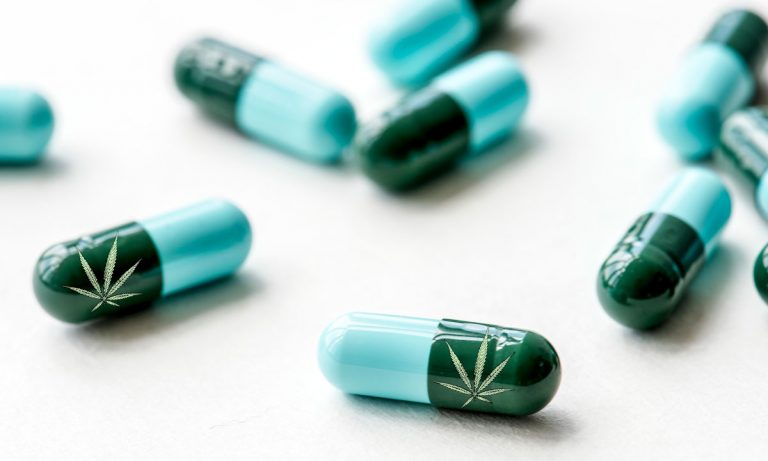
As time goes on, more and more pharmaceutical-based companies are getting involved in the cannabis industry including FSD Pharma. Recently, FSD Pharma entered themselves into the growing pill market. Not too long ago, FSD Pharma initiated and entered themselves into a non-binding letter of intent with a huge leader in the swiftly growing cannabis pill market, otherwise known as Canntab Therapeutics Limited. According to PR Newswire, FSD Pharma and its subsidiary—FV Pharma Inc. sealed a collaboration and profit-sharing agreement with Canntab Therapeutics Limited for the production and market of oral dose cannabis delivery platforms. Read on to find out more about FSD Pharma and Canntab, this recent agreement, and the kinds of cannabis products that’ll be manufactured, produced, and sold in the future.

About FSD Pharma & Their Mission

For those who don’t know, FSD Pharma owns a license to produce cannabis under the Access to Cannabis for Medical Purposes Regulations (ACMPR) via its completely-owned subsidiary, FV Pharma Inc. Their license was originally awarded last year on October 13th. FSD Pharma is headquartered in Cobourg, Canada in the former Kraft plant, which is about an hour away from Toronto, Ontario.

Some of you may wonder what FSD Pharma’s mission is. According to their management team, FSD Pharma’s mission is to effectively transform their facility into the biggest indoor hydroponic cannabis facility in the world. One of the intentions of this company is to target every legal aspect of the cannabis industry, which includes processing, manufacturing, cultivation, extracts, research, and development.

About Canntab Therapeutics Limited & Their Mission

In addition, the other company that’s a part of the recent FSD Pharma collaboration and profit-sharing agreement is Canntab Therapeutics Limited. Canntab is known as a Canadian cannabis oral dosage formulation company that’s based in Markham, Ontario, Canada. Canntab participates in the research and development of various cutting-edge pharmaceutical grade creations of different cannabinoids. Thus far, Canntab has successfully developed an in-house form of technology to deliver standardized medical cannabis extracts from certain strains in an assortment of continual yet prolonged release pharmaceutical dosages for therapeutic uses. Overall, Canntab’s mission consists of putting ‘medical’ in medical cannabis.

Details About FSD Pharma And Canntab’s Collaboration & Profit-Sharing Agreement

Moreover, as briefly mentioned above, FSD Pharma and Canntab decided to team up to produce and market oral dose cannabis delivery platforms. FSD Pharma plans on supplying up to 10,000 square feet of space for Canntab at their 620,000 square foot facility in Cobourg, Ontario in which building, and installation will take place at Canntab’s own expense and at their own manufacturing facility within the bigger FSD facility. This section of the FSD facility will be referred to as “Canntab Premises”.

Furthermore, the “Canntab Premises” will function in accordance with good manufacturing practices in which a collection of original cannabis oral dose delivery platforms will be produced such as gel capsules and tablets in addition to other variations of cannabis-based products. These products will include both pain-relievers and sleep aids. Both FSD Pharma and Canntab foresee incredible opportunities through offering several different pharmaceutical cannabis-based tablets. Overall, the intention of the “Canntab Premises” is to provide Canadian international markets including Germany and Australia with these products.

Services FSD Pharma Plans To Offer Canntab & Royalty Percentages

On another note, FSD Pharma plans on helping Canntab properly prepare the items necessary to submit an application to Health Canada in order for Canntab to attain a license. Specifically, under the non-binding letter of intent’s specific terms, FSD Pharma will help Canntab attain a license to both process and sell different cannabis products in accordance to the Cannabis Act.

Due to the services FSD Pharma will offer Canntab, Canntab will give FSD Pharma a specific royalty percentage and profit-sharing rights based on the sale of Canntab products. Additionally, Canntab will give FSD Pharma 50 percent of Canntab’s retail sales profits that accumulated from their products. Also, FSD Pharma will be authorized to recollect 50 percent of the profits generated by FSD pharma sales of Canntab products. Then, Canntab plans on paying FSD Pharma a royalty of 3.5 percent of Canntab’s sale price for all the products that are manufactured and sold from “Canntab Premises”. From here, the non-binding letter of intent’s specific terms will be replaced by a definitive agreement in which both Canntab and FSD Pharma plan on executing by July 15th of this year. The following was stated about this agreement and overall move by FSD Pharma’s Chief Executive Officer, Thomas Fairfull:

Pills and tablets are the norm for most patients’ method of consuming medicine and nutraceuticals. It’s still difficult for doctors and other alternative health practitioners to prescribe smoking as a form of medicine. This agreement with Canntab adds to the growing FSD Pharma suite of cannabis-based products to be manufactured at our large facility.”

In your opinion, which large pharmaceutical company will be the next one to get involved in the cannabis industry? Stay tuned to find out while also witnessing the progression of pharmaceutical grade cannabis products. Please keep in mind that the information included in this article was pulled from PR Newswire, in which different assumptions of theirs were used to draw conclusions. The forward-looking information that’s in this piece and in the PR Newswire release is based on opinions and estimates of management at the date the information was produced.

Here’s The Story Of Why The Iconic ‘Brady Bunch’ House May Be Destroyed

0

One of the most photographed homes in America is up for sale. Better known as the Brady Bunch house, the dwelling just hit the market for $1.85 million. And according to Deadline, one of those interested in scooping up the property is a developer, who may decide to tear it down.

The two-bedroom, three-bathroom house, located at 11222 Dilling Street in Studio City, CA., sits on a third of an acre. It’s on the market for the first time in 45 years, last purchased by Violet and George McCallister for $61,000 in 1973 — one year before the series ended.

But if you think you know what the interior of the home looks like, you probably don’t. Only the home’s exterior was used on the show. As with most sitcoms, the rest was shot on a sound stage.

“I have several buyers already interested,” Jodie Levitus Francisco, a realtor with Berkshire Hathaway, tells Deadline. “They’re developers for the lot size. They might tear down, but the listing agent said the family was hoping to get someone to preserve the house, and at $1.85, I don’t know if a developer would pay that much.”

Ernie Carswell, a Douglas Elliman agent who is listing the property, tells the LA Times that the split-level house has been updated and upgraded but retains almost the exact interior decor from that era.

https://www.instagram.com/p/BlbIPOdnpz4/

“This is a postcard of exactly what homes looked like in the 1970s,” he said, adding:

We’re not going to accept the first big offer from a developer who wants to tear it down. We’re going to wait a few days, in case there are others who want to purchase it as an investment to preserve it.

Carswell says he expects to see an “avalanche” of emails and phone calls in regards to the property.

Mrs. McCallister, who previously owned the home, had five sons and, according to Carswell, wasn’t bothered by the throngs of tourists coming by here property to take a looksie. However, he tells the LA Times, after the public became a little too comfortable and started coming up to the front door, a “low brick wall” was built to keep them out.

The McCallisters, who have both passed away, left their home to their children, who are now selling it.

Actual Pictures Of Your Brain On Marijuana Are Really Beautiful

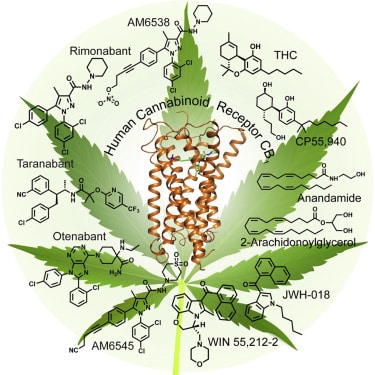
In its October 2016 issue, the journal Cell published the first atomic-level images of the human brain and cannabinoid receptor 1 (more familiarly known as CB1), the neuroreceptor that responds to THC, one of the key active ingredients in marijuana.

This is more than a cool new visual; it will help scientists understand exactly how THC functions in the body and why some molecules related to it have very different—and sometimes harmful—effects. It might also aid in designing drugs that are even more effective and more targeted than THC to treat conditions including pain, inflammation, obesity, and fibrosis.

This might not sound like sexy, cutting edge medical research, but the imaging posed a formidable technical challenge to an international team of researchers.

Neuroreceptors are structures nerve cells use to communicate with each other via electrical signals that are carried by an array of chemicals called “neurotransmitters.” You can’t just take a photo of neuroreceptors because they are far too small to be seen by lightwaves. We can only glimpse them through X-rays, which have minuscule wavelengths. And even then, we can only do it indirectly via a technique called X-ray crystallography.

The process is easy enough in theory, although fiendishly hard to execute: You bombard an atomic-level structure with X-rays, which bounce off of it in mathematically precise ways. If you record where the X-rays land, you can work backward to calculate the shape of the object that caused these deflections. Make sense?

The difficulty is that you can’t use just once object—say a CB1 receptor—because it’s still far too small. You need tens of thousands of molecules to disrupt X-rays enough to get measurable results. But if you have tens of thousands of molecules randomly jumbled together, you will get an equally random scatter of X-rays. In order to get useable evidence, every single one of the molecules must precisely aligned.

God knows how they did it, but the scientists managed to “crystalize” the CB1 receptors (that’s the lingo for putting them into a stable, uniform order) and to interpret the X-ray pattern, which proved more complex than expected. (Evidently, the receptor that’s responsible for getting us high has a suitably trippy shape.)

So, enough prelude: What does CB1 look like?

From an aesthetic standpoint, it’s a mess.

I admit that over the course of writing all these medical marijuana posts, I’d imagined my own, somewhat romanic, version of the CB1 receptor—something like an oyster mushroom or rhododendron leaf—a sort of frilly-edged cup-like frond swaying languidly from a little stalk firmly rooted in a neuron. In the hard gaze of science, however, he receptors look like an unruly wad of New Year’s Eve streamers.

A less subjective description is this: Seven transmembrane helices (think DNA) that are connected by six stiff and wiry loops (three extracellular and three intercellular, if the difference means anything to you). Somewhere deep in the structure is a funnel that receives the THC molecule. But to my untrained eyes the whole thing is an unintelligible mess.

If you’ve read this far, though, you’re clearly interested—so don’t take my word for it: Check out the images yourself and download the free article.

Graphic courtesy of Cell

Don't Miss Your Weekly Dose of The Fresh Toast.

Stay informed with exclusive news briefs delivered directly to your inbox every Friday.

We respect your privacy. Unsubscribe anytime.