With between 38-63% of women dealing with this issue – it seems medical marijuana could help.
Female Orgasmic Disorder (FOB) is something effecting between 38-63% of women at some point. It involves difficulty in achieving orgasm, substantially decreased intensity of orgasm, or both. While with most, it happens occasionally, for FOB it the presence of either of the following symptoms and experienced on almost all or all occasions of sexual activity.There is a marked delay in, marked infrequency of, or absence of orgasm, a markedly reduced intensity of orgasmic sensations, and the symptoms have persisted for a minimum duration of approximately 6 months.
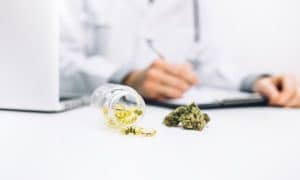
The good news is there are treatments and one of them is available to most in the United States. Yes, medical marijuana can help women with FOB. In studies, marijuana use is associated with improved sexual function among female users. The type and method of consumption does not impact outcomes. A gummy can relax a woman and help overcome the issue.
Photo by x ) via Unsplash
The body’s natural endocannabinoid system is key in regulating things like pleasure, pain, relaxation and homeostasis. When it is activated by the cannabinoids in cannabis, it can leave users feeling relaxed with increased pleasure and decreased pain.
To highlight the issue, commonality, and acceptance. a committee of the State Medical Board of Ohio voted recently to seek expert opinions on whether medical marijuana could help patients with female orgasmic difficulty disorder. In addition, Illinois, set to meet next month about adding FOD as a qualifying condition, while New Mexico is slated to consider the issue in May, according to organizers at the nonprofit Female Orgasm Research Institute. Connecticut, too, is looking into the addition, the group said, though no meeting date has been set.
If you are working there FOB, starting out with a small amount of cannabis to help with the use. It is recommend smoking or vaping to learn how to use cannabis for this issue. Starting out edibles can hit differently in potency and timing, potentially making for an uncomfortable experience.
In a somewhat surprise, Mitch McConnell has announced his decision not to run again for Senate GOP leader in November…changes ahead.
Mitch McConnell embraced being called the Darth Vader. For 17 years he has commanded the GOP Senate, and, had an oversized influence in the larger Republican Party. In the last year, he has been plagued by a divided party, a tussle with a former president, and health issues. So it was only a somewhat surprise he announced he was stepping aside in leadership. Politicians are lining up to take his place and he will have a tough go until November when he relinquishes the position. But does McConnell’s exit signal the end of marijuana prohibition?
McConnell has been proud of remaking the Senate and accomplishing his personal political goals. While Senator, he and his wife has amassed a fortune of $35 million while stopping small marijuana business owners from getting ahead. Born in a different era, McConnell is a conservative from the old school, legal marijuana, LGBT rights, expanded voter access and are enemies to him. As the legal state by state cannabis industry has blossomed to $20+ billion in sales filling state coffers, McConnell only grew more firm in his stand to block federal legalization.
Photo by Samuel Corum/Getty Images)
Congresswoman Nancy Mace (R-SC), a strong ally of the industry, said publicly what everyone is thinking. If McConnell is a no on federal legalization, it is a no go. He has stonewalled the SAFE Banking Act multiple times. When the Senate flipped, Senators Chuck Schumer (D-NY) and Patty Murray (D-WA) put forward the SAFER Banking Act with a bipartisan group only to have it die due to the House’s leadership chaos.
McConnell has been fine going against public opinion when making policy he feels is correct. Marijuana federal legalization has over 87% of public approval and veterans groups have pleaded for support on cannabis for help with PTSD. Both appeals have fallen on the deaf ears of the Grim Reaper. And he has seemed pleased when he wins a major battle against the public and voters.
While his loss indicates a positive for the cannabis industry, there is a downside. Like the House, the Senate could get swept up in a power play as the players reshuffle who is control. Meaningful legalization could come to a standstill without strong, focused leadership whipping votes. With the Biden administration hesitate to move forward in the campaign procmises, the cannabis industry is holding its breath.
Cannabis has medical benefits, but larger legalization would be better for the planet
Marijuana is rapidly growing in popularity, with consumer use steadily rising across the United States. Gen Z, in particular, is moving away from alcohol and embracing cannabis as a perceived healthier alternative. States like Michigan have already surpassed $3 billion in annual cannabis sales, while others continue to set new revenue records. With the federal government considering rescheduling marijuana, the medical cannabis market is poised for expansion, potentially allowing the FDA to oversee product consistency, safety, and dosage.
But as the feds grapple with what to do, another key thing to remember is legalizing marijuana is good for the environment.
Legalizing marijuana at the federal level could unlock major opportunities for traditional farming regions, especially across the American South. States like Florida, Georgia, and Alabama already have climates well-suited for outdoor cultivation. Federal approval would not only legitimize these operations but also improve agricultural practices, encourage crop rotation, and reduce reliance on hidden or inefficient illegal grows currently tucked into timberlands or undersized plots.
Photos by Jen Chiu
Historically, countries like Canada positioned themselves as global cannabis leaders after legalization. Known for staple crops such as wheat, canola, barley, oats, and soybeans, Canada has vast agricultural infrastructure. However, much of its cannabis production shifted toward large-scale indoor facilities, with companies like Tilray investing tens of millions into controlled growing environments.
While indoor cultivation offers consistency, it comes with significant environmental costs. These facilities require massive energy inputs for lighting, temperature control, and irrigation systems. By contrast, outdoor cannabis farming relies on natural sunlight, rainwater, and soil ecosystems—dramatically reducing carbon emissions and resource consumption.
The difference in water usage alone is notable. A single cannabis plant can consume approximately 22.7 liters (about 6 gallons) of water per day during peak growth, compared to wine grapes, which require roughly 12.6 liters daily. When scaled across thousands of plants, the environmental impact becomes substantial—especially in indoor systems where all inputs are artificially managed.
Outdoor cultivation not only lowers energy use but also promotes healthier soil and more sustainable farming practices. It benefits farmers by reducing overhead costs, supports the environment through lower emissions, and ultimately delivers a more natural product to consumers.
As legalization expands, shifting cannabis production outdoors—particularly in ideal agricultural regions—could redefine the industry. Done correctly, cannabis farming has the potential to become both an economic engine and a more environmentally responsible sector of modern agriculture.
As you expand your knowledge and experience with marijuana…TAC is a way to maybe adjust your trip
Legalization has brought in millions of new users to marijuana. People are leaning into the joy and relaxed high without hangovers. Gummies have become the most popular, but many in their learning curve are enjoying flower. The plant is versatile giving a variety of experiences. You may notice a tag written on packages, what is it? TAC is way to have more marijuana fun.
First of all, TAC stands for Total Active Cannabinoids. It refers to the cannabis profile of a strain. When purchasing a cannabis product or seed, consumers are able to have more insight into the total cannabinoid content of the strain. With TAC, users can customize their cannabis sessions.
Photo by Connor Wilkins via Unsplash
The Total Active Cannabinoids of a strain take the focus away from THC alone and directs more attention to other minor cannabinoids in the plant. TAC informs users about how potent or effective a strain may be when consumed. Most of the time, the TAC is indicated by a cumulative figure, while a few manufacturers choose to disclose the individual properties of the cannabinoids present in the strain. This way, users can effectively decide which product they need at that very moment based on its potential effects.
TAC represents the total amount and potency level of the various cannabinoids found within a specific cannabis plant. Cannabis plants contain over 50 different cannabinoids, although not all are detectable. Current testing methods can only identify a set of cannabinoids available in substantial quantities. So, in reality, the TAC figure is usually less than the exact amount of cannabinoids in the strain.
The non-detectable cannabinoids in a strain are inactive or not sufficient enough to induce a notable impact. For cannabinoids to be included in the TAC means they have some form of influence on the effects that manifest in the user. Cannatech operators are yet to figure out a direct mechanism to identify the mechanism of an individual cannabinoid in a strain.
The Entourage Effect and TAC Relationship
The “entourage effect” best describes the synergy between all the cannabinoids in a cannabis plant. The theory reveals that all compounds, including terpenes and phytocannabinoids, available within a cannabis herb work together to induce the best effects.
The total active cannabinoids figure is important to the entourage effect. Scientists believe that the TAC reveals how the entourage effect operates. Explains why THC and CBD induce better physiological effects when they are consumed together or in addition with other minor cannabinoids.
The knowledge of TAC is most beneficial to medical cannabis users. It gives them an indication of what to expect from the entourage effect. On the other hand, recreational users use TAC to improve their smoking or dabbing experiences.
A few novices in the industry often confuse the meaning of TAC as being Total Aerobic Count. This is different from total active cannabinoids and has a different meaning. A total aerobic count is a measurement of the total microbial counts in a cannabis sample.
Photo by VICTOR DE SCHWANBERG/Getty Images
Cannabinoids In Cannabis
Over 60 cannabinoids can be found in weed plants. Some TAC labels could list up to 100 cannabinoids in one product. However, the majority of these compounds are relatively unknown—they have been identified, but their mechanisms are not understood. Some of the most common cannabinoids found in large and trace quantities in cannabis crops are as follows:
CBD induces effects that help to counteract the “high” produced by psychoactive cannabinoids. It does this by inhibiting the release of FAAH (an enzyme that breaks down anandamide). This action encourages the availability of anandamide, also known as the bliss compound. Studies have shown that CBD has anti-inflammatory properties and other therapeutic potential.
THC is literally the most famous cannabinoid in the weed ecosystem. This cannabinoid is the dominant compound that induces psychoactive effects on the user. THC reacts with CB1 receptors in the endocannabinoid system to produce the “high.” It emulates anandamide to induce the release of FAAH. Unlike other cannabinoids, THC is more potent and lasts much longer in the system.
CBDV is a minor cannabinoid that is often found in wild and hybrid varieties of cannabis. Cannabis crops grown in Central Asia have trace amounts of this cannabinoid. Research is ongoing to understand the compound’s reaction with the ECS, but cannabis researchers have pointed out that it has a similar chemical structure to CBD.
is a minor cannabinoid found in trace amounts in cannabis plants. Information about this cannabinoid is limited. Very little is known about its interaction with CB1 and CB2 receptors. Some studies suggest that CBC adds holistic efficacy to the entourage effect.
Aside from cannabinoids, cannabis contains other essential compounds like fatty acids, terpenes, and flavonoids. Most of these other compounds are poorly understood in the ecosystem. Yet, they all play vital roles in the entourage effect.
Terpenes are compounds that give cannabis strains their unique flavors. Terpenes are found in plants, fruits, and flowers of all crops, not just cannabis crops. Examples of terpenes are pinene, limonene, eucalyptol, and linalool. Terpenes also boost the effects of cannabinoids in the endocannabinoid system.
On the other hand, flavonoids give plants their pigment. They induce antioxidant effects in consumers. Their role in the entourage effect is vague, and their interaction, as well as the breakdown process, is yet to be established.
Knowing the TAC value of your cannabis products can be important. It’s just one more reason why cannabis regulations enforce manufacturers to include this information when labeling the products. It’s better when the total cannabinoids are listed. With this information, you can experiment with different product ratios to decipher the concentration that gives you the best cannabis experience. Medical officers can use this accurate measurement to determine the best therapeutic concentration for cannabis patients.
While most use any excuse to avoid workout – there is a group who feels compelled to regular fitness….but should they stop when sick?
It’s hard to think of something that can’t be made better with the help of a good work out.. Cramps, headaches and body pains are just a few of the issues that exercise can fix for us, or at least provide a good amount of relief. When you’re sick things might be different though, and working out might just make you feel worse than before while slowing your healing process.
It all depends on the severity of your symptoms. The site claims that if you’re a person who works out regularly, then you probably have already worked out while sick; you just didn’t know about it.
According to Michael Gleeson, professor of exercise biochemestry, it’s important to follow the “above the neck” rule, which means that it’s okay to train moderately if you’re symptoms are above the neck, such as having a runny nose and sneezing. If you have symptoms such as coughing, tight chest and joint aches then it’s best to stay at home, giving your body at least 2 days of rest, allowing it to heal and fight off symptoms.
Gleeson claims that while you can still workout with above the neck symptoms, you should still lower the intensity of your workouts. While no studies have shown results that suggest that working out while sick does anything bad for your health, there have been studies that suggest that intense exercise when healthy can increase the chances of getting sick.
There’s something about overworking the body that can dampen the immune system and increase the chance of getting a bug.”
Consider reducing the intensity and length of your workout. Instead of going for a run, take a walk, for example. Don’t exercise if your signs and symptoms are “below the neck,” such as chest congestion, a hacking cough or upset stomach. Don’t exercise with people if you have COVID-19 or other contagious illnesses.
While you should be wary of workouts while sick it’s very important that you try to workout regularly when you’re healthy, since this can help prevent illnesses in the future and help you get back from colds in shorter periods of time.
The cannabis industry is innovative – and now there is a new thing which has popped up – the micro license!
The cannabis industry has to be innovative. With regulations, zoning, and banking restrictions all against a background of building public support…you have to be clever. The latest idea to emerge is the micro license. What is a marijuana micro license and what does it do? A key factor in this development is providing to entry to a growing industry with a low investment threshold. This an advantage toward making it more socially equitable.
Michigan started the micro license trend to help with engage more people with a way to start a business without having have major funds. It allows business owners to grow marijuana, process marijuana, and sell cannabis-infused products to adults 21 years or older without depending on other suppliers. However, a Michigan marijuana microbusiness is not permitted to sell or transfer marijuana or marijuana-infused products to other licensed recreational marijuana establishments. Also, they cannot sell their seeds to other marijuana growers. The essence is to enable a standalone marijuana business model independent of other marijuana establishments. So, think of a good food truck model of go to where your customers are, develop your own products (not buying from Costco or Trader Joes and reheating) and selling directly to a small crowd.
Photo by CasarsaGuru/Getty Images
Currently cananbis microbusiness licenses are offered in Oregon, California, Massachusetts, Michigan, New Jersey, and New Mexico. Missouri has just launched the program and have had a few hiccups. Their cannabis regulators may revoke 11 of the 48 social-equity cannabis licenses issued in October after finding they didn’t meet eligibility requirements. It seems they had misrepresented who backed them and longer term plans for the company.
Arizona is now looking at folding it in to the mix of businesses. Marijuana sales hit $1 billion in 2023, meaning it a fresh cash cow for businesses and for state coffers. Success seems to be allowing business to grow and prosper.
Surge pricing is flirting with another industry – to the fear of consumers….will marijuana be next?
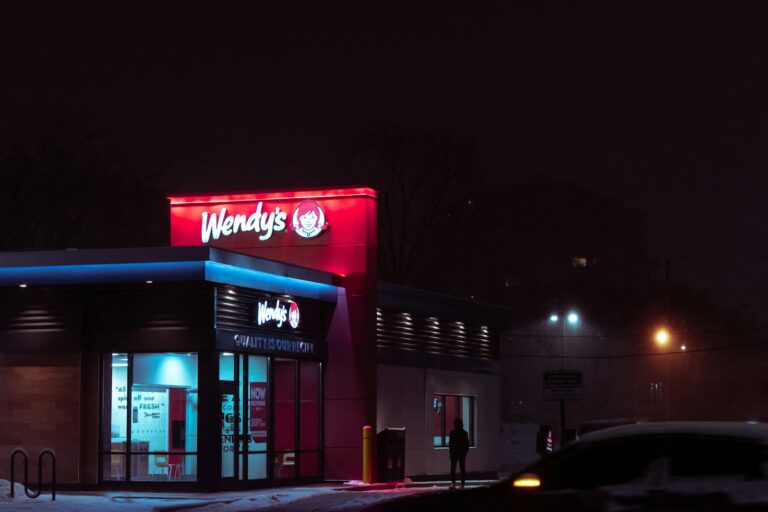
Surge or dynamic pricing is already a part of business and consumer behavior. Uber, airlines, and hotels have been leaders in charging more for something when you need it the most. Uber has constantly faced harsh backlash for charging for up to 4X the regular cost. Wendy’s is now causing a ruckus as they are looking at experimenting with surge pricing and people are concerned. In theory, burger prices could increase during “lunch hours”. But will surge pricing hit the cannabis industry? In a way, it has.
Today surge/dynamic pricing is seen as a negative. For good reason. Federal regulators took a hard look at car services after several big surges occurred during extreme weather. This forced Uber to agree to put a cap on surge during declared emergencies so as not to be accused of price gouging (which is clearly illegal). But just as people got used to calling a cab from their phone, they also adjusted to surge pricing as the new normal.
Photo by Flickr user ctj71081
Bur dynamic pricing as been used for decades to benefit customers – Taco Tuesday to get people to eat out earlier in the week. Half price bottles of wine to fill restaurants on a Monday. Even Black Friday is a way to encourage people to get in the holiday spending spirit early – like 5 am early.
It has had a huge impact on the alcohol industry – in the form of Happy Hour. Happy Hour become a buzz word in the late 50s with the Navy and moved into the mainstream. The 70s is when the idea of discount drinks and happy hour really took hold. For patrons, they had the benefit of a nip after work at a discount (or just more for the money with 2 for 1). For restaurants and bars,,s it brought in customers at a slower times (4-6 or 7 pm) and they can pick the specials, allowing to offer value and still make a profit.
Marijuana dispensaries have also embraced Happy Hour pricing with stores offering time sensitive deals. In an efforts to attract customers and fill slow hours you can see things like “buy one, get one 20 percent off 9 am–noon and 4–6 pm every day”. Or “8–10 am weekdays; 20 percent off top-shelf eights and up”. Dynamic pricing is used to adjust consumer behavior…and a good discount is a strong incentive, and the marijuana industry as taken note.
Star Trek actor Kenneth Mitchell lost his battle with ALS. Can Medical Marijuana help others who suffer?
The Fresh Toast – It is a devastating disease and more research needs to be done to help patients. And in regards to help, what about ALS and medical marijuana?
Roughly over 5,000 people in Canada and the U.S. are diagnosed with ALS each year with over 20,000 smuggling with the disease. Over 15 people are diagnosed daily. ALS is estimated to be responsible for as many as five in every 100,000 deaths in people 20 years or older. The average life expectancy of a person with ALS is between two to five years from the time of diagnosis. Some people do live for more than five years. More than half of all ALS patients live more than three years after diagnosis, 20 percent live five years or more, up to 10 percent live more than 10 years, and about five percent live 20 years or more. What about ALS and medical marijuana.
Amyotrophic lateral sclerosis is a fatal type of motor neuron disease. It is characterized by progressive degeneration of nerve cells in the spinal cord and brain. It is also called Lou Gehrig’s disease, after a famous baseball player who died from the disease.
Currently, there is no cure for ALS but there are some treatments available.
Cannabis has properties applicable to symptom management of ALS, including analgesia, muscle relaxation, bronchodilation, saliva reduction, appetite stimulation, and sleep induction. With respect to the treatment of ALS, from both a disease modifying and symptom management viewpoint, clinical trials with cannabis are key to helping patients. Based on the currently available scientific data, it is reasonable to think that cannabis might significantly slow the progression of ALS, potentially extending life expectancy and substantially reducing the overall burden of the disease.
As ALS progresses, though, more and more symptoms are noticed. These are the most common symptoms of ALS:
Twitching and cramping of muscles, especially those in the hands and feet
Loss of motor control in the hands and arms
Impairment in the use of the arms and legs
Tripping and falling
Dropping things
Persistent fatigue
Uncontrollable periods of laughing or crying
Slurred or thick speech and trouble in projecting the voice
As the disease progresses, symptoms may include:
Trouble breathing
Trouble swallowing
Paralysis
If you have any of these symptoms, it is important to seek a physician’s guidance immediately. Otherwise, be an advocate and champion for more medical research.
Despite the talk of equity – cannabis remains a bro world.
Barbie was a huge success raking in over $1.4+ billion worldwide and one of the biggest movies last year. It was a tale of women understanding and leading. But, it seems it wasn’t as big of hit in the cannabis or alcohol industries. Like alcohol, the marijuana industry is male dominated and has a bit of insider feel to it.
In 2020, it started becoming a regular business practice to diversify management, leadership and customer base, but the change has come slowly to marijuana. While you have some stellar female leaders like Nancy Whiteman, the CEO of edibles giant Wana Brands and the top business publisher Debra Borchardt from Green Market Report, there aren’t not many others.
The world of alcohol is a boys’ club with only 24 percent of women and 4 percent of women of color held C-suite positions in the North American wine, beer and spirits industry. This is an industry which has boomed and been wicked profitable since the repeal of prohibition.
Marijuana is doing better than the alcohol industry, 2023 research from Headset market reports found women make up 33.8% of the U.S. market for cannabis. By design or default, the industry isn’t for women in the minds of the men who run which is an enormous miss of market potential.
The minority and LGBTQS+ community are represented even less. Part of the problem was a rush to immediately fix a problem. New York upended their recreational rollout and not only did it disenfranchise potential minority business owners, it fed a huge unlicensed market with over 1,500 dispensaries in New York City alone.
Money is part of the issue, and not just the money to be made. You have to have money, time and patience to be in the cannabis industry. With limited banking options, investors are key and, traditionally, woman and minorities don’t have the reach as men do in the “boys club”. Again New York is trying to quickly solve the problem, the 10-year loans it offers to dispensary owners are highly restrictive and potentially burdensome, giving licensees little control over building out their own locations, instead requiring them to foot a bill handed to them by the state. This could be a set up for failure.
It is also humorous to note some of the biggest scandals in the industry have been lead by male CEOs/Founders including Medmen, High Times, Skymint, and Green Growth Brands.
While there continues to be gains, it will be interesting how the industry involves after rescheduling and larger players in alcohol, tobacco, healthcare and retail entire the space.
Sweden is in the news again. But digging deeper, is just a frosty nanny state?
Sweden is home to the Northern Lights, Abba, incredible nature and wildlife, cold winters and cool classic design. IKEA, Ericsson and Volvo are among the global companies who started in Sweden. It is a democracy with a parliament and a ceremonial monarch (who are related to the British Royal Family). But it is also a nanny state? The country is rough on alcohol and even rougher on cannabis. In today’s world, it is a bit of a surprised Sweden and marijuana aren’t a good match.
The traditional toast of skål is also a call of good cheer, but drinking in Sweden takes a bit of an effort. Sweden has a long and complicated history with alcohol, from problems with everyone always being slightly drunk to today’s intense state control. Sweden has created a national alcohol monopoly, removing the right of private businesses and citizens to produce and sell alcohol. This has lead to very high prices which has lead to systematic changes in how the population drinks.
Not surprisingly, Sweden is very anti marijuana legalization, they do not even have a medical marijuana program. Cannabis is illegal in Sweden, which the government strictly enforces. This includes all personal use or possession, both of which are considered criminal offenses. While there are very slim exception for medical, the government takes a very negative stance on any cannabis.
In the United States and Canada, over 85% of the population are pro some form of marijuana legalization, in the EU, the number is slightly around 55%. In Sweden, the government has supported a long campaign it is a dangerous drug and can ruin your life.
In a country which has waged a long campaign against drinking, hoping for a change in marijuana remains small. While not at the bottom, Sweden has a lower than European average of alcohol consumption.
The Stockholm Medical Cannabis Conference took place in 2022. The patient advocacy group Aureum Life bravely facilitated the event, inviting the Swedish press to cover the conference. With over 300 attendees, co-founder and CEO Angelica Örnell was hopeful. “We are proud to have organized the first medical cannabis conference in Sweden,” she said. “It’s one step forward in informing the public and healthcare professionals about the many benefits of cannabis as medicine.”
The government definitely has a nanny feel when it comes to intoxicants. But, there is some hope on bringing at least science based medical information to the public.