Saturday, December 13, 2025
Home Blog Page 920

Meme Of The Week: By Age 35 You Should…

MarketWatch really screwed things up for themselves when they published an article claiming that by age 35, you should have double your salary sitting pretty in a savings account. Of course, with a changing world that’s progressively growing more and more expensive, that advice wasn’t well received. Saving money in today’s world isn’t as easy as they make it sound. If it were, millennials would just do it.

The meme is very simple. Keep the first part of the phrase and switch out the “have twice your salary saved” with something outrageous or hilarious that sometimes ends up being more plausible than saving large amounts of money.

The Washington Post reports that this article joins a long list of moments that belittle millennials and their experiences, such as the time when a millionaire claimed that young people couldn’t afford a home because of their obsession with avocado toast. The truth is that older millennials who are in their 30s lived through the recession and also have college debts, which are crippling and last for most of their lives. There’s also the fact that expenses are increasing every year while salaries remain unchanged.

So, for future financial advice, it might be best to comment on these issues and to offer actual help instead of being critical and listing out the million things that millennials are ruining for the world. But whatever. Let’s just laugh with some memes:

Bill O’Reilly Still Hates Marijuana And No One Cares

Bill O’Reilly, the disgraced former host of Fox News’ “O’Reilly Factor,” is no fan of Democratic politicians. And he certainly is no fan of marijuana.

In a video released earlier this week, O’Reilly, whose career was destroyed by an assortment of sex scandals, returned in front of the camera. But instead of the powerhouse ratings of Fox News, O’Reilly is now vlogging on his personal web page.

In a segment published on May 22, O’Reilly railed against Mayor Bill de Blasio, marijuana consumers, housing project dwellers and a few other boogeymen in his crosshairs.

He even tweeted the next day about his disgust for the mayor and marijuana:

Of course, this is not the first time O’Reilly got a bee in his bonnet over the evil devil’s lettuce. Four years ago the longtime reefer madness acolyte and prohibitionist and drug warrior wrote:

The legalization of marijuana still full of unintended consequence; sends a signal to children that drug use is an acceptable part of life. That’s big.

The [New York] Times says marijuana is not a gateway drug. That it does not lead to other drug use that is false. According to a recent study by the Yale School of Medicine, adolescents who use pot or alcohol are three times more likely to abuse hard drugs than children who do not use intoxicants.

O’Reilly apparently doesn’t know that the gateway theory is no longer a relevant talking point. All researchers who study the available data dismiss the concept that cannabis consumption leads to more dangerous drugs. It is alcohol and tobacco, more than any other substance, that may contribute to heavier drug use. But even that data is unclear. Remember: Correlation does not equal causation.

Good luck in your new career, Bill. When New York legalizes, you will remain just as irrelevant as you are now.

Stephen King Hates Twitter, Calls It ‘Poverty Of Thought’

Stephen King might be a prolific and entertaining tweeter—we’ve written about his tweets before—but it turns out the horror master isn’t a fan of the platform. And by that, we mean Stephen King freaking hates Twitter.

This week King received the PEN Literary Service Award at the 2018 PEN Literary Awards. The Literary Service Award is rewarded each year to an author and advocate of free speech. In King’s eyes, Twitter is not a place where the honor of his award is represented.

According to Mashable, King believes that “the intellectual dead zone known as Twitter where clear thinking and kindness is too often replaced by schoolyard taunts. And not to mention, bad spelling and bad grammar.”

King also went on Stephen Colbert’s The Late Show and revealed that the man they call the President of the United States has blocked him on Twitter. So King blocked him back. King joked that he blocked Trump from watching It last year, but he for real blocked Vice President Mike Pence because he looks so “creepy.”

“The last time I was here, I had a president who had just given me a National Medal of the Arts,” Stephen King said when he sat down on The Late Show couch Wednesday night. “Now we’ve got a president who blocked me on Twitter.”

During his PEN acceptance speech, King thanked his editors at Simon & Schuster, as well as the school shooting survivors and student activists from Parkland, Florida. But King wasn’t done with his Twitter roasting.

“The percentage of readers is relatively small compared to the population as a whole,” he said. “Just think for a minute of all the people you see on these streets every day staring at their phones or with earbuds in their ears. Then think of how few of them are staring at a printed page instead.”

King also went on to defend the majesty and power of books.

“Reading is powerful. From my earliest days working as a high school teacher, I’ve been telling kids: those who can read can learn to write, and those who can do both will eventually succeed in the world,” King said. “Readers learn to be fair and writers learn to think…They are the crucial counter weight to those who are close minded and mean spirited. Too many of those are currently in positions of power.”

Those people, King added, reside on Twitter, which is the best place for them to dish out their “poverty of thought.”

Nevada’s Cannabis Industry Just Set Yet Another Retail Record

Recreational sales of cannabis in Nevada set a new monthly record in March, racking up a total of $41 million, translating into more than $7 million in tax revenue. In the nine months since Nevada began collecting taxes on cannabis revenues, the state’s coffers are roughly now $50 million richer.

“March numbers continue to point to a strong likelihood that Nevada will close out the fiscal year this June with much more robust marijuana revenue collections than anticipated,” department executive director Bill Anderson said in a statement.

As reporter Wade Tyler Millward wrote in the Las Vegas Review-Journal, “Move over sagebrush, Nevada may have a new state flower.” Indeed, Mr. Millward. Indeed. According to the Review-Journal story:

Total taxable sales for marijuana and marijuana-related goods for medical or recreational use is $385.99 million for the first nine months of the fiscal year.

The marijuana flower or bud accounted for half of all purchases by consumers, either for medical or recreational purpose. Concentrates accounted for a quarter of sales. Infused edibles accounted for 13 percent.

March’s record topped the previous record set just one month earlier in February. According to data from the state’s Department of Taxation:

  • $18.5 million of the revenue came from the wholesale marijuana tax paid by cultivators of medical and recreational marijuana.
  • $30.47 million came from the retail marijuana tax paid by consumers of recreational marijuana
  • $10.2 million came from marijuana-related fees, penalties and assessments.

What Happened When Matthew McConaughey Got ‘Snooped’ By Snoop Dogg

Enter a new word to enter the cannabis lexicon—“Snooped.” What does it mean? For the answer, ask Matthew McConaughey who learned firsthand that working with Snoop Dogg on a movie project might involve some extracurricular activities, as the actor revealed on Jimmy Kimmel Live!

The two recently wrapped filming for Harmony Korine’s upcoming project The Beach Bum. At one point in the movie, McConaughey’s character Moondog (yes that’s the real name) visits Snoop’s for some “magic weed” to fix his writer’s block. The scene requires the actors to share a joint, but McConaughey checked beforehand with the prop department to ensure the weed was fake. But thanks to Snoop, the joint became very, very real once the cameras started rolling.

“I went to the prop man to make sure I have the prop weed which is like crushed oregano,” McConaughey said. “[In the scene], we pass back and forth and all of sudden at the end he goes, ‘Yo Moondog, that ain’t prop weed, that’s Snoop Weed.’ I was like, ‘Oh you son of a gun.’”

That, ladies and gentlemen, is what we call being Snooped. What are the possible side effects of being Snooped. Once again, we turn to Mr. McConaughey.

“The next 9 hours were a lot of fun but I don’t think we used one word in the English language,” McConaughey admitted.

Beach Bum is a stoner comedy that will star McConaughey, Snoop, and Zac Efron. The film has no set release date yet, but might premiere as early as this fall.

Interesting Everyday Uses For Those Marijuana Fan Leaves

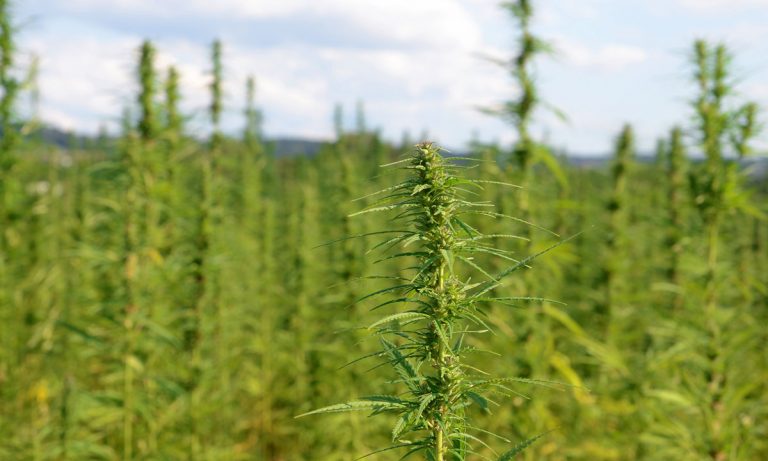
Marijuana fan leaves are pretty iconic looking but, if you think about it, they don’t seem all that useful. While they are largely unrecognized, they’re filled with good things like flavor, resin and tons of nutrients, which can be used in several different ways.

What Are They?

Fan leaves are the marijuana symbol and they’re the main leaves of the plant. They are generally used to check up on the status of the plant and to see if it’s developing properly. They’re the primary marijuana leaves and they’re the first and best when it comes to expressing anything that the plant is feeling, whether if everything’s going great of it something’s wrong with the development process. Experts on cannabis know how to tend to these leaves and know what to do if something seems off.

Fan leaves don’t contain a lot of cannabinoids, only traces of them, which is why they’re not generally used to be consumed. As the years go by and marijuana strains becomes stronger and more potent, it’s expected that there’ll be a larger presence of cannabinoids on the plant’s leaves.

What To Do With Them?

If you find yourself with a bunch of cannabis fan leaves, you can use them to a good purpose. Raw cannabis is always great for green juices and smoothies and by adding some fan leaves you’ll make your drink ultra powerful and beneficial. You can also use the raw cannabis leaves as garnish for a special meal, adding a nice looking touch of healthy greens. By consuming the cannabis raw, you’ll get all of the good and healthy stuff of the plant without getting high, which is something that some people are into.

Teas are also a great option. By adding some coconut oil or butter, the fat will activate the cannabinoids on the leaves and will get you a little high. If you don’t add anything, you’ll simply have a relaxing tea with a side of some really great nutrients. The cannabis plant has so much to offer; don’t waste any bit of it.  

5 Crazy Self Pleasure Myths Debunked

There are some weird things said about having a good times alone – this helps set the facts straight.

As the world evolves and our views become more progressive, new information pops up rebukes old myths, especially those relating to sex. Masturbation has existed for a long time, but it has always been shrouded in shame and secrecy, especially for women.

Self-love and positivity are on the rise now, so it’s a great time to rebuke those myths and prove why they’re not correct. Here is a list of 5 crazy self pleasure myths debunked.

Masturbating Leads To Blindness

RELATED: 6 Simple Tips For Super-Successful Online Dating

We’ve all heard of this incredibly weird myth that makes no sense whatsoever. Nope, masturbating doesn’t lead to blindness, and there’s no science to back this belief up at all. Susan Kellog-Spadt, a doctor from the Center for Pelvic Medicine, claims that beliefs such as this one stem from the times when “people believed sex was only meant for procreation.”

Only Men Masturbate

We see and listen to stories of men masturbating on a daily basis, on media, books and songs. They also have the ability of discussing their experiences openly without shame. Men masturbate and that’s a fact. While this is true, and there’s nothing wrong with it, there’s also a belief that women don’t masturbate and that they never feel the urge to do so, which is dumb and sexist. Women masturbate and, according to TENGA, nearly a third of them prefer it over actual sex.

There Are No Benefits To Masturbating

RELATED: 5 Weirdest Takeaways From Goop’s ‘Sex Issue’

There are tons of benefits that come from masturbating, including higher self-esteem, stress relief, and menstrual cramps and muscle tension relief. The process of masturbating releases endorphins which make you feel good, block pain, and help you sleep better.

It’s A Lonely Experience

It really is up to you. Masturbating can be something that you do alone and that you enjoy, or it can be a new and exciting experience to share with someone. According to Jenny Block, author of The Ultimate Guide To Solo Sex, mutual masturbation can visually help men understand how women orgasm.

Masturbating Makes You Infertile

RELATED: Tantra Speed Dating: What The Hell And Why Should I?

While masturbating normally does no harm for you, excessive masturbation for men could lead to a decrease in thier sperm count. Excessive meaning that these men must be masturbating several times a day. Even on cases such as this one, their lowered sperm count is only temporary. According to Mayo Clinic, it’ll take men around 12 or 24 hours for their bodies to get back on track.

When it comes to women, masturbation “isn’t likely to have much effect on your fertility.”

Marijuana 101: The Conundrum Of Cannabis Dosing

It’s relatively easy to experience medical benefits from cannabis. A puff or two of a resin-rich reefer can do the trick for a lot of people.

But smoking marijuana is not the be-all and end-all of cannabis therapeutics. One doesn’t have to smoke marijuana or get high to experience the medical benefits of cannabis.

In recent years, the advent of potent cannabis oil concentrates, non-psychotropic CBD product options, and innovative, smokeless delivery systems have transformed the therapeutic landscape and changed the national conversation about cannabis.

It’s no longer a question whether marijuana has medical value. Now it’s about figuring out how to optimize one’s therapeutic use of cannabis.

That can be a challenge – for doctors as well as patients. Most physicians never learned about cannabis in medical school and, according to a 2017 survey, few feel they are qualified to counsel patients about dosage, CBD:THC ratios, different modes of administration, and potential side effects.

“Dosing cannabis is unlike any therapeutic agent to which I was exposed in my medical training,” says Dustin Sulak, D.O., the director of Integr8 Health, which serves patients at offices in Maine and Massachusetts. “Some patients effectively use tiny amounts of cannabis, while others use incredibly high doses. I’ve seen adult patients achieve therapeutic effects at 1 mg of total cannabinoids daily, while others consume over 2000 mgs daily without adverse effects.”

Cannabis comes in many different forms with a wide range of potencies, and its production and distribution have yet to be standardized in states where cannabis is legal for therapeutic use. So what’s the best way to proceed when it seems like cannabis dosing is all over the map?

Managing Psychoactivity

The successful use of cannabis as a medicine depends to a great extent on managing its psychoactive properties. Many people enjoy the cannabis high; for others it’s unpleasant. A person’s sensitivity to tetrahydrocannabinol (THC), the main psychoactive component of cannabis, is key to implementing an effective treatment regimen.

Cannabidiol (CBD) does not cause a psychoactive high like THCCBD can actually lessen or neutralize the THC high, depending on how much of each compound is present in a particular product. A greater ratio of CBD-to-THC means less of high. Today cannabis patients have the option of healing without the high.

Broadly speaking, there are three types of resin-rich cannabis (and cannabis products):

  • Type 1 (THC-dominant) – High THC, low CBD (ubiquitous psychoactive marijuana varietals that millions like to smoke)
  • Type 2 (THC & CBD) – Mixed THC and CBD cultivars (psychoactive, but not as edgy as THC-dominant varietals)
  • Type 3 (CBD-dominant) – High CBD, low THC (non-euphoric marijuana or hemp)

There’s also a fourth type – those rare cannabis cultivars that prominently express a so-called minor cannabinoid (like CBG or THCV). But in terms of what’s currently available for patients, the THC:CBD ratio is paramount and must be considered when formulating dosage strategies.

What’s the appropriate dosage for each of the three main types of cannabis?

Microdosing For Beginners

One of the common misconceptions about cannabis therapy is that one has to get high to attain symptom relief.

“Most people are surprised to learn that the therapeutic effects of cannabis can be achieved at dosages lower than those required to produce euphoria or impairment,” says Dr. Sulak, who asserts that “ultra-low doses can be extremely effective, sometimes even more so than the other [high-dose] extreme.”

Preclinical science lends credence to the notion that a small amount of THC can confer health benefits. Oral administration of a low dose of THC (1 mg/day) resulted in “significant inhibition of disease progression” in an animal model of atherosclerosis (hardening of the arteries), according to a 2005 report in Nature, which noted: “This effective dose is lower than the dose usually associated with psychotropic effects of THC.”

Because of federal cannabis prohibition and consequent research restrictions, clinical data is lacking to determine if low dose THC therapy can protect against atherosclerosis in humans. But this much is certain: The practice of micro-dosing – which entails the consumption of a sub-psychoactive or slightly psychoactive dose of cannabis – is gaining popularity among those who want the medical benefits of cannabis without the buzz.

Although banned by federal law, measurable doses of cannabis medicine are currently accessible in the form of concentrated oil extracts, infused sublingual sprays, tinctures, edibles, gel caps, topical salves and other products.

‘Start Low, Go Slow’

The adage “start low and go slow” is apropos for cannabis therapy, in general, and THC titration, in particular, as discussed by Caroline MacCallum and Ethan Russo in a January 2018 article in the European Journal of Internal Medicine. The authors, who are both physicians, provide sensible guidelines for health professionals and patients regarding the judicious administration of (Type 1) THC-dominant medicinal preparations.

If a new patient is going to smoke or vape THC-rich cannabis, Russo and MacCallum suggest they start with a single inhalation and wait 15 minutes before inhaling again. The effects of inhaled cannabis usually can be felt within a few minutes, thereby providing quick relief of acute distress. If need be, one can inhale an additional puff every 15 to 30 minutes “until desired symptom control is achieved.”

As for oral administration, one should keep in mind that it can take 60 to 90 minutes before the effects of a single dose are felt.

MacCallum and Russo suggest a carefully titrated regimen for consumption of ingestible THC-rich cannabis products. They recommend that patients with little or no experience using cannabis should start by ingesting the equivalent of 1.25 to 2.5 mg of THC shortly before bedtime for two days. If there are no unwanted side effects, increase the bedtime dose of THC by another 1.25 to 2.5 mg for the next two days. Continue to increase the dose of THC by an additional 1.25 to 2.5 mg every other day until the desired effects are achieved.

If there are adverse side effects, reduce the dose of THC to the prior amount that was well tolerated.

Type 1 – Titrating THC

For adequate symptom relief, some patients may need to ingest a cannabis preparation two or three times during daylight hours in addition to their night-time regimen. Again, cautious titration is urged: On days 1 and 2, start with one dose of the equivalent of 2.5 mg THC; on days 3 and 4, increase to 2.5 mg THC twice a day; and, if well tolerated, up the dose incrementally to a total of 15 mg THC (divided equally throughout the day).

“Doses exceeding 20-30 mg/day [of THC] may increase adverse events or induce tolerance without improving efficacy,” the authors warn.

Adverse events mainly pertain to THC and are dose-dependent. Very high doses are more likely to cause unwanted side effects.

For most medications, a higher dose will pack a stronger therapeutic punch. With cannabis, however, it’s not so simple. THC and other cannabis components have biphasic properties, meaning that low and high doses generate opposite effects. Small doses of cannabis tend to stimulate; large doses sedate.

In practical terms, this means that starting low and gradually upping the dose of cannabis will produce stronger effects at first. But, after a certain point, which differs for each person, “dosage increases can result in weaker therapeutic effects,” according to Dr. Sulak, “and an increase in side effects.”

Sulak observes that “symptoms of cannabis overdose closely mirror the symptoms one would expect cannabis to relieve at appropriate doses: nausea, vomiting, diarrhea, sweating, spasms, tremors, anxiety, panic attacks, paranoia, dis-coordination, and disturbed sleep. Extreme overdoses can lead to hallucinations and even acute psychosis.”

Type 2 – THC And CBD: Power couple

Although many patients do well at the lowest effective dose, some benefit more from a high dose cannabis oil regimen, preferably one that includes a substantial amount of CBD as well as THC. By lowering the ceiling on THC’s psychoactivity, CBD makes high potency cannabis oil treatment easier to manage. If high doses are necessary, steady titration over several weeks will help build tolerance to THC’s tricky psychoactive effects.

CBD and THC are the power couple of cannabis therapeutics. Both compounds have remarkable medicinal attributes, and they work better in combination than as isolates. CBD can synergistically enhance THC’s anti-inflammatory and painkilling properties, for example, while reducing unwanted side effects.

A clinical study published in the Journal of Pain examined the efficacy of different dosage levels of Sativex, a cannabis-derived sublingual spray with 1:1 CBD:THC ratio, which is an approved medication in two dozen countries (but not in the United States). Of 263 cancer patients who were not finding pain relief with opiates, the group that received 21 mg of Sativex each day experienced significant improvements in pain levels, more so than the group that received 52 mg Sativex daily. And those given even higher doses (83 mg daily) reduced their pain no better than a placebo, but they experienced more adverse effects.

Cannabis therapeutics is personalized medicine. There is no single CBD:THC ratio or dosage that’s optimal for everyone. As little as 2.5 mg of CBD combined with a small amount of THC can have a therapeutic effect. If necessary, much higher doses of good quality CBD-rich formulations are safe and well tolerated.

For cannabis-naïve patients, it may be best to start with low doses of a CBD-rich remedy (with little THC) and increase the dosage (and, if necessary, the amount of THC) step-by-step. Take a few small doses over the course of the day, rather than one big dose.

But a low-THC product is not always the best treatment option. A more balanced combination of CBD and THC could have a greater impact than CBD or THC alone.

In essence, the goal is to administer consistent, measurable doses of a CBD-rich remedy with as much THCas a person is comfortable with. Experiment, observe the effects, and adjust the amount of CBD and THCuntil one finds the sweet spot with the right combination of both compounds.

Type 3 – Full-Spectrum CBD-Rich Extracts

Microdosing cannabis is a feasible option for those who prefer not to leap over the psychoactive threshold. High dose CBD therapy is another way of healing without the high.

As a general rule, Type 3 CBD-dominant cannabis (with little THC) won’t make a person feel stoned. Nor will a pure CBD isolate (with no THC). But CBD isolates lack critical aromatic terpenes and other cannabinoids, which interact synergistically to enhance CBD’s therapeutic benefits. Single molecule cannabinoids are simply not as versatile or as efficacious as whole plant formulations.

Preclinical research indicates that full spectrum CBD-rich cannabis oil is effective at much lower doses and has a wider therapeutic window than a CBD isolate. “The therapeutic synergy observed with plant extracts results in the requirement for a lower amount of active components, with consequent reduced adverse side effects,” a 2015 Israeli study concluded.

In animal studies, CBD isolates require very high – and precise – doses to be effective. Problematic drug interactions are also more likely with a high-dose CBD isolate than with whole plant cannabis.

Hemp-derived CBD isolates and distillates are already available via numerous internet storefronts. Drug companies are also eyeing single molecule CBD as a treatment for intractable epilepsy, psychosis, and other diseases.

In a 2012 clinical trial involving 39 schizophrenics at a German hospital, 800 mg of pure pharmaceutical-grade CBD proved to be as effective as standard pharmaceutical treatments without causing the harsh side effects typically associated with antipsychotic drugs. But a follow-up study at Yale University found little cognitive improvement in schizophrenics who were given a CBD isolate.

Pharmaceutical CBD

Bereft of the THC stigma (and its therapeutic moxy), single-molecule CBD will soon become a FDA-approved pharmaceutical for pediatric seizure disorders. This is good news for families with epileptic children that have health insurance. Anyone without health insurance won’t be able to afford Epidiolex, a nearly pure CBD remedy developed by GW Pharmaceuticals as an anti-seizure medication.

Consider the dosage range utilized in clinical trials of epidiolex. Children with catastrophic seizure disorders were given up to 50 mg of epidiolex per kg of body weight. Such high doses caused interactions with other anticonvulsant medications, requiring adjustments of the latter to avoid a toxic overdose.

By comparison, Dr. Bonni Goldstein, author of Cannabis Revealed, typically starts with a much lower dose of full spectrum CBD-rich oil (1 mg CBD/kg of body weight) for epileptic children – with the understanding that the dose may have to be lowered or raised depending on the initial response. If necessary, Goldstein will increase the dose of CBD by increments of 0.5 mg/kg until a threshold of 5 mg/kg of body weight is reached. And that amount also may need to be adjusted.

Kids and adults metabolize drugs differently. It may seem counterintuitive, but young children can tolerate high doses of cannabis oil concentrates, including THC-rich formulations, which might be daunting for an adult. Thus, it’s not a good idea to calculate dosage for an adult based on what works for a child.

If 1 mg/kg of CBD is an appropriate starting dose for a child, and an adult weighs 15 times more than the child, one should not assume that the correct CBD starting dose for the grown-up is 15mg/kg of body weight. That could be way too high a dose. While CBD has no known adverse effects at any dose, an excessive amount of CBD may be less effective therapeutically than a moderate dose.

Similarly, it’s not a good idea to devise a dosage regimen based on data from preclinical animal studies, which usually involve high doses of single-molecule cannabinoids. Human metabolism differs from mice and rats, and data from animal models don’t always translate to human experience.

Personalized Medicine

For people as well as pets, cannabis dosing must be individually determined. Several factors come into play, including one’s overall health and endocannabinoid tone, which are influenced by diet, exercise, sleep patterns, day-to-day stress, and genetics. Cannabis is best used as part of a healthy lifestyle.

Here are some dosing variables to consider:

  • Cannabis experience. Is the patient cannabis-naïve? Or a stoner who already uses cannabis every day but isn’t getting the best results? A veteran user may need a higher dose than a new user. Or a chronic user might need a break from getting high to reboot his or her sensitivity to cannabis (see Dr. Dustin Sulak’s cannabis “desensitization protocol” on Healer.com).
  • Time of day. Optimizing one’s therapeutic use of cannabis may entail using products with different CBD:THC ratios at different times of the day –  more CBD for daylight hours, more THC at night.
  • Preventive dosing. Prolonged low dose therapy may be advantageous for managing chronic symptoms or to prevent disease recurrence. Preclinical studies indicate that cannabinoids have neuroprotective and cardioprotective properties that could limit the damage of a traumatic brain injury or a heart attack.
  • Cannabinoid acids. Raw, unheated cannabis contains CBD and THC in their “acid” form, CBDA and THCA, which are not intoxicating. Consumed orally over several months, cannabinoid acids can be effective in very small amounts, but precise dosing is difficult when juicing raw cannabis. Other delivery systems are becoming available for CBDA-rich and THCA-rich products.

Cannabis is a safe and forgiving medicine. Figuring out how to make the most of its health-enhancing properties may involve some trial and error. No worries! At least cannabis isn’t harmful like so many FDA-approved pharmaceuticals.

So if you’re new to cannabis medicine or if you’re seeking to improve your therapeutic routine, remember this advice from Dr. Sulak: “Start low, go slow, and don’t be afraid to go all the way!”

Project CBD director Martin A. Lee is the author of Smoke Signals: A Social History of Marijuana – Medical, Recreational and Scientific.

This story was originally published at Project CBD

Sleeping In On Weekends Might Help You Live Longer

Is this great news for a Friday or what!

Swedish and US researchers claim sleeping in on weekends might not be such a bad thing, adding a couple of could of years to our lifespans especially if you don’t get enough rest during the other days of the week.

RELATED: Ask Science: Should I Work Out When I’m Feeling Sick?

The study analyzed data from over 30,000 different subjects for a period of 13 years, concluding that there’s a higher risk of death for people under the age of 65 who sleep less than 5 hours on weekends. The study also demonstrates sleeping too much or too little heightens our risk of death; if people sleep less than 5 hours or if they sleep over 9 hours per night then they’re at a higher risk of death than people who sleep between 6 to 7 hours per night.

These results were achieved after accounting factors affect mortality, such as “gender, education, body mass index, severe disease, use of hypnotics, smoking, alcohol intake, coffee intake, and employment status.” According to Torbjörn Åkerstedt, co-author of the study, these findings suggest that weekend sleep can supplement weeknight’s rest, allowing your body to get the sleep it needs for good functioning.

RELATED: Researchers Are Beginning To Understand Why Exercise Is Good For The Heart

Bets are off for people over the age of 65, where there was no link between the amount of sleep and higher risk of death. The researchers believe as we age, our need for sleep decreases.

NY Democrats Are All-In On Marijuana Legalization; Will GOP Follow Suit?

In an opening political gambit that puts the GOP between a rock and a hard place, the New York State Democrats announced this week that it officially endorses the full legalization of cannabis.

“The Democratic party is excited about making this a platform resolution,” New York State Sen. Todd Kaminsky said. “As a lawmaker, we have to make sure that it’s going to be rolled out responsibly, that our roads are going to be safe and that our children are going to be safe.”

The state party’s executive committee passed a resolution calling for legalization on Wednesday, explaining in doing so that millions of dollars of much-needed tax revenues would be added to state coffers if cannabis were taxed like alcohol. The official resolution reads: “The New York State Democratic Committee supports the legalization of marijuana which should be regulated and taxed in a manner similar to alcohol.

According to state Democrats, aside from being an astute political move, regulation is “an important social justice issue” and that “millions of peaceful Americans have been arrested, imprisoned, fined, or otherwise needlessly criminalized and stigmatized, potentially for life, because of their use of marijuana.”

The opening salvo puts pressure on the Republican party to reveal its cards on the issue. All polling suggests that maintaining the status quo on prohibition is a failed strategy. If the GOP hopes to make any inroads among state voters, it will be forced to endorse legalization.

Tom Angell, who originally broke the story on Marijuana Moment, downloaded the official resolution.

“If you’re running statewide, legalization of marijuana is probably a plus for you, because it’s not going to hurt you in the city, it’s not going to kill you in suburbs, and an upstate vote in a Democratic primary for governor is probably not all that important, if you have the first two,” Lawrence Levy, the executive dean at the University of Hofstra’s National Center for Suburban Studies said.

Your move, Republicans.

Don't Miss Your Weekly Dose of The Fresh Toast.

Stay informed with exclusive news briefs delivered directly to your inbox every Friday.

We respect your privacy. Unsubscribe anytime.