Wednesday, June 17, 2026
Home Blog Page 923

School Nurses Can Administer Cannabis In This State

School nurses in Colorado will be allowed to administer cannabis treatments to students — as long as the student has a medical marijuana card, a note from a doctor and permission from a parent. The new law, signed earlier this week by Gov. John Hickenlooper, gives young patients the ability to medicate without fear of punishment.

Parents must supply non-smokeable cannabis to the school, where the law mandates it be kept in a locked storage facility. School nurses will be trained in administering the medicine to students who have passed the criteria.

Colorado law already permitted parents to give their children medical marijuana at school, typically for treating seizures. But now parents won’t be required to be at the school. Hickenlooper said he signed the bill after speaking with parents struggling to balance their work life and taking care of their children.

According to a report in the Denver Post:

Under the law, students receiving medical marijuana at school cannot carry the medicine to the nurse’s office or bring it on a school bus.

The governor, in a letter, said he signed House Bill 1286 because of the protections to ensure medical marijuana would not “end up in the hands of other students.”

Hickenlooper also said he consulted parents whose children receive medical marijuana and found their “reasoning and advocacy very compelling.”

The law does not require school staff to administer doses of medical marijuana, only giving them permission.

“In evaluating this bill, we spoke to parents whose children are medical marijuana patients,” Hickenlooper wrote in a letter announcing the law. “We find their reasoning and advocacy very compelling, especially that of Ms. Hannah Lovato and her son Quintin who inspired the bill.”

The law, House Bill 18-1286, is known in Colorado as the “Quintin Amendment,” after third-grader Lovato, who suffers from epilepsy and Tourette’s syndrome. Quintin’s parents discovered that three daily doses of CBD oil helped keep Quintins symptoms in check. Quintin received the CBD treatment from his parents each morning and evening, but the midday dose became problematic.

“[The new law] going to help everyone,” Quintin’s mother, Hannah, told Summit Daily. “Not just Quintin.”
Personalized Treatment: The Future Of Medical Cannabis

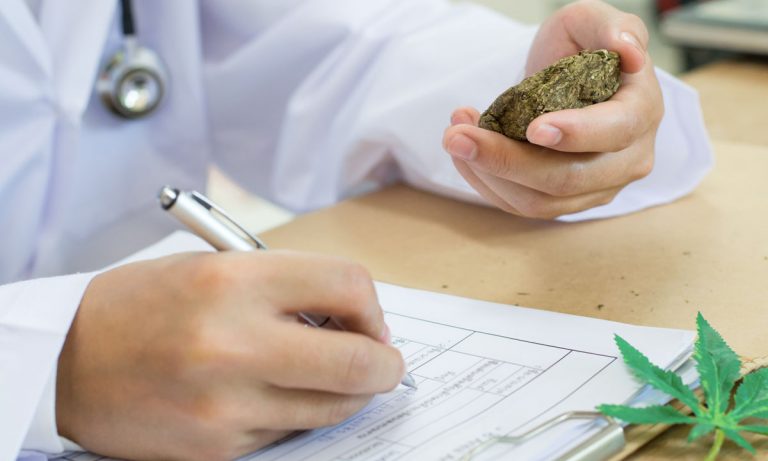
As medical cannabis becomes more mainstream, doctors, as well as their patients, are looking for the best treatment combination for individual conditions. Data is being collected today that will enable us to match specific plants and treatment options with specific ailments.

To best understand what options are available its important to first recognize that there are many ways cannabis flowers can differ. Cannabis is an herb that contains hundreds of active compounds. The therapeutic effects of the primary ingredients may be synergized by other compounds, while the side effects of the same primary active ingredients may be mitigated by other compounds. The efficacy of cannabis depends entirely on the interaction of several or all of the active ingredients found in the plant as a whole.

The various compositional factors combined with the interaction and reaction between flowers will ultimately determine the side effect of the bud. Technologies are starting to emerge that will pave the way for personalized and reliable dosing, which is critical for optimum patient care and product adoption.

Standardizing medical cannabis will help to fix the current unpredictability associated with cannabis effectiveness, opening up a whole new world of possibilities for new types of plant-based medicines.

One of the ways this is being done is to measure the strength and strand of cannabis for therapeutic combination treatment. This can only be achieved by accumulating knowledge of the interaction between the active ingredients found in cannabis and its correlation with specific health conditions. Fortunately, this is becoming feasible due to new analytical diagnostic technologies, such as those combining near-infrared spectroscopy, computer vision algorithms and machine learning – something we at GemmaCert are doing with our new testing device, which accurately tests the whole bud for THC and CBD levels (the two most well-known cannabinoids).

Growers, distributors and dispensaries are now armed with the plant diagnostics, the next step is to empower the medical community and boost tracking techniques.

By tracking patient usage and accumulating this data, we will be able to decipher the synergistic potential of the cannabis plant by establishing a correlation between specific flower composition and particular health conditions.

Combination Cannabis

The medical world already acknowledges the effectiveness of multi-drug therapy to treat a range of ailments. For example, the AIDS Cocktail that was first introduced in

1995 has since resulted in dramatic improvements for people using the combination treatment. The same may be true for treatment based on the entourage effect attributed to cannabis.

In order to treat, we must measure and correlate. Measuring the interaction of several or all of the active ingredients in the whole cannabis plant is critical for developing a promising pipeline of new standardized and effect-optimized therapeutic cannabis products based on the whole flower. GemmaCert’s device tests the whole flower; it does not crush or destroy samples in order to get an accurate reading.

As the cannabis industry matures, consolidates and economies of scale come into play, producers will need to automate their operations, and sorting by composition and potency will ensure that products are packed and labeled for specific health conditions.

Tell us what you think in the comments below. As a patient, are you willing to share your treatment schedule and results in order to advance medical science? Doctors, how are you currently prescribing medical cannabis and what are you doing to track you patient’s side effects?

About the Author: Guy Setton, Pd.D. is CEO and Co-Founder of Israel-based GemmaCert, which tests the composition and potency of whole cannabis flowers. GemmaCert is contributing to the standardization of medical cannabis products by offering peace of mind to patients utilizing cannabis for medical related purposes by assuring the potency of the specific product they consume.

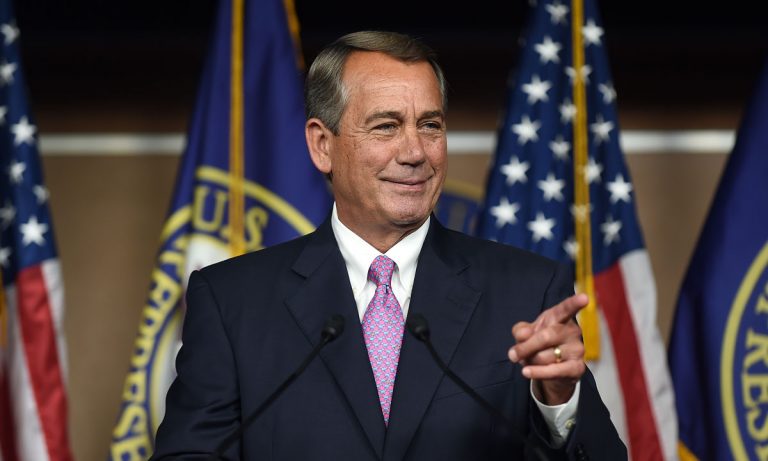
Former House Speaker Boehner Now Wants Feds to Legalize Marijuana 

Now that marijuana is legal in around 60 percent of the United States, and there is a growing body of research that suggests the herb is beneficial in the treatment of a wide range of health conditions, the overall attitude, which was previously against the legalization of marijuana, has shifted and the majority of citizens now believe “Satan’s Spinach” should be made legal. This includes John Boehner. The Republican is now a part of the cannabis industry, recently joining the Board of Advisors of a firm called Acreage Holdings. These days, the former lawmaker is fighting to get the herb eliminated from the Controlled Substances Act.

“There’s a lot of evidence that it works,” he said during an interview with WCPO, adding that it was the stories about sick children that got him to change his tune on marijuana.

“When you look at kids with epilepsy … they’re taking the non-psychotic part of this plant and reducing the number of seizures they have,” Boehner said.

Marijuana, even for medicinal purposes, is illegal at the federal level. In fact, the U.S government still considers the plant a Schedule I drug, which means it has “no currently acceptable medical use.” This listing on the Controlled Substance Act makes it difficult for the scientific community to research the potential therapeutic benefits of this plant. Even in states where it is legal, federal marijuana laws create hardships.

One group to experience its fair share of suffering because of pot prohibition is veterans. Their government benefits do not allow them to use marijuana for any reason, despite research and personal cases showing that it can be more effective than prescription opioids.

“Even with chronic pain, or veterans with PTSD, they ought to be able to have access to medical marijuana because we believe it actually helps them,” Boehner said.

“When you look at the states where medical marijuana is pretty prevalent, the use of opioids is down 25 percent.”

But even when it comes to treating marijuana like beer, allowing it to become part of legitimate commerce for adults, Boehner wants to see prohibition brought to an end.

“If the states decide they want to do this, this is up to them, but I am not going to be an advocate on what the states should and should not do,” Boehner said. “That’s clearly up to them.”

There is presently a proposal in the Senate intended to do just that. President Trump said last week that he would “probably” sign the bill if Congress can find a way to get it on his desk.

Hemp Industry Declares Victory After Settlement With DEA

In the long history of the War on Drugs, there have been a lot of skirmishes that boggle the mind. But one of the silliest, illogical battles finally has come to an end.

The Department of Enforcement Administration (DEA) and the Hemp Industries Association (HIA), reached a settlement after a nearly two-decade fight over hemp food products. The settlement, reached in late May and announced last week, prevents further illegal actions by the DEA to regulate hemp foods as Schedule I Drug.

At issue was a principle called the “Hemp Food Rules Challenge,” which first made headlines in 2oo4 when the HIA originally scored a victory over the DEA. In that ruling, the HIA, which represents nearly 1,000 hemp businesses, the Ninth Circuit Court of Appeals struck down a DEA rule that would have banned the human consumption of trace amounts of THC found in non-psychoactive industrial hemp. The 2004 ruling found that the DEA did not follow procedures to add non-psychoactive hemp to the list of Schedule I controlled substances. The court also ruled that Congress did not intend for hemp to be prohibited by the Controlled Substance Act.

But despite the court ruling, the DEA continued flouting the law by misguiding federal and state agencies, suggesting that legal hemp seed and oil could not be shipped between states. The DEA went so far as to direct customs agents to seize and destroy hemp oil if it tested positive for THC. This clear violation led the HIA to file a contempt motion in the Ninth Circuit against the DEA for violating the Court’s 2004 injunction that barred the DEA from enforcing its invalidated rule.

The HIA and DEA entered into mediation to resolve the conflict. The DEA was ordered to issue a directive to federal agencies clarifying that the mere presence of cannabinoids does not render material a controlled substance.

“We are grateful to our counsel for successfully negotiating the necessary clarification in this matter,” said HIA President Joy Beckerman. “We will remain the first line of defense to ensure the undisrupted continuance of the hemp industries as we bring new economic opportunities to farmers and entrepreneurs, and also healthy U.S.-made food products to the American marketplace and eventually around the world.”

The 3 Stocks To Watch As Canada Legalizes Cannabis

Canada is on the brink of legalizing cannabis nationwide after the Canadian Senate recently voted 56-30 in favor of the move. There was a lot of speculation as to how the pot stock market would react. Would it jump? Would it stay the same? Maybe fizzle a little or even tank? Motley Fool reporter Keith Speights accurately predicted a slight fizzle, but why?

For one thing, he pointed to the many amendments to the original bill, including a provision that prohibited the selling of t-shirts and other promotional type “swag,” which can actually make a fairly deep cut into retail store profits.

Mostly the stocks stayed about the same or took little dips, but there are three in particular that are predicted to potentially soar once the legal market is up and moving.

Aurora Cannabis (NASDAQOTH:ACBFF): Right now, Aurora’s acquisition of MedLeaf is in the final stages. Both companies are well known in Canada’s vast medical marijuana landscape and they are both well prepared to take on the legal market the day it opens. Between the two entities there are over 100,000-square-feet of grow space and “Aurora Sky,” Aurora’s biggest growing facility to date, is set to open soon. All in all, Aurora believes that it will be able to grow 570,000 kilos of cannabis yearly by 2019’s end.

Canopy Growth (NYSE:CGC): The biggest cannabis producer in Canada, though that could become more competitive after Aurora’s acquisition of MedLeaf, Canopy Growth is beyond set to continue taking off once Bill C-45 is firmly in place. Another advantage for Canopy is that they’re well into the retail world, and they’ve built supply arrangements in five out of Canada’s 10 provinces already. With 2.4 million-square-feet of cannabis grow space and counting, they should have plenty of quality product to offer the marketplace.

Aphria (NASDAQOTH:APHQF): Though not on the massive manufacturing levels of Aurora or Canopy quite yet, Aphria is in the top five Canadian cannabis producers and is in a good position to continue growing with the emerging legal market. Currently the company is building brand awareness for its new adult use products. In May Aphria made a deal with North American spirit and wine distributor Southern Glazer’s, the largest in it’s realm of competition. Plus, Aphria has plenty of room to grow and is expanding that space now, as you read.

3 Things To Know About The Massachusetts Edibles Market

Almost two years after Massachusetts legalized marijuana, the government announced that weed will be available July 1. However, as Green Rush Daily reports, the date is rather “optimistic” because the Cannabis Control Commission has yet to issue recreational licenses.

But, hey, more time to plan your edibles crawl, right? Here’s what to expect from the state’s burgeoning edibles market once dispensaries open starting July 1, according to Green Rush Daily:

Where To Buy

Medical dispensaries are your best bet, since they have been planning for this day for quite awhile. As Eddie Benjamin, Director of Innovation for New England Treatment Access (NETA , explained to Green Rush Daily, “We have been developing our adult use product line for some time now.”

Dozens of dispensaries have already applied for licenses since June 1, when the Cannabis Control Board started accepting them.

What’s Legal

According to GRD, the CCC has set a limit of 5 mg THC per dose, which is lower than the 10 mg California and Colorado allow. But that doesn’t mean that a bag of edibles can’t contain several doses. Medical marijuana patients can buy edibles at cost, but recreational users have to pay a 20 percent tax, says GRD.

What To Buy 

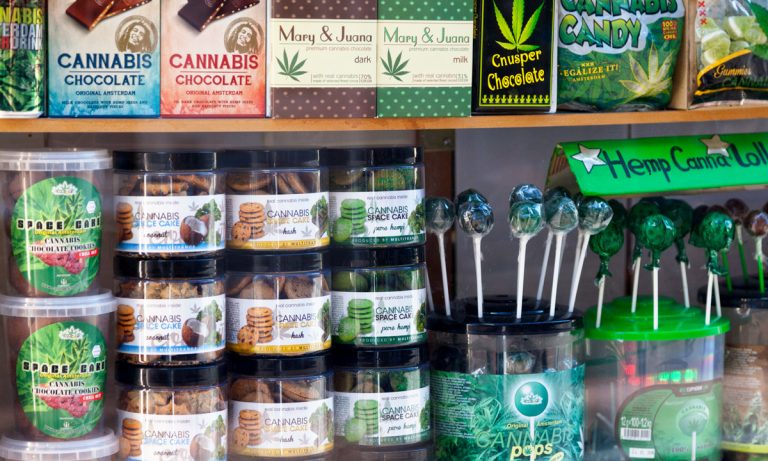
Homemade treats like Belgian dark chocolate and caramels will be available at NETA in Northhampton and Brookline. Benjamin told Green Rush Daily that they plan to release a Belgian dark chocolate bar, caramels, lozenges and two types of fruit chews for adult use. Says GRD:

All their products are made with marijuana distillate. “For adult use, we are using the distillate, which is incredibly high purity and incredibly high potency,” Benjamin explained.  “We can use a very little amount of what is essentially tasteless oil and bring out the natural flavors of the chocolates or the other ingredients.”

Ermont, an innovative Quincy-based marijuana dispensary, also makes a variety of infused deserts. These range from granola bars to oreo cookie pie to ginger molasses cookies. They also specialize in liquid edibles, in the forms of honey, maple syrup, peanut butter and other spreads.

Ermont also makes a savory THC-infused olive oil, coconut old and tomato sauce. Last year, they offered a limited-edition pizza.

NETA also offers infusions on the savory side, such as grapeseed oil. “We got a lot of requests from our medical patients from folks who wanted a soy free option or a dairy-free option or a gluten-free option,” Benjamin told GRD. NETA’s Elevation Oil comes fully decarboxylated and can be used in dressings or as a tincture.

Florida Governor Race Showcases ‘New Politics Of Cannabis’

Cannabis has become a key issue in the Florida primaries, particularly on the Democratic side. Perhaps the state’s current disarray with regards to its medical cannabis program might explain the preoccupation amongst voters. But Florida’s Democratic gubernatorial candidates have practically tripped over one another trying to out-endorse recreational cannabis.

Four out of the five candidates participated in a debate last weekend. By all accounts, it was a testy affair, except when the topic of cannabis broached the stage. The candidates were asked how they would make medical marijuana more accessible to patients who have been kept waiting.

“Medical marijuana was approved by the people two years ago by the people,” Miami Beach Mayor Phillip Levine said. “Today people still can’t get in the state of Florida. Let me tell you the reason. It’s because the Kremlin—oh, I mean Tallahassee—doesn’t want to listen to the people of Florida.”

Perhaps more interesting was watching the candidates try and top one another on their stances on cannabis legalization.

https://twitter.com/MayorLevine/status/1005592739227095042

But that’s not all. Heading into the debate, Levine and the affordable housing investor Chris King reiterated their plans regarding legalization to impress potential voters. What this represents is staggering when it comes to politics and cannabis; typically voters can only choose between candidates who support cannabis legalization and those who do not. Now, voters can actually chose the pro-cannabis candidate who has the best plan, not just the positive one.

https://twitter.com/MayorLevine/status/1005094862281199616

We haven’t mentioned Gwen Graham, who was also participated in the debates. When it comes to cannabis, Graham’s been analogized as the tortoise competing against the hares in this race. She’s fully endorsed decriminalizing marijuana and fully realizing Florida’s medical marijuana program. But she hasn’t endorsed legalizing recreational cannabis like the rest of the pack.

“For me, I believe you accomplish change by incrementally approaching it and having a plan for how do you get there,” Graham told Orlando Weekly last week.

“The state of Florida has not fully implemented medical marijuana,” she continued. “I mean we need to get that fully implemented, and hav[e] people across the state of Florida having the opportunity to take advantage of medical marijuana.”

The Florida primaries will be held Aug. 28, but it’s already clear how marijuana has shaped the campaign trail. As Tom Angell of Marijuana Moment pointed out, we’re potentially witnessing “the new politics of cannabis.”

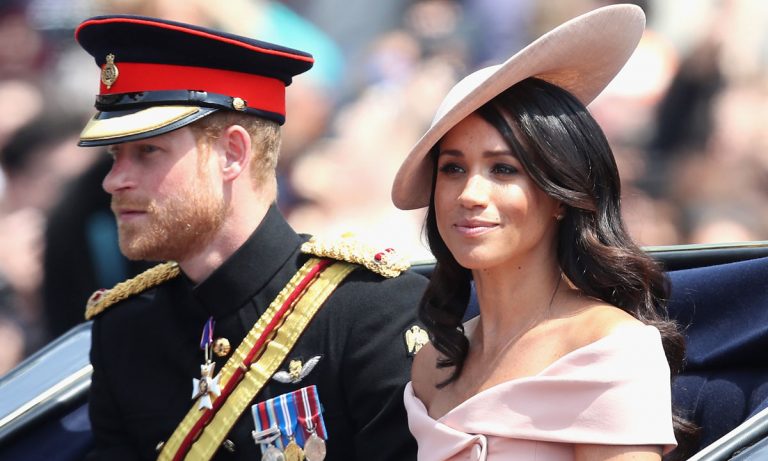
Meghan Markle And Prince Harry Announce First Royal Tour

The royal couple, who recently returned from their honeymoon, will be touring Australia and New Zealand in the fall as their first official tour begins and they start to represent the royal family in other countries.

Kensington Palace announced their itinerary for the following months this past Sunday:

According to People Magazine, the trip to Australia wasn’t a surprise since people expected the couple to be in Sidney for the opening of Prince Harry’s Invictus Games, which are held every year in different countries. These games celebrate veterans who have been wounded in battle, and were formed by Prince Harry in 2014. This year’s event will take place during the week of October 20-27, coinciding with the royal tour.

The royal couple will also visit other countries that are part of the Commonwealth, since both have key roles in the organization. Harry was just appointed as head of the Youth Forum and Meghan is thought to be involved in the organization’s championing of women.

Johnny Knoxville Explains The Time Blood Shot Out His What

Every teenage boy in America should pay a monthly stipend to Johnny Knoxville for the level of physical torture and pain he’s endured. All in the name of our laughter and entertainment. And while Knoxville and his Jackass posse hasn’t shied away from telling us where it hurts, and how bad it hurts, we’ve never known the totality of suffering one man can stand.

Knoxville has been open to helping us understand a little more now. Johnny Knoxville broke down the injuries he’s overcome throughout his career and while you might be prepared for how gruesome things get in Knoxville’s world, you have no idea how weird things can get.

“I thought I was peeing myself,” Knoxville explains, after he fell off a motorbike mid-jump and the bike’s handles landed square on his pelvis. “Every time my heart would beat, blood would shoot out the end of my penis.”

RELATED: insane Scoutmaster Eats 23 Ghost Peppers, Immediately Regrets It

Give Knoxville credit. He does not shy away from any stunt, no matter how stupid. From first testing self-defense weapons when he briefly wrote for magazine to his most recent movie Action Point, where his eye popped out of its socket. Just try not to look away.

A Dozen Governors Urge Congress To Pass Marijuana STATES Act

Just days after Sens. Elizabeth Warren (D-Mass.) and Cory Gardner (R-Colo.) unveiled the Strengthening the Tenth Amendment Entrusting States (STATES) Act, the governors of a dozen states have come out endorsing the legislation. The STATES Act would allow individual states the ability to enact and regulate cannabis laws free from federal overreach.

The 12 governors signed a letter addressed to the top leaders in both chambers in Congress urging for the passage of the draft legislation. According to the letter, first published by Tom Angell’s Marijuana Majority:

Our states have acted with deliberation and care to implement programs through thoughtful and comprehensive legislation and regulations. Our citizens have spoken, we are responding. We ask that Congress recognize and respect our states’ efforts by supporting and passing the STATES Act.

The bipartisan group of governors included:

  • Alaska Gov. Bill Walker (Independent)
  • California Gov. Jerry Brown (D)
  • Colorado Gov. John Hickenlooper (D)
  • Maryland Gov. Larry Hogan (R)
  • Massachusetts Gov. Charlie Baker (R)
  • Nevada Gov. Brian Sandoval (R)
  • New Jersey Gov. Phil Murphy (D)
  • New York Gov. Andrew Cuomo (D)
  • North Dakota Gov. Doug Burghum (R)
  • Oregon Gov. Kate Brown (D)
  • Pennsylvania Gov. Tom Wolf (D)
  • Washington Gov. Jay Inslee (D)

The STATES Act is a wide-ranging piece of legislation that essentially would exempt states from the provisions of the Controlled Substances Act.

“As of today, 46 states permit the use of some form of medical marijuana and 8 states have made it legal for adult-use. These programs reflect the will of the people as expressed through ballot initiatives and legislative action,” the governors wrote.

In January, U.S. Attorney General Jeff Sessions made headlines and angered many state lawmakers when he rescinded Obama-era policies designed to protect states with cannabis laws on the books. Sessions’ move “complicated the marketplace for businesses that states now deem legal,” the governors’ letter reads. “This return to one-size-fits-all federal prohibition is incongruent with reality, undermines the 46 carefully-crafted regulatory structures and impedes states’ ability to be effective laboratories of democracy.”

Cannabis advocates cheered the governors’ position. “The STATES Act is the most significant piece of marijuana-related legislation ever introduced in Congress,” Don Murphy, director of federal policies for the Marijuana Policy Project, told Marijuana Moment. “These governors understand the difficulty of implementing medical and non-medical programs with the heavy boot of the federal government on their necks.”

Don't Miss Your Weekly Dose of The Fresh Toast.

Stay informed with exclusive news briefs delivered directly to your inbox every Friday.

We respect your privacy. Unsubscribe anytime.