Tuesday, June 16, 2026
Home Blog Page 931

People Can’t Spell These Words, Says Google

Some people just aren’t cut out for the sappy greeting card business. If you can’t nail a simple word like “beautiful,” it’s probably time to hang up your romantic life all together. And also, no scribing patriotic songs.

According to a newly released list by Google Trends, “beautiful” was the word 11 sates struggled to spell the most over the past year, including Washington, California, and Massachusetts. Apparently, not a lot of Jim Carrey fans live there.

“Beautiful” has nearly twice the amount of “how to spell” Google inquiries than silver medalist (*stretches fingers*) “supercalifragilisticexpialidocious”, the evil spawn from Mary Poppins. Why would you even begin to type that into a search engine? Make Alexa do it.

Other misspelled words, according to Newsweek, include: “resume”, “canceled”, “schedule” and “sincerely”. Sounds like a lot of people might be interviewing for jobs?

It’s no coincidence that this list comes just in time for…wait for it… the Scripps National Spelling Bee, which ends May 31.

Here’s the entire list by state. You can bet every one of those more than 500 young spelling bee competitors can rattle off these words in their sleep. And how is it “supercalifragwhatever” made the list but not Hors d’oeuvre? You’d think that’d be a more used word, no?

Alabama: Cousin
Alaska: Veteran
Arizona: Beautiful
Arkansas: Beautiful
California: Beautiful
Colorado: Resume
Connecticut: Sincerely
Delaware: Decision
Washington, D.C.: Permanent
Florida: Hors d’oeuvre
Georgia: Supercalifragilisticexpialidocious
Hawaii: Grateful
Idaho: Businesses
Illinois: Beautiful
Indiana: Beautiful
Iowa: Vacuum
Kansas: Consequences
Kentucky: Definitely
Louisiana: Favorite
Maine: Connecticut
Maryland: Canceled
Massachusetts: Beautiful
Michigan: Supercalifragilisticexpialidocious
Minnesota: Supercalifragilisticexpialidocious
Mississippi: Gray
Missouri: Sincerely
Montana: Tomorrow
Nebraska: Nocturnal
Nevada: Probably
New Hampshire: Subtle
New Jersey: Resume
New Mexico: Permanently
New York: Resume
North Carolina: Beautiful
North Dakota: Yacht
Ohio: Supercalifragilisticexpialidocious
Oklahoma: Canceled
Oregon: Supercalifragilisticexpialidocious
Pennsylvania: Schedule
Rhode Island: Dying
South Carolina: Beginning
South Dakota: Chaos
Tennessee: Schedule
Texas: Supercalifragilisticexpialidocious
Utah: Beautiful
Vermont: Solution
Virginia: Beautiful
Washington: Beautiful
West Virginia: Apparel
Wisconsin: Beautiful
Wyoming: Fiancé
How Marijuana Consumers Can Save The Bees

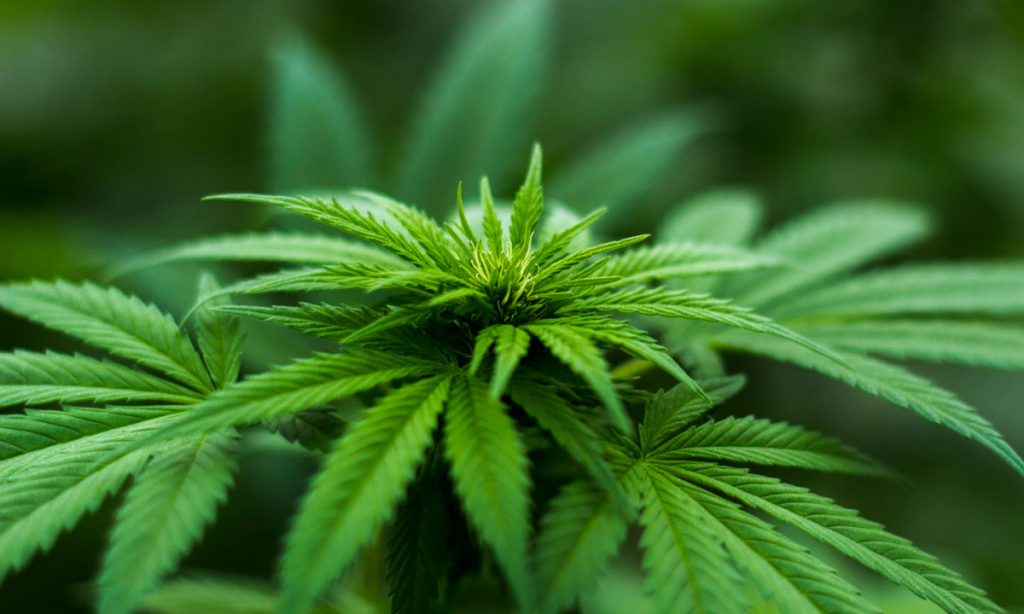
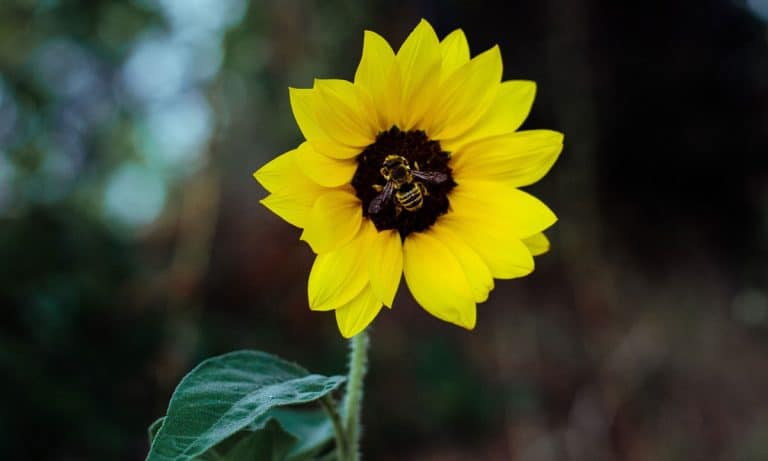
Although bees are not essential in the pollination of the cannabis plant, the budding marijuana industry, especially its expanding customer base, is now in a position to help salvage dwindling bee populations.

While there are a few studies over bees’ relationship with cannabis, there is no definitive connection between the two. Bees, which are responsible for pollinating around 85 percent of the Earth’s flowing plants, have little interest in the cannabis plant. This is simply because the odor and appearance of marijuana does not attract them.

Unfortunately, bee populations in the United States are now the lowest they have been in around five decades. This is largely due to colony collapse disorder (CCD), which has been blamed on everything from global warming to loss of habitat, as a result of expanding cities.

RELATED: Little-Known Health Effects Of Medical Marijuana

However, there is solid evidence that CCD is happening due to the use of dangerous insecticides – an issue that the cannabis industry has been struggling to get a grip on for the past few years.

Researchers at Harvard University found that neonicotinoids, which are among the most commonly used insecticides, are directly linked to colony collapse disorder.

New Jersey’s Medical Cannabis Program Expanding
Photo by Michael Fischer via Pexels

A 2014 study found that in hives exposed to these chemicals, bees either stopped reproducing, deserted the hive, or died.

Therefore, you can do your part to save bee populations by simply paying attention to where you buy marijuana.

RELATED: Why Won’t My Doctor Prescribe Medical Marijuana For Me?

“As most cannabis is lab-tested, consumers can research and make bee-friendly purchases from farms that grow pesticide-free cannabis,” writes Dope reporter Blaze Robinson. “Knowing where your weed comes from allows consumers to support companies with sustainable organic growing practices. This is particularly important for those who enjoy smoking concentrates: if pesticides are present, pesticide levels are also concentrated.

“Another way to support bees is to create a habitat,” Robinson adds. “Plant flowers that bloom at different seasons throughout the year. Create a native garden to support different species of native bees that struggle to find food amongst imported plants and turf grass. Make water (and landing areas) available to thirsty bees. Install a bee box for solitary bees. Or become a beekeeper and care for a hive of honeybees.”

Why Is Twitter Locking Users Out Of Their Accounts?

Have you noticed how lately many websites are asking you to accept their new privacy policies? This is due to Europe’s new GDPR (General Data Protection Regulations), which went into effect on May 25 of this year. In short, GDPR gives European citizens the right to “clearly and explicitly opt into having their data collected and used by a company on the web.”

All of these new policies and agreements have shaken websites, no matter their size and amount of users. Twitter is one of the largest companies that have been effected, and this has resulted in many cancelled accounts. Mashable reports that over the past week, Twitter has been closing the accounts of users who, despite their current age, joined the website before they were 13 years old.

Twitter has never been strict regarding the age of its users, so it’s now facing a problem since a lot of people joined the site and found ways of going around the age restrictions. Twitter’s solution has been to pinpoint the ages of users that were younger than 13 when they first opened their profile and block their access to the site. As you can imagine, this has resulted in many cancelled accounts, even though some of the banned users are now adults. All because of the new laws that require companies to enforce a minimum age requirement of 13.

Users with cancelled accounts are able to complain and contact Twitter, but many of them have been asked to provide their IDs and birth certificates in order to prove their age.

This seemingly extreme measure can be explained by the fact that GDPR violations result in very expensive fines and a lot of problems for the company. Twitter hasn’t been the only website to be wary of these new measures, but it’s one of the companies that has handled this situation in the clunkiest of ways. Even though Twitter had a lot of time to prepare for these new policies, they decided to keep secrets from their users and to shut down accounts without providing other options. For now, the only option left for users whose accounts have been cancelled is to create a new profile and start over.

Marijuana 101: Why You Shouldn’t Hold Your Hits For More Than 3 Seconds

Welcome to Marijuana 101: There’s a popular misconception that makes us believe that the longer we hold a hit in, the higher we’ll get, or that if we smoke marijuana and cough a lot it means that the weed is really powerful and that you’re getting really really high. These are all urban myths. Let’s get to the science behind all of this and explain how your body works when smoking cannabis:

https://giphy.com/gifs/site9gagcom-BLTS8Dz5exZiU

How Your Lungs Work

Whether you’re inhaling smoke from a joint, a pipe, or a bong, your lungs react in the same way as when you’re taking a breath of fresh air. They expand and pick up oxygen and THC that make their way to your alveoli (the little sacs of air in your lungs) and then to your bloodstream, passing on both of these components to different areas of your body and getting you high in the meantime.

It doesn’t matter how long you hold in the smoke, the effect remains the same because it takes approximately 3 seconds for the THC to make its way through your body.

Why You Feel Lightheaded

This has a pretty simple explanation, which is that the longer you hold in a hit, the longer you deprive your brain of oxygen, which in turn makes you feel lightheaded. That airy feeling, coupled with the smoke in your system, will make you feel like you’re super high when in fact your brain is just begging for some air.

If you want to find an efficient way to get more high per hit, you can try adding some kief to your joints or bowl, or you can try smoking from a concentrate, which are getting stronger by the day.

Marijuana 101: How To Mix Essential Oils With Cannabis

What we know of as wax or isolate is really just the whole plant essential oil of cannabis. It’s made up of multiple terpenes, cannabinoids and other phytochemicals to not only get us high, but to do everything else the plant is capable of.

Other plant derived essential oils can provide therapeutic benefits, and when mixed with cannabis you can finally get relief, relaxation, or whatever it is you’re looking for.

Photos by Danielle Guercio

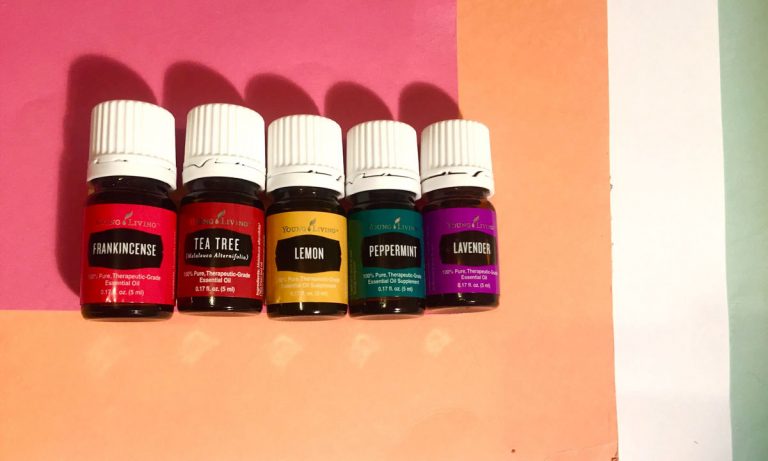
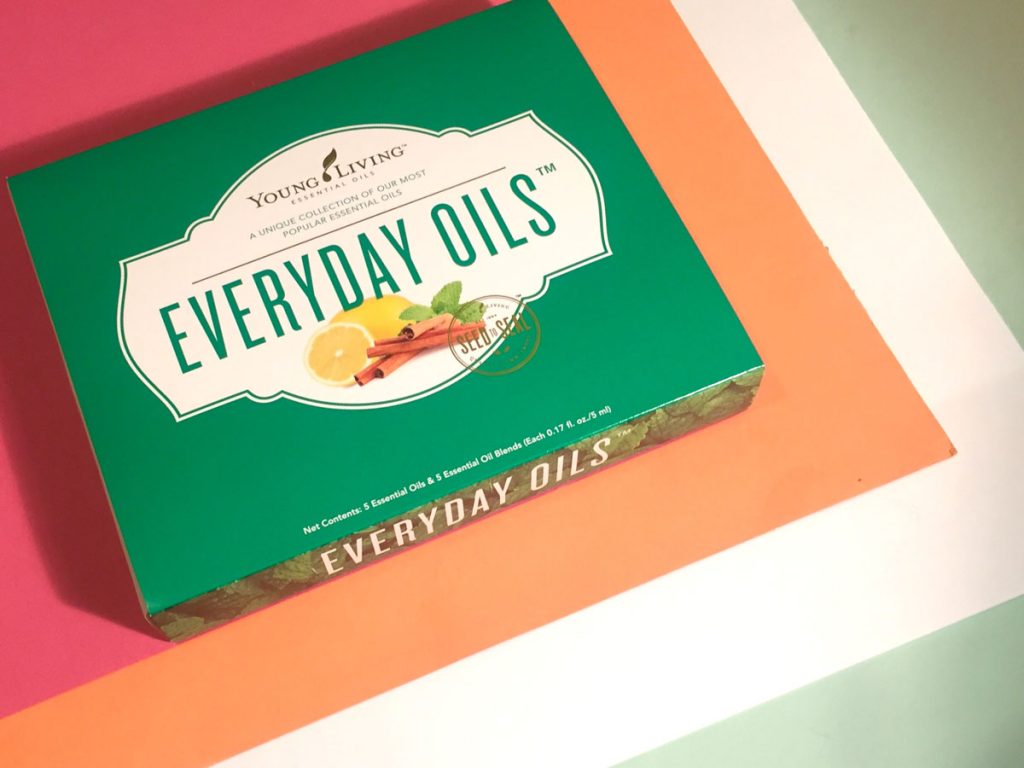
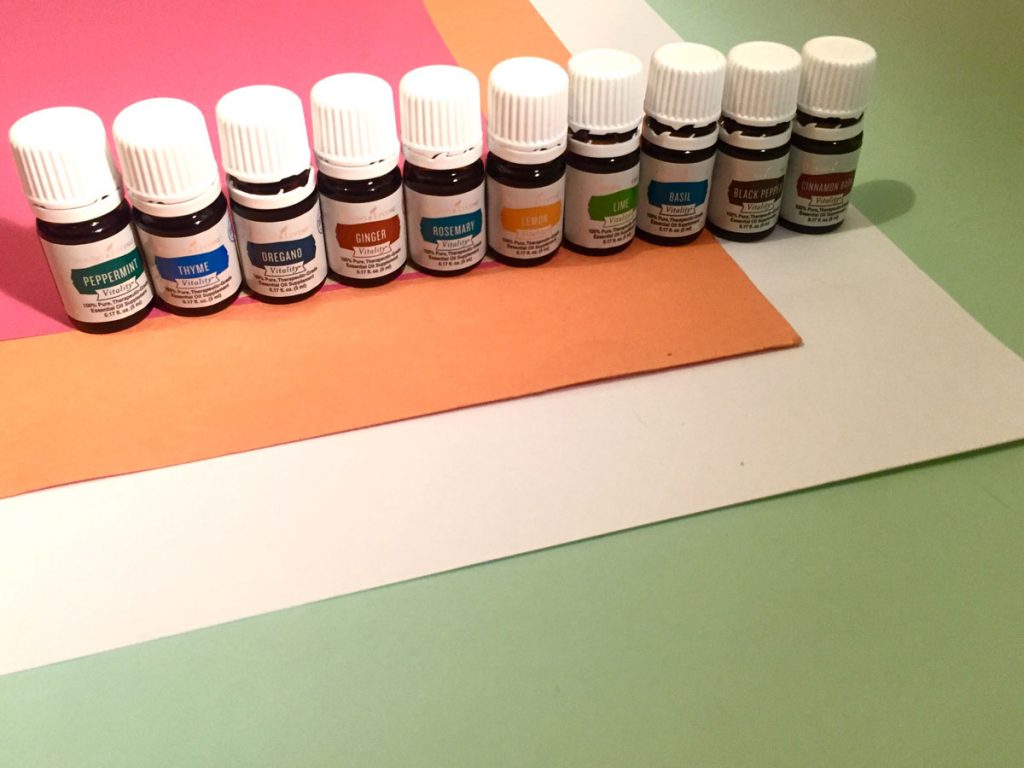
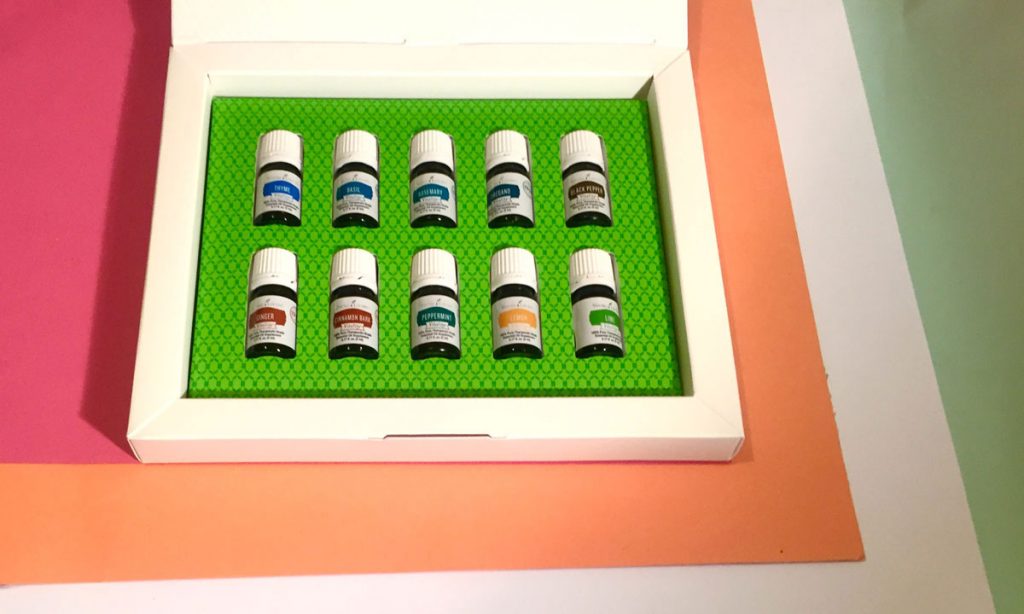
It should go without saying to keep quality at heart, but I love both high end and more affordable essential oils. Where possible, Young Living is my go-to, but Aura Cacia or Now will do in a pinch—or in bulk when affordability is key. Essential oil safety is also paramount. I love that Young Living provides an easy guide to which oils are phototoxic, which are not to be ingested, and any other need-to-know information.

Photos by Danielle Guercio

Lemongrass contains high levels of myrcene, which is the terpene in mango and cannabis that can increase the efficacy of THC. Dispense no more that two drops into bathwater the next time you have a smokey bath sesh or a THC bath bomb to use, you’ll get an extra boost to your high and be ready to take on the day.

On the opposite end of things, lavender when diffused with an adjacent consumable or even applied topically with THC infused coconut oil can knock you out faster than a nature documentary. This also goes lovely in the bath, though better in the evening time.

Photos by Danielle Guercio

When things hurt, either from your own doing (read: hangover) or a medical issue, peppermint can come through in a serious pinch to smooth things over. Peppermint and cannabis together can end up in mints, chocolates, rubs, or anywhere you need a minty kick.

There’s nothing worse than an angry tummy. Ginger is one of the single most effective things I’ve used for a whole list of complaints, it’s like a tiny bottle of Pepto Bismol, minus the chalky pink stuff. Throw a drop into tea or an empty V-cap with some cannabis tincture and you’ll overcome things with much more grace.

Don’t apply lemon topically, but it’s essential oil is a really great way to take down a high that has gone off the rails. Using a toothpick, add the tiniest trace to a beverage, or add a drop to a cloth to gently inhale. The limonene will perk you up, and hopefully you will remember this trick the next time you need it or it happens to a newbie you know.

Photos by Danielle Guercio

Got the basics? Great! Essential oils are fun and interesting, but they also really help people get by when they can’t seek a doctor immediately. They won’t ‘cure’ your illnesses, but for some side effects and nasty day-to-day drama, they make a great addition to your remedy arsenal, where cannabis already is for many of us.

Photos: Danielle Guercio


Amal Clooney Is Giving Meghan Markle Advice On How To Live In London

Amal Clooney and Meghan Markle have known each other for a while, but they’re now basically BFFs.  According to People, the two met through a mutual friend and became closer when Markle moved to London to be with Harry. Mrs. Clooney, who lives nearby with her famous husband Geroge, was conveniently available to show Markle around the city. Fast forward, they bonded.

Sources believe that their friendship occurred organically, thanks to the fact that both women have many things in common. Clooney is a very accomplished attorney with a keen interest in human rights, women’s issues and the United Nations. All of these traits bring her together with Markle, who’s also worked with the U,N. and is a known advocate of human rights and women’s issues. “Amal has been helping Meghan settle into London life,” says a source. “It was a very natural friendship from day one.”

Clooney is a British-Lebanese citizen who was raised in the U.K. and who currently spends a lot of her time in Europe with her husband and their two kids.

Via People:

They are flying back and forth between the U.S. and Europe, but everything is set up at the Lake Como house. They will spend as much time by the lake as they can. They always seem to love coming to the lake.

The Clooneys plan to spend the majority of their summer in Europe.

MedMen Just Got Closer To Becoming ‘The Apple Store Of Weed’

As the first $1 billion cannabis company in the U.S., California-based MedMen, which bills itself as the “Apple Store of weed,” has big plans for expansion. They not only want to expand the number of stores in the U.S., they want to launch weed delivery and in-store pickup this year.

MedMen went public on the Canada Securities Exchange on Tuesday. (U.S.-based weed companies aren’t allowed on either the New York Stock Exchange or Nasdaq, since marijuana is still federally illegal.)

In a regulatory filing in Canada on May 28, MedMen stated it “plans to engage in delivery operations either through the development of its own delivery infrastructure and network or through the use of third-party services focused on the delivery and e-commerce market.”

The company also added: “An in-store pickup option is currently being developed in-house and will be accessible from MedMen’s website.”

According to Investor’s Business Daily:

The company has stated its plans to offer delivery in other recent filings as well. Daniel Yi, a spokesman for the company, said MedMen has applied for delivery and other new licenses in areas across California. Other details, like where a delivery operation might debut or how it would work, were not available.

The company’s regulatory disclosures in Canada offer a deeper look into its strategy and finances. Medical marijuana is legal in Canada, and recreational legalization is set to take hold this year. The U.S. federal government still prohibits marijuana, even as more states vote to make it legal.

MedMen has already made a name for themselves in the U.S.. Just this year, they’ve been featured on Jimmy Kimmel Live and created a viral ad campaign.

With 12 stores across New York, California and Nevada, the company says they’re now actively looking to rollout new stores in key markets such as Illinois, Florida, Pennsylvania, New Jersey and Ohio.

According to the Financial Post, “Like many companies in the cannabis space, MedMen’s growth has been extraordinarily rapid. Two years ago the company had only one dispensary, in West Hollywood, and one growing facility, in nearby Sun Valley.”

President Trump Did Not Legalize Medical Marijuana In All 50 States

Somewhere in between his meeting with Kim Kardashian to discuss prison reform and his Tweets about Roseanne Barr, President Trump signed a bill earlier this week giving terminally ill patients the freedom to use experimental medications that have not been met with FDA approval. It is called the “Right to Try,” a measure that the President himself claims will save “hundreds of thousands” of lives.

But news has spread in recent weeks suggesting that the new law would effectively legalize medical marijuana in all 50 states for people on their deathbeds. It turns out that this concept, which seems to have originated from a handful of story-starved cannabis journalists, is more speculative than anything. Sadly, the fact-checking website Snopes found there is nothing written in the language of the Right to Try legislation that even comes close to legalizing medical marijuana for terminally ill patients. The new law only makes it possible for qualified patients to get permission to use the herb.

“The claim as presented is false; the act itself was unrelated to medical marijuana, and solely pertained to those diagnosed with terminal illnesses,” reads a clarification. “Even under the most flexible interpretations, there was no truth to the statement that President Donald Trump was signing a law legalizing medical marijuana at a federal level.”

It is still possible that terminally ill patients could gain access to medical marijuana under Right to Try. But even though the herb technically qualifies as an “experimental medication” under the new law, this does not mean it will be any easier for patients to secure. The law gives terminally ill patients the right to seek drug treatments that are in clinical trials and “have passed Phase 1 of the Food and Drug Administration’s approval process,” according to CNN. Although medical marijuana technically falls into this category, the vagueness of Right to Try’s qualified conditions provides no clue as to what the federal government considers a terminal illness.

What is clear is that the new national law, which, according to the New York Times, has be oversold by President Trump, gives patients and doctors the right to petition drug companies for the use of experimental medications. But it remains to be seen whether medical marijuana businesses will be considered “drug companies.” Considering that growing and selling weed in the United States is still illegal in the eyes of the federal government, these types of operations might not fit in with the Right to Try.

At best, the new law will have very little impact, especially where medical marijuana is concerned. Nearly 40 states already have Right to Try laws on the books. What’s more is the FDA has had a “compassionate use, or expanded access” program in place for decades designed to provide terminally ill patients with experimental medications. The agency says it approves more that 80 percent of these applications.

Half Of Americans Believe That Sex With Robots Will Be a Thing By 2067

Ian Pearson, a well regarded futurologist known for his spot on predictions, believes that in 50 years having sex with robots will be even more common than having sex with humans. While this seems extreme and bizarre, recent results from a poll demonstrate that a large percentage of Americans agree with him, even though they would think twice about having sex with a robot. 

The YouGov poll analyzed different results from men and women and compared them to each other. These results demonstrate that men have an easier time wrapping their heads around this new change. 24 percent of them admitted that they’d consider having sex with a robot while only nine percent of women agreed with them. 

The results from the poll get more complicated on further inspection. Around 14 percent of adults believe that engaging in sexual acts with robots is considered “real sex,” while 33 percent of them believe that it’s not and that it’s more similar to masturbation. These results show that it’s still hard to define what sex is, especially if you throw a robot into the mix. 

When it comes to being in a relationship with a human and cheating on them with a robot, the answers are complicated too. 32 percent of adults believe that engaging in sexual activities with a robot while in a monogamous relationship counts as cheating, while 33 percent of them believe that it’s not. When you analyze the results according to gender, the results vary, with 37 percent of men thinking that having sex with a robot isn’t cheating, while 27 percent of them believe that it is. For women, the results are reversed, with 37 percent of them believing that having sex with a robot while in a monogamous relationship is cheating, while 27 percent of them thinking that it isn’t. 

While this poll is merely speculative, we have to admit that the possibility of advanced robots with AI, realistic looking sex bots, and emerging technologies have us all wondering about the future of the world in which we’ll live. Thankfully, history shows that humans can adapt well to change, no matter how scary or weird it is.

Underage Kids Have A Harder Time Buying Weed Than Booze Or Cigs In Colorado

Memo to underage Colorado cannabis consumers: Don’t even try buying your weed a regulated marijuana retailer. You’re going to walk out of the establishment red-faced and empty-handed.

The state’s Marijuana Enforcement Division issued the results of its 2017 underage compliance testing and reported that 95 percent of the retailers passed. The agency’s operation sent underage operatives into 264 marijuana stores across the state attempting to buy cannabis products. Of those interactions, only 13 resulted in a purchase. In Colorado, and other legal marijuana states, only adults 21 years and older with a valid ID can buy cannabis in regulated stores. 

“While we’re pleased that the percentage of licensees passing underage compliance checks increased from 2016, that number still isn’t good enough,” said Jim Burack, MED Director. But Burack insists that 95% “still isn’t good enough.”

“We’ll continue to increase the frequency of our enforcement efforts and further educate marijuana licensees on their operational requirements vital to protecting public health and safety,” Burack said.  “Importantly, business licenses are subject to discipline, including revocation, if management is not diligent about underage enforcement and associated employee training.”

Other legal states have experienced similar results. After a subpar initial test in Oregon, officials say they have made improvements in compliance. The punishment — fines and store closures — are simply not worth the risk for retailers who spent large sums of money for the business.

“The risks for non-compliance are significant,” said Kristi Kelly of the Marijuana Industry Group.  “It’s no surprise that the legal licensees and employees in this state place a priority on making sure that legal cannabis stays in the hands of legal buyers,” Kelly told Denver’s CBS4.

For context, 89 percent of liquor stores passed underage compliance tests for alcohol and 94 percent of stores passed underage compliance tests for tobacco, according to CBS4.

Don't Miss Your Weekly Dose of The Fresh Toast.

Stay informed with exclusive news briefs delivered directly to your inbox every Friday.

We respect your privacy. Unsubscribe anytime.