Wednesday, July 1, 2026
Home Blog Page 938

Marijuana 101: The Conundrum Of Cannabis Dosing

It’s relatively easy to experience medical benefits from cannabis. A puff or two of a resin-rich reefer can do the trick for a lot of people.

But smoking marijuana is not the be-all and end-all of cannabis therapeutics. One doesn’t have to smoke marijuana or get high to experience the medical benefits of cannabis.

In recent years, the advent of potent cannabis oil concentrates, non-psychotropic CBD product options, and innovative, smokeless delivery systems have transformed the therapeutic landscape and changed the national conversation about cannabis.

It’s no longer a question whether marijuana has medical value. Now it’s about figuring out how to optimize one’s therapeutic use of cannabis.

That can be a challenge – for doctors as well as patients. Most physicians never learned about cannabis in medical school and, according to a 2017 survey, few feel they are qualified to counsel patients about dosage, CBD:THC ratios, different modes of administration, and potential side effects.

“Dosing cannabis is unlike any therapeutic agent to which I was exposed in my medical training,” says Dustin Sulak, D.O., the director of Integr8 Health, which serves patients at offices in Maine and Massachusetts. “Some patients effectively use tiny amounts of cannabis, while others use incredibly high doses. I’ve seen adult patients achieve therapeutic effects at 1 mg of total cannabinoids daily, while others consume over 2000 mgs daily without adverse effects.”

Cannabis comes in many different forms with a wide range of potencies, and its production and distribution have yet to be standardized in states where cannabis is legal for therapeutic use. So what’s the best way to proceed when it seems like cannabis dosing is all over the map?

Managing Psychoactivity

The successful use of cannabis as a medicine depends to a great extent on managing its psychoactive properties. Many people enjoy the cannabis high; for others it’s unpleasant. A person’s sensitivity to tetrahydrocannabinol (THC), the main psychoactive component of cannabis, is key to implementing an effective treatment regimen.

Cannabidiol (CBD) does not cause a psychoactive high like THCCBD can actually lessen or neutralize the THC high, depending on how much of each compound is present in a particular product. A greater ratio of CBD-to-THC means less of high. Today cannabis patients have the option of healing without the high.

Broadly speaking, there are three types of resin-rich cannabis (and cannabis products):

  • Type 1 (THC-dominant) – High THC, low CBD (ubiquitous psychoactive marijuana varietals that millions like to smoke)
  • Type 2 (THC & CBD) – Mixed THC and CBD cultivars (psychoactive, but not as edgy as THC-dominant varietals)
  • Type 3 (CBD-dominant) – High CBD, low THC (non-euphoric marijuana or hemp)

There’s also a fourth type – those rare cannabis cultivars that prominently express a so-called minor cannabinoid (like CBG or THCV). But in terms of what’s currently available for patients, the THC:CBD ratio is paramount and must be considered when formulating dosage strategies.

What’s the appropriate dosage for each of the three main types of cannabis?

Microdosing For Beginners

One of the common misconceptions about cannabis therapy is that one has to get high to attain symptom relief.

“Most people are surprised to learn that the therapeutic effects of cannabis can be achieved at dosages lower than those required to produce euphoria or impairment,” says Dr. Sulak, who asserts that “ultra-low doses can be extremely effective, sometimes even more so than the other [high-dose] extreme.”

Preclinical science lends credence to the notion that a small amount of THC can confer health benefits. Oral administration of a low dose of THC (1 mg/day) resulted in “significant inhibition of disease progression” in an animal model of atherosclerosis (hardening of the arteries), according to a 2005 report in Nature, which noted: “This effective dose is lower than the dose usually associated with psychotropic effects of THC.”

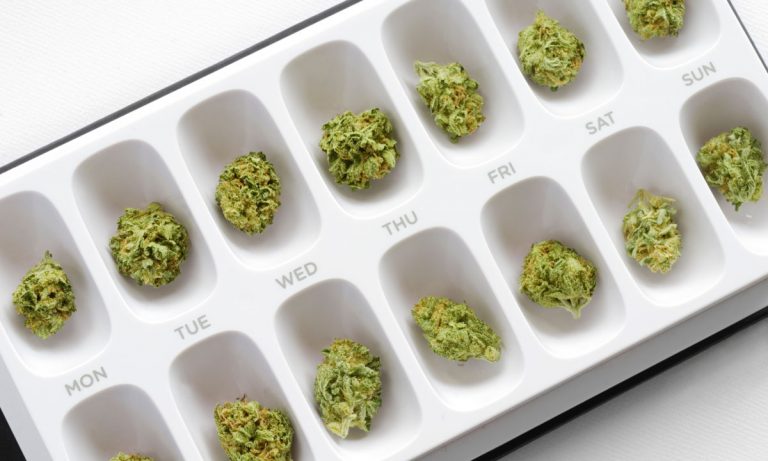
Because of federal cannabis prohibition and consequent research restrictions, clinical data is lacking to determine if low dose THC therapy can protect against atherosclerosis in humans. But this much is certain: The practice of micro-dosing – which entails the consumption of a sub-psychoactive or slightly psychoactive dose of cannabis – is gaining popularity among those who want the medical benefits of cannabis without the buzz.

Although banned by federal law, measurable doses of cannabis medicine are currently accessible in the form of concentrated oil extracts, infused sublingual sprays, tinctures, edibles, gel caps, topical salves and other products.

‘Start Low, Go Slow’

The adage “start low and go slow” is apropos for cannabis therapy, in general, and THC titration, in particular, as discussed by Caroline MacCallum and Ethan Russo in a January 2018 article in the European Journal of Internal Medicine. The authors, who are both physicians, provide sensible guidelines for health professionals and patients regarding the judicious administration of (Type 1) THC-dominant medicinal preparations.

If a new patient is going to smoke or vape THC-rich cannabis, Russo and MacCallum suggest they start with a single inhalation and wait 15 minutes before inhaling again. The effects of inhaled cannabis usually can be felt within a few minutes, thereby providing quick relief of acute distress. If need be, one can inhale an additional puff every 15 to 30 minutes “until desired symptom control is achieved.”

As for oral administration, one should keep in mind that it can take 60 to 90 minutes before the effects of a single dose are felt.

MacCallum and Russo suggest a carefully titrated regimen for consumption of ingestible THC-rich cannabis products. They recommend that patients with little or no experience using cannabis should start by ingesting the equivalent of 1.25 to 2.5 mg of THC shortly before bedtime for two days. If there are no unwanted side effects, increase the bedtime dose of THC by another 1.25 to 2.5 mg for the next two days. Continue to increase the dose of THC by an additional 1.25 to 2.5 mg every other day until the desired effects are achieved.

If there are adverse side effects, reduce the dose of THC to the prior amount that was well tolerated.

Type 1 – Titrating THC

For adequate symptom relief, some patients may need to ingest a cannabis preparation two or three times during daylight hours in addition to their night-time regimen. Again, cautious titration is urged: On days 1 and 2, start with one dose of the equivalent of 2.5 mg THC; on days 3 and 4, increase to 2.5 mg THC twice a day; and, if well tolerated, up the dose incrementally to a total of 15 mg THC (divided equally throughout the day).

“Doses exceeding 20-30 mg/day [of THC] may increase adverse events or induce tolerance without improving efficacy,” the authors warn.

Adverse events mainly pertain to THC and are dose-dependent. Very high doses are more likely to cause unwanted side effects.

For most medications, a higher dose will pack a stronger therapeutic punch. With cannabis, however, it’s not so simple. THC and other cannabis components have biphasic properties, meaning that low and high doses generate opposite effects. Small doses of cannabis tend to stimulate; large doses sedate.

In practical terms, this means that starting low and gradually upping the dose of cannabis will produce stronger effects at first. But, after a certain point, which differs for each person, “dosage increases can result in weaker therapeutic effects,” according to Dr. Sulak, “and an increase in side effects.”

Sulak observes that “symptoms of cannabis overdose closely mirror the symptoms one would expect cannabis to relieve at appropriate doses: nausea, vomiting, diarrhea, sweating, spasms, tremors, anxiety, panic attacks, paranoia, dis-coordination, and disturbed sleep. Extreme overdoses can lead to hallucinations and even acute psychosis.”

Type 2 – THC And CBD: Power couple

Although many patients do well at the lowest effective dose, some benefit more from a high dose cannabis oil regimen, preferably one that includes a substantial amount of CBD as well as THC. By lowering the ceiling on THC’s psychoactivity, CBD makes high potency cannabis oil treatment easier to manage. If high doses are necessary, steady titration over several weeks will help build tolerance to THC’s tricky psychoactive effects.

CBD and THC are the power couple of cannabis therapeutics. Both compounds have remarkable medicinal attributes, and they work better in combination than as isolates. CBD can synergistically enhance THC’s anti-inflammatory and painkilling properties, for example, while reducing unwanted side effects.

A clinical study published in the Journal of Pain examined the efficacy of different dosage levels of Sativex, a cannabis-derived sublingual spray with 1:1 CBD:THC ratio, which is an approved medication in two dozen countries (but not in the United States). Of 263 cancer patients who were not finding pain relief with opiates, the group that received 21 mg of Sativex each day experienced significant improvements in pain levels, more so than the group that received 52 mg Sativex daily. And those given even higher doses (83 mg daily) reduced their pain no better than a placebo, but they experienced more adverse effects.

Cannabis therapeutics is personalized medicine. There is no single CBD:THC ratio or dosage that’s optimal for everyone. As little as 2.5 mg of CBD combined with a small amount of THC can have a therapeutic effect. If necessary, much higher doses of good quality CBD-rich formulations are safe and well tolerated.

For cannabis-naïve patients, it may be best to start with low doses of a CBD-rich remedy (with little THC) and increase the dosage (and, if necessary, the amount of THC) step-by-step. Take a few small doses over the course of the day, rather than one big dose.

But a low-THC product is not always the best treatment option. A more balanced combination of CBD and THC could have a greater impact than CBD or THC alone.

In essence, the goal is to administer consistent, measurable doses of a CBD-rich remedy with as much THCas a person is comfortable with. Experiment, observe the effects, and adjust the amount of CBD and THCuntil one finds the sweet spot with the right combination of both compounds.

Type 3 – Full-Spectrum CBD-Rich Extracts

Microdosing cannabis is a feasible option for those who prefer not to leap over the psychoactive threshold. High dose CBD therapy is another way of healing without the high.

As a general rule, Type 3 CBD-dominant cannabis (with little THC) won’t make a person feel stoned. Nor will a pure CBD isolate (with no THC). But CBD isolates lack critical aromatic terpenes and other cannabinoids, which interact synergistically to enhance CBD’s therapeutic benefits. Single molecule cannabinoids are simply not as versatile or as efficacious as whole plant formulations.

Preclinical research indicates that full spectrum CBD-rich cannabis oil is effective at much lower doses and has a wider therapeutic window than a CBD isolate. “The therapeutic synergy observed with plant extracts results in the requirement for a lower amount of active components, with consequent reduced adverse side effects,” a 2015 Israeli study concluded.

In animal studies, CBD isolates require very high – and precise – doses to be effective. Problematic drug interactions are also more likely with a high-dose CBD isolate than with whole plant cannabis.

Hemp-derived CBD isolates and distillates are already available via numerous internet storefronts. Drug companies are also eyeing single molecule CBD as a treatment for intractable epilepsy, psychosis, and other diseases.

In a 2012 clinical trial involving 39 schizophrenics at a German hospital, 800 mg of pure pharmaceutical-grade CBD proved to be as effective as standard pharmaceutical treatments without causing the harsh side effects typically associated with antipsychotic drugs. But a follow-up study at Yale University found little cognitive improvement in schizophrenics who were given a CBD isolate.

Pharmaceutical CBD

Bereft of the THC stigma (and its therapeutic moxy), single-molecule CBD will soon become a FDA-approved pharmaceutical for pediatric seizure disorders. This is good news for families with epileptic children that have health insurance. Anyone without health insurance won’t be able to afford Epidiolex, a nearly pure CBD remedy developed by GW Pharmaceuticals as an anti-seizure medication.

Consider the dosage range utilized in clinical trials of epidiolex. Children with catastrophic seizure disorders were given up to 50 mg of epidiolex per kg of body weight. Such high doses caused interactions with other anticonvulsant medications, requiring adjustments of the latter to avoid a toxic overdose.

By comparison, Dr. Bonni Goldstein, author of Cannabis Revealed, typically starts with a much lower dose of full spectrum CBD-rich oil (1 mg CBD/kg of body weight) for epileptic children – with the understanding that the dose may have to be lowered or raised depending on the initial response. If necessary, Goldstein will increase the dose of CBD by increments of 0.5 mg/kg until a threshold of 5 mg/kg of body weight is reached. And that amount also may need to be adjusted.

Kids and adults metabolize drugs differently. It may seem counterintuitive, but young children can tolerate high doses of cannabis oil concentrates, including THC-rich formulations, which might be daunting for an adult. Thus, it’s not a good idea to calculate dosage for an adult based on what works for a child.

If 1 mg/kg of CBD is an appropriate starting dose for a child, and an adult weighs 15 times more than the child, one should not assume that the correct CBD starting dose for the grown-up is 15mg/kg of body weight. That could be way too high a dose. While CBD has no known adverse effects at any dose, an excessive amount of CBD may be less effective therapeutically than a moderate dose.

Similarly, it’s not a good idea to devise a dosage regimen based on data from preclinical animal studies, which usually involve high doses of single-molecule cannabinoids. Human metabolism differs from mice and rats, and data from animal models don’t always translate to human experience.

Personalized Medicine

For people as well as pets, cannabis dosing must be individually determined. Several factors come into play, including one’s overall health and endocannabinoid tone, which are influenced by diet, exercise, sleep patterns, day-to-day stress, and genetics. Cannabis is best used as part of a healthy lifestyle.

Here are some dosing variables to consider:

  • Cannabis experience. Is the patient cannabis-naïve? Or a stoner who already uses cannabis every day but isn’t getting the best results? A veteran user may need a higher dose than a new user. Or a chronic user might need a break from getting high to reboot his or her sensitivity to cannabis (see Dr. Dustin Sulak’s cannabis “desensitization protocol” on Healer.com).
  • Time of day. Optimizing one’s therapeutic use of cannabis may entail using products with different CBD:THC ratios at different times of the day –  more CBD for daylight hours, more THC at night.
  • Preventive dosing. Prolonged low dose therapy may be advantageous for managing chronic symptoms or to prevent disease recurrence. Preclinical studies indicate that cannabinoids have neuroprotective and cardioprotective properties that could limit the damage of a traumatic brain injury or a heart attack.
  • Cannabinoid acids. Raw, unheated cannabis contains CBD and THC in their “acid” form, CBDA and THCA, which are not intoxicating. Consumed orally over several months, cannabinoid acids can be effective in very small amounts, but precise dosing is difficult when juicing raw cannabis. Other delivery systems are becoming available for CBDA-rich and THCA-rich products.

Cannabis is a safe and forgiving medicine. Figuring out how to make the most of its health-enhancing properties may involve some trial and error. No worries! At least cannabis isn’t harmful like so many FDA-approved pharmaceuticals.

So if you’re new to cannabis medicine or if you’re seeking to improve your therapeutic routine, remember this advice from Dr. Sulak: “Start low, go slow, and don’t be afraid to go all the way!”

Project CBD director Martin A. Lee is the author of Smoke Signals: A Social History of Marijuana – Medical, Recreational and Scientific.

This story was originally published at Project CBD

Sleeping In On Weekends Might Help You Live Longer

Is this great news for a Friday or what!

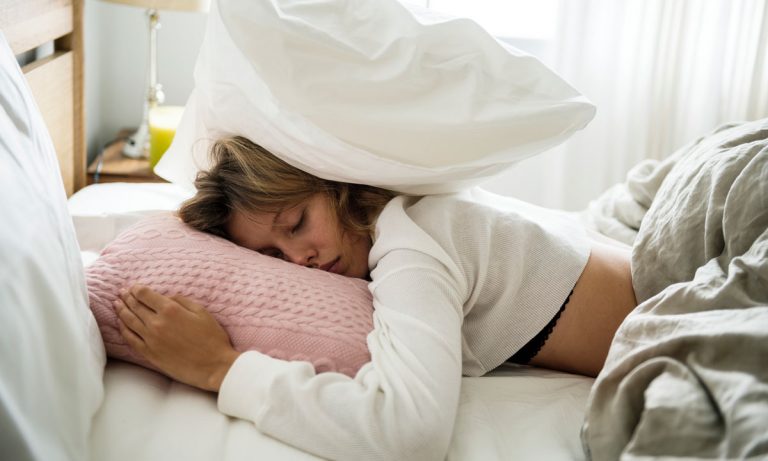
Swedish and US researchers claim sleeping in on weekends might not be such a bad thing, adding a couple of could of years to our lifespans especially if you don’t get enough rest during the other days of the week.

RELATED: Ask Science: Should I Work Out When I’m Feeling Sick?

The study analyzed data from over 30,000 different subjects for a period of 13 years, concluding that there’s a higher risk of death for people under the age of 65 who sleep less than 5 hours on weekends. The study also demonstrates sleeping too much or too little heightens our risk of death; if people sleep less than 5 hours or if they sleep over 9 hours per night then they’re at a higher risk of death than people who sleep between 6 to 7 hours per night.

These results were achieved after accounting factors affect mortality, such as “gender, education, body mass index, severe disease, use of hypnotics, smoking, alcohol intake, coffee intake, and employment status.” According to Torbjörn Åkerstedt, co-author of the study, these findings suggest that weekend sleep can supplement weeknight’s rest, allowing your body to get the sleep it needs for good functioning.

RELATED: Researchers Are Beginning To Understand Why Exercise Is Good For The Heart

Bets are off for people over the age of 65, where there was no link between the amount of sleep and higher risk of death. The researchers believe as we age, our need for sleep decreases.

NY Democrats Are All-In On Marijuana Legalization; Will GOP Follow Suit?

In an opening political gambit that puts the GOP between a rock and a hard place, the New York State Democrats announced this week that it officially endorses the full legalization of cannabis.

“The Democratic party is excited about making this a platform resolution,” New York State Sen. Todd Kaminsky said. “As a lawmaker, we have to make sure that it’s going to be rolled out responsibly, that our roads are going to be safe and that our children are going to be safe.”

The state party’s executive committee passed a resolution calling for legalization on Wednesday, explaining in doing so that millions of dollars of much-needed tax revenues would be added to state coffers if cannabis were taxed like alcohol. The official resolution reads: “The New York State Democratic Committee supports the legalization of marijuana which should be regulated and taxed in a manner similar to alcohol.

According to state Democrats, aside from being an astute political move, regulation is “an important social justice issue” and that “millions of peaceful Americans have been arrested, imprisoned, fined, or otherwise needlessly criminalized and stigmatized, potentially for life, because of their use of marijuana.”

The opening salvo puts pressure on the Republican party to reveal its cards on the issue. All polling suggests that maintaining the status quo on prohibition is a failed strategy. If the GOP hopes to make any inroads among state voters, it will be forced to endorse legalization.

Tom Angell, who originally broke the story on Marijuana Moment, downloaded the official resolution.

“If you’re running statewide, legalization of marijuana is probably a plus for you, because it’s not going to hurt you in the city, it’s not going to kill you in suburbs, and an upstate vote in a Democratic primary for governor is probably not all that important, if you have the first two,” Lawrence Levy, the executive dean at the University of Hofstra’s National Center for Suburban Studies said.

Your move, Republicans.

Reefer Madness Is Alive And Well In Russia

A Moscow restaurant got popped with a $13,700 (840,115 rubles) fine for placing a cannabis leaf on a beer menu. Yes, the long arm of Reefer Madness extends all the way to Russia.

According to a report in the Moscow Times, the prosecutor’s office punished the restaurant for “a graphic depiction of cannabis leaves, as well as a textual description of the said plant used in the preparation of the sold alcoholic product.” Advertising drugs, including “plants containing narcotics,” is illegal in Russia.

The offending product was Hanfblüte, a hemp-flavored Swiss beer that is distributed and sold (legally) all across Russia. Arkady Pogosov, the head of the company that owns the restaurant, said he felt trapped by contradictory regulations. “We’re hostages of the situation,” he said. The restaurant has a legal obligation “to inform the consumer about the contents of the products sold” on the one hand. But can’t use a well-understood icon to signify the hemp contained in the beer.

According to the Eastern Administrative District of the Prosecutor’s Office of Moscow:

“During the audit, it was revealed that the menu of the restaurant’s bar card, which is an advertising material intended for an indefinite circle of persons, contains a graphic image of hemp leaves, as well as a textual description of the said plant used in the preparation of realizable alcoholic beverages, namely, and flowers of cannabis (a plant of the genus Cannabis), information on which is included in the ‘List of plants containing narcotic or psychotropic substances or their precursors and subject to control in the Russian Federation uu’ and the free circulation of which is prohibited.

“This graphic and textual material contributed to the manifestation of interest and focused on the use of substances banned in the Russian Federation, and its content did not meet the requirements of the legislation on advertising.”

A Professional Escort Reveals All Her Secrets During Reddit Tell All

0

An Australian professional escort dished out a very NSFW “Ask Me Anything” question and answer session on Reddit, revealing the ins and outs of life as a sex worker.

She’s worked at six brothels across Australia, in Sydney, Melbourne and Perth. At one of her former brothels, a worker was raped by a client. The staff at the house were unhelpful to police, but they eventually caught the man. She was also robbed by another working girl in a different brothel, but like the other, wouldn’t help her with security camera footage to track the thief down. Where she worked, drugs were always around, especially cocaine, which she was addicted to for a time. The stresses of brothel life led her to strike out on her own as an independent sex worker. “Anyone with their shit together will go private,” she writes.

And she does pretty well on her own, charging $550 for the first hour, $1050 for the next then $300 for each additional hour. An entire day with her will set you back $2,500, while two costs $5,000. She says she’s had between 1,100 and 1,200 sexual partners.

She doesn’t consider herself a “knockout,” but describes herself as a girl-next-door who’s won over the regulars.

“I’m pretty but I tend to get a few regulars because they like my personality. I’m opinionated, I take the piss a lot, I’m a bit of a shit-stirrer and I’m a straight shooter: they all seem to like this about me,” she wrote. “I also like learning, I’m interested by a lot of things. So if I see a client who’s a 60 y/o Cuban American engineer, I’m going to talk politics with him. If I see a client who’s 30 and a photographer, I’m going to ask him about his work and show genuine interest. I always find something to talk about with them.”

Most of her clients are businessmen over 40, who are usually married. They mainly stick to missionary and woman-on-top positions, and “maybe doggy if they have the energy.” But she has a few hard-rules if things get adventurous. She won’t do:

  • Incest role play
  • Water sports or mud sports
  • Most fetish-type stuff: “My specialty is GFE. If clients want to get whipped they’ll go to a dominatrix or a sex worker who specializes in fetish”
  • Two dudes at once “for safety reasons. If I’m alone with one dude I stand a chance of beating him in a fight should things get ugly. Two dudes, I have no chance. I’d like to get DP’d someday though”
  • Long bookings out of the city

Her personal sex life sounds very different from her profession. “Sometimes I find it easier to come at work than in my personal life because I feel less pressure. I don’t care whether the client thinks I’m faking it or not. I already have his cash at that point so an orgasm is just gravy. But with dudes from my personal life I put more pressure on myself. Sometimes I get self-conscious about how long it takes and it stresses me out.”

Oh, and don’t call her a hooker: “I use the term hooker all the time but it’s kind of only okay for us to say it.”


Cannabis And Churchgoers Don’t Mix Well, Study Shows

Americans who hold strong religious beliefs consume less cannabis than those who are less devout or non-believers, according to a new study conducted by Florida researchers. Cannabis consumption is up across nearly all demographic categories across the country, except for churchgoers.

“Our study confirms previous studies of recreational marijuana use,” said Amy Burdette, an associate professor of sociology at Florida State University. “However, I believe ours is the first to examine the association between religiosity and medical marijuana use.”

Burdette and her team’s findings were recently published in the Journal of Drug Issues. The study revealed that individuals who regularly attend church and report that religion is “very important in their daily decision making” are less likely to use marijuana recreationally and medically.

The study crunched the numbers from the 2016 National Survey on Drug Use and Health. Over the years, many other studies have examined on the connection between religion and drug use among adolescents, but Burdette says this is one of the first studies to focus on cannabis use among adults.

“We know various forms of substance use have increased among older adults as well, Burdette said. “So, we need to know what’s going on among people in their 30s, 40s and 50s in terms of their substance use.”

According to Florida State University News, the official campus information organ:

In the study, researchers examined three focal variables — religious salience, religious service attendance and self-rated health.

Levels of religious attendance ranged from never attending services to attending more than once a week. Researchers found with every level of increased attendance the odds of being a recreational marijuana user reduced by 13 percent. The study found the likelihood of recreational marijuana use decreased by 20 percent as religious salience levels increased.

One interesting caveat to the findings is that religious involvement was less effective in deterring marijuana use among sickly adults whether recreational or medically prescribed. So, when illness comes, even the devout believe you can’t “pray away” the pain. Cannabis is consumed more by religious patients.

“You have two big institutions coming against each other when you’re suffering and in poor health,” Burdette said. “You might have your pastor highly stigmatizing its use, saying ‘it’s bad, it’s a drug, you shouldn’t do this.’ While your doctor says, ‘try this, it could help your pain and suffering.’ ”

As religious identity fades in modern society, Burdette speculates that more and more people will seek help from a medical authority instead of a moral one.

Did This Company Make A Racist Remark About Meghan Markle?

Super Dickmann’s, a German candy company, was forced to apologize over an image they uploaded on their Facebook. In it, a chubby marshmallow covered in chocolate poses as Meghan Markle, wearing a wedding dress and a crown with a phrase on top that roughly translates into “A foam in white.” Just… Why?

The image was uploaded on May 19, in the midst of Meghan Markle and Prince Harry’s wedding.

Screenshot via Super Dickmann’s/Facebook/BBC

Super Dickmann’s is known for their marshmallow treats and while it might have been a good idea to take advantage of the royal wedding crowd, this poor exercise in Photoshop, aside from heavily leaning into Markle’s race, is really awful looking.

According to BBC News, the caption of the Facebook post said, “What are you looking at? Wouldn’t you want to be Meghan today?” Which is lame, and makes little sense.

The Sun reports that the post got called out immediately, with users claiming that the image was “racist shit,” and that it made people want to “set something on fire.” Super Dickmann’s took the post down soon after, explaining that the company put little thought on the campaign while also issuing a brief public apology.

A big pardon! The world of Super Dickmann is colorful and diverse and far from racist thoughts.”

Well thanks for that. Your marketing is still very bad.

Siri Is Hinting That She’s Getting A Makeover At WWDC

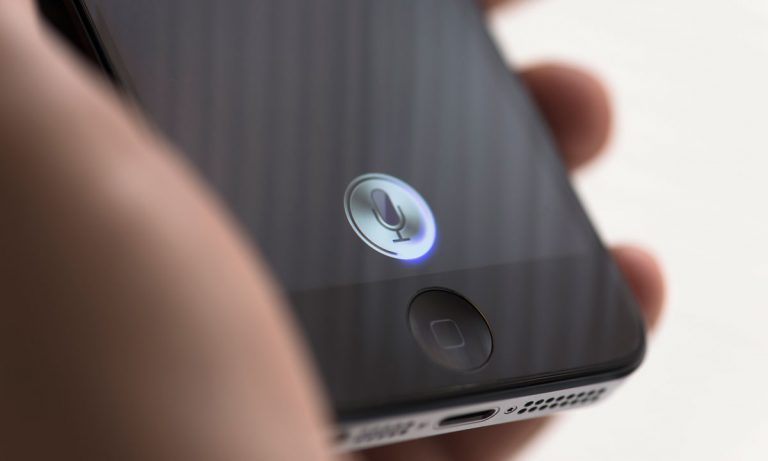
When asked about Apple’s upcoming developer conference, Siri has been strongly hinting at a significant makeover. The AI has said that it’ll be getting a lot smarter, that it’ll have a brand new voice, and that it’ll also have an awesome new home.

While Siri used to be innovative when it first came out, it has been eclipsed by competitors who have much more complex software and equipment. Amazon’s Alexa and the Google Home have had great sales and critical reception, being capable of doing online shopping for you, playing music, and setting your alarms. Apple’s Home Pod has lagged behind. To make things worse, Siri is also also easily confused and much less intuitive than other voice assistants on the market.

Among the rumored changes that are coming, Mashable believes that Siri might get a male voice make-over, or at least the possibility of having a male voice as an option. Amazon’s Alexa has this option even though it’s much less popular than it’s default, which is used for marketing purposes. Google took things further than any other company by giving their AI John Legend’s voice. Literally.

Whatever Apple decides to do next, it’s time for the company to invest on their AI software if they wish to stay competitive on today’s technological landscape. According to Recode, voice enabled devices and services are one of the biggest investments and technologies of the future.

Researchers Are Beginning To Understand Why Exercise Is Good For The Heart

Exercise is good for you for tons of different reasons. It relieves stress, keeps our bones and muscles strong, and improves our cardiovascular health. But why exercise has a positive effect on our heart health has always been less clear.

A recent study conducted on mice concluded that exercise, particularly cardio, helped the animals regenerate over four times more heart tissue. The research published on Nature Communications studied these mice for over eight weeks, where healthy mice ran over 3 miles a day on a running wheel. The study also tested rodents who had suffered from heart attacks and concluded that if they exercised consistently they would still develop new heart tissue.

Why is this information important? Well, Popular Science reports that the adult heart has a very limited ability to regenerate heart cells and this has lead to tons of trouble in the past. Young adults can renew about 1 percent of their heart cells in a year, and the older we get, the more our hearts lose this capability. This is bad thing because studies prove that damage on heart cells, even in a small amount of them, can result in heart failure and disease.

If exercise manages to help our hearts create even a small amount of cells, the difference could be really important, saving lives and preventing heart attacks. Repetitive exercise has been proven to increase the heart’s size and it’s functioning, preventing heart failure, and helping those who suffered from heart attacks recover more easily.

Read The ‘Zombie Alert’ Warning Sent To Florida Residents

Lake Worth residents in Florida received what you might kindly label an odd alert following a power outage. Though they were made aware of the power outage residents also received a far more alarming notice: Zombies.

“Power outage and zombie alert for Lake Worth and Terminus,” read the alert, potentially referencing “The Walking Dead.”

“There are now than seven thousand three hundred and eighty customers involved due to extreme zombie activity. Restoration time is uncertain.”

Lake Worth spokesman Ben Kerr told the Palm Beach Post that an investigation is under way, but that “no one was fired for it.” The city also determined that no former or current employees edited the message to include the false warning about the zombie invasion.

The alert was sent at 1:45 a.m. As more alerts and notifications are being sent to users in our smartphone era, more mishaps like these occur. Earlier this year Hawaii residents were sent an imminent ballistic missile warning in error. In addition, this February Palm Beach County residents also received a tsunami weather alert originally intended as a test not to be sent out.

We are looking into reports that the system mentioned zombies,” Kerr wrote on Lake Worth Live, a community Facebook page. “I want to reiterate that Lake Worth does not have any zombie activity currently and apologize for the system message.”

Don't Miss Your Weekly Dose of The Fresh Toast.

Stay informed with exclusive news briefs delivered directly to your inbox every Friday.

We respect your privacy. Unsubscribe anytime.