Sunday, June 28, 2026
Home Blog Page 984

State Marijuana Laws Are Safe From Jeff Sessions Until September

State medical marijuana laws and their implementation are safe until September 30th of this year. In a highly anticipated move, Congress extended the protections of the well-known “Rohrabacher-Blumenauer Amendment” (the “Amendment”) last week.

This extension is an important political and legal action after Attorney General Jeff Sessions threw the state-legal cannabis industry into a tizzy after rescinding the Obama-era Cole Memo in January (he has provided further, largely unhelpful guidance since then).

But what impact does the Amendment really have? It could be significant over the coming months, though I am confident that Sessions and other U.S. Attorneys may seek to undermine the spirit of that law as time goes on.

The Amendment first passed back in 2014 and has been consistently renewed and extended by Congress in the form of budget riders since then (and this last one is around 2,200 pages). The Amendment has been construed as stopping the federal government from prosecuting state-legal medical cannabis operators, but outside of the Ninth Circuit, it has not been tested.

The Amendment provides that:

None of the funds made available under this Act to the Department of Justice may be used, with respect to any of the States of Alabama, Alaska, Arizona, Arkansas, California, Colorado, Connecticut, Delaware, Florida, Georgia, Hawaii, Illinois, Indiana, Iowa, Kentucky, Louisiana, Maine, Maryland, Massachusetts, Michigan, Minnesota, Mississippi, Missouri, Montana, Nevada, New Hampshire, New Jersey, New Mexico, New York, North Carolina, North Dakota, Ohio, Oklahoma, Oregon, Pennsylvania, Rhode Island, South Carolina, Tennessee, Texas, Utah, Vermont, Virginia, Washington, West Virginia, Wisconsin, and Wyoming, or with respect to the District of Columbia, Guam, or Puerto Rico, to prevent any of them from implementing their own laws that authorize the use, distribution, possession, or cultivation of medical marijuana.

On its face, the law only precludes the Department of Justice (DOJ) from spending funds to “prevent” any of the foregoing states “from implementing” their medical cannabis laws. However, in the Ninth Circuit, as a result of the McIntosh case, the Amendment has some serious teeth. In that case, the Court ruled in favor of medical cannabis providers who disputed the DOJ’s enforcement of the federal Controlled Substances Act against them in their respective states (all of which have legalized medical cannabis) due to the Amendment. In doing so, the Court reaffirmed Congress’s intent to halt federal enforcement measures against medical marijuana providers in states that have legalized and regulated it.

To date, the McIntosh ruling represents the highest judicial approval of that legislation as an effective means of curbing federal crackdowns on state-legal medical marijuana programs. Nonetheless, the Court made clear that its ruling only applies to medical cannabis operators. And the Court remanded the cases back to the lower courts to investigate whether the appellants were, in fact, in full compliance with their states’ laws regarding medical cannabis. Notably, the DOJ didn’t appeal this ruling to SCOTUS, and it also dropped another major case—the Harborside Health Center forfeiture case that had raged on for years–after the McIntosh ruling.

Clearly, to avail yourself of the protections of the Amendment in the Ninth Circuit, you must be on the medical cannabis side and you must be in complete compliance with your state’s medical cannabis laws and regulations. While the McIntosh and Harborside cases show us that the Amendment can be used as an effective shield, those cases resolved before Jeff Sessions took the helm at the DOJ (and, in case you missed it, Sessions is a major marijuana hater).

Whether the Amendment will be interpreted as strongly in other U.S. District and/or Circuit Courts (or even by SCOTUS) in the future remains to be seen. At the same time, Sessions has already asked Congress in the past not to renew the Amendment (which Congress has continually ignored) and, back in 2015, the DOJ already instructed its personnel (prior to McIntosh) on how to soundly defeat in court any defense raised by a cannabis operator under the Amendment. Given that Sessions recently called for U.S. Attorneys to seek the death penalty for drug dealers of all kinds (which, under current federal law, includes cannabis business operators), I am confident that the DOJ is not going to lay down for use of the Amendment in Court so long as Sessions has any kind of influence.

Hilary Bricken is a partner at Harris Bricken, a law firm with lawyers in Seattle, Portland, Los Angeles, San Francisco, Barcelona, and Beijing. This story was originally published on the Canna Law Blog
Science: You’re More Likely To Land A Date If You Have A Dog

0

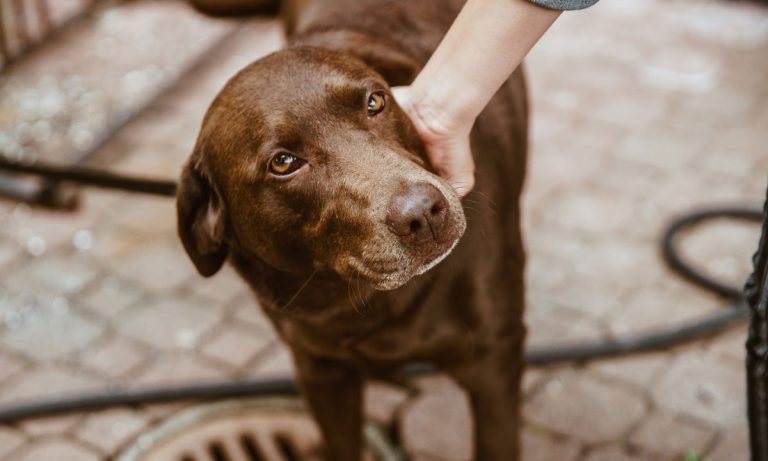
It’s kind of a cliche by now: a guy with a dog is more attractive. See: Must Love Dogs, You’ve Got Mail, and every other romantic comedy of the last 20 years. But now, it’s been scientifically proven that a dog can actually get you more dates.

In February, The New York Times reported, that “People with dogs are often perceived to be more approachable, happier, and more empathetic.” The article quoted Dr. Helen Fisher, a senior research fellow at the Kinsey Institute as saying, “Having a dog really says something about you.… It says you can care for a creature, that you can follow a schedule and get home to feed it, that you can walk it and love it and spend time with it.”

And when you are perceived as being more caring and loving towards a creature, you are more attractive…to everyone. Brides points to two studies that back these claims, revealing that when showed a photo of someone with a dog, they were ranked as being happier.

Overall, results of both Studies I and II indicate that people appear happier, safer, and make a better “picture” when seen with a dog. Also, the results show that people appear more relaxed when sitting or standing with a dog. Finally, when asked to place themselves in the scene, subjects would rather be in a scene with a dog than alone.

A final experiment showed that women find guys with dogs more attractive and, thus, are more willing to give them their phone numbers.

https://giphy.com/gifs/tvland-younger-youngertv-3osxYlbOsnUaJu83mw

 A survey of more than 1,200 Match.com pet-owning subscribers found that “women were more discriminating of a potential partner’s associations with pets than were men” and “dogs served more commonly as social barometers in the dating arena than cats did.” And according to Brides: almost one third of respondents said they had been “more attracted to someone” because they had a pet, more than half said they would find someone more attractive if they knew he or she had adopted a pet, the majority of respondents said they thought their date’s choice in pets said a lot about their personality, and over half said they would not date someone who did not like pets.

This doesn’t even touch on the fact that a lot of people prefer pets to people in general. So it makes sense that dogs are a strong barometer for actually introducing a human into one’s life. It’s not a small decision.

What Is A Bullet Journal And How Can It Organize Your Life?

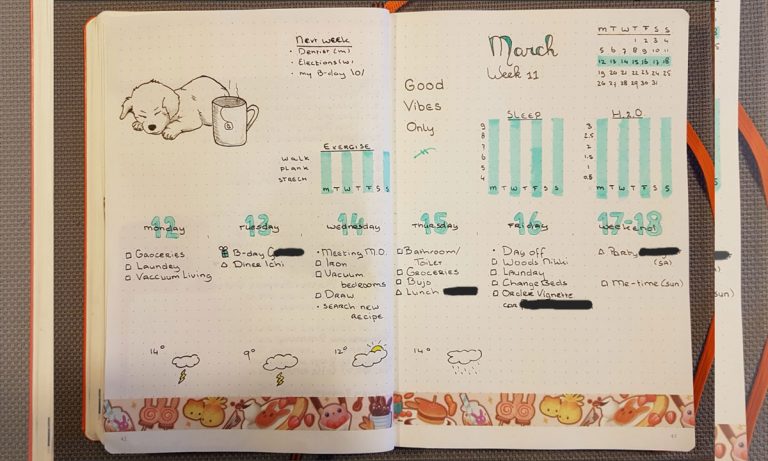
If you were about to search the hashtag #bujo, what do you imagine would come up on your feed? A type of food? A place? It sounds like a sake brand, to be honest. But if you searched that tag, your eyes would be flooded with a sea of notebooks so colorful and well-designed that they border on being straight-up works of art. It is a new notebook, but what is a bullet journal?

They’re all the rage on social media right now (hence the #bujo hashtag that suddenly now makes a ton of sense.) It’s essentially a notebook that has been organized into a detailed diary-calendar-planner-Fitbit hybrid of sorts.

Bullet journals, like the name suggests, work like expeditious logging. People track their past, present, and future by writing down things like their feelings, goals, deadlines, reminders, appointments, habits, and anything else that you could record on a daily, weekly, and monthly basis (and in neatly spaced boxes). People often have an index page to decipher the different symbols, colors, and boxes used.

Turns out, bullet journals are ideal for those who procrastinate or lead busy lifestyles, a.k.a. most folks.

“It helps prompt and organize thoughts,” psychotherapist Kimberly Hershenson says. “Seeing your goals in concrete terms as well as tasks to get there will give you a plan to achieve your dreams.”

It’s true. To-do lists have been found to give people better feelings of structure and less feelings of chaos, according to the Guardian. But journaling past just errands and grocery lists can be incredibly beneficial as well. One 2001 study by Southern Methodist University of 81 undergraduate students found that writing down goals and thoughts, like their “most traumatic life event” and their “best possible future self,” did help more students feel happier and less stressed.

“It has really helped me to have my bujo because when thoughts are flying around in my head about things I can’t forget and things I need to do, I tend to become quite anxious and I always end up forgetting something, but to put it down on paper has helped me,” says photographer Georgia Penny, who has been bullet journaling since October 2016. She also says that she has tried regular planners and nothing really stuck.

The super visual aspect of bullet journaling really does take it one step further. As Hershenson says, the layout of bullet journals help people notice trends, triggers, and other patterns, which in turn make it easier to make positive change. That’s one thing a normal diary or planner typically doesn’t display.

Blogger Kayla Arnold, who has been bullet journaling for almost a year now, can attest to this. Her habit tracker—or when you fill in a box at the end of each day if you give into a habit you’re trying to kick or gain—has been “super motivating for me because I want to see them all filled in.” Now she drinks more water, has become more of a morning person, and even adheres to her cleaning schedule.

More than just motivating, having everything visually laid out can have a calming effect on people. “Think of how you feel coming home to a messy house versus an orderly house,” Hershenson adds. What a zen concept.

Creating and not just filling out the journal plays a part in its soothingness. Arnold looks forward to sitting down every Sunday night to plan out her week, a time she calls “relaxing.”

Penny agrees, saying that creating her BuJo is “therapeutic.” Like with Arnold, Penny, who says she has no drawing skills, enjoys sitting down after a long day and creating her next monthly spread. “…If I’m having a bad day and haven’t been able to leave the house, it’s nice to feel like I’ve achieved or completed something, even if it’s just my BuJo.”

But creating such a colorful spread takes time. To prepare for each new month, it takes Arnold about an hour. To some, that sounds like a nightmarish 60 minutes of measuring out perfectly straight lines and even boxes.

According to Hershenson, Type A peeps will probably enjoy making such lists and charts. Creative types who think journaling can be an all-around chore can also find a way to make bullet journaling enjoyable. They can think outside the box, and adorn their journal with drawings or magazine cut-outs. (For instance, Penny uses her journal as a chance to practice calligraphy.)  

In a way, that’s the best part about bullet journaling. You can personalize it to what you like and what works for you. Don’t like boxes? Draw circles or hearts. Don’t like writing vertically? Go horizontal. It’s not forcing yourself to fit into some app’s formula or planner’s design—it’s about fitting the design around your life. That’s a journal worth keeping.

CBD Healed This Pro Basketball Player’s Chronic Pain And Tourette’s

Over the past couple of years, we’ve seen more athletes express interest and report positive treatment from using CBD and THC products to help in recovery and injury. Nowhere is the advocacy being more considered than in the world of basketball. Just last month, the NBA revealed it was exploring medical cannabis as an option for players—though they were worried about a certain “crazed attorney general”—and former pro John Salley advocated for clean cannabis for everyone.

Adam Kemp is the latest hooper to join the movement. He starred at Marist College from 2010-14 and has played pro basketball in Belgian and Bulgarian leagues. He began using CBD topicals to help with muscle soreness following games. But Kemp stopped after learning the World Anti-Doping Agency banned CBD at the time, fearing he might lose his job.

A back injury placed him out of commission and Bulgarian medical professionals treated him with non-steroidal anti-inflammatory drugs (NSAIDs) and corticosteroid injections. Kemp said the injections didn’t provide much pain relief and made him feel horrible. Because of the injections, “I was sweating and jittery all day long,” he wrote in a CelebStoner blog post. “Overall, I hated this period.”

Kemp also started experiencing “motor tics” from his Tourette’s syndrome around this time. The pro hoopster says injuries or any broken bones always causes those motor tics to be more prevalent. Medical marijuana has scientific backing in treating Tourette’s syndrome, as do CBD oils. Kemp says the latter have been “incredibly effective for me.”

Via CelebStoner.com:

Before using CBD products, I could hardly exercise or do any physical activity during the day. Even just walking for an extended period was painful.

After using CBD products, I could lift weights, swim and do yoga and a variety of exercises. It allows me to move pain free, so that I’m able to do more rehabilitation exercises for my back. Instead of being immobile and losing all my strength, I’ve been able to correct muscular imbalances.

Kemp states that he uses CBD every day, as he trains to restart his professional basketball career. His story is just another example of the medicinal powers CBD can provide.

Cannabis May Provide Hope For Parents With Autistic Children

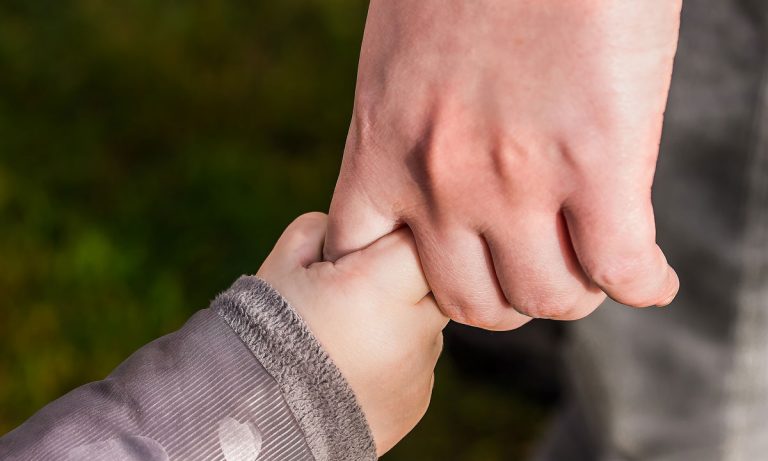
A few years ago parents of children with epilepsy helped to create a media buzz when they showed the effectiveness of cannabis on their child’s condition. Now some parents of kids with autism are telling their stories as well.

Autism is a condition that affects over 3.5 million Americans. It is one of the fastest growing developmental disabilities. People of all ages are living with this spectrum disorder that affects their ability to interact with others because of challenges with communication, social skills and sometimes repetitive behaviors. For some, the condition is even more challenging because of self-injurious or aggressive behavior, weight gain and or diabetes.

While some patients are treated with antidepressants or medication typically used for those with ADHD, there are few approved medical treatments for autism. Many treatments focus on behavior modification programs.

CBD has shown to be effective at helping balance the excitation sometimes associated with autism. It may act as a pressure valve to prevent overstimulation, helping to reduce stress. 

The late Dr. Bernard Rimland, former director of the Autism Research Institute, pushed the envelope more than some doctors were willing, at times advocating for use of experimental drugs. He was outspoken about the possible benefits of cannabis including reduction of aggressive behavior, self-harming behavior and anxiety. He stated, “the benefit/risk profile of medical marijuana seems fairly benign. … The reports we are seeing from parents indicate that medical marijuana often works when no other treatments, drug or non-drug, have helped.”

There have not been reliable, full-scale studies conducted using cannabis to help people with autism. The facts have come by way of animal studies and many anecdotal stories of parents who feel they cannot wait for research to catch up to their child’s needs.

One Italian study found that the way that endocannabinoids, the active compounds in cannabis, signal in the body can affect autism. Dr. Giovanni Martinez is a clinical psychologist who runs a foundation that provides therapeutic surfing for kids with autism. He has witnessed amazing effects from a twice-daily CBD spray, including one non-verbal child who began using language after just a few weeks of twice-daily oral sprays. 

Though single stories of success do not equal accepted fact in the medical community, stories like this catch the attention of loving parents everywhere seeking to improve the lives of their children. While we wait for the world of research to catch up, let’s hope that those families brave enough to go out on a limb to try cannabis will be able to share their stories with others.

A small girl in Colorado with epilepsy named Charlotte Figi helped the world to see how cannabis changed her life forever. So too can we expect to hear more success stories of children with autism living better lives thanks to cannabis.

If you are a family who has positive results using cannabis to treat your child in this way and would like to tell your story, please contact Trey Reckling.

A Guide To Reading Marijuana Labels

Pay attention to the warning labels. Although a lot of fun, these products should be respected.

Marijuana is now legal in states and medical seems everywhere. . Because of this, millions of residents and tourists, alike, now have the luxury of walking into a dispensary and buying pot products never before seen in circles of black market commerce.

But legal marijuana stands to change the world and compete some with alcohol, is still a bit of a novelty for the moment. People often rush to dispensaries with bright eyes and purchase a variety of items without properly understanding how to use them. Here is a guide to reading marijuana labels.

Related: Californians Can Get Marijuana Convictions Expunged This Weekend

Unfortunately, this lack of knowledge has caused some folks to get a little too stoned for their own good and, in a state of high anxiety, even seek out the counsel of police and emergency room staff. And let’s face it – any situation involving cops and doctors is never a good time.

Yet, bad trips can be avoided relatively easily. The secret is in labeling comprehension. Here are a few tips, according to Green State.

Flower Potency

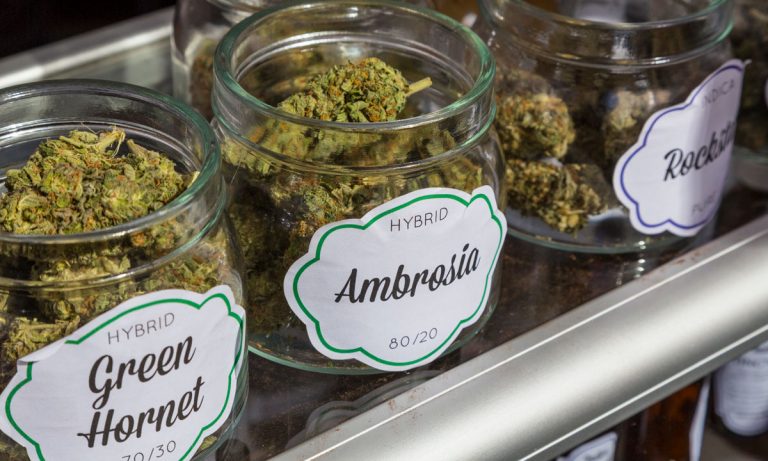
Not all marijuana is created equal. Some of the hundreds of strains available on the market have a higher THC content than others. Think of it like walking into a liquor store. It is common knowledge by now that whiskey has a higher alcohol content than beer. These two products must be enjoyed in very different ways, or else the effects can be severe. Weed, while much safer than alcohol, is not much different. Most strains have anywhere between 5-25 percent THC. The lower the number, the less stoned effects can be expected. Most customers reach for the strain with the highest THC level that they can get. But without the proper tolerance, they have the potential to drive people over the edge of comfortability. For beginers, starting slow is recommended.

Cannabidiol (CBD) Shouldn’t Be Ignored

Marijuana rich in CBD is often bypassed because the cannabinoid does not produce stoned effects. But this all-important ingredient has a way of taming the effects of THC. Its therapeutic benefits can alleviate the anxiety often brought about from too much THC. First time marijuana users can achieve a more pleasurable experiencing from strains high in CBD.

Ratio

Some pot products display THC:CBD ratio. This aspect of pot labeling is easier to translate than it sounds. Here’s the rub: The higher the THC content, the stronger the buzz.

Sativa Vs. Indica

Sativa and Indica strains are like Jekyll and Hyde. Sativa’s produce a more uplifting buzz, while Indica’s are soothing and mellow. For the marijuana consumer looking to spawn creativity, productivity or a steady stream of laughter, Sativa is the way to go. People interested in a relaxing night at home might enjoy Indica-dominant strains the best.

Edibles Are No Joke

Cannabis edibles are one of the most popular products sold in dispensaries. But they are also the leading reason why some inexperienced pot consumers end up freaking out and calling 911. Although marijuana cannot cause a fatal overdose, it can sometimes be difficult to convince a person of this once they start to feel the intense effects of 100-milligrams of THC. But most of these products are not intended to be consumed all at once. Anything with 100 milligrams of THC should be broken up. Newcomers to the edible scene should start with no more than 10 milligrams at a time. Also, the effects from edibles take longer to kick in than smoking marijuana. So give it 45 minutes or so before eating another 10-milligram dose.

Warning Labels

Pay attention to the warning labels. Although a lot of fun, these products should be respected.

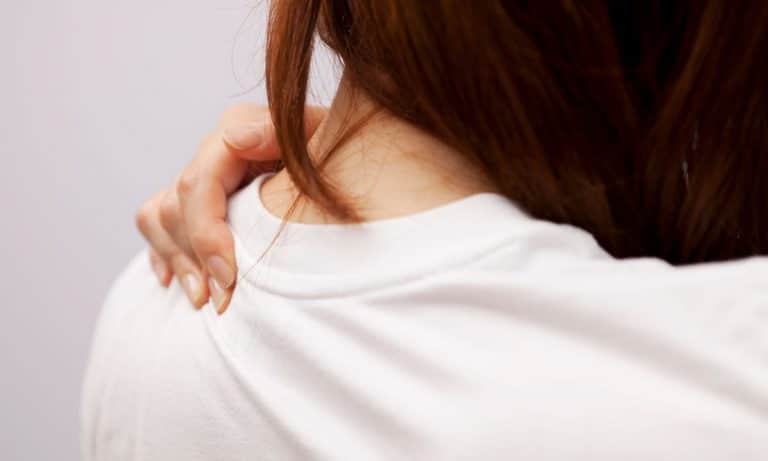
How Cannabis Helped A 72-Year-Old Fibromyalgia Patient Get Off Opiates

I wanted to relay the experience I’m having with CBD aiding opiate withdrawal. I am a 72-year-old woman. A doctor put me on fentanyl patches about 10 years ago, after trying various painkillers for my intense fibromyalgia pain. They did not notify me how difficult, if not impossible, it would be to get off of them. I use the generic Mylan brand, which can be cut down without deleterious effects. Several times over the years I have attempted to taper down, but even cutting off the tiniest sliver of the patch resulted in intense withdrawal symptoms, so I gave up.

In the last year I had started making an olive oil tincture from a couple of high-CBD/low-THC strains I was growing for my dogs. Then I started using the tincture on myself. I have also since started juicing the leaves. A few months ago I decided to try and taper off of the patch again and, to my enormous surprise, there were NO withdrawal symptoms at all. I was able to cut out 5 mcg at a time. I’ve been cutting down more each week. When I started this process, I was taking 150 mcg. Now I’m about two weeks away from being at just 100 mcg. So far, I’ve had no increase in fibromyalgia pain, and no withdrawal symptoms.

I’ve been using about 40-50 mg a day of CBD in the form of the olive oil tincture. I grew ACDC and another a strain high in CBD and low THC. I took the flowers and decarboxylated them in olive oil for a few hours at a sufficiently low temperature. The final product comes out around 12 mg of CBD per ml. I also use a vaporizer with the AC/DC flowers that I grew. I’ve found that both vaporizing and using the tincture to be very effective for any pain. In the evening it contributes to a good night’s sleep.

In the last week or so since I have also been juicing cannabis, I’ve noticed a difference in the way I feel. I’ve had far more energy and no fibromyalgia aches in the evening. My fibromyalgia flares are much shorter. It will be interesting to see how things go in the future, as I continue to juice cannabis and use my tincture.

I estimate that I’ve been cutting off 3-5 mcg each week of the patches. I may try to cut off larger pieces now that I’m taking cannabis juice, and see what happens. After hearing that fentanyl is harder to get off of than heroin, it’s been pretty amazing.

I hope the efficacy of CBD in aiding opiate withdrawal becomes more commonly known. It’s truly incredible.

Author’s note: This testimonial was submitted to Project CBD and the patient wishes to remain anonymous. 

This story originally appeared on Project CBD‘s website. 

Research Shows Parallels Between Cannabis And Tobacco Secondhand Smoke

More than 40 states and 1,000 cities restrict where a tobacco user can smoke. Those laws were driven, in part, by a grassroots activists’ long crusade focusing on secondhand smoke.

With more states legalizing marijuana use for recreational or medical use—or both—more people are trying, and becoming more secure, about using cannabis. And that includes public spaces where tobacco use is banned. The issues with cigarette smoke are similar.

NPR recently reported on a California scientist who came face-to-face with the issue at a Paul McCartney concert. As smoke drifted around him he wondered why the venue wasn’t enforcing anti-tobacco rules. Then he realized it wasn’t tobacco.

University of California biologist Matthew Springer had researched and written about tobacco secondhand smoke. He turned his studies to marijuana, letting joints burn in lab rats’ cages. From the tobacco research, he learned secondhand smoke affected arteries, hindering healthy blood flow.

He told NPR:

With tobacco products, this effect lasts about 30 minutes, and then the arteries recover their normal function. But if it happens over and over — as when a person is smoking cigarette after cigarette, for example — the arterial walls can become permanently damaged, and that damage can cause blood clots, heart attack or stroke.

… at least in rats, the same physiological effect occurs after inhaling secondhand smoke from marijuana. And, the arteries take 90 minutes to recover compared to the 30 minutes with cigarette smoke.

Cannabis’ federal status as a Schedule I drug limits the scientific research that can be done on it. National rules affect what substances may be mixed with consumer tobacco products. Regulations about additives in marijuana vary from state-to-state. California tests for compounds such as pesticide residue and dangerous mold. But other states where marijuana is legal, such as Washington, dealt with the issue after legalization, or simply don’t.

Scientists, Springer told NPR, “have not been telling (people) to avoid inhaling secondhand smoke from marijuana, and that’s not because it’s not bad for you — it’s because we just haven’t known. The experiments haven’t been done.”

Doh! Stopped Driver Gives Cop Homer Simpson License

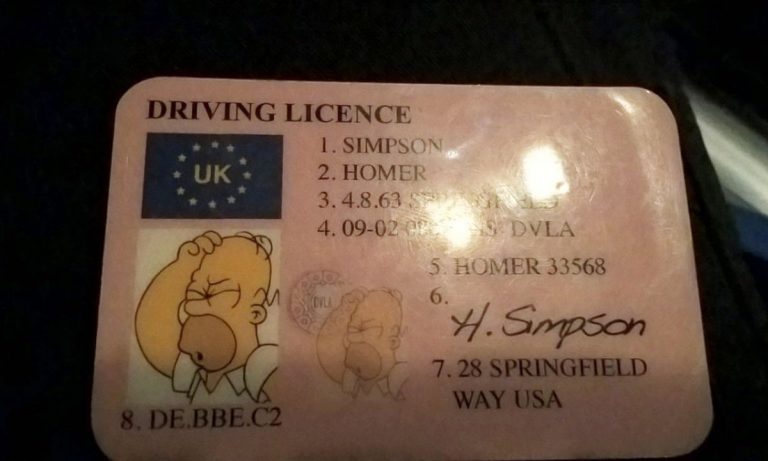
Police officers in the town of Milton Haynes, England, were in for a surprise recently when, during a routine traffic stop, a driver handed out Homer Simpson’s license instead of his own.

According to The Huffington Post, “Homer” was also driving around without insurance, so his car was seized and he got into trouble for both offenses.

The image of Homer’s license was released by the Thames Valley Police Department’s Twitter, where they explained what had happened. It went viral soon after, and Twitter users were quick to come up with the best clap backs and Simpson appropriate .gifs that they could find.  

We’d also like to point out how confused that license is. On the top corner there’s a UK icon, but on the bottom left, where the address is supposed to be, it claims that Homer is from Springfield, USA. What’s the truth here? 

5 Exotic Animals The Queen Has Been Gifted

It seems some people forget that the Royal Palace is not the zoo. Queen Elizabeth has been the recipient of many animals, and we’re not talking cute little lap dogs and snuggly kittens. We’re talking the kind of animals you see on a wildlife safari.

Sloths, kangaroos, hippos and elephants all make the list of exotic animals the Queen has received over the years. Her Majesty, who will be celebrating her 92nd birthday April 21, has ruled over England since 1952. And while she hasn’t exactly been gifted an animal for every year she’s reigned, it’s pretty darn close. Don’t worry. The Queen didn’t toss these lovely creatures aside and make her servants care for them. Most all of the animals found permanent shelter at the Zoological Society of London’s (ZSL) London Zoo.

RELATED: Meghan Markle’s First Official Royal Gift Has Been Revealed And It’s Perfect

Here are 5 of the more unusual critters that should have come with a gift receipt.

A Crocodile

https://giphy.com/gifs/high-quality-TObsuiUoDsYmI

In 1961, according to the Royal Collection Trust, the Queen was given a young Nile crocodile named Mansa from the People of Berending on the Zambia River.

Pygmy Hippos

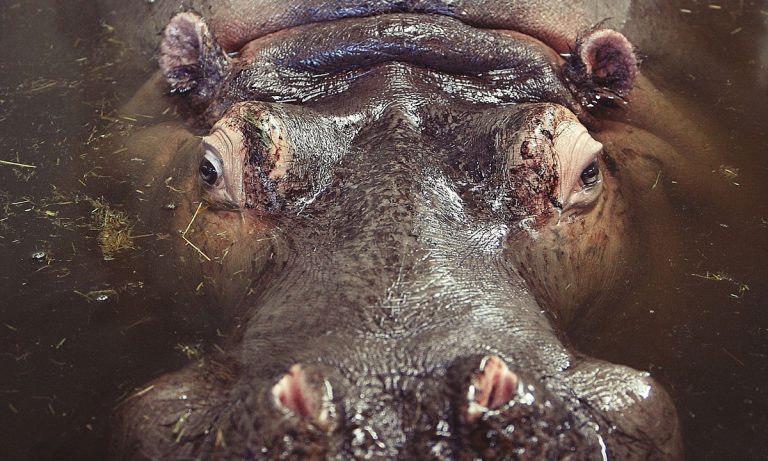
That same year, 1961, the Queen received two pygmy hippopotami from President Tubman of Liberia. Pygmy hippos, while smaller than normal versions of hippopotami, grow to be nearly six feet.

Black Jaguars

That’s right. Jaguars, plural. And not the cool car kind. The Queen received two of the big cats, Marques and Aizita, in 1968 from the Prefect of Brasília. The same year, Her Majesty also received a sloth. Like their animal brethren before them, they were sent to live at the zoo.

Black Swans

https://giphy.com/gifs/what-star-natalie-dIQP7FxeZDb0Y

The only thing stranger than the movie Black Swan is receiving one as a gift. But here we are. In 1976, the Queen received two of them, along with an equal number of Toucans, red billed Toucans, Ariel toucans, and giant anteaters, courtesy of  President Artur da Costa e Silva of Brazil. The swans were sent to WWT Slimbridge, a wetland wildlife reserver, while the other birds and animals found a home at the ZSL London Zoo.

Kangaroos

In 1977, for the Queen’s Silver Jubilee, she received six red kangaroos, two Brolga cranes and one fat-tailed dunnart from the Royal Melbourne Zoological Gardens in Australia.

RELATED: Watch Anna Wintour Shade The Queen Of England At NYFW

The last animal on record that the Queen received is from 2016: a black gelding named Sir John that she received from the Royal Canadian Mounted Police to commemorate her 90th birthday. The horse is named for Sir John MacDonald, Canada’s first Prime Minister.

Don't Miss Your Weekly Dose of The Fresh Toast.

Stay informed with exclusive news briefs delivered directly to your inbox every Friday.

We respect your privacy. Unsubscribe anytime.