Tuesday, May 12, 2026
Home Blog Page 997

Sanctuary Cities: Why They Are Important For Medical Cannabis Communities

Berkeley, one of California’s most progressively pro-cannabis cities, did it first. Now the entire state may follow suit. Alaska and Massachusetts may also join in on the movement.

Last month, the Berkeley City Council passed a resolution declaring official sanctuary status for recreational marijuana, hoping to fend off a federal challenge from the Jeff Sessions-led Department of Justice. Under the Berkeley resolution, “no department, agency, commission, officer or employee of the City of Berkeley shall use any City funds to assist in the enforcement of Federal drug laws related to cannabis.”

The vote was a direct response to Sessions’ decision in January to roll back Obama-era protections for the cannabis industry. Sessions announced the DEA would be free to go after state-legal marijuana growers and stores because they are in violation of federal law.

“We knew we had to do something,” Berkeley City Councilman Ben Bartlett told the Associated Press. “This is a new engine of a healthy economy.” Berkeley became a sanctuary city for medical cannabis in 2008.

Less than a month after Berkeley’s vote, similar bills are pending in the state capitals of Alaska, California and Massachusetts.

Alaska state Rep. Adam Wool introduced his bill to protect the nascent industry. “If the federal government wants to prosecute someone for breaking federal law, I guess they have every right to do that,” said Wool, a Democrat from one of the state’s largest marijuana-growing areas. “I’m just saying, we will have no obligation to assist them.”

Last week, Mass. state Reps. Dave Rogers and Mike Connolly filed a bill called the “Refusal of Compliance Act.” The law would prevent local and state authorities from handing over people who follow state cannabis laws to federal agents unless those agents have a warrant.

“Massachusetts voters have gone to the polls and expressed their support for what I’d call a sensible drug policy and an end to marijuana prohibition,” said Connolly. “I can appreciate the parallel between this and more typical sanctuary-state-type stuff. I think the comparison is pretty clear, to the extent that we are a state government responding to the will of our own voters and people in our community.”

Dale Gieringer, director of California NORML, said the federal government is focused more on larger markets such a California. “I don’t think the feds care too much about marijuana in Alaska, to tell you the truth,” he told AP. “But marijuana has been a big industry in this state, so we’re sort of on the front lines.”

Morgan Fox, a spokesman for the Marijuana Policy Project, doubts federal agents would hassle companies complying with state law. “But you can’t put it past them,” he said, adding that new U.S. attorneys have been appointed by President Donald Trump in many states. “I wouldn’t put it past at least a few of them to want to gain points with their boss. But I think, politically, it would be a disaster for them.”

Toddler Enters Wrong Password And Locks iPhone For 48 Years

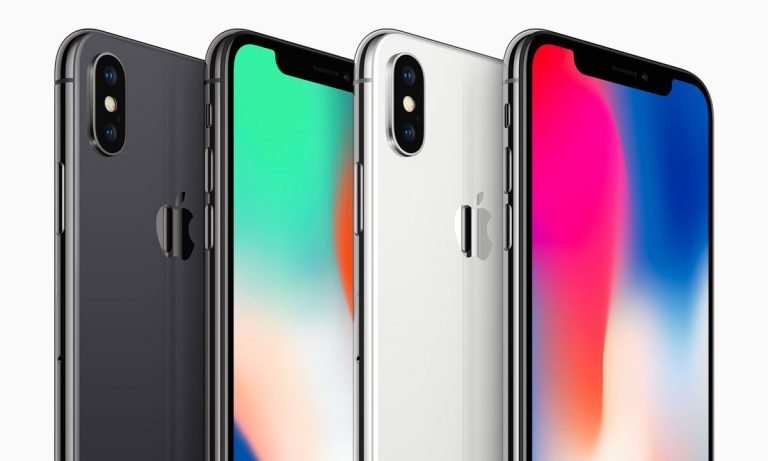
A two-year-old boy in Shanghai locked his mother’s phone by repeatedly entering the wrong password. He did this so many times that the phone was locked out for 25 million minutes, which equals 48 years. Wow.

According to Metro, this is not uncommon. A technician from China said that he’d seen phones that were locked for over 80 years.

Why does this random thing happen? It’s due to Apple’s security system, which locks the phone in increasing increments of time the more a wrong password is entered. To break it down even further: Every time someone enters the wrong password, a phone gets progressively locked out for longer periods of time, which some might argue is a dumb and useless security measure.

Via South China Morning Post:

I couldn’t really wait for 48 years and tell my grandchild it was your father’s mistake.

If you phone gets locked out for over 40 years due to a little kid, it’s not the end of the world. To be able to access the device, if you’re still alive, you have to completely erase the data and do a factory reset, which really sucks. The wisest thing to do here is to keep your phone out of a toddler’s reach. Buy them a kids tablet or something.

Why A Big Win For The LGBT Community Matters To Marijuana Companies

The Trump administration is known for its hostility toward marijuana. It’s also known for its hostility toward the LGBT community. In a huge blow to the Trump administration, the Second Circuit Court of Appeals ruled last Monday that employers cannot discriminate against employees based on sexual orientation.

Many states, including Oregon, Washington, and California have statutes explicitly prohibiting employers from discriminating against employees based on sexual orientation. The Federal Civil Rights Act (“the Act”) does not explicitly protect employees based on sexual orientation. Instead, it only protects employees based on sex. Circuit courts across the country are taking up the issue of whether employees should be protected based on sexual orientation, and reaching different conclusions.

In 2010, Donald Zarda sued his employer, Altitude Express, Inc. alleging they had terminated him because he was gay. The federal district court ruled in favor of the employer, holding the Act did not protect employees based on sexual orientation. The case pitted the federal Equal Employment Opportunity Commission (EEOC) against the federal department of justice. The EEOC submitted a brief in support of Mr. Zarda, arguing the Act protects employees based on sexual orientation. The Federal Department of Justice (headed by our good friend, Mr. Sessions) submitted a brief supporting the employer, and arguing the Act did not extend to sexual orientation.

The Second Circuit overruled the lower court. Siding with Mr. Zarda in a lengthy, 69-page opinion, with multiple concurrences and 80 pages of dissents, it ultimately held that “sexual orientation is doubly delineated by sex because it is a function of both a person’s sex and the sex of those to whom he or she is attracted. Logically because sexual orientation is a function of sex and sex is a protected characteristic under [the Act] it follows that sexual orientation is also protected.” Makes sense to us.

Two other federal appeals courts recently have heard similar cases. The Seventh circuit determined discrimination based on sexual orientation was discrimination based on sex under the Act, while the Eleventh Circuit held the Act’s reference to sex did not encompass discrimination based on sexual orientation. The Supreme Court declined to hear the Seventh Circuit’s case, but now, with multiple circuits offering opinions on the issue, the Supreme Court may be persuaded to hear the Second Circuit’s case. If they do, let’s hope they get it right.

So why does this matter to cannabis businesses? Cannabis businesses are subject to both state and federal employment laws. If a cannabis business discriminates against an employee because of sexual orientation, the business could be in violation of both state and federal law.

As we all know, Attorney General Sessions ripped up the Cole memorandum earlier this year. Without the memorandum, there is little guidance about when and where federal district attorneys will choose to enforce the Controlled Substance Act (CSA) against cannabis companies. Thus, compliance with state and federal regulations is more important than ever during this time. It is best to stay under the radar rather than draw federal attention to your business by arguably violating federal laws—other than the CSA that is.

If you ever have questions about terminating an employee it is always best to consult an employment law expert first to ensure all basis are covered and no violations arise from the termination. If your company is not terminating an employee on the basis of sexual orientation, but you believe that the employee could make such a claim, it is crucial to consider and attempt to mitigate possible claims. Both state and federal laws tend to be very detailed when it comes to protection of employees. In unsettled areas of law, such as the employees and sexual orientation, prudence is advised.

Megan Vaniman is an attorney at Harris Bricken, a law firm with lawyers in Seattle, Portland, Los Angeles, San Francisco, Barcelona, and Beijing. This story was originally published on the Canna Law Blog

Warner Bros. Is Building An Extreme Theme Park In Abu Dhabi

Warner Bros. will be opening their Abu Dhabi theme park this summer, and it’ll include extreme rides and attractions that feature the company’s most famous and lucrative films, so obviously it’ll be filled with superheroes.

Warner Bros. World Abu Dhabi confirmed that’ll be split into different areas, each one covering different fictional cities from the DC Cinematic Universe, including the most famous ones, Gotham City and Metropolis.

Each city will have several rides, food courts, places to shop, and all you can possibly imagine. According to Gizmodo Gotham’s main ride will be called “Batman: Knight Flight,” where visitors will take a tour through the Batcave as they test Batman’s ultimate urban patrol vehicle. Something might happen mid-ride. Batman will show up, then you’ll be scared for a little bit, until he saves the day.

Gotham City will also have other rides such as something called Riddler Revolution, the Scarecrow Scare Raid, a flight ride, and a spinner roller coaster.

It looks like Warner Bros. is trying to give Disney and Universal a lot of competition, which is great! The world needs someone to step up to Disney. Hopefully, Warner Bros will also open a theme park somewhere that’s a little closer to us in the US.

What You Need To Know About NJ’s Legal Marijuana Controversy

The Statehouse in Trenton, NJ was a theater in which about 150 people gathered to debate cannabis legalization in the Garden State. Lobbyists and citizens alike voiced their arguments for and against marijuana legalization. The conclusion was that legalizing marijuana would have a giant impact on the state.

First thing to know is that this is a big deal to people across the nation. People drove from as far as Las Vegas and Colorado to testify. And why? Especially when the hearing wasn’t revolving around an active piece of legislation? It mostly comes down to wealth, not to mention phenomenal transportation and densely populated areas. In other words, Jersey would be a prime piece of cannabis real estate if it is legalized.

Drugged driving remains an issue. A proponent from Colorado said that in his state he wished that they’d done data collection long prior to their 2014 legalization win. He suggested Jersey start collecting data “tomorrow.” As it stands, gauging how many people on the road are lifted is difficult to say the least and even more difficult to say if they had been imbibing right before driving or a week before driving.

It all comes back to the money though, and in Jersey, there’s plenty of money to be made off of recreational cannabis. Experts say that the state could pull in $1 billion or more per year. Despite what you may have heard about the dirty jerz, affluence abounds and even those on a lower income level know how to budget for weed.

The police officer who drove from Las Vegas was a bit of a buzzkill, stating that back market activities have increased in his state since legalization, that the legal possession of an ounce gives cover to dealers on the Las Vegas strip. He also said cocaine seizures are up. Though the coke seizures going up doesn’t make much sense to correlate with legal cannabis, Las Vegas has special circumstances, such as having a highly tourist trafficked strip, that could lead to quick, easy street purchases.

The thing to remember is that the debate has just begun. There are three more hearing to be had in Northern, Central and South Jersey. Two are already scheduled, one on April 21 at Rowan University and another on May 12 at Bergen County Community College, the central location has yet to be determined.

Here’s Why Prince Harry May Not Wear A Wedding Ring Even After He Puts One On Meghan

It may seem super curious to have your man skip out on sporting a wedding ring after he marries you, but it’s not suspect within the walls of the Royal Family. No Prince in recent history has worn a wedding band, which will make it not all all surprising if Prince Harry decides to ditch the custom.

10 Glorious Cannabinoids In Marijuana And What They Can Do For You

Cannabinoids are the chemical compounds of the cannabis plant that create the magic behind its effects. There are about 100 different cannabinoids found in marijuana.

There was once a time when the biggest problem a cannabis enthusiast experienced is where to score a sack of marijuana. It didn’t matter if the baggie contained Mexican ditch weed or a homegrown headache blend – weed was weed. But now that the herb has been made legal in a number of states, even the bright-eyed pot novice understands there are now a variety of strains to choose from. Some of these buds are packed with super-stoned effects, while others are mild and relaxing. It is the science behind the cannabis plant that dictates the difference between the various strains. The difference is largely due to a unique combination of cannabinoids.

What Are Cannabinoids?

Cannabinoids are the chemical compounds of the cannabis plant that create the magic behind its effects. These little boogers infiltrate the human endocannabinoid system and settle in to caress and distort the neurotransmitters in the brain. There are somewhere around 100 different cannabinoids found in marijuana. Most have a medicinal function. Some of them are only present in low levels, but there are some main components that stand out. Here are the most common cannabinoids and their effects.

Delta-9-Tetrahydrocannabinol (Δ9-THC): This cannabinoid is most commonly referred to as THC. It is the king of cannabinoids in a lot of respects, as it creates the stoned effects that so many of us have grown to enjoy. This is the culprit that brings on those giggle fits and bouts of the munchies. Out of a laundry list of cannabinoids THC is the fun one. But it also has proven therapeutic potential. It is known to ease pain, alleviate nausea and help induce sleep. Cancer patients have leaned on this particular cannabinoid to help stimulate the appetite lost to chemotherapy. THC also has anti-inflammatory properties.

Cannabidiol (CBD): Within the past several years, CBD has become the other rockstar cannabinoid. Unlike THC, this component does not produce high effects. But some of the latest research — both anecdotal stories and clinical trials — have shown that CBD is a powerhouse medicine. It has been known to reduce seizure frequency in epilepsy patients, bring relief to those with neuropathy, and act as a pain reliever.

Cannabichromene (CBC): Although most have never heard of CBC, it is the third most common cannabinoid. This component of the cannabis plant also does not get the user stoned. It comes with antidepressant properties, as well as the ability to renew brain cells.

Cannabinol (CBN): This non-psychoactive cannabinoid presents itself when marijuana is introduced to a heat source. It is believed to have antibacterial and pain reducing effects. There is some evidence that suggests that CBN is one of the primary cannabinoids responsible for bringing relief to glaucoma patients.

Cannabigerol (CBG): While this particular cannabinoid is not common in most strains, it comes with some unique magic. CBG is the building block for other cannabinoids. There is research that indicates that this non-psychoactive component can reduce the size of tumors.

Tetrahydrocannabivarin (THCV): This cannabinoid is a bit enigmatic. While similar to THC, it remains unclear whether THCV should be listed as a psychoactive component. Some studies show that this cannabinoid can act as an appetite suppressant, ease anxiety and even stimulate bone growth.

Cannabidivarin (CBDV): Found in strains with higher levels of CBD, this cannabinoid is believed to reduce seizures and help with nausea.

Delta-8-Tetrahydrocannabinol (Δ8-THC): This cannabinoid is a close cousin to THC, but the psychoactive effects are not as strong. Scientists believe Δ8-THC could slow down brain deterioration commonly displayed in Alzheimer’s patients.

Cannabidiolic Acid (CBDA): This cannabinoid is only CBDA in raw marijuana. Once it is exposed to heat, it loses the “A” in its structure. Some research shows this component can reduce cancer risk.

Tetrahydrocannabinolic Acid (THCA): Also only present in raw marijuana, THCA pioneers THC. THCA turns to THC during the drying process. Research is limited, but some believe it contains the power to reduce the risk of cancer.

Sublingual Cannabis Sprays: The Hot New Trend For Moms

If there is a daunting aspect of trying marijuana for the first time, it is the mystery of what will happen. Sure, the general public is by now well-educated enough to know “Reefer Madness” isn’t a documentary or even a realistic cautionary tale. But though most know what a shot of liquor or a beer will do to them, the overwhelming number of strains, hybrids, even indica vs. sativa, is confusing when the best a budtender can offer is, “I think you might want this.”

Sublingual sprays are perhaps a good place to start. A spritz of the infused liquid under the tongue delivers a low-grade dose that takes effect fairly quickly and dissipates far faster than smoking or eating the sacrificial brownie.

Though they have been around for a while, The Atlantic points out that they’e gaining traction, particularly among moms.

“More moms are using marijuana and its various incarnations to deal with everything from the daily aches and stresses of motherhood, to postpartum depression and anxiety, to menstrual cramps. And forget the simple bongs and pipes of the past; as the industry expands, it’s creating a whole new world of sprays, drinks, drops, and oils. The needs of this market of marijuana-friendly mothers have inspired a new crop of cannabis products.”

There has never been a recorded death from a cannabis overdose. But sometimes too much is, well, too much. And a common problem with edible cannabis is the time it takes to take effect — sometimes up to two hours. During that time a user could become impatient — or wonder if the drug is working at all — leading to taking more and eventually the kind of “too much” that leads to an overwhelmingly unpleasant experience.

Sublinguals avoid this trap by essentially going straight to the bloodstream, as opposed to edibles which must be processed by the liver. Euphoria is mild, can take effect in as little as 60 seconds, and lasts an hour or so. Five minutes in, one producer of the product told  The Atlantic, and the user knows what kind of ride they are in for, and can make an educated estimate if they are fine or want to try more.

Mother and Clone cofounder and CMO Leslie Siu said her own bout with postpartum depression led her to start the company. Uma Dhanabalan, a physician and cannabis-therapeutics specialist, sees the appeal for new moms: “It’s discreet, and they can use it without anybody knowing.”

Nine states and the District of Columbia have legalized marijuana. Medical marijuana is legal in 29 states.

Marijuana Can Treat Crohn’s Disease Symptoms Effectively

0
Crohn’s disease, which affects over 200,000 Americans every year, is the chronic inflammation of the bowel that negatively affects the lining of the digestive tract. People who suffer from Crohn’s experience a wide variety of symptoms including slight abdominal pain to extreme cases of nausea, vomiting, fevers and bloody diarrhea. There isn’t a definite cure for Crohn’s disease, although surgery is a possible option.

For patients where surgery isn’t an option, Israeli researchers show that there’s another contender to combat the disease: cannabis.

In a study conducted by scientists at Meir Medical Center in Israel, 21 patients with severe Crohn’s disease were studied. The researchers made sure to gather patients with an unmanageable case of Crohn’s to fully be able to study the effects of cannabis sativa on the disease.

Of the 21 participants, 11 of the subjects were to smoke two joints a day over an eight-week period while the control group, made up of the remaining 10, was told not to.

After the eight-week period ended, five of the 11 participants who had access to the cannabis experienced almost complete relief of certain Crohn’s symptoms. They noted that they had increased appetites and better sleep patterns. Typically, patients with severe Crohn’s disease experience a lack of appetite since the disease can cause nausea and vomiting. Also, because of the disease’s ability to induce an overactive bowel system, patients often lose sleep or experience irregular sleep patterns, as they may have to defecate throughout the night.

The researchers also said that the study shows how, “THC-rich cannabis produced significant, steroid-free benefits to 11 patients with active Crohn’s disease, compared with placebo, without side effects.”

Cannabis is not necessarily a cure for Crohn’s disease, but studies like the one examined in Israel proves that the drug has the ability to treat the disease inflicting hundreds of thousands of people each year.


Apple’s iPhone 8 And iPhone X Hold A Nasty Winter Surprise

In trying to get rid of the iPhone’s current bugs Apple is starting from scratch with new devices and a new software that’ll come out late this year. In the meantime, thousands of iOS users have to put up with a wide variety of bugs and software issues that are driving them crazy.

Forbes reports that there’s been some issues with cameras on the iPhone X, the iPhone 8, and iPhone 8 Plus, where the flash fails to work during cold weather. The problem began last November, when a user reported having the issue in the Apple Support forums. Now, over a thousand people have backed the issue, reporting it over different sites such as Twitter, Reddit, and more.

Apple states that the iPhone does have some environmental requirements, where the phone should be between 32 to 95 degrees to function properly. The company also released an iOS update that was meant to address these cold weather problems, even though some users are still complaining over the flash bug.

Via Apple Forums:

I can’t believe Apple doesn’t acknowledge this problem at all. They just send us [a] link with acceptable operating temperatures for iPhone to work fine, and that’s all. But clearly that is not the problem here, since people have these problems when using their phones in temperatures above 0 celsius.

Luckily for Apple, winter is almost over. Unluckily for the world, Apple seems unable to cope with the amount of bugs and issues that their devices are revealing.

Don't Miss Your Weekly Dose of The Fresh Toast.

Stay informed with exclusive news briefs delivered directly to your inbox every Friday.

We respect your privacy. Unsubscribe anytime.