Monday, May 11, 2026
Home Blog Page 1019

The Complicated Relationship Between Cannabis And Strokes

Almost everybody knows someone who has suffered from a stroke. This notion should come as no surprise since, on an annual basis, the United States population experiences 800,000 strokes while the global populace experiences 15,000,000 of these sudden maladies. While the causes and effects of strokes are extremely well documented, the relationships of cannabis and strokes are relatively unknown. The crux of this notion is that the small amount of scientific research into strokes and marijuana provide drastically different results.

Stroke Victim Overview

Strokes arise out of an abrupt lack of fresh blood pressure to the human brain, with the result being severe brain impairment highlighted by a loss of motor skills. For the most part, strokes come about due to the lifestyle choices of the stroke victim in question—diet, drinking, smoking, and obesity are all easily linked to strokes. All of these unhealthy standards of living can eventually lead either clots or hemorrhages in one’s blood stream, eventually causing a stroke when reaching a victim’s brain. Depending on the severity of the stroke in question, victims are often severely impaired with their speech and motor skills—with intensive physical therapy required in order to recover.

The ways in which cannabis is related to strokes and stroke treatment are quite varied, and heavily contested.

Can Cannabis Consumption Cause Strokes?

The true validity of cannabis as a safe and effective medicine is somewhat convoluted due to a lack of controlled, documented scientific studies on the herb as medicine. To this end, logical appraisals of marijuana meds become even more esoteric with the release of misguided studies. Take the 1970 study titled “Cannabis, Tobacco, Alcohol Use, and the Risk of Early Stroke: A Population Based Cohort Study of 45,000 Swedish Men” which claims objectively identifiable congruencies between cannabis consumption and the risk of strokes. Point being, this study featured in the journal Stroke states that marijuana use can heighten the chances of an individual having a stroke without stating that the study group also over indulged in alcohol and cigarettes. This sort of misleading study lends more impetus to the need for true scientific research into the relationships between strokes and cannabis consumption.

Potential Medicinal Value of Cannabis

Did You Know That Marijuana Can Speed Up Your Metabolism?

Will smoking cannabis make you skinny? No. But if you consume marijuana moderately and eat a healthy diet, chances are your weight will not balloon.

Fact: Cannabis has appetite-stimulating properties. There is some merit to the munchies jokes. But serious science shows that patients with wasting syndrome, HIV/AIDS and other similar ailments benefit from the herb. But can marijuana speed up your metabolism?

Fact: Studies have shown that cannabis consumers eat or drink up to 600 more calories per day than non-users. Paradoxically, cannabis consumers on average score lower on the body-mass index (BMI) scale.

Fact: Metabolic syndrome, essentially a set of conditions preventing the body to properly process calories,  is far less likely to occur in cannabis consumers.

Metabolic syndrome is a serious risk factor for diabetes, heart disease, and stroke. If not treated, it can lead to:

  • A large waistline
  • High level of fat in the blood
  • Low level of HDL cholesterol (“the good kind”)
  • High blood pressure
  • High blood sugar

What is going on? What is the connection with cannabis and our metabolism? Scientists are perplexed by the specific reason for cannabis consumers are less obese on average, but they agree that it has something to do with our endocannabinoid system. Ingesting cannabis gives your metabolism a jolt, creating hunger pangs in most people.

But studies also indicate that cannabis provides a “cardiometabolic protective effect” — meaning the herb positively affects dietary wellness.

Two compounds found in cannabis —  THCV and CBD — have been found to help raise metabolism, speed fat loss, and lower cholesterol, according to research conducted by GW Pharmaceuticals. The British company also found that THCV improves insulin sensitivity.

“The results in animal models have been very encouraging. We are interested in how these drugs affect the fat distribution and utilization in the body as a treatment for metabolic diseases,” said Dr. Steph Wright, the company’s director of research and development.

GW Pharmaceuticals’ research confirms other studies:

  • A study published in the Journal of Mental Health Policy and Economics suggests that regular consumers of cannabis have a lower BMI than those who do not use the drug.
  • Researchers from the University of Miami found that women who used marijuana on a daily basis had a 3.1 percent lower BMI and male users had a 2.7 percent lower BMI than those who do not use marijuana.
  • A study published in the American Journal of Medicine in 2013 uncovered how marijuana manipulates the body’s insulin production, transforming the metabolism into a well-oiled machine of sorts to keep obesity at bay. The researchers from the University of Nebraska College of Medicine, Omaha, and the Harvard School of Public Health found that current marijuana use was linked to fasting insulin levels that were 16 percent lower. They also discovered significant associations between the use of marijuana and a smaller waist circumference.
  • And yet another study published in the American Journal of Epidemiology revealed that “the prevalence of obesity is lower in cannabis users than in nonusers.”
  • A 2011 study found that people who consume cannabis regularly are less likely to be obese than those that do not use marijuana.

So will smoking cannabis make you skinny? No. But if you consume marijuana moderately and eat a healthy diet, chances are your weight will not balloon.

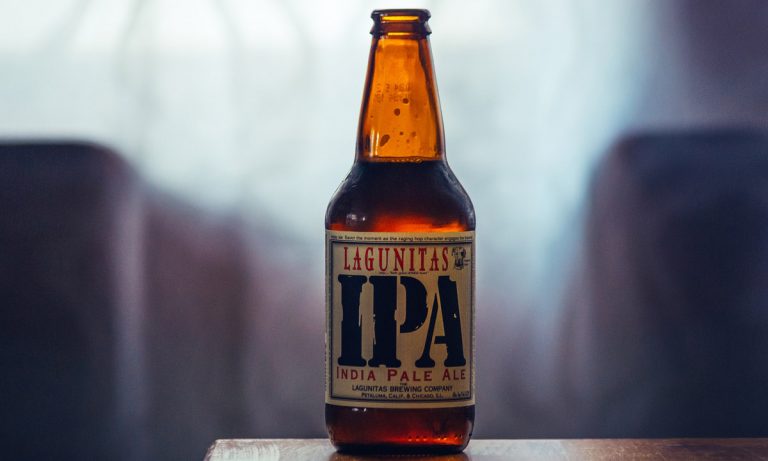
Lagunitas Owner: Marijuana Will Be ‘Way, Way Bigger’ Than Craft Beer

One craft beer expert believes major beer distributors are vastly undervaluing the potential of the bubbling cannabis market. Though cannabis has been likened to craft beer before by industry experts, the founder of Lagunitas Brewing Co. believes those experts are missing the point.

“I think [cannabis] is going to be way, way, way, way bigger,” Tony Magee said.

This opinion comes in conjunction to The Aspen Times reporting that in 2017 cannabis dispensaries pulled in more revenue locally than liquor stores. Out of the combined $730.4 million the city of Aspen accounted for in taxable revenue, cannabis purveyors pulled in $11.3 million, while their liquor counterparts accrued $10.5 million.

Nationally, those figures remain farther apart for obvious reasons. In 2016, the craft beer industry sold slightly over $23 billion in sales, while the cannabis industry generated $6.6 billion. It’s why Magee believes the cannabis industry can still learn from what the craft beer industry has already experienced.

Speaking at the National Cannabis Industry Association’s two-day Seed to Sale Show in Denver, Magee told cannabis entrepreneurs to prepare for the ups and downs the industry will go through, including consolidation or “economic convulsions.”

“You’ve got to be thinking about this stuff today, while you’re in the boom time, that you plant the right sorts of seeds and grow the right kind of company that you can persevere into a future that will have constraints that are not present today,” he said.

Magee himself sold Lagunitas to Heinken just a few years ago. He said the move wasn’t selling out, but that “it was the necessary step not for today, but to prepare ourselves for the world coming 10 years from now. You need a big brother.”

As the industry expands, independent cannabis retailers and growers have expressed concern over two issues: 1) larger corporations dominating and 2) players from tobacco or pharmaceutical fields swooping up the competition. Magee says that might not be a bad thing, as their support might help influence policymakers in Washington.

“They’re your best friend from a legalization standpoint,” he said. “You need to be their biggest enemy once they come into the market. But you only do that by being way, way, way ahead of them, and they’re pretty smart people.”

Former NRA President: Let Medical Marijuana Patients Have Guns

One wrinkle often lost when debating the rights of medical marijuana patients is gun ownership. In part, it’s because these two issues might seem on opposite sides of the aisle. But if you trust the word of the former NRA president, that might not be as true as you think.

David Keene wrote in the Washington Times Wednesday, the federal government’s Schedule I drug classification for marijuana causes significant problems for gun owners. Though medical marijuana is legalized in 30 states, registering for a medical marijuana card prohibits that person from owning firearms.

Via Washington Times:

The Schedule I classification has caused real problems for gun owners in states that have legalized its use for medical purposes because the Bureau of Alcohol, Tobacco, Firearms and Explosives defines anyone with a medical marijuana prescription as an admitted drug user prohibited by definition from owning, possessing or using a firearm. In some states federal law enforcement officers have threatened to go after either gun owners with a prescription or firearms dealers or private sellers who dare to sell them guns.

Keene cited instances where those with medical marijuana cards ran into trouble. One card-carrying Nevada woman attempted to buy a firearm from a Carson City retailer back in 2011, but the ATF had recently put out notice that licensed dealers “may not transfer firearms or ammunition to” individuals with medical marijuana prescriptions.

Just last year the Honolulu police contacted every local registered gun owner with a marijuana prescription. They notified those individuals they had to “surrender their guns and ammunition to the police within 30 days.” As Keene noted, the police later rescinded that notice, but it reminded gun owners with medical marijuana prescriptions how fragile their position was.

“Since gun purchasers must sign a form swearing they are not habitual drug users, a holder of a marijuana prescription cannot both answer the question honestly and buy a firearm today from a gun dealer anywhere in the country,” Keene wrote.

Because of this ongoing concern, Pennsylvania Governor Tom Wolf notified residents last month that the police wouldn’t be taking away the guns of those with medical marijuana prescription. “People should not have to make that choice,” Wolf said at the time.

Keene echoed that sentiment, stating, “Trading a constitutional right for pain relief is a choice no one should have to make.”

Aspen Is Selling More Marijuana Than Alcohol Right Now

Aspen, a tony Colorado ski town famous for expensive restaurants and celebrity sightings, is becoming known for something else these days: Marijuana. Sales figures for 2017 show that the cannabis stores topped liquor stores in revenue.

According to the Aspen Times, the city’s finance department reported legal marijuana retailers recorded $11.3 million in revenue in 2017. Liquor stores generated $10.5 million in sales, marking the first time in the city’s history that marijuana outpaced alcohol in total sales. There are six marijuana retailers and five liquor stores in Aspen.

The finance report also shows that marijuana sales jumped 16 percent over 2016’s total of $9.7 million. Among Aspen’s 12 retail sectors tracked by the Finance Department, the cannabis industry experienced the largest growth rate in 2017. Overall, Aspen generated $730 million in retail revenue in 2o17, a 2 percent bump from the previous year.

“I think it’s meaningful for a couple of reasons,” Matt Kind, a Boulder cannabis entrepreneur told the Aspen Times. “One in particular is when people are visiting Aspen and adjusting to a high altitude, some don’t drink for that first couple of days. And I think people are looking for something different from alcohol, which is essentially poison, and marijuana is botanical. I don’t say that with judgment, but you feel some lingering effects with alcohol.”

A 2017 study conducted by Georgia State University showed a 15 percent decrease in alcohol sales in states with medical marijuana programs. “Our findings clearly show that these two substances act as strong substitutes in the marketplace,” Georgia State economics professor Alberto Chong told the Aspen Times. “This implies that rather than exacerbating the consequences of alcohol consumption — such as an increase in addiction, car accidents or disease risk — legalizing cannabis may temper them.”

Standoff With Tiger Ends When Cops Realize It’s A Large Stuffed Animal

0

In Scotland, a farmer called the police in a panic, claiming there was a tiger near his cowshed and that he needed immediate assistance.

The New York Post reports that the police arrived shortly after the phone call was made, and that they had a nearly one-hour standoff with the animal. It was around this time when they realized that the tiger was just a large plushy.

Bruce Grubb, the 24-year-old farmer who made the phone call, was throwing a house party when he saw the “tiger” near his property and called the police. His cows were pregnant and he was terrified they would be eaten.

Grubb claims that he wasn’t the only one who was scared. He says the first officer who arrived on the scene was so terrified, he didn’t even want to get out of his squad car.

The local authorities claim that, even though the call was bizarre, they did their jobs and called local parks to check if any animals had escaped. They also published on their Facebook account that the phone call wasn’t a prank and that it was made with genuine good intent.

Watching This Particular TV Show Is As Good As Meditating

0

A new study has found something pretty incredible. Mediation and mindfulness aren’t much better than watching a David Attenborough documentary. If you aren’t a fan of Planet Earth, Attenborough is known for narrating stunning nature documentaries and is a pretty big deal in Britain.

According to The Times (by way of The Independent), researchers at Coventry University, along with scientists from New Zealand and the Netherlands, found no convincing evidence that mindfulness and meditation promote open-mindedness or empathy any more than jogging and watching TV.

The study concluded that methods such as mindfulness show no measurable effect beyond what their teacher tells someone to expect, comparing the technique to religion and warning against “implicit magical beliefs” in meditation.

So there you have it. Your next meditation is just a Netflix sesh away:

New Study Suggests Today’s Marijuana Is Too Strong

A new study finds that states where marijuana is legal might face a health crisis if they don’t limit marijuana’s strength, which has increased as cannabis becomes more mainstream.

The study, conducted in the Netherlands, examined the level of delta-9-tetrahydrocannabinol (THC) over a 16-year period. Researchers found that marijuana potency more than doubled between 2000 and 2004, followed by a spike in the number of people seeking treatment for marijuana-related problems.

It found time-dependent associations between THC and first-time treatment entry at lags of zero to nine years, with the strongest association at five years.

According to the study:

The number of people entering specialist drug treatment for cannabis problems has risen considerably in recent years. Across Europe, there was a 53 percent increase in first-time clients between 2006 and 2014, and cannabis has now superseded opiates as the primary problem drug. These changes highlight a concerning increase in population markers of burden and morbidity attributable to cannabis.

Use of cannabis products with high-THC content has been linked to poor mental health and addiction. According to the study, a cross-sectional online survey found that use of cannabis with high-THC content was more strongly associated with cannabis dependence than lower potency forms of cannabis and that the association was found to be stronger in younger cannabis users.

The study finds that THC concentrations have risen considerably in the USA, UK and worldwide in recent decades:

For example, a study of illicit cannabis samples in the USA reported that THC concentrations rose from a mean of four percent in 1995 to 12 percent in 2014. More recently, a dramatic rise in potency was reported within two years of legal sales in Washington State, where extremely high-potency extracts (70 percent THC) now comprise around 20 percent of purchases.

The Post posits that both government can and should place limits on marijuana’s strength “just as it does other addictive products, thereby protecting public health as well as saving the taxpayer the future costs of treatment and other needed health-care services.” The study echoes that sentiment, concluding that in “a rapidly changing cannabis climate, it is essential that policy makers consider the effects of new legislation on cannabis potency and the incidence of cannabis-related harms.”

Marijuana And Fatty Liver Disease: How The Plant Can Help

Scientists may have just shown that frequent cannabis use is a predictor much lower risk of developing the most common liver malady in the world: Fatty Liver Disease.

While much discussion is had about American obesity and its detrimental health consequences, a fatty liver can be particularly problematic. Non-alcoholic fatty liver disease, NAFLD, affects nearly 1 in 3 Americans. It can lead to even more dire health concerns, such as steatohepatitis, fibrosis, cirrhosis and cancer of the liver.

Hyperglycemia (high blood sugar levels), high levels of fat (especially triglycerides) in the blood, obesity and diabetes mellitus  are risk factors for developing NAFLD. Interestingly enough, cannabis users have already been shown to have lower risks for the latter two conditions.   

Researchers at the University of Massachusetts Medical School have published the first study of its kind examining the relationship between cannabis use and NAFLD and the results are dramatic.

A study of the medical records of a huge sample size (5.8 million patients from 3,000 hospitals in more than 40 states) sought to determine if cannabis use affected the propensity to develop the disease. It turns out that there may be a correlation, and it gets significantly stronger for heavy users.

Researchers determined that the study findings, “revealed that cannabis users showed significantly lower NAFLD prevalence compared to non-users.”

How significant was the reduction? The more frequently patients used cannabis the less likely they were to have NAFLD. People who reported occasional cannabis use were 15 percent less likely to develop NAFLD. Regular users were 52 percent less likely than non-users of the herb.

The study noted some obvious shortcomings. The percentage of people self-reporting their cannabis use to healthcare professionals is likely to be lower than the prevalence of use other studies suggest. In this sample a mere 2 percent of patients reported to be non-cannabis users. That number is far lower than the 12 percent of Americans who are users as reported by a recent Gallup Poll. There was also no specific information about what strain, strength of concentration or mode of delivery of cannabis was available from this data.

Despite the limitations, the researchers call for more molecular level studies of this relationship. With initial findings like these, grant money will likely be easier to come by for that purpose. That could be very good news for the millions of people worldwide trying to put the skinny back in their liver for a healthier life.


Single People In This Age Group Are Having The Best Sex

You can’t teach an old dog new tricks, but sometimes you don’t need to because they already know them all.

According to a new study, singles in their 60s are having the best sex. And, that can be attributed to several reasons: older people know what they like in the sack, they no longer care what people think, and they’re often coming off a long term relationship which may have lacked sex.

More than 5,000 people in the US took the Singles in America survey (now in its eighth year). Results show that a person’s sex life reaches its peak in the 60s, and pegs single women as having their best sex at 66 and men at 64. This complements other studies that show the majority of older married couples are having sex well into their 80s.

The New England Journal of Medicine found that that majority of couples aged 75-85 are having sex multiple times a week, reporting that “54% of sexually active persons reported having sex at least two to three times per month, and 23% reported having sex once a week or more.”

Sex therapist Dr Madeleine Castellanos tells The Daily Mail Online that sex is more satisfying for singles in their 60s because they’re experienced enough to know what gets them off, saying, “As you get older you know what you like physically.”

She says many men and women prefer 60s sex because they are no longer married and feel uninhibited in bed. Plus, many of them were with partners who didn’t fulfill their sexual needs or desires.

Many of them had a much more narrow range of experience limited by who they were with.

She also says the older you are, the less limited you are about what other people think, including your partner.

The Singles in America survey was funded by Match and conducted by Research Now.

Don't Miss Your Weekly Dose of The Fresh Toast.

Stay informed with exclusive news briefs delivered directly to your inbox every Friday.

We respect your privacy. Unsubscribe anytime.