Monday, May 11, 2026
Home Blog Page 1036

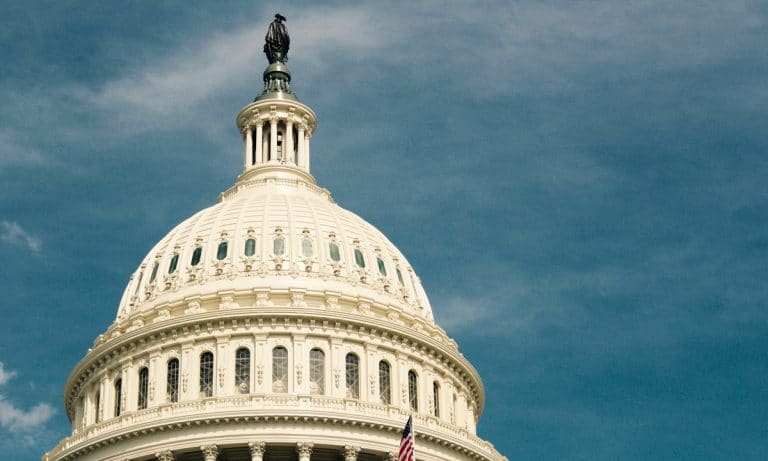
Congress To Trump: Keep Your Promise And Keep Your Hands Off Our Marijuana!

A bipartisan coalition of 54 members of Congress issued a clear message to President Trump late Wednesday: Keep your campaign promise and keep your hands off our legal marijuana.

The congressional group, led by Sen. Elizabeth Warren (D-Mass.) and Rep. Jared Polis (D-Colo.), is yet another rebuke of Attorney General Jeff Sessions’ move earlier this month to rescind Obama-era guidelines that protected cannabis operations in states that have voted for it.

As of this month, the Department of Justice and other federal agencies have the authority to enforce prohibition, going against the will of the people in nine recreational states and 29 medical states.

Wednesday night’s congressional letter, first reported by Tom Angell at Marijuana Moment, takes direct aim at Sessions’ ruling and urges Trump to follow through on the pledge he made throughout his run for the White House.

“This action has the potential to unravel efforts to build sensible drug policies that encourage economic development as we are finally moving away from antiquated practices that have hurt disadvantaged communities,” the letter addressed to Trump said. “These new policies have instead helped eliminate the black market sale of marijuana and allowed law enforcement to focus on real threats to public health and safety.”

During the campaign, candidate Trump repeatedly promised he would allow the states to set their own laws in regard to marijuana:

  • In an interview on July 29, 2016, Trump said: “I wouldn’t do that [using federal authority to shut down recreational marijuana], no … I wouldn’t do that … I think it’s up to the states, yeah. I’m a states person. I think it should be up to the states, absolutely.”
  • In an interview on March 8, 2016, Trump said: “I think it certainly has to be a state — I have not smoked it — it’s got to be a state decision …  I do like it, you know, from a medical standpoint … it does do pretty good things. But from the other standpoint, I think that it should be up to the states.
  • At a campaign rally (see video below) on Oct. 29, 2015, Trump said: “The marijuana thing is such a big thing. I think medical should happen — right? Don’t we agree? I think so. And then I really believe we should leave it up to the states. It should be a state situation … but I believe that the legalization of marijuana – other than for medical because I think medical, you know I know people that are very, very sick and for whatever reason the marijuana really helps them – … but in terms of marijuana and legalization, I think that should be a state issue, state-by-state.”

The letter from the members of Congress urged Trump to follow through with his promise.

“We trust that you still hold this belief, and we request that you urge the Attorney General to reinstate the Cole Memorandum,” the congressional coalition wrote. “This step would create a pathway to a more comprehensive marijuana policy that respects state interests and prerogatives. On behalf of the communities we represent, we hope you appreciate the critical nature of this issue and take immediate action.”

Work With Weed: 5 Hottest Jobs In The Marijuana Industry

The marijuana market is among the fastest growing of all time. It is also becoming more socially acceptable, and as such, many young people are opting for a career in the cannabis industry. According to Forbes, the pot sector will create more employment than manufacturing by 2020. There are many job opportunities in the cannabis industry and thousands are taking advantage of them.

Job listings are available abundantly online. People are flocking to cannabis job fairs in droves. Companies employ many attendees at a time, but more people are just trying to get into the space. Most have little to no experience working with marijuana, but they believe wholeheartedly in the product and because these jobs are typically unique, there is place for anyone willing to learn.

The cannabis industry is not only attractive to the youth. Older folk are also involving themselves, particularly those too old for the traditional workforce, yet with bachelor’s degrees. Store managers are not especially unique, but marijuana industry entrepreneurs can choose from other job positions found nowhere else.

These are currently the top five job opportunities in the cannabis industry:

1. Store Manager

Managers play a crucial role in any retail environment, including recreational outlets and medical dispensaries. Store managers earn a very good salary in the cannabis industry. At the very least, they can make upwards of $75,000 per year, and they can expect a bonus based on gross sales.

Commission can be particularly lucrative when you consider how some Californian dispensaries turn over up to $10 million annually, which adds up to a very healthy bonus. As with traditional jobs, these employees also get health insurance and vacation pay. There is also room for job growth, as many managers become supervisors overseeing several stores.

2. Grow Master

You need a unique skillset to become a cannabis grow master. This person has the responsibility of cultivating the different marijuana strains. Much like a master chef, it is a seller’s market for grow masters. There is a very high demand for people with growing skills, and because of this, they can command their own salaries. Some earn a basic wage of $100,000 per year and a profit percentage.

Currently, the best cultivators originate from states with the longest legalization period, such as California and Colorado. They are already used to earning exceptional wages and working by themselves, and they have had the time to perfect their skills and solidify their reputations. The future will likely have celebrity cultivators, much like the celebrity chefs we have today.

3. Bud Trimmer

Bud trimming is an entry-level position, but it will get you into the cannabis industry. These employees earn the lowest wages. In California, bud trimmers typically make approximately $13 per hour, but there is always work available for them. Some earn according to the pound, which adds up to between $100 and $200 for every pound of bud they trim.

In medical marijuana dispensaries, bud trimmers are valuable. They remove flowers from stems and it is paramount that they waste as little as possible, cut only what is necessary, and ensure buds are in pristine condition. They also separate and weigh leaves, stems, and buds. Although it is certainly a tedious job, bud trimming is one of the easiest ways to work your way into the cannabis industry.

4. Extraction Technician

When people think of marijuana, they picture the flowers. However, cannabis extracts are becoming increasingly popular, accounting for as much as 40 percent of sales at some outlets. Considered “extract artists,” these employees typically have PhDs and unique skills. Salaries are as high as $125,000 in profitable dispensaries.

Some states only allow patients to use medical marijuana extracts. According to the New York State Department of Health, patients in New York may not smoke pot. They may only use it as an extract. Although expensive machines have the actual job of extracting, technicians have the expertise and knowledge to make them work, as well as the experience to provide consistent quality to patients.

5. Owner

Owning a marijuana business is not as fun a job as it sounds. It comes with one headache after another. People think owners make millions, but this is untrue in most cases. There are banking and legal worries, as well as a constantly shifting regulatory environment. Marijuana business owners cannot claim the same deductions other businesses can, making expenses extremely high.

For many cannabis business owners, it takes years for revenues to pay off initial capital investments. They fork out millions of dollars and only see profits years later. Even so, the marijuana industry is in its earliest phase, and with forecasters predicting decades of explosive growth, owning a cannabis business can be both lucrative and far more pleasant than the daily grind of traditional jobs.

Final Thoughts

If you are considering a career in the cannabis industry, then there are plenty of job opportunities already available. If you take the time to hone specialized skills, then you can command the best salary in a market desperately looking for you. Consider taking a cultivation or extraction course if you are serious about joining the ranks of marijuana industry entrepreneurs.

This story originally appeared on the MJ News Network. Is was written by John Levy, who blogs for Pot Valet, a leading cannabis delivery service in Los Angeles.  

Meet The First Major Bank To Service The Canadian Marijuana Industry

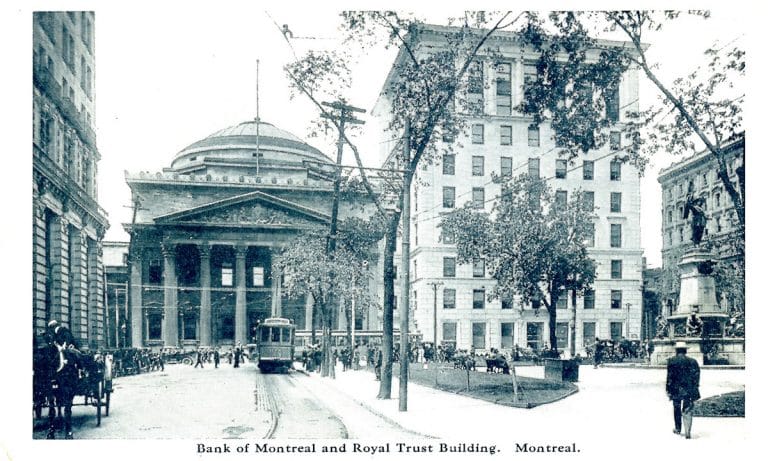
Marking a dramatic shift in previous policy, the Bank of Montreal will enter the cannabis space through a financial agreement with licensed Canadian marijuana company Canopy Growth.

Based in Smith Falls, Ontario, Canopy Growth recently sold major equity to GMP Securities LP and BMO Capital Markets, which is owned by Bank of Montreal. The company purchased roughly five million shares in the $175-million bought deal.

The move represents the first significant foray into Canada’s cannabis industry by one of the country’s Big Five banks. By being the first bank to head an equity financing deal with a publicly-traded cannabis company, the Bank of Montreal’s gesture could demonstrate a shift in thinking among Canada’s financial institutions.

The Big Five were previously hesitant to enter the cannabis space, leaving the financial opportunity to smaller and regional banks. Part of their reluctance stems from the Big Five’s major dealings in the United States, where cannabis remains federally illegal as a Schedule I drug. That status likely won’t change anytime soon, as the Trump administration has made significant moves to roll back former federal protections offered in the cannabis space.

This, in part, explains what kept members of the Big Five banking institutions from participating in Canada’s cannabis industry.

Via Financial Post:

That stance may now be starting to soften amid a fundraising spree in the Canadian marijuana industry, which had been taking place without the country’s biggest banks. Companies involved in the already legal medical pot business have been seeking funding to serve the coming recreational market set to be legalized by the federal government this summer.

For now it remains to be seen what the Bank of Montreal’s move might represent moving forward. At any rate, it does showcase a significant shift in thinking regarding cannabis among the banks.

Florida Government Wants To Declare Porn A Health Risk

Attention all Joseph Gordon-Levitt fans who identified too closely with Don Jon—watching pornography may be a health risk. That news comes to us courtesy of the Florida legislature, which decided this week to put forth a resolution regarding the health risks of adult entertainment.

It was approved without reservation by the House Health & Human Services Committee last week. That resolution proposed a “need for education, research and policy changes to protect Floridians from pornography.”

Via Click Orlando:

Republican Rep. Ross Spano is sponsoring the resolution. He told the committee that pornography is readily available to children through smartphones, and exposure to explicit material is harming them.

This comes on the heels of Donald Trump’s latest scandal involving former adult star Stormy Daniels, whom Trump’s lawyer paid $130,000 in a non-disclosure agreement prior to the 2016 election.

Spano, the resolution’s sponsor, didn’t have any exact plans or changes to be made when asked. Instead he replied that acknowledging the problem was the first step.

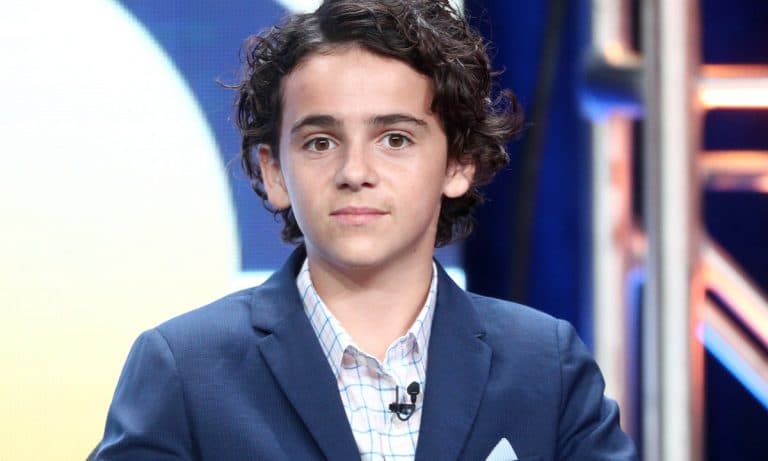
‘It’ Child Actor Jack Grazer Is Sorry He Smoked Marijuana

Following a video of the actor smoking a blunt leaked online, It child actor Jack Grazer is answering to the controversy. He took to his Instagram account to apologize for the event and promised that he had learned his lesson.

“It was a dumb thing that I did due to peer pressure at school,” the 14-year-old said to his 2.1 million followers. “And I’ve now realized that vaping and smoking pot—it’s stupid and it’s not cool and it’s not worth it.”

Grazer briefly paused then continued, “I’ve learned my lesson, and I’ve learned it the hard way. Please don’t make the same mistakes that I did. If you feel peer pressured or bullied, get help.”

Before signing off, Grazer thanked his fans for their “continued love and support.”

The leaked video that Grazer referred to featured him standing in a circle of friends, puffing on a large blunt. You can hear the kids cheering him on, with one friend saying, “If my parents found this, they’d kill me.”

Grazer had a memorable turn as Eddie Kaspbrak in the summer blockbuster It. He also starred in CBS comedy Me, Myself, and I, which was canceled after just six episodes. It was recently announced he’ll have a major role in DC comic book movie Shazam!

From Cannabis Prohibition To Progress: The Essential History

It’s been five years since voters in Colorado and Washington made the logical move to legalize cannabis in their states. Today, there are nine states that have decided to make marijuana legal and more states are expected to join the list in the near future.

The five-year experiment appears to be working out just fine. The evidence clearly demonstrates that marijuana legalization has led to states saving money and protecting the public through comprehensive regulation of marijuana for adult use.

This success has likely contributed to the historically high levels of public support for marijuana legalization in the US, which has steadily grown to an all-time high of 64 percent. The majority of Americans – including 51 percent of Republicans – now support marijuana legalization.

The Drug Policy Alliance on Tuesday published a new report titled “From Prohibition to Progress: A Status Report on Marijuana Legalization.” The report reveals that states are saving money and protecting the public by comprehensively regulating marijuana for adult use. There have been dramatic decreases in marijuana arrests and convictions, saving states millions of dollars and preventing the criminalization of thousands of people.

Marijuana legalization is having a positive effect on public health and safety. Youth marijuana use has remained stable in states that have legalized. Access to legal marijuana is associated with reductions in some of the most troubling harms associated with opioid use, including opioid overdose deaths and untreated opioid use disorders. DUI arrests for driving under the influence (of alcohol and other drugs) have declined in Colorado and Washington, the first two states to legalize marijuana. At the same time, states are exceeding their marijuana revenue estimates and filling their coffers with hundreds of millions of dollars.

“Marijuana criminalization and enforcement have been a massive waste of money and have unequally harmed Black and Latino communities,” says Jolene Forman, staff attorney at the Drug Policy Alliance. “This report shows that marijuana legalization is working. States are effectively protecting public health and safety through comprehensive regulations. Now more states should build on the successes of marijuana legalization and advance policies to repair the racially disparate harms of the war on drugs.”

Below are the findings of the comprehensive study

Social Justice Impacts

Marijuana arrests are down:

Arrests for marijuana have plummeted in places with legal marijuana – saving hundreds of millions of dollars and sparing thousands of people from being branded with a lifelong criminal record.

States are allocating marijuana revenues for social good.

  • Colorado distributed $230 million to the Colorado Department of Education between 2015 and 2017 to fund school construction, early literacy, bullying prevention, and behavioral health.
  • Oregon allocates 40 percent of marijuana tax revenue to its state school fund, depositing $34 million into the fund so far. The state also distributes 20 percent to alcohol and drug treatment.
  • Nevada’s 15 percent wholesale tax is projected to bring in $56 million over the next two years to fund state schools.
  • Washington dedicates 25 percent to substance use disorder treatment, education and prevention. The state also distributes 55 percent of its marijuana tax revenues to fund basic health plans.
  • Alaska will collect an estimated $12 million annually, which will fund drug treatment and community residential centers.
  • California and Massachusetts will invest a share of their marijuana tax revenues in the communities most adversely impacted by drug arrests and incarceration, particularly low-income communities of color, to help repair the harms of unequal drug law enforcement.

Public Health

Youth marijuana use is stable:

Youth marijuana use rates have remained stable, nationally and in states that have legalized marijuana for adults age 21 and older.

  • According to the 2015 Youth Risk Behavior Survey, 21.7 percent of American high school students used marijuana in the past month and this rate has been consistent over the past decade.
  • In Washington, Colorado and Alaska, rates of marijuana use among high school students largely resemble national rates. These results are promising, suggesting that fears of widespread increases in use have not come to fruition.
  • In Oregon, Nevada, California, Maine, Massachusetts and Washington, DC, marijuana regulatory programs are not yet established or are so new that they are unlikely to have affected youth use rates in an immediately measurable way. While rates of use vary widely in these states, they have mostly stabilized or declined over the years leading up to legalization.

Marijuana legalization is linked to lower rates of opioid-related harm:

Increased access to marijuana has been associated with reductions in some of the most troubling harms associated with opioids, including opioid overdose deaths and untreated opioid use disorders.

  • In states with medical marijuana access, overdose death rates are almost 25 percent lower than in states with no legal access to marijuana, and the reductions in overdose death rates strengthened over time.
  • Legal access to medical marijuana has been associated with a 23 percent reduction in opioid dependence or abuse-related hospitalizations and 15% fewer opioid treatment admissions.
  • An analysis of opioid overdose deaths in Colorado found that after marijuana was legalized for adult use there was a reduction of 0.7 deaths per month in the state and that the decades-long upward trend of overdoses began to decline after 2014, the first year of marijuana retail sales in the state.

Road Safety

Legalization has not made our roads less safe:

The total number of arrests for driving under the influence of alcohol and other drugs has declined in Colorado and Washington, the first two states to regulate marijuana for adult use.

There is no correlation between marijuana legalization and crash rates:

Research demonstrates that Colorado and Washington’s post-legalization fatal crash rates have little to nothing to do with marijuana. The crash rates in both states are statistically similar to comparable states without legal marijuana.

Marijuana and the Economy

Sales and tax revenue are exceeding initial estimates:

Marijuana sales in Colorado, Washington, Oregon, Alaska, and most recently in Nevada, began slowly as consumers and regulators alike adjusted to new systems. Once up and running, however, overall sales and tax revenue in each state quickly exceeded initial estimates.

Sales in California started on January 1, 2018 and no data are available yet. Sales in Massachusetts will not begin until July 2018. Sales in Maine are on hold, pending approval of a bill to implement the state’s regulated marijuana program. In Washington, DC no retail cultivation, manufacturing or sales are permitted at this time.

The marijuana industry is creating jobs:

Preliminary estimates suggest that the legal marijuana industry employs between 165,000 to 230,000 full- and part-time workers across the country. This number will only continue to grow as more states legalize marijuana and replace their unregulated markets with new legal marijuana markets.

However, there is currently a lack of equity and inclusion in the regulated marijuana market. The communities most harmed by marijuana criminalization have struggled to overcome the many barriers to participation in this market.

Some states and cities are implementing rules to help increase equity and reduce barriers to entry in the marijuana industry. For example, Massachusetts is adopting rules aimed at ensuring that people most harmed by marijuana criminalization can participate in the regulated market. Additionally, in California, a prior drug felony cannot be the sole basis for denying a marijuana license. This mitigates the harms to low-income, black, and Latinx people who have borne decades of disproportionate arrests and convictions for marijuana offenses.

Going Forward: Areas of Growth

We need to reduce racial disparities and reform police practices:

It is widely known that there are vast racial disparities in the enforcement of marijuana laws. Black and Latinx people are more likely to be arrested for marijuana offenses than white people, despite similar rates of use and sales across racial groups.

  • In Colorado, marijuana arrests for white people decreased by 51 percent, but only decreased by 33 percent for Latinx people and 25 percent for black people between 2012 and 2014.
  • The post-legalization arrest rate for black people in Washington is double the arrest rate for other races and ethnicities.
  • A black person in Washington, DC is 11 times more likely than a white person to be arrested for public consumption of marijuana.

Marijuana legalization dramatically reduces the number of people arrested for marijuana offenses; however, it does not end racially disparate policing. Police practices must be reformed to fully remedy the unequal enforcement of marijuana laws. Police departments should:

  • Adopt model policies that prohibit officers from engaging in racial profiling and educate them on the harms of discriminating based on race.
  • Promote accountability and transparency by collecting search, citation and arrest data. These data should be compiled, made available to the public, and evaluated for racial disparities so that police policies can be developed to reduce racial disparities in enforcement practices.

We need to establish safe places for people to consume marijuana:

Consuming marijuana in public is illegal in all eight states and Washington, DC that have legalized marijuana for adults 21 and older. It is a misdemeanor in Nevada and Washington, DC, and a civil penalty subject to fines and fees in all other states. This means that people who lack the means to pay the fines and fees, or those without homes or in federally-subsidized housing, risk being jailed for consuming a lawful substance. Public use violations are also disproportionately enforced against people of color, particularly black people.

To address these concerns, several states have permitted social clubs or retail stores for onsite marijuana consumption. However, rollout of these businesses has been slow. It is imperative that these businesses are permitted so that all people have safe places to consume marijuana, free from criminal justice intervention.

We need to promote marijuana decriminalization and penalty reductions for youth and young adults:

In several states, marijuana legalization has had the unintended consequence of reducing historically high numbers of youth (under age 18) and young adults (18 to 20 years of age) stopped and arrested for marijuana offenses. However, these reductions are inconsistent from state-to-state. In some circumstances, youth now comprise a growing number of people charged with marijuana offenses.

  • In Colorado, the number of youth under 18 cited for marijuana offenses increased by five percent.
  • In 2016, the marijuana arrest rate for Oregon youth was nearly seven times the adult rate.
  • In 2015, 98 percent of all marijuana possession convictions in Washington were of youth.

While the reduction in youth arrests following legalization is a positive step, more reform is needed. California’s approach is too new to be evaluated, but it appears to be a good step toward reducing youth and young adults’ risk of criminal justice involvement for marijuana-related conduct:

  • In California, youth under the age of 18 may only be charged with infractions for marijuana offenses. They are no longer threatened with incarceration or financial penalties. Instead, they are required to attend drug awareness education, counseling, or community service.
  • All marijuana offenses will be automatically expunged from a youth’s record when they turn 18.
  • The penalties for most marijuana-related activities were either decriminalized or reduced for young adults 18-to-20 years old.

Download the full report (PDF)

The Cannabis Chocolate You Really Want For Valentine’s Day

A normal night out for Valentine’s day consist of an overpriced meal, a bottle of wine and a headache in the morning. This year treat yourself and your partner (or just yourself) by staying in for the night and indulging in some cannabis chocolate to put all the worries away. With everything on today’s market, you can have a romantic night in with these delightful chocolates.

Spot Chocolates

Seattle, WA

https://www.instagram.com/p/BHV4HWAhPav

Everything is made naturally from scratch and by hand. Spot expert bakers and chocolatiers measure, mix, expertly prepare and package edibles every day in the Seattle bakery.

Cannabis can inspire a myriad of experiences and much of that depends on the user, Spot is committed to giving its consumer the broadest of choices, and doing it really, really well. Spot will give you the reliable and enjoyable Valentine’s Day that you deserve.

Bhang Chocolates

Oakland, CA

https://www.instagram.com/p/BPQcpKcAg1W/

The brand offers a variety of flavors, both THC and CBD infused, and mixed with the finest Venezuelan cacao. Using only the finest natural ingredients these gourmet chocolate cannabis bars are made in their California kitchen. They also offer a mint spray for the romantic night!

Kiva Confections

Oakland, CA

https://www.instagram.com/p/4_KmEitlnw/

Kiva Confections makes only the highest quality medical edibles for patients, crafted from all natural ingredients and skillfully combined with cannabis, lab-testing every batch to ensure consistent THC potency.

Not only are these chocolate bars infused with cannabis but they come in flavors such as Irish Crème, Tangerine Dark Chocolate, Vanilla Chai and more! Its artisan confections have garnered multiple awards and recognition in the marketplace including Best Edible at both the San Francisco and LA High Times Cannabis Cups in 2013.

G Farma Labs

Anaheim, CA

https://www.instagram.com/p/BLezzyphdPp/

If you’re looking for an edible chocolate that’s more romantic look no further. These Liquid Gold Hearts are small cannabis-infused chocolate bites with 50mg THC.

Comes in Dark & Espresso Beans, Milk & Almond, and White & Sour Gems. They are great for a romantic night in or on the go with the easy wrapping for on the go bites.

To Whom It May 

Los Angeles

https://www.instagram.com/p/BMHj8aGBXLA/

With an offering of a 4 tiered dosing system for our chocolates, so there is no need to take half or a small piece. They start at 2.5mg, which is meant for someone who never tried cannabis before, to 45mg, which is meant for frequent users. This is perfect for couples who want to enjoy the night together but are able to at different levels of high.


3 Little Words Disney Employees Are Never Allowed To Say

Disney World is one of the most magical places one can visit, but behind the curtain, it’s a business just like any other. When Mickey goes home for the night, he leaves his ears and charming mouse demeanor behind. At least one would hope so.

An anonymous former theme park employee listed 32 closely guarded secrets they discovered while working at Disney, and it’s not all cotton candy and Dole whips, although, there are certainly some perks.

As detailed by POPSUGAR, one of the more peculiar rules is that Disney employees are not allowed to utter the three words “I don’t know.” Writes anonymous:

If a guest asks you a question, you always have to have an answer, no exceptions. If you don’t know it, find out, but don’t say you don’t know. If it’s a silly question, make up a silly answer. If a child asks you what Tinker Bell eats before her flight across the Magic Kingdom during the fireworks, you better come up with an answer quickly. (Answer: very tiny apples.)

According to Entertainment Overload, staff members are extensively trained so they are able to answer every question asked of them. And for those they simply draw a blank on, they are required to phone an operator to help find the answer.

Other peculiarities of Disney’s work ethic include: never being allowed to break character (you’re a cast member, not an employee), always pointing with two fingers (it’s offensive to some cultures to point with a single finger), and always addressing a guest by name.

Says anonymous:

Have you ever been surprised by a cast member who uses your name? It’s either because you have a pin on with your name on it, or when you paid with your room key or credit card, we took a quick glance at it to get your name. That way, when we hand you your bag of stuffed animals, we can thank you by name and tell you to have a magical day.

They’re also required to effortlessly pick up trash by scooping it up without stopping to bend down (“bend as you walk by and scoop it up.”) And also, have you ever noticed you can’t buy gum at the Disney parks? Walt Disney didn’t want to see it on the ground, so he refused to sell it. Smart man.

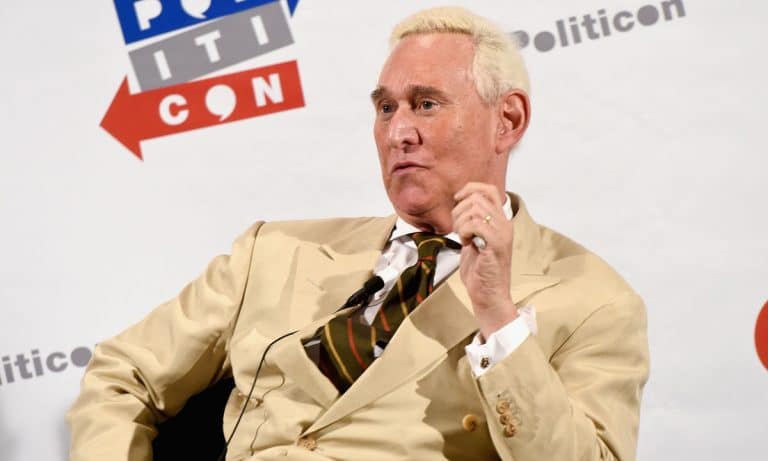
Roger Stone On Jeff Sessions: ‘He’s F*%$ing It Up! He’s Got To Go’

Roger Stone, a longtime Republican political dirty trickster who has worked with presidents Richard Nixon, Ronald Reagan and Donald Trump, clearly is not a fan of Attorney General Jeff Sessions.

In a video shared by TMZ, Stone did not mince words when it came down to Sessions’ rescinding Obama-era guidelines protecting states that have legalized marijuana from federal overreach.

Here is what Stone thinks of the nation’s top cop:

“If Jeff Sessions is allowed to continue as attorney general and run a crackdown on state-legalized marijuana, Trump is going to lose. This [legalization] is a very popular position in the country. People overwhelmingly support medicinal marijuana. It [Sessions’ position] is inconsistent with the president’s position in the campaign. He made a solemn pledge to protect the access of millions of Americans to medicinal marijuana. And now his attorney general is fucking it up. Jeff Sessions has got to go.”

Stone is a longtime friend of Trump and a prominent figure in the ongoing investigation into Russian interference in the 2016 election. He also is an advocate for legal cannabis.

This is not the first time Stone spoke out against a federal crackdown on marijuana. Last February, he tweeted:

A crackdown on legal marijuana in the states will cost thousands of jobs & bankrupt local govt- huge mistake #StatesRights@realDonaldTrump

— Roger Stone (@RogerJStoneJr) February 24, 2017

Note: You can’t find that tweet now because Stone, living up to his reputation as a shit-disturber, was banned PERMANENTLY from Twitter back in October for a series of expletive-laden tweets ripping a handful of media personalities. For example, Stone tweeted that CNN anchor Don Lemon was “dumber than dog shit” and deserved to be mocked. In another tweet, Stone commanded Lemon to “stop lying about the Clinton’s and Uranium you ignorant lying covkscucker.”

Twitter is not the only place Stone is not welcome. Last September, Stone was removed from the speaker’s list at a Los Angeles cannabis conference. The Cannabis World Congress & Business Expo jettisoned Stone “following collaborative discussions with numerous partners, participants, and interested parties who support the legalization of cannabis in an inclusive manner.”

Arizona Medical Marijuana Sales Are Going To Shock You

In 2017 turned out to be a banner year for cannabis patients in Arizona. According to a soon-to-be-public report from the state’s Department of Health Services, patients in the Grand Canyon State consumed more than 43 tons of marijuana products last year. The total tonnage including flower, edibles, and concentrates.

In 2016, state marijuana dispensaries sold 29 tons. According to the state’s data, there were 153,000 patients registered for the medical marijuana program by year’s end — a 34 percent year-over-year jump from 2016.

Arizona voted to allow medical marijuana way back in 201o, but there were no retail outlets until 2012. In the first full year of the program (2013), the total volume sold was a meager 2.5 tons. Since then, the program has skyrocketed.

The health agency did not report how much sales revenue dispensaries took in during 2017. But, the Daily Sun took a stab at some basic math:

If marijuana runs $200 an ounce — and the prices do vary both up and down from that depending on the dispensary and the quality of the drug — that’s more than $275 million changing hands at the retail level.

Among the other interesting tidbits from the report:

  • More marijuana was sold on a daily basis in December than any other month.
  • Friday is the most popular day for cannabis sales.
  • Male patients outnumber females by 2-to-1.
  • Nearly four out of every 1o patients is 51 years old or older.
  • Chronic pain is by far the most common ailment listed. Other top conditions listed were cancer, PTSD, muscle spasms, seizures and glaucoma.

Patients in Arizona are legally allowed to purchase 2 1/2 ounces of cannabis every two weeks. Qualifying conditions for patients include glaucoma, seizures, nausea, Alzheimer’s disease and PTSD. Patients are allowed to report multiple conditions in order to obtain legal medical marijuana.

Health department figures show that the majority of what was purchased in 2017 was in the form of whole marijuana (leaves and flowers). Only about 10 percent was in other forms, including edibles, beverages and capsules.

The agency expects to post its full report on its website this week. The Phoenix New Times jumped the gun and already published it here.

Don't Miss Your Weekly Dose of The Fresh Toast.

Stay informed with exclusive news briefs delivered directly to your inbox every Friday.

We respect your privacy. Unsubscribe anytime.