Monday, May 11, 2026
Home Blog Page 1037

Gossip: Prince William Dropping $1 Million On Harry’s Bachelor Party; Who Was Meghan Markle & Prince Harry’s Matchmaker?

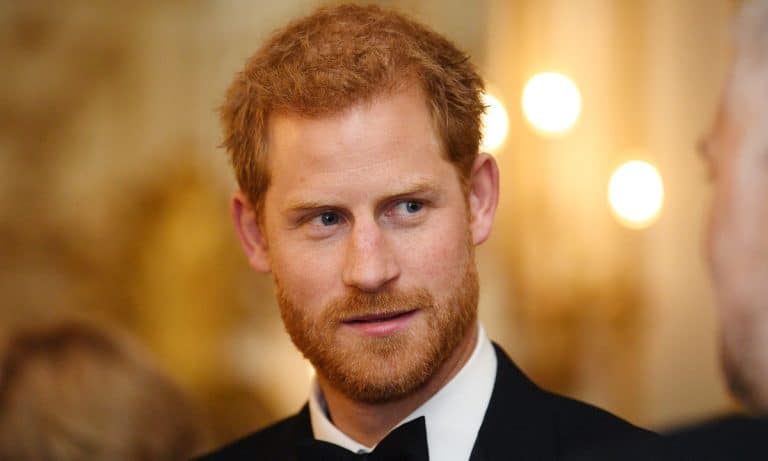
Prince William is dropping ONE MILLION DOLLARS on a royal bachelor party for his brother Harry.

Sources say William is flying Harry and 15 of his pals on a private jet to The Swiss alps. The group will stay at a posh ski resort and he has hired a chef and masseuse for the trip!

Who Was Meghan Markle & Prince Harry’s Matchmaker?

E! says the matchmaker was Violet von Westenholz. Hm.

E! News can confirm for the first time that the real heroine of this love story is actually Harry’s childhood friend Violet von Westenholz. Her dad is a baron and very close to Prince Charles and she’s been in Harry’s trusted inner circle of friends for years. Her younger sister, Victoria, was once even touted as a possible girlfriend for Harry among the society elite in London, but Violet had become a confidante for Harry when it came to matters of the heart.

“Harry was having a really hard time finding anyone,” admits our well-placed source. “It’s hard enough finding someone new to date. He can hardly go on Tinder or a dating app like normal people, but to meet someone that you actually connect with, that was proving to be almost impossible. It was something he had confided in his closest friends about; he was ready to meet someone but it was so hard to actually find the right person.”

That is until Violet and Meghan’s paths crossed. The girls became friends through Violet’s PR work with the fashion house Ralph Lauren. Our source explains, “Meghan had been a part of the London social scene for a while and had slotted into the high society set really easily. And so when Harry told Violet he was having trouble finding someone, Violet said she might just have the perfect girl for him.”

Violet’s instinct, of course, was spot on. As we now know, the pair immediately clicked and after two London dates they jetted off to Botswana for a magical week-long vacation under the African stars.

“Even with Chelsy [Davy], Harry didn’t feel this kind of spark. And they were together for years! Harry just knew immediately, from the moment he spent time with Meghan, that he wanted to be with her. It’s a simple case of meeting the right girl at the right time.” Friends say, now that Meghan and Harry are just months away from tying the knot, the groom-to-be is just as besotted as ever. “Meghan really does come first for him. He’s honestly absolutely smitten,” we’re told. “His friends love her too; she’s been a really good fit into the group. Harry has definitely settled down since they got together. He doesn’t go out as much as he used to when he was single, but that’s to be expected and his friends understand that. He is preparing himself for married life and what that will bring.”

One pal admits, “Meghan did put someone’s nose out recently because she was introduced to them at an indoor location and didn’t take her sunglasses off. But that’s really been her only faux pas.” And that flub can be forgiven. “We are all just really happy that he finally met a woman he wants to spend the rest of his life with.”
[From E! News]


Love the fresh dirt we bring over daily from Naughty Gossip? Let us know in the comments!

Gov. Phil Murphy Goes To Work On NJ Marijuana His First Week In Office

New Jersey’s brand new Governor, Phil Murphy, started with Executive Order Number 6 with:

“WHEREAS, it is beyond dispute that patients suffering from debilitating medical conditions deserve to live in dignity with as little suffering as possible; and

WHEREAS, medical decisions must be based on science and health, not ideology or social policy…” and went on from there to not only tear down the current, practically nonexistent medical marijuana law, but to demand further research, better access and more methods of ingesting cannabis to be wrapped up and ready to go within 60 days.

This is more than a breath of fresh air for New Jerseyans who had been suffering with Chris Christie in office. Christie, the least popular governor to ever hold the office in the United States, was an extremely vocal opponent of cannabis and did everything in his power to keep medical use away from his unhappy constituents.

On the other hand, with less than a week in office under his belt, Phil Murphy signed the above Executive Order and then proudly tweeted about it, stating, “For eight years, medical marijuana has been difficult to access in New Jersey. Today, we’re turning the page. A fairer New Jersey means expanding access to medical marijuana for patients in need.”

In turn, he’s gotten quite the response, including a retweeted message from veteran Tiffany Meyers: “@GovMurphy thank you for taking steps reevaluate and expand our Medical Cannabis program. Veterans like me appreciate it as do many other New Jersey residents that want a natural alternative to Opioids and benzos.”

The opioid epidemic was one of the many reasons Murphy decided to step up New Jersey’s medical marijuana program. It was also part of his platform to broadly legalize the plant for all New Jersey residents. Now New Jerseyans wait patiently for the Executive Order legalizing recreational cannabis, as originally promised.

New Jersey government has long been a corrupt landscape with dirty money exchanging hands that skimmed social programs for dollars that went who knows where. Though it’s not likely to change entirely overnight, having a politician like Murphy in office gives great hope. Especially to the hundreds of thousands of potential patients who, soon, will have much better access to much better medical marijuana options, as laid out in Murphy’s Executive Order Number 6.

Here’s The Latest Research Results On Marijuana And Heart Health

Although some preliminary research from last year frightened the cannabis community when it suggested that regular pot smokers were three times more likely to succumb to hypertension, a more recent analysis finds this is not necessarily the case. It seems that until the more research is conducted on the herb, the scientific world remains mostly in the dark about the overall affect of cannabis on cardiovascular health.

To shed more light on this subject, researchers went back to examine the data from dozens of studies on marijuana and heart health. Essentially, the main focus was to learn whether marijuana causes elevated cholesterol levels or high blood pressure. The study group searched for any evidence linking marijuana to heart disease. But what they ultimately discovered was that all of the previous research surrounding this topic is flawed.

“Evidence examining the effect of marijuana on cardiovascular risk factors and outcomes … is insufficient,” researchers concluded, according to a report from Business Insider.

The results of the latest study are consistent with a much larger investigation published last year. The National Academies of Sciences, Engineering, and Medicine, which consists of some of the leading scientific minds in the country, determined there was “insufficient evidence” that smoking marijuana was a detriment to heart health. More specifically, the group was unable to establish whether cannabis could trigger a heart attack.

Still, science says that marijuana does in fact increase a person’s heart rate by up to 50 beats a minute. Some believe this means the herb definitely has a negative affect on heart function. Yet, all of this “limited evidence” is all over the place. Some smaller studies have shown that marijuana might actually have the power to lower blood pressure, rather than increase it. In the end, the scientific community remains stumped.

But it is not likely we will have any definitive answers with respect to marijuana and the heart anytime in the near future. Until the federal government chooses to downgrade the Schedule I classification of the cannabis plant under the Controlled Substances Act, research will be hard to come by. As it stands, scientists have a tough time getting green lit for studies to examine the health benefits of cannabis because of all the red tape they have to cut through to get approval from all of the pertinent government agencies. This has caused researchers like Dr. Sue Sisley to get jammed up in her years-long exploration of medical marijuana as a treatment for patients with PTSD.

Considering that marijuana is legal in over half the nation for medicinal and recreational purposes, now would be a good time for the Trump administration to initiate the rescheduling process. Because not knowing how marijuana impacts the heart and other factors is the real risk to public health and safety.

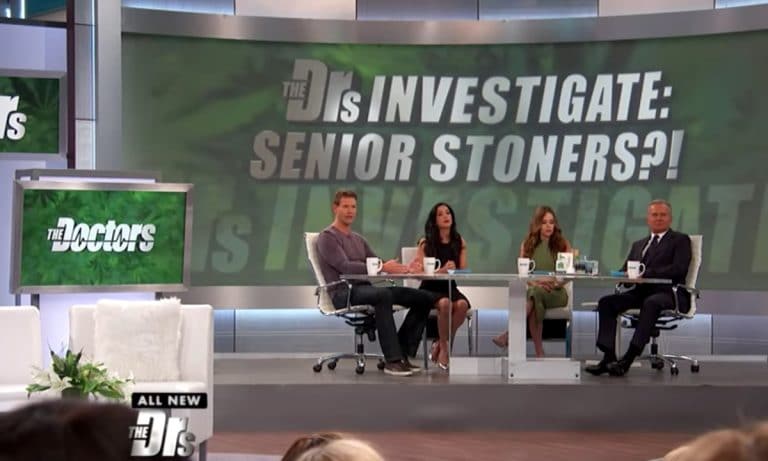
‘The Doctors’ Ask: Why Are So Many Seniors Using Marijuana?

Tuesday’s episode of the daytime talk show “The Doctors” examined the skyrocketing use of senior citizens turning to cannabis for medicinal purposes. Producer Leslie Marcus traveled to one of the biggest retirement communities in the nation, where she met a group of seniors who say they are now choosing marijuana instead of prescription meds.

Marcus talks with seniors who say cannabis has been a big help for ailments such as Parkinson’s, back pain, leg pain, sleeping issues, teeth grinding, anxiety, and depression.

“The Doctors” note the science surrounding cannabis use for these issues are still hazy and that the exact effect marijuana has on health conditions like dementia is still unknown. There are also some concerns that cannabis can interact with other medications and increase falls in seniors.

Marcus says the seniors she spoke with told her that while the pot was not a cure-all for their ailments, they said it drastically improved their quality of life.

Dr. Bonni Goldstein, chief medical officer for Canna-Centers, joined the panel to share that many of her patients have found that using cannabis has helped them get off many different medications. She says that dosage is a concern among seniors and recommends, “Start low and go slow.”

Dr. Goldstein feels that all doctors should be able to speak with their patients about cannabis and says, “It’s just another tool in the toolbox.”

A recent survey conducted by Eaze, a California cannabis delivery company, revealed Baby Boomers are the fastest-growing demographic while Millennials are using less. According to the survey, Boomers purchased 25 percent more cannabis in 2016 than the previous year. Gen Xers purchases rose eight percent; Millennials dipped three percent. Boomers, according to the report, spend 36 percent more per month on weed than Millennials.

What Happens If You Smoke Cannabis For A Year to Relieve Chronic Pain

Researchers in Canada say that smoking cannabis to relieve chronic pain is not only safe, but effective as well. We knew that, but in case you needed scientific evidence, here it is.

The study followed 215 adults (141 of these adults were current users and 58 of them ex-users) who used medical cannabis for an entire year and a control group of 216 chronic pain patients who didn’t use medical cannabis at all. These participants were patients from seven different clinics in Canada, all suffering from some form of chronic non-cancer pain.

The participants using cannabis received flower that contained 12.5 percent of tetrahydrocannabinol (THC, the psychoactive component of cannabis) and were given the option to use the leaf however they see fit: vaping, edibles and smoking were all possible options. Most of the participants chose inhalation or vaporization, presumably because it’s easier.

After the one-year study, patients reported a significant reduction of discomfort and an increased quality of life in (aka, they were a lot happier because they weren’t in as much pain, prior to the cannabis use), when compared to the control group.

Researchers concluded that the cannabis consumers did not possess a greater risk of side effects than the non-cannabis consumers. The side effects that the cannabis smokers did experience were noted as less serious and included coughing and sleepiness. The Canadian researchers also noted that there wasn’t a significant change in the consumer’s’ cognitive abilities as compared to the control group. So the people smoking cannabis to relieve their pain were just as functional as the people who abstained from it.

Aside from alleviating pain, the patients also noted a high reduction in anxiety, depression and fatigue, which further proves the multiple uses of medical marijuana.

‘Wonka Factory of Weed’ Plans To Disrupt Cannabis Industry

Another day, another cannabis company trying to create a marijuana tourist destination in California. Last year American Green earned media attention after purchasing a “ghost town” in California with intention to transform it into “marijuana Disney.”

Now craft marijuana company brand Flow Kana aims to disrupt California’s wine country through the most simple and humane gestures: education and community. In 2017 Flow Kana bought 80 acres of land previously owned by the founders of Fetzer Vineyards, paying the former winery $3.6 million.

The company aims to build the Flow Cannabis Institute, a marijuana processing and manufacturing facility emphasizing teaching outsiders and sharing the benefits of being in the cannabis family.

Via Business Insider:

Much like a winery that hosts tours and tastings, the Flow Cannabis Institute will build experiences around the operation. Visitors will eventually tour the facilities where small farmers test, dry, cure, trim, process, and package marijuana for distribution; learn about the plant in seminars and pairing dinners; take a yoga class; and stay at an on-site, pot-friendly bed and breakfast.

Flow Kana began as a boutique delivery service in San Francisco back in 2014. Their priority was delivering only pesticide-free product grown outdoors.

Now the Flow Cannabis Institute will further coalesce and empower independent, organic cannabis farmers against Big Marijuana. As Flow Kana founder Michael Steinmetz said in a press release, “Just as small coffee farmers bring their coffee beans to a centralized facility to be dried, roasted, processed and packaged at scale, the Flow Cannabis Institute will provide a centralized location for small, independent cannabis farmers to test, dry, cure, trim, process, package, manufacture and distribute their harvest at a massive scale.”

What may surprise you is that the Flow Cannabis Institute has no plans to grow or sell marijuana on its premises. Instead, there will be a future “tasting room” with free samples for adults—California allows up to an ounce of cannabis to be gifted free of charge—and “leisure” features like a marijuana-infused spa treatment and bed and breakfast.

They also plan to retool a 22,000-square-foot facility into a mixed-use space for events and education courses. They will aim to dispel the preconceived notions many hold about marijuana consumption and consumerism, showcasing the friendly retail environment many encounter at dispensaries.

Here’s Why Legal States Are Running Out Of Recreational Marijuana

Properly managing marijuana supply is the single most challenging aspect of state-level marijuana regulation. In an op-ed published January 12th in the Oregonian, Billy Williams, US Attorney for the federal district that encompasses Oregon wrote about what he calls Oregon’s “massive overproduction problem.” According to Williams, postal agents in Oregon seized 2,644 pounds of marijuana in outbound parcels in 2017 alone.

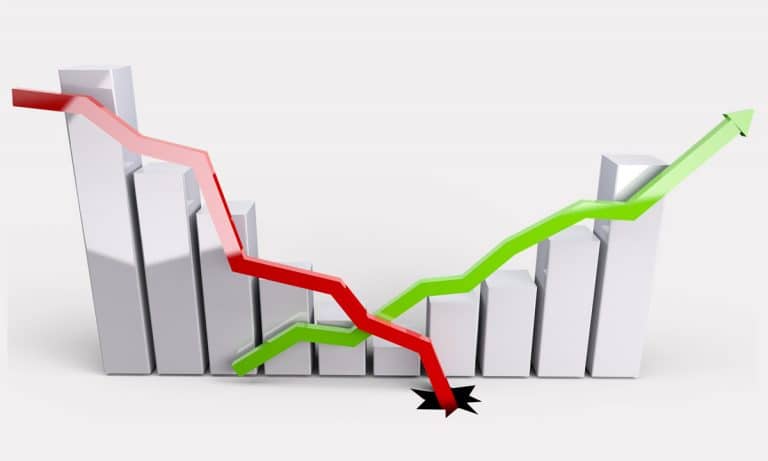
Decreasing wholesale prices in Washington and Colorado indicate oversupply as well based on the inverse correlation between supply and price. We hear anecdotes in Washington all the time from marijuana producers that are finding it more and more challenging to survive with the current market prices.

If this were any other market, data points indicating falling prices and oversupply would be wholly unremarkable. Free markets tend to find an equilibrium point between supply and demand that support relatively stable wholesale and retail prices. Free markets also tend to self-correct, if given the opportunity to do so.

If businesses in a market are all extremely profitable, new firms are induced to enter the market. The entry of those new firms tends to increase competition and decrease profits across the board, signaling to other would-be market participants not to enter. Similarly, if things are not going well and competitors exit the market, surviving businesses are given a little bit more room to maneuver and succeed.

cannabis marijuana supply
Managing cannabis supply is a tightrope for state regulators.

But standard markets differ from cannabis markets. They have a longer history from which to draw conclusions and base expectations. The legal cannabis markets in Washington and Colorado didn’t really start until 2014. It is challenging to determine what effects outside forces have on those markets when there isn’t historical data to draw on. How elastic are cannabis markets– meaning, how price-sensitive are they? We are learning a lot now, but the cannabis data we have pales in comparison to, for example, the alcohol market with data going back to prohibition.

The cannabis market’s short lifespan can also explain why market participants often act differently than one might expect. People investing in the cannabis market see it as a once-in-a-lifetime opportunity to get in on the ground floor of something. Whether it’s the original dotcom bubble, bitcoin, or marijuana, new markets create hope of potentially boundless returns. Because of that hope, firms tend to stick around longer than one might expect — you don’t want to be the person that exited the industry right before it took off and made everyone in it a billion dollars.

And that hope is part of the reason that oversupply issues exist in legal marijuana states. Oversupply by itself wouldn’t be a problem if not for cannabis’s federal illegality. Because even in the cannabis market, forces will eventually correct oversupply and get us to equilibrium. Companies aren’t going to stay in business losing money year after year into eternity. But whereas other markets get the benefit of time to find that equilibrium, cannabis oversupply issues bring threats of federal enforcement. If there is too much supply in the legal market, the incentives remain for certain unscrupulous and desperate cannabis businesses to cut their losses and sell their overage in the black market.

Which brings us back to state regulations. If we could have had Eric Holder as attorney general for ten more years, the Department of Justice may have understood that legal cannabis markets need time to adjust, and that the adjustment period would be occasionally rocky. But under Jeff Sessions and the U.S. Attorneys that share his views, these periods of market adjustment provide ample opportunity to criticize state cannabis programs and claim that federal law enforcement is necessary due to black market leakage.

Ending the cannabis black market is the one shared goal that prohibitionists and legalization proponents have in common. No one thinks that empowering an underground illegal cannabis market is a good idea. But if states move too far in controlling supply because they are worried about black market leakage inviting in federal law enforcement, legal cannabis prices will rise too high within those states. And those high prices will incentivize black markets to continue selling outside the eye of any state regulatory system.

This tightrope is why managing supply is such a tough nut to crack for state regulators. If US Attorneys and the Department of Justice really want to see the end of cannabis sales in black markets, though, they will provide room for the legal markets to stabilize and find their natural supply, demand, and price points on their own.

Robert McVay is an attorney at Harris Bricken, a law firm with lawyers in Seattle, Portland, Los Angeles, San Francisco, Barcelona, and Beijing. This story was originally published on the Canna Law Blog

If You Order This Drink You Might Be A Psychopath

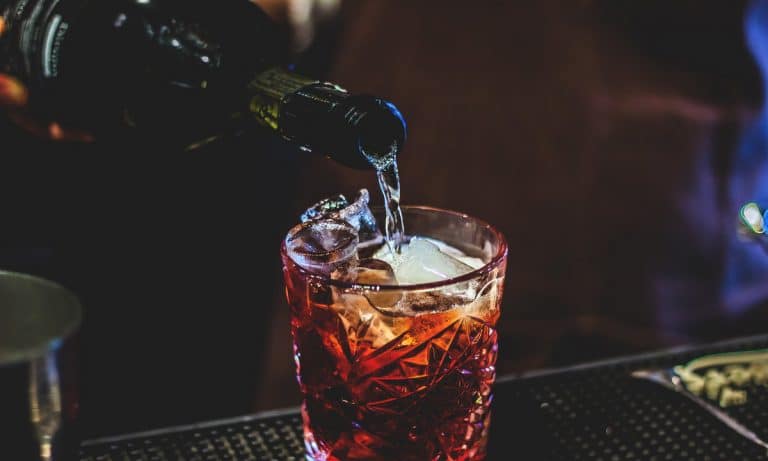
When you think of a psychopath, do you visualize a knife-wielding killer or someone holding a gin and tonic?

According to a new study, both are correct.

In an attempt to figure out what a person’s taste preference says about their personality, psychologists from Austria’s Innsbruck University investigated how bitter food and drink preferences (like dark chocolate, coffee, and tonic water) might be associated with antisocial traits.

Related: The BEST Gin And Tonic Cocktail To Make

For their experiment, the researchers studied 953 people by giving them a list of foods and drink that covered all the tastes: sweet, sour, salty, and bitter. The subjects were then asked to rate each taste on a scale of one through six. They were also asked to rate a list of statements, including: “When making fun of someone, it is especially amusing if they realize what I’m doing,” “I enjoy tormenting people,” and “I sometimes replay my favorite scenes from gory slasher films.”

The results of both studies confirmed the hypothesis that bitter taste preferences are positively associated with malevolent personality traits, with the most robust relation to everyday sadism and psychopathy,

https://giphy.com/gifs/qz-l0HlSTyqszA1wg50c

According to the study, “Most notably, sweet taste experiences increased self-reported agreeableness and the intention to help and decreased death anxiety, whereas bitter taste experiences were shown to elicit harsher moral judgments and interpersonal hostility. Based on this reasoning, an increased preference for bitter taste should be related to a more hostile personality.”

Related: Watch: Virtual Cocktail Smells, Tastes And Looks Real

As this study notes, when we’re born, we naturally reject bitter tastes (as do oysters and protozoans, interestingly enough). In fact, survival depends on the consumption of sweet and the rejection of bitter substances, because sweet foods typically feature high caloric density whereas bitterness is often a marker for toxins.

According to Men’s Health, another study back in September also linked certain types of rap music to psychopathic tendencies. A survey found that those who prefer songs like Eminem’s “Lose Yourself” and Blackstreet’s “No Diggity” also have this charming trait.

Next time you’re at the bar, you might want to pay closer attention to the types of spirits and lyrics being consumed.

This Village In Portugal Encourages Children To Smoke Once A Year

0

The Christian festival of Epiphany is a day that commemorates the reveal of God as Jesus Christ, and different cultures and countries have their own ways of celebrating it.

Vale do Salgueiro stands out because, according to news.sky.com, their celebrations encourage kids as young as five years old to smoke cigarettes. This tradition is quite uncommon—you can say that again—and no one really knows where it comes from, or what the smoking means. Did Jesus encourage kids to smoke? Were the rules less strict way back then?

Via News.sky.com:

“Only those who live and are raised here can truly understand the meaning of this tradition.”

Mmkay.

According to the village parish president, Carlos Cadavez, kids smoke 2 or 3 packs on this day. Understandably, books have been written about this village and about their culture, and although no one has been able to explain why this happens, most claim that these traditions haven’t stopped because the village is located very far from Lisbon and from other large crowds.

Grown ups from the village claim that they’re not concerned with kids smoking during the event because they don’t truly inhale the smoke. A woman also claimed that these kids only smoke for one day, and that they never ask for cigarettes again, so there’s no problem. You might be wrong there, but whatever.

Kylie Jenner Secretly Announces New Makeup Instead Of Pregnancy

No one knows where Kylie Jenner is; well, no one from the press, but that means that we, the audience, don’t know where she is, so all we can do is speculate. Is she really pregnant? Where has she been hiding during the latest “Keeping Up With The Kardashians” episodes? No one knows.

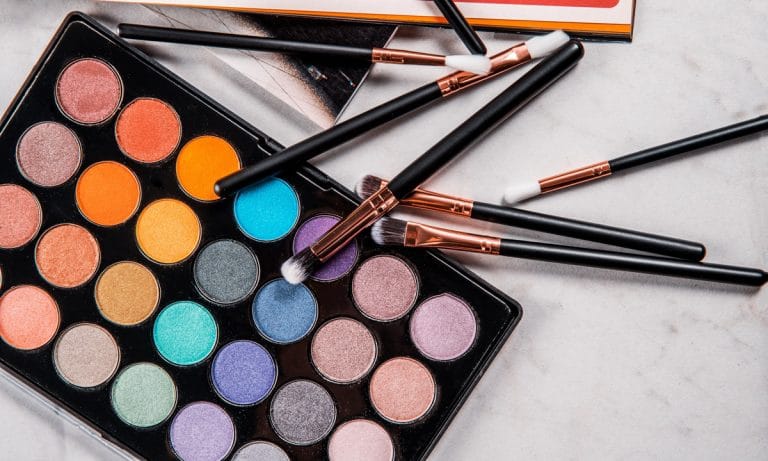
Apparently she still has time to run her makeup company, because you may be 20 and pregnant but business always comes first. Her billion-dollar empire – that was built in like two years – just announced their new Blue Honey Eyeshadow Palette, marking the first time that Jenner hasn’t teased or promoted the product herself.

Never fear, Kylie Cosmetics is going to do just fine. Even though the latest products weren’t teased by Kylie herself, the company has over 15 million followers on Instagram.

Cosmopolitan reports that the Blue Honey palette has nine shades of eye shadow colors including, blue, orange, and pink. The palette also comes with new Velvet lipstick formulas that have names such as Mood, Shook, and Vibe. Naming lipsticks after Instagram filters is a very millennial move of you, Kylie.

Don't Miss Your Weekly Dose of The Fresh Toast.

Stay informed with exclusive news briefs delivered directly to your inbox every Friday.

We respect your privacy. Unsubscribe anytime.