Jack Ham, a former linebacker for the Pittsburgh Steelers, is dedicating his time these days helping people deal with pain through medical marijuana. He know of what he speaks.
Politico recently wrote a profile on Ham, who is an advocate of cannabis and its power to curb the opioid addiction epidemic that took the lives of about 1,400 people in Pennsylvania in 2015.
Ham is now a spokesman for a medical marijuana startup called AgriMed — it was an easy sell because Ham‘s seen first-hand how bad chronic pain can get; two of his former teammates (Dwight White and LC Greenwood) died after surgeries for back pain. He told Politico, “There’s got to be a better way. And I just knew half the medication that these guys were on.”
In a report earlier this year, it was noted that Eben Britton of the Jacksonville Jaguars received heavy doses of opioids from team physicians to treat his injuries and chronic pain.
“I didn’t like the side-effects of opioids,” he said. “They made me feel crazy and irritable. They drove up my heart rate and made it difficult for me to sleep. So, I gravitated to cannabis. It relieved my physical pain and stress and helped me sleep and even lessened the anxiety of being on injured reserve and away from the team,”
Now retired, Britton is a big believer in medicinal marijuana.
“I love the game and I recognize that pain is part of it. If the NFL is concerned about players getting high [on marijuana], the reality is they’re already high on opioids. The league has the opportunity to be innovators in sports medicine and to have a positive impact on players’ health by looking more closely at medical marijuana.”
While Ham does not use medical marijuana himself, he understands the power it has to end drug dependency: “I try to tell everybody – I’m not talking about, in my era, going to Woodstock and getting high. We’re talking about medical cannabis.”
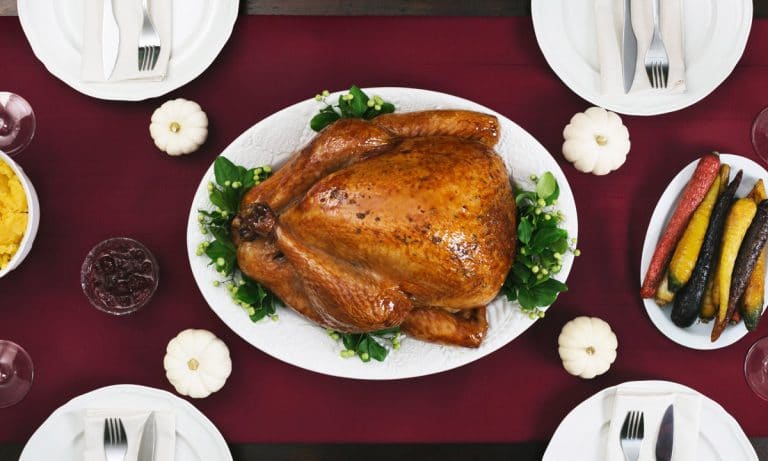
Brining your bird before cooking it is the best thing that can happen to a Thanksgiving turkey. I am a firm believer in the brine and no longer roast any poultry without brining it first. So the next logical question most of you are asking is what is a brine and what is so good about it? Whether you are willing to admit it or not, every one of us has fallen victim to a dry turkey at some point in our lives. Brining is the solution to that problem. It helps the bird retain moisture and enhances the turkey’s natural flavor while roasting.
There are two ways to go about brining a turkey: wet and dry. The wet version is the more popular of the two methods but is also the messiest. It involves soaking a turkey in a salt water bath along with some herbs, spices, and aromatics for at least 24 hours prior to roasting. I find the dry method to be much simpler. I want to make my Thanksgiving prep as easy as possible and a dry brine helps me accomplish that.
A dry brine works in much the same way as a wet brine but without the hassle. The bird is coated in a seasoned salt mixture and left overnight in the fridge. Without getting into too much detail about the science of it all, a dry brine helps the turkey retain more of its natural moisture without watering it down with liquid (i.e.plumping the bird with water). This process yields a more flavorful and juicy bird, and in the end that’s all we really want. In short, a dry brine is the easiest way to get a tastier Thanksgiving turkey.
To start, you will want to pat down your turkey with a paper towel so that it is mostly dry. Next, you will want to generously salt the bird by sprinkling the granuales about 5 to 7 inches above the bird. I use a combination of kosher salt, poultry seasoning, and freshly ground black pepper but you can just use plain salt as well. I have found that 1 tablespoon of kosher salt for every five pounds of turkey seems to be a good ratio. If you are a fiend for crispy skin, add a teaspoon of baking powder to your seasoning mixture. This little trick helps to evenly brown the skin and adds amazing crunch. Let the turkey sit at least 12 hours before roasting (preferably 24) and then proceed with any additional seasoning you might want to add. Warning: do not add any extra salt to the turkey after the dry brine.
The video below is from the gals over at Food 52 and gives you a visual on what I have explained above. Do you brine your turkey? Which method do you prefer? Let us know your thoughts in the comment section below.
Sheri Wetherell is the co-founder and CEO of Foodista.com, community-based recipe, cooking, and food news website. Check them out on social media:Twitter, Facebook, Pinterest, Instagram.
Cyber Monday is the day that many savvy consumers go online to get the best deals on the web. You can find watches, lingerie, supplements, bath stuffs, jewelry and more on sale, but this year, New York medical cannabis patients will likely have the best Cyber Monday they’ve had in years: medical marijuana is going on sale with free delivery to the doorstep.
Vireo Health is one of the elite five who are licenced to produce and distribute medical medical cannabis in New York State. For those in the Big Apple with a qualifying condition, you’re going to want to jot this one down: www.vireohealthny.com. That’s where the $25 off coupon (on orders over $100) will be, along with a combinable promotion for free home delivery, (usually priced at $20.) So theoretically, one could get $100 dollars worth of cannabis for $55, without leaving their house. Not too shabby.
“Vireo’s Cyber Monday sale will help make our products even more affordable for patients during the holiday season,” Ari Hoffnung, CEO of Vireo Health of New York told SILive. “We also hope that by adopting familiar e-commerce promotional strategies, like those employed by Amazon, Walmart and Best Buy, we’ll be able to combat the lingering stigma associated with marijuana and its medicinal use.”
Stigmas are falling away from cannabis left and right as the old, outlaw ways of the herb become fond memories of how we got here and legitimacy becomes the way that we stay here and thrive. From upping compliance games to participating in national consumer celebration days, cannabis is really rather the upstanding plant.
In-store pickup will also be available and that means that the cannabis will be ready and waiting for a patient when they arrive. There are four Vireo dispensaries, including in Queens and White Plains, but they do deliver to the NYC metropolitan area.
“We strive to continually improve and refine our own patients’ digital experience. Our patients can now virtually consult with our pharmacists, conveniently order online and have our medications delivered straight to their door. All of this is possible without leaving the comfort of their own home, which is especially important to our homebound patients,” Hoffnung added.
Remember to be on the ball though! Only the first 1,000 patients will receive the discount.
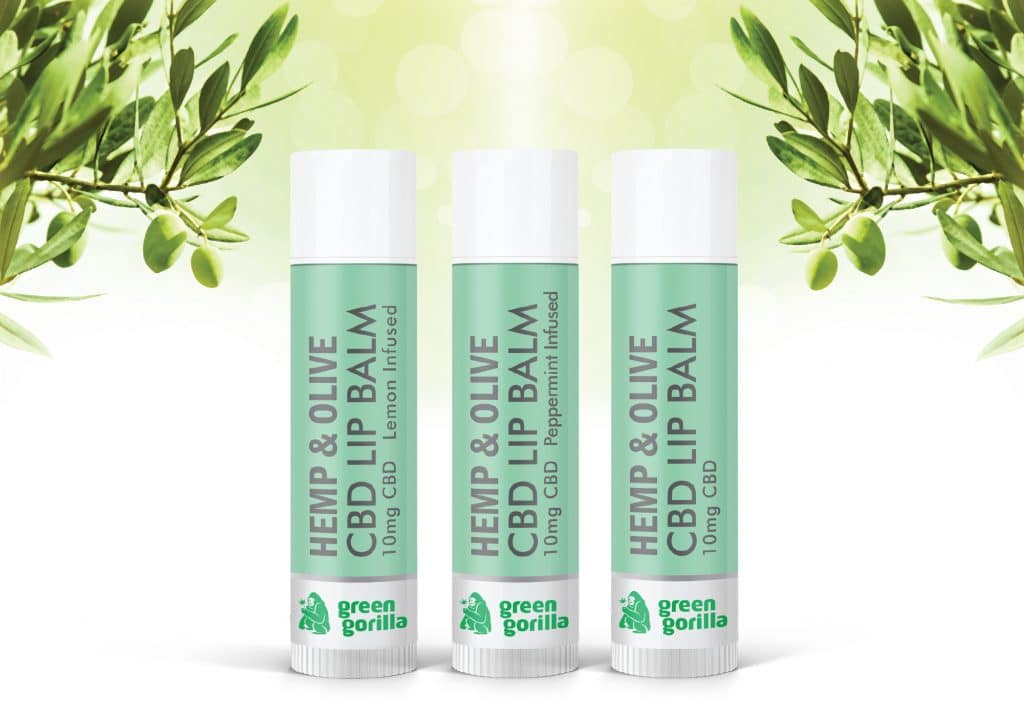
Hemp-based CBD can be a viable alternative for those who are tentative about trying cannabis products or live in a state where they cannot purchase these products. Following is a conversation with Steven Saxton, the founder and CEO of Green Gorilla about his line of high-end CBD products.
What was the impetus for creating Green Gorilla?
Green Gorilla was created and developed as a brand for the emerging legal hemp and cannabis industries. I discovered hemp based pure CBD and witnessed miraculous results on some fatally ill dogs. We decided to initially launch the Green Gorilla brand with a high-end CBD line under the brand Hemp & Olive. We raised enough capital developed some amazing organic CBD products and now are marketing the brand both nationally and internationally, while navigating the numerous mine fields the industry is facing.
What distinguishes Green Gorilla from other companies manufacturing CBD products?
Green Gorilla is committed to not only setting the bar but creating the bar for the industry in terms of quality, purity, process and manufacturing standards and compliance. We have sourced and continue to source the highest quality ingredients that can be obtained. Our CBD Isolate is 99+% pure with no THC. Along with requiring Certificates of Analysis from our CBD supplier ensuring that purity, we also have a third-party lab test the CBD to independently confirm that analysis prior to using the CBD in any of our products. Our extra virgin olive oil has been Certified Organic to USDA NOP standards and contains some of the highest polyphenol content available in the market. Our GG BioEnhanced Complex is a proprietary blend of Certified Organic botanicals, extracts and essential oils scientifically blended and formulated to fully maximize bio-availability of the CBD. Our blend has been uniquely developed and formulated to meet Green Gorilla’s exacting standards for efficacy, quality and purity.
All of our products are manufactured and produced at an FDA registered facility. While CBD has not yet been categorized by the FDA, producing at an FDA registered and compliant facility ensures that all cGMP (current good manufacturing practices) are met and maintained. Following FDA and cGMP guidelines requires the utmost in quality, cleanliness and handling in all aspects of the manufacturing process
What are the health benefits of virgin olive oil?
The FDA has stated that taking olive oil daily may reduce the risk of heart disease “due to its monosaturated fat content.” Extra virgin olive oil also contains polyphenols which act as antioxidants, reducing the oxidative stress throughout your body. A small amount of Omega-3 and Omega-6 fatty acids are also present in extra virgin olive oil, which are essential for brain health. Vitamin E (also known as tocopherols), which is great for skin health, is also found in extra virgin olive oil. Many other health benefits associated with the consumption of extra virgin olive oil have been discovered.
How do people use your oil?
Hemp & Olive Supplement Oils are for oral use, being the best delivery system. As an amazing bonus the oils are sugar free and can also be enjoyed for skin care topical application.
How can people figure out which concentration they should purchase?
Figuring out which concentration to use is personal choice. People use Green Gorilla products for a variety of reasons, health issues and lifestyle choices among other things. What works for one person for one issue may not be the same for another person with the same issue. As a dietary supplement, we can only suggest or guide a standard quantity and strength to take. It is also the reason our products come in concentrations of 150mg, 600mg, 1,500mg, 3,000mg and 7,500mg. This allows the consumer to make their own choice.
Explain the significance of the certificates Green Gorilla has received.
An FDA registered facility ensures cGMP standards. Only working with USDA NOP Certified Organic ingredients and producing products that meet their standards ensure that the “USDA Organic” symbol we use is there because we comply with the rigorous standards required to label our product with that symbol. Further, we use the “Lab Tested” symbol as both our incoming raw materials and ingredients as well as final finished products are fully analyzed and results certified by a third-party independent laboratory. We also are vegan, gluten free, sugar free, Non-GMO, 100% natural and cruelty free as we fully meet the standards or comply with all regulations necessary and requi.
Why did you branch into offering CBD oil for pet and horse care?
Cannabinoid receptors and cannabinoid receptor proteins are found throughout the mammalian central nervous system, which includes the brain and peripheral nervous system. Animals ranging from dogs and horses to gorillas may benefit from CBD supplements. Ideally the best delivery system for animals is oral, spraying on the gums (pet owners might find it easier to spray the oil on food).
What is your Master Grower line and when will that be available for consumers?
Master Grower is a complete line of organic crop management products, including nutrition and pest control, greenhouses and maintenance and harvest. Master Grower products are expected to launch in early 2018.
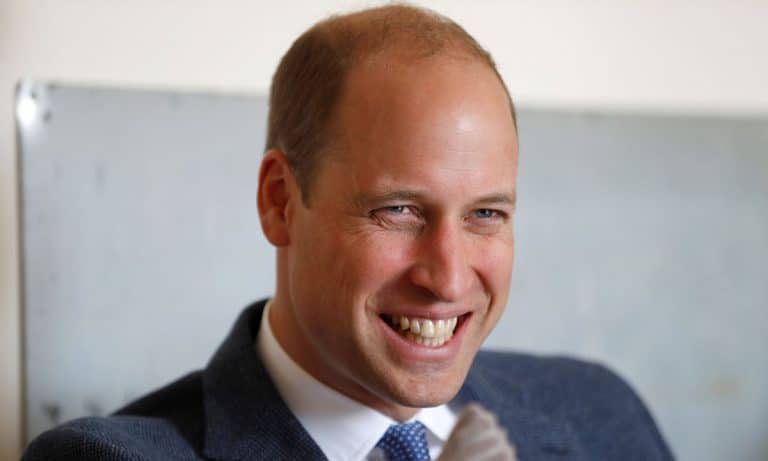
If you had to guess what a viral man such as the Duke of Cambridge likes to whip up in the kitchen, what would you say?
Did you guess meat? Yes? If so, you’re right. It’s meat. Followed closely by more meat.
“I like a roast. So a bit of roast chicken or a steak,” said Prince William during a charity cook-off fundraiser for LandAid at the Royal Institution of Chartered Surveyors.
https://giphy.com/gifs/food-bacon-13XCTE819ZmD0A
Hello! reports that Prince William also admitted to not being very good at cooking, and that he worries when he cooks steak, saying, “I get really worried about cooking it. I hate over-cooking steak,” adding, “I like it medium-rare, so quite alive.” So primal! So hot! Right, ladies?
One woman who is not exactly getting weak in the knees over raw steak is Prince William’s wife, Kate Middleton, who is expecting the couple’s third child in April. It’s advised that pregnant women stay clear of undercooked meat, so Kate doesn’t get to indulge just yet, but we can only imagine this is what the Royal husband will be making for date night once that kid arrives.
The good natured and always charming Royal even took a stab at the opposing team of chefs, who were tasked with cooking mackerel with citrus dressing. “Someone told me this was a bake-off, not a mackerel-off,” he joked, according to Hello!. “I was expecting to get some chocolate cake.”
It’s been well-documented that the Prince has a royal sweet tooth, especially when it comes to something called chocolate biscuit cake. It was his groom’s cake for his wedding in 2011.
The Observer has gained access to a secret hit list of almost 100 prominent individuals targeted by Harvey Weinstein in an extraordinary attempt to discover what they knew about sexual misconduct claims against him and whether they were intending to go public. The previously undisclosed list contains a total of 91 actors, publicists, producers, financiers and others working in the film industry, all of whom Weinstein allegedly identified as part of a strategy to prevent accusers from going public with sexual misconduct claims against him.
The names, apparently drawn up by Weinstein himself, were distributed to a team hired by the film producer to suppress claims that he had sexually harassed or assaulted numerous women. The document was compiled in early 2017, around nine months before the storm that blew up on October 5 when the New York Times published a series of sexual harassment allegations against Weinstein. Individuals named on the list were to be targeted by investigators who would covertly extract and accumulate information from those who might know of claims or who might come forward with allegations against the film producer. Feedback was then to be relayed to Weinstein and his lawyers.
The size of the list – 85 names appear on one document, with an addendum identifying another six individuals – appears to corroborate claims that sexual misconduct allegations against the 65-year-old were an open secret throughout Hollywood. Prominent stars were among the first tranche of individuals on the list to testify publicly against Weinstein. Among those named were the actress Rose McGowan, who days after speaking out accused the producer of raping her. Another was Laura Madden, who told how Weinstein pestered her for massages at hotels in Dublin and London, beginning in 1991. McGowan and Madden were among the first to speak out against Weinstein last month.
Although at least 10 individuals are based in London, the majority live in New York, with others from Los Angeles. They include individuals working in acquisitions, marketing and distribution, along with producers, publicists and human resources staff, as well as actors. Forty-three men are named and 48 women. Weinstein, the list confirms, was aware that the New York Times was gathering testimony from his victims long before it first ran the story. A public relations professional is named alongside a note stating that “HW [Harvey Weinstein] in contact w/him. Friends w/Jodi Kantor”. Kantor is the New York Times journalist who broke the story that immediately engulfed the producer and the film production company he co-founded with his brother.
More than 50 of the names have been colored red to highlight those who should be prioritized by investigators – individuals Weinstein most keenly wanted to target. The names of the actresses McGowan, Dix and Madden are all colored red. [From The Guardian]
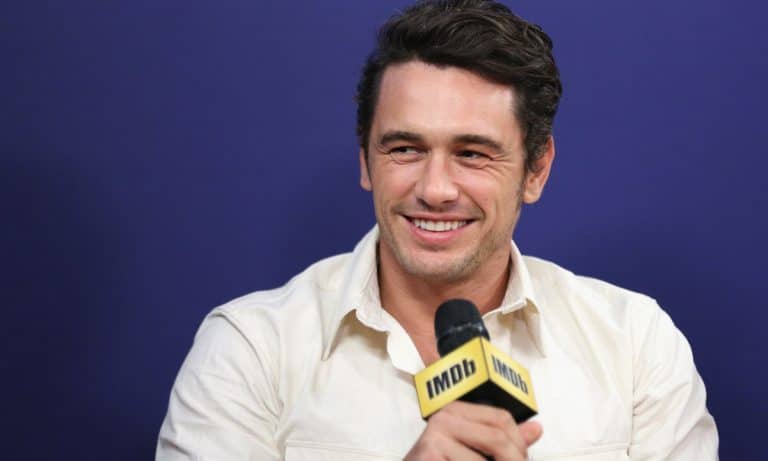
James Franco Says It Was “Very Liberating” To Quit Instagram
The actor recalls he got in trouble with Gucci (who he did an ad campaign for) after posting a racy photo. He says, “I wasn’t naked …. I’m sure Rihanna has posted a bunch more risqué pictures! It was sweaty.
My hand was down my boxers. It just looked gross! And I remember Gucci saying, ‘Don’t do any more photos like that!”
Love the fresh dirt we bring over daily from Naughty Gossip? Let us know in the comments!
Canada’s largest pharmacy wants in on the cannabis business — and it is searching for a medical marijuana brand manager to help with marketing and strategy.
Shoppers Drug Mart views the cannabis market as a potential revenue generator despite the fact that current Canadian laws make it illegal to sell marijuana through pharmacies. But the drug store giant is banking on a change in federal regulations.
“As the federal and provincial governments finalize their respective cannabis frameworks, we remain optimistic that they will allow pharmacists to apply their professional care to medical cannabis patients,” company spokeswoman Catherine Thomas told The Canadian Press.
The marijuana brand manager position was posted on the company’s website last week. The successful candidate will be responsible for:
The development and integration of the medical brand plan will involve the consideration of the current cannabis market; legislation, regulations and access challenges. Using strong medical marketing skills and business acumen, you will coordinate with cross functional teams, external vendors and consultants to help promote and execute the formulary, clinical guidelines, marketing plan, regulatory requirements, market access strategy, and physician outreach strategy.
There are more than 1,300 Shopper Drug Mart locations throughout Canada. The pharmacy giant’s parent company, Loblaw Companies Ltd., applied for a license to dispense medical marijuana in 2016, according to The Canadian Press. Currently, the only legal retail method for medical marijuana is through mail order.
According to the Toronto Globe and Mail, other companies are also considering getting into the marijuana pharmacy business. Maricann Group Inc. announced last week that it entered into a letter of intent with Lovell Drugs Limited, which has a dozen pharmacies across Ontario, to be its primary and exclusive provider of medicinal cannabis for its patients.
“We believe that pharmacies are the best distribution points for medicinal cannabis, as is the case for all other prescriptions,” said Ben Ward, CEO of Maricann, in a statement.
Beginning on July 1, 2o18, Canada is scheduled to legalize recreational marijuana nationwide.
Anxiety is an emotional state that takes many different forms. According to the Anxiety and Depression Association of America, approximately 18 percent of Americans suffer from some form of anxiety disorder. Anxiety is the most common mental illness in the United States, yet only 36.9 percent of those suffering receive treatment. Why is this? Perhaps patients worry about the side-effects of pharmaceuticals or don’t like taking pills. Cost is also a major concern with the price of a 5mg dosage of Valium for only 20 days running about $75 without insurance, and talk therapy can cost between $75-150 per hour. It’s clear we need more options to treat this disorder that effects so many, and medical cannabis is the perfect solution.
It’s Science
The body’s natural cannabinoid system, the endocannabinoid system, plays a major role in regulating anxiety throughout the body. Anandamide, an endocannabinoid operates in a similar manner to the phytocannbinoid tetrahydrocannabinol (THC) and effects the nervous systems. Anandamide augmentation was proven to relieve stress-related affective and anxiety disorders. Likewise taking cannabis may be an effective safe therapeutic strategy to mitigate the adverse behavioral and physiological consequences of stress. Both THC and CBD cannabinoids are proven beneficial for the treatment of anxiety through several mechanism.
Additionally, certain terpenes found in cannabis produce anti-anxiety effects by binding to GABAa receptor sites, the main inhibitory neurotransmitter in the brain, creating the same effect as benzodiazepines such as Xanax and Valium. Five different terpenes in cannabis provide anti-anxiety results: β-Caryophyllene, Limonene, Linalool, Pinene and Phytol.
It’s Responsible
Treating anxiety with cannabis is nothing new, but in order to make these methods more effective there needs to be more education around how cannabis actually eases anxiety. Taking too much cannabis can actually create heightened anxiety (creating a sense of paranoia) if the patient isn’t aware of the correct ways to administer medical cannabis the relationship between the cannabinoids in cannabis and anxiety is complex. For example, THC at lower doses decreases anxiety, but increases anxiety at higher doses. Getting dosing correct is vital in treating anxiety with cannabis. Simply “smoking pot” won’t do the trick, and those suffering should consult physicians, conduct research and match their use with their specific needs. It’s an area of active our company is pursuing by delivering precision dosages of cannabinoids in smart NanoSphere nanoparticles.
It’s a Viable Replacement
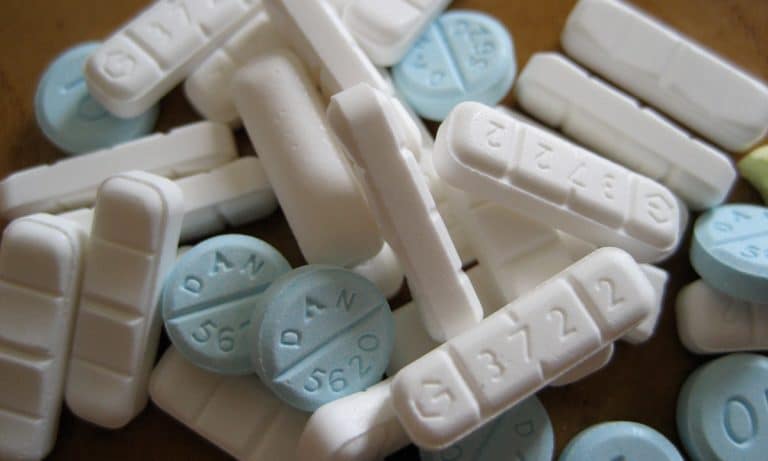
The most common way to battle anxiety is through prescriptions of benzodiazepines such as Xanax, Librium, Valium and Lorazepam. Despite widespread use, there are several issues with these pills. First, it’s possible to develop both physical and psychological additions to these drugs, which causes severe withdrawal symptoms and even seizures. Benzodiazepines in high dosages can cause drowsiness, dizziness, weakness, confusion and can cause breathing issues. Those who use these pills regularly are also more likely to get dementia (source referenced below).
Benzodiazepines certainly provide benefits to many people, but given all the side-effects and associated issues, there should be more options for those fighting all types of anxiety disorders.
Canabo Medical conducted a that showed a significant drop in benzodiazepine dependency among patients that were using medical cannabis treatments with doctor supervision. In fact, 40 percent of patients who were prescribed medical cannabis eliminated the use of benzodiazepines within 90 days.
Overall, yes, cannabis can significantly reduce benzodiazepine use for those with anxiety disorders. The key is responsibility with dosing and utilizing the right cannabinoids in the correct delivery method to meet the individual needs of the patient.
Dr. Richard Clark Kaufman is the Chief Science Officer of NanoSphere Health Sciences in Denver. He is the inventor of the patent-pending NanoSphere Delivery System™ for the proprietary Evolve Formulas of smart cannabis nanoparticles for responsible consumption of cannabis. To learn more about NanoSphere please visit Nanospherehealth.com and follow us on Twitter,@GetNanoSphere and Facebook.
When the word ‘salon’ comes up you generally think about nails, hair, and a place where there’s a lot of people gathered together with the purpose of making ladies look their best. Sex salons are a new thing that exist right now and they’re very different than a regular salon. At blow job school, women get together in a workshop, usually led by a speaker or instructor, who offers information and imparts their knowledge of sex. It’s a safe space for women, where they can ask questions and inquire about stuff that they normally wouldn’t discuss openly.
To save you the embarrassing trip and the money that you’d spend on attending one of these workshops, we’ve compiled a short list with a few teachings on blow jobs that the sex gurus have vouched for:
Taking your time and having some patience is the key to a good blow job. It’s way more fun for everyone involved if you just go slow and try to enjoy what you’re doing. Your partner will also benefit from this because of the generated build up and anticipation, making the whole experience hotter and sexier than if you were to just rush through things.
Use Lube
It may seem like a weird suggestion when it comes to blow jobs because, duh saliva, but it’s always good to be extra prepared, especially when you’re just starting. Lube is great for kicking things off.
Be sure to use water or silicone-based lube, whatever works best with you.
Don’t Forget To Use Your Hands
This tip might be a little on the nose but it’s easy to forget about your hands when all of your focus is channeled towards your mouth, so be sure to remember that they exist and that they’re there for a reason.
Communication is key in everything that you do, especially when it comes to sex, so try to ask your partner if he’s enjoying what you’re doing, if he’s having a good time, etc.
You don’t have to prepare a speech or be weird about it, just try to make sure that you guys are on the same page.
Offer Your Full Attention
If you pay attention to your actions you’ll know if you’re on the right track because well, you’ll just know. By keeping your eyes and ears open you’ll be able to pick up on sounds and gestures from your partner that’ll make the blow job so much better. It’ll also be provide a much better experience for you.
Don’t make to-do lists or mentally cross out tasks when you’re giving a blow job. Be in the moment, make eye contact with your partner, let him know that this is a good experience for you and that you’re having a good time. You’ll be the blow job master in no time.
By 2020 Uber plans on having small planes available for transporting people to different places. Rich people, we assume. By partnering up with NASA, they’ll create a safe and viable environment that’ll allow several planes to travel in the air safely and simultaneously.
According to USA Today, the project is known as UberAir or UberElevate and it’ll plan on increasing air traffic in ways that haven’t been done before. NASA has been working on different ways to improve air traffic and transport for a while now, with several unmanned vehicles and drones flying over 500 feet high within close range of each other.
Uber’s plans are to create several of these air taxis, which will land vertically on rooftops and flat surfaces, and pick up passengers to deliver them to other areas. The initial cities of focus for this project – which are the ones who dispose of the most appropriate space for the trial period – will be Los Angeles, Dubai, and the United Arab Emirates.
This isn’t Uber’s first time when innovating or trying new ways of transport that include air travel. UberChopper has been functioning for some time now, moving people through relatively close distances. The flat rate for an UberChopper between New York and The Hamptons is 3,000, allowing you to travel with up to 5 passengers. UberChopper used to be available in your regular Uber app, just past the fancy and pricey SUV. Currently, this function is kind of an urban myth, unavailable on the app but with people claiming that it still exists.