While THC has a strong potential as a pain reliever, CBD is also a viable research candidate for novel treatment methods.
It has been said that happiness is all about increasing pleasure and limiting pain. As such, pain is a pressing issue in many people’s lives. Whether chronic (lasting years) or acute (often stemming from a recent trauma), pain can be debilitating. Due to this nature, millions of Americans and others find themselves relying on opiates.
However, research is finding alternatives. Following up on 2018 research that found that cannabinoids may increase patients’ pain threshold while also making pain seem less unpleasant, a December 2020 meta-analysis comprehensively reviewed the available medical literature on cannabinoids and acute pain.
Photo by Anupong Thongchan/EyeEm/Getty Images
Differences In Administration Count
After searching through the available data, the analysis selected six studies. Of these six studies, 2 were American, 2 were Canadian, 1 was British, and 1 featured contributions from Germany, Italy, and the United Kingdom. Five of them studied orally administered cannabinoids, while one studied the effects of intramuscular cannabinoids.
Throughout the research, the group given orally administered cannabinoids did not differ significantly from the controls, who were given a placebo yet, the intramuscular patients saw a significant improvement in acute pain.
The analysis went on to posit that this may be due to the differences in the metabolization of cannabinoids administered in various ways: “Specifically, oral absorption of cannabinoids is slow and variable with maximal plasma concentrations occurring 60–120 min post-ingestion but can be delayed upward of 6 h. Cannabinoids are subjective to significant first-pass liver metabolism, which further reduces the bioavailability. Utilizing transdermal, inhaled, or oral transmucosal formulations allows for direct plasma uptake and avoidance of the first-pass effect. Inhaled cannabinoids reach peak effect in 10 min and plasma levels are maintained for several hours.”
Here, the available data seems to suggest that alternative methods to traditional oral consumption methods may be more effective at treating pain. Water-soluble oral administered cannabis may also be an adequate alternative as it also has a faster activation time. However, cannabinoid-based treatments did increase the presence of nonserious adverse effects. It did not increase the presence of severe adverse effects, which maintains its potential as a novel treatment method for acute pain.
The study concludes by noting all of the studies were focused, if not solely based, on THC. While THC has a strong potential as a pain reliever, CBD is also a viable research candidate for novel treatment methods. Competitive and varied markets are fertile environments, and so expanding and exploring cannabis as a medicine will only enrich science and empower the consumer.
Pandemic pods have grown increasing popular, but they’re not a full proof way of keeping yourself and others safe.
Living through a pandemic is becoming more normal. While it remains difficult and taxing, after a year of this, we’ve kind of got it down. We’ve grown used to wearing face masks and constantly smelling like hand sanitizer. One thing that never gets any easier though is how to manage your social life.
Pandemic pods or bubbles made their first appearance some months ago, when people started to realize that the pandemic wasn’t as brief as they first expected. These pods allow people to have social interactions with people they don’t live with, usually a close group of friends, all while wearing no face masks or following social distancing guidelines. When applied to families, pods are generally used as a way to get kids to hang out with other kids, to learn from a private tutor, and more.
Pods ask for participants to have open communication and transparency. The safety of everyone in the pod depends on how thorough everyone else is being with their safety measures, whether that means wearing all of your protective gear when going to the supermarket once a week or having their kids attend school. While pods limit the amount of contact that exists between you and other people, there’s a degree of risk that must be accounted for, especially now that there are new COVID-19 variants to consider.
Here are a few things you should consider when it comes to the functioning of your pods:
It’s possible to get your pods to work but it’s important to have clear rules to follow. If you’re planning on creating a pod with a couple of friends who live in different households it’s important to account for each person’s living situation and for your own personal limits. For example, if your friend works from home and has no roommates, they are an ideal person to join a pod with. If they go to work and live with others, their amount of exposure is larger and thus more risky to you.
Be clear about your expectations
Photo by Ivan Samkov via Pexels
The stress of the pandemic has us all on edge, meaning that it’s very likely for relationships in pods to be charged and intense. Hanging out with people is important and healthy for you but, at the same time, it’s very easy to break the pod and expose yourself and others to health risks. Be upfront about your expectations and be willing to pull back if you don’t feel comfortable with what other members in your pod are doing. Regularly check in with them before meeting up, ensuring that they haven’t exposed themselves.
While the pandemic can be categorized as a whole block of awful and lost time, we’ve learned that it does fluctuate. This winter has been rough, with rising death rates. We’re still in it, with high levels of contagion across many cities and new variants of the virus to contend with. If it feels too unsafe for you to expose yourself, wait a bit. Check up regularly with the news and find digital ways of keeping up your friends, waiting until it feels safer in order to meet up.
The pandemic has robbed us of the communal experience of cannabis. Here are some ways to safely get this back.
We might have smoked more weed this year than ever, but a big part of marijuana culture has been affected by the pandemic. While cannabis continues to be used to help ease the pains of social distancing and lockdowns, the communal experience of weed — smoking it with friends in homes or at a party — has no place in our everyday lives right now.
Sharing marijuana is the most efficient way of sharing highs, usually by splitting a joint or by passing bongs and pipes. While there’s no way of replacing that for the duration of the pandemic, there are ways of navigating around the problem while still staying safe. Here are some suggestions for you and your buds:
This one is kind of predictable. If you’ve had Zoom holiday parties and work parties, you can also have Zoom smoke parties, because why not. In my opinion, the more rules there are in Zoom meetings, the better, since it allows everyone to be on the same frequency. Make it clear to all participants that this is a smoke session, where people can smoke or vape whatever they want, but where consuming weed is kind of mandatory.
Sharing edibles is a pretty safe way to get high together. Something thoughtful would be to prepare a batch and then share them with a friend, dropping them off at their place and eating them socially distanced. Or, heck, just sharing a batch you made for them to enjoy on their own is equally cool. See also: Want To Stay COVID Free? Don’t Smoke Weed With Others
If you want to kind of approximate the feeling of having the same high, you and some friends can try smoking the same strain and putting up some safety boundaries. There are many things you can do, whether that’s to plan a Zoom or phone call and talk about your high together, or to smoke apart and then meet up once the smoking is over. You can go on a walk or meet someplace outdoors while wearing masks. Aside from being safe, the strangeness of it all will surely add an edge to your high, which at least is memorable.
Research suggests marijuana can help you fall asleep, but habitual use could lead to some problems.
Between 50 to 70 million Americans suffer from chronic sleep disorders or intermittent sleep issues, according to the National Sleep Foundation. Around 30 to 40% of us will develop insomnia at some point in our lives as well. Sleep problems don’t just impact work performance and stress management. Drowsy driving results in 1,500 deaths and 100,000 car crashes each year. Some use cannabis to combat this issue, what happens when you use marijuana to sleep?
Suffice to say, plenty of us need a good night’s sleep. And while Americans spent $41 billion on sleep aids and remedies in 2019 alone, none of those purchases included marijuana, which is a shame if research is to be believed.
A 2019 University of Mexico study, published in the journal Complementary Therapies in Medicine, found that purchases for sleep aids dropped after states legalized recreational marijuana. Researchers concluded the negative association between over-the-counter sleep medicine and cannabis access represented a consumer preference for marijuana in medicating for sleep. In addition, scientists discovered in a 2008 study, published in the journal Sleep, that weed with high-THC content decreases the frequency of REM sleep, which is when we dream. Those who consume marijuana before bed tend to dream less. That means you also experience nightmares less, a desired trait for those suffering from night terrors or PTSD symptoms.
Anecdotal evidence abounds for marijuana improving sleeping. But a group of Israeli scientists recently sought to better understand if marijuana could help chronic pain patients get to bed. In their study, published in the medical journal BMJ, about half of participants were medical marijuana users and half were not. They found that in the short term, marijuana quickly helped insomniac participants in the 128-person study fall asleep through the night.
Photo by Ivan Obolensky via Pexels
However, the study also found chronic pain patients could develop a tolerance toward marijuana. This resulted in interrupted sleep and trouble getting to bed on time. For the total group, 24.1% said they were constantly waking up early and unable to fall back asleep while 20.2% reported always struggling to fall asleep. Another 27.2% said they experienced intermittent sleep, or consistently waking up in the middle of the night.
When comparing marijuana users and non-users, the study reported that once marijuana users fell asleep, they generally did not wake up until morning.
“[Medical cannabis] use may have an overall positive effect on maintaining sleep throughout the night in chronic pain patients,” the study concluded. “At the same time, tolerance towards potential sleep-inducing properties of [medical cannabis] may occur with frequent use.”
The scientists behind the study suggested more research is needed to better determine how often and what potency of medicine chronic pain patients should receive when it comes to marijuana. It’s also worth noting that daily use of any sleep-inducing medicine is not recommended.
There are many ways to extract CBD from hemp and cannabis plants, which include oil infusion, distillation, liquid solvent extraction, and carbon dioxide extraction.
One of the most sought cannabinoids found in hemp and cannabis plants is cannabidiol (CBD) because it’s believed to be a therapeutic compound. You’ve probably heard about CBD oil. Anecdotal evidence shows benefits and it is becoming very popular. But how is CBD oil made and why is it so helpful?
CBD Oil Basics
Cannabidiol has gained so much popularity in recent years due to its medicinal benefits. In fact, the Food and Drug Administration (FDA) has even approved a CBD-containing drug to treat patients with epilepsy, who are mostly children. Many users also say it is an effective treatment for insomnia, stress, pain, and other signs and symptoms of medical conditions.
Here are the basic things you need to know about the different types of CBD oil:
Full-spectrum CBD Oil: This oil contains all cannabinoids found in hemp and cannabis plants, including a trace amount of tetrahydrocannabinol, or THC (less than 0.30 percent).
Full spectrum CBD oil is highly preferred because of its entourage effect, or synergistic effect, due to its powerful combination of CBD and THC. This means that the combination of the two cannabinoids will make the oil more effective, boosting its health benefits and healing properties.
Broad-Spectrum CBD Oil: It contains several cannabinoids except for THC.
Isolate CBD Oil: It contains only cannabidiol without other cannabinoids.
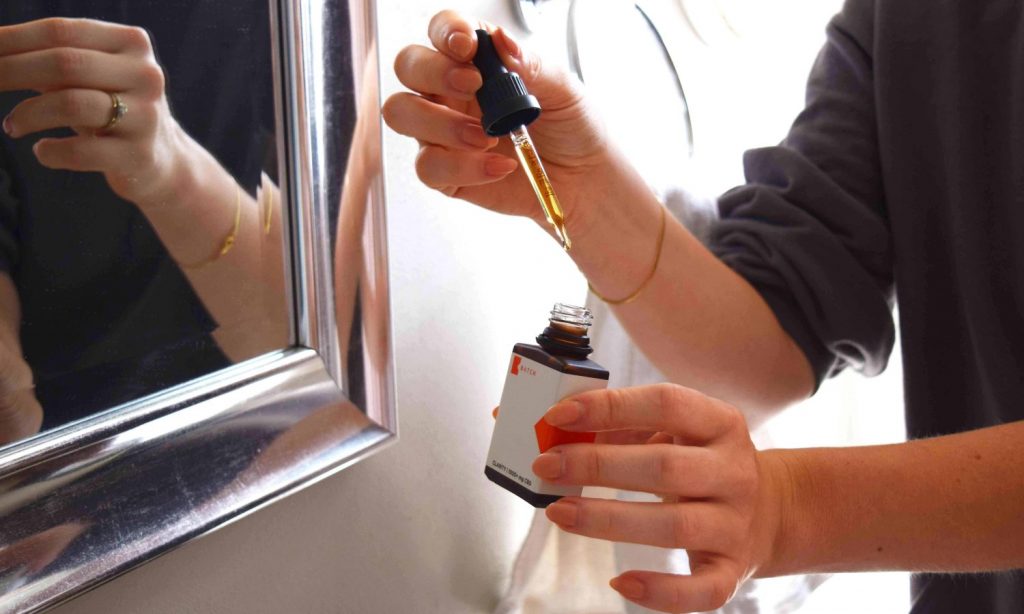
Photo by BATCH by Wisconsin Hemp Scientific via Unsplash
Different Methods In Making CBD Oil
Oil Infusion
With this technique, which has been used by many home growers, the CBD oil is made by infusing hemp or cannabis in a carrier oil. Oil infusion is a straightforward method of oil extraction, which would initially require heating or decarboxylation of the plant material to activate CBD and other plant compounds.
Olive oil, coconut oil, or any carrier oil is added to the plant material and heated at 100 degrees Celsius for an hour or two. The resulting product will be the oil and the carrier oil combined.
Carbon Dioxide or CO2 Extraction
One of the most popular and common CBD oil extraction methods uses carbon dioxide (CO2). This method is highly recommended because CO2 is naturally found in the body and the environment, so using it wouldn’t pose health and environmental risks.
Here’s how oil is made using CO2 extraction:
Carbon dioxide extraction involves using closed-loop extractors, wherein a solid CO2 is pumped into a chamber that contains the hemp or cannabis plant material.
Temperature is kept so CO2 stays liquid, allowing it to absorb the flavors and oils of the plant.
The CO2-cannabinoid mixture is then pumped into another chamber where carbon dioxide returns to a gas state and leaves the plant oil and flavors behind.
Liquid Solvent Extraction
Liquid solvents are substances that are naturally in a liquid state. These substances can be used to also extract the oil in hemp and cannabis plants in the same manner how CO2 extraction is being done. Some examples of liquid solvents include ethanol, hexane, isopropyl alcohol, and butane.
Take a quick look at the following advantages and disadvantages of liquid solvent extraction:
Advantages: Liquid solvent extraction is cheaper and it’s an easier method to extract CBD oil from hemp and cannabis plants.
Disadvantages: Liquid solvents may carry chlorophyll and impurities from the plant, giving the final product a bitter taste and greenish oil color. However, these risks can be minimized by adjusting the extraction process.
Winterization
Winterization is an important aspect of harvesting pure and good quality isolate oil, which removes impurities and other unwanted substances, including THC and other cannabinoids.
Once the oil has been extracted, 200-proof alcohol is added and the mixture is frozen overnight. When the morning comes, the mixture will be filtered to remove the fats and other unwanted materials. Afterward, the mixture is boiled to get rid of the alcohol, producing the purest oil or isolate.
Distillation
For those who want to refine their CBD oil, short path distillation can be used. It involves gradually heating and boiling the mixture to get rid of undesirable substances, making it into its purest state.
Vapors are formed in the distillation tube where they also condense and drip in a collection container. This distillation process continues until pure CBD oil is the only one left.
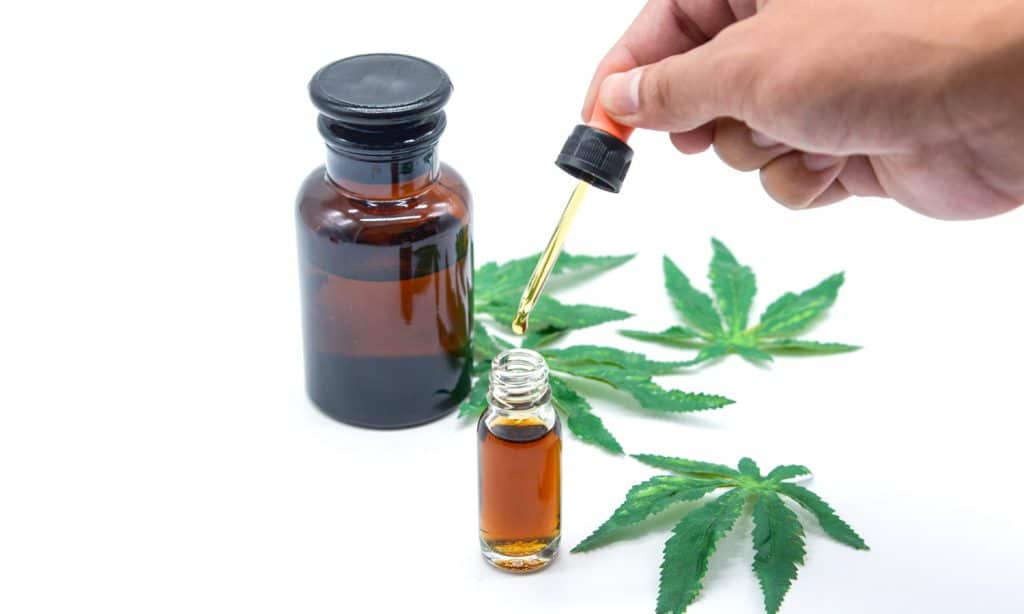
Photo by Thanit Weerawan/Getty Images
FAQs
What is the difference between cannabis CBD and hemp CBD?
Cannabis or marijuana plants contain less CBD and more THC than hemp plants. Whether the CBD oil was derived from hemp or CBD, some of its benefits don’t change because the chemical composition of CBD remains the same regardless of the plant source.
What is the difference between hemp seed oil and CBD oil?
Hemp seed oil is derived from hemp seeds whereas CBD oil has been extracted from the leaves and stems of hemp plants. Hemp seeds don’t contain any THC and CBD, while other plant parts have 12 to 18 percent CBD and less than 0.30 percent THC.
How should you choose a CBD oil product?
When choosing a CBD oil product, it’s important to read the label very carefully. Check the ingredients, CBD concentration, and dosage instructions among other things.
Remember that CBD oil should only be used as an adjunct treatment to existing treatment or medication, hence it shouldn’t be considered a cure. That’s why seeking the help of a doctor is still important for early diagnosis and appropriate medical intervention.
Conclusion
Cannabidiol (CBD) oil can be used in managing a wide range of signs and symptoms, improving the person’s health and quality of life.
There are many ways to extract CBD from hemp and cannabis plants, which include oil infusion, distillation, liquid solvent extraction, and the most sought, carbon dioxide extraction. While there could be a debate about the best extraction to use, it’s important to choose the best oil product that was manufactured following health and safety standards.
If you’re not currently receiving any treatment for insomnia, or if your current treatment isn’t enhancing the duration and quality of your sleep, you may want to give cannabis a try.
Co-author, Richard Faulk.
Ask any CBD or THC supplier and one of the main referrals for their product is sleep disorders. Known to be a natural sleep aid, cannabis and CBD oil has been proven to assist with insomnia and better sleep.
Here are five things to understand about the effect cannabis has on getting a better night’s sleep:
2) Long-term use of cannabis may lessen the drug’s effects, and withdrawal can cause not only insomnia but also a rebound REM effect that temporarily produces more vivid and frequent dreaming.
3) Cannabis can help ease stress, which, in turn, can improve sleep), reduce the amount of times you wake up in the middle of the night, and shorten the amount of time it takes for you to fall back to sleep.
Photo by rawpixel.com
4) Unlike many sleep aids (such as Ambien and Lunesta), marijuana is safe for long-term use. And even when used long-term, marijuana is still significantly less likely to be habit-forming.
5) Interestingly, cannabis can have an important impact with those who suffer from PTSD. According to The Sleep Doctor, THC reduces dreaming and individual may experience less dream-like sleep when using cannabis regularly, helping those that have violent or disturbing dreams sleep more soundly.
Every patient responds differently, which is why some find that prescription sleep aids ultimately work better than marijuana. But if you’re not currently receiving any treatment for insomnia, or if your current treatment isn’t really working for you, you may want to give weed a try.
The Democratic Senate cannot lean on the same “budget reconciliation” method they used to pass the COVID relief bill; cannabis legislation will need support from across the aisle.
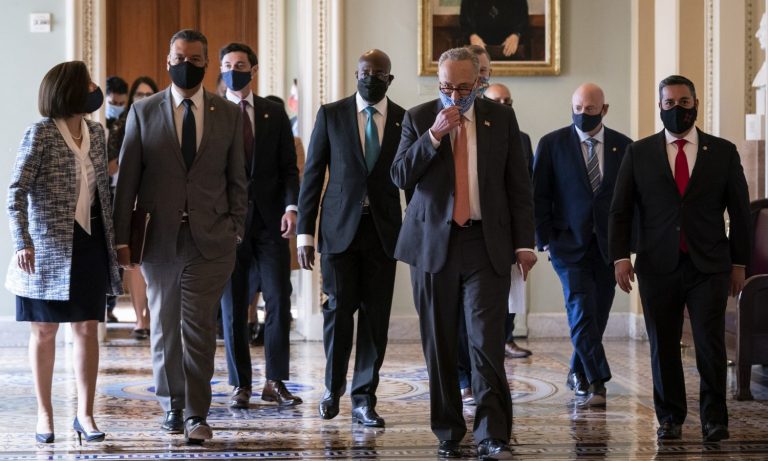
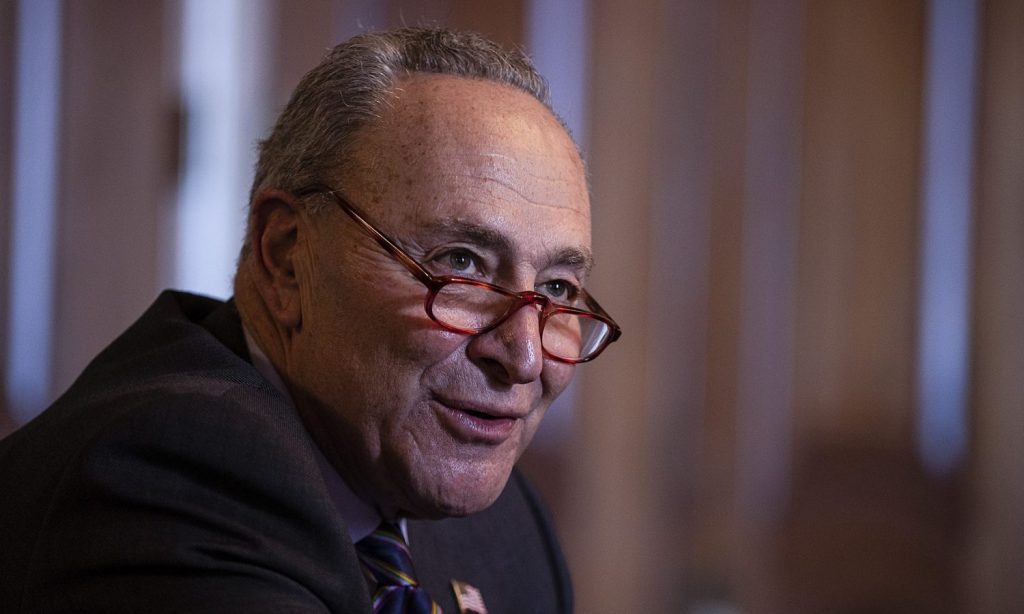
We could soon learn the details of the marijuana legalization package that Senate leadership promised in the coming months. After standing in political purgatory for more than a week, Senate Majority Leader Chuck Schumer says that he and minority leader Mitch McConnell have finally come together on a power-sharing agreement that will dictate the division of the evenly divided upper chamber.
The new session can finally get down to business under the authority of the Democrats, which means that the proposal to legalize weed will likely be unveiled soon. Senators “are ready to hit the ground running on the most important issues,” Schumer said.
Senate leadership let America know early that marijuana reform would be a top priority for Democrats. Some of Schumer’s comments initially suggested that the plan was to push through modest reforms — perhaps wrapping them up in a criminal justice bill — but we now know that Congress will consider full blow legalization in early 2021. Schumer, with two other Senators, announced this week that they would soon introduce legislation designed to create a tax and regulated cannabis market.
“In the early part of this year, we will release a unified discussion draft on comprehensive reform to ensure restorative justice, protect public health and implement responsible taxes and regulations,” the Senators said in a statement.
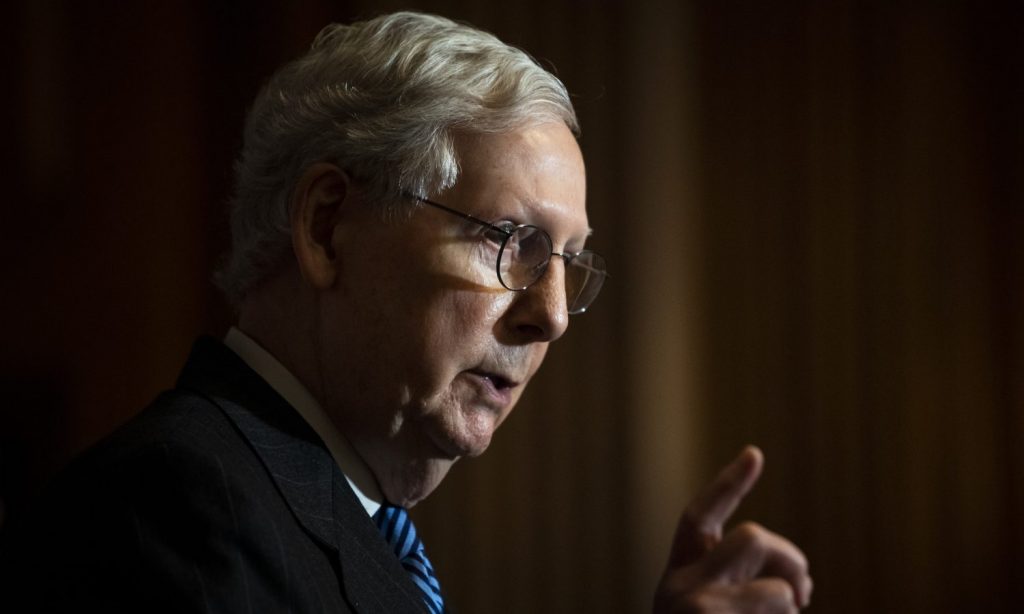
Schumer and McConnell have been negotiating for weeks on an “organizing resolution” that will balance the power of the 50-50 Senate. McConnell didn’t want to agree to anything until the Democrats promised in writing not to eliminate the filibuster. He later backed off of this demand after learning that the Democrats didn’t have enough votes to remove it independently. But he followed up his retreat with a warning that any attempt to sabotage old Senate rules would create a war between the two parties and essentially disable the legislative wheels.
Photo by Drew Angerer/Getty Images
Meanwhile, Democrats have refused to be bullied. The new power-sharing agreement gives Democrats control of the committees and allows other operations paused by the negotiation to commence.
Initially, the hope was that Democrats and Republicans could find a way to work together across party lines. Bipartisan support will be crucial if a marijuana legalization bill stands a fighting chance at passing this year. But the Republicans are already complaining that the Democrats aren’t playing fair, perhaps creating more of a wedge between the two parties that could come back to haunt them. Senate Democrats just moved forwardwith President Biden’s COVID relief bill without Republican support. Every Democratic member voted in favor, while Republicans sat it out. This act alone seems to have irked McConnell. Now he’s looking for revenge.
“We’ve heard a lot of talk about unity, but White House staff and congressional Democrats are working from the opposite playbook,” he said in a recent Twitter post. “Senate Republicans will be ready and waiting with a host of amendments to improve the rushed procedural step that’s being jammed through.”
Before long, Democrats will come in hot with a historic piece of legislation to legalize marijuana nationwide. And rest assured, Republicans will be eagerly waiting to see that it dies a miserable death. Just wait and see. The Democratic Senate cannot lean on the same “budget reconciliation” method they used to pass the COVID relief bill; cannabis legislation will need support from across the aisle. Unfortunately, that’s precisely when McConnell and gang will pull out the filibuster card that Democrats promised not to eliminate, and that will be that — no legal weed in 2021.
The Democratic-controlled Senate now only has 23 months to make its mark. Let’s hope they have some interesting political tricks up their sleeves to further the cannabis agenda. If not, it could be another few years before Congress gets this serious about it again.
While we would have loved to see Biden appoint an AG who has a history of actively supporting marijuana legalization, Merrick Garland has shown no animus towards weed.
President Joe Biden’s cabinet is starting to take shape. Appointees have the power to legalize marijuana at the federal level. Two positions are specifically influential to legalization, including Attorney General (AG) and Secretary of the Department of Health and Human Services (DHHS). The Controlled Substances Act (CSA) grants the AG and the DHHS Secretary the ability to remove a substance from a given schedule. The Attorney General delegates its power to the Drug Enforcement Administration (DEA) and the DHHS Secretary delegates its power to the Food and Drug Administration (FDA).
The CSA places substances on certain schedules based on their danger to society with Schedule I reserved for the most dangerous drugs. Despite widespread adoption of legal adult use at the state level, marijuana remains a Schedule I substance, alongside heroin, fentanyl and meth.
Since there is a lot to cover here, this is the first post in a two-part series. Today we’ll take a look at Biden’s picks for AG and the current head of the DEA. The next post will focus on DHHS and FDA’s leaders.
ATTORNEY GENERAL: MERRICK GARLAND
Overall, we still do not know Garland’s position on marijuana. Before becoming a judge, Garland was a private attorney focusing on corporate law and a federal prosecutor who famously handled domestic terrorism cases including the Oklahoma City bombing, the Unabomber, and the Atlanta Olympics’ bombing. Absent from Garland’s record is any hard stance in favor of the War on Drugs or against marijuana legalization. This automatically makes him a better pick for AG when it comes to marijuana than Bill Barr or Jeff Sessions, the last two individuals nominated by former President Donald Trump.
Before 2021, Merrick Garland was best known for being President Barack Obama’s nominee to replace Antonin Scalia on the Supreme Court. Garland, a Democrat who served on the United States Court of Appeals for the District of Columbia Circuit, serving a Chief Judge from 2013 to 2020. The D.C. Circuit Court is perhaps the most prominent and prestigious court in the country, other than the Supreme Court, as it handles a large number of cases involving the federal government. As a D.C. Circuit judge, Garland is an expert on administrative law.
Merrick Garland has been quiet on marijuana legalization. The closest definitive opinion he has given was in 2013, when the industry trade group, Americans for Safe Access sued the DEA in an effort to remove cannabis from Schedule I of the CSA. Garland was one of three federal judges who ultimately ruled in favor of the DEA. “We’re not the scientists,” he said during the case’s 2012 hearing. “They are.”
Photo by Chip Somodevilla/Getty Images
That could be interpreted to show that Garland has a favorable view of the DEA, but that’s not really the case. In the case at issue, Safe Access appealed the DEA’s denial of their petition to initiate proceedings to reschedule marijuana. Keep in mind that the CSA allows the AG to reclassify marijuana and the AG delegates that authority to the DEA. Marijuana is placed on Schedule I, which is allegedly reserved for drugs with “high potential for abuse,” “no currently accepted medical use,” and “a lack of accepted safety,” for use with medical supervision.
The Safe Access case turned on the meaning of “accepted medical use,” which the CSA does not define, but the DEA has interpreted to mean the level of evidence required by the FDA to approve a new medicine. The D.C. Circuit Court analyzed whether or not the DEA’s application of its own regulations, promulgated under the CSA, was “arbitrary and capricious.” This was not a case about whether the judges thought marijuana belonged on Schedule I, but whether or not the DEA was following the law and its own regulations in deciding not to initiate proceedings to reschedule marijuana. Federal courts grant agencies significant deference to promulgate regulations and their interpretation of those regulations. This is because, generally speaking, courts view agencies as being better suited to examine data and explain their actions than the court’s themselves, unless the agency is “plainly erroneous or inconsistent with the regulations.”
Ultimately the court did defer to the DEA’s interpretation of “accepted medical use” and the decision not to change marijuana’s status. It is within this context that Garland made the quip about the DEA’s scientists. That statement was more about administrative law, then about Garland’s own view about marijuana.
Photo by Taylor Davidson/EyeEm/Getty Images
DEA ACTING ADMINISTRATOR: D. CHRISTOPHER EVANS
According to the DEA website, D. Christopher Evans, “assumed responsibility as Acting Administrator for the [DEA] on January 20, 2021.” It is unclear how long Evans will serve as the DEA head but his rise to the top of the agency is historic. According to Our Time Press, Evans is the first Black person to ever lead the DEA. Here is how Our Time Press summarizes Evans’ career:
Evans began his thirty-year DEA career in 1992 in the Washington D.C. field office at the height of the crack cocaine era that decimated America in general and the Black community, in particular. Special Agent Evans was later transferred to the Los Angeles field office where he was promoted to Supervisory Special Agent. It was in this assignment that he investigated various money laundering schemes. In 2006 he was transferred to DEA Headquarters in Arlington Virginia where he was assigned to the elite operations Division, Mexico and Central American section. During this assignment he represented the DEA on the Department of Justice’s (DOJ) Committee on International Gangs.
Special Agent Evans was promoted during his tour at DEA HQ and served a year as the Executive Assistant to the Chief of Operations followed by two years as the Executive Assistant to the DEA Administrator. He returned to the Los Angeles field office as the Special Agent in Charge (SAC) in 2010. During this time, he led the Los Angeles Organized Crime Drug Enforcement Task Force strike force and served as the first strike force Commander. Thereafter, he served tours as the SAC of the Louisville and Detroit field offices.
Special Agent Evans later served as the Chief of Operations and Assistant DEA Administrator where he supervised the DEA’s global enforcement efforts in 240 locations in the USA and 93 foreign offices in 69 countries.
Evans’ time at the DEA has focused on money laundering and gang activity in the US but much of his tenure has been focused on the international drug trade. Evans’ history on marijuana specifically is harder to deduce and there is no reason to believe that he is in favor of marijuana legalization. After all he’s been working for the DEA for 30 years. But it also does not appear that Evans has any particular interest in slowing down legalization efforts.
BOTTOM LINE
While we would have loved to see Biden appoint an AG who has a history of actively supporting marijuana legalization, such as Elizabeth Warren or Cory Booker, Merrick Garland is a thoughtful person who has shown no animus towards marijuana. We don’t know much about Acting DEA Administrator Evans, but like Garland, he does not seem to be particularly opposed to marijuana legalization. Overall, these picks are not great but could be much, much worse.
Daniel Shortt is a corporate and regulatory attorney based in Seattle, Washington who works extensively with entrepreneurs in the cannabis industry. This article originally appeared on Green Light Law Group and has been reposted with permission. You can contact Daniel at info@gl-lg.com or (206) 430-1336.
The CDC is asking public transportation conductors and passengers to wear face masks throughout the length of their trip.
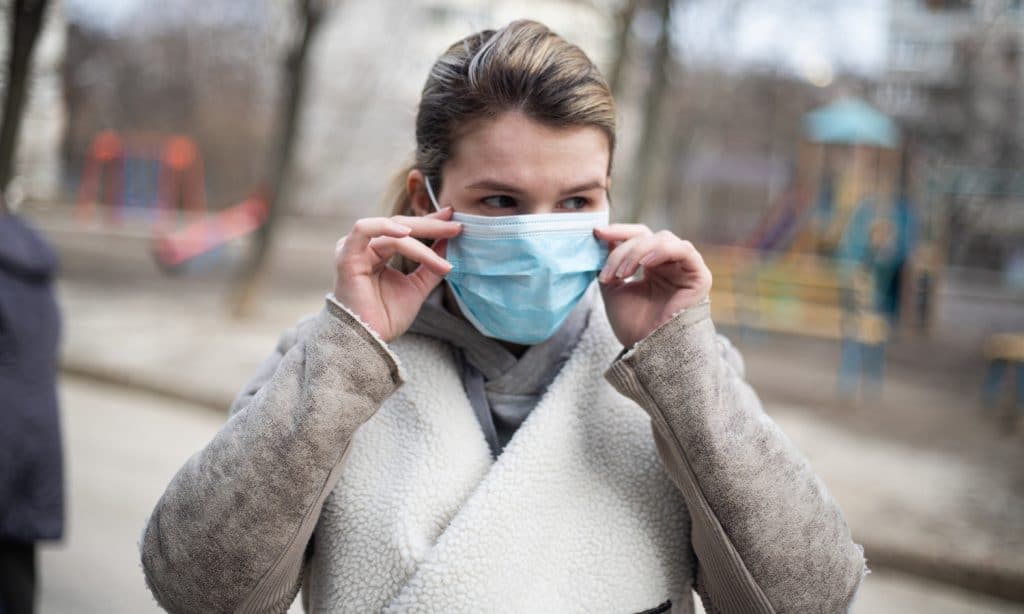
A new mask mandate from the Centers for Disease Control and Prevention (CDC) states that face masks must be worn when traveling via all forms of public transportation in the United States. All passengers, drivers and conductors must wear masks at all times, no matter the state they’re located in.
The mandate requires all public transportation vehicles (planes, ferries, buses, trains, ride sharing apps, and more) have to comply, asking for people to wear their masks for the entire duration of the trip, whether it’s national or international. Transportation operators and workers will be asked to wear masks in airports and subway stations and should only allow in passengers that are following the face mask mandate.
Photo by EVG photos via Pexels
When it comes to the masks, the CDC says that workers should wear masks that are in good state and that fit snugly over the chin and nose. The masks must be made up of at least two layers of cloth that allow for comfortable breathing, thus eliminating the use of scarves, bandanas, cloth coverings and face shields.
This news might not mean much for people who already live in a state where there’s a face mask mandate, but it’s important since the CDC now makes it a violation of federal law when people choose to not wear these masks in these settings. The enforced use of face masks could also help limit the spread of the COVID-19 virus in airports and other modes of public transportation where large amounts of people gather, and that were subject to the airline’s or the travel company’s safety measures and precautions.
Face masks are one of the most effective tools against the spread of the coronavirus, limiting the amount of respiratory droplets people release and breathe in. Their use, paired with social distancing guidelines, stay at home measures and recurring hand washing, is the most effective way of curbing the spread of COVID-19, at least until the majority of the population is vaccinated against it.
Democrats will still need to work closely with Republicans to garner enough support for legal weed. But divisiveness will make that difficult.
Democratic Senate leadership has vowed to legalize marijuana at the federal level in 2021. Senate Majority Leader Chuck Schumer with Senators Cory Booker and Ron Wyden announced earlier this week that they will soon introduce legislation to end marijuana prohibition nationwide. This is precisely what cannabis advocates hoped would happen when the Democrats took control over the Senate and knocked Mitch McConnell down a notch. But do Democratic Senators have enough power to legalize Marijuana?
Now all the Democrats have to do is hold a few hearings, shuffle some papers around and vote on a cannabis-related bill, and marijuana will be as good as legal in the eyes of the U.S. government, right? It’s more complicated than that.
One of the main problems in getting anything marijuana-oriented through Congress this year is the Democrats really don’t have the power to get it done. Sure, Senate Majority Leader Schumer has made some media appearances and discussed how marijuana reform is a priority for the Senate, but that doesn’t mean much. Any bill the Democrats put on the table might not have the votes required to pass. The Senate is evenly divided this session, with Vice President Kamala Harris being the tiebreaker. This means that Democrats will still need to work closely with Republicans to garner enough support for legal weed. But divisiveness will make that difficult.
And then, there’s Mitch McConnell and his gang of cronies. Even though McConnell is no longer the majority leader, rest assured he can still cause problems for marijuana legalization. You might recall hearing a lot of noise recently about a filibuster. It’s a rule that allows Senators to engage in lengthy debates to stall or prevent legislation with majority support from passing. McConnell has fought like a dog to keep the Democrats from squashing the filibuster this year, and rightfully so. It’s the only way he can still control the Senate as minority leader. For now, the filibuster lives. And it will need to continue living if Democrats expect to get anything accomplished.
“I made clear that if Democrats ever attack the key Senate rules, it would drain the consent and comity out of the institution,” McConnell Tweeted last week. “A scorched-earth Senate would hardly be able to function.”
Photo by Caroline Brehman-Pool/Getty Images
Although we do not understand the full extent of the marijuana legalization package that the Democratic-controlled Senate plans to introduce in the coming months, one thing is sure: Anything designed to legalize marijuana at the national level will require bipartisan support to go the distance.
This means getting McConnell and his followers on board in some manner. Even if the Democrats can get close to collecting the necessary votes to move marijuana legislation in the upper chamber, the filibuster could still sabotage the deal. McConnell, who has, for years, prevented marijuana-related bills from taking shape in the Senate, has probably already considered the filibuster his lifeline to stopping the legal cannabis industry from gaining ground.
Photo by Tasos Katopodis/Getty Images
Furthermore, just because Senate leadership introduces a marijuana legalization bill doesn’t mean it has the White House’s support. And it’s going to need it. President Biden hasn’t expressed any interest in full steam ahead legalization. He has, instead, given every indication that he would side with modest marijuana reforms intended to keep people out of jail for weed. Biden is all about looking at the research. He wants to see more scientific involvement on the cannabis scene before signing off on anything that allows a taxed and regulated marijuana market to take hold.
It’s possible that Vice President Harris, a big supporter of ending marijuana prohibition, could influence Biden to accept broader reforms. But she has indicated that she wouldn’t pressure him on any issue if it came down to it. Unfortunately, getting a full steam marijuana legalization law on the books in 2021 is going to prove challenging.
Unless the Democrats have devised some brilliant scheme to package it in much larger legislation, like a far-reaching criminal justice bill. Even then, the chances of it passing are slim. But let’s wait and see what they have up their sleeves. America might be pleasantly surprised.