Saturday, July 18, 2026
Home Blog Page 500

Marijuana Sales Predicted To Surpass $15 Billion By End Of 2020

Some states have experienced record monthly sales while tourist-dependent markets have experienced a mixed bag.

Maybe it’s the boredom. Maybe it’s the mental health benefits. Maybe it’s the preliminary research that cannabis could prevent COVID-19 infections. But several data agencies and state reports indicate marijuana sales have continued to rise during the global pandemic.

Multiple states, including Florida and Arizona, have hit new records for monthly medical marijuana sales in the past few months. Even original cannabis states in adult use markets have seen historic sales amid the pandemic. In May, Colorado saw a record $192 million in combined marijuana sales and Oregon crossed the $100 million mark for the first time since 2015. Illinois dispensary sales set a new record in June, too.

RELATED: Are Marijuana Stocks On The Rise Once Again?

Overall, Marijuana Business Factbook projections expect combined marijuana sales to pass $15 billion by the end of 2020. That represents a 40% rise in the legal cannabis market between this year and last. Should the projections hold, the marijuana industry will produce larger annual revenue than the NBA, toothpaste and hard seltzer markets combined.
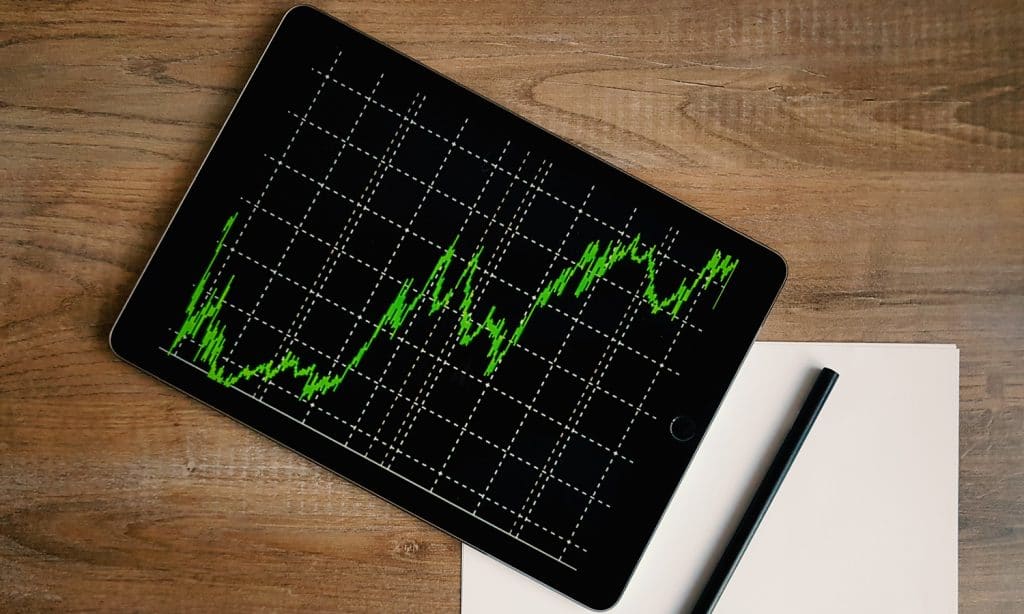
Marijuana Sales Have Gone Back To Normal Post-Coroanvirus Bump

Photo by Burak K via PexelsFactbook predicts the cannabis industry will become at least a $30 billion market by 2024, if not higher. That would push the cannabis market past prescription pain medicine ($16.1 billion) and craft beer ($29.6 billion) in annual sales.

But the coronavirus pandemic has also produced a mixed bag for some markets. This is especially true in states with heavy tourism, like Nevada and California. About 80% of all Nevada cannabis sales occur in Las Vegas, which shut down in Mid-March and re-opened in June with multiple restrictions in place. Cannabis sales were down 25% in May from last year in the same month.

RELATED: Optimism In Cannabis Investing Exists — Even Amid A Global Pandemic

State lawmakers in non-legal states have certainly taken notice of the record-breaking cannabis revenue, however. New Jersey and Pennsylvania legislators characterized cannabis legalization as a “no-brainer” to boost the post-pandemic economy. New Mexico and New York have also suggested legalizing marijuana to fix budget deficits.


5 Ways To Boost Your Creativity At Work

Most jobs don’t demand constant creativity. Still, your productivity and enjoyment can be influenced by trying new approaches and thinking outside the box.

There’s no need to have a career as an artist to find the space to be creative. Creativity is a tool that can be applied to anything, from solving a problem with a loved one to transforming your non-artistic job into something that’s more enjoyable and different.

Now that many people are working from home, your home office and personal rules are a good opportunity to rethink how you approach your work. Not being inside a stuffy office allows you to have some fun if you want to, whether that means playing music or wearing clothes that are more comfortable for you.

Here are 5 things you can do that will help you be more creative on the job, whether you consider yourself a creative person or not.

Find a space that works for you

The first thing you should do is find a space that’s comfortable and that adapts to your personal needs. Keep your area tidy and functional, but add some personality to it, whether by adding photos, posters and more. Try to work near some natural light, something that can make you feel refreshed and nourished. Make sure that your work space is pleasant and that you enjoy spending time there.

Brainstorm more often

5 Ways To Prevent Your Electronic Device From Overheating
Photo by VIKTOR HANACEK via picjumbo.com

RELATED: How To Improve Your Internet When Working From Home

We brainstorm ideas constantly, whether we’re alone or with others, sometimes without even noticing it. One small upgrade that can make your brainstorm sessions more efficient is to add a whiteboard, a notepad or someplace where you can pin ideas down, even if they sound silly or unorthodox. This list doesn’t need to be perfect, it just needs to reflect your ideas so you won’t forget about them.

Follow through on your ideas

While ideas are great, it’s also important to follow through. Find a way of holding yourself accountable, whether by writing it down and pinning it on your board or, in a more extreme move, discussing your idea with your boss and eliminating escape routes. Do what works for you, but remind yourself that it’s often very easy to avoid disrupting your workload by sticking to what works, which can make you feel bored and uninspired.

Shake things up

RELATED: 5 Ways To Schedule Your Day When Working From Home

When working a 9 to 5 job, it’s common for people to find a groove and stick to it. This is good, because it means that you know how to do your job and are comfortable in managing the everyday challenges of your positions. But it’s also something that holds a lot of people back, stopping them from trying out new activities and approaches that can be more fulfilling and result in better work. Don’t be afraid to speak up in your meetings and to pitch your ideas. The more you do it, the more comfortable you’ll become and the more your presence will be valued.

Go for a walk

Outdoor walks, where you get to see and smell the beauty of nature, are some of the most useful routines when channeling creativity, especially if you’ve been spending most of your time working indoors. Ideas can come from the most random interactions and things, especially if you’re actively on the lookout for them and are ready to engage with the world in different ways.

NBA Players Are Smoking A Bunch Of Marijuana In The Playoff Bubble

Because of the extended isolation and rising coronavirus numbers in Florida where the Disney campus is located, the players need help to maintain their mental health.

The first rule of Fight Club is don’t talk about Fight Club. The second rule of Fight Club is don’t connect the dots that NBA players are smoking a bunch of marijuana in the Disney playoff bubble.

Don’t take my word for it. Check this quote from an NBA agent when asked about players smuggling cannabis into the playoff bubble in a recent Athletic story.

“You’re asking about Fight Club,” the agent said. “There’s no testing for a reason.”

If you’re a little confused, let me catch you up to speed. The NBA will finish its regular season and playoffs with 22 teams in a “bubble campus” constructed on Disney World properties. The players will remain on the campus the deeper their teams survive in the playoffs — a minimum 40 days to a maximum of 82 days. In between practice and games, they can golf, fish, play video games, and play cards with teammates.

RELATED: Is The NBA Pro-Marijuana Now?

It is an AAU-style basketball summer camp, except almost everyone is a millionaire and over six feet tall. These men have become accustomed to a way of life constructed around their every whim. And now these men must stay in average hotel rooms, eat average food, and be bored out of their minds. It’s absurd and would even be hilarious if a global pandemic did not cause such circumstances.

But the NBA announced it would not test for recreational drugs throughout the duration of the bubble. This was a signal that players could consume marijuana without reproach. “There was probably weed hidden in all kind of stuff—DVD players, shaving cream cans,” another agent joked.

al harrington all my best teammates smoked marijuana
Photo by Rob Carr/Staff/Getty Images

According to the Athletic story, players openly wondered among themselves if a pound of cannabis would last long enough in the bubble.

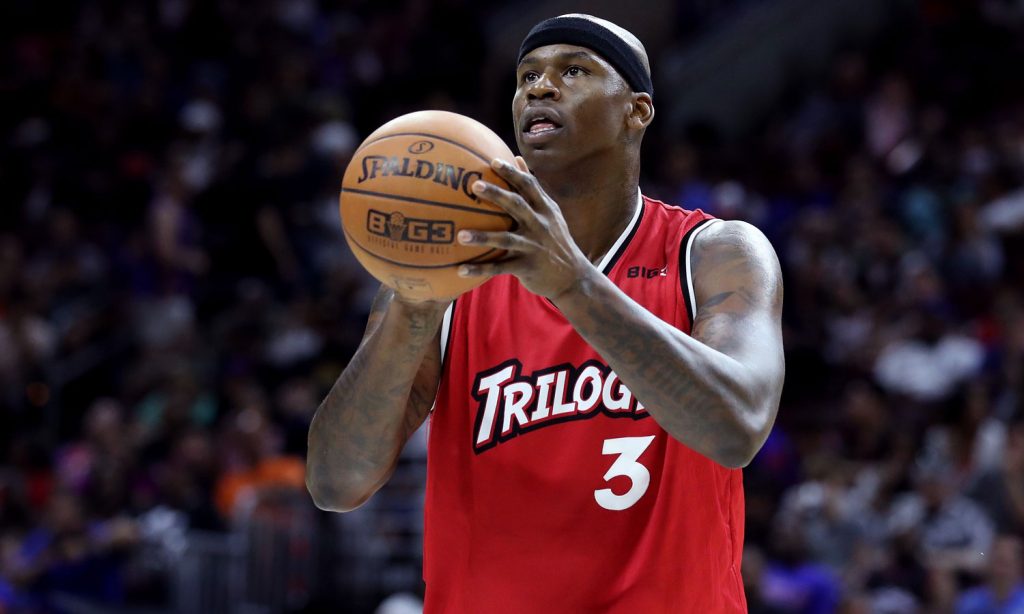
“Bring more than you think you’re going to need,” Al Harrington, an NBA veteran who reinvented himself as a cannabis entrepreneur, told The Athletic. “You might have that teammate who’s never smoked and might want to try it since they’re stuck in a bubble. So you might be supplying other people.”

RELATED: Al Harrington: ‘All My Best NBA Teammates Smoked Marijuana’

Because of the extended isolation and rising coronavirus numbers in Florida where the Disney campus is located, players need tools and strategies to maintain their mental health. This is where cannabis could come in handy.

“When you think about it, it’s damn near inhumane for them not to have marijuana,” Harrington said. “These guys are going to need something to get away. Normally in the course of the season, the playoffs, if you have a bad game, you have a bad turnover to lose the game, you get to go home and see your kids. In this bubble situation, you can’t get away from the bad game. From a mental wellness standpoint, they’re going to need vices. If I had to choose as an owner, I’m choosing cannabis over them taking pills, over them drinking liquor and being dehydrated. You’re going to need THC in the bubble.”

Can You Get Sick With COVID-19 More Than Once?

What experts do know about COVID-19 is that it’s a confusing disease and that we’re only now discovering it’s reach and effect.

When living through a pandemic, it’s normal to think through different scenarios, whether they concern your health or income. When it comes to COVID-19, a significant number of people are terrified of contracting the disease — even those who have already suffered through it.

Like many viruses, some experts believe that getting exposed to the pathogen might make people more resistant to it, at least temporarily. Sadly, new reports suggest that COVID-19 doesn’t act like other flus and viruses. It seems that people are able to catch the virus twice, with the second round being even more harmful.

https://www.instagram.com/p/CCezdenBE7h/?igshid=as5m5xju6n18

RELATED: How To Cope With Coronavirus ‘Re-Entry’ Anxiety

“During his first infection, my patient experienced a mild cough and sore throat. His second infection, in contrast, was marked by a high fever, shortness of breath, and hypoxia, resulting in multiple trips to the hospital,” wrote primary care physician Dr. Clay Ackerly for Vox.

The doctor explains that one explanation for this particular patient’s symptoms is that while he recovered from his first infection, theoretically producing the necessary antibodies, he then caught the second bout from a family member. By the time the second infection occurred, his initial antibody response might have faded.

COVID-19 May Trigger Diabetes — Can Marijuana Help?
Photo by Taechit Taechamanodom/Getty Images

A recent study found that those who are either asymptomatic or symptomatic build an antibody response immediately after infection, only to have it fade away within 60 to 90 days. While that number of days works for seasonal viruses and flus, it’s not enough for a pandemic that seems unaffected by weather and that shows no signs of stopping anytime soon. It also eliminates the hope of “herd immunity.”

RELATED: Researchers Say CBD Could Provide Vital Treatment For COVID-19

“Just throw it out the window,” Dr. Michael Saag told NBC News. “Because not enough people could sustain an immune response that would protect against reinfection long enough for the virus to extinguish.”

What experts do know about COVID-19 is that it’s a confusing disease and that we’re only now discovering it’s reach and effect. Until we know how the virus works, we’ll have to be extra careful with our health and how we conduct ourselves when surrounded by others.

CBD And Athlete’s Foot

0

Study results have shown that CBD and some other cannabinoids have anti-fungal properties.

There’s a million things that can go wrong with our bodies. And many wellness companies would like people to believe that most of these conditions can be successfully treated with CBD. Still, the compound has a lot of promise for treating several key issues, such as chronic pain, depression, anxiety, and more.

A 2011 study published in the Journal of Pharmacology & Pharmacotherapeutics found the compound even has anti-fungal properties that could potential treat conditions such as athlete’s foot, which are uncomfortable, but generally not that concerning. Unless people suffer from diabetes or have compromised immune systems, these afflictions are mainly aesthetic.

RELATED: 5 Most Common Questions About CBD Topicals

These conditions are also usually hard to treat with over-the-counter medications. People who have the most success usually catch these infections early and rely on prescription medication in order to successfully treat them.

5 Common Myths About Hemp Oil And CBD Oil
Photo by Tinnakorn Jorruang/Getty Images

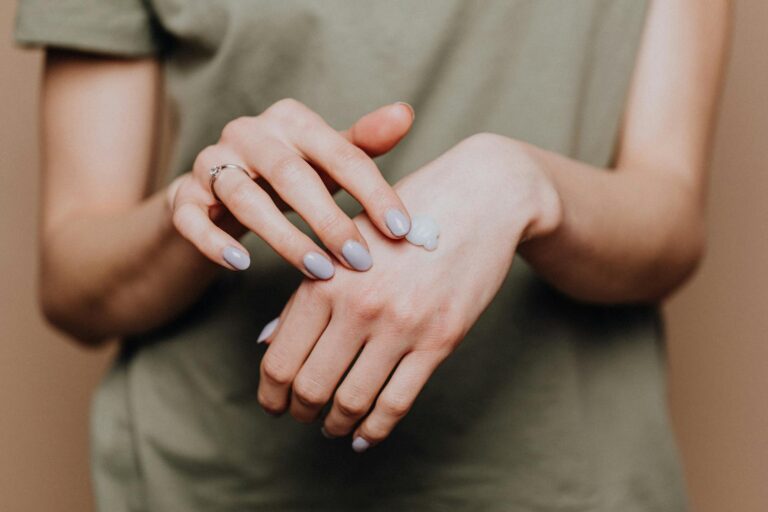
CBD is big when it comes to treating skin conditions, especially if you’re using full spectrum products. Since the broad effects of CBD haven’t been fully studied, there’s no way of knowing which part of the compound is best at managing skin conditions and controlling infections. When using full spectrum products, you ensure that the terpenes and cannabinoids present in the extracts are also there, producing cannabis’ entourage effect.

RELATED: How CBD Topicals Can Complement Your Mask Wearing

There are no known side effects associated with the topical use of CBD, which means that it’s relatively low risk if you’re looking to supplement the medication you normally use to treat fungi infections. In order to be as successful as possible, make sure to document your progress, including before and after photos, and be diligent. Jot down the product(s) you use, and how much of it you apply to your skin. This will be especially helpful, should you decide to see a dermatologist at some point.

Is CBN A Controlled Substance? Yes. No. Maybe.

Some commentators argue that CBN, regardless of its source, is a controlled substance because it is produced from the degradation of THC.

Earlier this year, we discussed the legality of lesser-known hemp-derived cannabinoids which appeared to be gaining success in the U.S. One of these promising cannabinoids is cannabinol (“CBN”).

Put simply, CBN is a non-intoxicating cannabinoid that results from the degradation of THC. Because it is difficult, if not impossible, to grow CBN-rich strains of hemp, most of the CBN found on the U.S. market is the product of decarboxylation — a chemical reaction that converts other cannabinoids, such as CBD and THC, into CBN. This conversion process creates some confusion regarding the legal status of CBN.

Although CBN is not expressly listed under the federal Controlled Substances Act (the “CSA”), the cannabinoid is a Scheduled I controlled substance when derived from marijuana. The CSA defines “marihuana” to mean “all part of the cannabis plant” except the stalks and non-viable seeds. Because neither the stalks nor non-viable seeds contain meaningful amounts of cannabinoids, CBN squarely falls under the definition of marijuana, and as a result, is a controlled substance.

On the other hand, CBN derived from hemp is not a controlled substance, and thus, may be lawful. This is true for two reasons. First, the Agriculture Improvement Act of 2018 (the “2018 Farm Bill”) expressly removed “hemp”  from the CSA definition of marijuana. Second, the 2018 Farm Bill defines “hemp” as “all parts” of the cannabis plant, including cannabinoids, with a THC concentration that does not exceed 0.3% on a dry weight basis. Accordingly, the cannabinoid CBN is probably lawful if derived from hemp.

RELATED: What Is CBN And Is It Legal?

Nevertheless, some commentators argue that CBN, regardless of its source, is a controlled substance because it is produced from the degradation of THC. The proponents of this argument generally rely on two theories.

The first theory is premised on the federal Analogue Act. That statute treats any chemical intended for human consumption as a Schedule I or II substance, if it is “substantially similar” to a controlled substance listed in Schedule I or II of the CSA. But should the Analogue Act apply in this context? The CSA expressly excludes “tetrahydrocannabinols [THC] in hemp” from the list of Schedule I controlled substances. Moreover, the effects of CBN are not “substantially similar” to those of THC. In fact, its effects are significantly less potent. Therefore, CBN that stems from hemp-derived THC should not be deemed a controlled substance analogue in my view.

Understanding The Importance Of Marijuana Studies And Outcomes
Photo by boonchai wedmakawand/Getty Images

The second argument is based on the idea that only CBN derived from THC “in hemp” is lawful. The reasoning here is that trace amounts (no more than 0.3%) of THC that naturally occur in the hemp plant are lawful; but THC that is extracted and isolated from the hemp plant is unlawful. This analysis fails to account for the congressional intent behind the 2018 Farm Bill. The 2018 Farm Bill expressly legalized “derivatives, extracts, [and] cannabinoids,” most of which must go through a processing phase that inevitably increases the THC concentration. Accordingly, it is reasonable to infer that Congress intended to legalize processed hemp as well.

However, as reasonable as this statutory interpretation is, it fails to resolve the position taken by most law enforcement groups, which generally to treat processed hemp containing more than 0.3% THC as marijuana — even if the THC concentration only increases fleetingly during the processing phase.

RELATED: Is Synthetic CBD Legal?

Consequently, though it seems clear that hemp-derived CBN should not be treated as a Schedule I controlled substance analogue, it is unclear whether CBN that results from processed hemp-derived THC is lawful, given the confusing legal status of THC not “in hemp.”

This lingering uncertainty regarding the legal status of CBN will likely need to be addressed through legislation or the courts. In the meantime, producing CBN from THC extracted from hemp should be done cautiously and with the understanding that this lesser-known cannabinoid may be treated as a controlled substance under the CSA — even if Congress didn’t consider or intend this result.

Lifetime Marijuana Use Not Linked To Middle-Age Heart Health

Researchers concluded cumulative cannabis use was not associated with heart abnormalities or other cardiovascular diseases, such as stroke or heart disease.

Understanding how marijuana affects heart health has emerged as a primary focus for cannabis researchers in recent years. The science connecting the two is limited and no known association between cardiovascular disease and cannabis use exists. Possible risks for heart patients exist, however, as cannabis can reduce the potency of medications like statins and blood thinners.

But new clinical data published in the journal Addiction should provide reassurance to middle-age marijuana users. They found no connection between current or cumulative lifetime marijuana use and heart abnormalities in middle age.

RELATED: Here’s What You Should Know About CBD And Heart Health

An international team of researchers, including those from the United States and Switzerland, used data from an ongoing longitudinal study called CARDIA (Coronary Artery Risk Development in Young Adults). The study has tracked thousands of Americans — divided fairly evenly among gender as well as black and white participants — since 1985 to better understand risk factors and determinants in cardiovascular disease development.

Dreaming About Better Heart Health? Here's What Research Suggests
Photo by Ake via rawpixel.com

The recent clinical trail gathered 2,585 middle-age subject from the CARDIA group to determine if cannabis affected the results of electrocardiogram (ECG). Controlling for possible factors like race, education, smoking tobacco, alcohol consumption, and exercise, researchers reported using cannabis did not cause higher ECG abnormalities. They did note, without drawing any conclusions, that major ECG abnormalities were less frequent in current marijuana users.

RELATED: Is Marijuana Worse Than Tobacco For Cardiovascular Health?

In a middle-aged US population, lifetime cumulative and occasional current marijuana use were not associated with increases in electrocardiogram abnormalities,” the study’s authors wrote. “This adds to the growing body of evidence that occasional marijuana use and cardiovascular disease events and markers of subclinical atherosclerosis [hardening of the arteries] are not associated.”

Researchers had previously used CARDIA data to explore other associations between lifetime marijuana use and other cardiovascular complications. They found cumulative cannabis use was not connected to a hardening of the arteries or other cardiovascular diseases like stroke or heart disease.

Healthcare Professionals Suffer Risk Of COVID-19 Burnout

As a result of the pandemic, medical healthcare providers are under enormous workload pressure and increased total expenditures of their health.

Like a sturdy fortress under a continuous siege that has lasted for months, healthcare professionals also face the medical challenges of COVID-19. They are confronting a physical and emotional attack on their well-being.

The COVID-19 pressure cooker began rising in March. Although the manufacturing capacity of personal protective equipment (PPE) can be cycled up or down, healthcare professionals can reach their risky maximum energy output much more quickly  

The biggest challenge is that as the infections and hospitalizations rise, our healthcare systems could be working at this level for months to come. Healthcare workers do not have the option to stay home or to shelter in place. Instead, healthcare professionals must go into work regularly and put themselves and others at risk

As you consider the community, the well-being of the health care workforce is essentially the foundation of every health infrastructure. Medical healthcare providers are under an enormous workload pressure, with the continued surge of the pandemic and increased total health expenditures. The overwhelming burden of COVID-19 illness could lead to caregiver burnout.   

RELATED: Can Medical Marijuana Help Treat Clinical Burnout?

The major causes of psychological distress among healthcare workers include long work hours, sleep disturbances, and debilitating fatigue. As a result of the pandemic, medical healthcare providers are under enormous workload pressure and increased total expenditures of their health.

An article published in the journal Lancet in April, when COVID-19 cases were at their peak, provided additional detail on the warning signs of health care workers. The report highlights Houston Methodist Hospital and the scarred mental landscape there — just one of the hundreds of hospitals in the U.S..

Can Medical Marijuana Help Treat Clinical Burnout?
Photo by Sebastian Sørensen via Pexels

In taking an up-close look at one hospital, the article notes, “It is common to see emotional exhaustion in the intensive care unit (ICU). We have observed front-line health care providers emotionally breaking down, mainly due to the added pressure to choose between family responsibilities and their inner sense of duty toward patients.” 

Healthcare professionals can exhibit signs of stress and burnout in TV and other media interviews. Dr. Marwa Saleh, a cardiologist, and medical writer, explained the circumstances for one of the Harvard Medical School blogs online. Dr. Saleh indicates that many doctors have to make decisions that they have never made before, in their standard practice. 

RELATED: FDA Issues New Guidance For Testing Asymptomatic COVID-19 Patients

“The system of triage is a new and confusing practice in high-resource settings,” she said. “Having worked in a low-resource setting, I know that stress is real. For every patient you send home because of the lack of resources, your heart cringes for fear that they may deteriorate.”

Many physicians point to systemic or structural issues with the overall healthcare system, which, at the very least, was unprepared for the speed and spread of COID-19. Many medical professionals respond to the pandemic crisis with an unprecedented level of selflessness, compassion, and resilience.

NJ Gov. Suggests Legal Marijuana As Post-Pandemic Economic Fix

Phil Murphy emphasized the social justice benefits, as well as the financial ones, to legalizing adult-use marijuana in New Jersey.

Add New Jersey Gov. Phil Murphy to the growing list of state lawmakers positioning marijuana legalization as a quick fix to struggling economies. Murphy also emphasized the social justice benefit legalizing would induce, calling the act “an incredibly smart thing to do.”

“We’re not inventing marijuana,” he said during a radio interview Tuesday with the Jim Kerr Rock & Roll Morning Show. “It exists.”

The looming financial crisis caused by the coronavirus pandemic means the state will need to find ways to innovate moving forward. A co-host on the program suggested cannabis and Murphy agreed, saying he’s “been on that from day one.” He added marijuana’s importance in criminal justice reform — a Black person is 3.5 times more likely to get arrested for cannabis possession in New Jersey than a white person, despite similar rates of use.

RELATED: This Black Veteran Was Just Sent To Prison For Possession Of Medical Marijuana

“It’s got a huge social justice piece for me,” Murphy said. “The overwhelming percentage of persons nailed in our criminal justice system are persons of color. It’s a no-brainer in that respect. It’s a job creator, it’s a tax revenue raiser, it checks a lot of boxes. I hope we’ll get there sooner than later.”

NJ Is Primed For Marijuana Legalization, What's Taking So Long?
Photo by BruceEmmerling via Pixabay

Murphy has pushed cannabis legalization multiple times through the Democrat-controlled Legislature, but has been unable to secure the necessary votes. A proposal by Senate President Stephen Sweeney instead put the measure in voters’ hands, who will decide on adult-use cannabis this November.

RELATED: Biden-Sanders Task Force Does Not Recommend Legalizing Marijuana

A recent Monmouth poll found that 6 out of 10 voters would approve the measure, but questions remain around regulation and sales. Less than 50% of people believe retail cannabis sales would be a good idea. A growing number of New Jersey towns have already passed bans on recreational marijuana sales, though the act is still illegal.

Bipartisan lawmakers in New Mexico, New York, and Pennsylvania have also suggested legalizing recreational cannabis as a post-pandemic boon. One conservative Republican strategist in Pennsylvania said legal marijuana was “inevitable, so why not get ahead of the curve and do it now.”

5 Most Common Questions About CBD Topicals

CBD can be found in lots of skincare and pain relieving products, but the compound is still shrouded in some mystery. Here are the most common questions consumers have.

Despite the fact that CBD makes a lot of money for both big and independent companies, a surprising amount of people don’t know what the compound does or where it comes from. No matter if you think it’s crazy that someone will swallow or put something on their bodies without knowing what it does, we have to recognize that the CBD industry is confusing. It’s common and okay for people to be a little bit unsure.

Here are 5 of the most popular questions people have Googled about CBD topicals:

What is the purpose of CBD lotions? 

What Is The Functionality Of CBD’s Presence In Skincare Products?
Photo by Linda Prebreza via Pexels

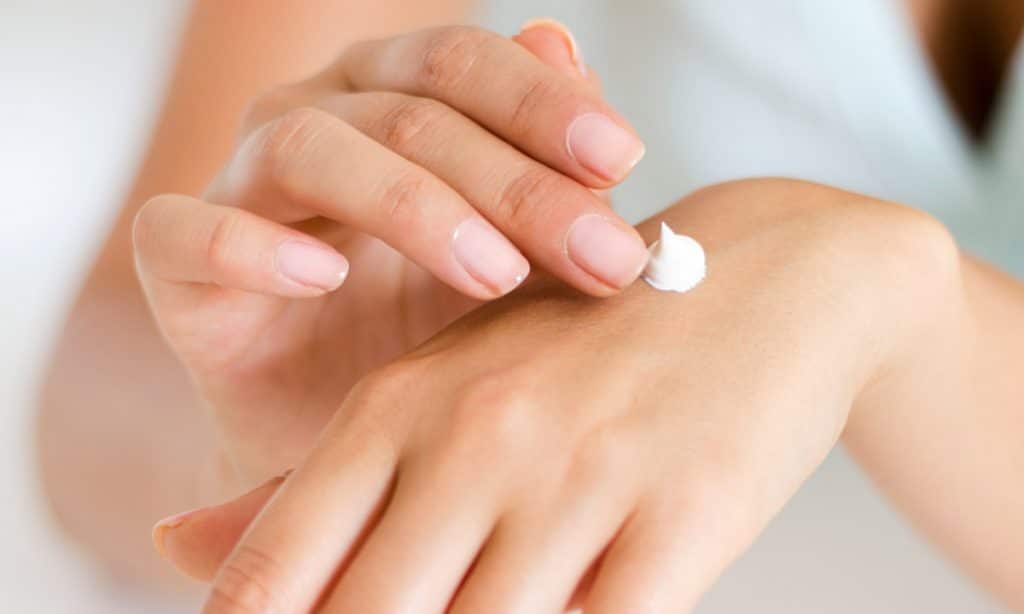
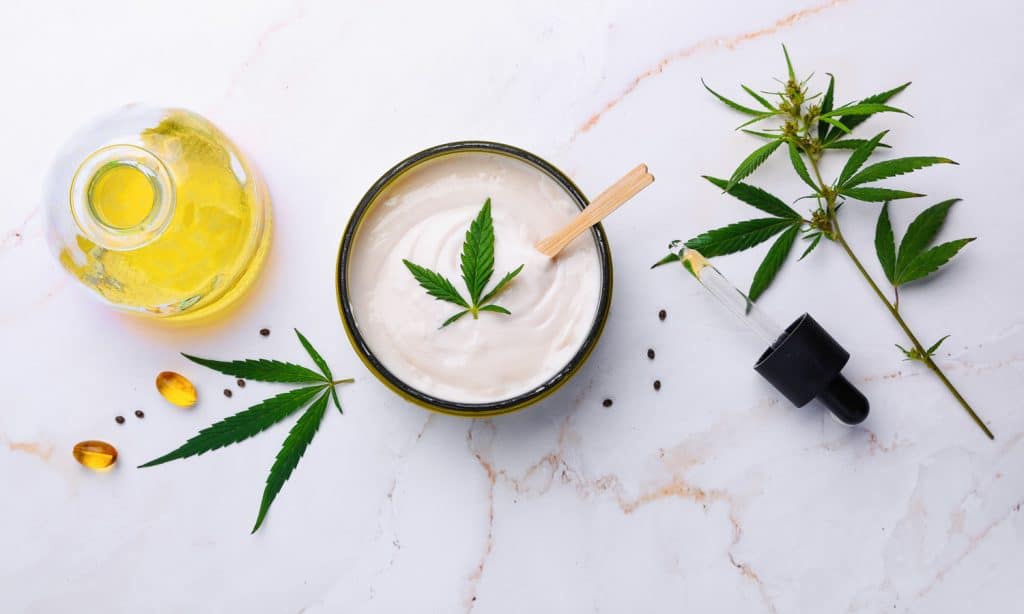
CBD lotions can be used for a wide variety of medicinal conditions and, depending on the other components in the lotion, can produce myriad results. CBD is primarily known for its anti-inflammatory effects, which is why there are so many CBD lotions designed to target chronic pain, arthritis, eczema and the like.

How many mg of CBD should be present in the topical in order to have some effect?

RELATED: The Latest Report From The FDA Shows How Poorly It Has Handled CBD

Since the FDA has only approved one type of CBD product (for epilepsy), there’s still no set dosage that the industry has to follow. Each product contains different dosages of CBD, with some topicals containing different potencies, from 750mg to 1000mg. It’s important to read the label of the product you’re using and to follow their instructions in order to avoid wasting your product needlessly or messing with their intended effects.

Can CBD lotion make you fail a drug test? 

Why Businesses Are Dropping Mandatory Marijuana Drug Testing
Photo by KLH49/Getty Images

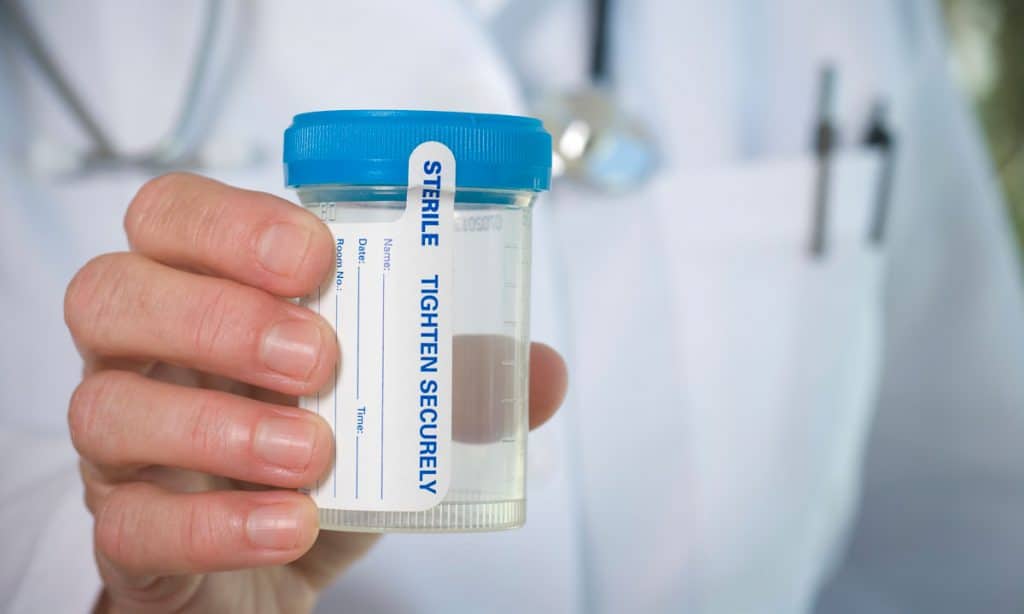
While drug tests detect THC and not CBD, some CBD products contain trace amounts of THC, which could trigger a positive result. This isn’t very common and the risk of this occurring is almost zero when using CBD lotions and topicals.

Can CBD lotion prevent wrinkles? 

Could CBD And Cannabis Eliminate The High-Cost And High-Stakes Of Current Psoriasis Medicines?
Photo by IRA_EVVA/Getty Images

RELATED: Here’s What You Should Know About Mixing CBD And Alcohol

If used in the right product, CBD can help manage wrinkles, yet there’s not one product that can completely prevent them. Wrinkles are an irreversible process that can be slowed down by exposing your skin to collagen and antioxidants. The most effective measure you can take is to keep your skin hydrated and to shield it from the sun.

Can you have a bad reaction to CBD? 

The Latest Report From The FDA Shows How Poorly It Has Handled CBD
Photo by athima tongloom/Getty Images

There hasn’t been a lot of tests conducted on CBD, meaning that the reactions that have been documented have been mostly anecdotal. While CBD hasn’t been associated with allergies, the cannabis plant has. Male cannabis plants are the ones that produce pollen, but they’re also the ones that produce the least amount of CBD, so these kinds of allergies are unlikely.

CBD oils have been associated with fatigue, diarrhea, loss of hunger and more, especially when consumed in large amounts. When it comes to CBD topicals, negative side effects haven’t been thoroughly documented. Even if there’s little research out there on the compound, most experts believe that the topical use of it comes with no negative side effects.

Don't Miss Your Weekly Dose of The Fresh Toast.

Stay informed with exclusive news briefs delivered directly to your inbox every Friday.

We respect your privacy. Unsubscribe anytime.