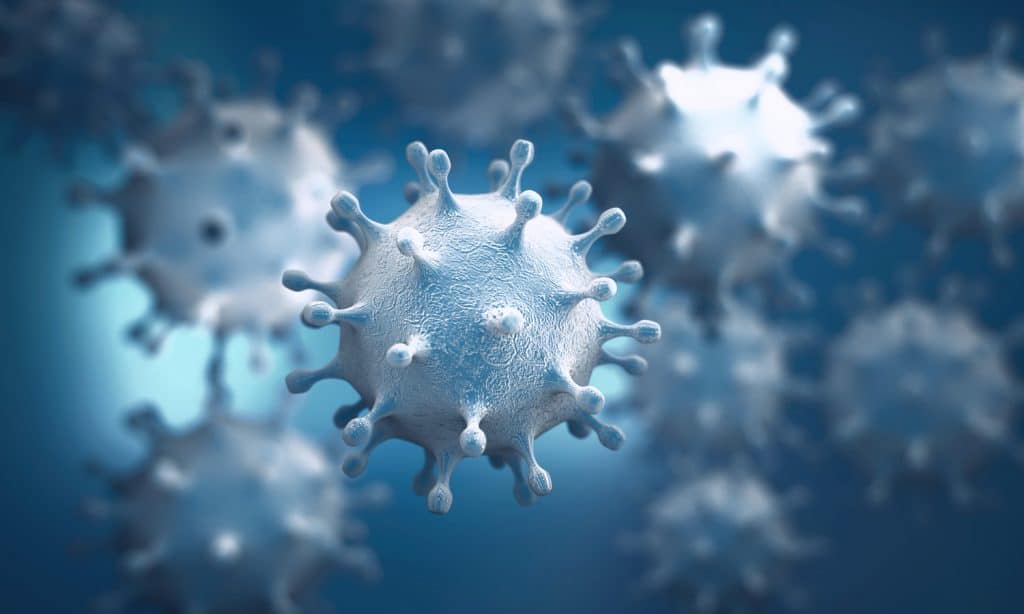
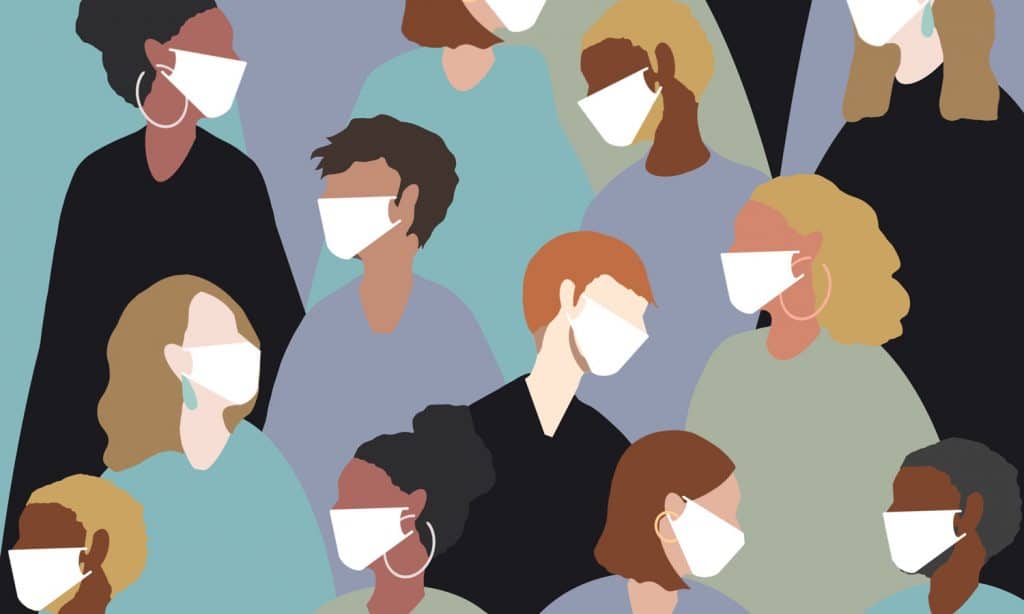
In times of stress people like to cope by making jokes. Here are 15 of our favorite coronavirus memes.
To say that 2020 went off the rails would be an understatement. Five months into the year and we have been struck with a pandemic, great economical uncertainty, a health crisis, a looming presidential election and an invasion of murder hornets.
Unlike previous years which had bad moments sprinkled in with good ones, 2020 has been a succession of days where each news headline is trying to top the other. It’s like the person who’s writing the script of a dystopian movie is running out of ideas and is now just reaching for conflicts that are worse than the last.
The world’s current situation is terrifying, but people have to find ways of coping; humor seems like one of the healthiest ways to do so. While there’s no way of escaping what’s going on or of tuning out the sound of the ambulance alarms, there are ways of finding relief in laughter, even if it’s only for a couple of seconds.
Here are 15 of the funniest coronavirus memes and jokes we’ve seen online:
Online book clubs are great for recommendations and finding a reading community. What else have you got to do?
The publishing industry has experienced a long and eventful journey over the past decade. Threatened by the rise of ebooks and the closure of large bookstores, the industry has had to find new ways of keeping up with readers’s expectations. Nowadays, avid readers can quickly purchase awaited titles as ebooks and find more obscure and treasured printed books on their local bookstores.
The pandemic has created a new set of troubles for bookstores of all kinds, but it has also given people tons of time to read new stuff. If you want to help out local businesses by purchasing books or simply want to find a book to read, a book club is your best way to go.
Although online book clubs are different from real life book clubs for obvious reasons, they’re still worth your time. There are tons of book clubs out there, from Oprah to more obscure choices that might resonate with your interests.
Celebrities like Oprah, Reese Witherspoon and Emma Roberts have famous book clubs, made up of large communities that will provide tons of reading material. These bookclubs have their own Instagram pages and are very famous. When a book is selected by them, they’re a an almost guaranteed best seller, likely to get a TV or movie deal.
These clubs also make regular updates on their pages, providing interviews with the authors or discussions featuring renowned guests. With the coronavirus, these sites have amped up their content and are now providing virtual book tours, live streams, and more.
Book clubs on social media
Photo by Thought Catalog from Pexels
No matter your social media website of choice, there’s tons of recommendations out there, whether you like Facebook, Reddit or Twitter. Search on Facebook for book and literary discussion groups. You can also follow the Facebook pages of NPR Books, Shelf Awareness, Friday Reads, Buzzfeed Books and more to get current recommendations.
There’s also the Reddit Book Club, a Reddit thread with over 80,000 participants. Each month, members vote on a book and discuss it on the thread. These threads remain open, so you can join in on previous threads and discuss books that have been read before.
If you prefer Twitter you can use the hashtags #bookclub, #read, #booklovers and #fridayread to find new content. The cool thing about Twitter book recs is that you’ll find all sorts of opinions and recommendations, from random people to popular book clubs and websites. It’s a good option for readers who are already up to date with current book releases.
If you’re interested in joining a book club where you can also listen to a discussion of what you read afterwards, then your best bets are book clubs with podcasts or with some sort of event that encapsulates the book you just read. Vox came up with a quarantine book club where one book is discussed for a couple of weeks in a discussion thread split up by chapters. After members have read the book, the site hosts a virtual live event.
Other book clubs with podcasts include the BBC’s World Book Club, What Page Are You On, Black Chick Lit and Not Your Mom’s Romance Book Club. They all recommend different books and provide interesting commentary, featuring the opinions of experts and people who have tons to say about the featured novels. These clubs also provide you with a selected book, meaning that there’s no voting and you can just get to reading.
What does a weed weekend with a wellness focus look like, exactly? Basically, it’s all of the best parts of wellness culture with a dose of marijuana.
The legalization of recreational marijuana has created a whole new meaning for “weed weekends.” If you’re picturing endless smoking and binge eating junk food, think again; more consumers are using cannabis products to achieve self-care and promote health.
If it hasn’t already, we’re convinced that marijuana could transform the way you enjoy your weekend, and the money that follows. Alcohol has long played a role in making weekends fun and relaxing, but there are reports of individuals dropping drinking altogether and picking up marijuana use instead. In 2015, Addiction Research & Theory shared the results of survey of 404 medical marijuana patients in Canada, revealing that 41% of their respondents had begun using marijuana in place of alcohol.
What does a weed weekend with a wellness focus look like, exactly? Basically, it’s all of the best parts of wellness culture with a dose of marijuana.
Using topical creams infused with cannabis, spas are offering marijuana massage in the states where recreational marijuana was been legalized. Massage Magazine says these massages don’t result in a psychoactive high since marijuana is only being used topically. Instead, the cannabinoids in the product create a relaxing and pain-relieving effect, as well as reducing inflammation.
If you’re living in a state that hasn’t legalized recreational use, there are still options for you. Cannabidiol, or CBD, is legal in all 50 states because it is hemp-derived and has a THC level under .3% but still shares many medicinal properties with marijuana, including reducing inflammation, pain relief, and stress relief.
Photo by Wade Austin Ellis via Unsplash
Although it is a bit controversial in the yoga world, Ganja Yoga is one more way to add weed to your weekend of wellness. Founded by Dee Dusset in 2009, this yoga practice begins with getting high. Proponents believe this is a chance to really relax, letting go of worries of whether you’re doing it right or wrong.
If you, like some, are a little nervous about engaging in physical activity after marijuana use, another option is straight meditation. There are specific strains, including headband and kosher kush, that are well known for promoting relaxation. Newbie meditators need not be intimidated, the UCLA Mindfulness Awareness Research Center has a killer resource of free, guided meditations.
Of course, swapping out drinking for getting high isn’t the perfect choice for everyone. There is debate over whether those truly seeking sobriety should turn to weed at all, which is a pretty fair concern. On the other hand, many people have a healthy relationship with alcohol but would still benefit from taking a weekend off. The risk of death because of cannabis use is 114 times less likely than an alcohol-related death. Alcohol is hard on your body over the long term, causing damage to the heart, liver, and pancreas and increasing cancer risk.
And, if you’re simply thinking about the short term quandary of how to spend your next week, a weed weekend really does make a lot of sense. When you spend a weekend drinking, a Monday of bloating, headaches, and exhaustion is on your heels. In comparison, weed hangovers aren’t completely unheard of, but they’re typically associated with smoking way too much. Plus, it’s totally possible to enjoy some of the marijuana and wellness ideas mentioned above without getting stoned.
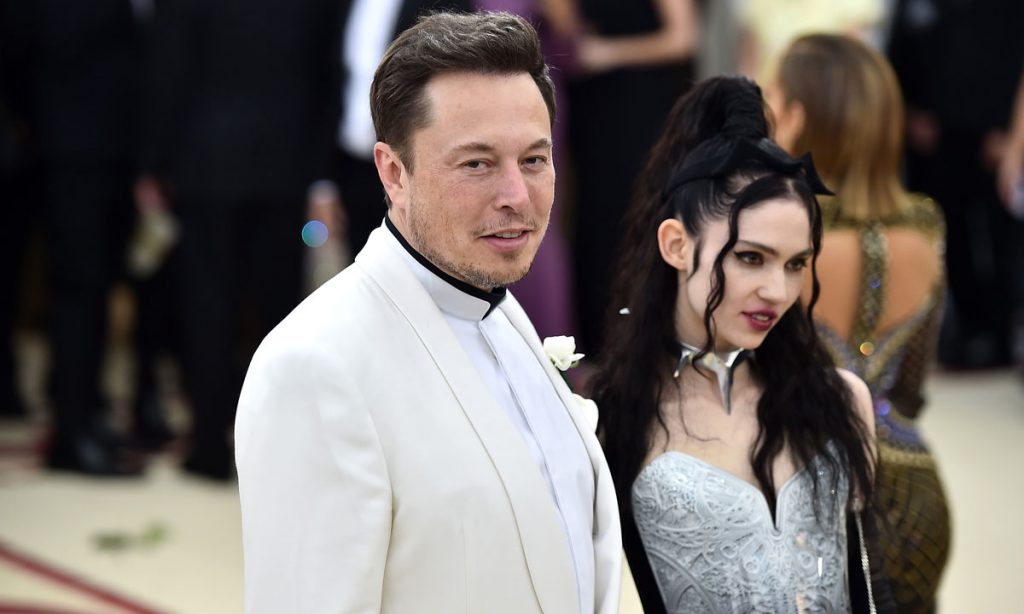
Besides being one of quirkiest couples, Grimes and Elon Musk are brand new parents. Do they smoke weed?
Claire Boucher, aka Grimes, is a pretty great singer and creative force, with a lot of weirdness to spare. She’s also one half of one of the world’s strangest celebrity couples along with Elon Musk, who is the head of SpaceX and co-founder of Tesla. But most notably, he’s just a very annoying person. The assumption is that they’d be open to just about anything. Does that include marijuana?
Despite having the popularity and numbers of a pop star, Grimes is unlike her counterparts. She’s private, hates the term “popstar,” and all of her music seems to be made with a message — weird ones that tackle communism and disturbing artificial intelligence.
Interviews with her tend to go in strange directions, where she provides no clear answers on her personal ideology or position with marijuana.
In a 2015 profile on NME, Grimes said: “I smoke weed sometimes. I shouldn’t talk about that.” When asked about her reputation for being anti-drugs, she denied it. “When the internet is like: ‘Grimes is on a tirade, hates drugs,’ I’m never actually on a tirade. In my life generally I’ve been cleaning up a lot. It [drug use] becomes exhausting.”
Photo by Theo Wargo/Staff/Getty Images
Elon Musk has a sort of past with marijuana, in particular, a now infamous interview on the “Joe Rogan Experience” that even has a special section on his Wikipedia page. During the podcast, Musk smokes a cigar laced with cannabis and talks about his experience with weed. When asked about how often he smokes weed, Musk said: “Almost never. I know a lot of people like weed and that’s fine, but I don’t find that it is very good for productivity… not for me.”
Musk was badgered by media outlets after the weed smoking interview, later having to clarify that he doesn’t even know how to do it correctly. “I do not smoke pot, as anyone who watched that podcast could tell, I have no idea how to smoke pot,” Musk said during an interview on “60 Minutes”. “ I don’t know how to smoke anything, honestly.”
After doing some research, it’s obvious that Grimes and Musk have a strange relationship with marijuana, almost like they’re a generation behind on their views regarding the drug. Most adults nowadays view weed as just weed; it’s not that serious.
Over a span of five decades, the DEA has maintained a research monopoly over limited amounts of standardized cannabis cultivated by a single academic institution.
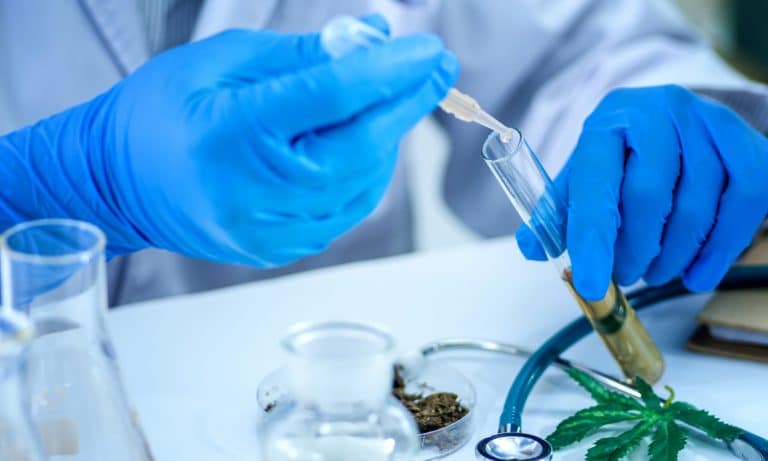
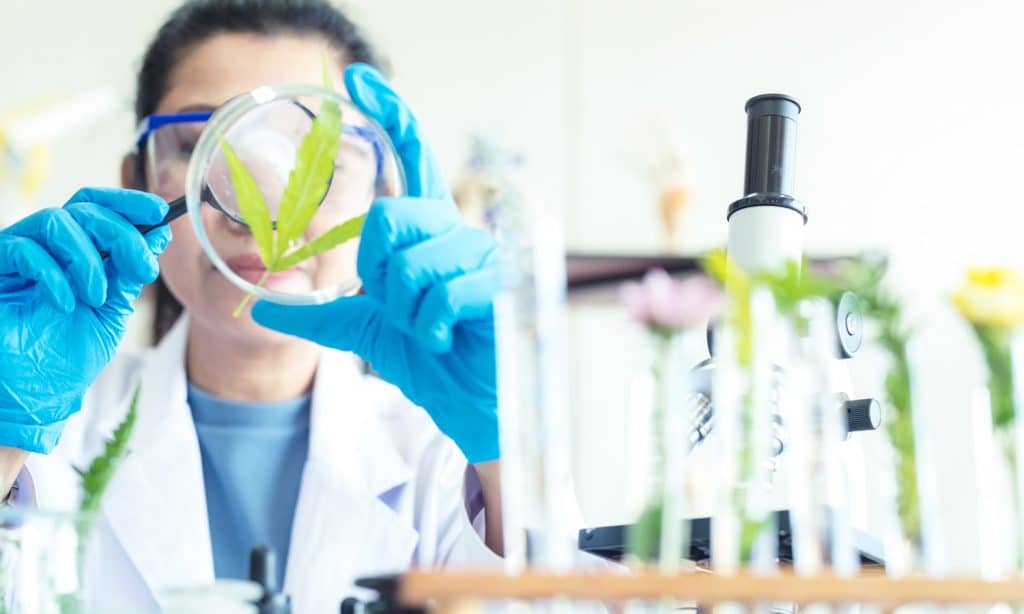
One of the main reasons why “marijuana” remains a federally illegal, Schedule I controlled substance is that, according to the Feds, it has no currently accepted medical use. At the same time, because of the federal illegality of cannabis, the federal government has routinely denied third party requests for further research in regards to its potential medical benefits, among other health and safety impacts.
What you may not know is that the federal government actually has its own stash of cannabis for limited patient distribution and limited research purposes that it houses at the University of Mississippi (a/k/a) Ole Miss in Oxford, Mississippi. One of the loudest cries from the scientific community didn’t just regard an overall inability to engage in firsthand research of cannabis but also that the cannabis produced at Ole Miss likely wasn’t up to snuff or diverse enough to reflect what’s actually in the state-licensed marketplaces being realistically used by consumers (since the kinds of cannabis cultivated at Ole Miss must meet the “legal and safety requirements of both DEA and FDA”), making federal-sanctioned research and conclusions considerably dated and potentially irrelevant and/or biased.
Under the 1961 international Single Convention on Narcotic Drugs (“Single Convention”) and the Controlled Substances Act (“CSA”), the federal government is the single “agent” permitted to generate cannabis for research purposes. Ole Miss got the cannabis study and research cultivation gig from the DEA (via a contract with the National Institute on Drug Abuse (NIDA)) in 1968. This was before implementation of the federal government’s Compassionate Investigational New Drug Program (CINDP), which Ole Miss’s grow now serves in addition to its research. Administered by NIDA, CINDP allows the Feds to distribute cannabis grown at Ole Miss to a very small list of people in the United States for medical use. As of December 2019, there are only two patients on the coveted list and no new entrants are permitted.
The federal bid (which comes up every 5 years) to cultivate cannabis for federal research and drug trials is supposed to be a competitive one. Ole Miss’s website on cannabis research states:
Funded first by the National Institute of Mental Health (NIMH) and later by [NIDA] [Ole Miss] has secured this competitive contract every three to five years [since 1968] under an open solicitation process based on its proven capabilities of providing pharmaceutical-grade marijuana and marijuana-derived materials to NIDA’s Drug Supply Program. These cannabis products are used by researchers in the U.S. for various studies, including FDA-approved clinical trials.
Seemingly, over a span of five decades, the DEA has maintained a research monopoly over limited amounts of standardized cannabis cultivated by a single academic institution in a very limited agricultural setting (per Ole Miss, it cultivates a little over 1,100 pounds from outdoor efforts and 22 pounds from indoor cultivation).
Photo by Wanida Prapan/Getty Images
In 2016, the DEA finally shifted to different treatment around expanded research efforts into cannabis beyond Ole Miss. Specifically, in August 2016, the DEA published in the Federal Register a policy statement “. . . designed to increase the number of entities registered under the [CSA] to grow (manufacture) marijuana to supply legitimate researchers in the United States.” This change appeared to be a significant victory for scientists and researchers who for years tried to get the DEA to approve their cannabis research, but it took three years and a June 2019 federal lawsuit by the Scottsdale Research Institute (SRI) against the DEA to even get remote traction on the ability to undertake cannabis research sanctioned by the DEA. The DEA continued to drag its feet, though, and eventually the federal appeals court demanded that the DEA explain why it wasn’t moving to approve additional cultivation research applications.
In response to the litigation from SRI/the demand from the court, the DEA announced that it would actually undertake rulemaking to manifest its 2016 policy statement and that rules would need to be developed around expanding research efforts before any 2016 cultivator application would be considered. Given the DEA’s response, the court ultimately dismissed the lawsuit as moot.
Fast forward to March 2020, and the DEA finally revealed its new rule around expanding D (see here, too). We’re currently in the 60-day public comment period on the new research rule, which will conclude later this month.
The research drama continued this year as SRI went to bat again in court against the DEA. This time the attack was centered around SRI’s Freedom Of Information Act (“FOIA”) request regarding the DEA’s three-year delay in approving cannabis researcher requests outside of Ole Miss. Specifically, SRI alleged in its FOIA suit that the Department of Justice’s Office of Legal Counsel (“OLC”) took the position in a 2018 confidential memo that the DEA, essentially, could never honor its 2016 policy statement due to international drug treaty restrictions under the current DEA research licensing/approval regime.
More specifically, the OLC opined that NIDA and the DEA both overseeing the cannabis cultivation and research process violates the Single Convention, as does the fact that neither NIDA nor the DEA take title to the federally-sanctioned cannabis (the point of the Single Convention is to have a single agency in charge of the federally-sanctioned cannabis monopoly supply chain). In turn, the DEA knew in 2018 that it would need to engage in significant rule changes to remedy the issues pointed out in the OLC memo. The FOIA case was settled at the end of April of this year.
In the end, although it seems to have been a time-consuming battle, the DEA is finally taking formal steps not only to come into line with the mandates of the Single Convention but to also create a formal, legal pathway for expanded research into cannabis for non-Ole Miss researches and scientists. I have no doubt that further debate and even disputes may arise over the proposed DEA rule (which could take several more months to finalize and maybe even years to actually implement), but the advent of rulemaking is a big victory for the cannabis research community, and one that’s been a long time coming.
When you leave a royal palace, where to next? If you’re Prince Harry and Meghan Markle, you manage to find solace at a sprawling Los Angeles compound.
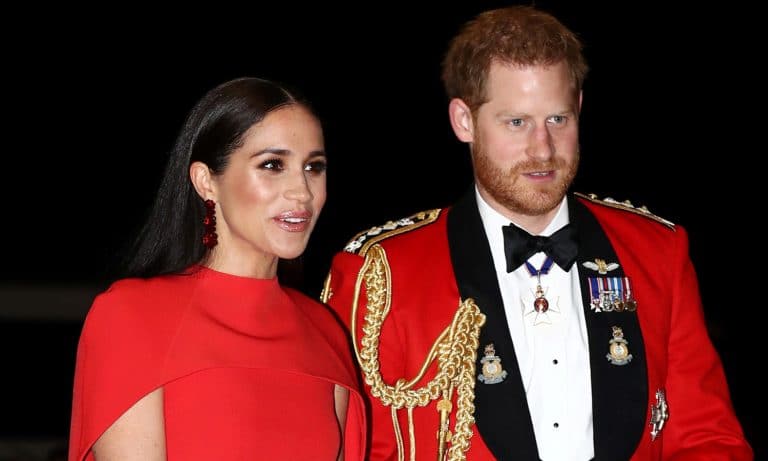
Prince Harry and Meghan Markle have been in Los Angeles now for a hot minute and they’ve already landed a palatial home that rivals Kensington Palace.
The Daily Mailreports the Duke and Duchess of Sussex are staying in Tyler Perry’s 8-bedroom, 12-bathroom Tuscan-style villa perched on a hilltop overlooking 22 acres in the “ultra-exclusive” Beverly Ridge Estates.
The couple, who announced in January that they’d be stepping away from their royal duties, are believed to have met Perry through their mutual friend Oprah Winfrey.
Harry and Meghan are currently working on a documentary series with the media mogul, while Perry has partnered with Oprah’s OWN television network in the past and the two are close friends.
Oprah is also believed to have given one-year-old Archie (who just celebrated a birthday May 6) some children’s books, including “Duck! Rabbit!”, which Meghan read in a recent video:
https://www.instagram.com/p/B_2ktugJWtX/
Sources revealed to The Daily Mail that the royal-ish family have been living with Perry since moving to L.A. in late March.
A source told DailyMail.com that the couple’s choice in location seems to have been based on security:
‘Meghan and Harry have been extremely cautious to keep their base in LA under wraps.
‘Their team helped them choose the location for their transition to Los Angeles wisely.
‘Beverly Ridge has its own guarded gate and Tyler’s property has a gate of its own which is watched by their security team.
‘Beverly Ridge is an excellent place to keep out of view. The neighbors are mostly old money and mega rich business types rather than show business gossips.
‘It goes without saying that the location is stunning – just one of the most beautiful and desirable areas in LA.’
While this lavish hideout would be a score for anyone house hunting, it’s still not clear if Meghan and Harry are staying with Perry as guests or renting the property, “but there is no record of the mansion having been sold,” reports The Daily Mail.
The federal government is now beginning to appreciate more fully the economic power of this industry to create tax revenue and, just as importantly, jobs.
By Nick Kovacevich, CEO of KushCo Holdings Inc
From airlines and hotels to restaurants and bars, nearly every major industry has been severely hit by the COVID-19 pandemic. Yet, one industry is not only navigating the pandemic-related challenges relatively well, but also is positioning itself for a monumental change that will unleash its tremendous growth potential. I’m talking about the U.S. cannabis industry and how the COVID-19 pandemic is accelerating the industry’s growth. COVID-19’s impact on the cannabis industry proves national legalization is near.
As it stands today, cannabis is federally illegal in the U.S., defined by the federal government as a Schedule 1 drug, along with heroin and LSD. Yet, 34 of the 50 states, including Washington D.C., have legalized some form of medical and/or recreational cannabis use, with many others making significant progress in decriminalizing cannabis and expanding its legal access to consumers. And for the states that have already legalized cannabis, especially for adult recreational use, billions of tax dollars have been generated, with much more to come. Take California, for example, which has generated more than $1 billion of total tax revenue since adult recreational use was made legal in January 2018. Or Colorado, which also exceeded that milestone in 2019, five years after the state had become the first to legalize cannabis.
This all points to the economic power of this industry to create tax revenue and, just as importantly, jobs—something that many governments, including the federal government, are now beginning to appreciate more fully, as it struggles to cope with a ballooning budget deficit and a staggering 30+ million people applying for unemployment as a result of the pandemic.
We are seeing this increasingly broad support of cannabis’ economic and social potential on many fronts, from a vast majority of states deeming it to be an essential business that’s allowed to remain open despite wide-sweeping stay-at-home orders, all the way to bipartisan legislative efforts to ensure the industry has access to federal economic relief packages. When the Coronavirus Aid, Relief and Economic Security (CARES) Act was signed into law on March 27, it specifically prohibited businesses that are illegal at the federal level—including cannabis—from accessing the $350 million loan program.
Yet, just two weeks after that historic bill was signed into law, nearly three dozen members of the U.S. House of Representatives signed a letter addressed to congressional leaders urging that cannabis companies should be included in the next round of federal relief packages aimed at boosting the economy. This bipartisan letter emphasized the cannabis industry’s critical role in the U.S. economy, employing nearly 240,000 Americans and creating nearly $2 billion in tax revenue in 2019 alone.
Photo by zhangshuang/Getty Images
As many participants in the industry would say, “cannabis is no longer emerging, it’s essential.” And the overwhelming majority of U.S. adults agree, according to a survey from the Pew Research Center, with 91% of those surveyed believing that cannabis should be legal either for medical or recreational use—a number that has significantly increased in recent years as the health and recreational benefits of cannabis have become better understood, accepted, and adopted.
So, it’s fair to assume that, at least in the near-term, the federal government will be laser-focused on containing this pandemic, supporting those who have been deeply affected, and keeping the economy afloat. However, once we start to move past these near-term issues, the U.S. government will look more deeply at the bigger issue of how we can reenergize our once booming economy and labor force—and legalizing cannabis at the national level will undeniably be an indispensable tool to solve that problem.
Nick Kovacevich is the CEO of KushCo Holdings, a publicly traded company that has sold over a billion vape devices.
A small subset of city-housed homeless have received alcohol, marijuana, and methadone to treat their addictions amid coronavirus quarantines.
To prevent transmission of the coronavirus and alleviate stress on vulnerable populations, San Francisco has housed its homeless in city-leased hotels. But one social media user discovered the city is also providing alcohol, tobacco, marijuana, and other substances for those recovering from addiction.
San Francisco’s Department of Health confirmed the program on social media, and stated these substances were not being paid with taxpayers’ money.
“These harm reduction based practices, which are not unique to San Francisco, and are not paid for with taxpayer money, help guests successfully complete isolation and quarantine and have significant individual and public health benefits in the COVID-19 pandemic,” the DPH wrote.
These harm reduction based practices, which are not unique to San Francisco, and are not paid for with taxpayer money, help guests successfully complete isolation and quarantine and have significant individual and public health benefits in the COVID-19 pandemic.
The DPH later clarified these substances are given in “limited quantities,” paid through private funding, and administered by physicians to SFGate. When homeless enter the city’s hotel housing, they receive health screenings that include substance addiction inquiries. Health officials then provide those living with an addiction the option to quit using or help to reduce their use.
San Francisco also supplies methadone to those recovering from heroin or opioid addiction. More than 700 homeless live in the city-leased hotels, according to the city’s data tracker.
Photo by suyashdixit via Pixabay
“They’re doing San Francisco a great service by staying inside,” Jenna Lane, a spokeswoman for the Department of Public Health, told the San Francisco Chronicle. “We’re saying, ‘We’re doing what we can to support you staying inside and not have to go out and get these things.’”
Among those living in hotels, those given substances represent a small subset. Only 11 people in quarantine have received alcohol and 27 were provided tobacco. Five individuals had help coordinating medical marijuana delivery. Despite some pushback, the city worries about possible alcohol withdrawal and calculates how much to administer.
“For those guests, the DPH medical staff are calculating the minimum medically appropriate amounts of alcohol and distributing it with meals,” Lane said. “Alcohol withdrawal is the only one you can die from.”
Outdoor workouts are very important in the midst of the pandemic, but we should prioritize other people’s health and comfort.
Guidelines and perceptions of outdoor workouts are changing rapidly, with some claiming they’re necessary and with others believing that staying at home whenever possible is vital in order to prevent the spread of the coronavirus. Both statements are true.
While everyone has their own opinions and ways of feeling safe, experts believe that outdoor runs are good for people’s mental and physical health. Still, it’s very important for runners to be extra careful, ensuring that they’re running alone, not crowding streets and timing their runs for when there’s not a lot of people outdoors. This is crucial if you live in a city with a lot of pedestrians.
Here’s what experts are saying about outdoor workouts and the coronavirus:
In states where face masks or coverings are being enforced, even runners should comply with these rules. Although running with a mask sounds like a nightmare, making it harder to breathe, it’s important to comply with your state’s rules in order to be considerate to others and avoid getting a ticket. Wet face masks might not be the most effective at containing sneeze and cough droplets, so try to find the most comfortable covering you can manage.
6 feet of distance is important
Photo by RUN 4 FFWPU/Pexels
Runners naturally move faster than people who are walking, making it their responsibility to be mindful of other people’s space. When stumbling upon crowded parks and streets, it’s best to look for other spots to run, preferably those that are vacant. If pedestrians are walking by, runners should stop and let them pass, ensuring that a distance of 6-feet is between them and others at all times.
Part of the magic of running is developing a routine and running on your favorite trails. These trails and parks tend to get crowded, which is why some people take issues with runners during the pandemic. In order to protect yourself and others, try looking for new trails to run through, even if they’re not as comfortable as your usual routes. Keeping your distance from others is worth the momentary hassle.
Issuing an Emergency Use Authorization (EUA) to allow hydroxychloroquine and chloroquine products, the FDA is looking to offer guidelines and insight.
“We understand that health care professionals are looking for every possible treatment option for their patients and we want to ensure we’re providing them with the appropriate information needed for them to make the best medical decisions. While clinical trials are ongoing to determine the safety and effectiveness of these drugs for COVID-19, there are known side effects of these medications that should be considered. We encourage health care professionals making individual patient decisions closely screen and monitor those patients to help mitigate these risks. The FDA will continue to monitor and investigate these potential risks and will communicate publicly when more information is available.” — Stephen M. Hahn, M.D, FDA Commissioner As controversy heightens around potential treatments for COVID-19, government agencies and drug manufacturers are scrambling to find up-to-date, quality information regarding authorized use.
In late April, The U.S. Food and Drug Administration offered clarification around the known side effects of two antimalarial drugs, hydroxychloroquine and chloroquine. With complications including various heart conditions, the FDA is both educating health care professionals and showcasing the risk of using the drugs in treating COVID-19, which is considered off-label.
Issuing an Emergency Use Authorization (EUA) “to allow hydroxychloroquine and chloroquine products donated to the Strategic National Stockpile (SNS) to be distributed and used in limited circumstances, such as for certain hospitalized patients with COVID-19,” the FDA is looking to offer guidelines and insight.
Photo by Anna Shvets via Pexels
The EUA states three main points:
These drugs are available from the SNS to treat adolescents and adults hospitalized with COVID-19 as appropriate
The FDA is mandating that fact sheets accompany the treatments to healthcare providers. These fact sheets will offer known risks, drug interactions and appropriate monitoring protocols.
The two drugs hydroxychloroquine and chloroquine are FDA-approved and often treat malaria overseas as well as treating rheumatoid arthritis and conditions such as lupus. While not proven effective against COVID-19, studies are underway to investigate the drugs’ efficacy and whether there are benefits for individuals overcoming the virus.
To better understand the FDA’s EUA on hydroxychloroquine and chloroquine, head to their website.