Zoom use has spiked dramatically thanks to the pandemic, with most people using the video service for hangouts with friends and even sex parties.
Online nudity has always been a problem, with most companies applying restrictions in their services as a way of protecting themselves from backlash. Zoom, the video conference app that has experienced a pronounced rise in usage since the start of the coronavirus pandemic, is the latest service to enforce measures that aim to control nudity.
Zoom was initially designed to host business meetings, but the pandemic has thrown their business model out of wack. Data from the month of March shows that there’s over 200 million daily users logged into the app. For reference, before the pandemic struck the U.S., Zoom had 10 million users.
It’s an understatement to say that the app’s scope has expanded, with people logging on to not just host business meetings, but to drink with friends, catch-up with family, attend school sessions, get married and…you know, hold sex parties.
In an interview with Rolling Stone, a representative from Zoom explained that the app’s user policies “prohibit any obscene, indecent, illegal, or violent activity or content on the platform.” The spokesperson then explained that Zoom is primarily a business app, one that uses machine learning and other tools at their disposal to ensure that users are complying with guidelines. They’re also encouraging people to report and flag this kind of behavior.
Although Zoom didn’t explain how they monitor people’s video chats, different experts report that Zoom video chats are not stored on the platform unless the host is recording the meeting. They also claim to have a signal with end-to-end encryption, meaning that there’s likely no way for the company to monitor calls.
Nudity has never been a black and white issue, much less on the internet, where companies tend to take measures that sometimes backfire. Zoom is currently battling a host of issues, ranging from trolls that bomb Zoom meetings with racial and homophobic slurs, to encryption problems that make photos, emails and chat leaks possible. Consenting adults that are venting their frustrations with the pandemic through digital sex parties don’t seem to be the right problem to focus on.
If you’ve never worked out while high, now is probably the best time to try if you’re stuck at home.
Despite the limited space and added stress of the pandemic, quarantine has inspired a lot of people to work out. This is awesome news and is also the perfect opportunity to try out new routines and workouts that you’d never considered before. Why not try out a dance class? Who cares if your neighbors catch glimpses of your awkward moves.
Now that our workouts are limited to the comfort and restraint of our homes, it’s the perfect time to mix things up. Here’s why you should try smoking weed before choosing your next online workout video:
A 2019 study published in the journal Frontiers in Public Health found that people who consume weed before exercising tend to have longer workout sessions. Participants who consumed marijuana said that the drug helped them get motivated to work out and made the activity more enjoyable. On average, marijuana users worked out 2.5 hours more on a weekly basis than those who didn’t consume weed before or after working out.
It’s the perfect time to try out new activities
Getting high and working out in a public setting (gym, yoga class, etc.) sounds fun, but also totally daunting if you’ve never worked out while high. Working out from home gives you the chance to manage how much weed you consume while also providing some peace of mind because you’re alone and won’t be embarrassed. Start off slow and see how you feel, trying out different workouts until you find something that fits.
Marijuana alters our relationship with time. When working out from home there’s no need to worry about having to share weights with someone or limiting the amount of cardio you put in. If you spend more than two hours working out alone at home, good for you.
You won’t have to worry about other people
The worst part about trying out a new activity while high is worrying about what other people might be thinking. Working out is already a vulnerable thing to do, especially if you’re training new muscles or trying out new routines. Being at home provides a safety net of sorts; even if the weed distracts you too much from your workout, you’re still someplace that’s safe and comfortable.
Considered a neuro-supportive and nootropic herb,ashwagandha promotes healthy cognitive function and supports healthy nervous system function.
Plants have been relied upon as medicine since the beginning of time.Plant medicines like ayahuasca, psilocybin, cannabis, and ibogaine have shown huge promise in treating conditions such as post-traumatic stress disorder (PTSD), opiate addiction, nicotine addiction, alcoholism, anxiety, and depression.
Another medicinal plan is getting a lot of attention lately: ashwagandha.
Ashwagandha History, Benefits, and Forms
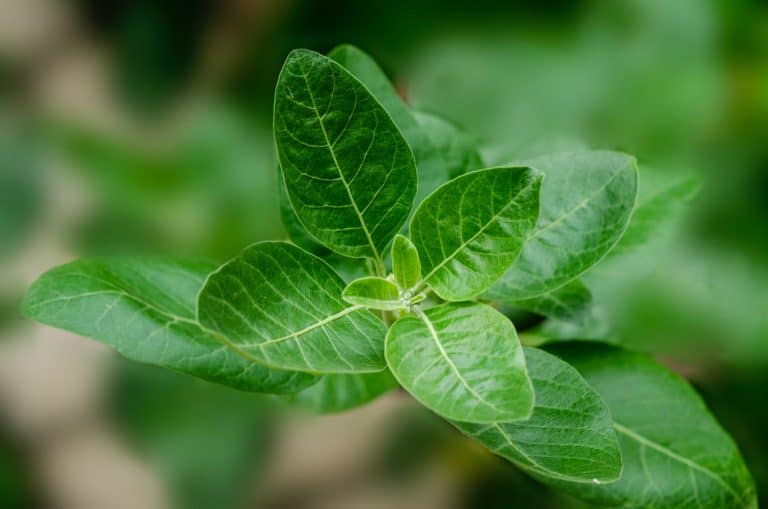
Classified as an adaptogen (it can help your body manage stress), ashwagandha is anancient medicinal herb supported by science. It’s an herb known throughout the Indian Ayurvedic system of medicine as a Rasayana (tonic). The plant’s home originated in India, Middle East, Northern Africa and now the United States where it thrives in mild climates like Oregon.
Ashwagandha is a winter cherry, a part of Solanaceae nightshade family — the same family as the tomato. Considered a neuro-supportive and nootropic herb,ashwagandha promotes healthy cognitive function and supports healthy nervous system function. There are benefits that this plant offers, that science has proven, including:
Reduces blood sugar levels
Has anti-cancer properties
Can reduce cortisol levels
Helps help reduces anxiety
May help treat depression
Can boost testosterone and fertility in men
Helps increase muscle mass
May help lower cholesterol and triglycerides
Can improve brain function and memory
Photo by JGI/Jamie Grill/Getty Images
Regarding depression, this is whatNCBI found from a 60-day study:
64 stressed adults, who took 600 mg of high-concentration Ashwagandha extract per day, reported a 79% reduction in severe depression, while the placebo group reported a 10% increase.
Ashwagandha forms and consumption methods vary. It can be consumed by liquid tincture, capsules, tea, and powder.
Ashwagandha and Cannabis Combined
The benefits of combininghemp CBD and ashwagandha are said to enhance the therapeutic potency of both plant-derived extracts. Combined, they make each other more effective than they are when taken individually. Ashwagandha and hemp CBD roots are natural allies for maintaining an optimized state of equanimity.
It is said that ashwagandha can ground an intense THC high due to its grounding effects. Because it’s an adaptogen, it helps with anxiety by impacting our adrenals. Adrenals manage our physical response to stress, therefore, grounding the intensity.
Ashwagandha has beenstudied and clinically reported to help manage and balance a range of physical, mental, and sexual sensitivities. Those suffering from stress, cognitive function, sexual performance difficulties, depression, anxiety, inflammation, cancer and a host of other difficulties, may find relief in consuming ashwagandha.
Pandemic-related stress is causing serious problems for some couples, which could result in divorce when all this is over.
Stress is common when quarantined, popping up at random times, like when you wake up or when you’re faced with a huge stack of dirty dishes. Stress can quickly evolve into an argument when isolating with a partner, something that has given family and couple therapists lots to work with. Some therapists believe divorce rates will increase once quarantine is over, like it’s occurring in China.
The fact that there are no distractions and that people are very bored means that it takes a lot of self-control to prevent blowouts over random situations. Differences in how people react to the pandemic are also causing strains in relationships, with financial burdens making them worry about their savings and future or with one partner acting more nonchalant than the other when it comes to the health risks posed by COVID-19.
Couple therapists are reporting more arguments and are advising patients to avoid making any rash decisions during quarantine. They even argue that a pandemic is the perfect setting for working out issues with a partner, especially the underlying ones that have remained unaddressed for years.
Photo by rawpixel.com
Quarantine life isn’t the same as normal life, and it’s unfair to judge your partner as severely on their behaviors when everything is thrown out of sync. There’s also the fact that even if you break up with your partner you’d have to continue to quarantine with them or find some way of moving to another place while a pandemic is going on, which sounds complicated and possibly dangerous.
At some point couples will return to their normal lives, having more time for themselves and spaces to process their issues, whether that’s in the office, at the gym or while hanging out with friends and family.
Of course, for there to be success among couples in quarantine, both partners must put in the work and address their issues. There also has to be a relatively strong foundation in the relationship to work with. If someone’s marriage was hanging on by a thread, the pandemic is certainly not going to make things easier for them.
Elliott Gould discussed his past drug use in a new interview, including marijuana, mescalin, and more.
How you were first introduced to Elliott Gould has almost everything to do with your age, and a little to do with your taste in culture. If you grew up in the 70s, you probably remember him on M*A*S*H or the private detective Phillip Marlow in Robert Altman’s The Long Goodbye. Those of Generation X and millennials likely first consider Gould as Ross and Rachel’s dad in Friends or perhaps part of the gang in Steven Soderbergh’s Oceans flicks.
That distinction flares up in a recent Guardian interview where Gould discusses his up-and-down-and-up-again career, his failed marriage to Barbra Streisand, and his past drug use. In response to whether he had a drug problem, Gould told the Guardian: “I had a reality problem.” But it was his follow-up response that went viral this week.
“Of course I smoked marijuana,” he told the Guardian. “I don’t do that now, because I’m centered and balanced and I don’t want to alter that.”
His candidacy may have surprised younger folks, but anyone who knew the Elliott Gould of the 70s, this news would come as no surprise. According to Barbra Streisand’s biography, Gould escorted Barbra Streisand to the 1969 Academy Awards, although the married couple had recently separated. Upon his arrival, Streisand realized Gould had been smoking marijuana. A friend said Gould’s “tell” when high was that he’d tug on his ear twice every time the camera cut to the couple
Photo by Michael Ochs Archives/Stringer/Getty Images
“If one understands himself, there can be no harmful effects in using it. Marijuana doesn’t make me do anything that I wouldn’t be capable of doing otherwise,” he said. “I find it far more pleasant than drinking, less messy and more private. I never had the patience to sit in a bar and drink. Having a joint is far more economical and more immediate. I’m able to switch into certain inner places with marijuana. I’ve also taken a couple of trips that have been incredible.”
Ah yes, a couple of trips. As Gould told the Guardian, he did experiment with “mind-altering drugs” like psilocybin mushrooms, LSD, and mescaline. “I had some experience with that and did some work behind it,” he told the publication. He expanded on those experiences 50 years earlier in Playboy.
“Last year, I took mescaline and then went to Disneyland, of all places,” he said. “I sat there for hours and watched the Indian dancers who go on every 20 minutes. They came out of a tepee led by a guide who carried a microphone. I was able to better understand just how crassly commercial their routine was and why it sickened me. It was very illuminating.”
Elliott Gould may not relive his past experiences as he once did, but you can be certain he had his fun in the sun. If you were a Gould fan in the 70s, you probably already knew that.
Long hours spent sitting down in front of a computer can lead to body aches and health issues. Here’s how CBD can help.
People in the U.S. have been following social distancing guidelines for about a month. The more that time passes, the more people get used to quarantine and let go of the strict schedules and habits, leaving room for more hours spent sitting down in front of screens and an off sync sleep schedule. This takes a toll on everyone, even on people who continue to exercise regularly and to eat healthy foods.
An achy body is not a fun thing to deal with. Even in a normal situation, body aches are ailments that are hard to deal with, requiring patience, visits to the massage parlor and even medication if the condition becomes chronic. When in quarantine, you likely don’t have access to these kinds of things, which is why CBD could provide some help.
Different studies show that CBD is effective when it comes to treating different kinds of pain, whether they’re chronic, due to inflammation or headaches. Most people use CBD topicals to treat these kinds of issues, even if some report success when using ingested oils.
Photo by Pharma Hemp Complex via Unsplash
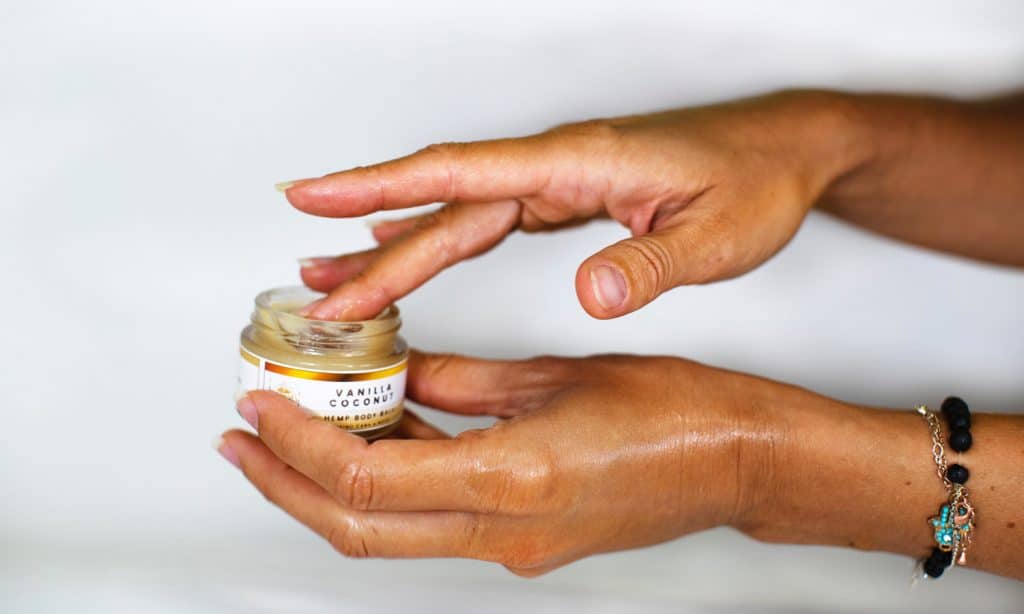
CBD topical oils and creams can be used to treat localized pain, such as achy joints or muscle strains due to sitting down for long hours, being hunched up in front of your computer or pulling something will trying out a new workout. Some anecdotal evidence also says that applying these oils to the sides of your head can mitigate headaches.
When it comes to chronic pain or the kind of pain that flares up in different areas of your body, you can try ingesting CBD oil, which might also make you feel more relaxed. Pair this with different activities such as muscle stretches, yoga and other medications, and you’ll quickly find relief and a healthy way of spending your hours.
Don’t be afraid to try out new products, such as CBD roll ons or CBD massage oils. Do your research and take advantage of the discounts that are appearing throughout April. Look up simple ways to massage your joints and remember to stay active. Once the quarantine is through, you might have picked up a habit that will allow you to lead a more relaxed life and you might have also helped a small business make it out of a tough situation.
Famous people celebrate 4/20 just like the rest of us under quarantine: online through social media.
If you weren’t sure whether your favorite celebrity consumed marijuana, you better check their social media feeds. Because on 4/20, plenty of artists, influencers, and famous folks couldn’t help sharing how they were celebrating the famous cannabis-centric holiday.
Then again, this is an event that is communal by nature. If you aren’t aware, 4/20 started when several California teenagers gathered to smoke joints at the same spot every day at 4:20 p.m. That concept—like-minded folks getting together for a toke—unfurled across the country throughout the 70s, in countercultural places like San Francisco, Ann Arbor, and more.
Thanks to the coronavirus pandemic, nobody can follow the usual 4/20 tradition. So instead everyone is gathering in video chats, livestreams, and more to celebrate online. If you’re not into any of that, maybe you can find some inspiration from some of your favorite celebrities below.
Happy #420FromHome. Cannabis has taught me how to slow down and shut up. I’ve become more patient and kind and probably a lot more bearable to be around. Happy 4/20, everyone. pic.twitter.com/zDOmPgS3vT
Also, Seth Rogen joined Jimmy Kimmel Live! to give an update on his life under quarantine. According to Rogen, he has been smoking “an ungodly amount” of cannabis. You can only wonder what he’s doing on 4/20.
Quarantine has many people wondering if they should alter their hair. Here’s what hairdressers have to say.
Few things represent change more evocatively than a haircut. It’s the scene from Mulan, where our title character chops her locks, that people remember the most for a reason. In real life, people visit the hair salon, bond with their hairdresser and leave feeling fresh and resolved. New bangs or a fresh bob lets people feel ready to embrace the coming stage of their lives with an added dose of confidence. Sadly, in quarantine there’s no hair salon, so it’s up to every one of us to cut our own hair or, God forbid, shape our bangs.
If you’ve been feeling the urge for change lately, you’re not alone. All sorts of people on social media have uploaded photos of their post haircut/bleached hair results, so much so that it’s become a meme. Most of the results are not pretty, but some are quite nice.
ugh all these egirls are dying their bangs pink and i’m gonna do it by like day 5 of quarantine pic.twitter.com/WwkafPOAfS
While many experts and horrified internet users are urging people not to do this, listing the many things that can and will go wrong when bleaching your own hair or when trying to shape a bob with no hair cutting experience, others are more positive and supportive. Just learn some stuff before you start cutting.
Photo by Tim Mossholder via Unsplash
“I see people trying to make the big jump from having no bangs to bangs and they end up cutting them so short and they freak out,” says hairstylist Brad Mondo in an interview with Vox. “Start off by wetting your hair, cutting it, then styling it how you usually style it. Then cut it again in the style that you would usually wear your hair.”
Changing your hair is a straightforward way of altering your perception of yourself, if only for temporary results. It’s also fun to try out new things, especially when faced with a situation that makes you realize how insignificant a bad haircut is. Hair grows back, even if it takes some time to get there.
If you’re someone who gets stressed out over changing your look yet still have the itch to go for that quarantine haircut, do some research and go for it. Purchase some cheap scissors from Amazon or acquire the proper tools needed for decent bleached hair. You can always get a buzz cut if things go wrong. That’s a quarantine thing, too.
Science indicates black market products were the culprit behind EVALI, so how do consumers vape responsibly moving forward?
In the fall of 2019, a few months before our lives were abruptly overwhelmed by the nationwide spread of the deadly Coronavirus pandemic, one of the big health care issues being reported on a daily basis was the growing number of individuals who used THC oil vaporizers, and who had been hospitalized (nearly 3,000 nationwide) with serious lung damage, at least 70 of whom died. This was a new phenomena, obviously a serious problem and one that should concern all of us, whether we use vaporizers or not. Do marijuana vapes cause lung illness?
With the benefit of a few months of hindsight, we can now better understand the cause of the vaping-related health crisis, which now appears to have largely disappeared, and how those who enjoy vaporizing marijuana oil can do so while minimizing the risk.
Vitamin E Is the Likely Culprit
According to the Center for Disease Control (CDC), the majority of those experiencing vaping-related health problems had been using vaporizers to smoke THC oil and in November they issued a finding that identified vitamin E acetate — a diluting agent sometimes present in counterfeit, unregulated vape pen products — as the primary “culprit.” While we have all become accustomed to thinking of Vitamin E as a healthful product when used as a cream for skin conditions, for example, it is a far more dangerous substance when it is heated and inhaled.
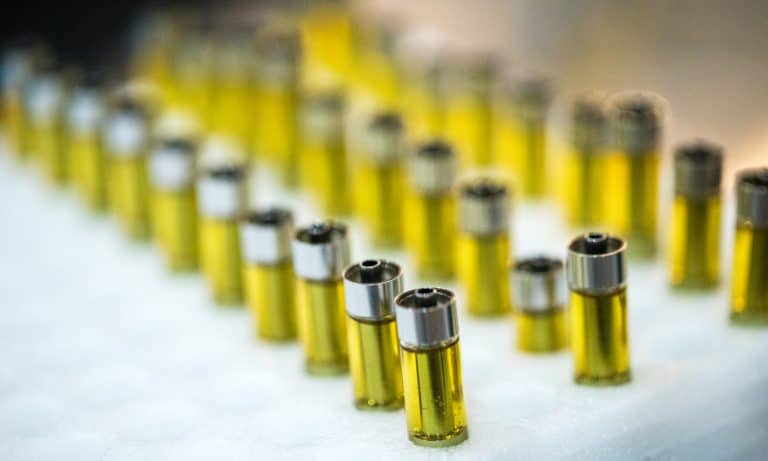
Until recently, most state health agencies did not test THC oils for vitamin E because they were not aware it was being used by some manufacturers. So some contaminated oil cartridges were apparently being sold at licensed marijuana dispensaries. Now that the problem has been identified and publicized, state labs are now testing for this adulterant and vaporizer oil cartridges bought from a licensed dispensary should now be safe.
But that is not the case with oil cartridges bought on the black market. Those have not been tested by a state-certified lab and continue to present an unacceptable health risk to the user and should be avoided.
Photo by Lepro/Getty Images
The Vaporizers
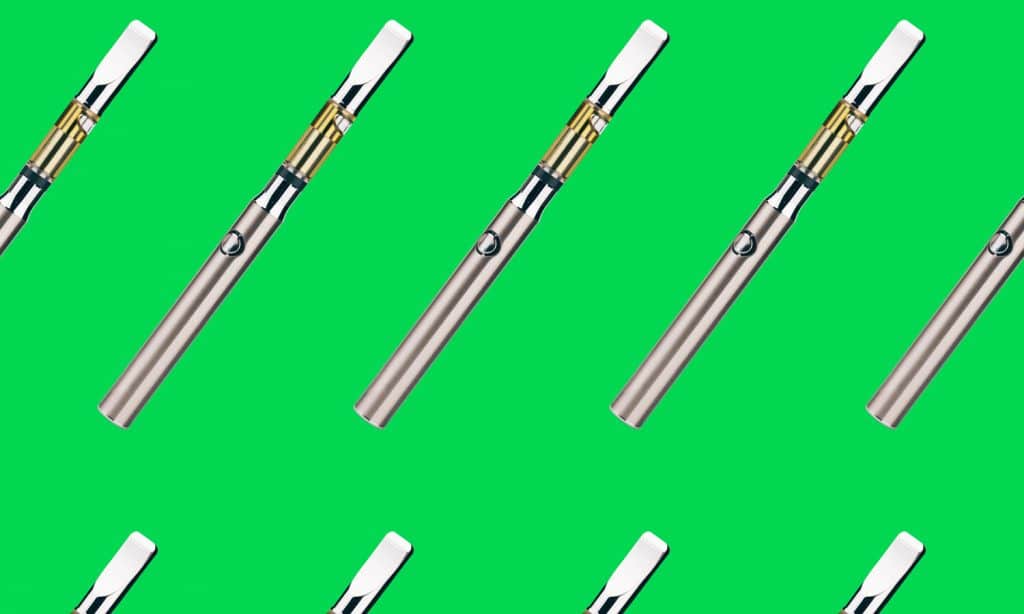
There is no evidence that vaporizers themselves if manufactured correctly, are inherently dangerous or can cause life-threatening lung damage; rather there is some evidence that vaporizers may provide a safer alternative to smoking marijuana. Some risk appears to arise from cheaply manufactured and designed vaporizers that allow for the medicine contained in the reservoir to come in direct contact with a metal heating element or the post the heating element sits on. This brings about the concern that heavy metals and other dangerous contaminants could potentially leach into the medicine through to the user in lower quality vaporizers.
This leads to the inevitable conclusion that the current vaping health crisis could best be overcome by legalizing and regulating marijuana in all of its various forms and testing the THC oils being used for any and all contaminants; including vitamin E and heavy metals. It is primarily the black market that currently permits these dangerous THC oils with contaminants to be sold to unsuspecting consumers. In a regulated market, the risk from contaminants should be minimal.
For those who prefer to continue to ingest their THC via a vaporizer that uses THC oil, they should identify a manufacturer who is carefully testing their device to be certain it is not leaching heavy metals or other dangerous contaminants and that they are not using vitamin E acetate or other potentially dangerous adulterants to achieve a viable viscosity level in the THC oil.
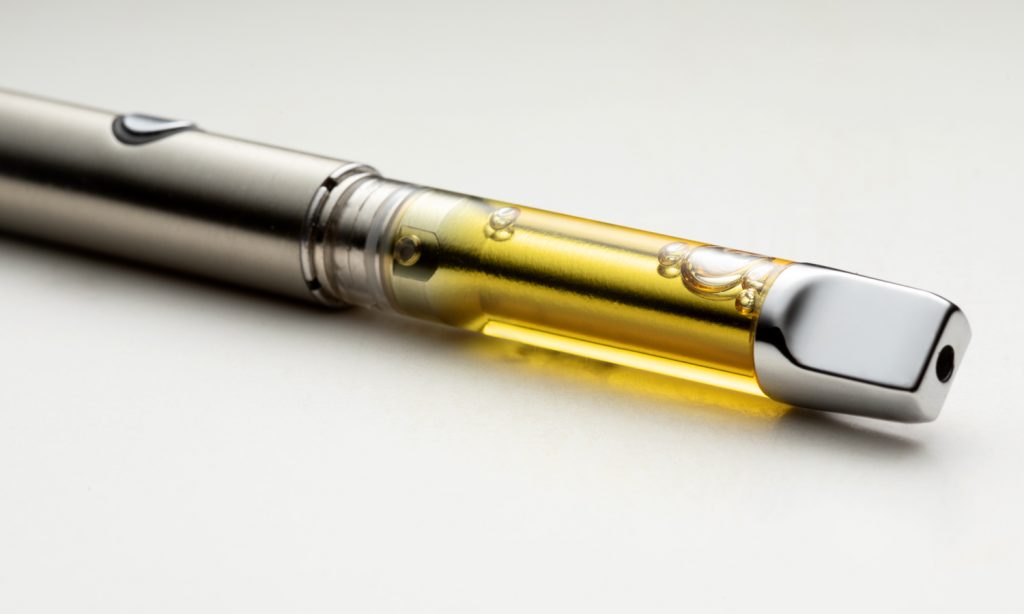
One such responsible manufacturer is Gofire, a company in which Keneh Ventures has made a substantial investment. Gofire (gofire.com) makes a true vaporizer, an inhaler that offers a measured and refreshed dose, using BPA-free, Class 6 pharmaceutical-grade plastics, abolishing concerns about heavy metals leaching into the medicine by removing the heating element from the reservoir. Gofire’s technology physically extrudes doses of the medicine from the reservoir into a separate ceramic convection oven for vaporization. By removing any metal that would come in contact with the oil they have eliminated the common industry practice of reheating the oil with each inhale. This causes degradation of the medicine, can allow harmful compounds to contaminate the medicine and can even lead to a burnt or sour taste over the lifetime of the cartridge.
Photo by Chimpinski/Getty Images
Following more than five years of research and experimentation, they launched their premium product into the market in December of 2019. Gofire has another product coming down the pipeline that takes a more mass-market approach with a lower price point while still driving the same quality and control offered in their premium product. I am hopeful this will establish a bar that other vaporizer manufacturers, as well as those who manufacture THC oil cartridges, will have to meet or exceed.
Fortunately, when consumers are made aware of a specific health concern, they will generally avoid it. The spike in news coverage of serious vaping-related lung illnesses in the fall apparently convinced many consumers to be more cautious in the products they buy and use, as this phenomenon appears to have subsided just as abruptly as it had arisen.
The authors of a recent study published in the Journal of the American Medical Association reviewing the sudden spike in vaping-related lung illness concluded their team’s findings are “consistent with the hypothesis that people have demand for marijuana products, and in states where they don’t have access to them in this regulatory fashion, they end up purchasing them elsewhere.” Let’s all commit to avoiding these types of problems moving forward by legalizing and regulating marijuana all across the country, so no one needs to risk their health by using untested and unregulated black market products.
Keith Stroup is the founder of the National Organization for the Reformation of Marijuana Laws (NORML) and serves as a Keneh Ventures Advisory Board Member.
From improving patient safety to understanding ever-changing guidelines, here are 7 vital resources that every healthcare professional and organization should have at their fingertips.
Staying on top of a pandemic is no small task. Whether you’re an administrator, HCP or organization, finding information that’s easy to access can be a feat all on its own.
While coronavirus is stretching every aspect of the nation’s health care system, many associations and organizations are partnering to elevate important information and a better level of care for all.
In a world where information is available at the speed of light, it’s important to have a curated list of up-to-date and easily accessible materials to share with your team and partners.
From improving patient safety to understanding ever-changing guidelines, here are seven vital resources that every healthcare professional and organization should have at their fingertips:
Photo by rawpixel.com
The Institute for Healthcare Improvement hosts a comprehensive guide for all healthcare professionals and organizations on their site. Broken down by job type and need, the list covers testing, administrators, healthcare facilities, reimbursement and more.
The Joint Commission Center for Transforming Healthcare offers a thorough file-cabinet-style list of curated COVID resources by subtitle. They state, “Our goal in creating this resource page is to support health care professionals and organizations on the front lines of the COVID-19 pandemic. The situation is changing rapidly, and recommendations have been changing with similar speed.”
The International Association of National Public Health Institutes offers a country-by-country list that incorporates WHO resources as well as CDC guides.
For those in rural areas, the National Rural Health Association offers a full list of COVID-related resources on their site. Focused especially on advocating for communities who are often underserved, they also offer a state-by-state Department of Health list.
The Centers for Disease Control compiled dozens of resources, curated especially for healthcare professionals and organizations here.
Keep up to date with the Food and Drug Administration’s daily briefings and COVID-19-related news here.
The National Association for Healthcare Quality (NAHQ)has a COVID-19 toolkit available to non-members. Click here to view the resources. Additionally, NAHQ has announced a collaboration with 7 healthcare associations, sharing information to get to the front-lines more quickly. These associations include:
Whether you’re a healthcare organization, practitioner or professional, ensure you have the most accurate information by bookmarking these sites. Afterall, mandates and guidelines are changing at the speed of light. Helping patients stay well is a full-time job; these resources will save time and increase efficiency.