CBD products must now meet the Clean at Sephora standard, which states that all Sephora products are clear of 50+ ingredients that don’t meet their satisfaction.
Sephora has been devoting big chunks of time and effort into the CBD industry, pursuing partnerships with small and large companies in order to sell these products as legitimate beauty compounds. This past week, Sephora announced that they were now enforcing some standards on the CBD products in their stores, ensuring that all of their products are trusted and of high quality.
“Search for CBD on Sephora.com has increased over 1000 times since 2018, so there’s clearly client interest in these kind of products. As customers are looking to navigate this growing category, we saw the need to provide transparency and quality assurance,” Cindy Deily, Sephora’s VP of skin-care merchandising, told Glossy.
CBD products must now meet the Clean at Sephora standard, a rule that was implemented in 2018 requiring that all Sephora products are clear of more than 50 ingredients that don’t meet their satisfaction. In addition to this rule, CBD beauty products in Sephora must now ensure they contain full or broad spectrum CBD, that their CBD oil is grown domestically, and that there’s testing of the product conducted by a third party. These products must also contain a Certificate of Analysis (COA), which you should always look for when purchasing CBD.
Photo courtesy of www.bargainmoose.ca/Flickr
While many retailers are selling CBD beauty products, Sephora is the first company to implement standards pertaining to the CBD products they have in stock. This development gives them an edge over competitors and protects the company from lawsuits and from gray areas within the law.
Sephora has been expanding on the partnerships with Lord Jones, Saint Jane, and Flora + Bast, distributing their products in locations throughout the country while also making them available online. Recently, the company partnered up with Prima, another beauty company that utilizes hemp.
Since there’s no word on CBD regulations from the FDA and government, it all comes down to stores and how they choose to take on these challenges. We can expect many retailers to follow Sephora’s lead and to come up with their own CBD regulations.
ALS causes the degeneration of nerves that control voluntary muscle movement, like those that allow us to chew, speak, and walk.
It strikes over 30,000 people and it tough, what you should know about cannabis and Lou Gehrig’s disease. Charlie Wedemeyer was one of Hawaii’s greatest athletes when he attended Punahou School in the 1960s. He was the quarterback for the football team, but also excelled at basketball and baseball. Charlie was named the Hawaii Prep Athlete of the 1960’s and went on to play football for Michigan State.
In 1978 Charlie was the football coach at Los Gatos High School in California when he was diagnosed with Amyotrophic Lateral Sclerosis (ALS). Like many athletes before him, including the great Lou Gehrig, Charlie Wedemeyer would find a fight he could not win in ALS.
What IsALS?
ALS (also known as Lou Gehrig’s Disease) is a fatal motor neuron disease, affecting an estimated 30,000 Americans. ALS causes the degeneration of nerves that control voluntary muscle movement, like those that allow us to chew, speak, and walk. When the nerves die, they stop sending messages to the muscles which causes gradual weakening, twitching, and wasting away.
Patients with ALS become weak, but remain quite conscious. They are completely aware of their progressive disability. Eventually, the brain can no longer initiate or control voluntary movements. Death often results from respiratory failure when the nerves that control breathing lose the ability to function.
We don’t know what causes ALS. There is a genetic mutation that affects 5 to 10 percent of patients, but most cases are sporadic with no clear risk factors or family history of the disease. Athletes and those who have served in the military have a higher incidence of ALS, but we have not been able to find a clear causal connection for this observation. ALS is recognized as a service-connected disease by the U.S. Department of Veterans Affairs.
Conventional Treatment For ALS
There is no known cure for ALS. There are prescription medications approved by the FDA to treat the disease by reducing damage to nerves or by slowing the decline of function. These drugs may prolong life, but neither drug stops the disease in its tracks.
Other prescription medications are used to treat the symptoms of ALS. Muscle cramps, stiffness, and drooling are common, as are disturbing uncontrollable episodes of laughing or crying caused by destruction of brain tissue. Pain, depression, sleep problems and constipation may also be managed by medication, some more successfully than others.
Cannabinoids: Antioxidants And Neuroprotectants
Nerve damage in ALS is caused by two significant factors: oxidative stress and excitotoxicity. Cannabis shows promise as an aid in managing some of the nerve damage, as it has been shown to generally address both factors, though specific studies on ALS and cannabis have yet to be done.
Oxidative stress occurs when there is an imbalance between free radicals and antioxidants within the body. When the production of antioxidants can’t keep up with production of free radicals, we are not able to detoxify from the free radicals’ harmful effects in the body. Cannabis is a known antioxidant and helps to decrease the nerve tissue damage that free radicals can cause.
Excitotoxicity destroys nerve tissue that has already been compromised. When nerve tissue is injured, the amino acid glutamate is released in excessive, uncontrolled amounts. This excess leads to cell death, a destructive process called excitotoxicity. CBD and THC both decrease the release of glutamate, thus sparing the neurons from excitotoxity and cell death.
The Proof Is In The Patents
These cannabinoid qualities are well-known and recognized as therapeutic. The US government filed Federal Patent #US 6630507 B1 in 1999 that specifically identifies cannabinoids as antioxidants and neuroprotectants:
“The cannabinoids are found to have particular application as neuroprotectants, for example in limiting neurological damage following ischemic insults, such as stroke and trauma, or in the treatment of neurodegenerative diseases…”
Considering the neuroprotective effects of cannabinoids and the anti-spastic effects of cannabinoids in multiple sclerosis patients, it only makes sense to consider their use in ALS. Preclinical work and some patient reports are promising.
What Research Exists?
Raman et al published a 2004 study that showed THC delays ALS progression in mice. Based on this and other compelling research data, Carter et al published a review in 2010 that called for clinical studies:
“Preclinical data indicate that cannabis has powerful antioxidative, anti-inflammatory, and neuroprotective effects. Cannabis also has properties applicable to symptom management of ALS, including analgesia, muscle relaxation, bronchodilation, saliva reduction, appetite stimulation, and sleep induction. With respect to the treatment of ALS, from both a disease modifying and symptom management viewpoint, clinical trials with cannabis are the next logical step. Based on the currently available scientific data, it is reasonable to think that cannabis might significantly slow the progression of ALS, potentially extending life expectancy and substantially reducing the overall burden of the disease.”
Managing ALS With Cannabis
THC and CBD are considered the most helpful phytocannabinoids for patients with ALS. Any clinical feedback ALS patients provide on the use and effectiveness of cannabinoid medicine will encourage further research and the publication of well-designed clinical studies.
Stacey Kerr, M.D. is a teacher, physician, and author living and working in Northern California. Dr. Kerr was in private practice until she decided to write and educate full-time. After several years working with the Society of Cannabis Clinicians, and co-developing the first comprehensive online course in cannabinoid medicine, she is now serving as the Medical Director for Hawaiian Ethos. This article was originally published by Hawaiian Ethos.
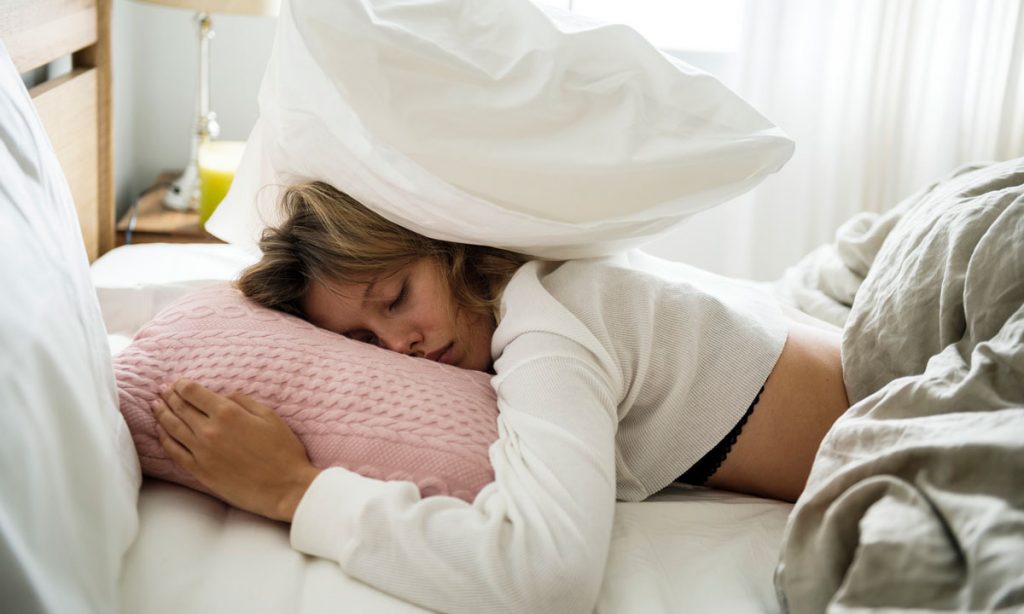
Multiple vital functions happen while you sleep. It plays a housekeeping role that removes toxins in your brain that build up while you are awake.
Anyone who has ever cared for a baby or watched someone else care for a baby knows that there are basically two primary activities that must be monitored continually. One is sleeping and the other is pooping. Both activities done on a routine schedule result in a happy baby and, in turn, a happy caretaker and family.
Insomnia, which encompasses poor quality sleep, is the #1 health complaint among Americans.
Adults are just like babies. They need routines, too. Without routines, which should include sleeping and pooping, adults are not happy campers. When clients consult with me about various symptoms and diagnoses, I work on two issues first. You guessed it: sleeping and pooping. Let’s leave bowel movements for another article and discuss sleep, why it’s important, and how to achieve it.
Multiple vital functions happen while you sleep. These dynamic processes and others are regulated by the endocannabinoid system. One of the most crucial is the functioning of the liver to detox what your body is storing. For many chronic diseases, eliminating toxins from the body can change outcomes and health dramatically. According to the National Institutes of Health, “sleep plays a housekeeping role that removes toxins in your brain that build up while you are awake.”
Another vital function of sleep is to consolidate learning and memory. This is one of the reasons why individuals who suffer from post-traumatic stress disorder, or PTSD, must have high quality sleep and frequently use cannabis to achieve this. Think about how you feel when you do not get sufficient and quality sleep. Not good.
The type of sleep that we often hear about is called REM sleep, or rapid eye movement sleep. Lesser discussed is non-rapid eye movement (NREM) sleep, which has three stages. An optimal, full sleep cycle, which features both types of sleep, should happen five to six times per night. The processes of falling asleep, staying asleep, waking up, and remaining awake are part of your circadian rhythm, which is regulated by the endocannabinoid system.
Photo by rawpixel.com
Here are a few ways that we can help our endocannabinoid systems keep our sleep cycles performing at optimal levels.
Stay on the same sleep routine every day, winding down at the end of your day. Maybe reading before bed, taking a bath, packing you bag for the next day. Whatever you do before bed, keep it consistent from day to day.
Know your caffeine tolerance. Are you someone who can fall asleep immediately after consuming four espressos or is one coffee in the morning your limit?
Do not eat just before bed and do not eat in bed. Try to have your last meal at least two hours before going to bed.
Keep your bedroom cool (under 68 degrees) and dark. Our bodies were made to follow the rising and setting of the sun. With artificial light, however, we’ve interfered with that process.
Turn off all electronic devices, including mobile phones. Use an alarm clock to wake in morning or put your phone in airplane mode.
Use blue glasses at night to block out the blue light from screens and artificial light that interfere with sleep.
Try aromatherapy. Certain terpenes found in plants, including cannabis, can aid in sleep. The most well-known sleep-inducing scent is lavender oil, which can be applied directly to the soles of the feet, sprayed on your pillow, or diffused in your room just before going to bed.
Take a bath, just like babies do. A warm bath with added Epson salts is great for sleep and easing aches and pains.
Mediate. Emptying your mind before shut eye is a great way to get a good night’s sleep.
Sleep is foundational to optimal health. It’s a one of the primary lifestyle habits that is regulated by the endocannabinoid system. Keeping your ECS functioning properly by following these tips can help you get the quality sleep that you need to stay healthy.
The surprising impact Trump’s growing anti-marijuana sentiment could have on Canadian marijuana companies.
Marijuana stocks — once a hot commodity that influenced millennials to invest in stocks again — have plummeted over the past several months. High valuations and market obstacles have caused the previously widespread capital to dry up. Multiple companies in the space have shed assets and laid off employees to deal with the cash crunch.
Cowen analyst Viven Azer downgraded Canadian-based companies like Aurora Cannabis and Tilray this week, as investors worry market obstacles won’t disappear anytime soon. Most cannabis consumers have spoken with their wallets and shown a preference toward cheap wee — it’s a decision that has damaged Aurora, which initially focused on developing high-grade product for customers. Other headwinds include lack of enough retail spaces and the persistence of the black market in legal areas.
On the other hand, Canopy Growth exists in an odd in-between state. That’s for two reasons: (a) Constellation Brands’ $4 billion investment in Canopy — which Azer argues has helped the company maintain a healthy balance sheet — and (b) Canopy’s play for the U.S. market. Last April, Canopy agreed to acquire U.S.-based Acreage Holdings for $3.4 billion.
There’s an important catch, though. The deal only goes through when marijuana becomes federally legal in the United States. That doesn’t mean Canopy will lose $3.4 billion if legalization fails to materialize. Canopy instead made a $300 million payment up front to Acreage, which the latter gets to keep should the deal fall apart.
Photo by Win McNamee/Staff/Getty Images
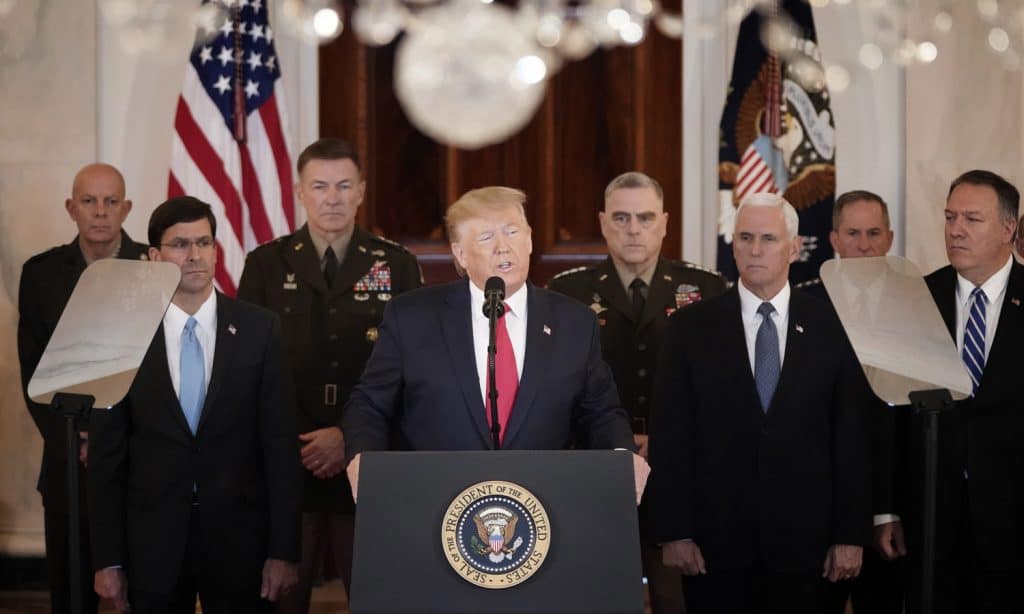
All of which means Canopy would likely prefer if Donald Trump wasn’t re-elected this year. This is not a reflection of the company’s politics, just its business. Close watchers of the Trump Administration have noticed a new anti-marijuana sentiment brewing in the White House over the past several months. Whereas Trump previously voiced support for the STATES Act—which would protect states with legal marijuana from federal prosecution—recent actions indicate something changed for the President.
Trump announced he would remove a rider provision from the upcoming 2021 budget that protects medical marijuana programs from Justice Department interference. (One congressman announced they would ignore Trump’s push.) A top Trump campaign spokesman confirmed the anti-legalization suspicion in a recent interview with Las Vegas CBS affiliate KLAS-TV.
“I think the president is looking at this from a standpoint of a parent — a parent of a young person — to make sure we keep our kids away from drugs,” said Marc Lotter, who serves as director of strategic communications for Trump’s 2020 campaign said. “They need to be kept illegal. That is the federal policy.”
“I think the president has been pretty clear on his views on marijuana at the federal level. I know many states have taken a different path,” he added.
According to The Motely Fool, if marijuana isn’t legalized within 90 months of Canopy’s upfront payment to Acreage, the deal would automatically terminate. A Trump win in the 2020 Election could make that all the more likely to happen.
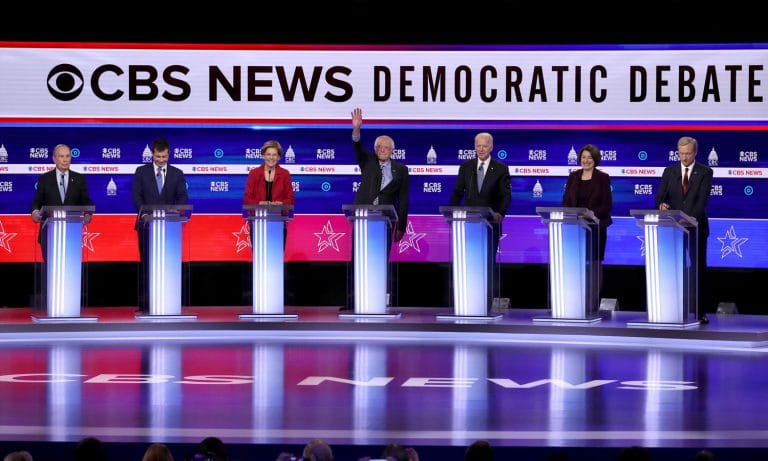
Presidential candidates discussed marijuana legalization during Tuesday night’s debate, revealing clear differences in opinion.
Following the silence of marijuana reform at the Democratic presidential debates last week in Las Vegas, candidates announced their policy outlook front and center Tuesday in Charleston, South Carolina.
The majority of candidates on stage supported marijuana legalization, with the known exceptions of Michael Bloomberg and Joe Biden, both of whom believe more research is necessary before pushing forward. Among those supporters, however, the debate exposed differences in achieving legalization and how quickly it was possible to do so.
Here were the notable statements made by candidates.
Amy Klobuchar
The conversation started with Sen. Amy Klobuchar, who was asked about Bernie Sanders’ plan to legalize cannabis his first day in office through executive action. Sanders has also proposed expunging all prior marijuana convictions and moderators inquired whether the plan was realistic.
“It is realistic to want to legalize marijuana. I want to do that, too,” Klobuchar said. “I also think you need to look back at people’s records. You maybe can’t do it on day one, as he said. I think you want to have a process you go through because there are too many people that have things on their records that stopped them from getting jobs.”
Klobuchar isn’t alone in questioning whether Sanders can unilaterally legalize cannabis. In addition to legalizing marijuana, Klobuchar emphasized the need to establish treatment centers to battle opioid and other substance abuse addiction.
Bernie Sanders
Following the exchange, Sanders was given a chance to argue why his proposal to end marijuana prohibition will work. He explained how the War on Drugs has broken the criminal justice system, as the federal Controlled Substances Act equates the dangers of marijuana to using heroin. Sanders will remove cannabis as a controlled substance, which would effectively legalize marijuana in every state in the country,” he said.
“What we are also going to do is move to expunge the records of those people arrested for possession of marijuana,” Sanders said. “And I’ll tell you what else we’re going to do. We’re going to provide help to the African American, Latino, Native American community to start businesses to sell legal marijuana rather than let a few corporations control the legalized marijuana market.”
Michael Bloomberg
The former New York Mayor has made no secret his opposition to marijuana. Debate moderators asked Bloomberg about past statements on marijuana — just last year, he called legalization “perhaps the stupidest thing anybody has ever done.” As he said on the debate stage, Bloomberg now favors decriminalizing small amounts of cannabis possession, while still punishing dealers. He also would move to expunge past marijuana convictions.
In a revealing note, Bloomberg underlined that his administration would not take away legalization from states that have already done so. He didn’t state whether he would block any more states from legalizing cannabis, though.
Photo by Mario Tama/Staff/Getty Images
“You should listen to the scientists and the doctors. They say go very slowly, they haven’t done enough research and the evidence so far is worrisome. Before we get all our kids — particularly kids in their late teens, boys even more than girls — where this may be damaging their brains. Until we know the science, it’s just nonsensical to push ahead,” he said.
Bloomberg didn’t mention that many scientists complain that federal policies block them from conducting significant research on marijuana. In the past, researchers have received moldy marijuana, with flowers ground along stems and seeds, lessening the impact of possible studies.
“But the cat’s out of the bag,” Bloomberg added. “Some states have it, you’re not going to take it away. Decriminalize the possession.”
While this issue has enough support to suggest that the land of Bluegrass is well on its way to becoming the 34th state in the nation to legalize medical marijuana, the battle is not over.
After years of failed attempts, Kentucky is closer than ever to legalizing medical marijuana.
The state’s House of Representatives recently approved a bill (House Bill 136) in a vote of 65-to-30 that is designed to give patients with a variety of health conditions access to cannabis products.
While this issue has enough support to suggest that the land of Bluegrass is well on its way to becoming the 34th state in the nation to legalize medical marijuana, there is still significant drag in parts of the legislature that could hold it back. The bill is now challenged with getting out of the Senate alive, a daring feat that not even the bill’s sponsor, Republican Representative Jason Nemes of Louisville, has much faith in.
“We have momentum but we’re not there yet,” the lawmaker said in an interview with the Lexington Herald-Leader.
The legislation that Nemes is pushing isn’t a perfect plan, but it is one that would undoubtedly benefit tens of thousands of Kentuckians. If it finds its way to being signed into law by Governor Andy Beshear — something he has promised to do if it crosses his desk — it would be up to a 13-person panel to decide which qualified conditions would be included in the program.
Lawmakers say that common conditions such as epilepsy, chronic pain, multiple sclerosis and nausea as a result of chemotherapy treatments would all be part of the deal.
What isn’t, however, are the methods for which medical marijuana could be consumed. The bill would only allow patients to use edibles and pills. It would strictly prohibit smoking — even though the bill would allow for the sale of flower — and even prevent people from engaging in home cultivation. In the words of Nemes, it “would be the tightest medical marijuana bill in the country.”
Photo by Matthew Henry via Burst
Where the Senate is hung up on this thing is in the petty details that always seem to jam up marijuana legislation. Senate President Robert Stivers is concerned about even entertaining such a bill, seeing that the federal government still considers it a Schedule I dangerous drug. He’s also a bit twisted over the fact that we do not have much research on the plant to show that it’s safe, something he would like to see before allowing residents to use it. “It’s a balancing test of do the goods outweigh the bads,” Stivers said. “And we just haven’t had anything done on that.”
But just because Stivers is skeptical, that doesn’t mean that medical marijuana is doomed in 2020. It’s certainly not. We just wouldn’t recommend holding your breath. Unless, of course, you’re holding in a hit.
So what are the bill’s chances? Well, the Senate president admits the bill has a “narrow path forward” in the upper chamber. Optimistically speaking, this means it could possibly receive some consideration in the coming weeks. But it remains to be seen whether Strivers will do the right thing and allow the bill to move forward. After all, he does hold the power to single handedly stop it dead in its tracks.
The stigma surrounding weed still exists. But it’s the simple fact that recreational consumption has now come to some of the most populous states in the country that attitudes are changing.
Ah, the good old days. Remember?
Even just a few years ago, you could fire up that joint, or activate that vape, and suddenly you were the person at the party who everybody shunned, even in states where recreational consumption was legal. The smell of marijuana wafting through the kitchen of a host’s house could get you kicked out.
But now, slowly but surely, that marijuana guy at the party is not the only marijuana guy at the party, and everybody else is either cool with it, or suddenly making the marijuana guy the life of the party. And social consumption bars or coffee shops are either open for business, or on the drawing board.
What’s changed?
Well, the stigma is still there. But it’s the simple fact that recreational consumption has now come to some of the most populous states in the country — Illinois, California, and soon, New York.
Cannabis edibles are being included in the menu of professional catering services in places like Georgetown or Beverly Hills, and not with a sort of wink and nod say-no-more sort of situation. But it’s there on the table, along with other non-marijuana confections — maybe with a little plastic marijuana flower on top just to identify it for the canna-curious, or as a warning to the never-cannabis party-goer.
“In my opinion, the stigma is dying,” Emmett Reistroffer told The Fresh Toast during the 2020 National Cannabis Industry Association (NCIA) conference in Boston. Reistroffer, a cannabis business advocate and compliance consultant, was instrumental in getting the I-300 social consumption law initiative passed in Colorado in 2016 (that still hassome issues to be worked out).
“I want to make sure that whatever laws pass and whatever businesses are open, our neighbors or friends who don’t consume cannabis benefit from what we are doing,” he told us. “That means we need to be responsible. That’s why we advocate for lounges and permitted areas so we have a place that is semi-public where we go to consume without infringing on the rights and happiness of other people.”
Photo by vivienviv0 via Pixabay
Andrew Mieure, owner of Top Shelf Budtending, has served over 70,000 guests at private events and weddings in West Hollywood, Las Vegas, Denver and other adult-use states. He pointed to people walking around during a network event at the NCIA conference, drinking beer and wine. “If somebody is smoking, that permeates the entire area,” Mieure said. “That is a drinkable versus a smokable, and they must be treated differently. So we need places to consume that are well ventilated, and people need to be taken care of differently than at bars.”
He also mentioned a sort of vapor cannabis product that is put into a cup, where it stays and can be huffed by a consumer, thereby eliminating the problem of smoke permeating an area.
Reistroffer says that he believes social consumption is now a matter of inevitability. “Even though we are moving forward, we are doing it in a way that is respectful of everyone’s viewpoints and comfort levels,” he said. “So now the question is not should we move forward, but how we move forward. If we embrace it, regulate it, put a license on that business so that they have something to lose, then you are going to see them follow the rules. Those measurements can be put in place.”
He says nothing is too big or impossible, and that people need to just start a conversation about where social consumption could happen. “Slowly, we are making progress with casinos. They just want to make sure that it’s not hurting their business.”
CBD has made a name for itself within the beauty industry. Here are some of its most popular products.
CBD is a big name in the beauty industry, amassing large amounts of money and popularity in a short span of time. CBD has also done what few “fad” products have done, which is to continue to build an audience despite the FDA and the government’s lack of support.
Although CBD lacks scientific research, a wide range of beauty brands have embraced the compound, claiming that the therapeutic effects it has on skin and hair are unparalleled. Here are some of the most popular CBD beauty products on the market today:
Hand lotions
CBD hand lotions hydrate and protect skin while also treating pains and conditions like arthritis. These work specially well during cold or harsh climates, with product makers claiming that the compound provides faster relief and protection when compared to other types of hand lotions. Some popular brands include The Body Shop and Dr. Kerklaan Therapeutics.
Milk Makeup developed CBD infused mascara, which, thanks for the CBD oil in it, results in a product that’s easier to apply and that results in smoother lashes with less clumps of mascara in them. The product nourishes your eyelashes and is also vegan since CBD replaces the beeswax, the product that was used to make the product stick to lashes.
Lipstick & lipbalm
CBD lipstick and lip balm can treat severely chapped lips much quicker than regular lip balm thanks to the compound’s healing properties. These products prevent flaky lips and keep your lips moisturized, with the CBD creating a seal that keeps your lips protected for longer periods of time. There’s a wide variety of products, from beauty oriented ones to those with more medicinal benefits.
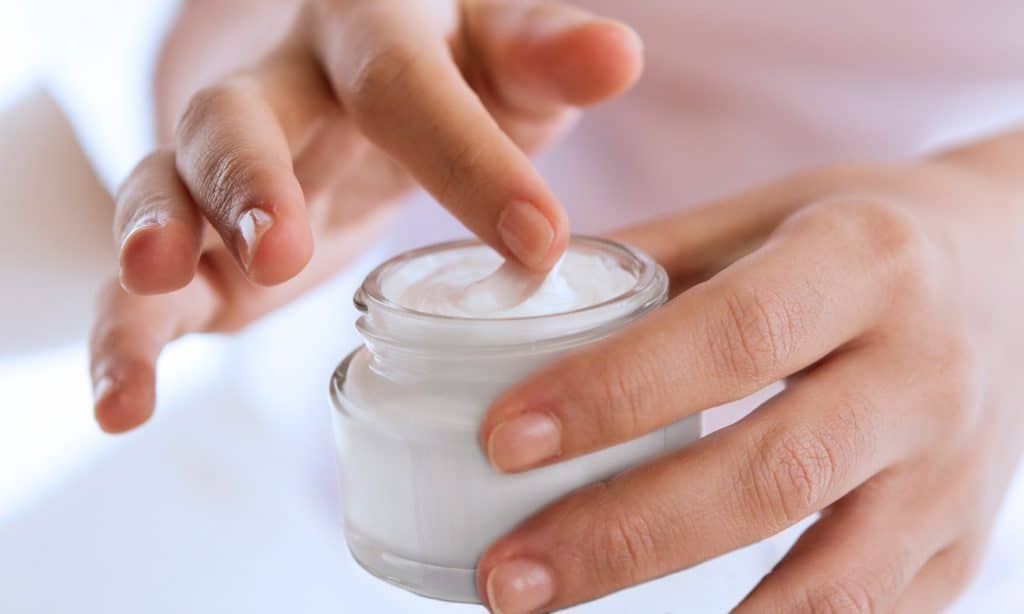
Moisturizers are some of the most utilized products for skin care, preventing skin from drying out, keeping the surface lubricated and even providing protection from the sun. CBD moisturizers like CBD For Life, contain hydrators like hyaluronic acid, squalane, and capric triglyceride.
Serums
Beauty serums are facial and body products that prevent wrinkles and clear blemishes. They’re moisturizers that are capable of seeping deeper into your skin. The Huffington Post explains: “By leaving out many of the heavier ingredients that are found in traditional moisturizers, [face serums] contain a much higher proportional concentration of active ingredients.”
When it comes to CBD in these kinds of serums, there’s a wide range of products with different price tags and features. On the expensive side of things there’s Saint Jane Luxury Beauty Serum, which contains 500 ml of full spectrum hemp oil. For something cheaper, there’s Copious Body Serum, which contains analgesic properties and claims to provide relief from pain, stress, and more.
A poor medical marijuana program and recreational markets outside New York could force the state’s hands this year.
Last year, Gov. Andrew Cuomo promised voters New York would legalize adult-use marijuana in the state. He announced the intention like it was a foregone conclusion. Those following closely know New York didn’t legalize last year, but Cuomo is again making the same promises while doing a little more work to ensure it happens this time around.
Cuomo will embark on a cross-country tour of legal states, including Massachusetts, Illinois, and either California or Colorado, to analyze the “different versions” available of state marijuana programs. He will ask regulators the ins and outs of these programs, learning what worked and what didn’t in their states. The Cuomo Administration will synthesize the intel and form an actionable legalization strategy for New York based on the information.
“Everybody has goals,” Cuomo said. “We want a goal of social equity, we want to make sure young people can’t get it, et cetera. We want to make sure there are advantages to communities that have been oppressed. But then you look at the aftermath and many of those goals haven’t been met, right?”
However, Cuomo is also “throwing cold water on the idea of legalizing pot outside of the state budget,” wrote the New York Daily News editorial board, in a critical opinion. The primary issue—the state budget is due in six weeks and Cuomo’s leaving on a marijuana tourism trip of a lifetime. The NY governor won’t attempt to legalize cannabis through a separate legislative bill, as the group couldn’t get the votes last year for this mechanism.
Photo by Robert Bye via Unsplash
New York did achieve decriminalization this way, but the Daily News harshly criticized the Cuomo administration, calling it “plain dumb” that “it is allowing the sale and use of the drug without collecting any tax revenue—or regulating the content of what’s sold.”
The Marijuana Business Daily reported last week that New York’s medical marijuana patient registry has slowed its growth incredibly in the last year. Less than 1% of New York residents have qualified as medical marijuana patients. That’s on the low spectrum for state medical marijuana program.
For comparison, 6.7% of Oklahoma residents have qualified as medical marijuana patients. New York’s low participation is due to the poor framework the state constructed for its medical marijuana program, which doesn’t allow patients smokable flower or edibles and limits the amount of dispensaries possible to 40 in the state. Residents might say 40 dispensaries isn’t enough in New York City alone, forget the state. (Worth noting: home delivery is allowed.)
Should New York legalize adult-use marijuana, Marijuana Business Daily estimates the market could eclipse $2 billion in sales, depending on regulatory hurdles. New York is also expected to generate $300 million in tax revenue. Recreational marijuana appears like a necessity in New York, particularly for growth opportunities, as the state might be left behind in the Northeast should Cuomo’s gambit fail. Neighboring states New Jersey and Pennsylvania have announced intention to legalize this year.
All of which might explain why Cuomo announced New York will pursue “regional coordination” with those states, as well as Rhode Island, Massachusetts, and Connecticut. Cuomo hopes to achieve some regulation in sale limits, tax rates, minimum age purchases, and more, so there won’t be competition between these markets. That announcement could force legislators on the fence to compromise, or suffer the consequences of being the only state in the region without legal marijuana.
If you suffer from foot pain—whether it’s from your shoes, blisters, or another health condition—you might want to try CBD. Used properly, CBD can help ease some of your aches that can be a well, real pain in the foot.
You probably don’t notice your feet until they start to hurt. But when you think about it, they do a lot for you throughout the day. From helping you reach your step goals, to keeping you upright and grounded, your feet are there for you. Perhaps that’s why foot pain can be so deliberating: It can really mess with your day-to-day routine. Here are 4 ways CBD can help with foot pain.
Whether it’s from your shoes, blisters, or another health condition—you might want to try CBD. Used properly, it can help ease some of your aches that can be a well, real pain in the foot.
For general foot pain caused by standing, walking, or exercising, taking CBD oil may bring you some relief. Research is promising that CBD oil can reduce inflammation and have a similar effect to taking pain medication—but without the side effects. The results may vary for everyone, of course. If you have foot pain that doesn’t go away after a few days or weeks, you’ll want to see your doctor.
https://www.instagram.com/p/Bq8bMZ7jtOb/
Arthritis
Symptoms of arthritis pain in your feet can include stiffness, tenderness, pain, swelling, and even reduced mobility. Studies have shown that CBD oil can help with many of these symptoms. In fact, researchers say that CBD oil is effective for treating pain and inflammation caused by arthritis with no side effects. More human studies are needed, but if you suffer from arthritis pain, CBD may be the answer you’ve been waiting for.
You know your favorite pair of heels or other shoes that you just can’t give up, but they kill your feet every time you wear them? CBD balm can come to the rescue. Rub it on before you slip on your shoes, and your feet will stay comfortable all night. (Plus put more on when you get home to reduce inflammation.) Want some proof? Celebrities already swear by it for when then wear stilettos on the red carpet—and some of them wear insanely high heels.
One ugly topic no one wants to discuss: Blisters. But they happen! (Especially if you are a distance runner or when you get new shoes that don’t quite fit right.) CBD oil is packed with anti-inflammatory and anti-bacterial properties, which may help. To treat one, make sure you clean your blister first. Then use a cotton pad soaked in CBD oil and dab it onto the affected area. Do this a few times a day, and your blister may heal faster than usual.
May these Here are 4 ways CBD can help with foot pain so you can take the best step forward.