A new report from Statistics Canada adds to a growing body of evidence that marijuana legalization dissuades adolescent use.
It would be wrong to state that marijuana legalization causes a drop in teenage use, due to a lack of rigorous scientific studies on the matter. A coloration is developing, however. According to a new report from Statistics Canada, teenage use of cannabis has declined following adult-use legalization in the country.
In ending prohibition, the Canadian government wanted to ensure they were creating a system where cannabis couldn’t easily end up in youth’s hands. Some took the idea and ran with it to hysterical levels — one conservative member of parliament asserted marijuana was “just as deadly” as fentanyl for children. Statistics Canada reported the rate of marijuana consumption between ages 15-17 was 19.8% in 2018. That figure dropped to 10.4% in 2019.
Marijuana consumption rose from just above 15% to almost 17% for Canadians age 15 and older in the same time span. In total, 5.1 million Canadians reported using the plant last year. The high consumption occurred in eastern provinces, with 26% of Nova Scotia residents using marijuana and the lowest was 12% in Quebec, where home growing marijuana and edibles are banned.
Photo by Helena Lopes via pexels
To be fair, the Statistic Canada report is an imperfect representation.
“Information from the surveys was self-reported and has not been verified or validated,” the report reads. “Changes over time in respondents’ willingness to admit drug use, in their definition of what constitutes drug use, and in the perceived or real risk of legal consequences could neither be controlled nor detected, but could affect results.”
Still, the results add to a growing body of evidence of how marijuana legalization could impact adolescent use. Washington state and Denver saw declining rates of teenage marijuana use following legalization. A study published in JAMA Pediatrics last year went one step further and suggested that legalization could discourage adolescent use.
“Consistent with the results of previous researchers, there was no evidence that the legalization of medical marijuana encourages marijuana use among youth,” researchers concluded. “Moreover, the estimates…showed that marijuana use among youth may actually decline after legalization for recreational purposes.”
Acne affects some people more than others, but it’s an experience that’s always painful and hard to deal with.
Acne is one of those things that can drive most people crazy. Even if we know we’re not supposed to touch our pimples, it’s really hard to resist when they’re just so painful and ugly.
Despite the thousands of products that exist, acne is a highly temperamental condition, most likely affecting us because we’re stressed, eating the wrong things or because we’re just having a stroke of bad luck. The science is not exact.
Here are 5 alternative methods of treating acne:
Learn your skin type
Before you go to your nearest drug store and buy the first acne kit you see, it’s important to know which skin type you have. Having this knowledge will help you choose better products for you and treat your break outs more efficiently. According to Dermstore, there are seven skin types: normal, oily, dry/dehydrated, combination, acne-prone, sensitive and mature. You can learn more about treating each here.
It’s not news to learn that too many sweets can cause your skin to break out, especially if your face already has a tendency to do so. If your skin is feeling patchy and uncomfortable and you’re finding more zits than usual on you, go on a brief detox and document your progress. Steer clear of sugars, white breads, pasta, and other processed foods. Basically, steer clear from all the fun stuff for a couple of weeks and you’ll find results.
Find a way to manage stress
While it’s very easy and not at all helpful to say “stop stressing out” when someone’s going through a stressful moment in their lives, stress is highly correlated to break outs and acne rashes. This isn’t only because life sucks, there’s some science behind this. Cosmopolitan explains that stress ramps up your body’s production of hormones, causing you to release compounds that can make your skin look and feel oily and inflamed.
Find a way to channel that stress be that through physical activity, meditation, yoga or whatever activity works best.
It’s common to want to attack your pimples as soon as you see them, but, even if it’s the hardest thing to do, what’s most advisable is to let your skin breathe, at least for a bit. While acne treatments are meant to get rid of that extra skin as soon as possible, they tend to be harsh and irritating. Once the skin is irritated, it becomes a painful mess, one that still has all those pimples and is having trouble mending the skin back together.
CBD
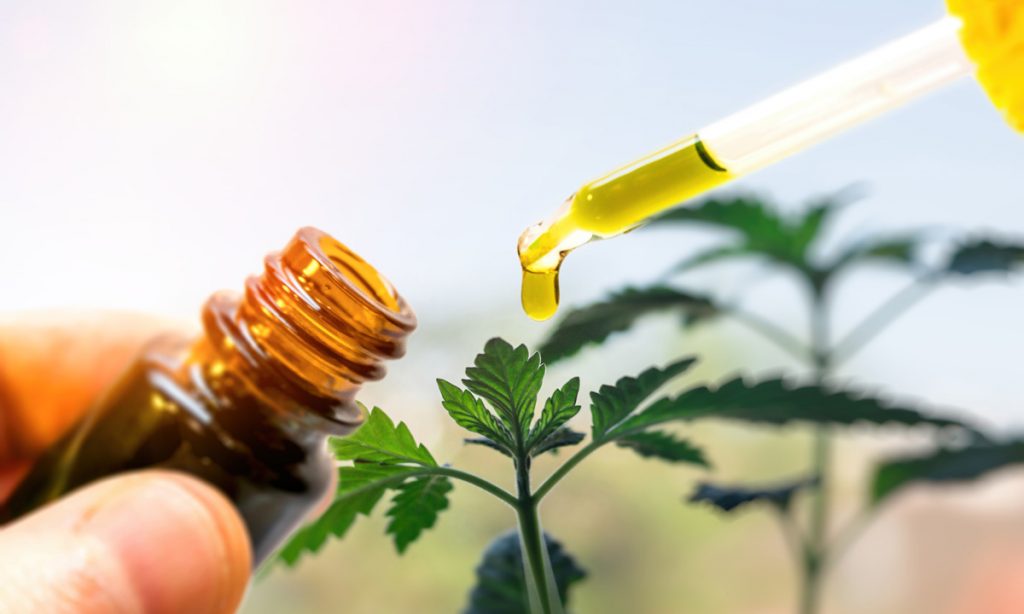
If nothing else works, why not try out CBD? While there’s not a lot of research out there, the studies that have been conducted have found positive results when it comes to CBD and skin care, with the compound being able to control the amount of oil your skin produces and also having antimicrobial effects.
A study connects marijuana use with painful and persistent erections.
After conducting thorough research, doctors say that one man’s cause of priapism was his marijuana use. Priapism is a condition that affects around 200,000 men a year and it occurs when they have painful and long lasting erections without sexual arousal.
Sources of priapism are varied, ranging from side effects of anti-depressants, blood thinners to the use of cocaine. Cannabis has also been peripherally associated with the disease in previous studies.
The case in question was reported by a man who’d experienced these bouts of priapism through the years, ranging from erections that lasted anywhere from 4 to 12 hours. In the hospital he explained that these bouts occurred after he’d been consuming marijuana consistently. The patient explained that he’d been smoking marijuana for the past 6 months for several nights a week.
Photo by LPETTET/Getty Images
According to the study’s authors, this is the first case of marijuana induced priapism when all other possibilities for the condition had been excluded. “He had no medical history other than mild hypertension, he took no medications, and used only cannabis, supported by his urinary drug screen. Further, his history exhibited a convincing correlation between his cannabis use and his episodes of recurrent priapism.”
The patient had smoked marijuana on and off throughout his life, with the erections aligning with his marijuana smoking periods. “He admitted a history of cannabis use at age sixteen and seventeen, during which time he had recurrent priapism lasting less than four hours and never requiring medical treatment,” says the report.
While it’s not known why cannabis can produce this condition, researchers have a couple of theories. One is that cannabinoids were affecting the man’s regulatory mechanisms, which would normally inform the body that the erection should end. Another theory is that cannabinoids can increase blood platelet activation, increasing the user’s heart rate and causing the blood vessels to dilate.
Most of the time, marijuana has been positively associated with sex, especially in the case of women. Different polls and surveys say that the drug allows them to relax and to have more pleasant sex, even if it can occasionally delay orgasms. When it comes to men, the data is more mixed, with some men finding marijuana arousing and with others having trouble maintaining erections.
For now, the sale of CBD-infused foods is lawful in the UK so long as these products are properly labeled, including free of health claims; safe to consume; and do not contain THC.
Last week, the Food Standard Agency (“FSA”), the agency responsible for protecting public health in relation to food in England, Wales and Northern Ireland (collectively, the “UK”), cleared a path for the sale of CBD-infused food for the next 12 months.
Specifically, the FSA is giving the CBD industry until March 31, 2021 to submit valid novel food authorization applications to ensure these products meet specific safety standards. Following the March 31, 2021 deadline, only products for which a valid application has been submitted will be allowed to remain on the market.
Although the UK recently severed its ties with the European Union, the FSA has opted to align its policy with that of the European Food Safety Authority (“EFSA”). The EFSA guidance on cannabinoids strongly echoes the U.S. Food and Drug Administration (“FDA”)’s in that it mandates that all food products infused with hemp or its derivatives should receive a pre-market approval under the European Union “novel food” regulation because these products were not significantly used as a food or food ingredient before May 15, 1997.
According to the reporting of Hemp Industry Daily, CBD companies wishing to sell into the UK market will send approval plans to the EFSA through the end of 2020, at which point all applications will be transferred to the FSA.
So for now, the sale of CBD-infused foods is lawful in the UK so long as these products are:
Properly labeled, including free of health claims;
Safe to consume; and
Do not contain THC or other controlled substances.
Despite the fact that the FSA gave the green light on the sale of CBD-infused foods, the agency also warned consumers about its potential side effects.
Photo by Tinnakorn Jorruang/Getty Images
Based on a scientific report issued by the country’s Committee on Toxicity of Chemicals in Food, Consumer Products and the Environment (“COT”), the FSA guidelines warn pregnant and nursing women “not to consume CBD products” and recommends that healthy adults limit their daily dosage to no more than 70 milligrams, which is the equivalent of 28 drops of 5% CBD oil.
After reviewed scientific data of Epidiolex previously used by European and foreign health authorities, including the FDA, for the approval of the drug, the COT concluded that because the data was intended for pharmaceutical and not over-the-counter use, the “trade-off between risks and benefits that does not apply to food.”
Therefore, in drafting this new policy, the FSA opted for a pragmatic approach that balances the consumer demand for CBD-infused food products with the protection of public health and provides much needed clarification about the legality of selling and marketing CBD-infused foods. Nevertheless, the guidelines also create some serious challenges for the industry. Indeed, the novel food application process is a demanding and onerous process. Unless a blanket authorization will cover each end-form of CBD (this issue has yet to be clarified by the FSA), this would mean that only a handful of CBD companies could afford applying. This, in turn, would consolidate these products and offer a monopoly to the companies that manage to secure an approval.
Nevertheless, the FSA guidelines are a step in the right direction, as they encourage the Hemp-CBD industry to work together, educate and advise, which, hopefully, will inspire the FDA in forging a clear path for the sale and marketing of these products within U.S. borders, too.
Researchers say the time has come to find out if medical marijuana increases this risk of cognitive issues and which products with higher or lower THC content, are safe to use.
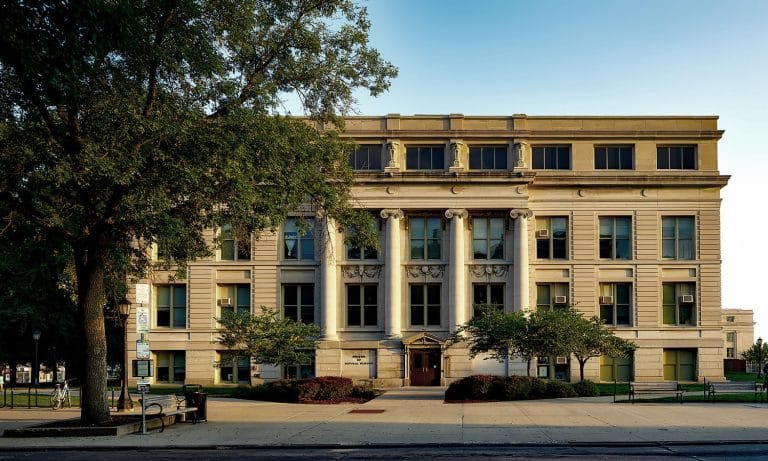
What effect does marijuana have on the body? In partnership with the National Institute of Health, the University of Iowa is exploring medical marijuana’s effect on aging in a first-of-its-kind research project.
Neurologist and radiologist Dr. Thorsten Rudroff, whose background includes a PhD in neurophysiology and a degree in physical therapy, is heading up the study. Exploring cognition, motor function, balance and other elements of the human body, Thorsten believes the time has come to “find out if medical marijuana increases this risk of cognitive issues and which products with higher or lower THC content, are safe to use.”
Known for stricter marijuana laws compared to other midwestern states, Iowa has faced uncertainty about whether it would allow recreational marijuana. With over 78% of residents stating they want medical marijuana accessible, Dr. Rudroff’s research has already gained attention of local and national residents explaining, “The response (to the study) so far is great. Many older people are interested and want to participate, and this shows (marijuana) is a hot topic here in Iowa.” Because many individuals responding to the study are medical marijuana users wanting to gain more information, the research team is hoping this will affect patients for years to come.
And just this week the Iowa Senate and House moved to seek to raise the cap on THC, removing 3% of the cap on medical cannabis products being sold and allowing for products to have more THC than in the past.
Photo by Esther Kelleter/EyeEm/Getty Images
In an exclusive interview with The Fresh Toast, Dr. Rudroff shared that the impetus for creating a study around older adults and marijuana use was to look at how individuals are using or thinking about using marijuana and unforeseen outcomes. His research hopes to address safe and effective ways medical marijuana is used when cognitive impairments are in place. Questions he looks to answer are:
Could medical marijuana further increase cognitive impairments and the risk of falls in older adults?
Does a higher or lower THC count increase the risk, and which is safer to use?
When addressing pain, are there safe and effective treatments with marijuana that can be used for individuals who experience cognitive impairments?
Could marijuana be a safe alternative to opioids for those in his study and beyond?
Are there guidelines for self-medication that should be in place but currently don’t exist?
Summing it up in a sentence, Dr. Rudroff explained, “At the end of the study I hopefully have an answer which products, high THC or high CBD products, can effectively treat pain without the risk of falls or other negative side effects.”
Those interested in the study can contact Dr. Rudroff at the University of Iowa directly at this link https://sites.google.com/view/integrative-neurophysiology-la/contact-us. Following current Iowa laws, they can only recruit individuals who are already in the Iowa Medical Cannabinol Program, but others may apply to the control group, who are not currently using medical marijuana but are considering using the medicine.
The latest FBI crime data shows that more than 600,000 marijuana-related arrests are happening every year, most of which are for small-time possession.
There is a lot of chatter these days about reducing the penalties associated with marijuana possession, some of which include straight out decriminalization and giving police officers the “discretion” to cite and release. Both of these methods are being tested in various parts of the country where marijuana has not yet made its way into legal territory.
The goal here is to try and control the ridiculous number of people being thrown to the wolves of the criminal justice system for non-violent offenses and, thereby, preventing the jails from overcrowding. And it’s working to some degree. Still, the latest FBI crime data shows that more than 600,000 marijuana-related arrests are happening every year, most of which, the agency admits, are for small-time possession.
Decriminalization is pretty cut and dry. It means as long as a person doesn’t have more than a specific amount (usually 1 ounce), they receive a small fine that they must pay through the courts. But otherwise, they get out unscathed; there are no criminal charges, and nothing shows up on their record.
In a situation involving police discretion, however, the deal is a bit more complicated. It basically gives police the freedom to decide who goes to jail for pot and who doesn’t. How do they decide? It really comes down to the individual and how much trouble they are causing at the time.
We hear regularly that cops are out there shaking down minorities and dragging them to jail when they find weed in their pockets. And while there is some truth in that, a recent analysis from the Idaho Statesman finds there are usually other attributes associated with those weed busts.
Come to find out, most people are not going to jail for weed alone.
Photo by FatCamera/Getty Images
It is essential to point out that marijuana prohibition is alive and well in Idaho, but police are given some discretion for handling pot-related offenses.
Last year, between May 1 and December 31, 65 people were taken to jail in the Gem State for misdemeanor possession of marijuana or paraphernalia, according to the Statesman.
Their analysis eliminated cases where suspects were booked on other charges, had felony charges for narcotics, outstanding warrants, or those who might have been charged for weed after they were caught committing another crime. Those types of situations will always lead to someone getting charged for pot possession in the event an officer has the discretion to overlook it.
The publication also ruled out any paraphernalia charges not associated with marijuana, like syringes and crack pipes.
In many cases, people are getting busted for marijuana after violating traffic laws. The report doesn’t specify which ones exactly, so this could be anything from speeding to reckless driving. Others involved individuals caught smoking marijuana in their vehicles while hanging out in a parking lot somewhere. But then, sometimes, officers stumbled onto people in possession of marijuana after answering a domestic disturbance complaint. So when it comes to officer discretion on whether to charge for pot possession or not, it depends what’s going on that dictates their move.
“We may be contacting these people because they’re called in as a suspicious subject, they’re making people uncomfortable, they’re doing other activities that are surrounding the fact that ultimately we end up with possession of marijuana (charges),” Meridian Police Deputy Chief Tracy Basterrechea told the Statesman. “We believe in enforcing the little things.”
Photo by Chalabala/Getty Images
Criminal history is also a factor police use when deciding who should go to jail for weed. That is especially true if someone has violent offenses on their record and for those who have warrants for failing to appear. Someone could even be locked up for weed based on their interaction with police.
“That may also include the person’s attitude,” said Boise Police Chief Ron Winegar. “Their willingness to accept responsibility. … It definitely goes a long way with officers if people are upfront and honest with them, and it may make the difference between you going to jail and getting a citation.”
All in all, the average pot-smoking citizen is not having a great deal of trouble with police. And while this report focused exclusively on Idaho, many law enforcement agencies from around the country practicing the “discretion” method subscribe to similar criteria before making the call.
Still, it should be known that pot possession in many areas of the United States can still lead to criminal charges. It is for that reason it is always wise to have a solid understanding of the pot laws in your state.
CBD has made its way into oral health products. Here’s what the compound can do for your teeth and gums.
CBD has been added to an assortment of random products, with some of them targeting your oral health. There are CBD toothpicks, CBD toothpastes and straight CBD oil applied directly into the mouth. Despite how random this addition appears, there are some experts who believe that CBD provides benefits to oral health. Colgate has even made an investment in it.
Colgate’s recently purchased brand, Hello Products, released a line of goods featuring hemp seed and CBD oil. There’s toothpastes, mouthwashes, dental floss, and more — all of which contain the compound.
Craig Dubitsky, founder of Hello, explains that the addition of CBD to their products is a way for the brand to expand and grow into a company that isn’t limited to oral health. “What started our as an oral care line is now expanding into a naturally friendly personal care company. We’re confident we can provide a wide range of delicious tasting, highly effective, naturally-friendly products,” he said in a press statement.
Photo by ds_30 via Pixabay
Some cannabis experts believe in the validity of CBD in oral health since the compound has shown some promise as an antiseptic, analgesic and anti-bacterial element — three factors that matter when it comes to your mouth health.
Conditions such as toothaches, inflammation of the gums and sensitivity of teeth can be addressed with CBD, since the compound has been effective at treating pain and inflamed tissue, both factors that make up a big part of these conditions. CBD’s antibacterial properties can also be used to treat swollen and bleeding gums, since these are affected by the amount of bacteria in your mouth.
Aside from purchasing oral CBD products, you can try targeting the area of your mouth that’s bothering you with a few drops of CBD oil or tinctures. Of course, before you consume anything, it’s important to speak to your doctor and to keep in mind that CBD is a compound that’s still in development. For better or worse, there’s much we don’t know about it.
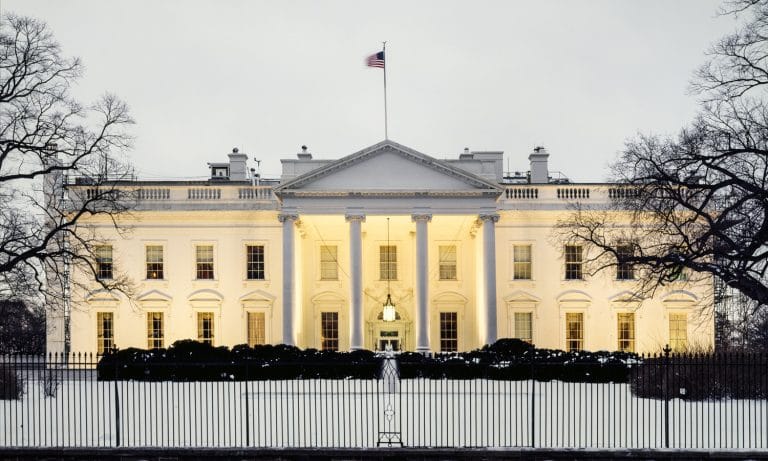
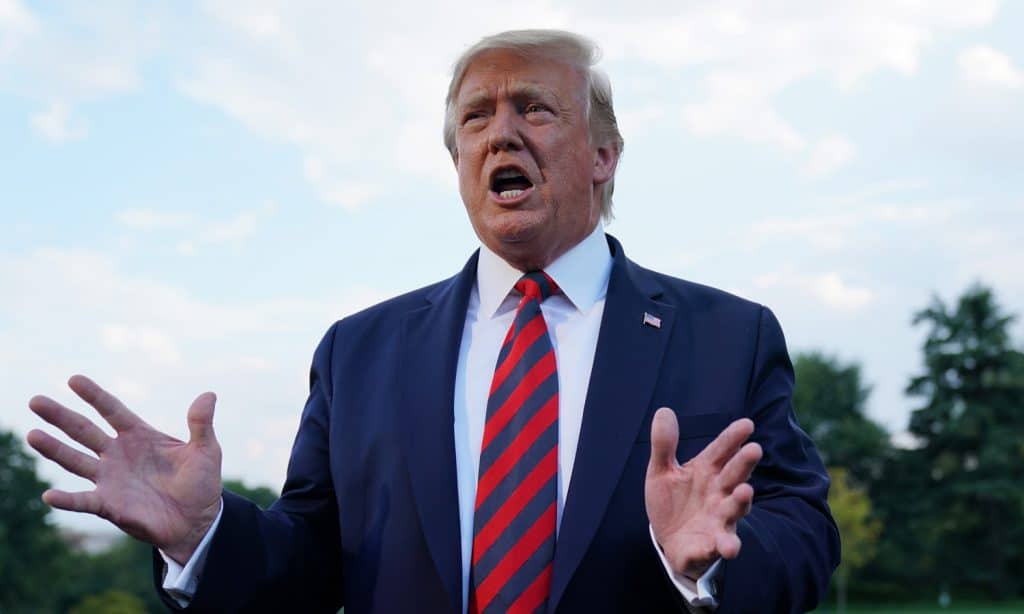
Trump has done little to reverse this appearance of an anti-marijuana sentiment building in the White House. Rather, a top Trump campaign spokesman doubled down and said marijuana should remain illegal at the federal level. During an interview with Las Vegas CBS affiliate KLAS-TV, Marc Lotter, who serves as director of strategic communications for Trump’s 2020 campaign, was asked about the President’s stance on changing federal cannabis laws.
“I think the president is looking at this from a standpoint of a parent—a parent of a young person—to make sure we keep our kids away from drugs,” Lotter said. “They need to be kept illegal. That is the federal policy.”
Photo by Alex Wong/Staff/Getty Images
This complicates what Trump stated during his 2016 campaign and time in the White House. Previously, Trump supported leaving marijuana legalization to the states and voiced support for the STATES Act, bipartisan legislation that would prohibit federal prosecution for those living in states with legal cannabis.
“I think the president has been pretty clear on his views on marijuana at the federal level. I know many states have taken a different path,” Lotter said.
It could also signal a change in political strategy from the president in the upcoming election. Outside candidates Joe Biden and Mike Bloomberg, the Democratic presidential nominee will support legalizing cannabis at the federal level. Trump could see it as an advantage to position himself opposite of his eventual opponent. For now, Trump appears comfortable allowing himself being seen as someone who will uphold federal cannabis prohibition.
Said Lotter, “If he changes that, obviously that would be something I wouldn’t want to get out in front of him on that.”
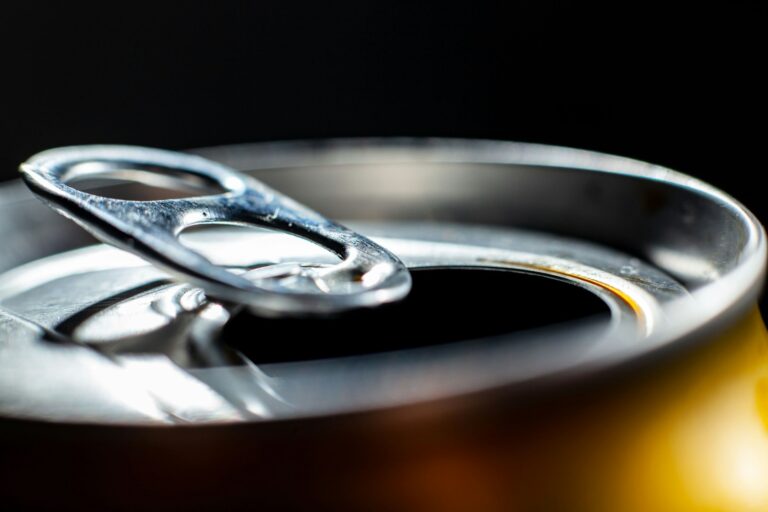
Makers of cannabis drinks find that the lining in aluminum cans can drain the THC from beverages, rendering them useless.
As if the cannabis industry needed more to worry about when it comes to their labels and the doses present in their products, scientists discovered that aluminum cans tamper with the THC levels in cannabis drinks, robbing or depleting their effects.
According to Yahoo! Finance, scientists working for Vertosa, a California based company that specializes in infusions, have determined that liners inside aluminum cans cause the drinks to lose their potency. These liners are used for different reasons, among them extending the product’s shelf life, preventing the corrosion of the can and, most importantly, protecting the flavor of the drinks themselves. Without these liners, the natural metallic taste of aluminum would seep into the drinks.
“Our theory is the cannabis material, the droplets, will stick to the liner and cling on it. When you open the can to take a drink, it will lose its potency,” said Vertosa founder, Harold Han.
Photo by MysteryShot/Getty Images
Han explains that the current market for cannabis drinks is very small, making this problem one that they’ll have to address if they wish to gain more stability within the industry. “It’s up to us to find the solution,” he said. “You will always see some percentage of loss. But as long as you can manage this loss and let it plateau, that is the goal.”
The technology necessary to develop effective and stable cannabis drinks is still in development and has taken a while to take off due to the fact that early products tests got users too high too fast.
Cannabis drink makers will have to find an effective solution for this problem, one that makes sense on an economic and practical level.
Even as a majority of states have legalized medical cannabis and more than 20% of Americans live in states that have legalized adult-use cannabis, mainstream media views cannabis as a fringe policy.
In the Democratic presidential debate last night in Las Vegas, the candidates attacked each other, with each trying to diminish their rivals in an attempt to elevate themselves among voters. However, the moderators diminished themselves in failing to bring up the topic of cannabis.
Nevada legalized cannabis via a ballot initiative in 2016, and the location of the debate presented a perfect opportunity for debate moderators to engage the issue. They did not. That failure highlights a real misunderstanding among media elite about the importance of the matter.
Even as a majority of states have legalized medical cannabis and more than 20% of Americans live in states that have legalized adult-use cannabis, mainstream media views cannabis as a fringe policy that matters little to the national conversation. Yet, cannabis policy engages a variety of other issues that Democratic candidates typically chomp at the bit to discuss. Cannabis policy includes race relations, criminal justice, social justice, tax fairness, entrepreneurship, the environment, agriculture, states’ rights, among other issues.
In a state as diverse as Nevada, one would think that a decision by voters to shift away from prohibition would be worthy of at least one question. Cannabis prohibition has disproportionately impacted communities of color in significant ways. Each year, hundreds of thousands of Americans are arrested for cannabis-related crimes, and the effect of those arrests interrupt the success of entire communities. Economic and educational opportunities are dashed by convictions that hang over individuals for the remainder of their lives. Black and brown Americans face tremendous barriers not simply because of cannabis policy, but because of the manner in which that policy is enforced.
Debate moderators could have discussed the statistics around cannabis enforcement in ways that allowed Democratic candidates both to discuss the policy and to discuss the interrelated policies that form the foundation of Democratic Party beliefs. Instead, that opportunity was missed.
Part of that problem stems from the diminished role of the only moderator who lives in Nevada, Jon Ralston, who was given little chance to discuss issues involving the Silver State. Yet, cannabis legalization is not simply a Nevada issue. It is one of national significance that often gets overlooked because of the historical bias around legalization policy. It is seen as taboo or whimsical or lacking in seriousness.
Cannabis legalization is also seen as something that eludes the interest of most Americans. And that assessment is correct. A supermajority of Americans support the legalization of cannabis, but it isn’t a priority with public opinion. (This story goes into detail about how the public views the legalization process.) Despite the energy within the advocacy community and the cannabis industry, the issue remains a minor one in the eyes of much of the public. It is seen as an issue not worthy of elevation to mainstream politics, and part of that failure is reflected in (and caused by) the type of media behavior on display during Wednesday night’s debate.
Photo by Mario Tama/Staff/Getty Images
The failure of national media to discuss cannabis legalization as the diverse issue that it is leaves most Americans unwilling to connect the dots between it and other more “meaningful” policies. Yes, presidential debates are reserved for the biggest issues of the day, but how many more times do Americans need to hear the same, tired talking points about healthcare and wealth taxes?
After nearly a dozen Democratic primary debates, there has been little dynamism in the conversation, and Wednesday night’s debate added to that — despite the fiery exchanges among candidates. In a state that legalized cannabis, in a county with some of the nation’s strongest union membership, in a city that saw the worst mass murder from gun violence in American history, the debate failed to engage in any meaningful way pot, labor organization, or assault weapons.
Presidential debates should be about more than the people on stage. The location of a debate should induce moderators to question candidates about issues meaningful to voters within that state or city. Nevadans will caucus on Saturday and make a choice about who they believe will be the best candidate for president. They will expect that person to be most suited to deal with national and international issues. However, those voters will still care deeply about a prospective president’s position on local-level policies of importance.
It is true that any one of the six candidates on stage could have brought up any number of issues unprovoked, but it is incumbent on moderators to guide the conversation.
Wednesday night’s Democratic primary debate reinforced the idea that cannabis is not important enough to be discussed by those individuals seeking to hold the highest office in the country. While cannabis advocates and industry have spent decades informing voters about the issue, there is still much work to be done to change the minds of media organization.
Until national media shifts from a stance that cannabis policy is fodder for humorless puns and tongue-in-cheek movie references, the issue will remain diminished in the eyes of the average voter and candidates seeking to become President of the United States.