In a world that lacks inspiration, Twitter remembers your favorite pop culture icons at their most poetic…sort of.
It’s only January, but with a chaotic political climate, it feels as if the year had been going on for ages. There have been few breaks for memes, especially the wholesome ones that make us feel good instead of making us laugh while crying at the state of the world. Poet/poem is one of these positive memes:
There’s not much thought going on behind the meme, it simply mentions a relevant figure in pop culture with one of their most iconic lines. The people featured are mostly made up of characters from TV shows and movies, although celebrities with iconic moments do make some appearances.
From Meghan Markle to Rihanna, check out some of the most viral replies:
A survey conducted in California shows that many of the myths people believe about the cannabis industry are wrong.
California has had a long history with cannabis, being one of the first to propose its legislation in the 70s. While Californians have had access to medicinal marijuana since the 90s, it was only two years ago the state finally legalized the recreational use of the plant. Currently, California has one of the biggest cannabis markets in the United States.
Thanks to advocacy groups and legislative change, the past years have seen remarkable progress and education when it comes to marijuana. Despite that, some myths still permeate cannabis culture, especially when focusing on California users.
NorCal Cannabis Company conducted a survey on California cannabis consumers, finding many results that might surprise you.
“The research shows how cannabis gives relief for so many people for things like pain, insomnia and depression. California voters approved the legalization of cannabis, but people still do not have legal access throughout most of the state,” explains Jeffrey Graham, VP of Business Intelligence of NorCal Cannabis company.
More than 1,500 subjects were selected for the survey, all over the age of 21. NorCal asked them questions normally ignored by legislators and cannabis consumers in hopes of informing the public, as means to better understand the improvements necessary in California’s cannabis industry.
Photo by Zummolo/Getty Images
Check out some of the most prevalent myths that were busted:
There’s a big difference between medicinal and recreational marijuana
Not really. The survey found that when most users get high, they’re usually looking for a combination of medicinal and recreational effects. A rare bunch of people are the ones who need to compartmentalize their marijuana use.
Despite the fact that stoner culture tends to lean heavily on men and plenty of stereotypes, women have always smoked marijuana. In fact, this survey shows that they smoke just as much as men.
All Californians have access to legal marijuana
Once a state has legalized cannabis, it’s believed that everyone has easy access to it. Sadly, this isn’t at all the case, and the steps that come after legalization are still being figured out. Obtaining licenses, stocking up dispensaries, and battling a competing black market are some of the hurdles that legal states face on a daily basis.
CBD has confirmed medicinal value, but there are plenty of dumb products out there mostly interested in cashing in.
The one way to get people to buy something is to put something trendy in it and wrap it in a pretty package. Which is exactly what’s been going on with CBD over the past couple of years.
Despite the compound’s natural benefits and tons of anecdotal evidence, there’s still no scientific research on it or accurate ways of administering dosages. This legal limbo creates the perfect chance for weird companies to come in and do their thing, creating products that are expensive, that do nothing, and that rip people off. While this could lead to some dangerous situations – you should never buy a sketchy product, especially one that’s intended for medicinal purposes – the point of this list is to point out the silly ones.
While CBD does have some medicinal properties you have to put it in or on your body to get some of the benefits. Smelling a CBD candle won’t do the trick. It might still smell good though, so we can’t completely decry it. There’s a surprising amount of variety among these type of candles, with ones advertised for aromatherapy and others that claim to melt and transform into CBD massage oil. That sounds kind of nice.
CBD infused toothpicks
I draw the line at CBD-infused toothpicks. First of all, toothpicks are unnecessary by themselves; people can floss. Adding CBD to the toothpicks because they supposedly “relax you” once you stimulate your gums with them doesn’t change my opinion.
Well, there are some people who claim that CBD does good stuff for your hair. Some studies have found connections between the omega fatty acids in the oil and the stimulation of hair growth.
CBD potato chips
I have nothing against edibles, I think they’re very useful. I just added this entry on the list because the CBD potato chips I found are called Jay’s. Like Lays. According to the site, each chip is infused with CBD, containing 100, 200 or 300mg per package.
CBD hand sanitizer
https://www.instagram.com/p/Bj7gg5ijE4i/
Studies have found that CBD is pretty efficient when it comes to killing bacteria, so it might have a place in hand sanitizers. There are plenty of brands, with some less sketchy than others. But some of the products claiming that they’re capable of moisturizing skin and protecting it against germs.
Michigan shamed marijuana users in its latest youth drug prevention campaign, relying on outdated stoner stereotypes to get their message across.
A conundrum faced by a state or country that legalizes marijuana is how to then educate residents around using the plant properly. These institutions must also consider how to prevent teenage use of marijuana, which can lead to long-term health consequences. Sometimes this goes well, like Denver’s “High Cost” public service announcements, and sometimes the result is like what happened in Michigan recently.
A series of anti-marijuana PSAs aimed at youth drug education was recently published on the YouTube channel of the Michigan Department of Health and Human Services. The video campaign, called “Future Self,” received heavy criticism from marijuana advocates, with some accusing the state Health Department of “Reefer Madness.” In response, several of these videos disappeared over the Jan. 17 weekend and only one “Future Self” PSA remains.
That video features the most stereotypical of teenage stoners—a young male in a basement, playing video games while slamming pizza slices and bong rips, shut away from the outside world. Suddenly, a 30-year-old “future self” of the teenage appears. He is overweight, unhygienic, and given an overall sloppy appearance.
“High again? I’m you in 10 years,” the older man says to his younger self. “This is a problem. Marijuana affects brain development in teens. Even if we could see this is a problem, we wouldn’t be able to focus long enough to get out of the problem.”
The state spent $330,000 on this “Future Self” digital ad campaign, which is supposed to run through mid-April and accumulate 14.5 million impression. The money came from the state’s federally subsidized $8.7 million advertising fund, reports Michigan Live. These ads will run on social media channels like Twitter, Instagram, Snapchat, YouTube, and SoundCloud, in addition to streaming services like Sling, Apple TV, Roku, and more.
“The goal of this federally funded media campaign is to address a problem that is well-documented among youth,” MDHHS spokeswoman Lynn Sutfin told Michigan Live. “We’re currently rethinking how to craft the most effective messaging possible for this campaign.”
Michigan legalized adult-use marijuana in November 2018, and legal cannabis sales began Dec. 1 of last year. Youth drug education is important, but other states and countries have crafted far more effective and creative campaigns. Colorado’s “Good To Know” campaign took a folksy, neighborly tune in sharing important information around marijuana use, such as not driving after puffing or sharing with teenagers. A report showed the campaign worked, with people saying they understand the state’s laws and the potential risk involved with marijuana use.
The Ontario province in Canada also unveiled a series last year about the dangers of being “barely high” and driving. The videos took a humorous approach, featuring normal, relatable people in moments where they’re “super high,” such as rubbing their toes in the carpet or giggling at their food. Both campaigns show governments can educate the masses without shaming marijuana users. That’s something for Michigan to consider in its next PSA campaign.
Some government agencies consider marijuana the worst drug on the planet and even claim there is no such thing as medical marijuana.
Cannabis can’t be federally legalized and used for Food and Drug Administration (FDA)-approved medical research until it is rescheduled from its Schedule 1 designation by the Drug Enforcement Administration (DEA).
That head-scratching scheduling kerfuffle seems to confuse the DEA as well, which is the organization that put it there. Check this out from Chuck Rosenberg, acting administrator of the DEA,in a letter to the governors of Washington State and Rhodes Island: “Schedule I includes some substances that are exceptionally dangerous and some that are less dangerous (including marijuana, which is less dangerous than some substances in other schedules). That strikes some people as odd.”
Photo by Eric Kayne/Stringer/Getty Images
So, the DEA is saying that there is a sub-category within this “distinct” Schedule 1 controlled substance designation for marijuana? Yes, that is odd.
How cannabis got there is another story just as funky, involving President Richard Nixon and racism, as told by Fresh Toast contributor John Hudak inan article for the Washington Post.
There are also statements by another federal agency, the Department of Health and Human Services (HHS), that there is no such thing as medical marijuana in part because it doesn’t meetfive criteria of “currently accepted medical use.” HHS Secretary Alex Azar reportedly double-downed on the no-such-thing gig at apress conference in Ohio.
It appears that the DEA, the HHS and even a state government with a booming medical marijuana revenue generation machine are all apparently getting it wrong. But hey, they are open to more medical research to prove cannabis is truly medicine, and that can only be done using DEA-approved cannabis of poor quality that takes years for qualified researchers to get because, well, it’s a dangerous Schedule 1 drug in a sort of sub-category of not being that dangerous.
“Folks might be surprised to learn that we support this type of research,”Rosenberg wrote. “But, we do.” Unsaid between the lines: Good luck with that.
Cannabis tampons may lack scientific research, but they’ve amassed tons of support over a short period of time.
Period cramps fluctuate in severeness, affecting some people dramatically and others, not so much. Medications can vary just as much in effectiveness, with some being capable of controlling the most intense kinds of pain and others not making a dent in the severity. Need relief, what to know about marijuana tampons.
According to Prevention.com, this variation in pain is due to a hormone called prostaglandin. Some people’s uterus produce this chemical in higher amounts than others, triggering more contractions and pains during the first two days of the cycle. Doctors might prescribe these kinds of patients with stronger medications, heat pads and alternative methods. Here’s where marijuana comes in.
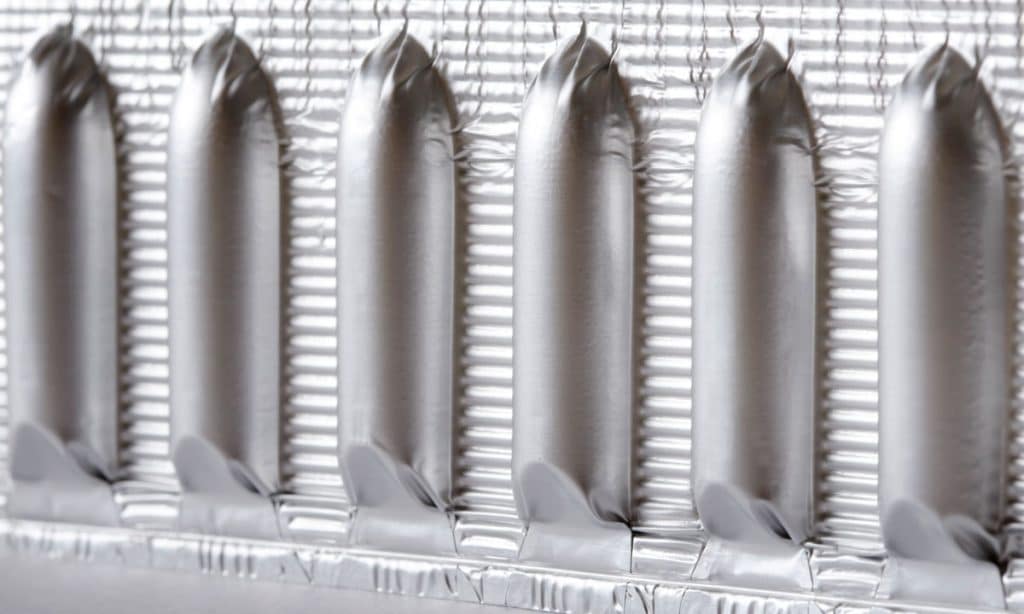
Marijuana tampons, if you don’t know any better, could trigger a strange picture in your mind’s eye. For starters, marijuana tampons aren’t real tampons. These devices won’t be able to do the task that your tampons or diva cups are meant to do; instead, these products are suppositories, which are inserted into the vaginal cavity and melt against your skin.
There’s not a lot of research out there that supports CBD or THC vaginal suppositories, but plenty of people have reported their almost miraculous effects, providing relief for a solid couple of hours. These results tend to be stronger and more effective for people who struggle with their period cramps and pains.
“CBD suppositories have definitely taken the place of pain pills for me, which I didn’t think was possible,” one user told Huffington Post. “Once I was aware of my pain scale and kind of the before and after effects, I was like, ‘Whoa, this stuff is powerful.’”
Photo by art-4-art/Getty Images
Marijuana suppositories are made up of some kind of cannabis oil covered by a soluble substance, such as coconut oil or cocoa butter. Like almost all mucous membranes in the human body, vaginal walls are very quick in absorbing the compound, triggering fast and localized relief. While some people report feeling a strange kind of high after consuming them, the effects tend to limit themselves to the lower part of your body, with low odds of developing a head high.
It’s speculated that suppositories that are high in CBD and can help with anti-inflammation, while suppositories that are high in THC are quicker in providing pain relief. There are suppositories with a mixture of compounds, providing an effective mix of both effects.
While cannabis vaginal suppositories are mostly known for their treatment of painful period cramps, they can be used to treat a wide variety of symptoms for people who haven’t found a solution to painful sex, or from conditions like endometriosis and fibromyalgia.
Menstruation and endometriosis are topics that remain mysterious and hard to treat, even when half of the world’s population identifies as female and, you know, we’ve been around since the beginning of time. Cannabis, with the help of thorough scientific research, could become an answer to many people’s problems.
Gov. Cuomo reiterated his intention to legalize marijuana in New York, and state voters are in favor of ending prohibition.
New Yorkers have heard this one before. Gov. Andrew Cuomo announced this week marijuana legalization will be included in his administration’s 2020 budget proposal. The move signals another ardent effort from the governor to push the issue through the state legislature.
Cuomo made similar gestures last year, including placing marijuana legalization in his administration’s 2019 budget proposal. He eventually removed legalization from the budget once it became clear state lawmakers would not agree on significant details ahead of legislative deadlines. Cuomo believes, however, that this year will be different.
“Legalize adult use cannabis,” Cuomo said in his budget speech. “I believe it is best done in the budget. I said that last year. I believe the budget is the opportunity, frankly, to make some tough decisions and work through tough issues that without the budget can often languish. I suggest that we get it done in the budget.”
Photo by skodonnell/Getty Images
The announcement coincides with a new poll that shows support for marijuana legalization is at an all-time high in New York. A Sienna College poll released Tuesday reported that New York voters are in favor of ending prohibition by a 58 to 38 margin. The issue is not supported from both political sides, however. Republican voters oppose legalization by a 65-31 margin.
The intended legislation would marijuana for adults ages 21 and older, with an intention to correct past harms on individuals and communities disproportionately affected by prohibition. In addition, New York plans to coordinate their legalization efforts with neighboring states, including Connecticut, New Jersey, and Pennsylvania.
“This year Governor Cuomo is proposing a comprehensive regulatory approach to legalize cannabis, creating a new Office of Cannabis Management to specialize in cannabis regulation—overseeing the medical, adult-use and hemp programs,” Cuomo’s administration stated in a release. “The proposal will administer social equity licensing opportunities, develop an egalitarian adult-use market structure and facilitate market entry through access to capital, technical assistance and incubation of equity entrepreneurs.”
One less item on the market means fewer choices for Americans who rely on the medicine to power-through often painful and debilitating migraines.
GlaxoSmithKline announced earlier this week that it has temporarily halted production of Excedrin Migraine and Excedrin Extra Strength, two of its most popular drugs to treat migraines and headaches.
While GlaxoSmithKline does not believe there is a risk to the general public, one less item on the market means fewer choices for Americans who rely on the medicine to power-through often painful and debilitating migraines.
Understanding the impact of migraines
According to the Migraine Research Foundation, as the third most prevalent illness in the world, migraines affect 1 in 4 U.S. households. Most common between the ages of 18 and 44, migraine sufferers affect 18% of American women, 6% of men and 10% of children. Many sufferers cite a diminished quality of life, and anxiety as to when their next migraine may occur.
A 2019 study quoted in Neurology Advisor found that patients who experienced migraines had a significantly reduced visual quality of life. Those in the study who had chronic migraines had visual quality scores that were comparable to patients with Multiple Sclerosis.
Barriers starting to break down
With marijuana recognized as a Schedule I drug, research has been slow to effect change for those battling chronic conditions who could use marijuana for relief. With congressional subcommittees more open to discussion around marijuana and the barriers in place for human treatment, federal agencies are starting to realize the impact of THC.
Photo by JGI/Jamie Grill/Getty Images
Within the past week, the Agency for Healthcare Research and Quality (AHRQ) opened submissions from the public to seek new insights and treatments for migraines being conducted by AHRQ’s Evidence-based Practice Centers (EPC) Program. (You can find details to submit personal information here.)
Can medical marijuana help?
What many don’t know is that medical marijuana can offer some relief. In fact, according to an April 2017 study published in the journal Cannabis and Cannabinoid Research:
“Early reports of cannabis for the treatment of headache appear to be largely positive, with many patients experiencing a decrease in the frequency and intensity of their headache episodes. In some cases, headache was cured entirely even after cannabis discontinuation.”
Even more interesting, the study found out of 139 patients, cannabis had value in treating a portion of the patients. Some experienced cluster headaches while on THC, which was attributed to a known increase in heart rate and blood pressure.
A 2019 study published by the American Pain Society found that inhaling cannabis reduced self-reported headache and migraine severity by about 50%, but its effectiveness appears to diminish across time. Interestingly, men reported larger reductions in severity than women and no evidence for overuse was detected.
Are you a candidate for cannabis?
With medical marijuana now legal in more states than ever before, it’s important to discuss how adding THC to your pain regimen will work. Just like pharmaceutical drugs work differently for each individual depending on other drugs taken or medical history, marijuana is much of the same — without the side effects that many pharmaceuticals bring.
Excedrin’s side effects include excess stomach acid, heartburn, nausea, and potential damage to the liver, where according to research, marijuana has very little effects on the body when used appropriately.
While even a temporarily pulling a drug from the market can cause stress when it’s relied upon, there are other options for migraine sufferers that are finally coming to light.
This week’s cute animals include dog friends, nosy pets and very expressive cats.
There’s no better pick-me-up than the one you get when you see a clip of an animal acting silly, which is why we’ve compiled this weekly column. These short videos feature all sorts of animals and can provide that much needed mid-week rush of endorphins, anywhere at any time.
This week’s cute animals are all about funny and friendly cats and dogs. Check them out!
Aside from the fact that this video is very aesthetically pleasing due to how it’s shot and because the dogs are very cute, the cuddle is just perfectly timed. Give me 20 more of these please.
Christmas puppy
https://www.instagram.com/p/B6iznNUFXAe/
Yeah yeah, January is almost over, but it’s never too late for a dog to pop out of a box while wearing a Santa Claus outfit.
Bored kitty
https://www.instagram.com/p/B7Uxyqil96u/
This cat is bored, this cat is sleepy and it doesn’t want to appear in this video.
Play this on a loop when you’re feeling sad. Or when feeling any type of feeling, really. It fits all moods.
Workout buddy
https://www.instagram.com/p/B7Tx5kMhjkP/
Dogs don’t make for the best workout buddies, but they are very cute. Especially this guy, who is just the best. Who cares about working out when you can cuddle?
The company sells chocolate bars that don’t seem to contain any mushroom ingredients.
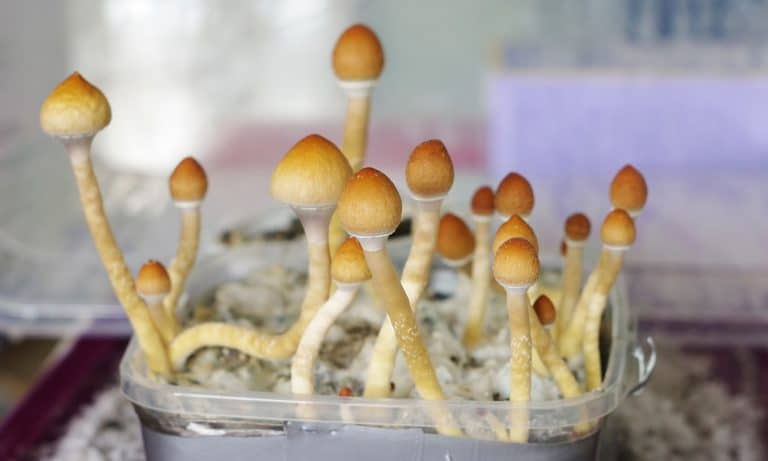
Just as the psilocybin mushroom market begins to heat up, one enterprising entrepreneur has quickly snapped up the trademark for the word “Psilocybin.” Marijuana Moment picked up on the founder’s notice on LinkedIn that the word had been trademarked. That post has since disappeared and while there is no mention of the trademark happening on the company’s website, the tiny TM does appear after each mention of the word Psilocybin on the company’s website.
The company sells chocolate bars that don’t seem to contain any mushroom ingredients. In fact, there is little in the way of a description as to how the chocolate is made or sourced. It says the bars “have been created as a gateway to educate you on what is next for medicinal mushroom health and healing.” It does say that all the products are sold out.
Scarlet Ravin describes her company Psilocybin™️ as “a community-based support system holding a sacred knowing for others to come back to their knowing of their God-self.” She describes herself as being “known for her visionary Branding and Marketing which has led her companies to the front of the market allowing multiple press mentions and forward-thinking concepts that grab the attention of the mass market.”
Ravin told Marijuana Moment that she “plans to contribute 10 percent of profits to the Multidisciplinary Association for Psychedelic Studies (MAPS), which is involved in researching the therapeutic benefits of psychedelic substances.”
Marijuana Trademarks Not Allowed
Psilocybin mushrooms are also a schedule 1 substance under the Controlled Substance Act like marijuana. The U.S. Patent Trade Office stated that marijuana is still prohibited from U.S. trademark registration. “The CSA prohibits, among other things, manufacturing, distributing, dispensing, or possessing certain controlled substances, including marijuana. 21 U.S.C. §§812, 841(a)(1), 844(a). Therefore, the USPTO refuses registration when an application identifies goods encompassing CBD or other extracts of marijuana because such goods are unlawful under federal law and do not support valid use of the applied-for mark in commerce.”
Marijuana Moment noted that this trademark is “Specifically for educational materials and it’s listed on the supplemental register, rather than the principal register, which means it would be incumbent upon the brand to prove that it has earned distinctiveness of the mark if the issue went to court.”