Wednesday, June 17, 2026
Home Blog Page 580

Study Links Marijuana And Pregnancy Use To Infant Health Risks

Babies exposed to marijuana during pregnancy were ‘small for gestational age,’ adding to a growing body of research around cannabis and infancy.

New research out of Minnesota cautions expecting mothers from smoking marijuana while pregnant. The study, published in the Journal of Perinatology, concluded that exposure to cannabis may inhibit infants’ growth and development.

Conducted by researchers at the University of Minnesota, University of Iowa, and HealthPartners, the study analyzed data on 3,435 women receiving prenatal care at HealthPartners clinics over a 21-month period. Using urine testing, a standard component in pregnancy care, indicated about 8% of women had marijuana in their system while pregnant. This represented a higher figure than the standard 5% of women who self-report using cannabis while pregnant, according to nationwide data.

RELATED: California Considers Declaring THC Health Risk For Pregnant Women

Among babies exposed to cannabis during pregnancy, 9% of them later experienced an abnormal developmental screening at 12 months. Only 3.6% of babies not exposed to marijuana during pregnancy had similar abnormal screenings. In addition, babies born to women who used marijuana were more likely to be “small for gestational age.” That means the babies’ birth weight fell at or below the 10th percentile.

“This research adds to the growing body of literature on the effects of prenatal use of marijuana on fetal and child development,” said Dr. Paul Romitti, a senior author of the study and professor of epidemiology at the University of Iowa. “With marijuana use being legalized in more states, the potential for use among women who are pregnant or not aware that they are pregnant has increased.”

Study Links Marijuana Pregnancy Use To Infant Health Risks
Photo by zaya odeesho via Unsplash

Romitti and his fellow authors on the study noted they couldn’t determine whether the women were using marijuana without realizing they were pregnant or not. The study adds to a growing need for more comprehensive studies around marijuana and fertility, which remains a divisive argument between medical professionals and cannabis advocates. More women are using marijuana while pregnant than ever before, other studies have shown.

Previously, experts have claimed that smoking anything while pregnant is bad for babies, as smoking increases carbon monoxide, which limits oxygen to the fetus. We can’t yet determine if THC plays a unique role in fetus development different from the negative effects of smoking substances like tobacco. Advocate groups like CannaMommas, meanwhile, claim that cannabis is a natural cure to pregnancy side effects like nauseous morning sickness and other appetite problems.

RELATED: Doctors Advise Pregnant Women To Lay Off The Cannabis

What appears more well known is marijuana’s impact on would-be dads. A Swedish study last year reported that male sexual organs recognize the presence of cannabinoids in the system. Another study published in Epigenetics found that sperm mutates as a result, with notable changes in a gene strongly related to autism, schizophrenia, and PTSD. In addition, a data-driven study reported that men who are frequent marijuana users are twice as likely to see their partner’s pregnancy end in a miscarriage.

Legal Marijuana In Illinois Is Causing Law Breakers

Despite Illinois’ legalization of recreational marijuana, the rules remain strict when it comes to possession and distribution of the drug.

When Illinois legalized marijuana for recreational use, it ended several decades of marijuana prohibition all across the state. This is a good thing for most cannabis-loving Illinois residents. But that doesn’t mean cannabis enthusiasts are all of a sudden free to do just anything they want with weed. There are rules, though some are confused about what it means to be in a state where marijuana is no longer under a total ban.

It was just over the weekend that Illinois State Police caught a couple of dudes traveling in a motor home packed down with marijuana. Not a little bit, mind you. These guys had 600 pounds of the green stuff, according to a report from NBC-affiliate WPSD. There is little doubt they were up to no good. Allegedly, the cannabis was on its was to California for distribution on the black market. This has been happening all across the country, especially in legal states. Many customers don’t want to pay the high tax rates associated with the legal market. Instead, they opt to continue buying their weed from street dealers.

RELATED: Illinois To Become The 11th State To Legalize Recreational Marijuana

However, the two men are in deep trouble for even having that much weed. While cannabis is legal in those parts, the law only applies to small amounts. Adults 21 and older may possess up to 30 grams of weed in the Land of Lincoln. Anything over is considered outlaw shenanigans, and it will get a person arrested and tossed in the slammer. In this case, these two fools are now facing charges for felony possession with intent to deliver. The outcome probably won’t be good.

How Young Adults Are Misusing Medical Marijuana Prescriptions
Photo by MmeEmil/Getty Images

Perhaps another misunderstanding of the law is that it’s now acceptable in Illinois to sell weed (even to minors) without catching some heat from law enforcement. Not only is this untrue, but it can sometimes get a school put on lockdown. A recent report from Patch indicates that a 22-year-old man was arrested last week after police discovered illegal vape cartridges and between 30 and 100 grams of weed in his home. The cops made the bust, which prompted a short lockdown of a high school across the street, after receiving tips that this guy was selling marijuana to the students.

RELATED: Why This Will Be The Decade Of CBD

This type of behavior is also a huge no-no in Illinois and every other legal state across the nation. In fact, one of the arguments made by cannabis advocates is that legalization is one way to keep marijuana from falling into the hands of minors. So, selling weed without a license, especially to underage kids, is a sure-fire way to end up with the cops beating down your door. And even though this dealer wasn’t actually caught selling drugs to students, the police did find enough weed in his house to charge him with unlawful possession. If convicted, he could see up to a year in jail and fines reaching $2,500. Had he been caught selling on school property, though, the punishment would have been more severe.

Illinois’ law on marijuana is clear. Adult residents 21 and older can possess up to 30 grams of weed, while adults from out of state are allowed half of that. Only licensed dispensaries can sell marijuana, and only medical marijuana patients (those enrolled in the state’s program) have permission to grow it. Anyone breaking these rules will undoubtedly continue to feel the wrath of prohibition past.

4 Tips To Help You Stay Healthy When Sharing Cannabis

The winter is the perfect season for getting sick. Here are some tips that can help you stay healthy as you smoke with friends.

January is one of the coldest months of the year. Aside from all the bad stuff that entails, this also means that it’s one of the months when most of us get sick. Cold season is definitely not the best time to split a joint with friends.

Although escaping a cold during this time of the year takes a lot of hard work, there’s no need for you to stay indoors and avoid contact with other people until spring. You could even continue to share weed with friends provided you are careful. Here are 4 ways to prevent spreading diseases when sharing cannabis:

Avoid smoking

Passing a joint around between people is basically a game of spin the bottle. You’ll share tons of saliva with them and open yourself up to all of their germs. Try edibles and other forms of consuming cannabis. If you want to make your experience more communal, prepare the edibles together or eat them at the same time. If you’re planning on using suppositories or other methods of consumption, well, just talk it out with your friends. I’m sure you’ll figure something out.

Wipe down pipes and bongs

bong
Photo by secret agent mike/Getty Images

RELATED: 7 Expert Marijuana Hacks You Need Right Now

If you can’t let go of your trusty pipe or bong during the winter, consider putting yourself out there and wiping down the instrument whenever it’s your turn. You might get weird looks and your friends might never let you forget this moment but hey, you’ll be reducing your odds of getting sick. It’s important to acknowledge that, although this method reduces the odds of spreading germs, you might still miss some. There’s no way of completely preventing the spread of a cold.

Use an attachment

Nowadays there are bong and pipe attachments that look good, don’t diminish from your high, and might even make you look cool if you play it the right way. Westword recommends these mouthpieces, which are safe and more efficient than wiping a pipe or bong with a baby wipe, ensuring that no bacteria comes in contact with your mouth.

Don’t smoke with sick people

heres how you can avoid getting sick during the holiday season
Photo by rawpixel.com

RELATED: How To Use CBD To Fight Common Cold And Flu Symptoms

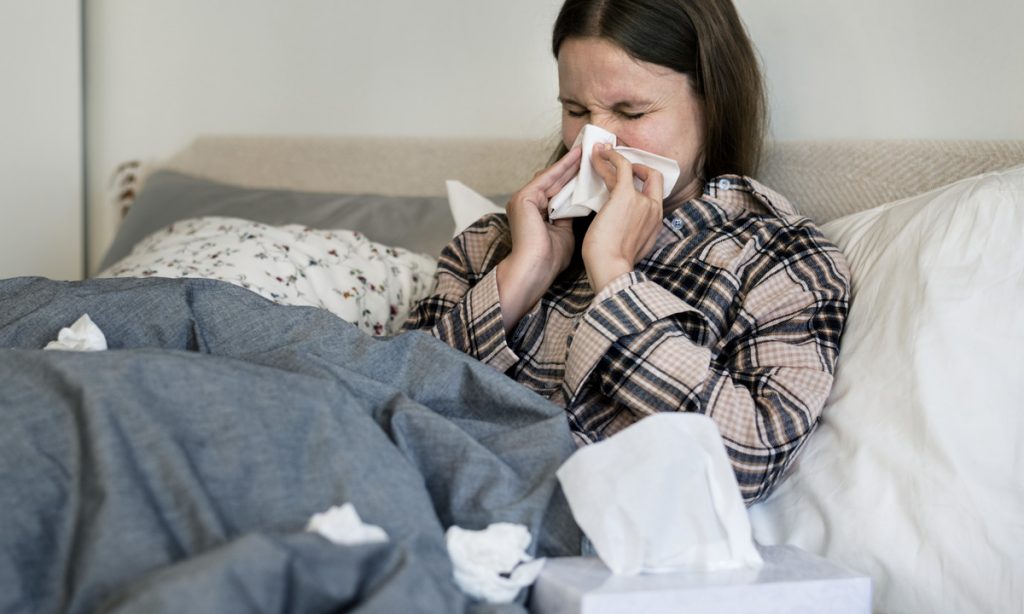
Duh. The easiest way to prevent getting sick is to smoke with people that are not sick. If a friend is sick, politely decline when they offer you a hit from their blunt or bong. If an acquaintance offers you a joint, make up some excuse and say that you’re not interested. This same advice can also be applied to yourself. If you’re sick, don’t try to be tough and cover it up. Also, don’t participate in these kinds of activities.

Why You Need To Be Careful Consuming Your First Edible

0

You probably didn’t know your brain receives a different form of THC when using edibles vs. smoking a joint.

Everyone has an edible story these days. Your uncle, your college roommate, Seth Rogen. It always involves some variation of the following: You consume the edible and nothing happens for an hour. Cautious, you wait an extra 30 minutes or so. Finally, worried that you consumed too low a dosage, you pop another gummy or chocolate or whatever. Suddenly, you’re uncomfortably high and it’s only going to get worse.

Before you pop that delicious looking treat into your mouth, here’s what you need to know about consuming edibles for the first time.

Because they usually taste sweet or yummy, and don’t involve smoking of any kind, newcomers assume edibles are a more approachable and enjoyable way to try marijuana. That might be true, but it comes with an important caveat: Not all edibles are created equally and everyone reacts to edibles differently.

RELATED: How To Avoid Going To The Emergency Room For Marijuana Overdose

This is why, as edibles are set to become available across Canada, the country’s physicians published a commentary to urge caution when using edibles. Despite limited availability, edibles are already popular in Canada. According to the 2019 National Cannabis Survey, 27% of Canadians who used cannabis reported consuming edibles in the past three months.

“The onset of psychoactive effects from cannabis edibles can be delayed by up to 4 hours after consumption, and the effects can last for more than 8 hours overall, which lengthens the duration of impaired judgment and coordination experienced in comparison to inhaled cannabis,” co-authors Dr. Jasleen Grewal and public health researcher Lawrence Loh wrote.

RELATED: Why Does Seth Rogen Hate Marijuana Edibles?

why edibles could have potential risk
Photo by Kyaw Tun via Unsplash

The paper highlights two populations at risk for misusing edibles — young children and adults older than age 65. Children might accidentally eat edibles, thinking they’re candy. In Colorado, poison control centers saw a 70% increase in calls due to kids accidentally consuming marijuana through edibles. While edibles benefit older adults battling chronic conditions, the authors cautioned about the potential negative impact leading to falls, cognitive impairment, and interaction with other prescription drugs.

RELATED: 8 Things You Need To Know About Eating Marijuana Edibles

But the paper doesn’t explain why edibles impact you differently than puffing a joint. That’s because not all THC is the same. Let’s get scientific for a second. Smoking a joint releases what’s called delta-9 THC into your bloodstream. But edibles cause marijuana to go through your liver and releases a different compound called 11-hydroxy THC. Both forms of THC are relatively similar, but when 11-hydroxy THC crosses your blood-brain barrier, it activates receptors in your brain more fully than delta-9 THC does.

That stronger sensation is what causes new users to sometimes experience panic attacks and other adverse reactions when trying edibles. It’s literally a more potent form of THC to your brain, though enough research hasn’t been conducted for us to fully understand its impact. So next time you try edibles, and think you can handle the effects, just remember it is literally a stronger form of THC.

How Marijuana Affects Your Sex Life

0

It’s likely the loosening of inhibitions that plays the biggest role in cannabis as an aphrodisiac. It also helps that cannabis is known for enhancing our mental and emotional experiences.

Cannabis and sex are often seen as the perfect pairing. Sometimes, though, things don’t work out that way. Too much of a high paced sativa or head changing indica can have one deep inside their mind and too anxious to perform. However, anecdotal evidence suggests that there is a gold median where you ingest just the right amount to feel more open, to experience sensation at a higher level and to connect more deeply with a partner.

CBD and THC infused lubes have become a popular product among consumers, and perhaps the simple possession of a bottle will encourage more frequent sex, but there’s no hard evidence that they enhance sensations. Though, again, anecdotal reports say that orgasms are prolonged and intensified for both women and men.

RELATED: What Does Marijuana Do To A Boner?

Urologist at Stanford University, Michael Eisenberg, gained interest in the topic of how marijuana effects sex when some of his male patients started asking how cannabis might, “affect function down there.” Eisenberg utilized the National Survey of Family Growth for a study published in the Journal of Sexual Medicine in 2017, which looked at the figures he was most interested in: the sexual patterns of cannabis imbibers.

We’re having less sex than we used to. Toa Heftiba

Though self-reported, the findings from the answers are pretty astounding. Women who used cannabis weekly had 34% more sex than women who abstained from the plant and men had 22% more sex if they used cannabis weekly than if they didn’t. Those are big discrepancies that naturally lead one to believe that even if sex isn’t enhanced by cannabis, the idea of sex must at least seem even more appealing.

RELATED: Is It True That Marijuana Really Makes You Horny?

It’s likely the loosening of inhibitions that plays the biggest role in cannabis as an aphrodisiac. It also helps that cannabis is known for enhancing creativity, all five of our senses and our mental and emotional experiences. Sex is touch, it’s smell, it’s taste, and sounds and it’s full of beauty; it only makes sense that more of those feelings is a good thing.

The Verge reported that research from Michele Baggio, an economist at the University of Connecticut, and her co-authors found that the passage of medical or recreational cannabis laws subsequently led to higher birth rates. While more studies should be conducted on many different cannabis and sex topics, these findings are already pretty amazing and remember, you can always do your own research at home. To science!

This Week’s Music: Travis Scott, Hailee Steinfeld And Jenny Lewis

0

This week’s new songs include a Travis Scott remix, Hailee Steinfeld’s latest break up track, and a new Jenny Lewis song.

This Week’s Music is a weekly column that discusses the weeks’ best, worst, and most interesting songs. We try to select songs of different artists and genres to keep things interesting and to please a variety of music fans.

This week’s new songs include a Travis Scott spanglish remix that features Lil Baby and Rosalia, Hailee Steinfeld’s latest break up track, and a new Jenny Lewis song. Have a look:

Rap

Travis Scott, Rosalia and Lil Baby – Highest In The Room

RELATED: This Week’s Music: Justin Bieber, Usher And Raye

Two weeks ago, we reviewed the original version of this song. We apologize, since this version is clearly superior. Featuring some melancholic and thoughtful guitars and vocals from Lil Baby and a Rosalia that refuses to sing more than two verses in English, this version of “Highest In The Room” is more alive and layered than the original. Maybe it’s the vocal range, the extended length or the fact that Rosalia is involved, this song is just better.

Pop

Hailee Steinfeld – Wrong Direction

RELATED: This Week’s Music: Drake, Travis Scott And Ed Sheeran

For those of us who didn’t know, Hailee Steinfeld was dating former One Direction member Niall Horan. The couple broke up and, according to some, this song is the result. “Wrong Direction” (Get it?!) is a strange choice for a lead single for Steinfeld’s upcoming album. The singer, mostly known for her awesome anthem to masturbation, is generally associated with upbeat Gen-Z friendly songs. Still, “Wrong Direction” is simple, emotional and charged. I’m sold.

Jenny Lewis and Habib Koite – Under The Supermoon

“I never had such a fright, I gasped on election night,” are the opening lyrics of Jenny Lewis and Habib Koite’s new song. In a statement, Lewis explained the song further, saying that it’s “a love song written in Jacmel floating in the Caribbean sea under the supermoon of November 2016 just days after the U.S. presidential election… a travelogue of sorts processed in real time.” We get it, Jenny. Like most of us, you’re traumatized by the 2016 U.S. elections. Lewis’ work is reliably wonderful, playful and profound. I can’t wait to see what the new year brings to her music.

Does Prince Harry Use Weed

All evidence suggests that Prince Harry doesn’t mind breaking royal protocol.

It’s always fun to wonder if celebrities smoke weed, especially if these celebs are at the forefront of our minds. Wondering if they prefer to smoke a joint or to eat an edible sounds like a healthier habit than, say, being overly curious about their eating habits and the houses they live in.

Prince Harry, new father and the most crush-worthy person in the monarchy, is one of these people. In fact, our curiosity is even stronger because he comes from a pretty traditional and conservative background. As a monarch, there’s plenty of documentation that tracks his every choice and movement. There’s thousands of pictures of him as an adorable baby boy and many many questionable ones taken during his rebellious days.

Prince Harry seems like a relaxed person, one who wouldn’t mind smoking a joint on a special occasion or when he just needs to unwind from the stressors of royal duties. A New York Times report from 2002 claims that Harry first came in contact with marijuana at age 16, when weed was found at a private party he hosted (otherwise known as a “house party” among plebeians).

RELATED: 5 Etiquette Tips In Case You Ever Meet A Royal

“A member of the royal staff reportedly alerted Prince Charles after smelling marijuana at a Highgrove teenage party, and friends confirmed that the youth had been a regular and sometimes boisterous drinker at the Rattlebone Inn in Wiltshire,” reports the article. Then, predictably, British tabloids had to do one of theirs and award him a lame nickname. “Hash Harry.”

The report from the Times goes further, explaining that Prince Charles’s punishment was to ask Harry to spend a day in rehab, forcing him to meet with recovering addicts in hopes of teaching a lesson to his son.

meghan markles nephew is selling a marijuana strain named after royal baby
Photo by WPA Pool/Pool/Getty Images

More recent news regarding Harry and weed doesn’t come from sources as reputable as the New York Times and tend to involve Meghan Markle. The former actress, born and raised in California, is assumed to have progressive views on the drug, like most people under the age of 40. She also has a nephew who grows his own marijuana and who named a strain in her honor: Markle Sparkle. According to him, they’re not in contact, which makes perfect sense.

RELATED: This Is Why Princes Harry And William Always Drive Themselves To Parties

When Meghan Markle got married to her first husband in Jamaica in 2011, her wedding gift bags included marijuana. In short, it’s quite likely that Meghan, like Harry, appreciates weed every once in a while.

Unless Prince Harry walks down the street smoking a joint, there’s no way of knowing if he likes marijuana or not. Maybe, with how trailblazing the couple has been as of late, some journalist will ask them outright and they’ll say, “Hell yeah!”

Why This Will Be The Decade Of CBD

0

Increased education efforts by medical professionals and lowered prices will only continue to keep driving the industry up.

Think we’ve achieved some saturation point for all things cannabidiol (CBD)? Think again. The hemp-based CBD extract market will become a $2.25 to $2.75 billion industry in 2020, according to Nielsen projections. In five years, they expect those figures to more than double. The company predicts CBD will become a $6 billion industry by 2025, when CBD-infused food and beverages become more widely available.

Their 2020 projection, says Rich Maturo, vice president of cannabis practice at Nielsen, skews toward a conservative estimate. The company accounted for possible headwinds from any Food and Drug Administration regulations or other roadblocks that might comes this year.

A Grocery Manufacturer Association survey reports that 76% of Americans believe CBD products already fall under FDA safety regulations, despite no such regulations existing. Instead, the FDA announced last year qualified experts could not conclude if hemp-extracted CBD was Generally Recognized As Safe (GRAS) to include in human or animal food products. Despite all that, Nielsen believes the 2020s will be recognized as the decade CBD transforms from lifestyle trend into a business powerhouse.

RELATED: 4 Predictions For The Marijuana Industry In 2020

“While the regulatory roadmap remains ambiguous, one thing is clear: The next decade for the hemp-based CBD market has the potential to be a game changer for the traditional CPG [Consumer Packaged Goods] and retail industry,” Maturo wrote in a Nielsen company blog post.

Education for medical professionals remains a crucial building block for the marijuana industry. A 2019 study found that more than half of primary care providers were unable to answer patient’s medical conditions when it came to cannabis treatment. That knowledge gap rises even higher when it comes to CBD, according to Nielsen’s Q4 Health Care Practitioner Tracking Study. Though 70% of doctors admit to discussing CBD with their patients, only one in three understood the laws around hemp and CBD.

Social Media Bans On CBD Ads Make No Sense
Photo by Caitlin Riley/Getty Images

Aside from free products, doctor recommendations are the biggest influence in convincing patients to use CBD. Nielsen’s “Thinking Beyond the Buzz” study reported that 50% of adults interested in hemp-CBD products would be motivated to try them if a health care practitioner offered them guidance. This far outpaced recommendations from family (16%) and friends (17%), or seeing familiar brand names on CBD products (15%).

Maturo expects more “manufacturer-driven, educational efforts” aimed at health care providers this year to decrease the CBD knowledge gap and increase consumer interest.

RELATED: These States Are Most Likely To Legalize Marijuana In 2020

“If the medical community is properly educated, its influence will be profound for the hemp-based CBD industry,” Maturo writes. “In fact, over the next decade, Nielsen believes that primary health care practitioners may do more to drive trial and brand/format loyalty than traditional branding and marketing efforts.”

Should consumer interest rise as expected, Nielsen predicts we’ll see even fiercer battles among product competitors. Along with more efficient cultivation and extraction practices, this will drive prices down in the market. In other words, don’t expect CBD products and shops to go away anytime soon.

Meme Of The Week: Canceling Plans Is Perfectly Ok According To This Meme

0

Twitter took a 2017 self-care tweet from Chance the Rapper and turned it into this week’s biggest joke.

Canceling plans is an anxiety inducing process if you’re a person with even the smallest bit of anxiety. Deliberating on what to say or text someone in order to sneak out of a “fun” plan is excruciating, no matter your excuse’s level of credibility.

Twitter, taking inspiration from the strangest of things, took a 2017 self-care tweet from Chance the Rapper and turned it into this week’s biggest joke. In it, Chance says: “Canceling plans to read is okay. Skipping a party for the gym is ok. Staying home to cook is ok.” We get it. His heart is in the right place but the guru talk is practically begging to be memed.

RELATED: Meme Of The Week: People Are Arguing Over Subway Seats Twitter

Because memes are nonsensical and only meant to be understood by people who, I don’t know, live and breathe through the internet, new iterations of this joke now reference all kinds of ludicrous scenarios inspired by movies. Don’t think too much about it; you can’t apply logic to memes.

From The Parent Trap to Lady Bird, have a look at some of the funniest versions of the meme:

RELATED: Meme Of The Week: A Pug MRI Is The Creepiest And Funniest Thing Online

What Is CBN And Is It Legal

0

The compound is said to have a mild psychoactive effect, slightly more so than CBD but much less than THC.

This is the second of a two-part installment on trending cannabinoids. For the previous post on cannabigerol (CBG), go here.

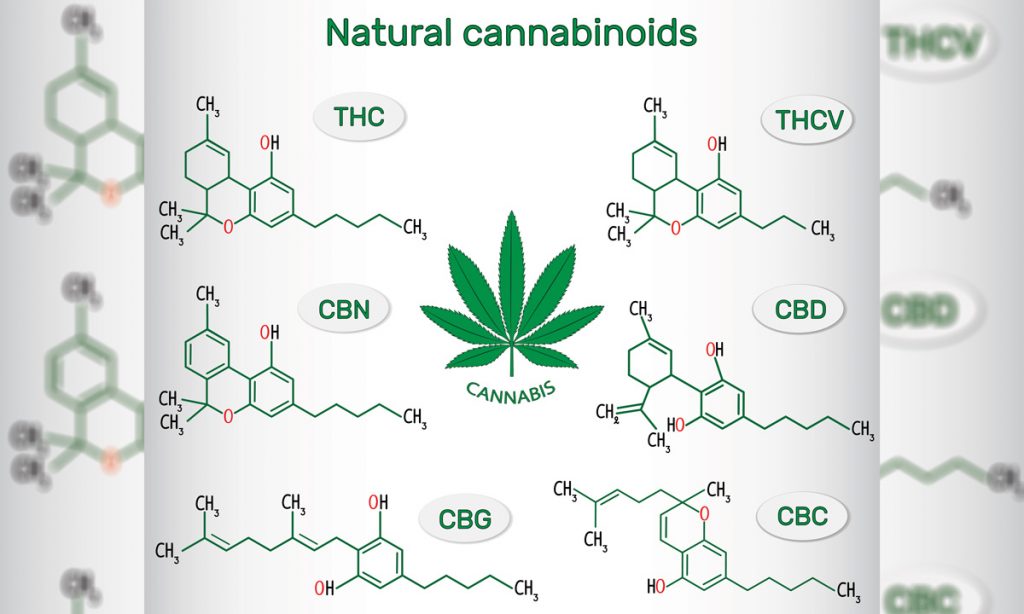
This post concerns CBN (cannabinol). Like CBD and THC, CBN is among the 100+ molecules in the cannabis plant. CBN comes from oxidation and decomposition of THC, meaning that when THC is heated and exposed to CO2 (oxygen), it converts to CBN. The compound is said to have a mild psychoactive effect, slightly more so than CBD but much less than THC. Specifically, it is said to have a sedating effect on most users and to have promising sleep aid applications, similar to melatonin (among other potential uses).

From a regulatory perspective, the legal status of hemp CBN products (like CBG products) may be less problematic than CBD products. The FDA likes to point out that the 2018 Farm Bill explicitly preserved FDA’s authority to regulate products containing cannabis or cannabis-derived compounds under the Food Drug & Cosmetic Act (“FDCA”) and section 351 of the Public Health Service Act. But the marketing of CBN as a dietary supplement may be viable nonetheless, provided that no unapproved health claims are made.

Why is that? First, some context. We have explained on this blog that it is illegal to add CBD to many products, in FDA’s view, due to the “drug exclusion rule.” According to FDA, products containing CBD cannot be sold as dietary supplements because CBD was investigated and approved by FDA as a new drug (Epidiolex). If something is a non-exempt “drug” it cannot be placed in the food stream under the FDCA. We wouldn’t mind seeing someone take a run at FDA for this interpretation with respect to CBD, but right now that’s the framework.

RELATED: What Is CBG And Is It Legal?

Unlike CBD, CBN not been approved as a drug, and FDA itself has acknowledged that “parts of the cannabis plant that do not contain THC or CBD might fall outside the scope of the [drug exclusion rule].” As with CBG, if CBN is approved as a drug at some point down the line, it also seems likely that the drug exclusion rule would not apply: this is because the rule contains an exception for substances marketed as foods or dietary supplements prior to any FDA clinical investigation. People are already marketing CBN products as foods and dietary supplements.

How Marijuana's THCV Can Positively Impact Your Life
Photo by Bacsica/Getty Images

This domestic legal framework, alongside the fact that CBN can be lawfully produced and extracted from hemp under the 2018 Farm Bill, seemingly gives CBN a viable legal runway. Everything is conditioned on manufacturers and sellers steering clear of unapproved health claims, of course.

The international legal framework seems promising as well. CBN is not listed on the schedules set out in the U.N. Single Convention on Narcotic Drugs of 1961 and does not appear to be controlled by any other international treaty. This means that countries are not required to control CBN, making it both legal under international law and potentially ripe for export.

RELATED: 5 Of The Most Promising Cannabinoids For 2020

Before CBN takes off in a major way, two things probably have to happen. The first is that consumers need to take interest. It’s hard to know exactly how that will play out: CBN received a smattering of press in 2019, although it has been covered sporadically in industry media for several years. As with CBG, cannabis companies may now feel incentivized to promote CBN given its potential and the possibility of avoiding FDA entanglements. It is also easier to produce CBN under the 2018 Farm Bill than ever before.

The second development needed is for technology to demonstrate that CBN can be produced at scale. CBN does not present hemp growers with the “Sophie’s choice” of CBG, which requires harvest prior to natural conversion of CBG into other cannabinoids. However, because CBN-rich strains of cannabis do not exist, CBN must be mechanically converted from other cannabinoids–namely, THC. Note that hemp cannot contain more than 0.3% THC by law, making CBN more difficult to produce at scale than CBD or even CBG. That said, recent claims have surfaced of CBN distillation from “full spectrum hemp extracts.”

We will continue to track CBN (and other “minor cannabinoids”) as they are discovered and developed in commerce. For now, it seems that this cannabinoid may have a promising role to play and that hemp industry companies should take a hard look at CBN this year.

Vince Sliwoski is an attorney at Harris Bricken, a law firm with lawyers in Seattle, Portland, Los Angeles, San Francisco, Barcelona, and Beijing. This story was originally published on the Canna Law Blog

Don't Miss Your Weekly Dose of The Fresh Toast.

Stay informed with exclusive news briefs delivered directly to your inbox every Friday.

We respect your privacy. Unsubscribe anytime.