Tall, muscular and fast, the Doberman is as much athletic as it is elegant and graceful. The breed originates from Germany and comes in silky coats of black, blue, fawn and red with rust accents.
If once you become fearless, life becomes limitless, you might say the Doberman Pinscher lives a limitless life. This noble breed is alert, intelligent and truly fearless. The Doberman is the ideal bodyguard and will protect you from those bad guys at all costs. Tall, muscular and fast, the Doberman is as much athletic as it is elegant and graceful. The breed originates from Germany and comes in silky coats of black, blue, fawn and red with rust accents.
Here, we pay tribute to the most dignified and fearless Doberman Pinschers on Instagram.
Marijuana withdrawal includes symptoms that can have varying levels of intensity, such as headaches, sweating, fatigue, and anxiety.
If you thought cannabis withdrawal was just an urban myth, you’re wrong. It may not be experienced by all marijuana users, but it definitely exists.
Like with most things related to marijuana, withdrawal symptoms vary greatly from person to person. Still, this can be a legitimate concern for some users, and it can include a variety of symptoms that feel awful. Although legitimate, this type of withdrawal is never fatal and, even in the most extreme cases, won’t last for more than a few days.
Marijuana withdrawal includes various symptoms that can have varying levels of intensity, such as having trouble sleeping, experiencing vivid dreams and nightmares, headaches, sweating, fatigue, brain fog, changes in appetite and anxiety. This batch of symptoms, although uncomfortable and annoying, are by far easier to manage than the symptoms if withdrawal caused by other substances like alcohol and opioids.
While taking a break from marijuana may make you feel off and uncomfortable, no one has ever died from it, which is something that can’t be said for most addictive substances.
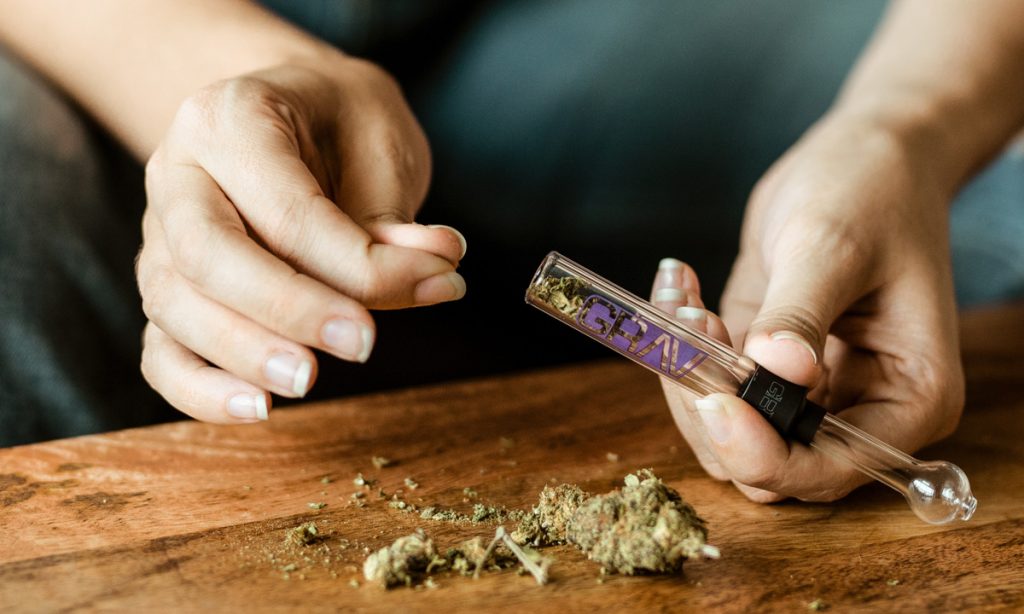
Photo by Grav via Unsplash
People who experience marijuana withdrawal make up around 10% of marijuana users, which is not a large statistic. This number is probably greater due to the fact that people are only recently becoming more open about their experiences with cannabis. Still, these symptoms are rarely discussed, so there’s no reason to feel bad when experiencing them.
The more we talk about marijuana withdrawal, the more the cannabis community learns and stays informed. It’s very important to know that these side effects are real and that they’re manageable. Sometimes a marijuana break might not feel great, but it might be what your body needs.
But there is at least one instance in his life where Rogan prefers to be on solid ground.
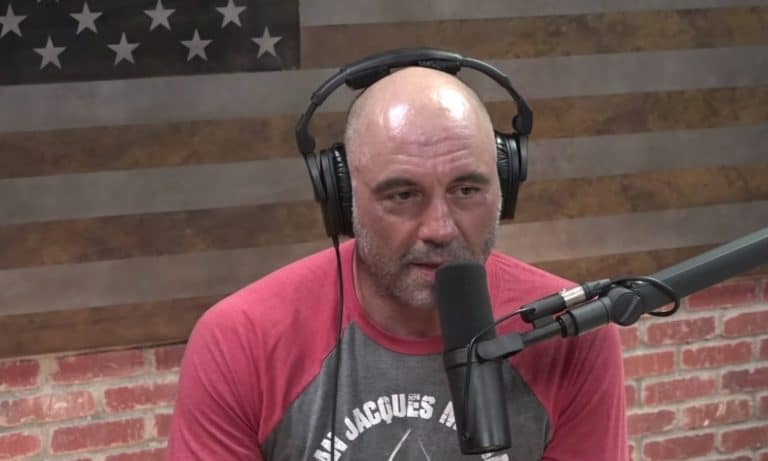
During a recent episode of “The Joe Rogan Experience“, Rogan detailed all the things he likes doing while high: lifting weights, yoga, run, chin-ups. But there is one thing he won’t do on weed.
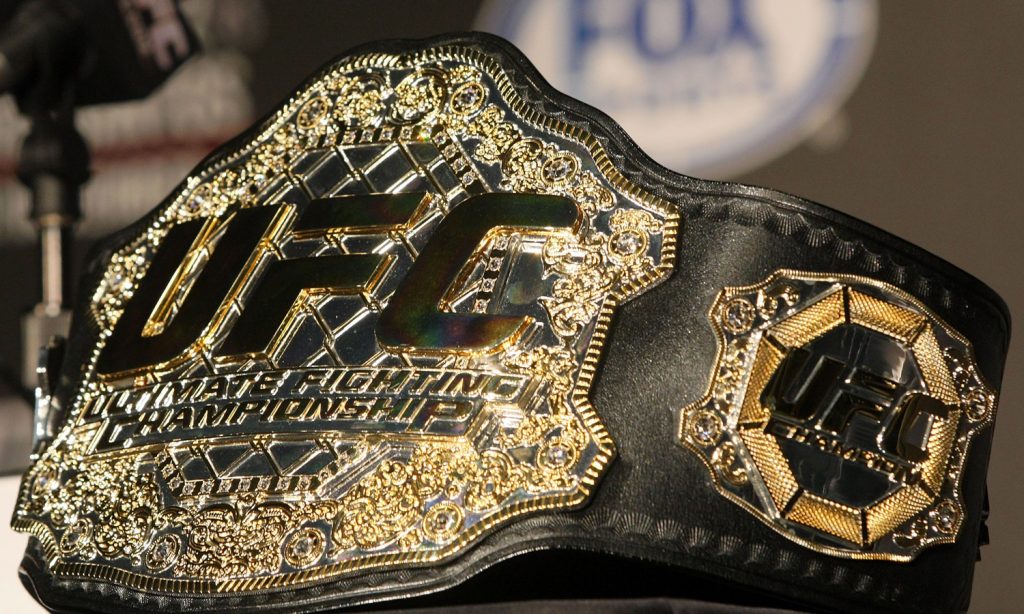
“Commentate on the UFC. I don’t like it,” he told guest Andrew Santino. “I’ve never done it really high. My worry is I wouldn’t want to talk about the fights. I’d want to talk about other things [like it’s a podcast.]”
“It would be extremely disrespectful,” he added. “If while these people who dedicated months and years of their life training and preparing and here they are on the UFC and I barely pay attention to the fight. I’m subject to not pay attention if I’m high.”
You can watch the whole clip below to hear Rogan joking about where the best places to perform while high.
Hemp-derived CBD is now legal, and the substance has shown promise in treating health problems such as inflammation. But what effect does it have on skin?
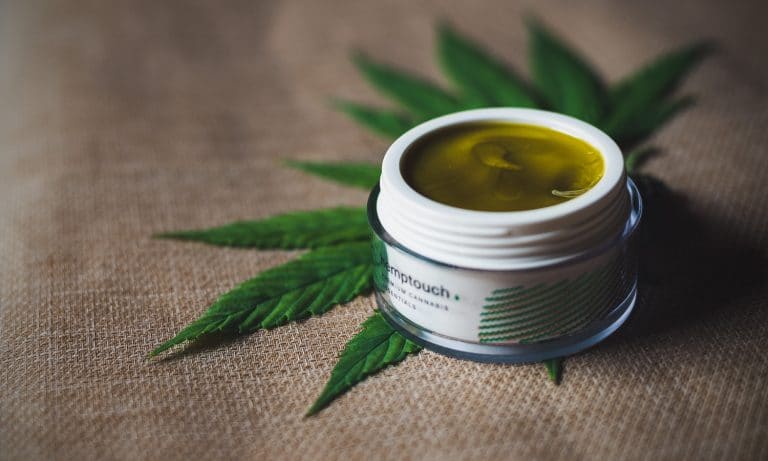
Cannabidiol, or CBD, has been seeing widespread use as an additive in everything from beverages to pet food, with manufacturers claiming to address a specific ailment such as anxiety, inflammation, pain, and lack-of-sleep. The beauty and personal care products has not been unaffected by the CBD rush, with at least one analyst predicting that CBD-infused products on track to capture 15% of the $167 billon skin care market. But can CBD improve skin health and appearance?
Demand for CBD-infused beauty and cosmetics is hardly in doubt, with major retailers such as CVS, Walgreens, and Sephora adding or planning to add CBD products to their lineup. Hemp-derived CBD is now legal, and the substance has shown promise in treating health problems such as inflammation. Its scientific and anecdotal success also makes CBD prone to become the next health gimmick.
Studies showing CBD’s effect on skin conditions are scant, with one major study often cited as demonstrable evidence of the cannabinoid’s curative properties on the skin. That study showed promise as the compound reduced the skin’s production of cells, the mechanism behind psoriasis. Why CBD is effective against psoriasis is not quite yet understood, with researchers concluding that more studies need to be done. Another popularly cited study shows promise with CBD reducing acne.
For consumers, gauging CBD’s efficacy can prove difficult, as it is often added along with more conventional skin care ingredients that have longer track record, such as copper peptide, salicylic acid, or retinol. Hemp seed oil, an ingredient that is also used in skin care products, does not contain CBD, but is an effective skin moisturizer, but is also derived from cannabis, which might create confusion.
There doesn’t seem to be a downside to using CBD-infused products, save a possibly lighter wallet with no positive benefits, so consumers interested in trying CBD don’t seem to have much of a health risk in trying products infused with the cannabis-derived compound, but look for brands that actually have CBD and not just hemp oil or other hemp ingredients that do not contain cannabidiol.
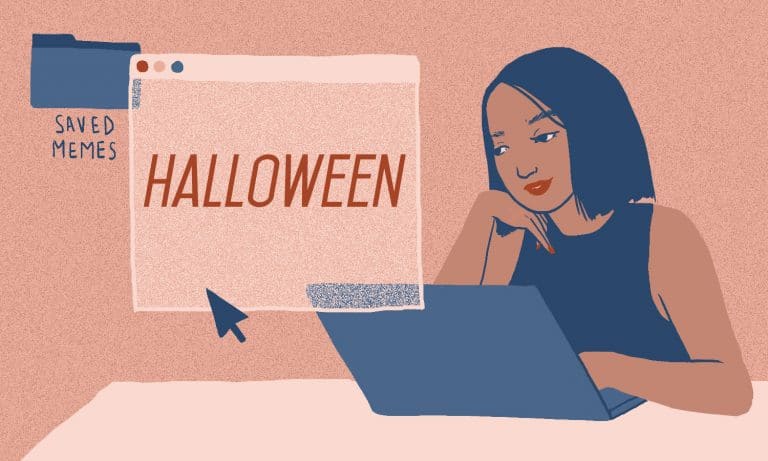
From Area 51, to the always reliable Spongebob and the cat that got screamed at by the Real Housewife, there’s a meme costume out there for every kind of person.
Internet memes have always been a source of inspiration for Halloween costumes, especially in the last couple of years, when there’s practically a new meme out every day.
This week’s meme column is a special edition, featuring not one meme but several meme costumes. They’re all great and hilarious, surprising us because of their craftiness and people’s commitment to them.
If you’ve kept track of this year’s memes, you’ll know that there’s an endless amount of resources and you’ll have no trouble recognizing some of them. From Area 51, to the always reliable Spongebob and the cat that got screamed at by the Real Housewife, there’s a meme costume out there for every kind of person.
The most widely used drug globally continues to be cannabis, with an estimated 188 million people having used the drug in 2017.
Even if you aren’t a cannabis consumer, it’s worth knowing what a widely-used substance it actually is. And it’s probably a lot more popular than you thought.
According to the United Nations World Drug Report, “The most widely used drug globally continues to be cannabis, with an estimated 188 million people having used the drug in 2017.” If the U.N. Report is as accurate as it claims to be, then cannabis is categorized as the most widely-used drug in the world. Despite cannabis being medically legal in many U.S., information has been released regarding increased rates of cannabis dependency and addiction.
Is cannabis addiction possible, and if so, how many people are affected by it?
About Cannabis Dependency & Addiction
If cannabis dependency and addiction are possible, what are the chances of one experiencing this? As mentioned in a Denver Post article, within the medical and public health communities, cannabis addiction is categorized as a disorder that consists of different physical withdrawal symptoms, cravings, and even psychological dependence. It’s possible to become addicted to cannabis without even realizing it. However, the chances aren’t as high as one may think.
According to The Denver Post, it has been estimated that around 9% of all cannabis users become addicted. Of that number, 17% of the individuals begin consuming cannabis during adolescence.
And cananabis addiction is on the rise.
Some believe that’s because of all of the new products on the market, especially ones with high THC levels. Several decades ago, cannabis wasn’t nearly as potent as it is now. However, is this to say that these high THC cannabis products result in a higher addiction rate? No, not necessarily.
Progression of Cannabis Products & Their Role in Cannabis Dependency and Addiction
In addition, since more states have medically and recreationally legalized cannabis, different breeders have taken an interest in breeding high THC strains. In recent years, selective cannabis breeding has led to certain strains containing 20% THC, and other strains exceed 30% THC. Whereas, cannabis extracts and concentrates contain even higher THC levels.
Photo by Bill Oxford/Getty Images
According to marijuana industry promotional information and drug enforcement administration reports, cannabis concentrates and extracts contain levels of THC with a range of 40% to more than 80%. However, this doesn’t mean that these highly concentrated cannabis products result in a higher addiction rate. But rather, these products allow users to consume less to gain the relief they desire. Thus far, no scientific studies have been released that show that stronger cannabis products increase the likelihood/rate of addiction.
Prevalence of Cannabis Dependency & Addiction
Although an estimated 9% of cannabis users become addicted, the number of users who become dependent varies. Some studies have reported that higher proportions of cannabis users end up developing a dependence to the drug for various reasons. Generally, cannabis dependency develops more slowly, which is why so many users don’t notice any signs/symptoms related to addiction. It’s possible for dependency symptoms to affect an individual’s life months or years after first beginning to use cannabis.
If and when a dependency problem occurs, individuals often endure withdrawal symptoms once they stop consuming cannabis. Different Northern California clinics have noticed an increase in demand for individuals who are looking for help with this, especially those of adolescent age. The following was stated by David Smith, a physician who specializes in treating addiction in San Francisco, California, “There should be no controversy about the existence of marijuana addiction. We see it every day. The controversy should be why it appears to be affecting more people.”
Even though numerous people consume cannabis multiple times a day and some consume products with high THC levels, this doesn’t mean that everyone will become dependent and/or addicted to cannabis. Of course, cannabis dependency and addiction are possible. However, currently, it affects a small percentage of users (less than 10%), and some of these users may potentially possess a predisposition to addiction. Thus far, there has been no reports of anyone dying from cannabis withdrawal symptoms nor from a cannabis overdose.
The proposed USDA rules present real challenges for the hemp industry as many crops will likely fail to meet the total THC limit and fewer labs will be allowed to test the crop.
On Tuesday, the U.S. Department of Agriculture (“USDA”) released its interim final rule for the production of hemp under the 2018 Farm Bill. Although these rules are not final, they will go into effect once published in the Federal Register, at which point a 60-day public comment period will begin.
Upon the publication of the rules, our firm provided a broad overview of the provisions found in the rules. Today, we further discuss the THC testing requirements proposed in the rules and how they will impact the hemp industry.
TOTAL THC TESTING PROTOCOL
To the disappointment of many in the hemp industry, the USDA adopted a total THC testing requirement. As we previously explained, total THC is the molar sum of delta-9 THC (“THC”) and delta-9 tetrahydrocannabinolic acid (“THCA”). Using a total THC testing protocol will create additional hurdles for hemp farmers who are already engaged in a precarious industry.
Not only does this testing method tend to increase the THC concentration in the hemp sample, and thus, pushes it over the 0.3 percent limit, it also limits the type of strains farmers can work with. This is because few hemp genetics currently on the market would comply with a total THC testing method. Consequently, this rule will force hemp farmers to carefully select the types of seeds they buy for their hemp crops.
To make things worse, the USDA rules also require that hemp be sampled and tested for total THC within 15 days of anticipated harvest. Given that the concentration of THC increases as harvest approaches, the rule will create additional challenges to get at or under the 0.3 percent limit. Although the USDA stated in its rules that it was “requesting comments and information regarding the 15-day sampling and harvest timeline,” the agency also explained that the rule “will yield the truest measurement of THC level at the point of harvest.” In light of these statements, it will be interesting to see whether stakeholders’ input on the matter will convince the USDA to revise this requirement.
Photo by David Trood/Getty Images
DEA REGISTRATION
The USDA testing rules further require that the testing labs be registered with the Drug and Enforcement Administration (“DEA”). The rationale for this rule is that labs could potentially handle hemp that tests above the THC testing limit, and thus, would constitute “marijuana”, a Schedule I drug under the Controlled Substances Act.
Because it is unlawful to possess marijuana without a DEA registration, all labs must be registered with the DEA in order to conduct hemp THC testing. However, the current DEA rules limit registration to labs located in jurisdictions in which the prescription, distribution, dispensing, research and handling of marijuana is legal. Accordingly, this USDA rule may reduce the number of labs that will be authorized to engage in this industry, which would be problematic given the fact that there are currently too few labs compared to the amount of hemp being produced.
Therefore, the proposed USDA rules present real challenges for the hemp industry as many crops will likely fail to meet the total THC limit and fewer labs will be allowed to test the crop.
If you would like to further discuss this issue, please contact our team of regulatory attorneys.
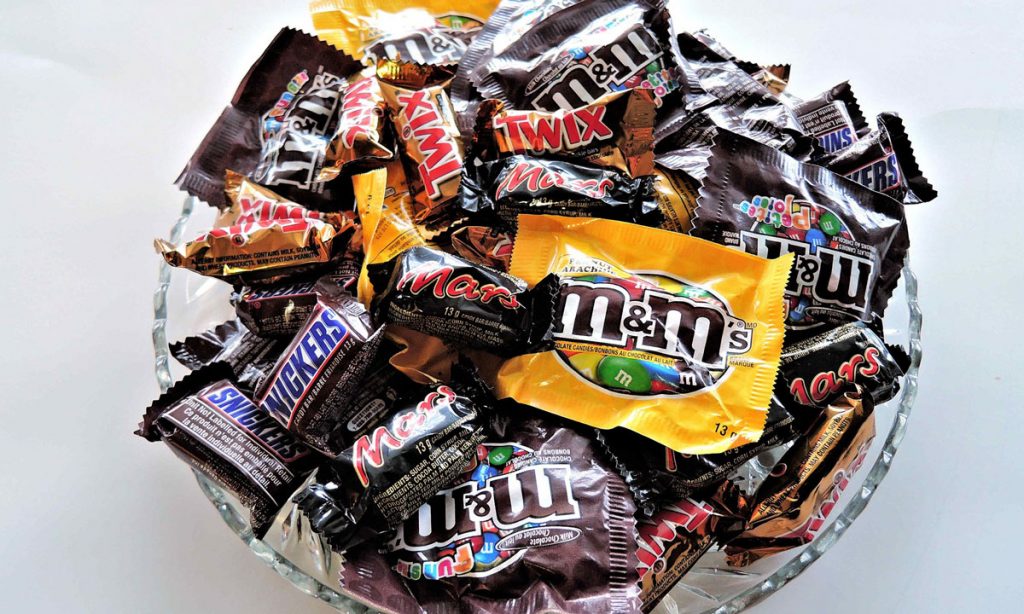
Halloween is known for spooky things, costumes and eating too much candy. Here are some tips that can help you get your body back on track.
Halloween brings a lot of things to mind, most of them being candy and sweet. October 31 is one of those days where we sort of give ourselves a free pass for overindulging, even if we end up eating all the candy and chocolates within out vicinity. Think of it as a pre-funk to Thanksgiving. We’re just acclimating our bodies!
Here’s what you can do to get back on track:
Let go of guilt
So you ate everything within reach and now you’re feeling extremely guilty and sorry for yourself. What happened, happened, and the faster you realize that, the faster you can get back on track. Remember that more holidays are coming, opening the door for plenty of temptations. The sooner you get over your Halloween induced stupor, the better off you’ll be.
Water is always important, but even more so when you’re system is packed with sodium, sugar and your body feels super bloated. Drinking water will help you clean your body and make you feel energized, something you’ll need if you had too much food or alcohol the day before.
Don’t skip meals
While some might think that skipping meals is a good idea after you’ve eaten so much the day before, most experts would disagree. In order to keep your metabolism moving, you need to eat. It’s also likely that if you ate a lot the night before, you might also feel some pretty intense cravings as soon as you wake up. Aim for meals that contain veggies and good portions of lean protein. Eat as clean as possible but don’t forget to do it.
While working out is the best thing you can do to ease your conscience and put your body back on track, moving around also helps a lot. Try to walk and move more than usual, that way stimulating your digestive system and improving your mood.
Take a 5 day sugar break
If your Halloween indulgences weren’t limited to October 31st, celebrity trainer Jackie Warner believes that taking a 5 day sugar break can be the best way to get you back on track. While explaining the program, she says: “By the third day of no sugar, man are these people grumpy. I can totally tell by Wednesday that they have a habit and they’re craving that sugar. And then by Thursday, Friday, which is the fourth and fifth day, they completely stop that craving for sugar.”
While marijuana isn’t a cure-all, it could benefit those with liver disease caused by excessive alcohol consumption.
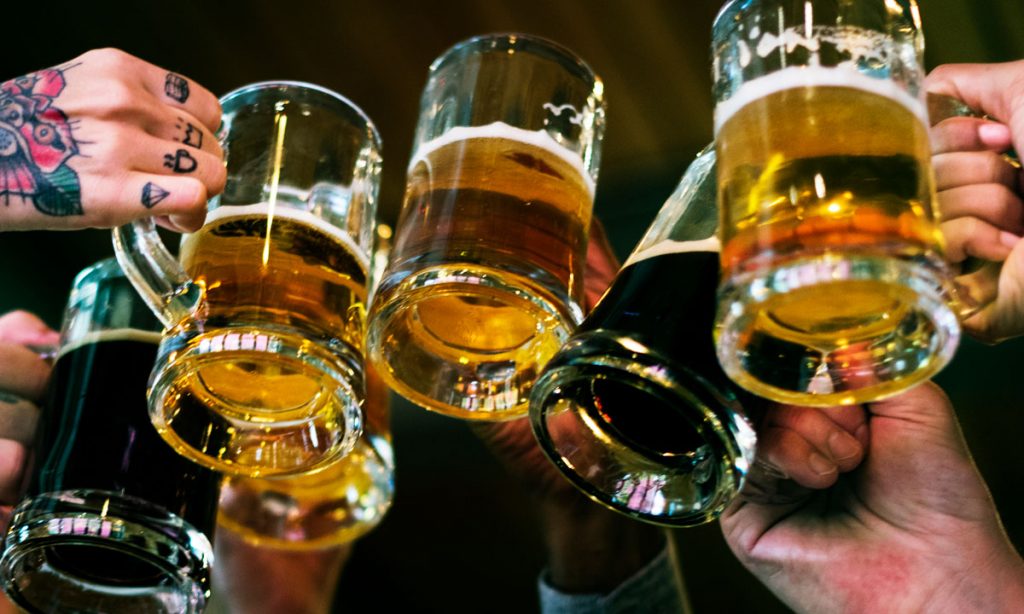
Binge drinking might be plummeting in states with legal marijuana, but combining the two could lead to unexpected effects on your health. First things first: Binge drinking isn’t good for your health. As the Centers for Disease Control and Prevention reports, the habit can lead to memory and/or learning problems, as well as unintended actions like unsafe sex or car accidents. Chronic diseases like stroke, high blood pressure, and liver disease can also occur.
Cannabis, however, has a surprising influence on those diseases caused by binge drinking. A 2018 study looked at 32,000 people who admitted to a history of excessive alcohol intake. What scientists wanted to know is how combining cannabis to those behaviors would impact alcohol liver disease—would it hurt or help? Considering the increasing use of marijuana nationwide, researchers felt it was an essential time to understand the relationship between the pair.
What the discovered was binge drinking who also used marijuana had decreased risk of alcohol liver disease (ALD). In fact, the heaviest cannabis users showed the lowest chances of developing ALD.
Photo by rawpixel.com
How does cannabis prevent ALD?
It has to do with marijuana’s anti-inflammatory capabilities. The liver contains cannabinoids receptors that respond when you smoke cannabis, and previous studies have demonstrated how marijuana could be used as therapeutic treatment for liver disease. When patients first develop ALD, inflammation occurs. Marijuana use reduces that inflammation, therefore slowing the disease’s progress.
“Our studies could not ascertain which cannabis strains were used,” one of the study’s authors, Dr. Terence Bukong, told Healthline. “So we couldn’t determine the cannabinoid content of what each individual ingested. We also couldn’t ascertain the dosage or modes of use, although it’s most likely through smoking.”
Bukong added that he’s confident cannabis-based treatment will soon be used in treating various liver diseases. His group is currently developing different formulation for specific disease. He did, however, caution that marijuana doesn’t solve all liver diseases. Hepatitis C patients actually had more scarring and their disease spread faster if they were heavy marijuana users.
“There are many substances in cannabis and it could be that one is really bad for the liver while another is beneficial,” Dr. Hardeep Singh, a gastroenterologist at St. Joseph Hospital who didn’t participate in the study, told Healthline. “The take-home point is that more research is needed because we need data on both sides, good and bad.”
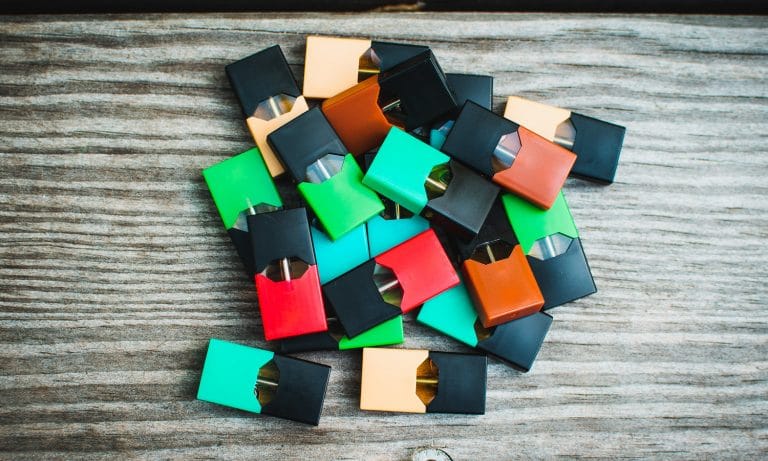
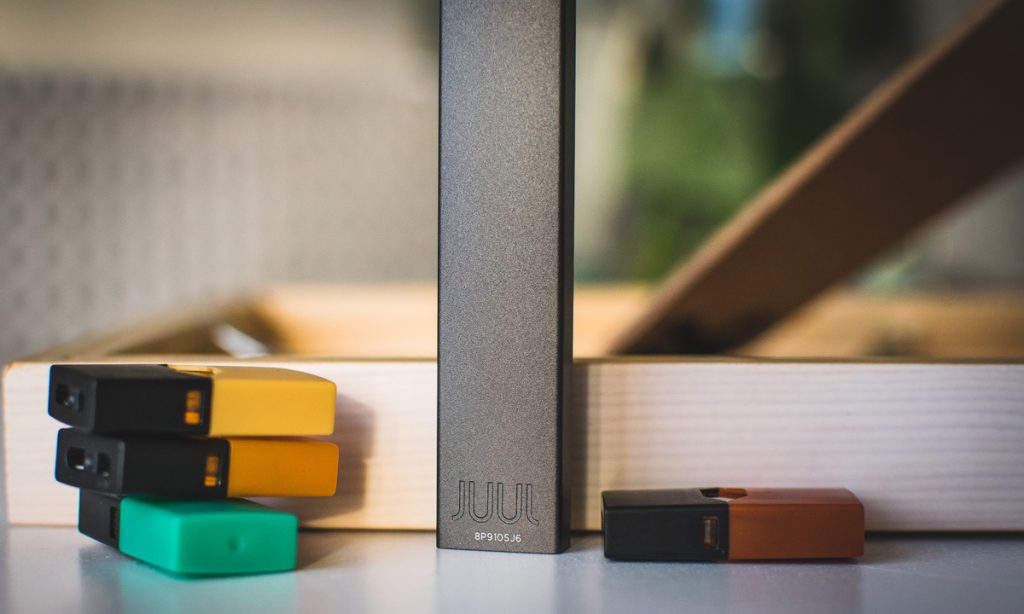
A former VP of Juul claims that he was fired because he exposed the company’s plans to sell expired and contaminated vape pods.
It seems that Juul will be catching no breaks any time soon. Following the widely reported vape illness that has affected hundreds, this past Tuesday a former executive of the company filed a lawsuit, claiming that Juul shipped out a million contaminated pods without informing their customers.
According to Buzzfeed News, Siddharth Breja, Juul’s former senior vice president of global finances and the man who’s filing the lawsuit, says he was fired after he raised several complaints regarding the contaminated pods. Breja says that the contaminated pods began to be sold in February 2019. By this time, the pods were over a year old, so Breja suggested that the company should at least add a “best by” label on the box.
Breja claims that CEO Kevin Burns responded that, “Half our customers are drunk and vaping like mo-fos, who the f*** is going to notice the quality of our pods?”
Breja also says that on March 12, he learned in an executive meeting of the presence of contaminated batches of mint e-liquid. Over a million pods were made from this liquid, all being sold to customers. According to the lawsuit, Breja was terminated on March 21 with Juul claiming that he had misrepresented himself as the chief financial officer at Uber. Breja denies this.
Although Burns was replaced by a different CEO last September, he spoke to Buzzfeed News regarding the lawsuit. “I never said this, or anything remotely close to this, period. As CEO, I had the company make huge investments in product quality and the facts will show this claim is absolutely false and pure fiction,” reads his statement.
While Breja’s lawyer claims that his client was fired because he spoke up regarding the public safety of costumers, Juul claims that the lawsuit is baseless and that Breja was let go “because he failed to demonstrate the leadership qualities needed in his role.”