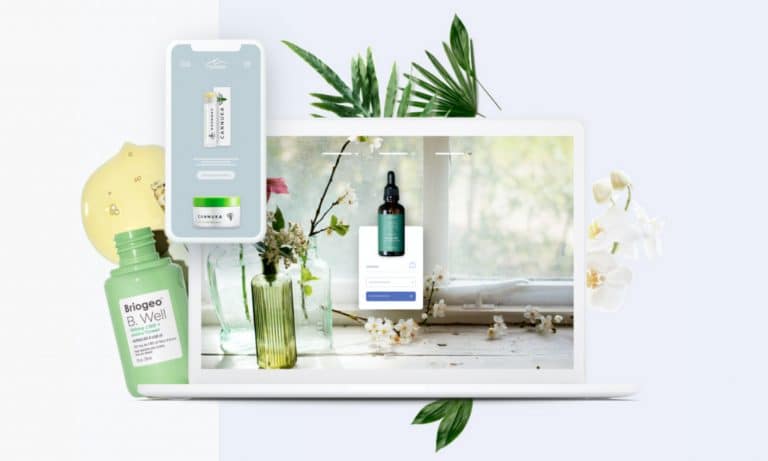
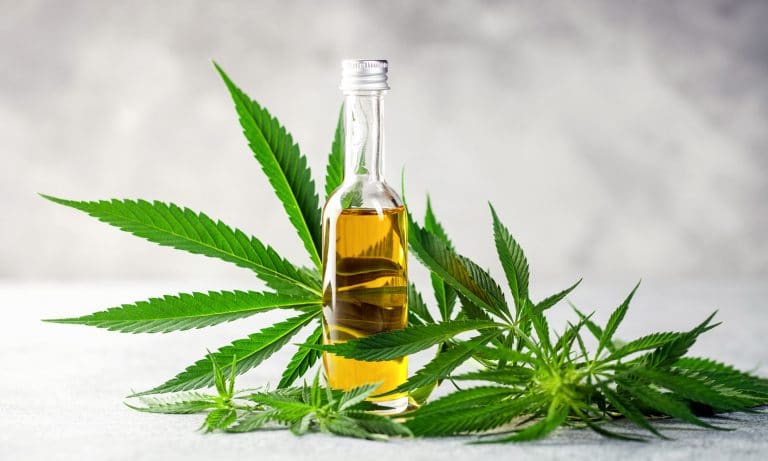
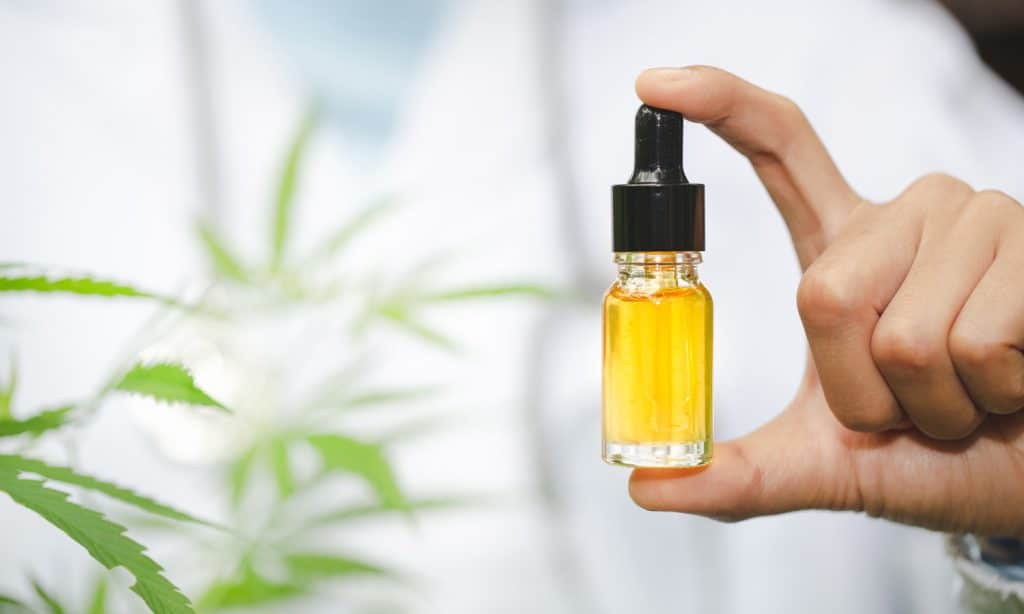
On Tuesday, Shopify launched a series of features to help US-based retailers of all sizes to sell select hemp or hemp-derived CBD products using the commerce platform.
Shopify Inc. SHOP 2.54% (TSX: SHOP) has launched a series of new features aimed at helping merchants selling hemp and hemp-derived CBD products in the U.S. better reach customers online and in brick-and-mortar retail locations. Of course, availability of this suite will be determined by local laws.
“Shopify didn’t get into CBD; CBD got into retail,” Loren Padelford, general manager of Shopify Plus, told Benzinga. “Shopify is excited to be one of the first commerce platforms powering retailers of all sizes that want to sell hemp-derived Cannabidiol (CBD) products in the United States. Merchants operating in states that permit the sale of hemp-derived CBD products will have access to trustworthy commerce tools to start or scale their businesses, whether they are selling these products online or in brick and mortar locations.”
‘Unmatched Expertise’
For the company’s Chief Operating Officer Harley Finkelstein, the “unmatched expertise in emerging industries, along with the resources merchants need to be successful in the fast-growing market of hemp-derived CBD products in the U.S…means that businesses can ride the wave of demand for these products and give consumers more choice.”
Reliable payment and shipping partners – and several to choose from
A marketing tool
Easy customization of shipping profiles
Full integration to more than 2,500 apps
Photo by razerbird/Getty Images
Sellers React
“This is an exciting time for the CBD skincare industry. Consumers are eager to connect with us and try our Skin Dope products. Until recently, we didn’t have a simple solution to manage and sell our CBD Oil and Hemp Seed Oil assortment online,” said Roger Wason, Director of eCommerce for Josie Maran Cosmetics, one of the first companies to use the new features.
“Shopify has helped us focus more on our relationships with our consumers and growing our business.”
Adding to these notes, vendor, Michael Bumgarner, of Cannuka, told Benzinga, “Shopify coming out [to support CBD merchants] will be a huge step in the right direction. With Shopify and other large companies leading the way, saying ‘We’re for this, this is happening,’ I see things changing even more quickly in the near future.”
The science is still new, but multiple published experiments cite an anti-inflammatory action with CBD that isn’t completely understood.
Cannabidiol infused skincare didn’t come out of nowhere. Like many of the other top selling skincare products, there is usually a trending scientific motivator. In the case of CBD, the anti-inflammatory responses in the skin of lab rats shows promise for all skincare concerns. It’s being studied more in depth with each passing month, and with the addition of the Farm Bill, people are much more willing to experiment and report anecdotal evidence that can lead to lab research.
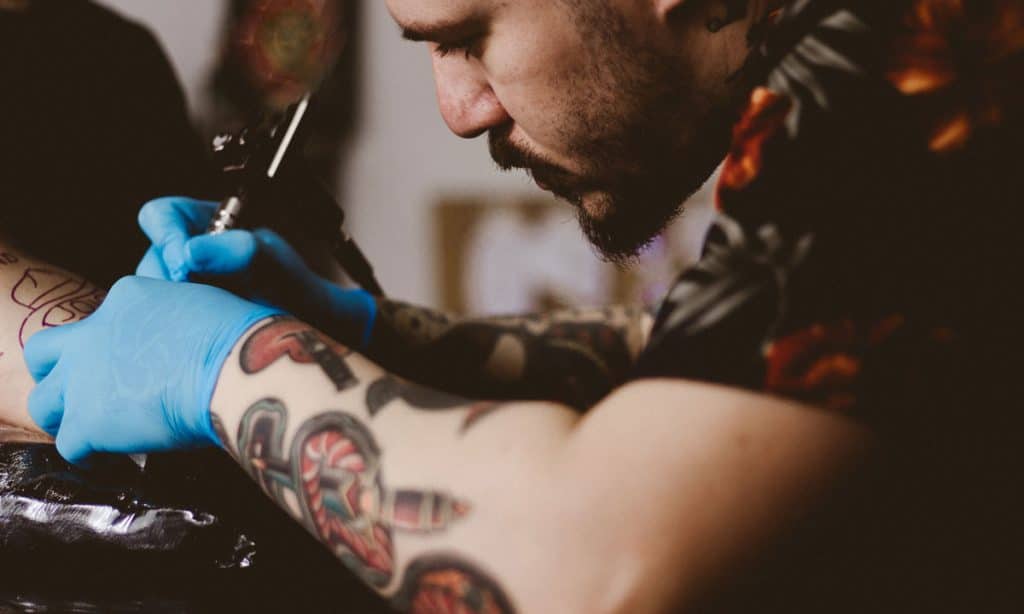
In the case of tattoos, there are many dedicated products that focus on the needs of freshly inked skin. If CBD can help to heal skin, it has the potential to become a tattoo lover’s best friend. These products generate almost two billion dollars in revenue according to Hemp Industry Daily, so if the products actually work, this market, like many other CBD niches, will see major growth in the coming years.
There are some CBD products on the market that come from already established tattoo healing brands, CBD companies, and also unique indie formulations like Nurse Mary J. CBD infused balms. There are sticks, creams, sprays, and even stencil adhesive aids cropping up to fill this gap, but we don’t yet have complete proof of their efficacy.
Tattoo.com calls CBD “The hottest thing in aftercare” and the reason is more than the current rise in cannabis popularity. Writer Elisha Belden breaks it down further: “The compound functions as a powerful anti-inflammatory. This helps to reduce swelling and inflammation. As your skin experiences severe trauma during the tattoo process, having a product which reduces these symptoms is vital.”
The science is still new, but multiple published experiments cite an anti-inflammatory action with CBD that isn’t completely understood. One study conducted in 2018 suggested that though healing time wasn’t necessarily accelerated cumulatively in rats with oral ulcers, it was less painful. The study, conducted by the oral medicine department at Pontifical Catholic University of Rio Grande do Sul in Brazil found that, “Collectively, these findings indicate that CBD exert an anti-inflammatory effect in the early phase of wound healing process although it was not sufficient promote clinical improvement of oral traumatic ulcerative lesions.”
Tattoo artist and owner of Three Kings TattooMatt Marcus says that when the time is right, he will offer CBD aftercare products to his clientele in New York City. Currently they don’t use the products in the shop, though customers often experiment. He says he is definitely on team CBD, and he’s watching the future of the space:
“I think CBD is useful for everything. As an anti-inflammatory it will take down inflammation caused by the tattoo process. CBD also interacts with pain receptors in the brain which can help create a pain relief for a lot of people. It also is known to prevent or delay cell damage which is also good for the distress your body will go through. On top of all of those benefits, I also think that CBD works additionally as a placebo effect for people. Most people underestimate the power of the mind and its ability to put themselves mind over matter.”
Not everyone enjoys the physical tattooing portion of the body art process, but Marcus thinks even a small measure of relief could make it more bearable for the less pain tolerant among us, saying, “CBD has always done wonders for me and people around me and I think that when people are expecting something to work for them or have a specific effect they actually help it along by convincing themselves of this mentally.”
If asked by the clients at Three Kings, Marcus and his team are open about the potential benefits of CBD, but without accommodating legislation and the hard science to back it up, they won’t be stocking just yet. He tells The Fresh Toast, “I think learning your dosage is ultimately the most important part. CBD is non-toxic to humans even in high doses so there’s very little risk in experimentation.”
Photo by Allef Vinicius via Unsplash
When doctors and scientists know the mechanisms of skin healing that’s could potentially be aided by CBD and other cannabinoids, tattoo aftercare that’s infused with cannabis is likely to experience a boom.
The basics of CBD and tattoo aftercare as of right now state that if it works for you, you should use it. The difference could be major, but right now it’s anecdotal, albeit positive. The good news is if you want to try using CBD to treat a tattoo, as long as the ingredients are cleared by your tattoo artist, you may be able to use an existing CBD skincare product that you have on hand, provided it’s not contaminated and has no irritating components.
Chrissy Teigen learns the hard way not to accidentally give out your email to a bunch of strangers; Roseanne Barr loves the Kardashians enough to copy their surgery procedures.
In the second part of the comedian’s sit-down with “DailyMailTV,” Roseanne Barr revealed that seeing sisters Khloé, Kourtney and Kim Kardashian and other young women made her think, “Maybe I could get a butt like that,” and undergo surgery. (The former sitcom star has confirmed in the past that she’s undergone gastric bypass surgery, a facelift, a nose job, a tummy tuck and a breast reduction.)
“I did have one procedure where I got the fat sucked out of my stomach and put in my butt because I just wanted to see what it would be like to have some shape of my butt,” said Barr, who lamented that she’s “never had a butt.”
She spends some of her downtime reading about the famous family.
“I just love them, they’re unbelievable,” she said.
When Barr begins her new comedy tour later this month, she’ll tell jokes about the Kardashians, too. So far, she’s compiled about 20 minutes of material, in which she takes on Caitlyn Jenner’s gender transition, among other topics. The only things she says she won’t joke about are the Kardashians’ “beautiful” children, who are “jazzy” like her grandchildren.
Chrissy Teigen just learned the hard way to never post her private information on social media!
The Bring the Funny star, 33, revealed in a series of tweets on Tuesday night that she accidentally posted her email address on social media, which prompted a number of her fans to give her a FaceTime call in hopes that she’d pick up.
Luckily for one person, Chrissy answered the random call — but to her surprise, she was greeted by a friendly follower and not an inappropriate body part.
“F— I posted my email address lmao,” she wrote before quickly adding, “oh my god people are FaceTiming me. was 100% sure this would be a penis but nope just a nice stranger.”
Although it hasn’t been recognized as an official phobia, trypophobia affects a large percentage of internet users.
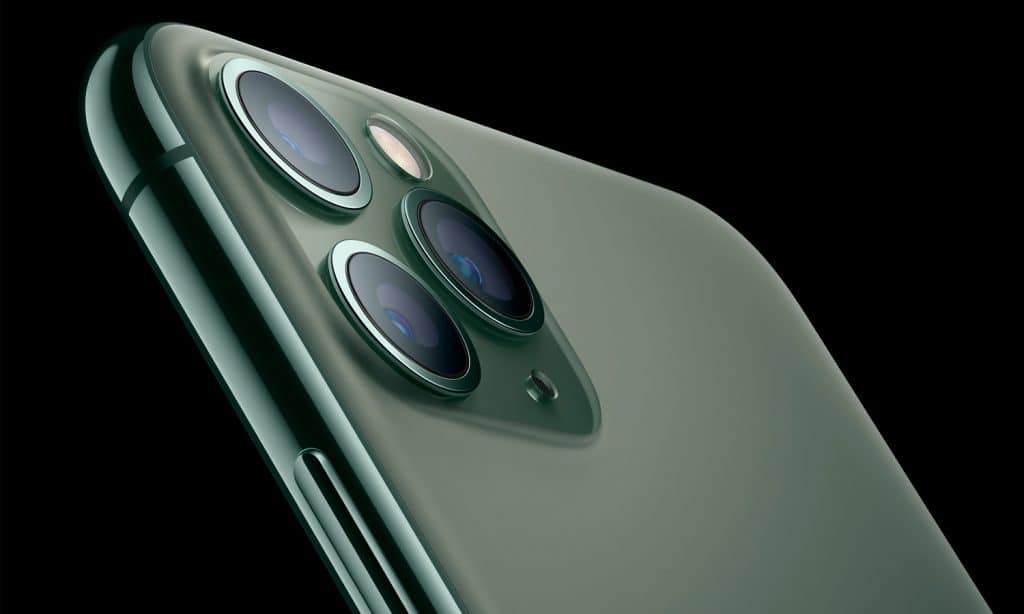
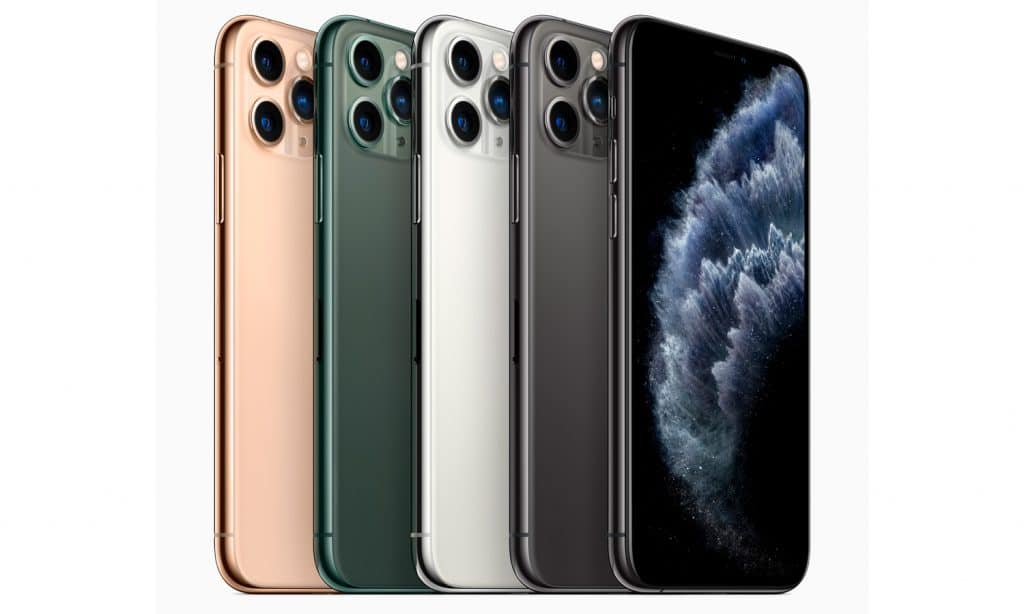
Trypophobia is a very common condition, at least online. Although there’s not much medical evidence that backs it up, the term is characterized by the unnerving feeling people get when they look at a cluster of small holes, like honeycomb or, since it was released last Tuesday, the back of the new iPhone.
All of Apple’s new phones come with this design, having three large cameras on their backs in a triangular formation with a little flash on the upper corner.
Trypophobia is a weird condition, one that has grown very popular over the years. It’s one of the most discussed terms online (a quick Google search will leave you reeling for days) and has a heavy presence in pop culture, being used for some story lines and advertisements of “American Horror Story”.
Photo courtesy of Apple Inc.
“The phobia arises in part because the inducing stimuli share basic visual characteristics with those of dangerous organisms,” a researcher from the University of Essex tells CNN. Another theory published in The Daily Mail says that our brains have to work overtime when looking at these images in order to process them, making us want to avoid them altogether.
I’ve had really bad trypophobia for years now and seeing pics of the new iPhone 11 all over my timeline makes me want to set everything on fire..stop pic.twitter.com/E1ucM9eeQy
Mitch McConnell recently introduced legislation that could force regulations the CBD marketplace needs.
Panic caused from the outbreak of vaping-related illnesses across the country has caused legislators and researchers alike to put the cannabis industry under the microscope. While many of the problems caused by the vaping crisis could be solved through legalization and a fair regulation system, most understand that won’t be happening federally speaking anytime soon. Though operators previously handled the cannabidiol (CBD) marketplace with a hands-off approach, that might be changing after reports CBD vapes have also rushed users to the hospital room.
The Associated Press commissioned laboratory testing on 30 CBD vape cartridges and discovered they contained synthetic marijuana, which is sometimes called K2 or spice. Other carts were found to contain no CBD at all. The AP weren’t the only that unearthed disturbing testing around CBD products.
Government labs in nine states, mostly in the South, tested more than 350 suspected samples and reported that at least 128 of these products contained synthetic marijuana. These examples extended beyond vape cartridges, too, as some products testing positive for synthetic cannabis included CBD gummies.
It’s vital to note this ratio of flagged CBD products is not representative of the whole market. Both the Associated Press and government agencies only conducted laboratory testing for CBD products they thought might contain dangerous substances, like synthetic cannabis or fentanyl. These CBD products, much as they do for THC cartridges, represent scammers trying to make a quick buck off uneducated consumers.
“People have started to see the market grow and there are some fly-by-night companies trying to make a quick buck,” Marielle Weintraub, president of the U.S. Hemp Authority, told the AP. (The Hemp Authority is an industry group that specializes in CBD cosmetic and dietary product certification.)
Photo by Tinnakorn Jorruang/Getty Images
A big problem around CBD regulation revolves around the Food and Drug Administration’s delay in setting clear parameters and rules across the country. State government officials don’t know how to crack down on CBD products as a result, beyond the FDA’s restriction of adding CBD to food and drinks marketed across state lines. But that could soon change, thanks to Senate Majority Leader Mitch McConnell, who was instrumental in legalizing hemp federally through the 2018 Farm Bill.
On Tuesday, McConnell introduced a measure that would compel the FDA to set temporary guidelines of “enforcement discretion” around hemp-derived CBD products, while the FDA decides upon more long-term solutions. Currently, the FDA isn’t sure if it will regulate CBD like a dietary supplement, such as fish oil, or something different. Should McConnell’s proposal pass, the FDA would have up to 90 days to create such an “enforcement discretion” policy then implement those regulations within 120 days.
The U.S. Hemp Roundtable, a hemp trade organization, said McConnell consulted the group before drafting the proposal.
“In the short run, the McConnell language would help lift the current regulatory cloud that’s been discouraging financial institutions to work with CBD companies, and that’s encouraged some local government officials to suggest that CBD is illegal in their state,” the U.S. Hemp Roundtable said in a statement. “In the long run, it would set forward a fair and expeditious path for hemp CBD products to be formally recognized as safe and legal as a matter of federal law.”
No matter the difference in circumstance, the outcome of overdosing on marijuana is often the same: a racing heart, paranoia, and an urge to get medical help.
When it’s at its best, marijuana is both a wonderful mood and life enhancement. But when it’s being misused, we can end up in the hospital, swearing we’ll never eat another edible again.
Likely, at least one of you has experienced one of the following: an untested single weed brownie that has as much THC as the entire batch; a Sativa keeps getting passed around to the newbie in the group, who refused to tap out; the plunger on a tube of oil suddenly bursts into one’s mouth (personal experience). No matter the difference in circumstance, the outcome is often the same: a racing heart, sweats, paranoia, and an urge to check yourself in the emergency room. While no one has ever died from cannabis overdose, here are 4 ways to avoid the ER because you got too high.
Do Not Let Your Kids Near The Edibles
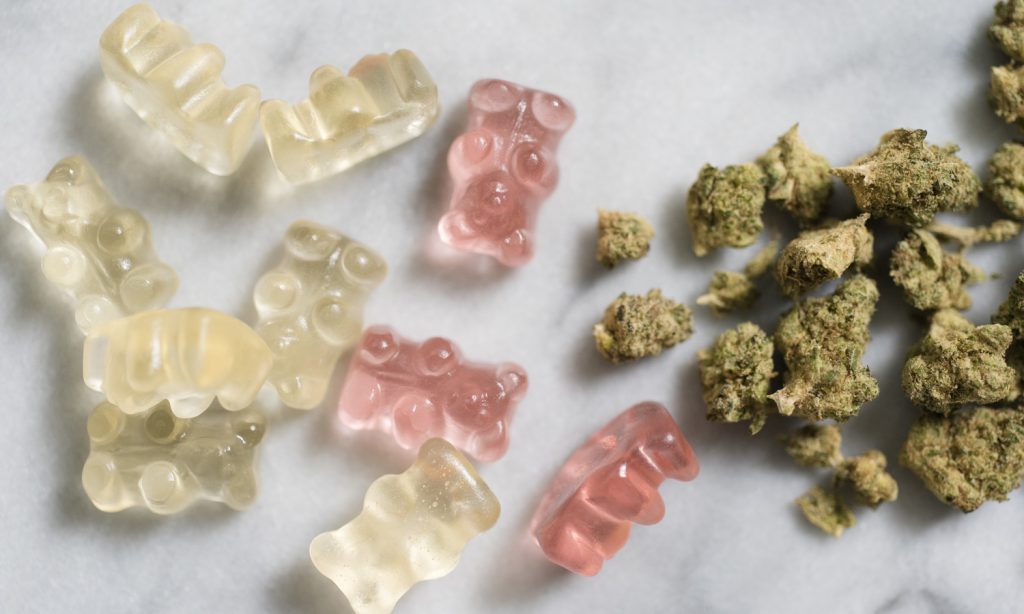
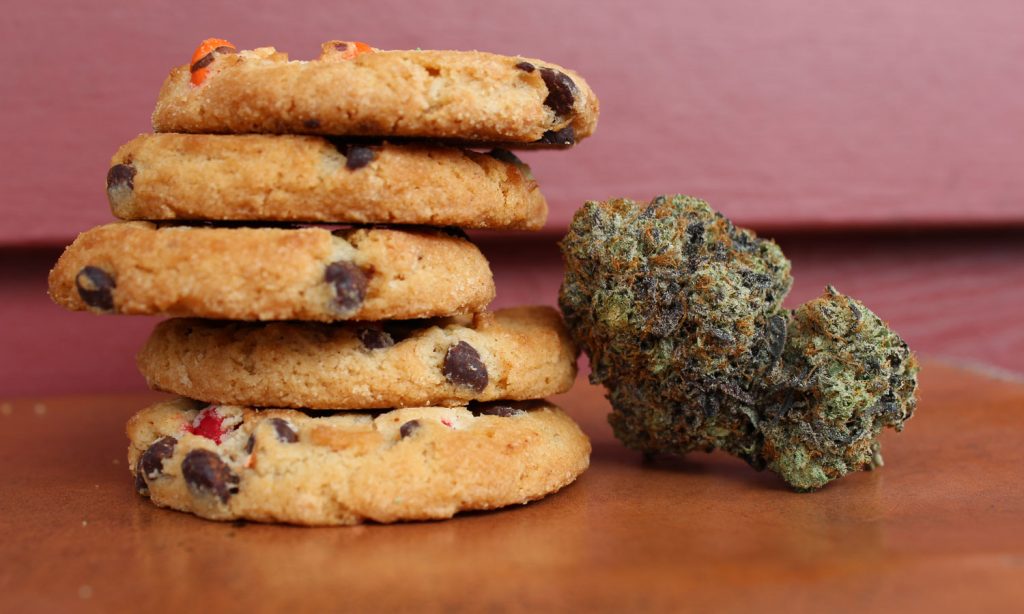
Many edibles look like they were made for kids: Cookies, lollipops, gummy bears and other candies can be very tempting to a young child. A simple, “No, those are for mommy,” will not suffice. Lock them away and eat them on your own time. Kids eating edibles is the number one cause of marijuana related ER visits.
Photo by Jamie Grill/Getty Images
Go To Bed
The simplest way to avoid the ER is to not go. Do yourself a favor and write yourself a note right here and now: “There have been no reported deaths from cannabis overdoses in history. I may be feeling uncomfortable or even just plain scared right now, but this too shall pass. I am not dying. I am not having a heart attack. I will never eat _____ again in _____ quantities. This too shall pass. Drink plenty of water and breathe.”
If you are an “every single day” kind of ingesting pro, you probably have less to worry about, but in any case, it’s always a good idea to start with half an edible dosage and see how you feel after an hour. You can always eat the other half if you haven’t gotten as elevated as you’d like. It’s also smart to tap out when you’re good – and you’ll know when you’re good. This is especially true of those new to cannabis. Start slow, believe us, a little goes a long way.
Photo by Margo Amala via Unsplash
Don’t Blow Yourself Up Making Dabs
Though not entirely weed related, this would be the time to actually go to the ER if it happens. So don’t let it happen! DIY butane cannabis extraction is the fifth leading cause of ER visits in relation to cannabis. If you really want to make your own extractions, there are safe methods to do so, i.e. rosin presses. Please research the various, non-explosive ways to extract and save you and your buddies a whole lotta hurt.
Therapy tends to be expensive, making a lot of people avoid it altogether. Despite this, there are some options that can help reduce costs.
Therapy is helpful, giving patients a space of their own where they can vent and talk about their most pressing issues. It’s a process that takes it’s time to work, requiring the patient to build trust and a relationship with their therapist, this becoming one that’s kind of thorny for insurance companies.
Therapy prices can vary drastically from place to place, with a one hour session typically costing somewhere between $65 to $300. Some of the influencing factors of this price include the city you live in, the therapist’s training, their specialization and how much your insurance covers.
The Huffington Post spoke with different experts and compiled a list of things that can make therapy more accessible to people who are interested. Here are five of the most useful tricks we found.
Learn about sliding scale therapy
Sliding scale therapy is when therapists adjust their rates and costs depending on the patient’s income. While not all therapists do this, you could ask for their low income options on your first session or do some research online and find options that offer these types of treatments and aid.
A lot of universities have well regarded mental health centers, which also help out the community. Most of these buildings employ psychology students and are supervised by a professional. “One advantage of these clinics is that because they are training clinics, they are likely to offer evidence-based psychotherapy, with some clinics utilizing more cutting-edge therapies than what is available in the community,” explains Leslie Swanson, clinical associate professor of psychiatry from the University of Michigan.
Look for free therapy options
Contact your state’s department of public or community health center. These places might offer referrals at low costs or mental health clinics that provide affordable prices and options. Another helpful option is, if you have a diagnosis, to enroll in studies for mental health conditions, which can be found on sites like ClinicalTrials.gov. By contributing to studies and researches, you could obtain free care, therapy or medication.
Support groups and therapies in group are often more affordable since the costs are spread out. These practices are also less isolating than traditional therapy, providing you with a group of people who are going through similar issues.
Search for online programs
Although apps and websites can’t replace a therapist, these online programs can have real mental health benefits and improve your quality of life. Talkspace and Crisis Text Line allow you to chat with mental health professionals who might provide you with advice and help if you feel like you need to speak with someone quickly.
The singer is partnering with PLUS Products, adding to the growing list of celebrities entering the cannabis market.
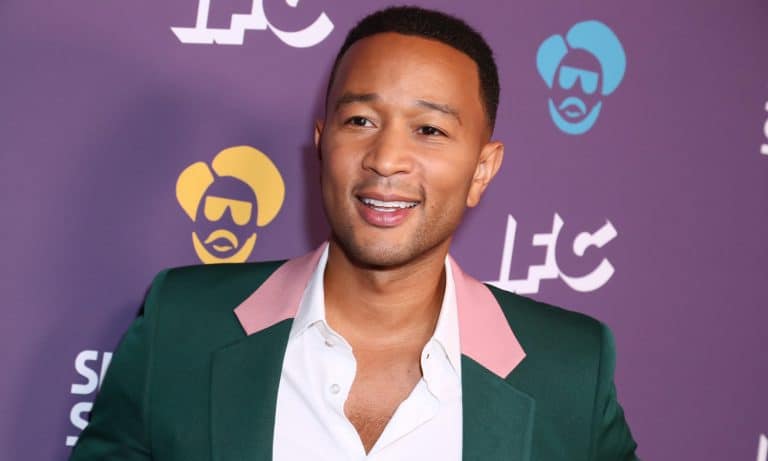
Plus Products Inc. (CSE: PLUS) (OTCQX: PLPRF) is kicking off a nationwide launch of its 100% hemp-derived CBD line and entertainer John Legend is partnering with the company. The celebrities joining the cannabis industry are getting bigger and brighter by the day.
“I have been a believer in the benefits of CBD for some time,” stated Legend. “I was drawn to the PLUS team because they’re an innovative, family-run company, and they use science to deliver a consistent, high-quality product. I appreciate that they’re committed to setting a high standard within an industry that has to date been fairly unregulated.”
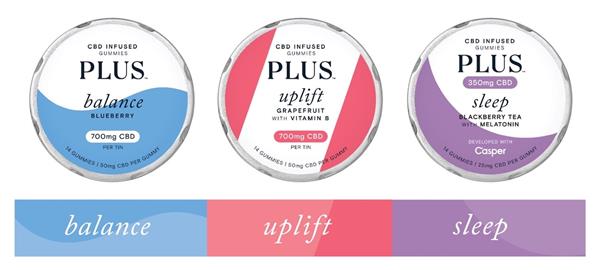
PLUS is currently the number one and number two best-selling THC edibles in California, which is also the largest market for cannabis products. The new CBD line will include three distinct products, developed by PLUS’s team of scientists, entrepreneurs and chefs: BALANCE in Blueberry flavor, UPLIFT in Grapefruit flavor, and SLEEP in Blackberry Tea flavor.
In addition to Legend, PLUS has also teamed with Casper Sleep Inc. to introduce its melatonin- and CBD-infused SLEEP product. “We’re always exploring new ways to improve sleep across the entire sleep arc — from sunset to sunrise,” said Neil Parikh, co-founder, and chief strategy officer at Casper. “Like PLUS, we believe sleep is a key part of the wellness equation. Partnering with their team of experts to introduce CBD sleep gummies brings a new way to relax and rest to those who need it.”
“We established our reputation in edibles by offering customers a consistent and precisely-dosed gummy using high-quality extracts,” stated Jake Heimark, CEO, and co-founder of PLUS. “Our CBD line will build off that expertise, and the earned trust we’ve established while offering a new experience for consumers designed to help them find their just right.”
“Giving the world a simple way to achieve balance has always been our mission, and the PLUS CBD line allows us to expand from California to nearly all fifty states overnight. We are thrilled that John Legend and Casper have partnered with our team to support this exciting new initiative.”
If you would like to learn more about the edible market, check out the new report from the Green Market Report titled, “The Economics of Edibles.”
Some Pond’s skin cream contaminated with mercury has left a woman in a coma for months. The cream was purchased online and imported from Mexico.
A woman from California has been in a semi-comatose state since July due to exposure to methylmercury. NBC News reports that the contaminant was Pond’s skin cream imported from Mexico.
Methylmercury is an especially toxic form of mercury, and it caused the 47-year-old woman to develop difficulty speaking and walking. Once she visited the hospital, lab results showed that her bloodstream contained 500 times the acceptable amount of mercury. The Pond’s skin cream she purchased, meant to treat skin spots and wrinkles, was reportedly contaminated by a third party.
“We do not use mercury in our products,” a Pond’s representative told NBC News. “We take this matter very seriously and work closely with all authorized retailers to be sure products remain intact and safe for use from shipment to shelf. Illegitimate sales, product tampering, and reselling are beauty industry issues that deserve close attention and consumer awareness. The product in question is not sold in the U.S.”
Health officials from Sacramento county are as shocked as anyone, claiming that this is the first time in the United States when someone has been poisoned by methylmercury through the use of a facial cream. Olivia Kasirye, the public health officer of the Department of Health Services of Sacramento, says that the U.S. public should immediately stop using similar products imported from Mexico. Authorities haven’t yet figured out if the contamination was intentional or an accident.
Mercury poisoning can cause permanent damage to the nervous system, with some of it’s initial symptoms including memory loss, fatigue, numbness and anxiety. According to Kaisrye, once the chemical crosses the brain there’s no way to get it out.
If you normally purchase your products online or through retailers, be sure to do your research before hand. If you think you’ve been in contact with Pond’s products imported from Mexico, visit an emergency room as soon as possible.
A new study found that high taxes and cost of compliance keeps many small-time players within the black market in legalized states.
If you believe Donald Trump, you’d believe that all vaping is created equal. “People are dying with vaping,” he said in explanation of his administration’s decision to flavored e-cigarettes. “A lot of people think vaping is wonderful, it’s great. It’s really not wonderful.”
But in light of America’s vaping crisis, we know that isn’t true. The vaping illness that infects lungs should be separated into two different categories: the one caused by those flavored e-cigarettes, and the vaporizers that involve marijuana.
We know that the disease caused by marijuana vape cartridges is largely fueled by the black market. Brands found on the black market like Dank Vapes and Chronic Carts include vitamin E acetate, a substance that shouldn’t be smoked into the lungs, scientists explained, and could be behind the deadly illness. But in an era where more people theoretically have access to legal cannabis—which is regulated and monitored by states—why does the black market remain so potent? Furthermore, how is there still black markets in states with legal weed?
A new Portland State University exploratory study might have an answer. By examining data following legalization in Colorado and Washington, the paper showcases that excessive regulations by state markets could be driving consumers and producers alike to remain in the shadows.
“The qualitative analysis of news reports reveals that regulation is one of the main reasons that people stay in the illicit market,” reads the paper. “The comparison of marijuana crime trends in Colorado and Washington shows mixed findings. While marijuana offense rates in Colorado largely remained steady over the years, those in Washington increased dramatically after the implementation of more intensive regulations.”
Photo by GRAS GRÜN via Unsplash
Graduate student of criminology and criminal justice department Sikang Song is behind the research, as he presented the paper as his master’s thesis. Song pursued the issue, as he wanted to understand why illicit markets continue despite legalization, which many have argued would eliminate the black market for cannabis. But as the Associated Press reported earlier this year, 80% of California’s marijuana sales still occur “under the table.”
“The reasons behind the persistence of the marijuana black market are complex,” he writes. “One of the main arguments is that the legalized states have failed to establish a regulatory framework which effectively keeps both producers and consumers in the legal market. Instead, strict regulations and high cost of compliance have created an environment in favor of big players while driving small-scale businesses into the black market.”
Among the reasons people gave Song as to why they remained in the black market, some of the most frequent responses included “high taxes,” “overregulation,” and “cost of compliance.” Though as Colorado rates didn’t change over the years, as Song wrote, he saw the effect harsh compliance had in Washington. When the state introduced more regulations, Washington’s crime rate also rose, according to Song’s analysis.
“The fact that Washington’s marijuana black market kept growing after the implementation of more complex and sophisticated regulations at least indicates a correlation between regulation intensity and the increase of the black market in the case of Washington,” Song writes.
If we’ve learned anything over the past several years in the legalization era, and what this study speaks to, is that marijuana legalization is only half the battle. Regulation and legislation around cannabis that creates an even playing field for all playing field is just as important. Otherwise, the country might find itself in a worse vaping crisis than the one we find ourselves in.