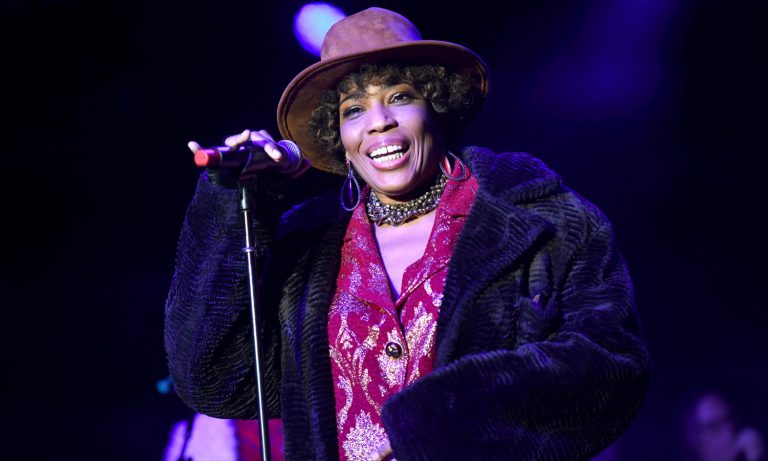
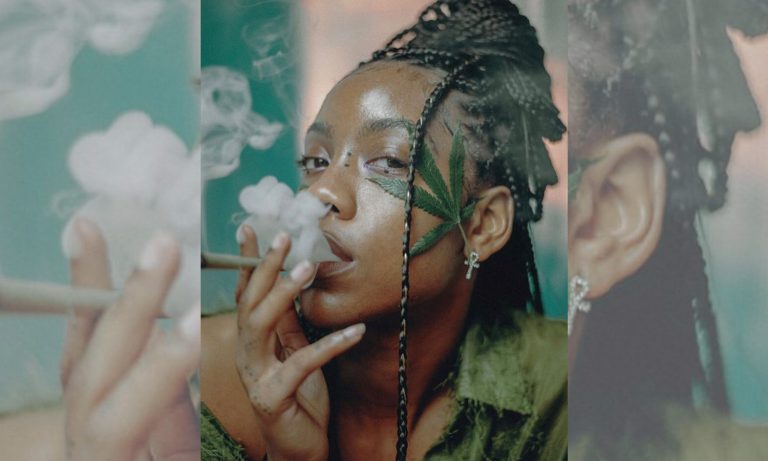
Singer Macy Gray wants to help usher in a new wave of women-centric cannabis products to the market.
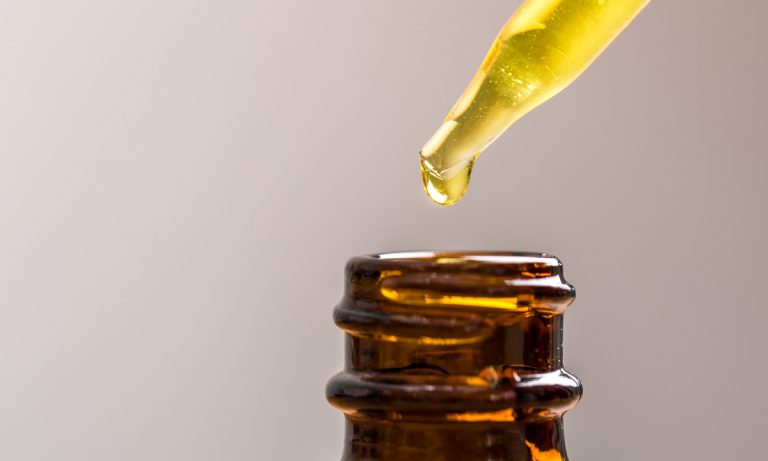
If anyone ever criticizes you for your daily weed habit, just blame it on Macy Gray. In a recent interview with Vanyaland, the singer revealed her belief that marijuana, particularly CBD, is becoming more of a vitamin than a drug. To put her money where her mouth is, Gray also plans to launch a line of cannabis oil-based cosmetics, including a lip gloss and hair oil.
Gray, most renowned for her “I Try” single, revealed that she was inspired by her mother to launch the cannabis line. This was not an instance of Miley Cyrus lighting up with her mom and pops, though. Instead, Gray’s mother has cancer and CBD “helps her incredibly.”
“A lot of masseuses do massages with CBD oil now because it’s really good for pain. It’s good for depression, they say—I don’t know proof of that one,” Gray told Vanyaland. “It’s becoming like a One-A-Day vitamin, I think, for everybody.”
Gray also announced her focus on developing more cannabis products develop and marketed for women. In the male-dominated industry where sometimes the focus seems like getting users as stoned as possible, Gray’s intention is to create “great healing products” as well as “just straight-up, good, proper, amazing cannabis/weed.”
“I go to these dispensaries, and I see the marketing for weed, and it’s always directed at men,” Gray said. “60 percent of marijuana smokers in the USA are women. We had faith then, because we had cannabis and CBD products for women.”
Over the past year, more women-owned and female-centric cannabis companies have appeared to fulfill that untapped set of cannabis users. Both Chelsea Handler and Whoopi Goldberg have also espoused views similar to Gray’s, saying that many women have been left in the dark about how cannabis could positively impact their lives. While marijuana does affect men and women differently, cannabis has become an outlet for self-care as well as pain relief for menstrual cramps.
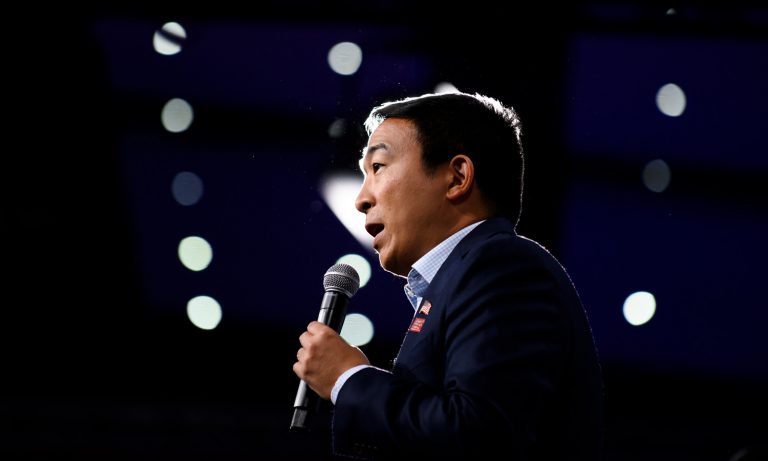
Presidential candidate Andrew Yang is combining his passion for mathematics and marijuana reform to provide supporters some sweet campaign merchandise.
According to a Monmouth University poll released this morning, tech executive Andrew Yang is polling at 3% among Democratic presidential candidates. Meanwhile, Elizabeth Warren, Bernie Sanders, and Joe Biden remain locked in a three-way tie at the top, each commanding around 20% of polled voters. But that hasn’t stopped Yang from trying rather “creative” attempts to boost his numbers.
Over the weekend, Yang debuted exclusive marijuana merchandise on his campaign website, like he was a rapper who just dropped his debut studio album. All the merchandise is of the limited-edition variety, and combine Yang’s passion for mathematics and marijuana reform. “Math. Money. Marijuana,” reads a $30 unisex T-Shirt, which includes Yang’s campaign logo underneath.
As Forbes first reported, some of this merch has already sold out. A green dad cap that reads “MATH” on the front and bears a cannabis leaf on its back is no longer available. But you can still buy a campaign bumper sticker that simply reads, “Legalize Marijuana.”
Last week on the campaign trail, Yang made waves for promising a “mass pardon” for all non-violent marijuana offenders still serving time. Throughout his campaign, Yang has aligned himself with substantial cannabis reform, and the impetus to resolve the conflict between state and federal laws, which regulate and regard marijuana differently.
“We need to resolve the ambiguity and legalize marijuana at the federal level,” reads Yang’s campaign website. “This would improve safety, social equity, and generate tens of billions of dollars in new revenue based on legal cannabis businesses.”
Last Friday, Yang also sent out an email to his supporters, reiterating his position to mass pardon low-level, non-violent marijuana crime offenders.
“On my first day as President, I will pardon every person imprisoned for a low-level, non-violent marijuana offense and I would high five them on their way out of jail,” reads the email.
Marijuana convictions make up a very small percentage of the federal prison population, but that’s still ~ a few thousand high fives
A website designed an artificial intelligence chatbot that helps people breakup over text.
Ghosting, or that moment when you digitally disappear after going on a couple of dates with someone, is one of the dating world’s most common occurrences. Although it’s very rude and unnecessary, we can all sort of understand the sentiment behind it; it’s really hard to break up with someone, especially if you don’t know them well and if you’d rather avoid confrontation.
Quartz has figured out a way to resolve this issue and to help us act like better humans. By designing a breakup trainer chatbot they’ll give people the chance to learn a few things about relationships and to practice breaking up without hurting anyone in the process. The bot has Artificial Intelligence and it incorporates advice and suggestions from dating and relationship experts. It offers different scenarios and options as you continue to interact with it.
Quartz spoke with several dating coaches who contributed to the development of their chatbot and who gave suggestions for everyone who’s considering breaking up with someone and not knowing where to start. Expert Carmelia Ray said that although every break-up and relationship is different, there are a few basic guidelines that most people would benefit to follow. One of the most common mistakes people make is padding reality and flushing someone’s inbox with compliments. She says it’s best to be concise, clear and to get to the point.
Dating coach Rachel DeAlto also suggests that, in some cases, a white lie can help, especially if the person you’re trying to break it off with gets aggressive. “One thing I’ve seen, especially with women, is that when they say they’re not interested, guys can get aggressive. I don’t encourage lying, but if someone’s getting aggressive or hurt or defensive, it can save you.”
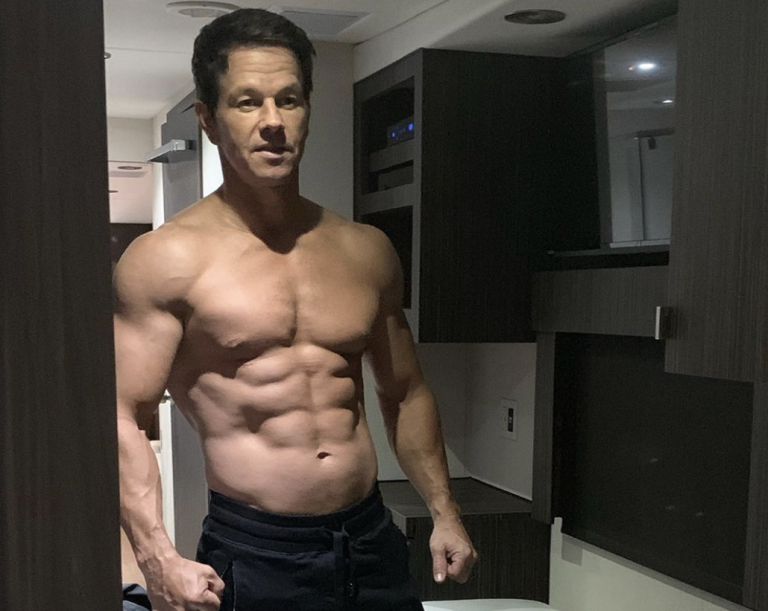
Mark Wahlberg is flaunting his hard work at the gym.
The Oscar nominee, 48, posted a photo Friday on social media showing off his ripped abs while on the set of his new Netflix movie, “Wonderland.”
The shirtless snap quickly elicited responses from NFL quarterback Tom Brady and entertainment host Mario Lopez.
https://www.instagram.com/p/B1huz_JB3ZM/
Brady wrote, “We are looking for some skill players,” while Lopez commented, “Show em what fellas in their 40s are all about! You look awesome bro!”
Wahlberg has been following a rigorous diet and fitness routine for his new role as an ex-con turned undercover detective in the crime drama due out next year.
He regularly posts on Instagram how he hits the gym at 4 am and then again at 4 pm every day.
Wahlberg shared his workout with Men’s Journal: “My workouts start with RAMP, which stands for range of motion, activation, and movement prep — things like Spiderman stretch and hip bridges, plus foam rolling.”
“Then we switch between bilateral and unilateral strength moves using mostly heavy bands, TRX, dumbbells, and kettlebells. The lower body work includes balance and agility drills,” he added.
Orlando Bloom is hoping to learn from his past, at least when it comes to the romance department.
In a teaser for his upcoming interview with Sunday Today, the actor, 42, spoke about his engagement to Katy Perry, 34, admitting that he thinks he and his fiancé will have a different kind of ending than his first marriage. “It’s important to me that we are aligned,” he explained to host Willie Geist in the preview. “I’ve been married and divorced and I don’t want do it again and we’re both fully aware of that. She’s remarkable and so I’m always so impressed with that and I’m encouraged.”
Photo via Naughty Gossip
While Bloom was previously married to Miranda Kerr for three years and separated from the supermodel in 2013, the duo share an 8-year-old son, Flynn.
Bloom proposed to Perry with an extravagant helicopter ride, but the 42-year-old actor was quick admit that Perry’s love for “a big moment” played a factor in the execution of it all. “To be honest, she loves a theme as you can see in everything she does. She loves a big moment,” he explained. “I’m still trying to get her to wrestle into the small moments,” he shared. “The cool thing about what we’re doing, we’re learning to do the small together. I think we’re both fully aware that it’s a mountain to climb and that that mountain won’t stop, in terms of a relationship because I think that’s what it is and I love to evolve and fortunately, she does too.”
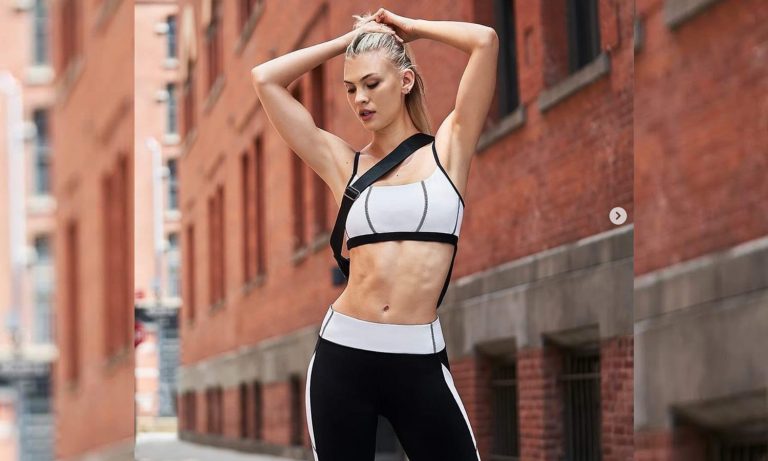
Acabada Active is the first clothing company in the world that has successfully infused CBD with their fabrics, providing pain relief to people as they work out.
Acabada Active, a clothing company from New York, had the unique idea of introducing CBD to fitness by incorporating the compound into the fabrics of their clothing. Supposedly, the company managed to create the first clothing items in the world that are capable of relieving pain in muscles and joints as you’re working out.
Although strange, the product makes some sort of sense. CBD’s positive effects on inflammation, muscles aches and skin have been widely reported.
On the company’s website they explains that their fabrics are infused with high quality microscopic CBD droplets. In order for pain relief to be present the minute you start sweating, the CBD droplets are protected by a coating that only allows their healing effect to appear once you start moving while wearing the clothes.
This also means that CBD’s presence and effect in the clothes is only temporary. The website explains that the compound will disappear from the clothes after around 40 washes, after which you’ll only be left with cute workout clothes.
Acabada Activewear sells all sorts of fitness products, from leggins to tops. Although the merchandise is expensive and far from perfect, there’s something innovative in what they’re doing, which will surely capture the attention of many fitness enthusiasts. The fact that the company is hopping on the very popular CBD train means that, at least, they’ll get tons of press coverage.
A study found that mice diagnosed with pancreatic cancer who were treated with CBD and chemotherapy survived close to three times longer than the mice that were only treated with chemo.
According to the American Cancer Society, amongst the combination of all stages of pancreatic cancer, the survival rate for one-year is 20%, and the survival rate for five years is under seven percent. Although certain cancer treatments are commonly used such as chemotherapy and radiation, in a recent study, it has been found that the combination of chemotherapy and cannabidiol (CBD) treatments have led to significant pancreatic cancer survival rates.
Research Findings on Cannabidiol (CBD) and Chemotherapy Cancer Treatments
In the recent study mentioned above, mice that were diagnosed with pancreatic cancer received CBD administration alongside chemotherapy treatments. As a result of this combination, it was discovered that the mice with CBD and chemotherapy treatments survived close to three times longer than the mice that were only treated with chemotherapy.
In general, this study’s findings provide more valid reasoning for human testing. Although this study hasn’t been conducted on humans yet, the released results demonstrate the need to further investigate and study cannabis compounds, especially CBD.
Grim Pancreatic Cancer Survival Rates
Overall, pancreatic cancer is the twelfth most common cancer on a worldwide scale. Also, the highest occurrence of this type of cancer is in developed countries. Unfortunately, the overall survival rate for pancreatic cancer is quite grim. In particular, Marco Falasca, a lead researcher at Queen Mary University of London stated the following about the life expectancy of pancreatic cancer:
“The life expectancy for pancreatic cancer patients has barely changed in the last 40 years because there are very few, and mostly only palliative care treatments available. Given the five-year survival rate for people with pancreatic cancer is less than seven percent, the discovery of new treatments and therapeutic strategies is urgently needed.”
With this being said, due to the recent results derived from the mice study, there’s a strong need to further examine CBD and its potential in treating different types of cancer, especially pancreatic.
Cannabidiol’s Medicinal and Anti-cancer Properties
When it comes to CBD, thus far, it has been found that it’s an extremely medically beneficial cannabinoid, and it contains both anti-tumoral and neuroprotective properties, which can help those who have been diagnosed with cancer. However, CBD has also demonstrated its anti-nausea and antiemetic (anti-vomiting) properties. These properties have proven to be very effective for those undergoing chemotherapy and other cancer-related therapies. Additionally, Cannabidiol has been found to improve the side effects caused by chemotherapy, especially vomiting, nausea, and pain.
If human testing is conducted on the combined topic of pancreatic cancer, CBD, and chemotherapy treatments, this would build upon past animal research findings. Specifically, one study discovered CBD’s possible anti-cancer properties, and another study found CBD to be a potential anti-cancer drug.
Photo by Caiaimage/Sam Edwards/Getty Images
Legality of CBD in the United States and the United Kingdom
Moreover, due to the cannabis legality differences between America and the United Kingdom, it’s likely that the conduction of human trials with a focus on CBD would progress faster in the UK than in the U.S. The reason for this is because currently, the cannabis plant remains a Schedule I illegal substance in the U.S., and CBD is a cannabinoid found in the cannabis plant. Whereas, in the UK, CBD has been approved for usage and research purposes.
Therefore, researchers and scientists based in England can legally test this cannabinoid in human clinical trials, according to Dr. Falasca. Nonetheless, the U.S. is progressing slowly but surely, especially because the U.S. FDA recently approved of a CBD-based drug called Epidiolex for the treatment of epilepsy. This specific drug approval was a significant move since it’s the first U.S. FDA-approved drug that contains a cannabinoid derived from cannabis.
Overall, since pancreatic cancer is one of the deadliest forms of cancer, it would be in the general public’s best interest to have access to a natural form of medicine for cancer treatments such as CBD rather than just chemotherapy and radiation. Due to the noteworthy results that were released from the mice study discussed above, it’s likely that Cannabidiol will be further studied and investigated moving forward, especially for cancer treatment purposes.
Pop is the star of this week’s column, featuring new work from Taylor Swift, Lana del Rey and Charlie Puth.
This Week’s Music is a weekly column that discusses the weeks’ best, worst, and most interesting songs. We try to select songs of different artists and genres to keep things interesting and to please a variety of music fans.
This week’s column features Taylor Swift’s last album, Charlie Puth’s new heartbreak song and Lana Del Rey’s continuing build up towards her highly anticipated record.
Pop
Taylor Swift – Lover
Taylor Swift’s much awaited seventh album is finally here, boasting 18 tracks and including the voices of St. Vincent, Cautious Clay, Dixie Chicks and producers Jack Antonoff, Sounwave and Frank Dukes. Clearly, there’s a lot of talent and care that’s been poured into this record, which also represents a new leaf for Swift who’s working on something positive and unlike her previous album “Reputation.”
Photo by Rich Fury/Staff/Getty Images
“Lover” is a little on the nose, but it does the job well of celebrating positivity, love and shedding the pettiness that coated much of “Reputation.” There’s more glitter and less goth and it’s a much better look for Swift.
Released along with a music video that channels the Fast and Furious in the worst way, Charlie Puth’s new single treads the ground that he’s most comfortable in: heartbreak. But to me it just ends up sounding flat. Puth’s winning combination of emotional and vengeful lyrics paired with fun and upbeat sounds is nowhere to be found. In “I Warned Myself” you get the same emotion and pity with none of the passion and relatability that makes his work so accessible.
Lana Del Rey – The Greatest
Showing off, again, that she has no problem with longevity and asking for our patience, Del Rey’s new music video lasts over nine minutes and features two songs. In “The Greatest” Del Rey does her best to mix the personal with the universal, resulting in a sad and melancholic song that reminisces about the past, doesn’t quite look forward to the future but doesn’t cave in to despair. With every new song of hers, her upcoming album “Norman Fucking Rockwell” promises more rock, psychedelia, and tons of heart and vulnerability. There’s less and less room for the record to be anything other than amazing.
A new study shows that active cannabis users who were undergoing fertility treatment were more than twice as likely to suffer terminated pregnancies.
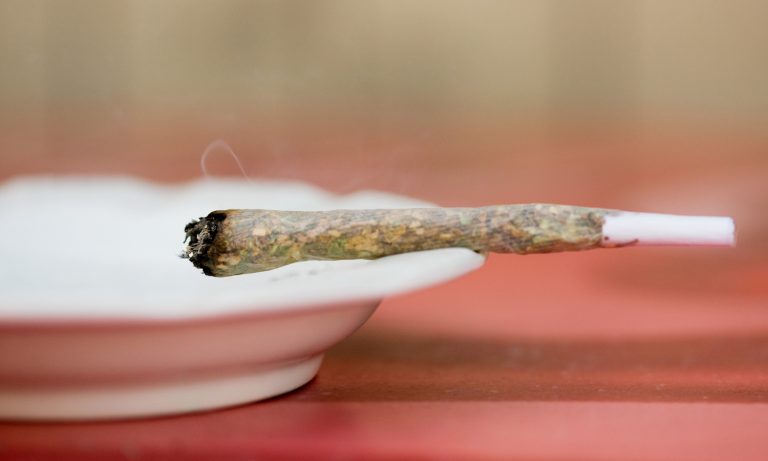
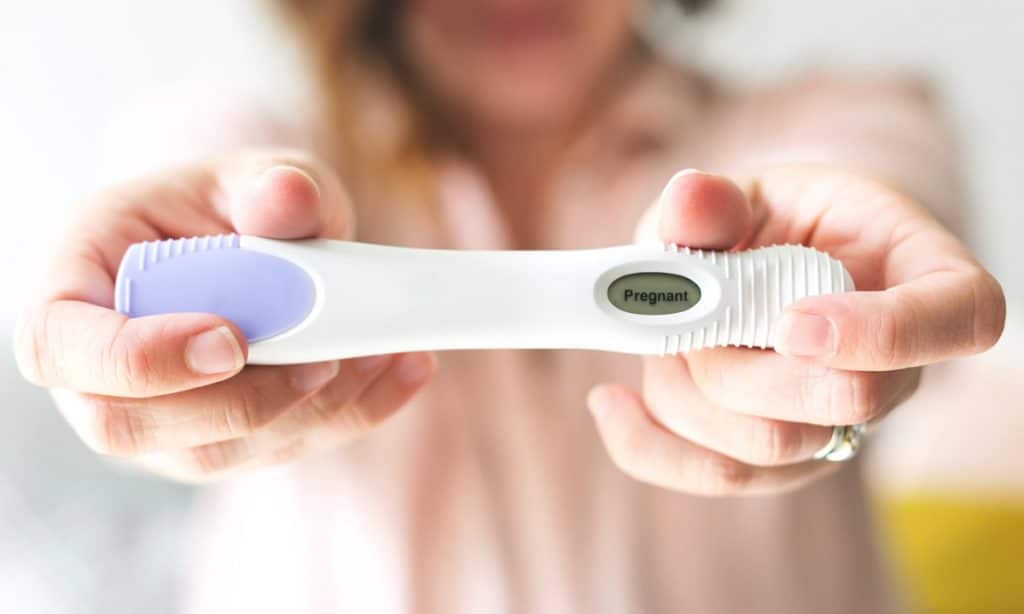
The science behind using marijuana and pregnancy is mixed. What we do know is that marijuana and pregnancy is mixing in unprecedented ways. Reports like this one from the JAMA Network Open journal indicates that women using cannabis in the year before pregnancy is significantly on the rise. In addition, women using cannabis while pregnant jumped a bit as well over the past 10 years.
New research from the Human Reproduction journal shows, however, that marijuana does have a negative effect on women undergoing fertility treatment. Dr. Jorge E. Chavarro and his team monitored more than 400 women who were receiving treatment with assisted-reproduction technology (ART).
The small percentage of these women who smoked marijuana while undergoing the ART treatment were more than twice as likely to lose a pregnancy when compared to those who didn’t use cannabis, or only reported use in the past.
But Chavarro and his team also discovered a surprising caveat to their analysis. Among the couples where the man was the only active cannabis user, women were significantly more likely to have a baby. Whether this is indicative of a larger trend, Chavarro couldn’t say.
“The bottom line remains that we know way too little about the reproductive health effects of marijuana,” Chavarro told Reuters. “The scarcity of information is particularly concerning given the concurrent trends of expanded legalization, increased perception that marijuana poses no health hazards and increased consumption among men and women of reproductive age, including among pregnant women.”
Photo by Darren415/Getty Images
The study followed 421 women who underwent 730 ART cycles at a Boston fertility center between 2004 and 2017. Among these, 200 of their male partners also enrolled in the study. Marijuana use was self-reported among the couples, with 44% of the women and 61% of the men admitted to ever consuming cannabis. At the time of enrollment, 3% of the women were active cannabis users as were 12% of the men.
Among those women, 54% of the marijuana smokers and 26% of non-users endured pregnancy loss while 317 women had a positive pregnancy blood test. Nine of those women were marijuana users. But for those couples that had a male partner as the only active cannabis users, 48% experienced successful pregnancies as did 29% of the couples with a non-cannabis-smoking male partner.
Did you know: The Siberian Husky was first brought to America from Siberia in 1909 for the All-Alaska Sweepstakes Race.
Active and athletic, the Siberian Husky is known for its endurance combined with speed and power. Along with its effortless and sleek gait, it is no wonder they’ve become the ultimate sled dog.
Marked with signature white and gray colors, the Siberian Husky has a double outer coat with a dense undercoat, making it the ideal pet in winter climates. First brought to America from Siberia in 1909 for the All-Alaska Sweepstakes sled dog race, Siberian Huskies typically have piercing blue eyes with a friendly, yet mischievous expression.
Here, we take a look at some of the most athletic Siberian Huskies of Instagram.
People of Cannabis is one of the few cannabis Instagram accounts that has a real purpose and message to their content.
Instagram is home to all sorts of accounts (good and bad) that cater to a vast range of people with different interests. In order to help you weed out all the garbage, this column highlights the best Instagram marijuana accounts, whether that means they’re entertaining, informative, or just fun to look at.
While many cannabis Instagram and other social media accounts lack a sense of purpose, People of Cannabis is an exception. It’s one of the few cannabis accounts that celebrates people of color who love marijuana. POC only has about 1,000 followers, but its awesome photography and unique voice is one that should be reached by more people. Check out some of our favorite posts: