Tuesday, June 23, 2026
Home Blog Page 675

Marijuana’s Classification Is Based On Politics

Current drug control policies and prohibition are arbitrary, and aren’t based on pharmacological research, rather historic precedent that overly relies upon a presumed ‘good and evil’ distinction between legal and illegal drugs.

When it comes to cannabis reform, lawmakers across the country will often point to lack of empirical research as reason not to legalize or decriminalize the drug. Currently, marijuana’s classification is based on politics, not science. Which means marijuana laws are not based on data or proven information, at least according to a report from the Global Commission on Drug Policy.

The report, which is titled “Classification Of Psychoactive Substances: When Science Was Left Behind,” calls for the reclassification of illegal drugs such as cannabis, heroin, cocaine, and more to better reflect the current positions of scientific literature and the community writ large. Those drugs were either evaluated 30 years ago or never evaluated at all, which thwarts the legitimacy of international drug control.

“The international system to classify drugs is at the core of the drug control regime – and unfortunately the core is rotten,” Ruth Dreifuss, former president of Switzerland and chair of the commission,” told The Guardian.

RELATED: Why The US Led ‘Global Call To Action On The World Drug Problem’ Is A Bust

The report also found that legal substances like alcohol and tobacco have more damaging to communities than illegal ones such as ecstasy and cocaine. In turn, the commission is urging governments from around the world to reclassify these illegal drugs as well as regulate the market for of otherwise illegal substances.

Decisions around scheduling, which typically classifies the availability and medical efficacy of the drug in question, have “become subjected to political considerations and an inherent bias” against substances like ecstasy and LSD, which was rated two of the least harmful drugs in the report. These substances have also demonstrated newfound medical capabilities, which should by the nature of the system, reconstitute the classification system.

RELATED: Alexandria Ocasio-Cortez Pushes Measure To Increase Psychedelic Research

Current drug control policies and prohibition are “arbitrary,” reads the report, and aren’t based on pharmacological research but historic precedent that overly relies upon “a presumed ‘good and evil’ distinction between legal and illegal drugs.” To overcome the negativity brought by the War on Drugs and these laws, the commission recommends “implementing a more rational policy of scheduling, controlling and regulating psychoactive drugs.”

The Global Commission on Drug Policy includes 14 ex-heads of states from around the world, with representation from countries like Mexico, Portugal, New Zealand, and Colombia.
Cannabis May Treat Fibromyalgia Pain, According To New Study

Cannabis has only been fully legalized in Israel since April, but that hasn’t stopped the nation from being one of the leaders worldwide on cannabis research. 

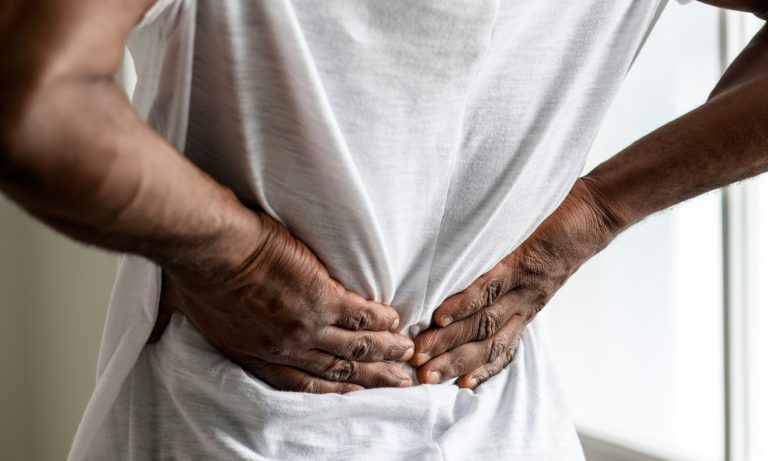
A new study out of Israel shows that fibromyalgia patients who use cannabis saw reduced pain as a result. 

Fibromyalgia is experienced by 2-8% of the worldwide population, and affects the way the brain processes pain signals. One of the predominant symptoms of fibromyalgia is widespread pain across the entire body, in the form of a dull ache. Patients also often experience severe tension headaches, anxiety and depression.

RELATED: Cannabis: Beneficial Yet Effective Treatment Method For Fibromyalgia

Pain, headaches and depression are all symptoms that initial studies have shown cannabis to have some impact on, but . And now a study conducted by the Rabin Medical Center and the Cannabis Clinical Research Institute at Soroka University has studied specifically the impact cannabis can have on the pain suffered by fibromyalgia patients.

The study looked at 367 patients between 2015 and 2017 and concluded that medical cannabis is “a safe and effective alternative treatment for fibromyalgia symptoms.”

Women are more likely to be diagnosed with fibromyalgia, and of the participants in the study, 82% were women.  

RELATED: The One Thing You Need To Know About Marijuana And Fibromyalgia

The study was conducted via questionnaire, of all patients diagnosed with fibromyalgia who entered Israel’s medical marijuana program between 2015-17. Patients began consuming a low dose of cannabis, then gradually increasing the dosage until they felt “therapeutic effect,” which in layman’s terms means it began to make an impact on their symptoms. Of the 367 patients with fibromyalgia, 239 completed the study, and 81.1% of those saw “at least moderate improvement in their condition” without severe side effects.

The study asked participants to rate their pain on a scale from 1-10. At the beginning of the study, the median pain level for patients was 9, and after six months the median pain level had reduced to 5. Furthermore, only 7.9 percent of the 193 participants who reported a pain level of 8-10 at the beginning of the study reported the same pain intensity after six months of cannabis treatment.

In addition to pain, the study also looked at the impact on depression. A little over 50% of patients in the study reported experiencing depression, and 80.8% of those also experienced an improvement in their depression symptoms while taking cannabis. 

There were some downsides; 92.9 percent of patients reported experiencing sleep problems at the beginning of the study, but that improved in 73.4 percent of the patients and disappeared entirely in 13.2 percent of patients.

Cory Booker ‘Absolutely Disappointed’ Marijuana Reform Wasn’t Discussed In Debate

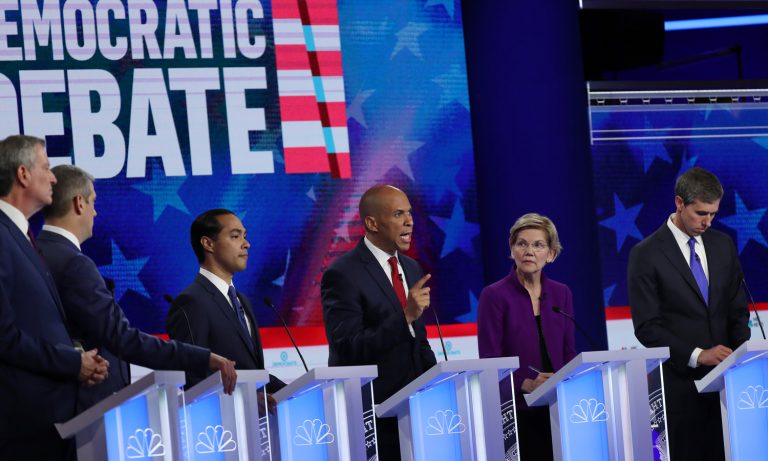
Wednesday night officially kicked off the 2020 Election season with the first Democratic presidential debate, with Sens. Elizabeth Warren and Cory Booker featured as the standout candidates. Though 15.3 million viewers watched the candidates discuss a variety of topics pertinent to the American voter, Booker expressed disappointment over the one topic not debated—marijuana legalization.

“I am absolutely disappointed that wasn’t an issue when you see voters turning out this issue all over the country,” Booker told Business Insider after the debate.

RELATED: 2019 Could End Up Being The Most Disappointing Year For Marijuana Legalization

Considering Booker’s behind one of the most progressive cannabis reform bills in Congress, his chagrin is understandable. Earlier this year Booker re-introduced the Marijuana Justice Act, which would remove cannabis from the federal controlled substances list, automatically expunge the convictions of those who served federal time due to marijuana use or possession charges, as well as reinvesting in communities most negatively impacted by the federal War on Drugs.

Booker was dismayed he didn’t have the opportunity to lay out his vision to American voters regarding one of his biggest platform points.

“I would like to see the federal government end its making marijuana illegal and pull back and let the states do what the want,” Booker said. “But I am also one of those people that thinks you cannot talk about marijuana legalization if in the same sentence you’re not talking about expunging the records of those Americans who have criminal convictions for doing things that two of the last three presidents admitted to doing.”

RELATED: Bernie Sanders Blasts War On Drugs And Emphasizes Need For Marijuana Reform In 2020

The lack of marijuana legalization is worthy of Booker’s criticism. Not only is Booker responsible for the Marijuana Justice Act, the bill was also co-sponsored by Warren and four other candidates who will hit the debate stage Thursday night—Sens. Bernie Sanders, Michael Bennett, Kamala Harris, and Kirsten Gillibrand.

Almost all of the Democratic presidential candidates have laid out some platform around federal cannabis reform on the campaign trial. The lone exception to the Democratic green rush remains former Vice President Joe Biden.

Low-THC Marijuana A Safer Substitute For Anti-Anxiety Meds

For the past few years, there has been a lot of chatter surrounding the possibility of medical marijuana helping patients get off dangerous opioids. But the herb’s potential in curbing the use of highly addictive sedatives called benzodiazepines – the other prescription drug scourge currently pounding away at the United States – has largely been ignored. Perhaps the time to open up this part of the cannabis conversation is now.

The abuse of anti-anxiety medications, which are more commonly known by brand names like Valium, Xanax and Klonopin, is the next stroke in the portrait of the American junkie. A recent report from WebMD finds that emergency incidents related to benzo-fiending have skyrocketed by 570 percent over the past two decades.

RELATED: How Rising Levels Of Anxiety In Teens Might Support The Rise Of CBD

And no, that is not a typo.

Anxiety is a common mental disorder that gnaws at the nerves of nearly 20 percent of the American population. Yours truly struggles with it more often than not. Like right now, I’m anxious about whether anyone will read this article beyond the headline and I’m wondering if typing a single word on this subject is even worth it. And believe me, I’ll lose sleep tonight over the fact that I went ahead and did it anyway, just because there wasn’t anything more interesting to write about on a Thursday. But I’ll find a way to get through it, at least until next time.

A lot of people affected by anxiety – around 40 percent of them – never seek out treatment to better their situation. Those who do, however, are typically prescribed benzodiazepines to take the edge off during those anxious moments when the scorns of life gets to be too much. And these little pills, written about quite extensively throughout the course of rock n’ roll history, are quite effective at sawing the edge off a full-blown freak-out almost instantly. But it’s their effectiveness that makes it easier for them to become a social crutch and increase the risk of addiction.

In the case of prescription drugs, an overdose is always a possibility. Although it is not as easy to “check-out” from an over-zealous benzo bender as it is with opioids, some of the latest reports show that overdose deaths stemming from benzo abuse are happening more these days. This is because people are freely mixing them with other substances – namely opioids and alcohol.

There have also been reports that counterfeit Xanax pills laced with the powerful opioid fentanyl are being distributed on the black market. The truth is, some recreational users seek out this and other drug cocktails regularly, while others may not be aware that they are entering dangerous territory.

As we’ve learned in the case of methamphetamine and cocaine, drugs that are produced and distributed by cartel operations, these types of mad science concoctions made with fentanyl often lead to bodies hitting the floor.

RELATED: Anxiety And Stress Scientifically Proven To Be Reduced By Cannabis

But even without the risk of overdose entered into the equation, the addiction factor should be a huge concern for anyone prescribed benzodiazepines. Trying to get off these little boogers without tapering the dose can produce some wicked withdrawal symptoms– some of them even deadly – and that whirlwind of insanity can last for weeks before the person starts to feel even remotely human again. In a lot of ways, the clutches of benzos is just as disturbing as it is with opioids.

The good news is that people with anxiety are having great success with marijuana. Some studies show a significant decrease in benzo dependency in patients using medical marijuana under the supervision of a physician. In some cases, patients on a medical marijuana regimen were able to discontinue the use of benzodiazepines altogether. But the key to using weed in place of anti-anxiety medications is really about finding the right strain and dose. Like, it is probably not the best idea to try finding the “calm” with high-THC strains. These breeds can sometimes bring on even more panic than what the person was experiencing in the first place. Strains that have lower levels of THC and more CBD content have been found better suited for this condition. Some patients even claim that they’ve had success in combating bouts of anxiety through the use of CBD alone. But there is no one-size fits all fix. It is recommended that a person discuss their anxiety issues with a doctor and try to hash out a medical marijuana treatment plan that is right for them.

Ryan Seacrest Recalls When He Clogged Kris Jenner’s Toilet; Britney Spears Sues Over Claims Her Team Is Doctoring Her Instagram Page

Ryan Seacrest Recalls ‘Nightmare’ Incident When He Clogged Kris Jenner’s Toilet

Via People:

Seacrest, 44, revealed that during a trip to the Kardashian matriarch’s Hidden Hills mansion, he was perplexed about how to use one of the home’s many toilets.

“So she’s got a bathroom in the entryway,” Seacrest began to explain of Jenner’s home, to cohost Kelly Ripa, who joked the room was, “made out of complete jade!”

Seacrest continued, recalling, “So I’m in there, and the toilet, it’s like one of those electronic toilets, but it’s black, so you can’t see any of the buttons, and [the room is] dimly lit, and I can’t find the light switch, and there’s one candle lit.”

“So I go to the bathroom,” he went on. “And I use the toilet paper, and put it in the thing, and try to find the flush, and I can’t find the flush. So now what do I do? I can’t find the flush and someone is going to come in and use the toilet.”

The American Idol host carried on, explaining that he began searching for the button to flush the toilet, in fear that another Kardashian-Jenner family member would come in next and find an unpleasant surprise.

RELATED: Here’s How Meghan And Harry Are Celebrating Pride Month

“The technology was messed up, and it wouldn’t flush,” Seacrest added, with Ripa interjecting, “Oh, what a nightmare!”

“So I flush it, and the water just builds,” Seacrest says. “I am watching the water level rise.”

He admits that in his moment of panic, he almost attempted what Jenner’s son-in-law Kanye West might call a “Poopy-di scoop.“

“I’m thinking to myself ‘What do I do?’ Do I stick my hand in there? Do I say, ‘Hey Khloe, don’t tell Kim and Kourtney, but can you help me out over here?’ Or do I just tell Kris, I think your toilet has got a problem?”

Ripa jumped in to give her take on the cringe-inducing tale, explaining to her co-host, “When in doubt, go to the mom. We’ve seen it.”

“I know, but I was too embarrassed,” Seacrest replied, admitting that he was left without options when Ripa asked what he did next.

“I just left it there,” he said with a laugh, before joking to the camera, “Keep this between us!”

https://www.instagram.com/p/Byajp2kAy3E/?utm_source=ig_embed

Britney Spears Sues Over Claims Her Team Is Doctoring Her Instagram Page

Via Yahoo:

Britney Spears’ father has filed a defamation lawsuit against the guy behind an Instagram account who claimed the singer’s team doctors her Instagram page to make her seem unstable.

According to court documents obtained by The Blast, Spears is suing a guy named Anthony Steven, who runs the Instagram account “Absolute Britney.” That account made headlines earlier this month with a post claiming that Spears’ team has been “deleting positive comments on her Instagram post and leaving negative ones to keep up the illusion that she needs help.”

Britney and Jamie Spears (who filed the lawsuit in his role as conservator over Britney) claim they “have sat by while fans accused them of numerous false and malicious things, including attempts to mislead the public with the content that appears on her social media.”

RELATED: Let These ‘Old Fat Lesbians’ Teach You How To Smoke Weed

Spears claims that Steven has “made it his mission to spread numerous false and malicious lies on the Internet about Britney, her conservatorship, and her team, including that those around Britney are harming her and not acting in her best interests.”

He says at one point, “Enough is enough. Neither Jamie nor anybody else who works with or for Britney is deleting positive comments on Instagram to negatively portray Britney, or acting in violation of anybody’s human rights. It is time that Steven understands that his words have consequences and he cannot blindly spout his baseless theories any longer.”

https://www.instagram.com/p/ByLaeYCgKOv/

4 Ways A Pet Increases Your Lifespan

Pet owners will often swear their beloved pooch or moggie does wonders for their wellbeing, and now we have empirical proof. A new study has found dog ownership is linked to improved heart health for humans. This is an important finding, given heart disease is the leading cause of death globally. Here are 4 ways a pet increases your lifespan.

While the new study focuses on dogs and heart disease, it raises the broader question of how pet ownership affects human longevity. Can pets create health in humans?

RELATED: This Is Why We Value Dogs More Than Cats

A study known as the “blue zone” study has focused on factors affecting longevity for over a decade. Nine factors have been identified as increasing lifespan in the communities studied, and many of these factors are increased by pets.

1. Natural everyday movement

Much of the focus on pets providing health has been on dog walking. But anyone who owns a pet knows there are numerous incidental physical activities associated with pet ownership – like getting up to feed their pet; ensuring the pet’s food and water is available; and looking after pet “accommodation”.

Reducing prolonged sitting and increasing incidental domestic activity have both been shown to be protective with regard to health risks.

Pets provide nudges to everyday movement.

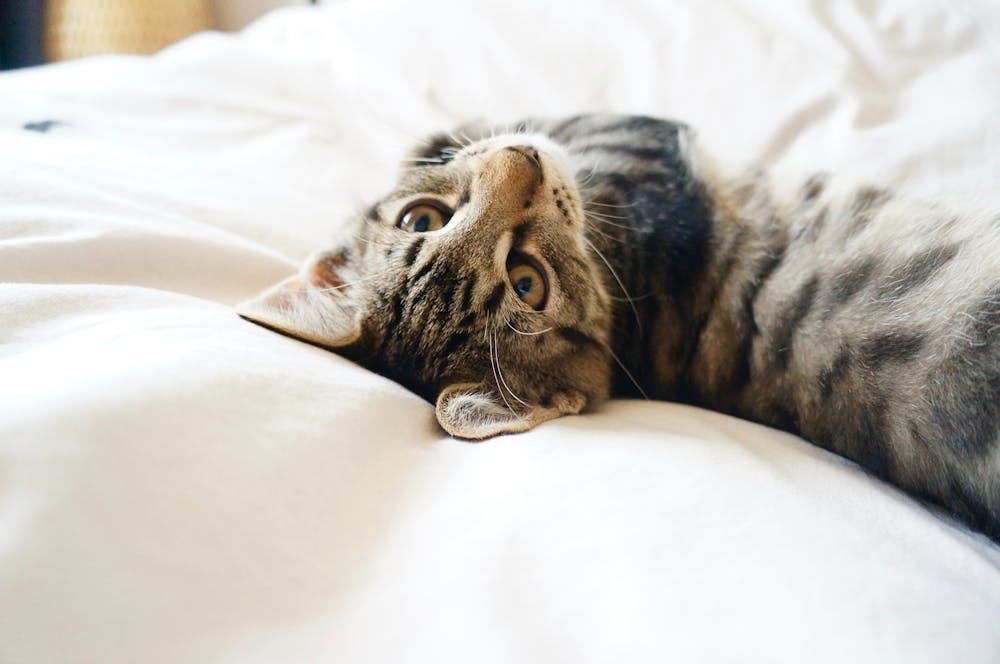
You must get out of bed so you can feed me. Unsplash/anthony de kroon, CC BY
 

2. Having a sense of purpose

At the very simplest level, pets can provide “a reason to get up in the morning”.

This has been shown to be particularly important for groups at risk of, or experiencing, poorer health – including the aged, people with long-term mental illness and chronic diseases (including youth).

RELATED: Ask A Vet: How Old Is My Pet In Dog Or Cat Years?

Our (as-yet-unpublished) research interviewing older people about the impact of their pets on health has found pets could be protective against suicide. Pets are seen as reliant on their owners functionally (“need me to feed them or they will die”) and emotionally (“he would pine for me terribly”).

Feeling unneeded and of no use has been identified as a key risk factor in suicide.

3. Regular destressing activities

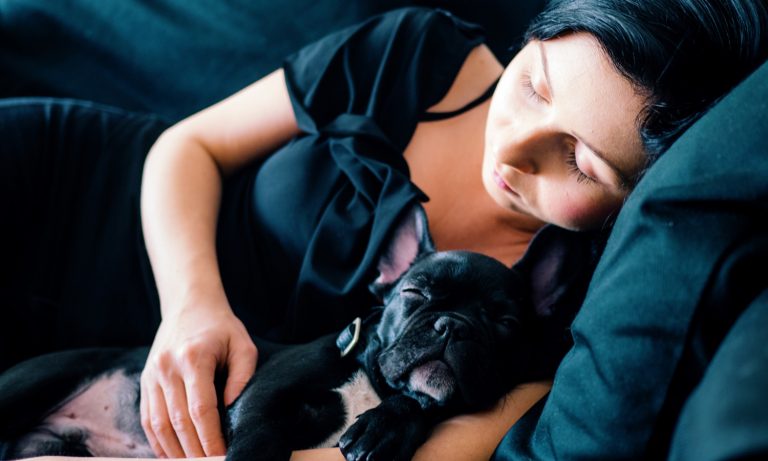
Interaction with pets can reduce stress. There is evidence petting an animal may reduce heart rates, and co-sleeping with pets may improve some people’s quality of sleep.

Some report they sleep better with a pet alongside them. Unsplash/helena lopes, CC BY
 

4. Belonging and commitment

It’s in the area of relationships (three of the nine “blue zone” factors) that pets may have their most powerful role in longevity.

Pets can act as a social catalyst, promoting social connections, conversations, and even leading to the development of networks of practical support (a form of commitment).

RELATED: Why Are So Many Of Our Pets Fat?

The connectivity of pets can even include non-pet owners, as people feel safer in pet-owning neighbourhoods. Hence, pets can enable a sense of communal belonging identified as increasing longevity.

The role pets play in mental health (as compared to physical health) may be where the strongest connection to individual longevity lies. There is an established link between heart disease and mental unwellness.

Improving mental wellbeing (often through social enhancements) may be key in extending life expectancy, especially for population groups vulnerable to poor social connectedness. These groups often have lower life expectancy.

People with long-term mental illness, autism, and the homeless report their pets as providing nonjudgmental, simpler relationships than those with humans.

Older people report pets reducing loneliness and social isolation. Pets may improve vulnerable people’s interaction with others either directly (improving social skills), or their social catalyst role can override social prejudice.

Pets increase lifespan
Pets can provide opportunities to socialise. Flickr/Jim’sPhotos1, CC BY
 

Why we need to take pets and health seriously

In acknowledging people’s connection to their pets, we save lives. In disasters, people die staying with, returning to, and trying to save pets. Disaster management planning is increasingly responding to and harnessing this reality, preventing deaths.

It’s also being recognised women stay with violent partners for fear of what will happen to pets. Pet-friendly escape options can save lives.

Public policies that support pet owners, especially in vulnerable groups, have health-promoting outcomes.

It’s important to remember animals are not “things” – they are living, breathing others. Simplistic understandings (“one pat of a pet per day”) risk endangering animals (overlooking their needs; abuse), and some humans (phobias, allergies).

But for the millions of people who choose to have pets, often seeing them as family, increasing longevity is not the point. They add richness, creating lives worth living (longer) for.

Hopefully you will benefit from the ways a pet increases your lifespan.

Believe Instagram Is Not Eavesdropping?

Believe Instagram is not eavesdropping? You’re not alone if you thinking the app is listening in on your conversations, showing ads of products you’ve just mentioned. In these instances, it’s hard to blame your Google searches or purchase history, because you can be talking about the most random thing in the world and it’ll pop up on your Instagram guaranteed.

RELATED: Hackers May Soon Know What You’re Texting On Your Mobile Device

Instagram CEO Adam Mosseri recently said that these instances aren’t evidence of the app listening in on you, they’re just “dumb luck,” which is absolutely preposterous. We’re dumb Adam, but not that dumb.

People reports that during an appearance on CBS This Morning, Gayle King asked Mosseri directly about this phenomenon. “Can you help me understand how I can be having a private conversation with someone about something I’m interested in seeing or buying… and an advertisement for that will pop up on my Instagram feed? I haven’t searched for it, I haven’t talked to anybody about it. I swear I think you guys are listening. I know you’re gonna say you’re not.”

When presented with this universal and clearly detailed experience, Mossieri had the gall to deny it, saying that Instagram is not listening in or scanning any of your personal messages. “There are two ways that can happen. One is dumb luck, which can happen. The second is you might be talking about something because it’s top of mind because you’ve been interacting with that type of content more recently,” he claimed.

RELATED: 4 Tips To Ensure Your Sexts And Nudes Stay Private

So, do you believe Instagram is not eavesdropping? You don’t have to be a tech expert to realize that those awful Crocs you mentioned as a quick joke to your friend didn’t magically appear on your timeline because of “dumb luck.”

Meghan And The Queen Share Theory About Food

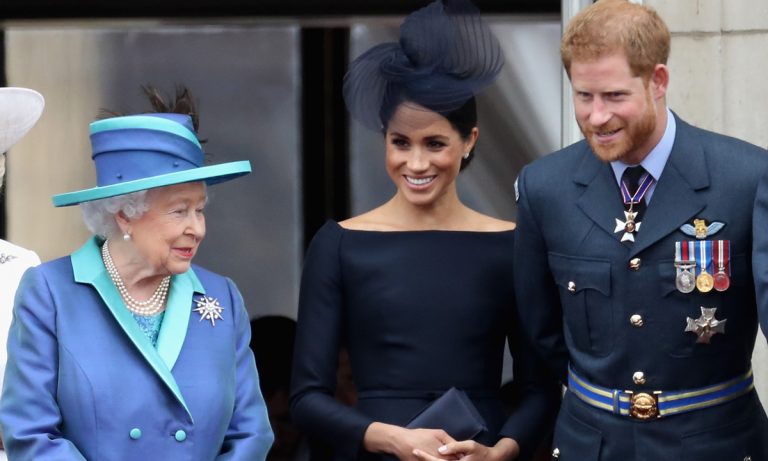
If there’s one thing that can bridge the gap between generations, it’s food. And there is perhaps no better example of that than the Queen and her granddaughter-in-law. More than five decades separate the two women, but when it comes to dishing about dining, they share the same view. Meghan and the Queen share theory about food.

They believe that a shared meal can bring people together.

According to People, while hosting a gathering Tuesday evening, in celebration of U.K. faith and belief groups bringing local communities together, Her Majesty said “a bit of toast and tea goes a long way,” and mentioned that she had noticed that food was often a way to bring people from different faiths and traditions together.

The University of Oxford did research on the topic. With data from a national survey by The Big Lunch, the researchers looked at the link between social eating and an individual’s happiness, the number of friends they have, their connection to their community, and overall satisfaction with life.

The results suggest that communal eating increases social bonding and feelings of wellbeing, and enhances one’s sense of contentedness and embedding within the community.

RELATED: Here’s Why It’s Not Cool To Call The Queen ‘Her Royal Highness’

https://www.instagram.com/p/BzJJ_2EncSN/

Queen Elizabeth said she had noticed that food was often a way to bring people from different faiths and traditions together. And, of course, we all know Meghan Markle believes the same thing.  Not only was food and cooking a major part of her former lifestyle blog, The Tig, her character Rachel Zane on “Suits” was a total foodie.

RELATED: Eat Like A Royal: 5 Of Meghan Markle’s Favorite Foods

https://www.instagram.com/p/BqckWvWFzwn/

Last year, Markle took her love of food one step further by introducing a fundraising cookbook called Together: Our Community Cookbook — a collection of recipes to benefit he Hubb Community Kitchen, a communal cooking space at the Al Manaar Muslim Cultural Heritage Centre in London, which opened following a deadly fire at the Grenfell Tower high-rise that killed 72 residents in the the summer of 2017.

The book, aimed at uniting different communities through food, raised more than $500,000.

Could CBD Eventually Become An Antibiotic

Over the last several years, consumers of various scientific literature may have read about an antibiotic resistance crisis. When Alexander Fleming discovered penicillin back in the late 1920s, it opened the door to a whole new realm of health care treatment via antibiotics. But now reports in journals like Nature discuss how “we have now reached a crisis where many antibiotics are no longer effective against even the simplest infections.”

But a study from Australian scientists have shown that an ingredient in cannabis could provide an answer to bacteria that has proven resistant, or in some cases impossible, to treat. That would be none other than cannabidiol, better known as CBD. These Aussie scientists found that CBD was effective in killing all strains of bacteria they tested in the lab, including ones currently thwarting modern medicine.

Even after the bacteria was exposed to CBD more than 20 days—the time frame in which some bacteria can survive against current antibiotics—it did not become treatment-resistant to the non-psychoactive component in cannabis. As Newsweek first reported, the scientists showed CBD as effective against a group of “Gram-positive” bacteria, including the kind that causes conditions like pneumonia and MRSA.

RELATED: What Does Marijuana Do To Your Immune System?

“We still don’t know how it works, and it may have a unique mechanism of action given it works against bacteria that have become resistant to other antibiotics, but we still don’t know how,” study leader Mark Blaskovich, a senior research chemist at the Centre for Superbug Solutions, told Newsweek.

In a preliminary study, the researchers also found CBD effective in treating skin condition and using it in mice studies. Blaskovich said compounds like CBD could perhaps be used as antibiotics, but they haven’t been studied properly yet.

“So far, we have only shown it works topically, on the skin surface,” he said. “To be really useful, it would be good if we could show that it treated systemic infections e.g. pneumonia, or complicated tissue infections, where you have to give it orally or by intravenous dosing. A very preliminary study didn’t show that it works in these more difficult models.”

RELATED: Study: Marijuana Can Help You Feel Less Lonely And Depressed

The work is in its early stages and Blaskovich urged patients they shouldn’t start fully ditching tried-and-true antibiotics in favor of a fully cannabis-based treatment. Still, this study could pave the way for introducing and fast-tracking cannabis into more clinical settings.

“Most of what we have shown has been done in test tubes—it needs a lot more work to show it would be useful to treat infections in humans,” Blaskovich said.

4 Tips To Get The Best Out Of Naps

Naps are a bit of a gamble. While some are exactly what you need, making you feel refreshed and giving you the necessary energy, others end up making you feel worse and much more exhausted than before. Here are 4 tips to get the best out of naps.

While prioritizing naps is a luxury that many cannot afford, it’s something worth pursuing on occasion — when you have the time for them.

Know that there are different kinds of naps

https://giphy.com/gifs/mF4k0YXIHDHzy

RELATED: Does Hitting The Snooze Button Help Or Hinder Our Sleep?

The National Sleep Foundation says that there are three kinds of naps, each with their own patterns and effects. Planned napping, Emergency napping and Habitual napping. The first is when people sleep before they get tired, the second is when they nap because they’re exhausted and they have to, and the third is when they make a habit out of daily naps. Find the option that works best for you.

Use a timer

https://giphy.com/gifs/tired-goodnight-nap-HwmDZaI4YEeZ2

People tend to think that the more they sleep the better, but studies show that even a 10 minute nap can make people feel rested and prepared for the rest of their day. In fact, sleeping for more than 30 minutes has been linked with disruptions in nightly sleeping patterns, which can alter your nights and productivity. Set an alarm for your naps, keeping them for under an hour, especially if you’re napping habitually and are not catching up on missed sleep.

Don’t laze around before or after

https://giphy.com/gifs/ready-nap-4YFcrXwpjeMWk

RELATED: Just 16 Minutes Of Sleep Loss Can Harm Work Concentration The Next Day

This tends to happen on lazy weekends, when you spend all day in bed or lounging in the couch and end up sleeping on and off. These sessions tend to result in blurry days where the hours fly by and you end up feeling exhausted, having trouble sleeping later that night. Days like these disrupt your circadian rhythms. Naps work best when they’re planned, with some activity and movement before and after.

Develop a schedule

Going to sleep at the same time every night provides plenty of positive results, helping you maintain a schedule and develop better sleeping habits. It’s the same with naps. According to Men’s Health, “The brain prefers to anticipate something, not react to it. A nap is no different, which is why a scheduled nap always works better over the long haul when compared to a random nap.” This schedule shouldn’t force you to nap everyday, instead, it should help you nap more easily and feel more rested. Hope you can use the tips to make the most out of naps.

Don't Miss Your Weekly Dose of The Fresh Toast.

Stay informed with exclusive news briefs delivered directly to your inbox every Friday.

We respect your privacy. Unsubscribe anytime.