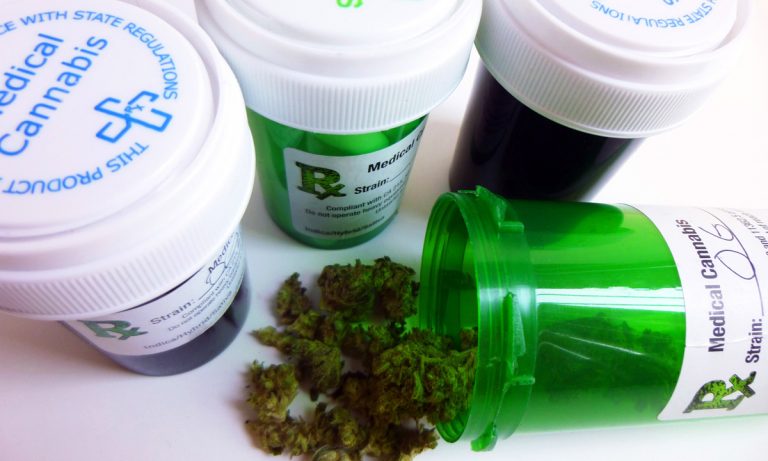
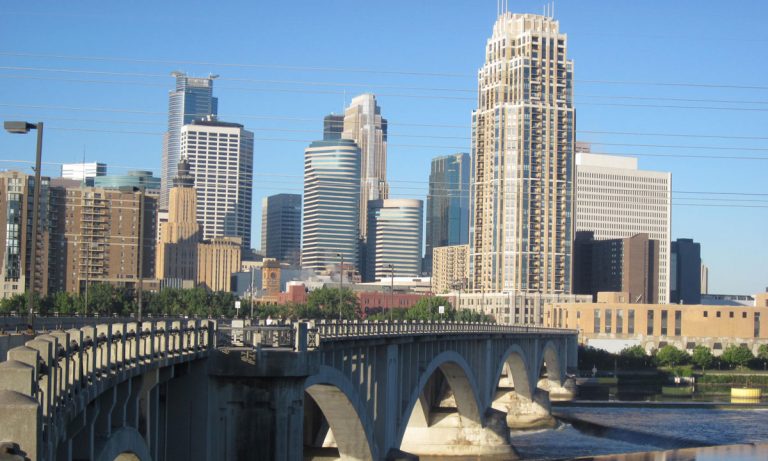
If you research what neuroscientists say about the medical power of cannabis and cannabinoid therapy, you’re sure to stumble across Dr. Michelle Ross. She served as a drug researcher for the National Institute on Drug Abuse, but transformed into a medical marijuana advocate after her frustration mounted from the giant gap in education when it came to the endocannabinoid system. But does Vitamin Weed slow the again process?
Dr. Ross also advocates for “vitamin weed,” or daily cannabis usage, which she believes everyone can benefit from. As she explained on an episode of the Reset with Amber Lynn podcast, the way we discuss cannabis as a potential medicine may need expansion.
“Cannabis is the key to unlocking preventative medicine,” says Dr. Ross. “It helps protect your DNA from damage so it can actually slow down the aging process. I think everyone should use cannabis oil, you should learn about it, you shouldn’t be afraid.”
Dr. Ross herself is a cannabis patient. After being diagnosed with fibromyalgia, neuropathy, and chronic pelvic pain, she found cannabis as the only solution that reduced her symptoms and allowed her to resume her work. Now she uses Rick Simpson Oil daily to achieve what she describes as “endocannabinoid homeostasis.” She’s also witnessing how cannabis affects the aging process firsthand.
“Even myself—I had wrinkles before and they’ve gone away. My skin looks better, everything looks better since I’ve started using cannabis on a daily basis,” she admitted.
The whole podcast is worth checking out, as is the rest of Dr. Ross’ work. As medical cannabis and its legalization becomes a key political issue this election season, it’s important to remember medicine isn’t just for “sick” people.
“We have a medication here that can make people happier, make people more connected, just enhance people’s lives,” Dr. Ross said. “And everyone can benefit from that. You don’t need to have epilepsy to benefit from the power of cannabinoid therapy.”
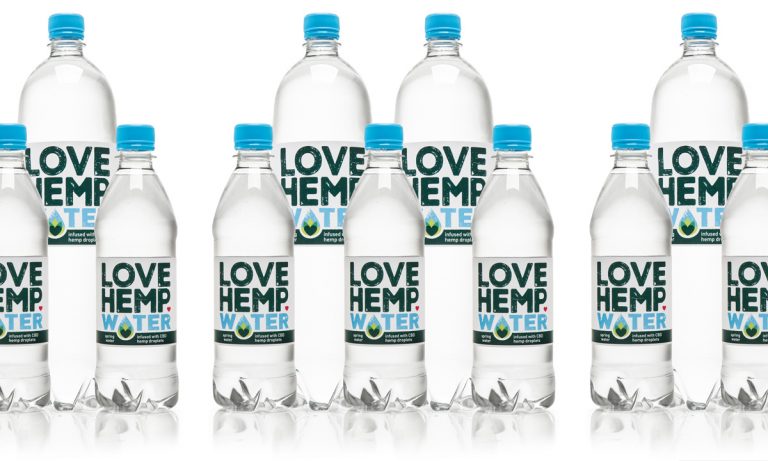
British supermarket Holland & Barrett is now selling bottled water infused with two milligrams of CBD. Selling CBD water in a mainstream marketplace is viewed as a progressive move in a cautious, conservative kingdom that still does not have a medical marijuana program in place. However, CBD water is a gimmick.
Love Hemp Water is the latest product produced by a flock of bandwagon jumping companies that hope to rope in consumers and cash in on the CBD craze.
Green Rush Daily published an article stating, “The World Health Organization has done extensive research regarding CBD water. Unsurprisingly, their findings have shown that the water can provide a variety of health benefits.”
In fact, according to the spokesperson for the WHO, they have never heard of this mythical research. “The team has no idea where this journalist got his information. Perhaps, ask him to provide the report he mentions.” the WHO spokesperson wrote in an email.
Well, there you have it, folks. The WHO is not endorsing CBD water.
In fact, the WHO only recently commissioned their first-ever preliminary cannabis study, and their Expert Committee on Drug Dependence has not officially endorsed the results.
That aside, there are only two milligrams of natural hemp extract in Love Hemp Water, which is virtually useless. To provide a visual, two milligrams of powder would fit on the end of a toothpick or a toothbrush bristle.
While hemp CBD is beneficial to the human body’s endocannabinoid system, depending on the manufacturing process, the minuscule amount of CBD it contains is most likely rendered ineffective when housed in a clear container that is exposed to light for an extended period of time. This includes sitting in a brightly-lit supermarket fridge or storage facility all day. CBD products should be bottled in opaque containers that are kept out of direct light for the CBD not to destabilize.
Some manufacturing processes may be able to keep the components stable while exposed to light in the short term, but it will not remain stable if the water is sitting on a shelf for months.
Furthermore, a daily dose of at least 10-25mg is recommended to be beneficial to the human body’s endocannabinoid system, for non-medical reasons. At that rate, a person would have to drink five to thirteen bottles of Love Hemp Water per day, provided it is stored in the dark, such as in a wine cellar, before purchase.
Additionally, when the body needs the benefits of CBD right away, the efficacy of a 2mg serving is non-existent. GW Pharmaceuticals doses at five to ten milligrams per kilogram of body weight. That means a person who weighs 120lbs would theoretically need 50kg (50,000 grams) of CBD or 500mg (.5 grams) of CBD per day, as opposed to two milligrams.
“We do not yet understand what a healthy amount of cannabidiol in the body for chronic use is. I take 45mg per day and have done so for about a year and a half. What level is right for everyone is honestly still to be determined by emerging science. Our research had led us to believe everyone should have a little bit of cannabidiol in their body every day. In high doses, it is well tolerated,” said Chris Bunka, CEO of Lexaria BioScience. Mr. Bunka’s company holds four patents in the USA and Australia and has 45 patents pending on the delivery of cannabinoids.
“Love Hemp Water is not designed — I certainly hope — to treat any medical condition. I hope they are positioning themselves as more of a supplement company,” he added.
So, three cheers to the conservative U.K. for selling CBD water — just don’t take it too seriously. Treat is as you would any other brand of (unicorn-tears-infused) bottled water. Take their revolutionary, beneficial claims with a grain of salt, because that is about how much CBD Love Hemp Water contains.
Housing cost have increased but this house is ridiculous!
Bel Air is known as an expensive real estate market with average home values among the highest in the nation, often exceeding $3.7 million, due to its exclusivity and luxurious properties. Despite the amount of money being tossed around in the star studded neighborhood, nobody wants to buy this ridiculous $188 million mansion. Back in January of last year, an obscenely opulent mansion in the Bel Air neighborhood of Los Angeles made headlines for its $250 million price tag. At the time, it was the most expensive home in the country. Fast forward to now and this mega-mansion has now been reduced in price to some pocket change: $188 million.
“It just reeks of quality and looks absolutely spectacular,” developer Bruce Makowsky toldBloomberg back in January 2017. “It gives you the feeling you can only get if you go to heaven.” As The Fresh Toastreported at the time:
The home’s art also reeks. The decorations include a chainsaw with its blade replaced with Rolls Royce hood ornaments, an onyx stone sculpture of an Hermès Birkin handbag, giant photos of Cher, jewel-encrusted guitars, a giant shiny replica of a Leica camera. There’s also something called a “champagne pinball machine,” a chrome-plated machine gun, and an entire wall covered with candy dispensers.
“I just believe that if you build the very best, there will be a buyer,” Makowsky said, adding, “I understand how rich people want to live, because I’m very wealthy. The right person is going to walk into this house and lose their mind.”
As for the living spaces, there are two master suites, 10 “oversized VIP” suites for guests, 21 bathrooms, three separate and fully equipped kitchens, and no fewer than five bars.
Recently, state chapters of national political parties have used marijuana to advance their agenda by making marijuana legalization as part of their party platform. The Fresh Toast previously reported that Texas Republicans demonstrated a change of a heart toward cannabis this summer, supporting cannabis decriminalization and an expansion of the state’s extremely limited medical marijuana program.
Now, other state parties are doing the same. And Texas Republicans only have to look across the aisle to see the proof. Texas Democrats announced a broadening of their previous positive attitude toward marijuana legalization and decriminalization. The party announced their 2018 platform would include legalizing the recreational use and possession of marijuana.
The party formerly held views toward cannabis mirroring the new attitudes of Texas Republicans, chiefly including the immediate decriminalization of the drug and loosening of the restrictive Compassionate Use Act — the piece of legalization that legalized low-THC cannabinoid oil for Texas patients with intractable epilepsy.
Texas Democrats are going one step further as well, including marijuana in their conversations around health care. Here’s how the Texas Tribune summed it up:
In their discussions surrounding loosening the state’s marijuana laws, delegates also voiced their approval for an additional plank ensuring that medical cannabis prescriptions are covered under their proposed healthcare plan. Since the medicine is currently federally illegal, insurance companies don’t foot the bill — leaving families in charge of paying for CBD oil out of pocket.
New Hampshire Democrats were also inspired by their neighbors, and have added into their 2018 platform that “marijuana should be legalized, taxed and regulated”. The state party also advocates the immediate removal of marijuana from its current Schedule 1 status in the federal government.
“It’s clearly a matter of when and not if marijuana gets legalized in New Hampshire,” Chris Pappas, a Democratic executive councilor, told WMUR. “I think that at the point in time when it is legalized we need to be ready to make sure that public safety is protected.”
Cannabis legalization would place New Hampshire with surrounding states. Recreational cannabis sales will begin in Massachusetts later this year while Maine has voted to legalize recreation marijuana, much to the chagrin of Republican Gov. Paul Lepage. Earlier this year Vermont became the first state to legalize recreational marijuana through the legislature.
On Tuesday, Oklahoma voters approved State Question 788, electing to legalize medical marijuana despite a strong opposition that involved leaders of different backgrounds. This approval is the results of two years of hard work from activists who fought for every signature, trying to get the state to grow and sell cannabis for medicinal purposes.
With this ruling, Oklahoma becomes one of the most conservative states to approve the use of medicinal marijuana. Even though cannabis succeeded, CBS News reports that the bill was heavily criticized for its broad language, which opposers claimed could lend itself for the recreational use of the plant. “I think it’s not written right. I think it’s just so people can get marijuana,” said Connie Givens, a Republican from Oklahoma City.
The group “SQ 788 is Not Medical” launched a $500,000 media blitz that claimed the proposal was a way to legalize recreational marijuana. “This is a bad public health policy that does not resemble a legitimate medical treatment program,” said Dr. Kevin Taubman, chairman of the group.
Polls conducted in the state of Oklahoma show that attitudes towards cannabis have shifted in recent years, with younger people and half of Republicans backing it.
Robert Pemberton, another citizen of Oklahoma City, said he supports the bill due to the positive impact legal cannabis has had on other states. “They’ve got excess money, and we need that, especially for our teachers. I think we need the revenue from it. Our state’s in trouble financially and I think it would really help.”
It is now the job of lawmakers to advance the law. Oklahoma House Majority Leader Jon Echols believes the implementation process of legal marijuana will be faster than in other pioneer states. “The citizens of the state have decided that they are in support of this law, so there aren’t necessarily any changes that need to be made.”
Summer is the time where you can finally ditch your coat and long sleeves and allow your extremities to get much needed sun. Even though everyone is trying to be as naked as possible, fashion faux pas are still a thing.
While upgrading your wardrobe is always a little annoying, here are a few quick things you can do to improve your looks while also switching things up. Cosmopolitan compiled a list of summer trends you can adopt. Here are 4 of our favorites:
While chokers aren’t exclusively limited to the summer season, we can all agree that they’re a little overused. If you want to do something different while still keeping your neck adorned, consider layering delicate and matching necklaces. This style has been used by tons of celebrities and influencers.
Any Other Print Aside From Floral
Floral prints seem to be everywhere during the summer. According to Cosmo, cherry prints are a good replacement for florals, since they’re equally bright and cheerful, but also less popular.
Straw Bags
Straw bags are great for the summer, giving you an airy and breezy look, while replacing awful options like fanny packs (which people are using again for some strange reason). Straw bags are normally light and comfortable, allowing you to use them across your body or over your arm.
Bra tops are super comfy and perfect for the summer, providing the least amount of warmth and friction possible. While they take a little bit of guts to wear, using one is basically like going to the beach. These tops are much less popular than crop tops and can also be used with matching shorts or high waisted jeans.
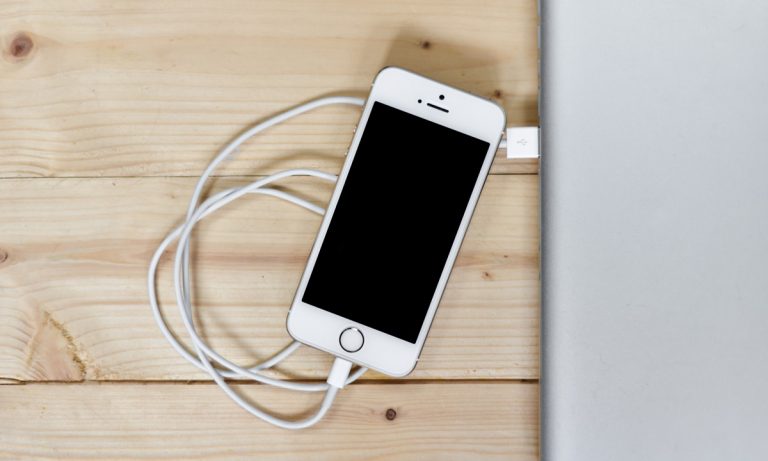
There have always been rumors claiming that cheap chargers ruin phones, but no one really knew why. And it’s certainly easier to find cheap cords and charging blocks, which are available in most gas stations, than to find an Apple store.
It’s important to know that the term “bad chargers” includes bad charging bricks, bad charging blocks, and bad charging cords. All of these could ruin your phone. According to iFixit Answers, damage from a bad charging cord is extremely common. The post has thousands of comments and over 45,000 views, and that’s only for iPhone 5C devices.
How do you know if the charger/cord/block you’re buying is bad? For starters, if the price is too good to be true then it’s probably bad for your phone. If the device comes from sketchy brands or looks weird and is poorly assembled, then steer clear from them, if for no other reason than to be safe. Lithium batteries are highly unstable; you don’t want to add an extra stressor.
According to Motherboard, you should purchase Apple charging devices or those that have MFi certification, which guarantees that it was made for iPhone, iPad or iPod. MFi cables have a chip that will protect your device from voltage fluctuations that could cause some serious damage. While MFi certification doesn’t guarantee that your device won’t be affected, it dramatically lowers the risk of damage.
A knockoff charging cord is bad news because it wants to give your phone unlimited power, and iPhones can’t handle all of that. This could lead to a fried Tristar chip, which would then ruin your phone’s ability to charge properly. To make matters even worse, damage of this sort affects your phone’s motherboard, so it can’t be fixed by replacing the charging port or the battery. Not even Tim Cook could fix damage of this level. Bye Bye iPhone forever.
Designer Yves Saint Laurent once said, “Fashions fade, style is eternal.”
The same could be said for television: When a popular show concludes, it lives on in syndication and Blu-ray. But recently, TV immortality has assumed a new form. Networks and streaming services are increasingly pulling from the past to flood the airwaves with reboots and remakes.
Nostalgia has always sold. But changes to today’s television landscape have created the perfect conditions for the reboot to thrive.
The Allure Of Comfort
At a practical level, reboots make sense.
When a fan of the original “The X-Files” tunes in for the reboot, they’re mostly familiar with the characters’ nuanced histories. For this reason, the show’s writers don’t need to lay as much groundwork. The skeleton’s already in place, and they can pick up where the characters left off and write new storylines.
But for audiences, there’s something deeper at play: nostalgia and the comfort of what’s familiar.
Media scholar Ryan Lizardi has studied the role of nostalgia in advertisements and television programming. He explains how TV commercials will often incorporate familiar characters, famous soundbites and classic hit songs to trigger viewers’ memories, which can transport them to moments of romance, comfort and wonderment from their pasts. The effect is powerful, and it can instantly forge an emotional connection with an audience.
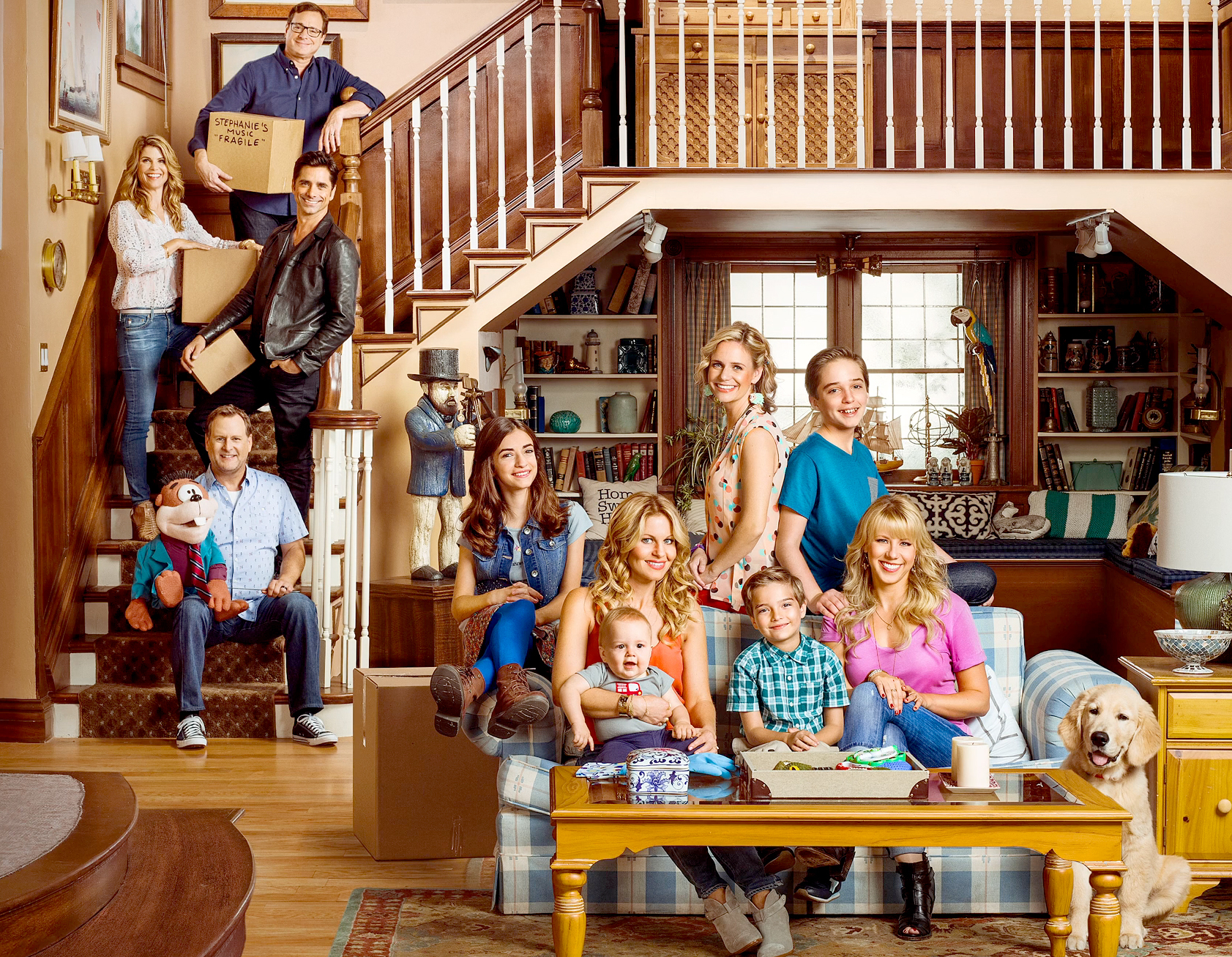
For example, in the weeks leading up to the premiere of “Fuller House,” actors John Stamos, who played Uncle Jesse on the original show, and Candace Cameron Bure, who played DJ Tanner, appeared on talk shows to promote the series.
Culture and media scholar Kathleen Loock wrote that these promotions, by “repeatedly triggering memories of (the original) ‘Full House,’” were able to convey “the comfort of the familiar.”
It’s also why a revived series will often use the original theme song or a version of it: The music prompts viewers to recall a bygone time when they watched the original show.
Bridging Today’s Fragmented Audiences
But why is this happening now? Why weren’t shows from the 1970s being rebooted in the 1990s?
Changes in how we watch television have reshaped the TV business. No longer tethered to a standard broadcast schedule, viewers have a much larger selection of shows to choose from – and can watch them however they want, whenever they want.
But revived television series can actually bridge these fragmented audiences. They represent an established brand from the old days of television, and are recognizable to huge swaths of viewers. Fans of the original series are a preexisting base of viewers that don’t need to be enticed into watching the first episode. And younger, first-time viewers can be lured to the series through media coverage, trailers and advertisements.
As TV critic James Poniewozik writes, “The old hits had far bigger audiences than today’s and so are part of our communal memory.” For this reason, “they have a better chance of reuniting that mass audience.”
This may suggest that reboots and remakes aren’t paying off. But as television studies scholar Julia Leyda notes, ratings matter less than they used to. She points out how “Arrested Development” was initially canceled by Fox for low ratings. However, its ratings from 2006 would actually be considered quite good in today’s environment of fractured viewership.
Perhaps that’s one reason why the show returned this past spring after a five-year hiatus.
Refreshed for a 21st-century audience
When older shows do return, the characters might stay the same. But the world around them has changed.
Popular sitcoms – “All in the Family,” “The Jeffersons,” “Good Times” and “M.A.S.H.” – tend to address some of the most pressing social issues of their times: class, race relations, war and gender issues.
But what mattered politically and culturally in the past matters less to viewers today. So when a revived series makes a return, it often highlights new social issues to appeal to a contemporary audience.
“Roseanne” returned to TV in March with two back-to-back episodes seen by over 18 million viewers. The family’s politics was a storyline that received a lot of national attention, with the title character having voted for President Donald Trump.
“Roseanne” did what a lot of effective sitcoms do: explore a major cultural issue and show how everyday people are grappling with it. Viewers had mixed feelings about the show’s political narrative. But no matter one’s political views, the series captured and fueled a major conversation in contemporary society.
Likewise, the 2016 election sparked the return of “Will & Grace,” with the original cast getting together for an episode that focused on campaign issues like the border wall, gun rights, education and social class.
By incorporating contemporary social, cultural and political issues, reboots and remakes are able to anchor an older show in the present zeitgeist.
FX Networks CEO John Landgraf has dubbed our current television moment “peak TV.” In an effort to appeal to as many different audiences as possible, shows and their writers are able to experiment and innovate in ways they never could have imagined a couple of decades ago.
But there’s also clearly a demand for comfort and nostalgia, and there are enough viewers who want to return to Will’s familiar kitchen and watch kids of the Tanner family navigate life as adults to make the reboot a niche of its own.
The Supreme Court of Arkansas ruled last Thursday that the lower court, which had been holding up the licensing process for medical cannabis, did not have the authority to do so. This brings Arkansas that much closer to fully realized medical marijuana for certain conditions.
Back in February, the Medical Marijuana Commission voted that five licenses be granted out of the more than 80 applicants to grow cannabis for medicinal purposes in Arkansas. When one of the companies that did not get licensed sued because of accused unfair means of choosing the awardees, the issue became tied up in court and the entire process was put to a stop.
It was in 2016 that Arkansas voters amended the constitution for quite a cache of ailments that can be eased or treated by medical marijuana, such as cancer, glaucoma, HIV, PTSD, Fibromyalgia, Alzheimer’s, severe nausea and several others. The Medical Marijuana Commission was formed and residents got their medical marijuana cards in order.
The hold up in production has meant that those cardholders have yet to be able to obtain their medicine legally. Now, with the Supreme Court of Arkansas ruling, patients should be able to get their hands on medical cannabis by the end of the year.
The Quinnipiac Poll shows that the nation as a whole supports medical cannabis by an astounding 94 percent, with the Republican opinion at a solid 90 percent in favor. Despite these numbers, cannabis is still considered a Schedule I drug at the federal level, meaning that it has no known medicinal usages.
With the latest news about Epidiolex, the first FDA approved drug using the cannabinoid CBD, it is considered by the cannabis community to be criminal that marijuana remains in the same category as heroin, with a rap of having a high potential of abuse.
The tides of the nation have certainly turned, however, and Arkansas is the latest state to make that glaringly clear. Another conservative state, Oklahoma, votes on a medical marijuana measure today.
As of now, Arkansas is finally cleared to launch their long awaited medical cannabis program and the violation against the voted in act is put to rest. It’s another victory in a quickly unraveling string of progress for the cannabis community.
Many Canadians and cannabis activists were enthused last week when Canada officially legalized recreational marijuana on the federal level. But included in that wave of excitement was none other than Minneapolis Mayor Jacob Frey.
Though Minnesota officially legalized medicinal marijuana in 2015, it’s known as one of the more restrictive programs in the country. Frey used the news from Canada to voice his support of changing the Minnesota system. He tweeted a CNN article on Canada’s Senate passing the historic bill and added a succinct, but clear message.
“Marijuana will soon be legal in Canada. Let’s make Minnesota next—and then the USA,” Frey wrote.
Marijuana will soon be legal in Canada. Let’s make Minnesota next — and then the USA. https://t.co/cYo3rQwMah
Minneapolis has already made significant policy changes on its own. News broke earlier this month that Minneapolis police leaders would end sting arrests that targeted low-level marijuana possession and sales. Change came after a downtown sting on open drug sales ended in 100 arrests, including 47 for the felony sale of marijuana. However, 46 out of 47 of those arrested for marijuana were homeless and black, who were dealing a couple grams to survive. Those numbers resulted in significant criticism of the police.
Minneapolis’ Police Chief Medaria Arradondo then announced a change in policy, steering petty-level drug offenders toward possible treatment or counseling instead of jail.
“Mayor [Jacob] Frey has directed us…we will discontinue specific low-level marijuana enforcement,” Arradondo said. “And I agree with the mayor’s decision … Too often in society the police and MPD is looked at as the one to solve this problem, and it is far greater than just us.”


 But there’s also clearly a demand for comfort and nostalgia, and there are enough viewers who want to return to