Thursday, May 14, 2026
Home Blog Page 971

WATCH: The New Trailer For Lifetime’s ‘Harry & Meghan’ Is Here

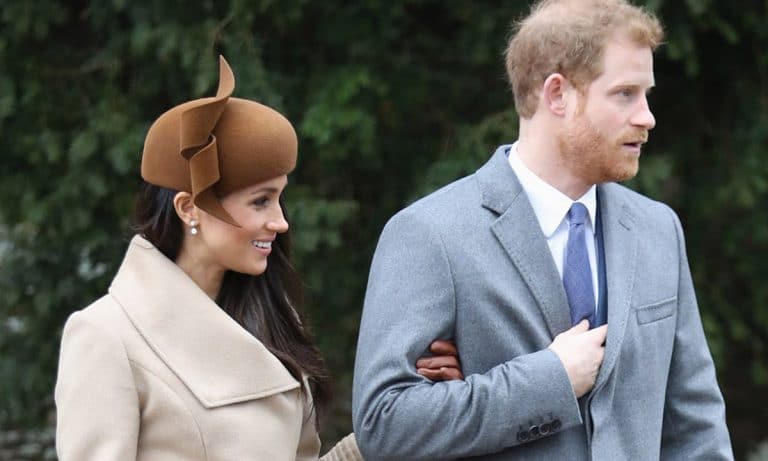
A new trailer for Lifetime’s “Harry & Meghan: A Royal Romance” is out, and boy, does it up the cheese factor of this made-for-tv movie depicting the couple’s whirlwind romance, even though most of us can recall details in our sleep.

It stars Murray Fraser as Prince Harry and Parisa Fitz-Henley as Markle.

In February, People magazine confirmed that William and Kate will be played by Burgess Abernathy and Laura Mitchell. Neither of whom are British, so the accents should be spot on.

Drama note: There’s a scene in the movie where “Harry” and “Meghan” are in bed together without shirts on, which has whipped a few folks into a tizzy.

Thomas Mace-Archer-Mills, founder and chairman of the British Monarchist Society, tells The Daily Mail:

The scene showing the couple naked in bed is the ultimate appeal to those who are drawn in by such filth and perversion.

It’s also going to likely be one of the main reasons anyone tunes into this flick.

Harry and Meghan (the real ones) announced their engagement last November and are set to be married May 19…six days after this movie premiers. Grab your popcorn.

https://twitter.com/TheSandraG/status/981942315597094912

Harnessing The Body’s Endocannabinoid System To Fight Cancer

The drugs used to treat cancer after surgery can help to slow disease progression, but they don’t always fight cancer and keep it from spreading to other parts of the body, nor do they help with pain associated with some cancers such as sarcomas (rare bone cancers). There is a drug, however, that potentially does both of these things: cannabis.

Preparations of cannabis plants have been used for medicinal purposes for thousands of years. Scientists are finally starting to test the legitimacy of some of these folk remedies. In recent years, clinical studies have shown that cannabis reduces pain caused by diseases such as multiple sclerosis – indeed, many cancer patients use cannabis for its pain-relieving properties. Some animal and test-tube studies, however, suggest that cannabis may do more than just reduce pain; it may kill cancer cells and limit their spread.

However, the development of cannabis preparations and other pharmaceutical agents that mimic the action of cannabis in the body has been hampered by reports of psychiatric problems such as depression, psychosis and anxiety.

Using The Body’s Own Cannabis

The human body produces chemicals that are similar to the active chemicals (cannabinoids) found in cannabis. These “endocannabinoids” (the Greek prefix “endo” means “within” or “inside”) help relieve pain and boost the body’s immune system. One strategy to boost the action of the body’s own cannabis is by inhibiting the enzymes that break down natural endocannabinoids.

One of these enzymes, called monoacylglycerol lipase (MAGL), is found in healthy tissues such as the brain, bone and the immune system. Studies, including our own, have shown that inhibiting the activity of this enzyme reduces the growth of variety of cancer cells in mice.

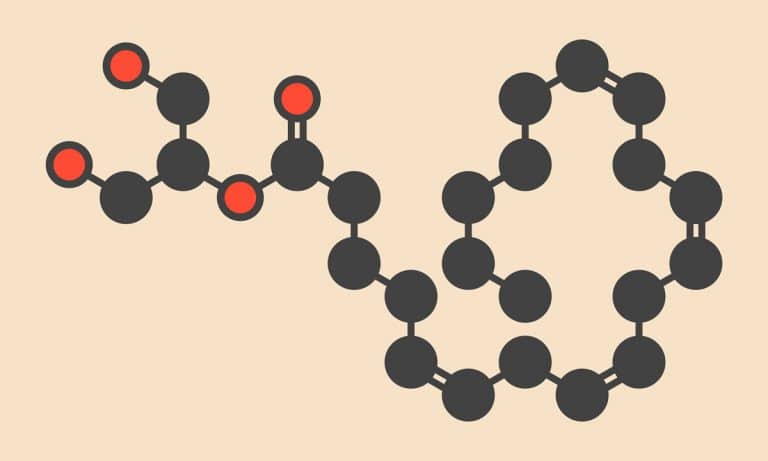
A paper published in 2011 showed that treating mice with a drug that blocks the action of MAGL boosted the production of an endocannabinoid called 2-arachidonoylglycerol in healthy cells and in cancer cells. They also showed that the drug reduced the growth of cancer cells and halted their spread to other parts of the body.

In our own research, at the University of Sheffield, we have validated the anti-cancer effects of various MAGL inhibitors on mice with breast and bone cancers. The results will be published in 2018.

Evading The Problem Of Psychiatric Disorders

There is a risk that experimental drugs that block the action of MAGL may cause psychiatric problems similar to those experienced by some cannabis users. To get around this, we are pursuing a number of strategies to design and test new drugs that only enter and accumulate in tumour cells.

One strategy is called the “ball and chain”. We successfully attached our experimental drug, that blocks the action of MAGL, to a chemical “ball”. Once in the body, the block binds to proteins called folate receptors that exist in large numbers on the surface of tumour cells.

The folate receptor will allow the drug-chain-ball complex to enter tumour cells. Once inside, enzymes will break the “chain” and this will release the drug to block the action of MAGL. This will boost the production of cannabinoids by the tumours that in turn halt the tumour growth and spread to other parts of the body (see figure).

Our studies, carried out in test-tubes, have shown that the ball-and-chain drugs can kill cancer cells and stop them moving. Encouraged by these findings, we are now looking to validate the anti-cancer effects of the new drugs in mice.

The brain is protected by a biological barrier – the “blood-brain barrier” – that only allows the passage of natural substances such as water, gases and other chemicals it needs to function. We do not expect that our new drugs – with their ball-and-chain elements – will be able to gain access to the brain because of their large size. So we don’t anticipate that this new drug will cause any psychiatric problems. But it is still early days and we need to conduct more research to confirm our theory.

We are currently seeking funding to carry out research to find out if the new drugs that stop the body breaking down its own cannabis may be effective in reducing pain in mice suffering from osteosarcoma, a rare form of bone cancer that causes bone pain.

The ConversationTreatment with drugs that stop the body breaking down its own cannabis in peripheral tissues, or drugs that mimic the action of natural cannabis outside the brain, may be a fruitful way to develop safer cannabis drugs for treating cancer. Who knows, these drugs may even provide a safer alternative to plant-derived cannabis because they can’t cross the blood brain barrier.

Aymen Idris, Senior Lecturer of Pharmacology, University of Sheffield

This article was originally published on The Conversation. Read the original article.

This Small Town Accidentally Legalized Cannabis

Whom among us hasn’t been confused by a ballot question affecting local ordinances amidst the general election? In other words, was your vote for President as certain as your vote regarding a small-town referendum, like zoning codes? The impact of ballot questions obviously vary, but in the village town of Turner, Oregon, it led to residents accidentally allowing marijuana into city limits.

You may be wondering how that happens in Oregon, a state that legalized recreational marijuana in 2014. Well, at the time, local politicians weren’t as enthusiastic about the reform as state residents. So when Measure 91 legalized marijuana statewide, politicians produced a compromise—local regulation fell underneath a different category and “if a city or county wanted to locally prohibit recreational marijuana businesses, they needed to put the ban on the next general election ballot,” writes The Intercept.

This worked for a town like Turner, where 57 percent of voting was a “no” on Measure 91. It’s a strongly conservative place, where residents supported Donald Trump over Hillary Clinton by a 2 to 1 margin. In 2016, the compromise politicians had enacted was up for a vote in Turner, only things didn’t quite go according to plan.

Via The Intercept:

To nobody’s surprise, they voted overwhelmingly — 63 percent — to prohibit the businesses in the unincorporated parts of their county.  But to everybody’s surprise, this time, the town voted 51 percent in favor of allowing pot businesses within the city limits. “We were actually shocked,” Mayor Gary Tiffin told me.

Based on The Intercept’s analysis, the mix-up occurred from an awkward series of questioning. A small number of cities, like Turner, saw two different questions regarding a ban on marijuana businesses. The first question regarded prohibition of marijuana businesses in the county, while farther down the ballot they also answered whether to ban marijuana businesses within city limits.

The difficulty lies within the ballot phrasing:

When county ban and city ban questions were phrased the same way, how precincts voted on the two questions was nearly identical. But in a few cities, like Turner, residents needed to vote “no” if they wanted to prohibit marijuana businesses in their county but also vote “yes” if they wanted to maintain their city ban.

Confusing to say the least.

The first weed store will open in a matter of weeks. And according to Turner’s mayor, the town is involved in “a laborious and tough lawsuit from a person in town who wants to put a grow operation in a residential area.”

Turner may consider placing the ballot in the 2018 election, but not until residents can sample the weed store’s offerings. Perhaps they’ll feel different about the issue afterwards. At the very least, they’ll be high.

What’s The Name Of Apple’s Next iPhone?

Last year, Apple released the news that they would drop their current line of iPhones, meaning that we won’t see any more iPhones 8 or X.

Even though Apple is being more secretive than usual, some people have managed to find some leaks, claiming that there will be three new devices that will be a different twist on the iPhone X, with different price ranges and abilities. The names of these devices are important; they’ll signal a reboot of the brand and announce Apple’s plans of staying on top of the industry by innovating.

So, what’s the name of the next iPhone? iPhone 9 sounds weird, and it would also make little sense considering that the iPhone X was also known as the iPhone 10. Mashable compiled a list of possible names for the iPhone, Here are 5 of our favorites:

iPhone 8S

https://giphy.com/gifs/workaholics-l0ErI580RENel1dRK

The iPhone 8S would make sense since Apple likes to throw an S onto their devices when they need a reboot, or when they go through a change, while still remaining sort of the same. The one problem with this is that people are not going to know that the 8S is a generation that follows the iPhone X. That X sure caused Apple some trouble.

iPhone 9

https://giphy.com/gifs/season-7-the-simpsons-7×10-xT5LMpMtDpdQalumJy

The most intuitive option would be to name it the iPhone 9, but like with the 8S, it still won’t feel like an upgrade over the iPhone X. The number 9 suggests that it’s an inferior version of the iPhone X, even though it’s meant to be the next generation of the phone.

iPhone 11

https://giphy.com/gifs/genius-cardi-b-hectic-xTiN0kxizOHzdVMYus

This name makes the most sense out of all the ones on this list, but it’s also awful. It’s long and complicated, and we bet some people are gonna ask, “Wait, where is the iPhone 10 then?”

That’s what you get when you try to have your cake and eat it too, Apple.

iPhone X1

https://giphy.com/gifs/itsdyo-dyo-reactions-26BGA5OpVeREmkZt6

This name kind of fits our culture’s zeitgeist, where there seems to be no new ideas, just an unlimited amount of updates of things that used to be fresh and better. This is a bad, bad name.

iPhone

https://giphy.com/gifs/filmeditor-mean-girls-movie-l2YWnMs4mEkwallIc

If there’s one company in the world that can pull this move off it’s Apple. Everyone knows the iPhone, and it’d be nice to get a fresh reboot where you forget about the 8 versions of the device that did little to improve its software. Plain iPhone is clean, simple and universal.

Kate Middleton Gives Fashion Advice To Meghan Markle

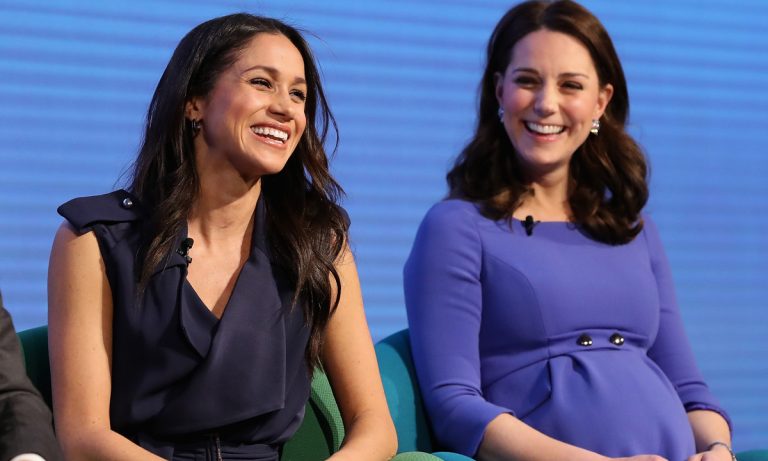
Marrying into the royal family must be nice, but also very stressful and draining. Fortunately, according to different sources, Meghan Markle has found a friend in Kate Middleton, who’s also giving her the best advice and help because it comes from someone who faced the same pressures years ago.

According to FOX News, Middleton’s advice ranges from how to act in public to how to dress up for events. Middleton’s been a fashion icon ever since she stepped into the spotlight once she announced her engagement to Prince William, often making the news for her classy looks.

The Independent reports that Middleton “has provided Meghan with names of some of the favorite U.K. go-to designers on everything from dresses, coats and the all-important British hat.” While both women are expected to do things their own way and to have their own sense of fashion, people also expect them to honor the late Princess Diana, who was one of the biggest fashion icons of her time.

During these last couple of months, Markle has been preparing to become a royal, learning the appropriate protocol for self-defense and hostage training in case anything happens. Just regular princess things.

Markle is also expected to speak more like a royal by softening her American accent and by getting acquainted with the way in which British people speak. The Independent quotes a source as saying: “Meghan’s American twang will be softened and toned down. But more essential is her switching to British terminology — she simply cannot be ‘taking out the trash’ and ‘wearing pants.'” Someone needs to relax.

Louisiana OKs Medical Marijuana For Chronic Pain, PTSD And More

Louisiana’s medical marijuana program is about to exponentially bigger, thanks to a House committee vote earlier this week. By an 8-4 vote, the committee agreed to add four new qualifying conditions for patients: chronic pain, PTSD, glaucoma and muscle spasms.

In 2016, the state passed a law allowing the use of medical marijuana to treat certain conditions, including HIV/AIDS, Crohn’s disease, muscular dystrophy and epilepsy. By adding the four new ailments, it is expected the number of medical marijuana patients will skyrocket.

According to 2016 data, here are the top reasons registered patients give for cannabis treatment in all states that have programs:

  • Chronic pain:  64.2 percent
  • Muscle spasms: 13 percent
  • Nausea: 6.3 percent
  • Cancer: 5.8 percent
  • PTSD: 4.2 percent
  • Seizures/Epilepsy: 1.8 percent
  • Glaucoma: 1 percent
  • All other conditions: 3.6 percent

These numbers show that the Louisiana medical marijuana program will be available to 82 percent additional potential patients.  The program is scheduled to launch in September.

According to the New Orleans Times-Picayune:

HB 579, sponsored by Rep. Edward James, D-Baton Rouge, met some debate before the vote. Opponents questioned whether there was enough medical research establishing medical marijuana as an effective treatment for people with chronic medical conditions.

The proposal appears to offer medical marijuana use as a possible alternative to prescription painkillers. It makes reference to opiate use in defining what would be considered “intractable pain,” or a state in which the cause of the pain “cannot be removed or otherwise treated with the consent of the patient … it is a pain so chronic and severe as to otherwise warrant an opiate prescription,” according to the bill.

Veterans hailed the plan, saying that medical marijuana could help thousands who are dealing with PTSD and chronic pain. Tom Landry, a veteran who suffers from chronic pain, spoke in favor of the plan. “I am here to advocate for other veterans who can get off of opioids,” Landry told the News-Picayune.

Rep. Dodie Horton, who voted against the bill, said she could not “support expanding a system, where we haven’t even begun testing the medications. You can testify here, that this magic potion will work. I just don’t believe. We don’t even have proof of the help it will give people.”

Horton, clearly, is out of touch with reality. During the committee deliberations, she referenced a satirical news article from The Daily Currant that claimed 37 people died on the first day recreational marijuana was legalized in Colorado in January 2014.

Um, no. The Daily Currant, which has not updated its site for almost two years, also ran stories with headlines such as “Donald Trump In Critical Condition After Choking on Own Bullshit” and “Study: Climate Change May Melt Cher By 2020.” You can watch the video here.

Cake Sitting Is A Thing And Popular Enough To Be A Business

Sexual fetishes are kinky, sometimes sexy, but usually weird. There’s probably a fetish for whatever thing you can think of, no matter how crazy it is. With this in mind we present you with cake sitting: Literally sitting down on the baked good. Popping on Reddit, OnlyFans, and other specialized sites, it is hitting with the sweet spots with some viewers.

Uproxx reports cake sitting is a fetish that’s gained popularity over the years, and that can no longer be considered underground. The fetish falls under the category of “sploshing”, which is when people get turned on by rubbing food on their bodies, or by watching people rub food or substances onto themselves. These people enjoy the sensation of handling sticky things and of being covered in them while engaging in sex acts.

A post shared by Lindsay Dye (@dyelindsay) on

While not as famous — or infamous — as bondage, it has a history in media. Uproxx quotes the moment where Christina Aguilera sat on a cake while wearing a wedding dress on the cover of Out magazine as an example.

Lindsay Dye is a cake-sitter and artist, who makes videos where she sits on cakes. She’s been making these videos since 2015, but believes that the world is still too guarded when it comes to enjoying fetishes openly. According to her, the world needs to become more sex positive in order to enjoy these fetishes and our sexuality.

Cake sitting seems like a harmless enough fetish. It’s niche, yes, but it definitely has its audience. Dye has over 11,000 followers, so maybe even though people aren’t admitting that they’re into cake sitting, they at least like to watch it on social media.

4 Out Of 5 Older Adults Support Doctor-Recommended Medical Marijuana

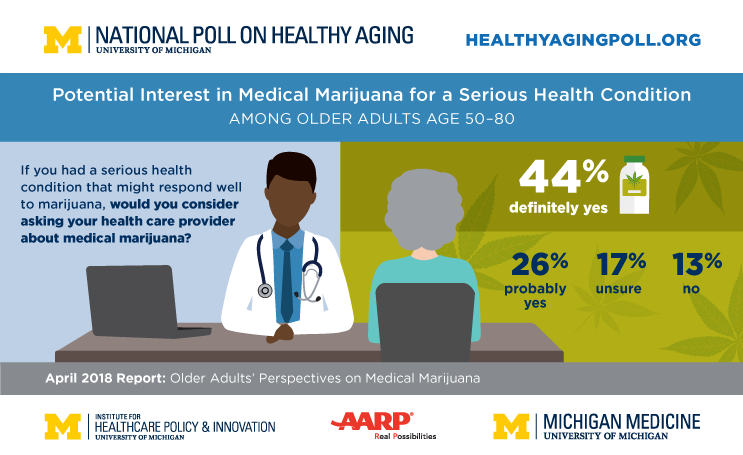
Only six percent of older adults currently use cannabis, but four out five Americans between the ages of 50 and 80 support medical marijuana if a doctor recommends it, a new study reveals. Only 13 percent would definitely say no to cannabis.

According to new findings from the National Poll on Healthy Aging, older Americans may have a sense of uncertainty about the medical use of marijuana. But if it’s OK with a doctor, it’s okay with them. The survey also reported that 40 percent support allowing marijuana use for any reason and that two-thirds say the government should do more to study the herb’s health effects.

“While just six percent of our poll respondents said they’d used marijuana for medical purposes themselves, 18 percent said they know someone who has,” says U-M’s Preeti Malani, M.D., director of the poll and a specialist in the treatment of older patients. “With medical marijuana already legal in 29 states and the District of Columbia, and other states considering legalizing this use or all use, this is an issue of interest to patients, providers and policymakers alike.”

The poll was conducted in a nationally representative sample of 2,007 Americans between the ages of 50 and 80 by the University of Michigan Institute for Healthcare Policy and Innovation. It was sponsored by AARP and Michigan Medicine, U-M’s academic medical center.

The poll results revealed that 48 percent believe prescription pain medicines are more addictive than marijuana, and 57 said that such medicines have more side effects than marijuana.

“These perceptions of relative safety and efficacy are important for physicians, other providers and public health regulators to understand,” says Malani. The widespread support by older Americans for more research on the effects of marijuana is especially significant, she says, given the growing legalization trend in states and the continued federal policy that marijuana use is illegal.

“Although older adults may be a bit wary about marijuana, the majority support more research on it,” says Alison Bryant, Ph.D., senior vice president of research for AARP. “This openness to more research likely speaks to a desire to find safe, alternative treatments to control pain.”

A full report of the findings and methodology is available at www.healthyagingpoll.org, along with past reports on National Poll on Healthy Aging findings.  

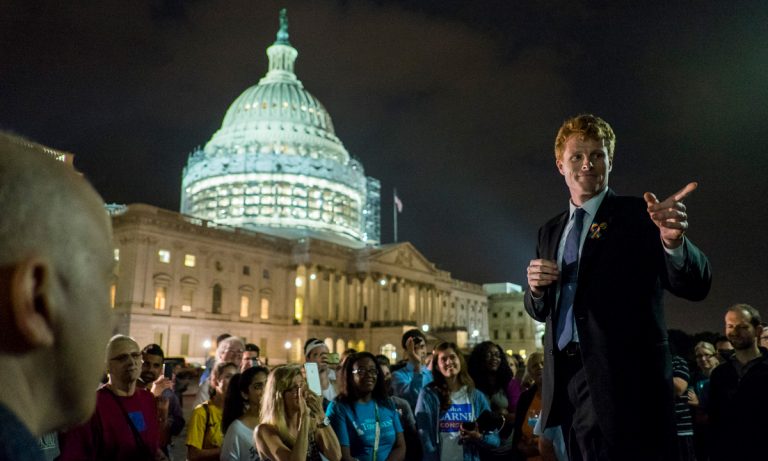
Joe Kennedy Has Beef With Marijuana Legalization

In the world of politics, the Kennedy name is held in high regard. The latest rising figure from the legendary family is Joe Kennedy III, a Massachusetts congressman surging upwards through the Democratic Party. But he’s faced scrutiny recently for his views on cannabis legalization, a stance he has refused to back down from.

It’s also a stance he repeated during a guest appearance on “Jimmy Kimmel Live!” recently, stating:

I do have concerns about what the increased availability of marijuana means for adolescents, what it means for folks who struggle with addiction, and mental health.

Kennedy also stressed a “thoughtful” approach to widespread cannabis legalization, while conceding that Attorney General Jeff Sessions’ policies have only convoluted the situation.

“I acknowledge that I’m an outlier on this, I just think it’s something we want to be careful and deliberate about as we move forward,” Kennedy said.

That stance, under the soft lights of late-night TV, seems like a docile and cautious one from Kennedy. But it only tells part of the story. At a time when the Democrat Party has slowly embraced marijuana, Kennedy has voted against cannabis initiatives at seemingly every opportunity.

As Tom Angell astutely documented at Marijuana Moment, Kennedy has voted to permit the DEA arresting medical marijuana patients and providers, voted three times against increasing military veterans’ access to medical marijuana, and even voted against a proposal that would protect children using non-psychoactive cannabidiol extracts to treat seizures from DEA persecution. In its congressional scorecard, The National Organization for the Reform of Marijuana Laws (NORML) gave Kennedy a “D.”

Two months before Massachusetts voters opted to legalize recreational marijuana in 2016, Kennedy flat-out opposed it. “I don’t think marijuana should be legalized,” he told Boston magazine at the time.

In public appearances, Kennedy continuously beats the same drums of worries concerning mental health, addiction, and public safety without citing any specific research or figures.  He was interviewed on Ezra Klein’s podcast and bemoaned how decriminalization in Massachusetts prohibits officers from searching cars that smell like marijuana.

Via Boston.com:

Klein later argued the change was probably for the good, given the racial disparities that exist in the legal system’s treatment of marijuana, which Kennedy conceded was a good point. Another criminal justice concern Kennedy expressed was the lack of an admissible roadside test to determine whether a driver is operating under the influence of marijuana, which he said would be an increased threat with more widespread usage.

“I think it’s worth us understanding, ‘Do we have the tools that are necessary to keep the communities safe?’ as we try to actually go through and make this a substance that is far more widespread,” he told Klein.

Kennedy’s “concerns” often seem closer to dogwhistle trolling than informed stances on the matter. He seems eager to cite all the potential pitfalls of legalizing marijuana—many of which this website has showcased as standing on flimsy footing—without acknowledging research or scientific understanding to the contrary. As he echoes tired stances of “reefer madness,” he almost seems stuck in the past. With a last name like Kennedy, maybe that shouldn’t be much of a surprise.

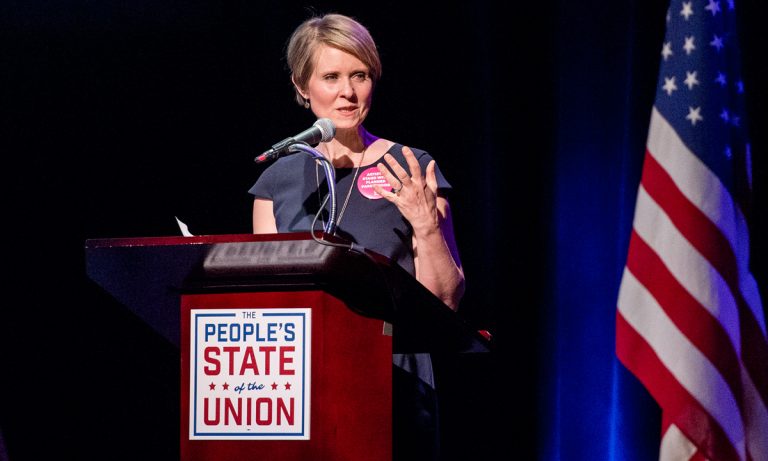
NY Gubernatorial Candidate Cynthia Nixon Supports Marijuana Legalization

Depending on the outcome of New York’s next gubernatorial election, the concept of recreational marijuana may not be too far away. That’s because Cynthia Nixon, the former “Sex and the City” star, who’s poised to be Andrew Cuomo’s primary competition in the race for governor, told those in attendance at a fundraiser Tuesday night that she would work to establish a taxed and regulated marijuana market if she is elected.

“She said that if marijuana is legal, we can tax it and make a lot of money from that,” Julie Klam, an author who was at the event, told the New York Times.

This would be a welcomed change for New York. Governor Cuomo has fought tooth and nail over the years to prevent legal marijuana from becoming a reality. In his opinion, marijuana is a “gateway drug” that only stands to worsen the state’s problems with addiction. This in spite of the latest research suggesting that marijuana could be a partial solution.

So far, Cuomo has not been persuaded to side with legal weed even for the potential economic benefit. The most recent projections show the state could rake in a whopping $500 million in annual tax revenue simply by legalizing the leaf in a manner similar to states like Colorado and California. Yet, fear that this move would turn New York into a society of drug fiends continues to deter the path to common sense reform.

But Nixon, a Democrat, understands just how important this economic relief would be for New York. One attendee told the Times that, “she was very exuberant about” raising revenue through the legalization of marijuana.

Interestingly, Nixon’s comments about marijuana legalization are the first reveal of her policy objectives. Since announcing her candidacy in March, she has not provided much insight over her plans to improve New York if chosen by the voters to hold the state’s highest office.

Instead, her focus has been on bashing the Cuomo administration, which she believes is up to its neck in corruption.

“Cuomo’s time in office has been defined by a string of indictments for corruption, his failure to fix the New York City subway, and his support for a backroom deal which handed Republicans control of the state Senate, resulting in the failure of numerous pieces of progressive legislation,” Nixon said in a statement.

But does Nixon stand a fighting chance at becoming the next governor of New York? That’s hard to say at this point. The latest poll shows Cuomo, who has been running the show for the past two terms, is still out pacing Nixon in terms of public opinion. But this could change now that she has made known her intentions to legalize marijuana.

Don't Miss Your Weekly Dose of The Fresh Toast.

Stay informed with exclusive news briefs delivered directly to your inbox every Friday.

We respect your privacy. Unsubscribe anytime.