Sunday, May 10, 2026
Home Blog Page 1043

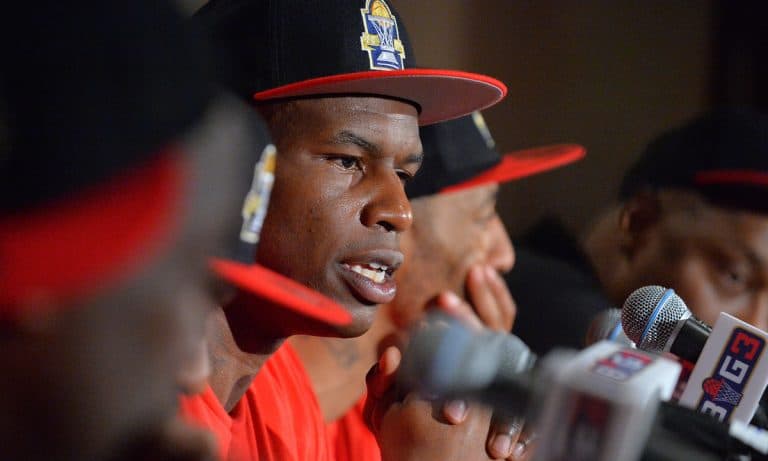
Why Former-NBA Star Al Harrington Wants To End War On Marijuana

Retired NBA player Al Harrington recently penned a telling pro-marijuana tale for The Players’ Tribune, which spans the athlete’s formative years to his almost two decade long career playing professional basketball for some of the greatest teams in the world. In the piece, the former Indiana Pacer talks about what it was like growing up in the oppressive neighborhood of Orange, New Jersey, where he was constantly harassed at the hands of police on a hell bent mission to bust kids for marijuana.

“I came up during the War on Drugs. I didn’t know what it was called. But I knew what I saw,” Harrington wrote. “Almost every week, at some time or another, a police car would roll up to the corner. If there was a group of young black men standing on a corner, it was only a matter of time.

“That was just normal for us,” he continued. “We’d be chilling outside and the police would get out and make everyone empty their pockets. They’d search us, make us stand against the wall, the whole routine. “Who got drugs? Show me the drugs.” But me and my friends never had any. I never messed with marijuana when I was a kid. I knew my mom would kill me if that ever happened. But no lie, I never got used to those searches. I was like 12 years old, man — that shit was scary. Sirens are going off and you’re being searched by dudes with guns. It’s crazy — I always felt like I was doing something wrong even though I wasn’t.”

Harrington, an active member of the Minority Cannabis Business Association (MCBA), then goes on to detail “9 Reasons to End the War on Marijuana,” which include racial disparity in marijuana arrests, the almost $4 billion cost to continue enforcing antiquated pot laws, and the need for alternative treatments for patients suffering from pain.

It is on the medical level where Harrington found relief with marijuana. He says a non-intoxicating form of the plant known as cannabidiol changed his life by helping him manage his pain after back surgery without the continued use prescription drugs.

“For me, cannabis changed my experience with pain,” he wrote. “It has worked better, with fewer side effects, than anything I’ve gotten from a doctor. To this day, at 37, after 16 years in the NBA and back surgery and all the miles on my body, I’m still playing ball every week in L.A. Meet me out there. Afternoon runs Tuesday and Thursday. You don’t want none of this!”

The piece also touches on an issue that Harrington would like to see getting more attention: alcohol abuse in the NBA. Because of strict anti-drug policies, he says players often gravitate toward the use of alcohol to help them cope with the lifestyle. Many of them use this socially acceptable inebriant to combat “anxiety and stress,” he explains.

And these bouts of self-medicating eventually kill their careers.

“I knew of at least 10 or 12 players who had their careers cut short due to alcohol,” Harrington wrote. “It either affected them physically or mentally, but one way or another, alcohol shortened their careers.”

Overall, the message behind the 37-year-old’s story is simple: The time has come for the federal government to pull the cannabis plant out of the pits of prohibition and allow the nation to reap the benefits.

To make this happen, sooner rather than later, Harrington is urging the young progressive minds of the nation get into politics and make marijuana legalization one of their primary issues.

“You could win on that issue alone, I really believe that,” he wrote. “Because it’s not just about legalization, it’s about addressing racism, policing, the prison system, sentencing laws — all of that. Decriminalizing marijuana is one of those issues that cuts across party lines.”

Al Harrington recently got involved with the cannabis industry. Last year, he co-founded Viola Extracts, which produces non-psychoactive shatter, wax and live resins. He reportedly invested $3.5 million of his own money getting the company off the ground.

What Does Trump REALLY Think About Marijuana? Listen To This Newly Released Tape

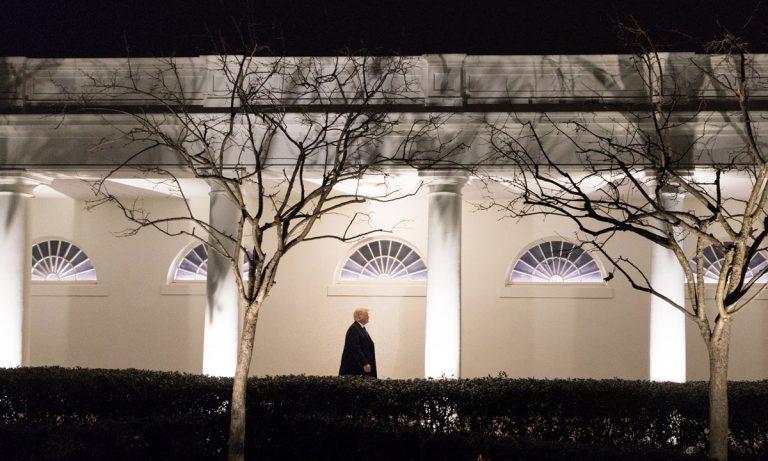
What does President Trump really think about legalized marijuana? Where does he really stand on medical marijuana? Nobody knows for sure. But what is certain is what he said on the campaign trail leading up to the 2016 vote.

The Gazette this week released for the first time video of a July 2016 conversation the candidate had with the Colorado Springs newspaper’s editorial board. The message of that three-minute video is unambiguous: Trump promised over and over again that he would respect states’ rights when it comes to cannabis regulation. This position clearly puts him at odds with Attorney General Jeff Sessions, who recently cleared the way for federal agencies to crack down on marijuana.

According to the Gazette:

Asked directly by editorial page editor Wayne Laugesen if, as president, he would order enforcement of federal marijuana law, Trump responded: “Officially, I’m in favor of medical marijuana. For legalization, I have been in favor of states’ rights. In other words, let the states work it out.”

“We wanted to know Trump’s views on legalized recreational pot, so we discussed it with him for 10 minutes,” Laugesen said last week. “We demanded to know if he might enforce federal law in states that have legalized, and received nuanced discussion about states’ rights and his concern the legalization movement might reveal damage to children.”

Trump also said: “I have always been a person that says, ‘Let’s see what happens in Colorado.’ Because you’re doing a great test to see what happens, and I like the idea of a state making that decision.

“I believe if people vote for it, that’s the way it should go. Colorado is an example of that. It’s states’ rights.”

Earlier this month, Sessions rescinded the Obama-era Cole Memo limiting the reach of the Justice Department to enforce federal cannabis laws. “It is the mission of the Department of Justice to enforce the laws of the United States, and the previous issuance of guidance undermines the rule of law,” Sessions said.

NY Gov. Cuomo Calls For Study To Examine Legalizing Recreational Marijuana

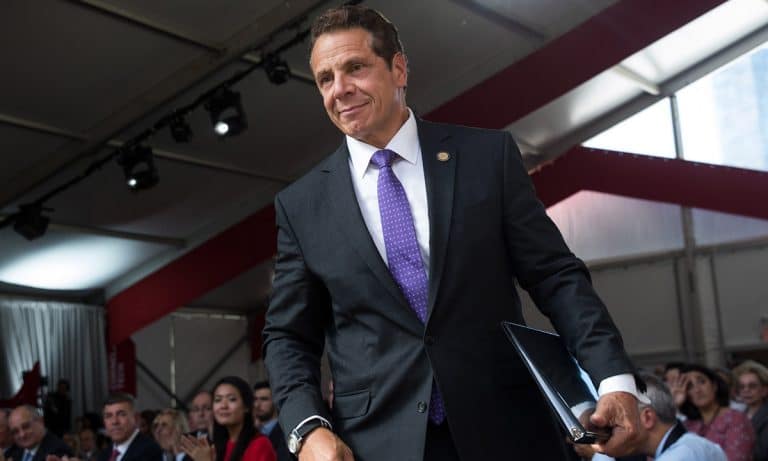
In his address on the executive budget proposal for New York state on January 16, Governor Cuomo called for a state-funded study on the impacts of marijuana legalization in the health, economic, and criminal justice realms and the projected impacts for New York of legalization in neighboring states and jurisdictions. Drug Policy Alliance and the Start SMART (Sensible Marijuana Access through Regulated Trade) campaign just released two new related fact sheets, Marijuana Legalization in New York: Promising Economic Prospects and Ending Marijuana Prohibition: Impact of Legalization on Border States and Implications for New York.

Governor Cuomo’s call for studying marijuana legalization comes amid a wave of marijuana policy reform. Legislation to legalize marijuana for adult use is pending in New Jersey, where the recently-inaugurated governor has pledged to legalize marijuana in his first 100 days in office; New Hampshire’s House voted to legalize marijuana last Tuesday; and Vermont’s Senate approved a legalization bill last Wednesday, paving the way to become the first state to legalize through the legislative process (prior states were via ballot initiative). Massachusetts and Canada are in the process of implementing legalization and expect their legal markets to come online this summer.

Last week the New York State Assembly held a public hearing to discuss the Marijuana Regulation and Taxation Act (MRTA, S.3040B/A.3506B) [video available here], a bill that would create a system to tax and regulate marijuana, legalizing the production, distribution, and use of marijuana for adults over the age of 21 and effectively end marijuana prohibition in New York. The implications of legalizing marijuana for New York’s criminal justice system, public health, and the state’s economy were highlighted at the hearing, which featured testimony calling for an end to marijuana prohibition from civil rights groups, criminal justice reformers, medical researchers and doctors, regulators from states with legal marijuana, medical marijuana advocates, policing experts, immigration rights advocates, former law enforcement, and drug policy reformers.

“I am pleased that Governor Cuomo is proposing funding for a study of legalizing adult use of marijuana.  Addressing our current outdated marijuana laws is a necessary part of any criminal justice reform agenda, and I look forward to sharing what I have learned in developing the Marijuana Regulation and Taxation Act as to how to create a more just approach to marijuana regulation. I firmly believe that New York can develop an approach to marijuana regulation that addresses public health concerns while reducing the exposure of so many people, and particularly young people of color, to interactions with the criminal justice system that have much more damaging life consequences than marijuana use,” said Senator Liz Krueger, the Senate sponsor of the MRTA.

“I applaud Governor Cuomo on agreeing to conduct a study to investigate the merits of legalizing marijuana. I look forward to the Department of Health’s report showing: the health benefits of successful pain management and social anxiety treatment, which can aid our fight in reducing the dependency on opioids; polling and other data points that confirm that the majority of New York State registered voters support legalization; creating a new inclusive economy for everyone and its respective revenue-generating potential; but most importantly for me is the expected positive social justice impact that can be had by decriminalizing marijuana. Dreams that are so often derailed by criminal records for youth of color will soon stay on track allowing them to become productive tax-paying members of our society,” stated Assemblywoman Crystal D. Peoples-Stokes, the Assembly sponsor of the MRTA.

Momentum for marijuana reform is building steadily in New York. A poll of New York voters released in late 2017 showed that 62% of New Yorkers support making marijuana use legal in New York for adults over 21, and more than 60% support taxing and regulating marijuana as a way to address the state’s looming budget deficit.

The proposed study, which Gov. Cuomo said would be conducted by the state’s Department of Health, has the potential to examine both the wide-ranging and damaging impacts of marijuana prohibition and the immensely promising economic prospects of legalizing marijuana for adult use in New York.

Legalizing marijuana for adult use in New York holds significant criminal justice reform potential. Under the Marijuana Regulation and Taxation Act, which is currently pending in the legislature, people who have been convicted of low-level possession (including possession in public view) and low-level sale can have that offense vacated from their record. Other offenses related to possession or sale that were previously misdemeanors or felonies can be reclassified and sealed. People currently incarcerated for such offenses would either be released or have their sentence appropriately reduced pursuant to the new statute.

This is crucial because marijuana prohibition enforcement has devastated communities across New York State, primarily those of color and low-income communities. More than 800,000 people have been arrested for possession of small amounts of marijuana in New York State over the past 20 years, with over 700,000 arrests by the NYPD alone. As a result, hundreds of thousands of people must contend with criminal records that yield significant collateral consequences for them—and their families, including limited access to housing, employment, and education opportunities.

Legalizing and regulating marijuana will also provide an opportunity, due to the revenue it will generate, for the communities that have been most devastated to start to repair the harms of the drug war. The potential tax revenue for New York from a legal marijuana market is considerable: it is estimated that New Yorkers spend an estimated $3 billion per year on marijuana in the illicit market. An official study by the NYC Comptroller in 2013 estimated potential tax revenue for a legal marijuana market in NYC alone would be more than $400 million, and acknowledged that the actual revenue could be much higher.

Under the Marijuana Regulation and Taxation Act, this substantial tax revenue from the legal marijuana market will be used to establish a Community Grants Reinvestment Fund to provide job training, promote adult education, support youth development programming, establish or expand community centers, bolster re-entry services for the formerly incarcerated, and otherwise support community-focused programming in communities that have been disproportionately impacted by the drug war. Additional funding from the regulated marijuana market will be directed to assisting the state department of education to keep public schools open and provide a quality education to New York’s children. Another block of funding will be dedicated to public health initiatives, including drug treatment programs to help combat the opioid crisis, science-based public education, and research on public health impacts of marijuana legalization.

“Marijuana legalization is already working in states across the country, and New York should not be left behind. We have the potential to reduce incarceration, raise revenue, and spur job growth. Failed marijuana policies have hurt communities for decades, and we are pleased to see that Governor Cuomo is advancing a study on marijuana legalization that will move us toward more sensible drug policies,” said Alyssa Aguilera, Co-Executive Director, VOCAL-NY.

“We welcome Governor Cuomo’s proposal to study marijuana regulation and taxation, and urge the Department of Health to conduct and release their report swiftly. In the meantime, New York should follow our neighbor Vermont by immediately legalizing personal cultivation and possession of marijuana,” said Doug Greene, of Empire State NORML.

“We look forward to the study proposed by the Governor and urge New York policy makers to get on board with legalizing marijuana for adult use, which is supported by a majority of New Yorkers. There is ample evidence that ending marijuana prohibition is a smart way for Gov. Cuomo and the Legislature to uphold the rights of all New Yorkers and support economic growth. Ultimately, the best way to address the disparities and challenges posed by prohibition is to create a system to tax and regulate marijuana that will repair and reinvest in communities that have been most harmed by the marijuana arrest crusade,” said Kassandra Frederique, New York State Director for the Drug Policy Alliance.

Additional detailed information on the implications of marijuana legalization for criminal justice, public health, and New York’s economy is available at the Start SMART (Sensible Marijuana Access through Regulated Trade) campaign website:
•    The Costs of Marijuana Prohibition Enforcement: The Criminal Justice System
•    Marijuana Legalization in New York: Promising Economic Prospects
•    Ending Marijuana Prohibition: Impact of Legalization on Border States and Implications for New York
•    Why Legalizing Marijuana is the SMART Choice: The Benefits of Ending Marijuana Prohibition
•    Debunking the “Gateway” Myth

Gossip: Inside Caitlyn Jenner’s Medical Crisis; Who Is Invited To Meghan Markle And Prince Harry’s Wedding?

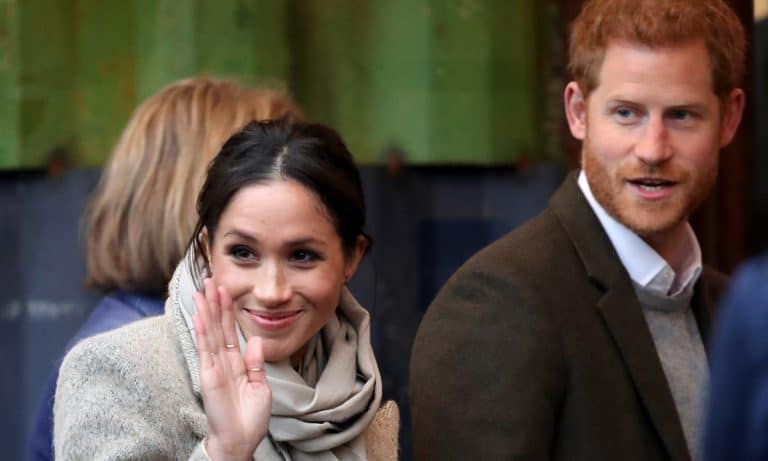
Meghan Markle and Prince Harry are working on their wedding guest list, and a source spoke exclusively in the new issue of Us Weekly about whether or not Harry’s ex-girlfriends — Chelsy Davy and Cressida Bonas — will be invited to the upcoming royal nuptials.

“Both will be going through the list carefully. Don’t expect to see Cressida invited —the two didn’t remain friends— but do not be surprised if Chelsy shows up with a date. The two have remained friends long after ending their relationship and still keep in touch to this day,” a source told Us. “She congratulated him the minute the engagement news was announced. Meghan would have no problem with her being there and Chelsy was on the preliminary list of friends to invite.

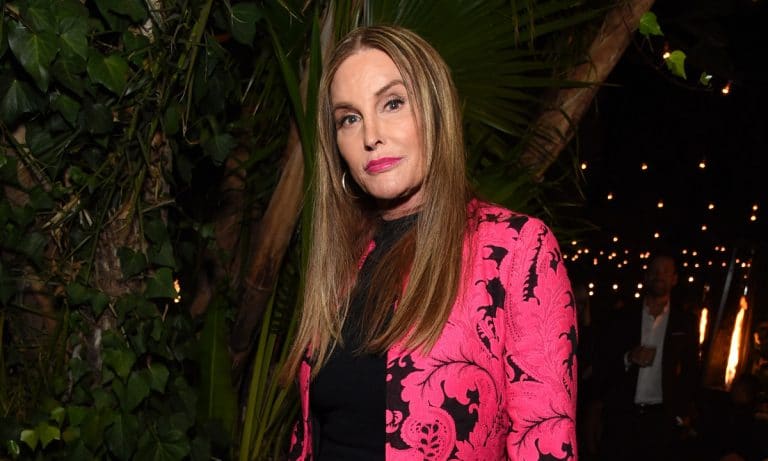
Caitlyn Jenner Seeking Surgical Treatment Amid Painful Medical Crisis

Caitlyn Jenner could be going under the knife again just a year after having her gender confirmation surgery.

The I Am Cait star is said to be facing yet another major medical procedure stemming from her transition. Radar Online reports 68-year-old’s health has been declining ever since she started wearing heels in public, exacerbating an old knee injury that’s rumored to have worsen as she got older.

According to a source, the Olympian is looking at serious surgery if she doesn’t stop stepping into her favorite stilettos soon.

“Her doctors beg her to give up her stiletto collection, but she refuses!” an insider told the outlet.
Caitlyn’s problem with her weak knees is believed to have only gotten worse since she transitioned in 2015. As she’s spending more and more time in heels, her legs are said have taken a serious hit from constantly wearing the uncomfortable footwear.
“Cait’s paying for it now. Her knees stiffen up and ache,” the source spilled, adding “the discomfort is sometimes unbearable.”

In her memoir, The Secrets of My Life, Caitlyn revealed she suffered a nasty blow to her knee while playing college football. She had to undergo operation for medial collateral ligament damage in 1969, in which a doctor opened up the knee and placed a staple in it to help stabilize it.

“My knee was placed in a cast for six weeks, and I have already miss four weeks of the second semester when I return to Graceland. I can’t run track, so instead I have to watch everyone else. I am trying to walk since my knee is horribly stiff from being in a cast for so long,” she wrote. “Freshman year becomes a disaster: I have no motivation to stay in school when I’m deprived of the outlet of sports. The only good thing about my knee surgery is that I will most likely flunk the physical when I’m drafted.”

Love the fresh dirt we bring over daily from Naughty Gossip? Let us know in the comments!

Here’s When You Can Buy Legal Cannabis In Massachusetts

When the people of Massachusetts voted to approve medical marijuana it was 2012, yet it wasn’t until almost three years later that they opened their first dispensary. Now, as voters wait for recreational shops to open, it looks like, despite Jeff Sessions, they will open in a timelier manner.

The November 16, 2016 victory had a rapid timeline for legal pot shops to open. Growing and giving away cannabis was okayed for December 2016, but delays occurred when Senator Brown and lawmakers went straight to work on rewriting what their constituents had already approved of via ballot. This meant that California, which voted on recreational marijuana at the same time, opened legal dispensaries before Massachusetts.

Though state regulators for legal cannabis dispensaries are getting the i’s dotted and t’s crossed on the paperwork, the timeline could still change. Bumps in the road and potential lawsuits could hamper progress.

US Attorney in Massachusetts Andrew Lelling had this to say after Jeff Sessions had his rescindment of the Cole memo, “I understand that there are people and groups looking for additional guidance from this office about its approach to enforcing federal laws criminalizing marijuana cultivation and trafficking, I cannot, however, provide assurances that certain categories of participants in the state-level marijuana trade will be immune from federal prosecution.”

Governor Brown shut Lelling down, saying that he hoped that the attorney would focus more on the deadly opiate epidemic rather that busting voter approved, law compliant pot shops. Still, the harsh comments caused additional concern as Massachusetts gets ready to adopt the changes they’ve been working on so long. It’s been nearly ten years since they first decriminalized the plant and then medical and now recreational. Forward moving progress indeed.

The timeline: The Cannabis Control Commission will begin accepting applications for retail, cultivation and post manufacturing on April 1, 2018. They must endorse regulations for standalone cannabis testing facilities by May 1, 2018. If all goes according to plan, the recreational licenses will begin being issued on June 1, 2018. The first pot shops should be opening on July 1, 2018, as long as everything goes as planned.

19 Attorneys General Urge Members Of Congress To Do Their Job

The attorneys general across the nation are joining forces to urge Congress to do its job and pass legislation that would allow cannabis companies to access banks and other financial institutions. A bill introduced by Colorado Rep. Ed Perlmutter would do just that.

Passing banking legislation “would bring billions of dollars into the banking sector, and give law enforcement the ability to monitor these transactions,” the letter from the attorneys general said. “Moreover, compliance with tax requirements would be simpler and easier to enforce with a better-defined tracking of funds. This would, in turn, result in higher tax revenue.”

It is essential that Congress take actions to allow legal cannabis businesses access to banking services, Colorado Attorney General Cynthia Coffman said in a statement. “Opening a bank account is often one of the first steps a new business takes, but given the currently outdated federal banking laws, the multi-billion dollar legal marijuana industry is forced to remain in the financial shadows running cash-only businesses,” she said. “I urge Congress to take the necessary action to bring that commerce into the banking system, which will address certain public safety concerns, and allow law enforcement, regulators and taxing authorities to better monitor these businesses.”

The letter, signed by 19 state attorneys general says:

We are a bipartisan group of state attorneys general who recognize that the states and federal government share a strong interest in protecting public safety and bringing grey market activities into the regulated banking sector. To address these goals, we urge Congress to advance legislation that would allow states that have legalized medical or recreational use of marijuana to bring that commerce into the banking system.

Twenty-nine states and several U.S. territories have legalized the medical use of marijuana. Among those, eight states and the District of Columbia, also allow recreational use by adults over 21 years of age. However, because the federal government classifies marijuana as an illegal substance, banks providing services to state-licensed cannabis businesses could find themselves subject to criminal and civil liability under the Controlled Substances Act and certain federal banking statutes. This risk has significantly inhibited the willingness of financial institutions to provide services to these businesses.

Despite the contradictions between federal and state law, the marijuana industry continues to grow rapidly. Industry analysts report that sales grew by 30% to $6.7 billion in 2016 and expect those totals to exceed $20 billion by 2021. Yet those revenues often exist outside of the regulated banking space. Businesses are forced to operate on a cash basis. The grey market makes it more difficult to track revenues for taxation purposes, contributes to a public safety threat as cash intensive businesses are often targets for criminal activity, and prevents proper tracking of large swaths of finances across the nation.

To address these challenges, we are requesting legislation that would provide a safe harbor for depository institutions that provide a financial product or service to a covered business in a state that has implemented laws and regulations that ensure accountability in the marijuana industry such as the SAFE Banking Act (S. 1152 and H.R. 2215) or similar legislation.

Study: 81 Percent Of Pain Patients Prefer Marijuana Over Opiates

As America’s opioid abuse epidemic continues to worsen, a study releases this week reveals a potential remedy for pain patients: Medical marijuana.

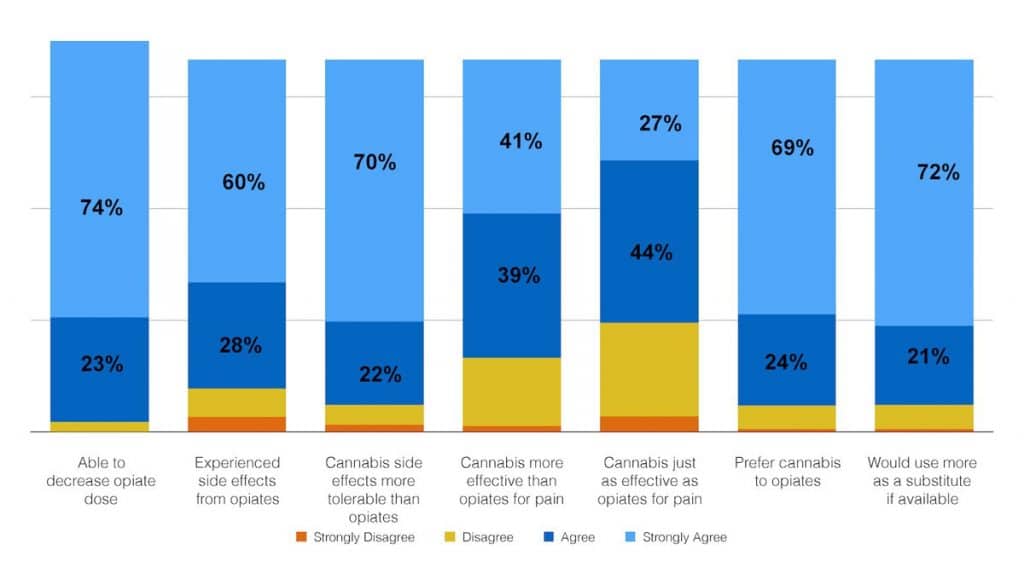
HelloMD, one of the nation’s largest community of medical cannabis patients, partnered with researchers from the University of California, Berkeley, to examine how cannabis has affected Americans consumption of opioids. The results of the landmark study show that patients, given a choice, would overwhelmingly choose cannabis over opioid medication, saying the herb works just as well and with fewer side effects.

Key findings of the show:

  • 97 percent “strongly agreed/agreed” that they could decrease their opioid use when using cannabis.
  • 92 percent “strongly agreed/agreed” that they prefer cannabis to treat their medical condition.
  • 81 percent “strongly agreed/ agreed that cannabis by itself was more effective than taking cannabis with opioids. The results were similar when using cannabis with non-opioid based pain medications.

The researchers collected survey data from close to 3,000 participants, questioning their usage of cannabis and how it has affected their consumption of opioids.

The news comes at a critical time as drug overdose deaths and opioid-involved deaths in the U.S. continue to skyrocket. According to the CDC, most drug overdose deaths (more than 60 percent) involve an opioid with 91 Americans dying every day from an opioid overdose, including prescription opioids and heroin.

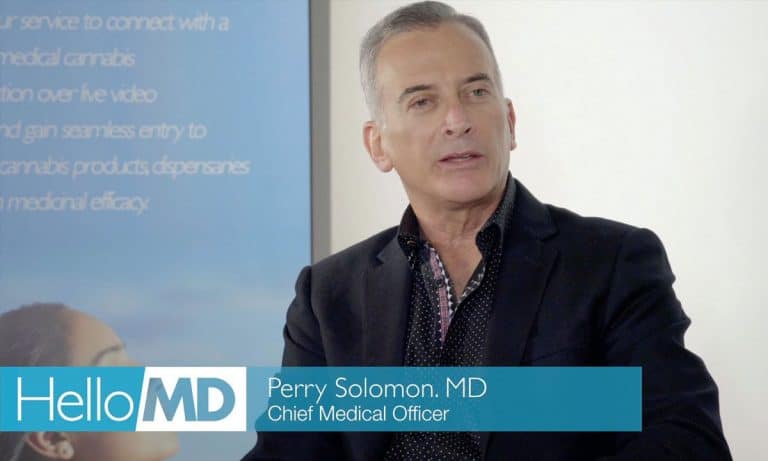
“The latest publication from the National Academy of Sciences clearly refuted the ‘gateway drug’ theory that using marijuana can lead to opioid addiction, instead finding evidence of cannabis having multiple curative benefits,” said Dr. Perry Solomon, chief medical officer of HelloMD. “Our study further substantiates this. Hopefully this will awaken the public, medical professionals and legislatures to the fact that cannabis is a safe, non-addictive product, available to help fight the opioid epidemic.”

Photo courtesy of prnewswire

The study was led by Amanda Reiman, PhD, MSW, Lecturer in the School of Social Welfare at UC Berkeley, Perry Solomon, MD, Chief Medical Officer for HelloMD, and Mark A. Welty, Ph.D., NCC, LPCC-S, LSW, Kent State University, Adjunct Faculty, Welty Counseling and Consulting, CEO, The Village Network, Director of Research and Innovation, The Ohio Patient Network, Board of Directors.

Amanda Reiman, one of the lead researchers of the study and a lecturer in the School of Social Welfare at UC Berkeley, said:

“The treatment of pain has become a politicized business in the United States. The result has been the rapidly rising rate of opioid related overdoses and dependence. Cannabis has been used throughout the world for thousands of years to treat pain and other physical and mental health conditions. Patients have been telling us for decades that this practice is producing better outcomes than the use of opioid based medications. It’s past time for the medical profession to get over their reefer madness and start working with the medical cannabis movement and industry to slow down the destruction being caused by the over prescribing and overuse of opioids.”

The study revealed that cannabis, in combination with opioid pain medications, can lower opioid side effects, cravings, and withdrawal severity, as well as enhance the analgesic effects of opioids, thereby allowing for lower doses and less risk of overdose.

The authors concluded that their results “demonstrate that inhaled cannabis safely augments the analgesic effects of opioids.” Research published last year found that 80 percent of medical cannabis users reported substituting cannabis for prescribed medications, particularly among patients with pain-related conditions. 

Additional information on the study can be found here.

7 Female Pop Stars That Aren’t Afraid To Sing About Sex

For some reason, women that sing about sex – about enjoying it and about wanting it – get the short end of the stick. Society always finds ways of critiquing and ostracizing these singers, putting them in boxes and suggesting that they can only be one thing. If a woman sings about sex, then she can’t be “serious,” and she can’t sing love songs.

Icons and trailblazers such as Madonna and Lil’ Kim have made it clear from the get-go that women can be different things. They can be sexual and romantic, and both aren’t mutually exclusive. Even though female pop stars have existed for a really long time, it’s still groundbreaking to see female artists who say fuck it, and who sing about whatever they want to sing about. It shouldn’t be newsworthy, but it is.

Billboard compiled a list of some of the world’s most iconic female pop stars who aren’t afraid of singing about sex.

Here are 7 of our favorites:

Ariana Grande

You might not have noticed, but the lyrics “Boy, you got me walking side to side” refer to the amount of sex she’s having, which is so much that she can’t even walk straight. Jeez.

Britney Spears

You may be surprised about all the implicit sexuality in Britney’s music; at least I was. It’s great to rediscover her music through the lens of a sort of grown-up, because you’ll laugh about all the times you sang “I’m a Slave for U” when you had no clue what was going on. “Touch my Hand” is clearly about masturbation, and “Breathe on Me” is like, super sexual—don’t come at us.

Cardi B

Cardi B took the world by storm with her incredible rapping style and her raunchy and honest lyrics that can make anyone blush.

Janet Jackson

Janet Jackson is awesome, singing songs about love, sex, masturbation, and anything else you can think of. Songs like “My Need,” “Take Care,” and “If,” will always hold an important place in pop culture because of their honesty, innovation, and great sound. Also, her freaking iconic music videos.

Lady Gaga

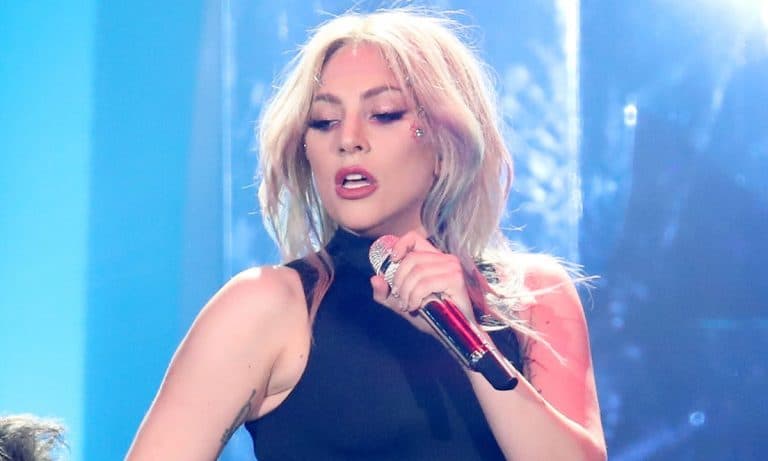
While preaching for body positivism, faith, and the LGBTQ community, Lady Gaga has always managed to sneak in a lot of sex and self love. “Dancing in Circles” is not about dancing, and Disco Stick is clearly a thinly veiled metaphor for something else. You can probably find a sexual reference in every Lady Gaga song there is, and that’s awesome.

Rihanna

Rihanna has never shied away from sex, be that through songs that suggest she enjoys whips and chains, through the iconic lyrics of “Cake,” or in”Cockiness,” where she refers to herself as a dominatrix. With so much variety, it’s hard to pick just one song that’s our favorite.

Selena Gomez

In her last two albums, Selena Gomez has made incredible leaps in getting some distance from her former Disney self, singing sultry and seductive songs about fetishes and submissiveness. Taking a different approach than other female artists who believe that the only way to be empowered is to be in control, Gomez sings about looking beautiful for her love and letting it all go so they can finally get some. None of this is explicit but, come on, you’ve heard the song.

Lifetime’s ‘Harry & Meghan’ Will Let You Experience The Royal Courtship All Over Again

For those who can’t get enough of all things Royal, worry not because Lifetime has you covered. Deadline reported that during the Lifetime portion of TCA Sunday, head of programming Liz Gateley announced Harry & Meghan: The Royal Love Story.

The film will reportedly chronicle the relationship of Prince Harry and Meghan Markle, from its inception to their current engagement. It will follow in a similar vein with the previous Lifetime movie William & Kate: The Movie, which told the romance of Prince Harry’s older brother, Prince William, and Kate Middleton.

Here’s the full description via Deadline:

The film will examine the history of Prince Harry and Meghan Markle from the moment they met after being set up by friends, through their initial courtship when they were able to keep their romance under wraps, and ultimately the intense global media attention surrounding their relationship and Meghan’s life as a divorced American actress.

Menhaj Huda (The Royals) is set to direct Harry & Meghan. The movie is currently casting for its lead roles, though Deadline confirmed the script is written by Scarlett Lacey.

10 Types Of Marijuana That Will Help You Cope With The Winter

While there are lovers and haters of the winter season, we can all agree that it’s a lot. To fully enjoy it you need to be prepared; that means having the right type of clothes, wearing enough layers, pumping up on vitamins, and, if you’re the type of person who’s reading this article, knowing the right type of marijuana to consume during the winter season.

The following strains will help you make the most of winter, be that chilling and enjoying the warmth of your home, or making the most out of the beautiful view. Check out these 10 strains for the winter season:

Lemon Haze

https://giphy.com/gifs/sean-penn-fast-times-at-ridgemont-high-jeff-spicoli-Y4Shldf9i4nqU

With green and yellow buds, this strain smells and tastes faintly of lemon while producing a long, reliable, and relaxing effect that makes it one of the most beloved sativa strains.

Somango

This indica strain has a fruity mango aroma and produces uplifting and cerebral effects that make it a great partner for creative activity and social situations. Somango is great for staying indoors on a cold day with some friends, or alone while doing something creative.

Maui Wowie

This sativa is famous for its stress relieving properties, tropical flavors and creative effects. Even if you love the winter, sometimes you just miss the feeling of being on the beach. Maui Wowie is here for that.

O.G. Kush

This hybrid strain has tons of stress relieving properties and produces euphoria, making you feel happy and amazing no matter the weather. It’s also a great relief for those who suffer from migraines and stress disorders.

Gorilla Glue

https://giphy.com/gifs/will-ferrell-lol-weed-Ct2fBe0rc69nq

This hybrid strain has a piney aroma and is a great option for treating pain and sleep disorders. It’s a little strong, so it’ll definitely warm up your body and produce a relaxing body experience while still making your brain buzz.

Super Skunk

This indica tastes sweet and produces a very relaxing high that’s great for managing pain and stress. It produces a high that’s a nice combination of relaxing and active, making it a good choice for daytime consumption.

Durban Poison

This pure sativa produces very energetic effects, which make it a great option for consuming whenever you feel like going out and braving the cold.

Granddaddy Purple

This indica produces strong psychoactive effects while also relaxing your body. It’s a great strain for social situations where you don’t have to move around a lot but feel like talking or laughing.

Jack Frost

This long lasting hybrid produces a strong high that boosts your senses, making indoor activities like eating and having sex even better.

Sour Tsunami 

https://giphy.com/gifs/dancing-star-wars-yoda-wAkWucoUZPV7O

This hybrid strain produces a high that’s mainly focused on your body, relieving all sorts of physical pains and aches. It contains tons of CBD and won’t leave you couch locked, which make it safe for consuming during the day or while around people.

Don't Miss Your Weekly Dose of The Fresh Toast.

Stay informed with exclusive news briefs delivered directly to your inbox every Friday.

We respect your privacy. Unsubscribe anytime.