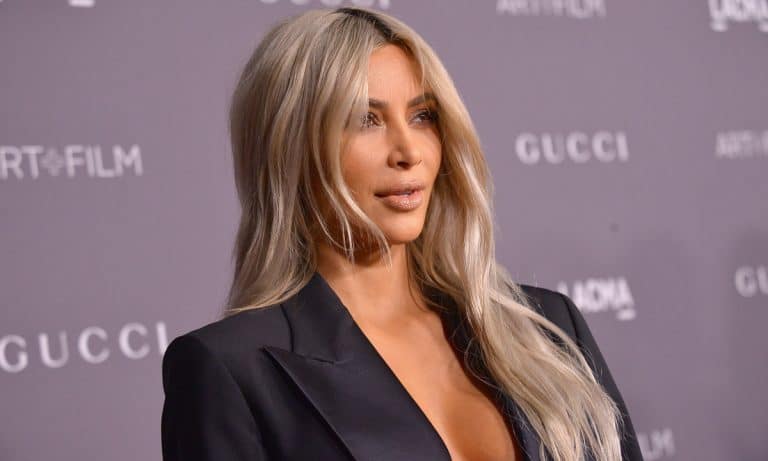
When you’re Kim Kardashian, what on earth could you possible want on your birthday that you don’t already have? A normal life.
For her 37th birthday in October, Kim K told Ellen Degeneres that she asked to go to the grocery store, just like a normal. Her hope was that someone would rent out an entire store and let her go nuts.
Instead, what she got was a small family gather over Armenian food.
https://www.instagram.com/p/BavWFw7BNee/
“This might be really bratty and unrelatable,” Kim told Ellen. “But I said, can someone just rent out Ralph’s for me for one hour? I just want to go to Ralph’s with my kid in the cart and go through every aisle.” She told Ellen she hasn’t been to a grocery store in years, perhaps referring to the time in 2015 when she was filmed inside a grocery store for an episode of Keeping Up With the Kardashians.
And before that, she was spotted grocery shopping with nephew Mason and sister Kourtney in Florida — in stilettos, no less— for an episode of Kourtney & Kim Take Miami.
And before that, Kim was snapped coming out of Ralph’s with a bomb shelter sized supply of Gatorade in 2010:
She says going to the grocery store is the biggest “miss” she has as a celebrity. She says she really enjoys shopping and filling up her house with groceries. “It sounds so stupid and unrelatable,” she tells Ellen. “Maybe I’ll put on a disguise and try to go!”
Here’s Kim longing for the days when she was unrecognizable.
Which is more likely to harm your health: drinking too much or smoking too much weed? Business Insider did a little science and math-based research and concluded that alcohol is quite a bit more dangerous than weed, and here’s why.
In 2014, nearly 31,000 people in the US died from alcohol-induced causes compared to zero deaths from marijuana overdoses, according to the DEA. Business Insider points to a 16-year study of more than 65,000 Americans and found that marijuana use had no bearing on their mortality rate compared to those who didn’t imbibe at all.
Marijuana is also less addictive than alcohol. A survey of 8,000 people between the ages of 15 and 64 found that only about 9 percent became addicted. That’s compared to a 15% alcohol addiction rate.
Another negative: unlike marijuana, alcohol (listed as a carcinogen by the US Department of Health) is strongly linked with several types of cancer. The National Cancer Institute found that your risk for developing cancer increases the more regularly you drink. According to Business Insider:
For marijuana, some research initially suggested a link between smoking and lung cancer, but that has been debunked. The January report found that cannabis was not connected to any increased risk of the lung cancers or head and neck cancers tied to smoking cigarettes.
Also noted: both weed and alcohol affect your memory, just differently; both drugs are linked to a higher rate of mental disorders; and both can negatively affect driving (mixing the two is a disaster waiting to happen).
The results of this in-depth look at the effects of both marijuana and alcohol aren’t that surprising, however, because marijuana is still mostly illegal, its long-term health effects need to be studied further.
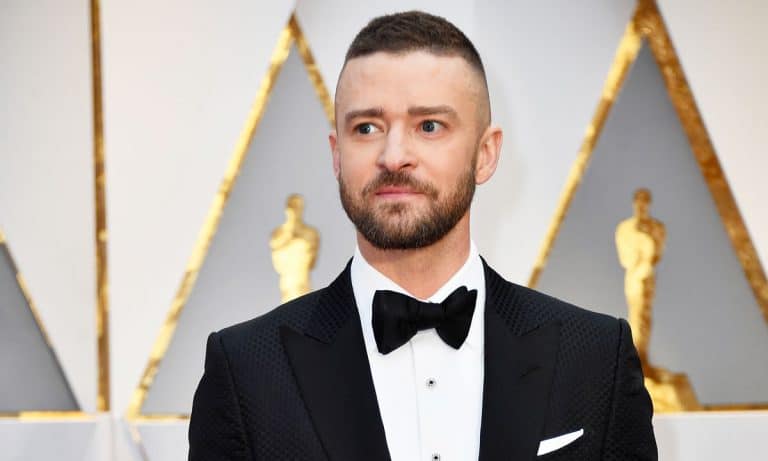
Justin Timberlake isn’t performing at the Super Bowl just because he wants to put on a great show! The clever superstar is also releasing new music to coincide with music’s biggest concert.
“Justin is in the studio working on new music that will be released around his Super Bowl performance,” sources tell Straight Shuter. “At this level nothing that happens is random. His team was looking for the biggest stage in the world to use in order to sell his new album, and nothing is bigger than the Super Bowl. The only bad news about this is that Justin will be using the event to perform and sell his new music, which isn’t good news for the guys from NSYNC who were hoping for a mini reunion.”
Sorry, Lance Bass!
Joan Rivers Hated Kathy Griffin
Friends of Joan Rivers were shocked to hear Kathy Griffinranting about how little respect E! gave to Joan on ‘The Fashion Police’ after the legend’s death. That’s because when she was alive, Kathy didn’t treat Joan so well.
“Joan and Kathy had a strange relationship. Joan had mixed feelings about Kathy, even hating her when she refused to make a guest appearance on her ‘WE-TV’ show with daughter Melissa,” sources tell Straight Shuter. “Joan loved seeing woman comedians succeed but Kathy made their friendship seem much closer than it really was.”
Plus, friends are still shocked at the way Kathy campaigned to replace Joan on E! just after she died. “It somehow felt disrespectful. Kathy was only thinking about Kathy,” adds another pal.
Love the fresh dirt we bring over daily from Naughty Gossip? Let us know in the comments!
It’s a really good idea, a necessary one even, but one that is easily abused in the current cannabis landscape: lab testing cannabis. Savvy consumers want to know what they’re putting into their bodies, from psychoactive components to possible contaminants, it’s become a need to know business.
It’s also a business that can make or break other businesses. Imagine for a moment that your lab just tested what’s supposed to be a high THC plant for a high-profile client. If the cannabis didn’t test above 15%, it becomes a slippery slope if the testing proprietor isn’t honest. Whether it be for the repeat business or simply to please, a lie can be devastating, especially if we’re talking contaminants.
Many people who use cannabis do it medicinally, and thus need to know that the weed is not only clean, but also often how high in CBD or a what kind of combination of CBD and THC that really works for their ailment. They trust the dispensaries that have had lab testing done and the dispensaries in turn must be trusting the labs, right?
According to NBC Bay, it is a widely known, dirty little “secret” that labs adjust results. It’s said that lab fraud is already happening in other legal states and that when California goes legal in January that the same problems will arise. Some companies in California already lab shop to get the best results – for them.
State regulations for cannabis require all labs to be up to date with equipment that doesn’t leave much room for error or adjustment by January, yet the fear that shady players will still fabricate results to favor whatever their intention may be. Without scrutiny, and not all labs can be scrutinized, lab results likely stand to be legitimate in most cases and illegitimate in others.
Founder of XO Cannabis, Griffith, told NBC Bay that he’s had many labs offer him higher THC reports to keep his business. He’s not fond of those kinds of practices in the least, however, and is speaking out in hopes to improve the marketplace and make it one where patients can trust the information provided with their cannabis.
“This is part of the industry that you have to deal with,” said Griffith. “I would love to have accurate lab results, but until that happens, we all have to play the game.”
On November 8, 2016, Donald Trump defeated Hillary Clinton in the US Presidential election. That same day, voters in California, Nevada, Massachusetts, and Maine legalized marijuana for recreational use, and voters in Florida, Arkansas, North Dakota, and Montana approved medical marijuana initiatives. For supporters of marijuana, Election Day was bittersweet; the overall success of marijuana ballot initiatives was undercut by a potentially hostile new administration.
Now that we have a year’s worth of Trump administration comments and action on cannabis, it’s a good time for us to access where things are with this administration.
1. Trump Changed His Tune Before Becoming President
Donald Trump has been a wildcard on marijuana, having made statements on every side of the issue. In 1990, Trump told the Sarasota Herald-Tribune that US drug enforcement efforts were “a joke” and advocated for legalizing all drugs to “take the profit away from these drug czars.” During his campaign, Trump responded to a question about Colorado cannabis legalization as follows:
“I say it’s bad. Medical marijuana is another thing, but I think [recreational marijuana] it’s bad. And I feel strongly about that. If they vote for it, they vote for it. But they’ve got a lot of problems going on right now, in Colorado. Some big problems. But I think medical marijuana, 100 percent.”
2. Trump Has Barely Discussed Cannabis
Trump appears to have publicly commented on cannabis but once since he became president when sports journalist Jim Gray asked him whether NFL players should be allowed to use medicalcannabis and Trump replied by saying he had “no opinion on it. They’re going to have to take a look at that. They’re going to talk with the league, they’re going to be talking to, obviously, government officials wherever it may be.” This Trump statement is hardly illuminating regarding his current position on cannabis.
3. Jeff Sessions Hates Cannabis
Trump appointed Jeff Sessions as Attorney General. Sessions has a long history of being vehemently anti-marijuana. As a Senator, Sessions often criticised President Obama’s “hands-off” approach to marijuana and once stated that “we need grown-ups in charge in Washington to say marijuana is not the kind of thing that ought to be legalized, it ought not to be minimized, that it’s in fact a very real danger.” He also went so far as to say that “good people don’t smoke marijuana.” Sessions’ hatred for cannabis has not cooled since taking over as Attorney General and he made the following statement earlier this year:
“I reject the idea that America will be a better place if marijuana is sold in every corner store. And I am astonished to hear people suggest that we can solve our heroin crisis by legalizing marijuana—so people can trade one life-wrecking dependency for another that’s only slightly less awful. Our nation needs to say clearly once again that using drugs will destroy your life.”
4. Spicer Warned Of A Crackdown On Weed That Hasn’t Happened
In February, then Press Secretary Sean Spicer made comments that sent tremors through the legal cannabis industry when he predicted “greater enforcement” of the Controlled Substances Act in recreational states. Spicer stated, “[t]he president understands the pain and suffering that many people go through who are facing, especially terminal diseases, and the comfort that some of these drugs, including medical marijuana, can bring to them,” Spicer went on to tell reporters that states’ allowance of marijuana for recreational purposes “ is something the Department of Justice, I think, will be further looking into.” Fortunately, this prediction has not come true.
5. Sessions Is Evaluating The Cole Memo
At his confirmation hearing, Attorney General Sessions said that he intended to consider the viability of the Cole Memo:
“The Department of Justice under Lynch and Holder set forth some policies that they thought were appropriate to define what cases should be prosecuted in states that have legalized, at least in some fashion marijuana, some parts of marijuana…. But, fundamentally the criticism I think was legitimate is that [the policies] may not have been followed. Using good judgment about how to handle these cases will be a responsibility of mine.”
Sessions was critical of the Cole Memo during his confirmation but he has not yet rescinded the memo or its underlying policies. In March, Sessions reportedly reassured some GOP senators that he will not be moving away from the Cole Memo and the Obama-era deference to state-legal cannabis programs. But the Huffington Post uncovered a July 24, 2017, letter Sessions sent to Washington State Governor Jay Inslee that was harshly (and inaccurately) critical of Washington State’s marijuana regulatory system. Earlier this week, Sessions confirmed that his office is continuing to follow the Cole Memo with regards to state-legal marijuana.
Trump as president so far seems not to care much one way or the other about cannabis legalization. In the meantime, cannabis legalization continues to move forward.
Daniel Shortt is an attorney at Harris Bricken, a law firm with lawyers in Seattle, Portland, Los Angeles, San Francisco, Barcelona, and Beijing. This story was originally published on the Canna Law Blog.
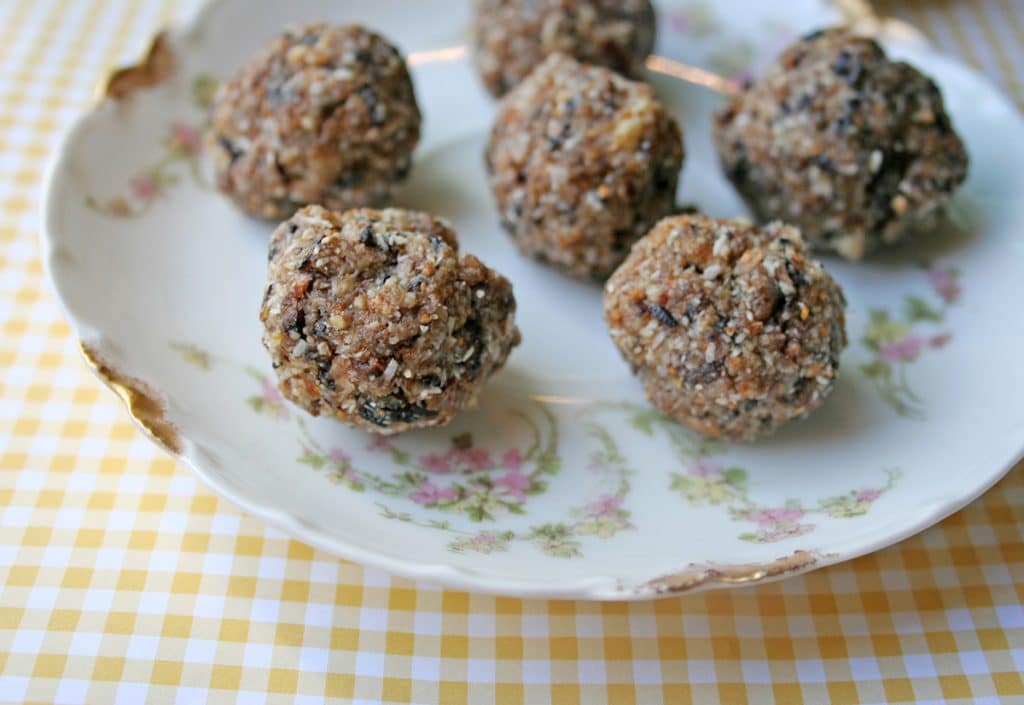
Marijuana edibles can be a little like Forrest Gump and his box of chocolates: you never know what you’re gonna get. On the one hand, this cannaball might stone you out of your gourd; on the other hand, this weed brownie might have you scratching your head and wondering “is it working?”
Making cannabutter is easy; figuring out the proper dosage, however, can prove tricky in a home kitchen. Even with the same amount of ounces of weed used per batch, there are many variables which can affect the potency, including the amount of heat you apply, the strain of weed, and individual tolerance. However, I’d like to offer some handy anecdotal tips that I’ve picked up along my cannabaking adventures. While wouldn’t say that I get it right 100 percent of the time, following these tips and tricks has made my dosage far more reliable.
Photos by Jessie Moore
Give It A Test Run
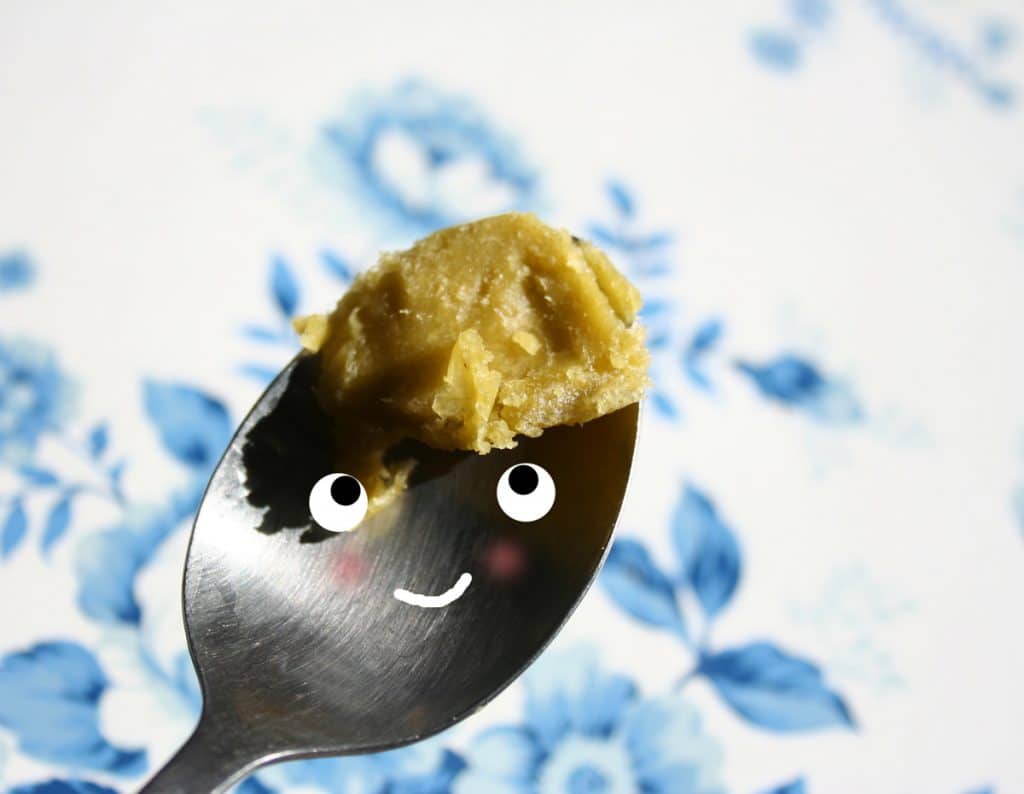
Personally, I’ll act as my own guinea pig, sampling the cannabutter to figure out the effects. Typically, I’ll try about 1 teaspoon of my finished cannabutter on an afternoon or evening where I don’t have anywhere to be. I usually put it on top of toast, but you can use it on whatever type of dish you’d normally garnish with butter. Usually, this amount allows me to get a good gauge of the strength of the batch in question.
For instance, say I try a teaspoon of cannabutter and I feel mellow but could use a little bit more. When making my recipe or topping foods with it, I’ll probably portion it out at 1 ¼ or 1 ½ teaspoons per serving. Of course, if you don’t feel like being your own guinea pig, I’m sure you won’t have too much difficulty finding a friend who will do it for you.
Think About Your Recipe On A “Per Serving” Basis
This tip progresses directly from the previous one. Once you’ve determined how much cannabutter makes up an effective dose, you can figure out easily how much to include in a recipe.
For instance, say I am making brownies and want 9 servings. If I’ve determined that 1 ½ teaspoons per serving is a good dose, then I want to use 13.5 teaspoons, or about 4.5 tablespoons, for the entire recipe. In that case, I would probably use 5 tablespoons of cannabutter; if the recipe calls for more fat, I’ll fill out the difference with regular butter.
Alternatively, you can figure out how many servings of cannabutter are in the recipe and then divide it into how many portions that way.
As a general note, try to be reasonable with your portions. For instance, don’t put 45 doses in a single 9×9 inch pan of brownies, or it’s pretty much a guarantee that someone will overdo it.
Apply Cannabutter On An Individual Basis
This tip is particularly helpful if you’re making a “mixed” batch of goodies–that is to say, some made with cannabutter, and some “virgin” goodies. If this is the case, I suggest portioning out your cannabutter individually.
For instance, say you’re making cupcakes. Make the batter according to the recipe (without cannabutter). Then, once the batter is portioned out in the individual cups but before baking, spoon a portion of cannabutter into the center of as many of the cups as you’d like. Bake according to the recipe instructions, and you’ll end up with some marijuana edibles and some plain cupcakes.
Note: if making a mixed batch, it’s good manners to bake the regular cupcakes first and then the weed ones second, so that the “virgin” cupcakes don’t end up smelling like weed.
Photos by Jessie Moore
Melted Or Creamed Cannabutter = Most Even Distribution
When it comes to equal distribution of cannabutter, some recipes work better than others. In general, recipes that call for melted or creamed butter are the best choices for using cannabutter.
Recipes which require cold butter to be “cut” into a flour mixture, such as pie dough, are a little less reliable. The butter is not necessarily evenly distributed. While uneven butter makes for a perfect, flaky pie crust, it can also make for uneven distribution of cannabutter when making weed edibles.
When In Doubt, Apply After Baking
You don’t actually have to bake with your cannabutter; you can melt it and drizzle it on top of a finished food item. For instance, say you’ve got an amazing pound cake that you just know in your heart could be made better with the addition of THC.
Melt a portion of cannabutter and drizzle it on top of the cake before eating; heck, while you’re at it, add some whipped cream on top, too. Applying cannabutter after cooking or baking is an easy way to instantly make any food item an edible.
Do you have any tips to share for figuring out dosage with cannabutter?
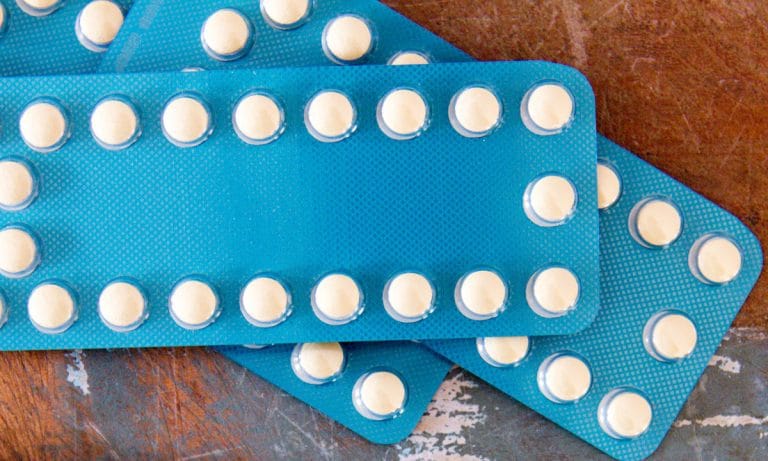
There are a lot of myths surrounding birth control. Women who’ve been on the pill since they were very young have adapted in many ways that aren’t limited to preventing pregnancy.
These pills do a lot for women’s bodies, from regulating periods, to controlling the health of their skin, and maintaining the weight of their bodies. When women have spent some time taking birth control regularly and want to stop, there are questions you need to ask.
An expert from Popsugar explains what happens to your system once you quit birth control, and how each person’s process can be very different.
Check out these 3 elements that might be influenced once you quit birth control:
If you don’t plan on getting pregnant, you should use condoms or other methods of birth control as soon as you quit the pill. When the body is finally rid of the birth control hormones, it’ll start to produce the necessary hormones for ovulation, which can occur in a few days or a few months after quitting the pill. It’s normal for this process to take up from two to three months, but you chould be ovulating normally in just a week or so.
It’s also important to know that if you had problems with irregular periods before you were on the pill, there’s a possibility that this will recur. Sometimes your body can take longer than normal to produce the necessary hormones for ovulation, a condition that’s called amenorrhea. If this is the case, it’s important to visit a gynecologist, or to take a pregnancy test.
There are a lot of variables that are influenced when you stop taking birth control, like your weight or the presence of acne. If you’ve struggled with these issues before, and the pills were your way of managing them, you may experience a surge in your acne or a loss or gain of weight once you quit the pills. This issues will probably normalize after your body gets used to the presence of your natural hormones.
There are many things that can change the minute you stop taking birth control. It’s important to know that all of them are very common and that you’re not alone, but that they should be supervised by a gynecologist who’ll be able to explain the causes of these events. As you can see, preparation is key when quitting birth control.
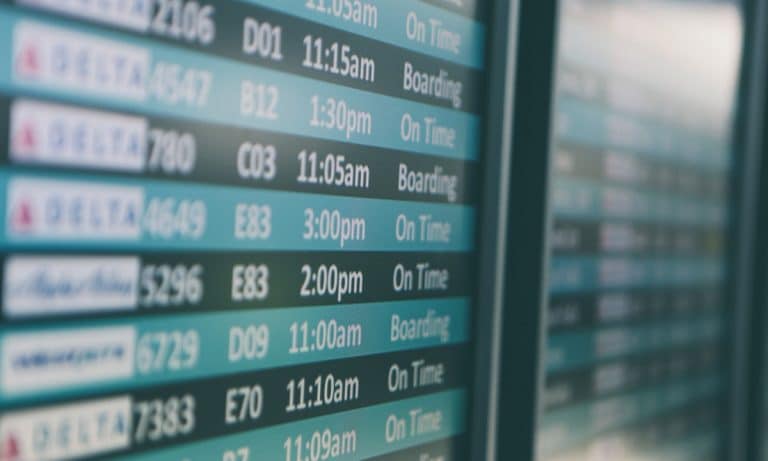
Traveling is great, but airports have got to be the worst place in the world. Ill-timed flights, delays, long lines and rude people are to be expected whenever you plan a trip, but knowing this in advance doesn’t prepare you for the experience of it.
Airports will always be awful, but a few tips and a little planning ahead of time can help you make the trip more bearable. Just a little bit.
Check out these 8 vital hacks for traveling:
Store Your Laptop In An Accessible Place
https://giphy.com/gifs/bag-CQlhL2xcsLJOE
Whenever your laptop gets stuck in your bag you shave off years of your life, so be sure to store it in a place that’s accessible at any moment.
Bring A Water Bottle
Everything you buy at airports is extremely overpriced, so be sure to bring your water bottle along and save yourself a little money.
Nap
If you have nothing else to do except wait, try napping. It’s the best way to pass time and to destress.
Airports are always frigid so be sure to bring a sweater or a scarf that you can put on when it gets chilly.
Wear Your Extra Luggage
If your bag is too big, try wearing your extra clothes, at least while your checking in your bags. Then, when it’s time to drop them off, sneak the clothes back inside.
Fly The Red Eye
Late night flights are awful for jetlag but they’re also lonely and peaceful. You can also use these flights for sleeping, resting a little and simply waking up at your destination.
Bring Hand Sanitizer
Airports and airplanes are gross, so bring an small hand sanitizer for whenever you’re sitting down on a different place.
It always sucks to run out of battery, but it’s especially shitty when you’re in an airport. Running out of battery means that you’re out of music, reading materials, or ways of coping with boredom. Even though there are charging stations in all airports, it’s nice to avoid the clutter of people and to just bring your own.
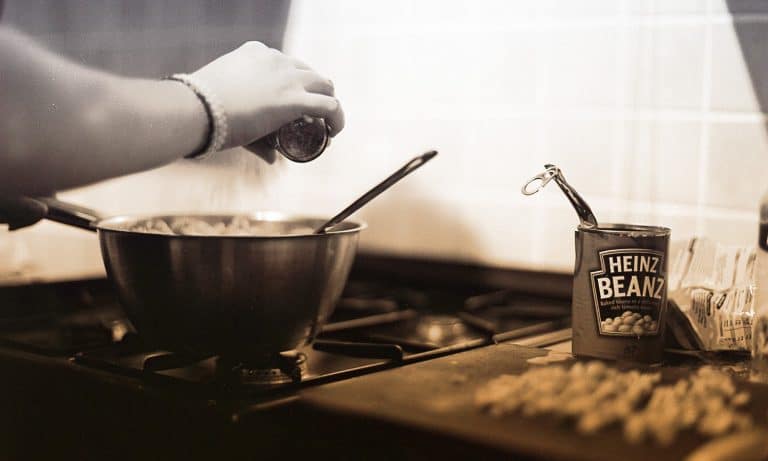
If you’re in charge of the Thanksgiving meal this year, you have our deepest sympathy. If not, we highly recommend taking some time out of your day to delight in the kitchen mishaps of these poor souls. Even the most talented chefs can eff up an epic meal. And somehow, it’s even funnier when they do it.
Russell Ashton, Chef de Cuisine of The Spaniard, opening this winter in the West Village in NYC:
When I first started at Ai Fiori, I was really nervous, being in a Michelin-starred kitchen in New York City. Working garde manger, I was making a truffle vinaigrette, and it called for brown butter in the recipe. The sous chef at the time who was helping me said, “Go get some butter. We need some brown butter.” I went into the walk-in and I saw a tub of butter, and I was like, “Oh, sick! It’s already brown butter!” I got it out and weighed what I needed and put it into a pot and started heating it up, melting it so I could use it for the vinaigrette. I continued doing some other stuff, and the sous chef yelled at me: “Russ, what the hell is this?!?” I looked over, and the pot was billowing smoke. It was clarified butter. I just was so nervous and scared from being there that I took clarified butter and turned it on, thinking it was brown butter. It was crushing smoke, almost going to combust. I was so terrified. It stuck with me for the longest time. It was pretty crazy. That experience was one of the reasons why I changed how I teach my staff and started to approach things with more patience: the sous chef was like, “Holy shit!” but then he explained things and showed me the right way and took me under his wing. It was like, “Okay, now Russ has had his fuck up. Now Russ, let’s teach other people how not to fuck up.” I don’t believe in yelling in a kitchen. People work much better when you talk to them in a gentle way.
Okay, so this was at the Painted Table in the Alexis Hotel. It was maybe 1999 or 2000 and I was still in culinary school and it was my first “real” cooking job (I cooked breakfast for two years before, but it was the first place I had to wear a chef coat and cook dinner). I was green! Someone sent me down to the walk-in to get some thyme but I’d never seen fresh thyme, only the dried crap, so I brought back tarragon and got yelled at. The hotel has a few banquet rooms and during the holidays (this was a Christmas party), there would be a party almost every night in addition to regular service in the restaurant. Usually, you would know ahead of time how many and what you were cooking.
This particular party had steak as one entree and salmon as the other. I don’t remember the exact number but somewhere around 30-40 of each. For big parties like that, if your entree protein is “grilled” you get nice marks on the grill ahead of time and finish them in the oven right before they go out (you can’t really grill 60 things at once). SO! I had all my proteins marked off and got all the entrees out on time without being yelled at or ridiculed, which in my world meant I did great. If I was left alone it meant I was doing a good job because the only time you were talked to was when you fucked up. About 10 minutes after the last entree went out, a salmon came back. They said it was undercooked (usually it’s served medium or a little under, so people who freak out about pink fish send it back. It happens, no big deal). But I picked it up and looked and as I’m looking at it, two more come back and another and another. The first piece I’m looking at is totally fucking raw and then I realize I NEVER FINISHED COOKING ANY OF THE FUCKING SALMON.
A wave of panic hits me about the same time a wave of 30-40 salmon are being brought back to be refired; there is a line of servers waiting to get in the kitchen with raw, cold salmon. At this point, the chef walks back in the kitchen and sees something is obviously wrong. He walks over to a sever and I see them talking and pointing at me. If there was a back door, I would have just left, but I was trapped. The chef came over, throws a plate of food down the line and reminds me I am, indeed, the dumbest piece of shit he’s ever had to deal with. The best part was, at this point, all the vegetables and sauce on the plates are cold a gelatinous, so I ended up refiring 30-40 entire new plates; some people probably got their food 40 minutes after their friend next to them, who had wisely ordered the steak, was finished eating. Somehow I didn’t get fired and I sure as hell never did anything that dumb (but plenty of other dumb things) again.
Carlo Lamagna, Executive Chef of Clyde Common, Portland:
When I was a green cook working the AM shift, I was in charge of getting the braises ready for evening service. I was shown by another cook but it was more of a blind leading the blind situation. So I went ahead and winged it. instead of a small can of tomato paste, I put a #10 can in and set the oven at 375. I was braising lamb shanks for a special that night. It turned out horribly. It was this thick gloppy, tomatoey mess with burnt lamb shanks sticking out everywhere. I spent a significant amount of time scrubbing out the two hotel pans that they were in. Epic fail.
In traditional medicine, cannabis has been used for thousands of years a wide array of ailments. One of the first places it has found a niche in modern Western medicine, however, is in treating the side effects of chemotherapy.
And there a lot them: hair loss, oral sores, gastrointestinal disturbances, extreme nausea, loss of appetite, nerve pain, dry skin and itching, and, not unsurprisingly, depression.
Anecdotally speaking, there’s a lot of items on that list that cannabis can treat—all of them, in fact, except for hair loss. In terms of what we can prove, however, that’s a different story.
The FDA has approved synthetic THC (marketed under the brand names Marinol and Cesamet) for nausea and vomiting from chemotherapy and as an appetite stimulant. It has also approved those drugs for treating neuropathic pain associated with HIV/AIDS, but not for chemo.
The general position among physicians when it comes to cannabis and pain relief is that the plant is mildly effective, but that it should be used only after other options have failed. (You can read the consensus opinion and judge its support by reading over this review of cannabis studies sponsored by the American Medical Association and published in 2015.)
While it’s true that cannabis’s pain-relieving properties are not profound, neither are its side effects. And that’s increasingly becoming a acceptable tradeoff for patients who otherwise would be prescribed an opioid, one of the blockbuster pain relievers that, we are increasingly becoming aware, have an equally monumental downside, which includes profound addiction and overdose. In fact, a recent study shows an encouraging trend that medical marijuana states have seen a significant decline in opioid prescriptions.
For More On Marijuana And Chemotherapy:
Newsweek’s cancer issue has a patient’s-eye view on the relief cannabis provides from the rigors of chemo.
And if you’re interested in finding out more about the more disputed aspects of cannabis medicine in cancer treatments, try this.