Friday, May 8, 2026
Home Blog Page 1111

Maine Governor Paul LePage Just Vetoed Legal Marijuana

Literal buzzkill Attorney General Jeff Sessions has gotten into the ears and mind of Maine (R) governor Paul LePage. Nearly a year after the people of Maine voted legalize the adult use of cannabis, LePage vetoed the bill, citing advice given to him by Sessions.

In a letter he pointed to the divide there would be between medical and recreational and that if all adults could use it, that would be in violation of federal law.

The kicker here is that LePage sought out “guidance” from the attorney general. Asking Jeff Sessions his opinion on cannabis is akin to asking Taylor Swift her opinion on her exes. “No, don’t date any of them, they’re all rotten,” she might say (or sing). And while there’s a chance she’d be right about some of them, Sessions is so far on the wrong side of history here that LePage may just as well evoked the angry spirit of Harry J. Anslinger.

Sessions must have put the fear of God in LePage, who wrote, “Until I clearly understand how the federal government intends to treat states that seek to legalize marijuana, I cannot in good conscience support any scheme in state law to implement expansion of legal marijuana in Maine.”

Ironically enough, LePage also pointed to the growing opioid crisis in Maine in particular. It’s a real shame that he clearly hasn’t seen or read the studies showing that cannabis helps to reduce or even stop opiate intake.

Taking a page out of the ’80s “Just Say No” campaign, LePage also wrote, “The dangers of legalizing marijuana and normalizing its use in our society cannot be understated. Sending a message, especially to our young people, that some drugs that are still illegal under federal law are now sanctioned by the state may have unintended and grave consequences.”

I’d say the solution to LePage’s concerns would be to petition his new friend Jeff Sessions to deschedule cannabis so that there really isn’t a mixed message, but clearly LePage’s bias sways the other way.


In a surprise compromise, partial adult use will be allowed. It will be legal to possess less than 2.5 ounces and to grow a few plants, however, the veto takes away the retail market aspect, meaning that Maine misses out on taxes, revenues and legal places to procure cannabis.
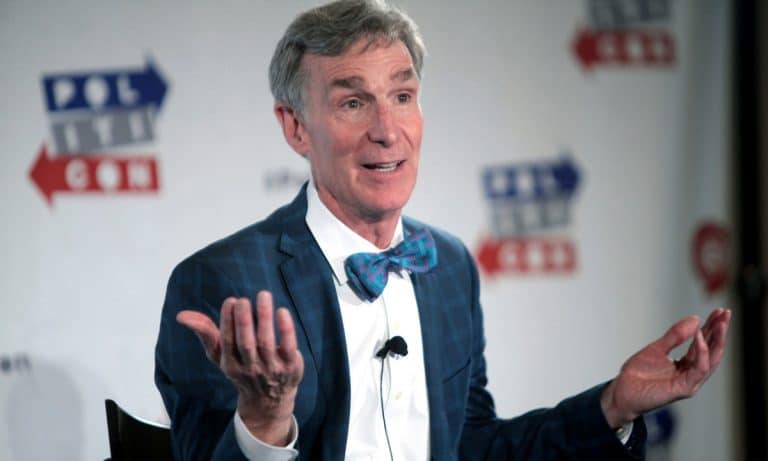

Bill Nye Supports Marijuana Legalization, But Wants Us To Learn More

Count Bill Nye among the increasing number from the scientific community who support legalizing marijuana and want to study its medical benefits. Though, it’s worth mentioning, when it comes to the Science Guy himself, don’t expect him to consume any cannabis with him.

He isn’t a weed guy, personally.

“What’s happened with marijuana is it’s a Schedule I drug, which means it’s presumed to be addictive and it’s presumed to have no medical value. Yet people are using it for all these medical applications,” Nye told NowThis in an interview published this week. “So well, let’s study it. Well, you’re not allowed to study it because it’s a Schedule I drug […] So that has to be sorted out.”

Nye also sees the inherent economic value marijuana can have and supports it. He previously saw the positive benefits cannabis legalization can have to an economy and community when he used to live in Washington state.

“I lived in Washington State for a long time, and Washington State legalized it in 2012. We legalized marijuana, we tax it,” Bill Nye said. “We have a lot of tax revenue. It’s no longer criminalized. We don’t spend money on the police department. We spend money regulating the industry in the same way we regulate other substances.”

As you see, Nye understands the legitimacy of marijuana. But again don’t expect to see him any smoke shops anytime soon.

“I don’t like the smell. I just don’t like it,” he said. “One time in college I tried it, and I’m not good at smoking. I didn’t put in the hours to get good at smoking.”

“When I played ultimate frisbee very seriously, these guys I would play with would get high and they sucked when they were high,” he also added.

Bill Nye’s cannabis views align with his late mentor Carl Sagan, whom he studied astrology under while attending Cornell University. Another Sagan protégé, Neil DeGrasse Tyson, also came out recently in favor of marijuana legalization saying, “I think if you really analyze it, […] there is no reason for it to have ever been made illegal.”

Pumpkin Spice Lattes Have Dairy In Them, Even If You Get Non-Dairy Milk

If you’re allergic to dairy or are on a dairy-free diet, pumpkin spice lattes are not the best option for you, even though it’s fall and the weather calls for it. Most coffee places, including Starbucks and Dunkin Donuts, have dairy in their pumpkin spice sauce — condensed milk in the former and skim milk in the latter. Who would have thought Dunkin’ Donuts was the most health conscious place out of the two? 

It’s understandable to feel betrayed, but for vegans and people who are lactose intolerant it must make sense why their bodies feel strange after drinking those pumpk-eny lattes. At least the drink is seasonal? I guess.

If you’re considering suing Starbucks because it’s the only way to vent out the full length of your betrayal, we’re sorry to inform you that the pumpkin syrup contents are displayed proudly on their website. So you can’t even get reimbursed for all your pain.

Anyways, it sucks but it’s the truth. Pumpkin spice lattes were never the most health oriented option, with almost 200 calories in the smallest Starbucks size (excuse you, it’s called Tall) but now, they’re also potentially dangerous. Or can produce a mild case of diarrhea. Maybe it’s time for the fall trend to go away. In the meantime, you can watch this video of people trying out pumpkin spice lattes for the first time, because why the hell not? 

RELATED: Tired Of Your Friends’ Annoying Foodie Pics? Try This Trick

The iconic Pumpkin Spice Latte was created in 2003 at Starbucks. Peter Dukes, the director of espresso for Starbucks Americas, led a team to create a new fall drink after tasting pumpkin pie and espresso. The team experimented with different pumpkin to spice ratios, but ultimately decided on a recipe without pumpkin. The PSL was first tested in 100 stores in Washington, D.C. and Vancouver, Canada in October 2003. Sales exceeded expectations, and the drink was rolled out across all U.S. Starbucks locations in fall 2004. While successful, the company added a pumpkin puree to add flavor. And history has been made a autumn staple created.

Seniors Buy Fewer Prescription Drugs In States With Legalized Marijuana

As the nation debates the Affordable Care Act and the future of Medicare, a federal agency is reporting that legalizing marijuana may be one way to control costs. The agency, surprisingly enough is the National Institutes of Health.

According To A Grant Application On The NIH Website:

Over half of the United States population now resides in a state where some form of marijuana use is legal. Individuals in these states are less likely to report that marijuana use is harmful, and longitudinal data suggest an increase in marijuana use among older adults from 2008 to 2012. Interestingly, patient expenditures from 2010 to 2013 for FDA-approved prescription drugs under the Medicare Part D Plan dropped in states with legalized medical marijuana use. This emerging trend suggests that older adults may be substituting prescription drugs with marijuana.

The NIH made the statement in a research  project grant application named “Marijuana, Prescription Opioid, or Prescription Benzodiazepine Drug Use Among Older Adults” that is designed to “support innovative research that examines aspects of marijuana and prescription opioid and benzodiazepine use in adults aged 50 and older.”

The NIH grant application lists the National Institute on Drug Abuse (NIDA) and the National Institute on Aging (NIA) as partners in the research.

<p>Opioid and benzodiazepine use by older adults is associated with increased incidence of falls, respiratory failure, sedation, confusion, and cognitive impairments, the NIH reports. And the percentage of opioid and benzodiazepine use among  the over-50 crowd has doubled since 2007. Prescription drug use patterns during older age are more problematic for women as they are prescribed these drugs more often, consume them in larger quantities, and use them for longer durations of time.


The NIH reports that these alarming trends are accompanied by rising deaths due to drug overdoses among those approximately in this same age group. A recent study revealed that a third of participants over the age of 60 were using at least one potentially inappropriate medication, defined as medications with risks that outweigh the potential benefits of the drug.

</p

FDA Goes After Companies For Making False Marijuana Claims

The Food and Drug Administration sent a stern message to marijuana companies making health claims: You’re breaking the law and putting patients at risk.

Four cannabis companies — including the Stanley Brothers, makers of the popular Charlotte’s Web CBD products — have been warned by the FDA to immediately stop marketing supplements as cancer cures.

“Substances that contain components of marijuana will be treated like any other products that make unproven claims to shrink cancer tumors. We don’t let companies market products that deliberately prey on sick people with baseless claims that their substance can shrink or cure cancer and we’re not going to look the other way on enforcing these principles when it comes to marijuana-containing products,” FDA Commissioner Dr. Scott Gottlieb said earlier this week in a statement.

“There are a growing number of effective therapies for many cancers. When people are allowed to illegally market agents that deliver no established benefit they may steer patients away from products that have proven, anti-tumor effects that could extend lives,” Gottlieb added.  

The FDA issued warning letters to four companies illegally selling products online that claim to “prevent, diagnose, treat, or cure cancer without evidence to support these outcomes.” The four companies — Stanley Brothers Social Enterprises, Green Roads of Florida, That’s Natural and Natural Alchemist — market products that promise patients a cure for cancer, Alzheimer’s disease or other serious ailments, according to the agency.  

The FDA provided examples of claims made by these companies that do not comply with current policy:

  • “Combats tumor and cancer cells;”
  • “CBD makes cancer cells commit ‘suicide’ without killing other cells;”
  • “CBD … [has] anti-proliferative properties that inhibit cell division and growth in certain types of cancer, not allowing the tumor to grow;” and
  • “Non-psychoactive cannabinoids like CBD (cannabidiol) may be effective in treating tumors from cancer – including breast cancer.”

Tisha Casida, CEO of That’s Natural, told the New York Times that she would comply with the agency’s demands. But she disagrees with the FDA’s stance. She told the Times:

“All free people have a right to experience health and wellness from naturally derived cannabinoids. We should not have to only take FDA-approved synthesized drugs. We should be able to experience natural plant-based medicine in its truest form.’’

Virginia Is Wasting How Much Money To Jail Marijuana Users?

A Republican state senator from Virginia is fighting to decriminalize marijuana after release of report from the state’s crime commission concluded that it would prevent more than 10,000 arrests a year.

Sen. Tommy Norment, who serves as the senate majority leader, said earlier this week that he will introduce legislation in 2018 that would make possession for first-time offenders a civil offense punishable by a fine, mandatory education and a driver’s license suspension. 

According to the Washington Post’s Christopher Ingraham:

Among the 127 inmates jailed in Virginia on marijuana charges on July 20, more than three-quarters of them — 96 — were still awaiting their day in court. The remaining 31 marijuana inmates had been charged and convicted. The average per-inmate cost to taxpayers to jail an inmate in Virginia was $79.28 per day.

Thousands of Virginians are convicted of marijuana possession offenses each year, and the number is growing: In fiscal 2008, there were 6,533 convictions for first-time marijuana possession in Virginia. The preliminary numbers for fiscal 2017 show more than 10,000 such convictions.

Simple math tells us that the state pays a little more than $10,000 per day to incarcerate prisoners charged with marijuana crimes. That adds up to $367,503 per year.

Norment is not an advocate for legalization, but he recognizes the harm a criminal conviction has on the future of young people trapped in the criminal justice system. The Virginian Pilot reports:

Colin Drabert, senior staff attorney for the Crime Commission, outlined those consequences during part of his hourlong presentation Monday.

People with drug convictions can be denied jobs or housing, have federal financial aid and professional licenses taken away, lose custody of their children and temporarily lose their right to purchase or carry firearms, Drabert said.

According to the Virginia State Crime Commission report titled “Decriminalization of Marijuana,” 3,850 people provided written comments on the issue and 3,743 supported decriminalization. In other words, 97 percent are in favor of changing the state law.

So, We Found Out That Joe Rogan Is Smoking Marijuana Again

It was always meant to end. When Joe Rogan and three of his comedy buddies decided to go sober for the entire month of October—meaning no alcohol and no marijuana—they did so knowing November would always come.

Rogan, though, is a known cannabis activist and enthusiast, often touting its social and cognitive benefits to users. His time away from marijuana has caused Rogan to become more introspective about its place within his life and others. He went as far to admit he’d developed a mild dependency on the drug.

“I think there are real creative benefits to marijuana,” he said on episode #1032 with guest Colin Moriarty. “There’s states I think you achieve when you smoke pot that are unattainable without pot. I think pot makes me more introspective, it makes me nicer, it makes me calmer, it makes me have a better sense and understanding of the importance and value of community, it makes me more sensitive to the things I’m saying. I don’t think pot’s bad.”

But on the most recent episode of the podcast, featuring Owen Benjamin, Rogan finally indulged in everything he’d been denying himself. He cracked open a bottle of William Wolf bourbon and “then sparked up a doob,” as he said.

“It feels good, I missed it,” Rogan said after his first hits. “I tell you what, though, I enjoyed being sober. Not that I needed to be sober, not like I was a junkie with a problem. But it’s nice to take a reset. I’m going to do it every year. I’m going to do sober October every year. You heard it here first.

Ahead of his return to consuming marijuana, Rogan did admit to being “a little nervous.” He worried the weed might hit him like a “freight train” with his tolerance being down.

But he seemed fine on the podcast. Nothing dramatic happened. Instead Rogan returned to his normal, marijuana-consuming self.

“It’s always good to take time away from everything, just to get a better baseline,” he emphasized on a podcast.”

Even though marijuana is now at an all-time approval rating in the country, Rogan believes we maintain a naïve cultural understanding of the plant. As mentioned, his time away caused him to examine the place cannabis has in our society and Rogan still believes we have a ways to go.

“We have a very infantile approach to what marijuana is because of all the prohibition bullshit that people went through from the 1930s on,” Rogan said. “There’s this weird propaganda that marijuana is the devil’s weed and it’s terrible for you. When there’s a lot of cultural and societal benefits to achieving those states of mind. They really make people nicer. It calms you down.”

For Our Veterans: How Cannabinoids Soothe PTSD Symptoms

More than five million people are suffering from some form of PTSD. Symptoms vary and can include depression, severe anxiety, panic attacks, flashbacks, nightmares and more.

Research is pointing to cannabis as a strong weapon in the treatment of PTSD. A study published in the journal Neuropsychopharmacology, showed that administering synthetic or man-made cannabinoids (compounds of cannabis) to rats that suffered traumatic events, prevented the behavioral and physiological symptoms of PTSD. These compounds signaled the part of the brain most associated with the collection of traumatic memories and events.

The experiment involved introducing rats to trauma, by the means of electric shock. After the shock, some of the rats were given the synthetic cannabinoid compound while others remained untouched to compare the effects.

Days following the exposure (or lack thereof) to the cannabinoids, the rats were exposed to reminders of their trauma; the rats were reminded that they were electrically shocked. Lastly, the rats experience an extinction procedure that mirrors an exposure therapy, which is supposed to help cope with post-trauma symptoms.

Once the experiment concluded, researches found that the rats exposed to the synthetic cannabinoids did not show PTSD symptoms after they were exposed to the trauma reminders. And as you can guess, the rats that did not receive the synthetic cannabinoids experienced PTSD symptoms including: changes in pain sensitivity, heightened startle response and slower brain activity.

The treated rats were also better off than a group of rats that suffered trauma, but were given the SSRI antidepressant sertaline (Zoloft), which has been used to treat PTSD. In other words, the compounds found in marijuana were still the more promising treatment than what’s currently available in the market.

Researches of this study concluded that the brain’s response to trauma essentially changes when administered cannabinoids-the good kind of change that those suffering from PTSD can seriously benefit from.

5 Tips That Will Keep Phone Sex Hot And Not Weird

Our smartphones and the ease of texting have made us all hate phone calls, not really seeing the point in them or why they’re worth the hassle. Why should we talk on the phone if we can text? Texting gives you the chance to do other things, unlike talking on the phone, where you actually have to pay attention to what people are saying and have a full conversation.

While phone calls are a little annoying, they can also be fun. It’s nice to let go of your phone and to pay attention to what’s in front of you, or you know, over the phone line. Especially when it comes to a significant others and with long distance relationships. Let’s help you make the best out of phone sex with these 5 tips that’ll turn you into a phone sex master:

Do It With Someone You Trust

https://giphy.com/gifs/Jz75B6BpVG728

If you’re having phone sex with someone you should at least trust them. Talk to them and explain why you want to have phone sex instead of sexting. No matter your situation with your partner, whether you live with them or they live thousands of miles away, it’ll help build trust between the two of you.

Discuss Your Fantasies

https://giphy.com/gifs/conversation-tN0VEQibZ5iNi

Bride.com reports that talking about your fantasies with your partner can help you both figure out what you guys are into. Describing a fantasy over the phone relieves some of the pressure you’d feel if you were to do it face to face.

Be Descriptive

https://giphy.com/gifs/lana-del-rey-singing-descriptive-noise-PLf6uZoY61xK0

Pay attention to the details and try to engage with your imagination as much as you can. You’re talking over the phone, so there’s no need to be that realistic. Take advantage of this and try to get your partner to be as responsive as possible.

Don’t Freak Out If It’s Awkward

https://giphy.com/gifs/eveLVPcHcbl0A

The first time you do it, it’ll probably be awkward, but that doesn’t mean it can’t be fun. Laugh and try to get back on track whenever you’re feeling stuck.

Practice Makes Perfect

https://giphy.com/gifs/hot-chick-aLt6yXDfZlWaA

If you didn’t think that the phone sex was very sexy and all you ended up doing was giggling uncontrollably, that’s okay. Keep trying and you might find yourself surprised with your partner’s (and your own) creativity.

Cypress Hill Wants Credit For Normalizing Marijuana To Mainstream

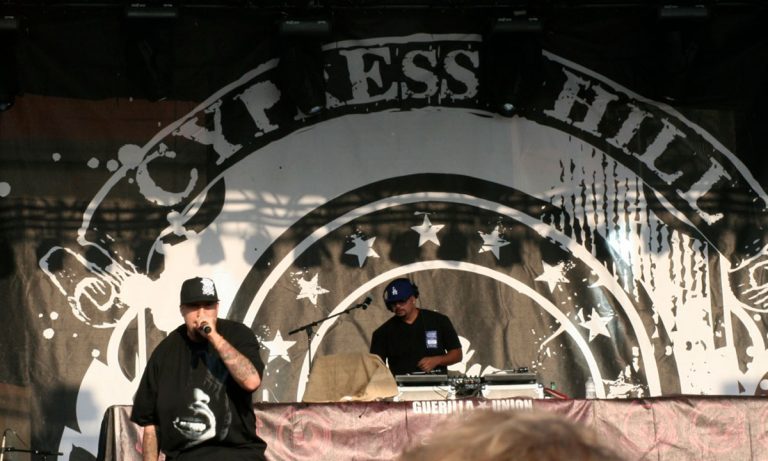
You should already know Cypress Hill’s long-standing connection to marijuana. The hip hop collective hasn’t exactly tried to hide its love of cannabis. Cypress Hill’s B Real has also ventured into the cannabis industry himself, opening his medical marijuana dispensary Dr. Greenthumb and hosting a marijuana talk show web series show called The Smokebox.

Now one member of the group claims that Cypress Hill had a major influence in moving marijuana into the mainstream. That would be Sen Dog, who spoke with the Washington Times in a recent interview to promote his tour.

“I like to think that Cypress Hill had something to do with changing that culture and that mentality,” Sen Dog told The Washington Times. “Not just us, but Cheech and Chong as well as other guys who have taken up the cause.”

He states the group helped normalize marijuana for audiences. To Cypress Hill, marijuana is “just a little herb,” and should be treated and classified that way. Otherwise you’re probably insane in the membrane.

“I’m glad to see all these changes going on in America as far as people educating themselves on the whole cannabis issue because it’s about time,” Sen Dog said. “They were treating it like a hard-core narcotic. People are … turning around laws that have been in place for decades.”

Don't Miss Your Weekly Dose of The Fresh Toast.

Stay informed with exclusive news briefs delivered directly to your inbox every Friday.

We respect your privacy. Unsubscribe anytime.