A cuddly puppy in the hands of even the most stoic of human beings can soften the reputation of just about anyone, even Vladimir Putin. It’s pretty much gold for any public relations team.
The Russian president received a new pup as a belated birthday gift from Turkmen leader Kurbanguly Berdymukhamedov, who tells Reuters, “We have a common friend – this is the world’s unique alabai dog. And today I brought this little alabai with me,” before taking the dog out of its crate and holding it up by the scruff like some sort of Lion King moment.
https://www.instagram.com/p/BaJoMOjlquh
This is not the first time Putin, a known dog lover, was nearly upstaged by a furry friend. Here are four other times dogs stole the spotlight out from under him, and almost made him look like a guy you’d swipe right for on Tinder.
That Time He Showed Off His Guard Dog
That Time He Wanted To Name A Puppy
That Time He Brought His Dog When Meeting Angela Merkel, Who Is Afraid Of Dogs
That Time He Completely Ignored President George Bush
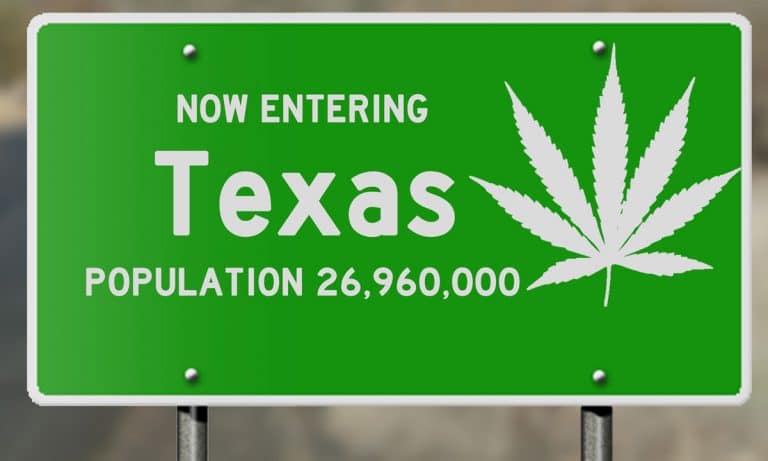
This December Texas will open its first official medical marijuana dispensary. Thanks to the Compassionate Use Act, those suffering from intractable epilepsy will have legal access to cannabis. However, the state will only allow the processing and selling of high-CBD, low-THC marijuana.
According to a Houston Public Media report, 150,000 patients have already registered with the state and received doctor recommendation for the cannabis oil being offered in Texas. Knox Medical, one of three facilities to receive a state medical license, will open their doors in Schulenberg, Texas by the end of this December. Jose Hidalgo, the owner of Knox Medical, expects most patients to receive their product via courier service.
The company also has medical cannabis operations in Florida and Puerto Rico. Schulenberg is a small town, more known for kolaches and dancehalls than marijuana. But Knox chose to establish its Texas operation in Schulenberg for its advantageous position between the cities of San Antonio, Houston, and Austin.
“We require a large amount of land for us to even consider that and then the next consideration after that was how can we get the closest to the largest amount of the population. So for us, Schulenburg was a good location because you are right near the triangle of Houston, San Antonio and Austin,” Hidalgo told Houston Public Media.
Knox Medical isn’t the only grow operation in Texas. Compassionate Cultivation was among the three companies granted medical licenses by the state. While the other two businesses originally started in Florida, Compassionate Cultivation is the only one strictly operating within Texas.
Compassionate Cultivation runs its facility out of an Austin warehouse. That creates an advantageous position for the company, which recently gave a tour of its facility to FOX7. Should the state expand its medical marijuana laws, Compassionate Cultivation will be in a prime position to grow alongside the increasing demand. It also doesn’t hurt existing in a city notoriously lax on marijuana.
Like Knox Medical, Compassionate Cultivation expects to complete its first harvest by December. Though the Compassionate Use Act was passed in 2015 by state legislators, it’s been a long road to this point. But finally medical patients will have the access they need as they head into the new year.
Outside of super-slashy Jason Voorhees, the second most-prominent presence in the Friday the 13th films would be marijuana.
Outside of super-slashy Jason Voorhees, the second most-prominent presence in the Friday the 13thfilms would be marijuana. (Teens just wanting to get it on is also an acceptable answer.) Practically each incarnation of the franchise includes some version of partying teens smoking weed.
A fun trend to watch throughout the numerous films is noticing how characters refer to marijuana. In the original film, it’s “grass.” But by Friday the 13th Part II, marijuana is now called “dope.” Indeed as the movies tried to keep upping the ante of violence and murder, so too did the teens become wilder and more out of control. Friday the 13th: A New Beginning (Part V) phased out the camp counselor setting and moved into a halfway house of sorts, with oblique mentions of drugs harder than cannabis.
So when the franchise saw a “soft reboot” in 2009 with Friday the 13th, it was a not-so-winking nod to the past a major plot point revolved around marijuana. The movie begins with a group of friends scouring Crystal Lake for a rumored weed farm in the area. One such headphone-wearing teen stumbles upon the fabled marijuana plants while taking a leak, only to be rewarded by Jason Voorhees chopping his head off. (You can guess which head of his gets chopped off.)
But the close proximity of Jason to this previously-rumored, totally-real marijuana farm leads one to speculate his green ties—has Jason Voorhees now been retconned into a weed farmer?
Here’s the debatable story thread. In the movie, it seems Jason is using the pot crops to lure young, unsuspecting teenagers into his clutches. But the question isn’t the function of these plants. That much is presented almost matter of fact. Instead what we’re wondering is from where these plants come in the first place? Did Jason Voorhees anticipate the Green Rush and preemptively started growing some “OG Crystal Lake” (a pleasant hybrid) and “Nightmare Kush” (an indica so named for its tendency to induce sleep paralysis)?
And yes, it’s a fun dismissive joke many have used to undercut the Friday the 13threboot. Even Mark Swift, who co-wrote the screenplay, shared a similar sentiment with a fansite a few years back. “[I]f we’re changing things, we’d make sure it doesn’t seem like Jason is a weed farmer at the beginning :)” he wrote.
But maybe we need to consider the man behind the mask. Perhaps he’s grieving the loss of his mother, maybe he’s a complicated human, perhaps wishing to rid himself of the pain and passion that drive murdering sprees through holistic healing. Maybe after a long day of killing, he too likes to kick back and light a joint, and just, like, chill out and not think about anything for a while. Maybe he withholds a secret affinity toward Christmas, and wants to include some green with the gushing amounts of red in his life.
Or maybe it’s just funny that one of the most murderous horror villains of all-time is a weed farmer now. That’s your decision. We’re ready for the next Friday the 13thinstallment where a rehabilitated Jason Voorhees opens a dispensary only to be shut down by Jeff Sessions and the federal government. You can use your imagination to think what happens next.
SACRAMENTO, Calif. — Every day, Anna Denny encounters people who know their way around a joint.
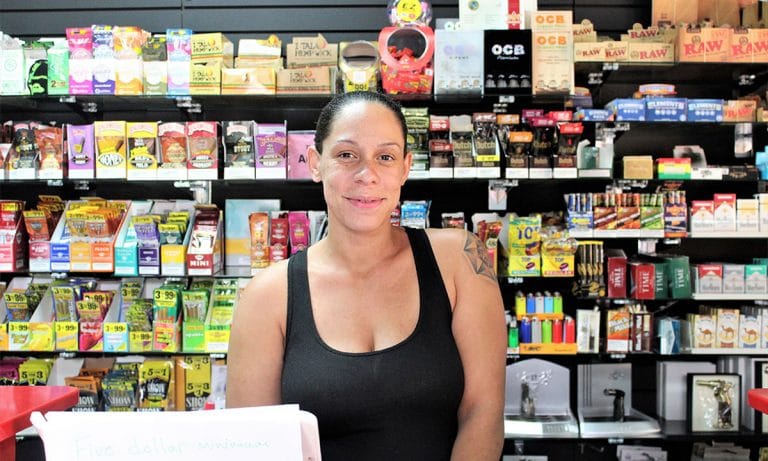
Denny owns Elevated 916, a smoke shop in north Sacramento that sells tobacco products and smoking accessories. But many of her customers don’t limit their smoking to tobacco.
Because they’ve been there, done that, Denny just can’t imagine them using a new state website that offers resources — and plenty of warnings — about the use of marijuana now that lighting up recreationally is legal in California.
“Some of this, I can see it being useful for a grandma who might be interested [in marijuana] and is getting her information from her grandson,” Denny said. “In that case, this website is probably a better source.”
Grandmas and all other Californians can now visit the “Let’s Talk Cannabis” website launched last month by the state Department of Public Health. The site is the first step in the department’s public education campaign to inform state residents about the drug as it becomes more widely used and available.
Last November, voters approved Proposition 64, the Adult Use of Marijuana Act, making California one of eight states — plus the District of Columbia — to legalize the drug for recreational use. California’s recreational measure immediately made it legal for adults 21 and over to possess up to 1 ounce or 28.5 grams of cannabis, although the state delayed sales by licensed retailers until the beginning of next year. Colorado and Washington were the first to approve recreational use, passing referendums in 2012.
California’s website is not a user guide. Instead, it is geared to youth, parents and drivers, mostly focusing on weed’s potential risks and harms. Research on its effects has been mixed, but marijuana has been linked to potential cognitive impairments and driving accidents; it may be hazardous for developing fetuses. Today’s dope is also two to seven times stronger than it was in the 1970s, according to researchers at the University of Washington.
For novices, the state also helpfully lists the many synonyms for pot, including “weed, grass, ganga, dope, herb, chronic, bud, trees, broccoli, nuggets, skunk, kief, sticky icky, Mary Jane.”
The First State To Outlaw Cannabis
But in general, California is no stranger to Mary Jane.
The state was the first to outlaw it in 1913. In the 1930s and 1940s, anti-weed cultural references were far-reaching and even graced movie posters that warned against the “smoke of hell,” linking reefer to crime and “weird orgies.”
Since then, illegal use has been widespread. Dope experienced a renaissance in the 1960s when gleeful hippies “turned on” by smoking grass. Now, California’s pot industry, legal and illegal, is worth billions of dollars.
In 2004, the state began issuing medical marijuana ID cards, which allow patients to purchase pot from dispensaries. About 95,000 have been issued so far.
“Getting a card is not that hard,” said Denny, whose clients have received medical marijuana cards for ailments including menstrual cramps, difficulty sleeping and depression.
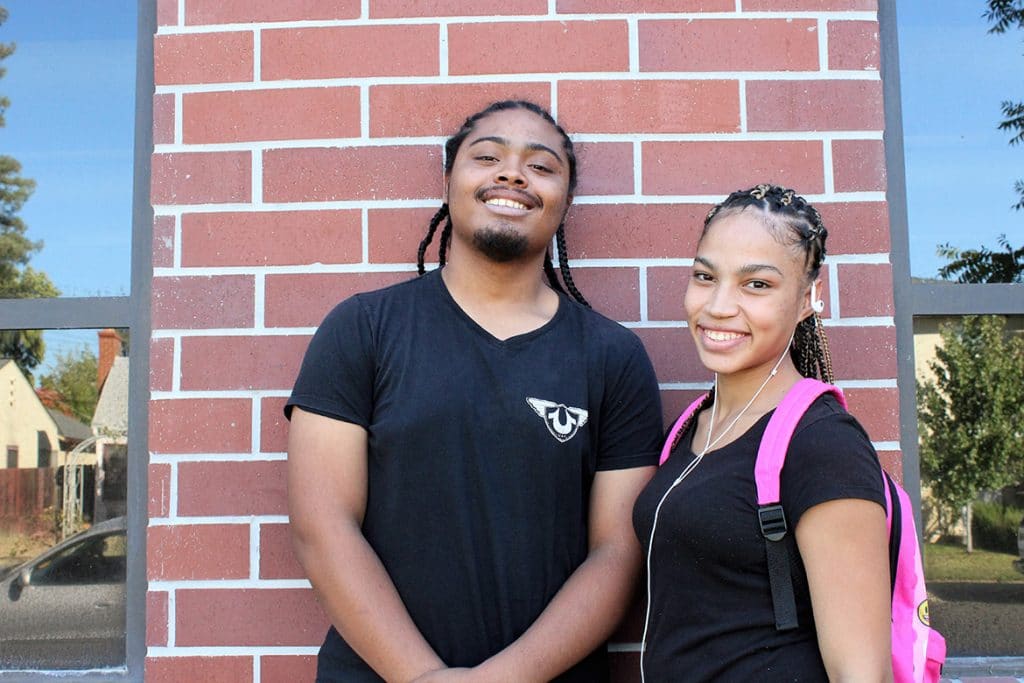
Devonte Legaspi, 20, a student at Sacramento City College, agrees. “There are even apps that let you FaceTime a doctor for your consultation,” he said.
Photo by Ana B. Ibarra/California Healthline
Many of his friends have used websites and phone apps to get theirs. “It’s so easy,” he said.
Legaspi hasn’t gotten around to getting his own card. But he turns 21 in February, he said, about a month after licensed retailers will be allowed to sell to the public.
“Right on time,” he said.
‘Committed To Providing … Science-Based Information’
California’s medical marijuana ballot measure didn’t require a public education campaign, but this broader law does.
“We are committed to providing Californians with science-based information to ensure safe and informed choices,” said Karen Smith, director of the Department of Public Health, in a prepared statement.
The new website provides details about what’s legal to buy, sell and give to others.
It’s not overtly anti-drug like the infamous “This is your brain on drugs” ads from the 1980s that warned youth that their brains would get fried like eggs if they got high.
The site, however, advises pregnant women that if they get stoned, their babies may be born underweight — putting them at risk for all sorts of medical problems. Pet owners are cautioned that Fido might freak — and in rare cases, suffer potentially deadly poisoning — if he accidentally gobbles a pot brownie.
And parents who find out their teen is getting baked — which remains illegal — are urged to “stay calm. Overreacting may lead youth to rebel, feel resentment or take greater risks,” the state advises.
The website has a resource page specifically for youth, but Legaspi doesn’t think it will be the first stop for curious teens and young adults.
“You ask your friends first, then Google,” he said. “I think we’ve been exposed to it for a while. … We know almost everything there is to know about it.”
Still, there are things that some young adults want to see on the website. Aatiqah Murdoc, 22, is Legaspi’s friend. She wants information about possible ingredients in marijuana products, such as brownies and candies.
The site doesn’t offer that. But it does warn that “edibles may have higher concentrations of tetrahydrocannabinol (THC). If you eat too much, too fast you are at higher risk for poisoning.”
THC is the chemical responsible for providing marijuana’s high.
Tamara Cross, who works at Broham Smoke Shop in Sacramento, said she might share the website link with customers who walk in with questions, mostly around legality.
“I have a lot of questions myself, so it’s good to know this exists,” Cross, 24, said. Some customers already ask her when they’ll be able to buy marijuana for recreational use, or whether their access to medical pot will change with the new law.
Photo by Ana B. Ibarra/California Healthline
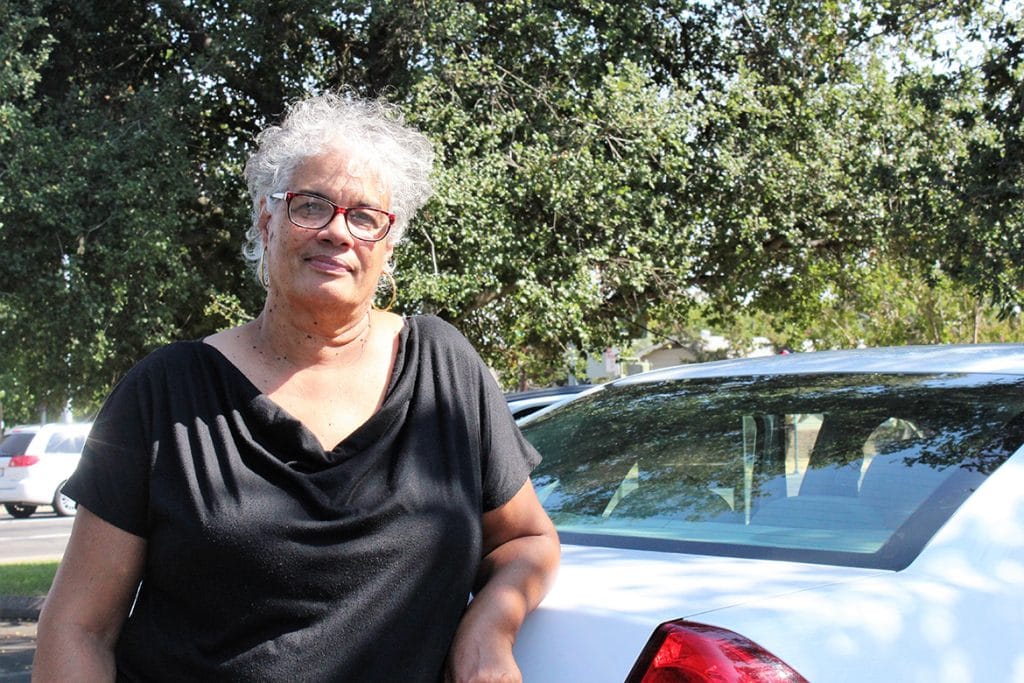
Sharon Duplechan, 65, who helps care for four of her grandchildren, voted against legalization last year, she said.
As she watched her grandchildren play at a Sacramento park, she said she wishes that the precautions offered on the state website had been more widely available when Californians were deciding how to vote. Now she worries that her grandchildren are growing up in an era when pot is more available and accepted.
“The warnings are a little late,” she said. “You don’t put the cart before the horse.”
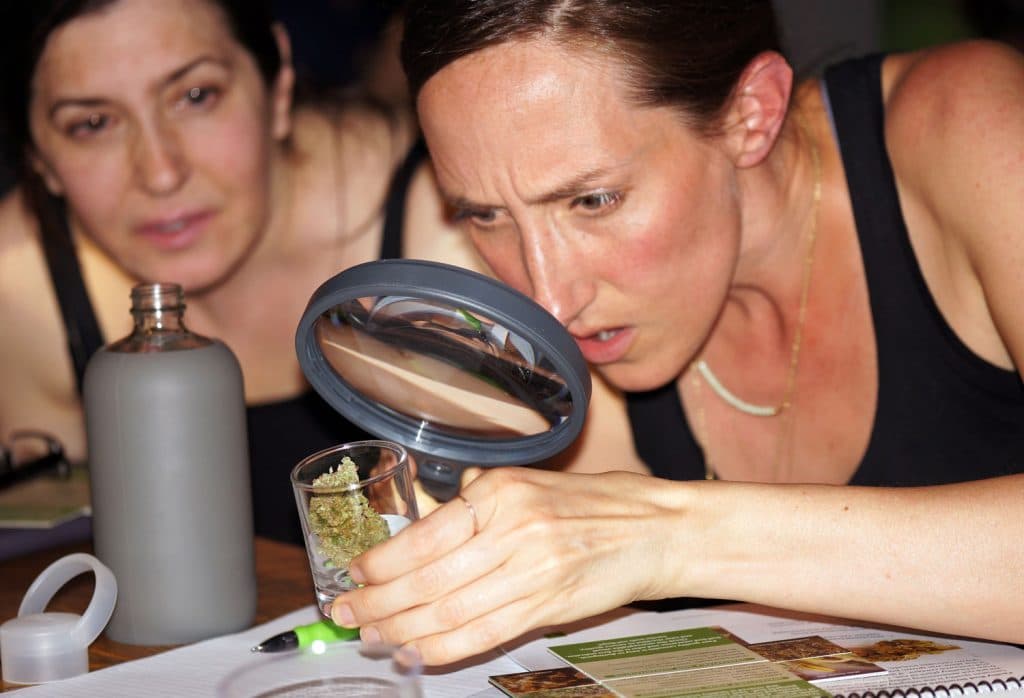
In the interpening courses, students learn how to interpret terpenes — the compounds in the marijuana plant responsible for aroma that also impact flavor — through the scent and sight of the flower structure.
When it comes to your senses, the nose knows. Sensory evaluation, the scientific discipline that analyzes and measures human senses in response to an external source, is the educational crux for trained professionals in the wine, beer and coffee industries, largely based on smell.
Sommeliers, cicerones and cuppers, respectively, are all primed, studied and certified when it comes to interpreting the rich berry notes and velvety texture of a Syrah, the creamy yet crisp mouthfeel of a Bohemian lager or the mountain of aromas in a Sumatra blend, mostly through the sense of smell and taste.
But when it comes to cannabis — be it from black market stigma or the lack of professional indoctrination — the sensory evaluation has been at a crossroads. Until now. Say hello to interpening.
Photo courtesy of Trichome Institute
At the intersection of this juncture, directing traffic and even disseminating licenses, is Max Montrose, one of the world’s first “cannabis sommeliers.” Or rather, a title he actually prefers, the creator of interpening and founder of Denver’s Trichome Institute.
Fed up with dim budtenders issuing psychoactive gummy bears to remedy-hungry medical patients, Montrose took his infatuation with botany, passion for cannabis and yearning for scientific solution to create “interpening,” his cannabis sensory evaluation system. Since founding Trichome on these principles, Montrose’s leading cannabis school is enrolling students from across the globe into its courses for interpening, as well as in its certification program for responsible vending and training on cannabis products and sales.
In the interpening courses, students learn how to interpret terpenes — the compounds in the marijuana plant responsible for aroma that also impact flavor — through the scent and sight of the flower structure.
Max Montrose / Photo courtesy of Trichome Institute
Using this methodology and an understanding of terpenes correlation with psychoactive cannabinoids, the “interpener” can determine the quality and thus the effect of the cannabis in question.
“For example, if I asked you to smell a jar of essential oil from lavender, do you know what would happen to you?” Montrose poses the question over the phone. “You would relax…because you just ingested through your nostrils, via smell and into your brain, the terpene linalool, which has a pharmacology as a sedative. That is very clear science. That terpene is found on cannabis and many others that also add to sedating factors.”
With interpening, Montrose says consumers can pick out specific types of smells in particular parts of the nose that will identify the psychotropic effects, much like the science of wine uses the sense for acids on the tip of the tongue and that of tannins on the sides of the tongue.
So what’s in a name? For Montrose and his four-level certification course based around terpening, semantics were paramount.
“What we are doing is interpreting terpenes, analyzing them to figure out how they’re going to make you feel, so I chose the term ‘interprening,’” Montrose says, noting he wanted a meaningful label for the technique and Trichome’s accreditation.
Anybody can be a budtender but very few people can pass an interpening certification.
One of Trichome’s first certified interpeners to don the pin — yes, there is a pin to match its certified consumable brethren — has been making national news with his budding cannabis experience and tour company.
“We teach people to be more mindful,” explains Philip Wolfe, cannabis industry veteran and founder of Cultivating Spirits in Silverthorne, Colorado. “We teach them to get more in tune with their bodies with these experiences, slow down in life and really identify how different things you consume effect your body, from moods to health benefits.”
Photo by Cultivating Spirits
Fill your glass and pass that dutch at these wine-dinner-inspired events, where Wolfe and his team of educated cannabis and wine sommeliers build a dinner experience around the separate, but equal, marriages of cannabis and food and wine and food.
After interpening the featured strains from local dispensaries, Wolfe and his team hand those terpene flavor profiles over to the resident chef to create a likeminded menu. As a finale step, the wine sommelier will put the finishing touches on the bill of fare with wine pairings.
Through the introspective pairings, terpene evaluations and approachable cannabis education, Wolfe and his team aim to elevate weed through the interactive dining experience, with food as the lead. “We find that it’s better to have the food as the centerpiece,” Wolfe says. “I like to incorporate cannabis into these events as it’s a part — another layer — of the dining experience.”
With every dinner experience, the food is always the focal point. If you don’t have good food, it’s never going to be a good dinner experience.
Previous culinary encounters of the cannabis kind have included plates like a pistachio-crusted tuna tataki paired with Durbin Poison and Sauvignon Blanc. Blackberry red wine marinated roast duck breast has relished next to Grand Daddy Purps and Malbec. Drool-worthy desserts like decadent dark chocolate ganache torte have been devoured with 303 Kush in the pipe and Petite Sirah in the glass. Wolfe says he recommends guests smoke one hit to one gram per course, dependent on each diner’s tolerance. “We spend a lot of time teaching people how to properly consume cannabis to enjoy their experience to the fullest.” Wolfe says.
Cultivating Spirits’ three-course pairing dinners come complete with chauffeured limousine travel from home to the dining destination and range in price from $125 to $250 per person.
For Jackson Holder at Seattle’s Dockside Cannabis, the retail buyer and resident terpene aficionado first rooted himself in wine sales before switching over to bud. That base of agricultural knowledge and sensory analysis led him to blogging about wine and cannabis pairings for the dual-location store, as well as introducing a terpene “smelling station” for customers to peruse while shopping. The station hosts bottled offerings of familiar cannabis aromas, like hops, lavender, cardamom and more.
“All of these peripheral effects and different experiences that we associate with cannabis use really come down to the profile of oils that the plant is producing,” Holder says. “Each strain will produce over 100 terpenes, but each will only produce five to 10 of them in substantial terpenes. That’s why strains can smell dramatically different from one another. To say cannabis can smell an infinite number of ways almost seems like an understatement.”
Jackson Holder / Photo by Colin Bishop Photography
When it comes to wine, Holder is keen on comparing the chemical profiles of the fermented fruit and cannabis. He explains how, in tasting, wine drinkers are initially evaluating the phenolic and flavor profile, not the amount of ethanol alcohol in the serving. Likewise, he says cannabis consumers are also seeking out the aromatic, flavor and resulting mood profiles, not the amount of THC in the serving.
“Imagine you’re driving along a highway at 60 miles per hour: Your ability to go faster than that is determined by your engine and your engine is represented by THC,” Holder explains. “But all the other facets of your experience — whether if you have good upholstery, heated seats, what song is on the radio — that all comes down to terpenes.”
“Primarily with wine, what you’re interested in is exploring the subtleties that exist along this one sensory spectrum and, with cannabis, it’s the exact same kind of search on the sensory end, but with all this psychoactive stuff on the backend that’s tied to the sensory experience.”
Heather Graham wrote her story about Weinstein in a Variety piece. She details how, in the early 2000s, Weinstein called her into his office and offered her a selection of scripts, then “Later in the conversation, he mentioned that he had an agreement with his wife. He could sleep with whomever he wanted when he was out of town. I walked out of the meeting feeling uneasy. There was no explicit mention that to star in one of those films I had to sleep with him, but the subtext was there.” There was a follow-up meeting at a hotel, but she canceled it because she knew what was coming. He ended up never hiring her for any of his films.
Jay-Z In Talks About Buying Harvey Weinstein’s Interest in TWC
Multiple sources connected to Jay tell us … Jay, along with several other investors including a famous movie producer and a billionaire, are talking about purchasing Weinstein’s 23 percent interest in the company.
Jay has had a working relationship with TWC and Harvey … he has a deal in which he has produced a movie, The Kalief Browder Story. He has also a Trayvon Martin miniseries slated for production. Jay has a first-look film deal with the company.
Our sources say Jay wants his relationship with the company to continue and grow, and since Harvey is out he’s looking at acquiring a substantial equity stake in the company.
Love the fresh dirt we bring over daily from Naughty Gossip? Let us know in the comments!
Even if you’re running late, at the very least, grab yourself a bagel or juice or…something! No longer is missing breakfast a sign that you’ve probably got too much on your plate (irony!), it’s also bad for your heart.
How so? According to research published in the Journal of the American College of Cardiology, skipping breakfast can lead to an increased risk of atherosclerosis — the hardening and narrowing of arteries due to a build-up of plaque.
In a recent study, three groups of people were observed: one that skipped breakfast or consumed nothing more than coffee or juice, one that ate a very light breakfast and one that indulged in a larger breakfast. The two groups with the lowest caloric intake at breakfast showed more evidence of atherosclerosis than those who consumed a calorie-dense meal. And according to Science Daily, participants who skipped breakfast had the greatest waist circumference, body mass index, blood pressure, blood lipids and fasting glucose levels.
“People who regularly skip breakfast likely have an overall unhealthy lifestyle,” said study author Valentin Fuster, MD, PhD, MACC director of Mount Sinai Heart. “This study provides evidence that this is one bad habit people can proactively change to reduce their risk for heart disease.”
As much as 30 percent of adults skip breakfast, so it should come as no surprised that there’s a growing amount of cardiometabolic abnormalities associated with obesity, according to Dr. Prakash Deedwania, professor of medicine at the University of California, San Francisco. She says:
Poor dietary choices are generally made relatively early in life and, if remained unchanged, can lead to clinical cardiovascular disease later on. Adverse effects of skipping breakfast can be seen early in childhood in the form of childhood obesity and although breakfast skippers are generally attempting to lose weight, they often end up eating more and unhealthy foods later in the day. Skipping breakfast can cause hormonal imbalances and alter circadian rhythms.
Mom was right. Breakfast really is the most important meal of the day. And now we know why.
Kentucky pensions are in the tank, while the opioid epidemic is pounding the Appalachian state. Cannabis could help both situations, respectively, however, cannabis stigma is still alive and well, especially in rural Kentucky.
Gov. Matt Bevin (R) says that marijuana will not be legalized while he’s in office and calls legalization a “sucker’s bet.” He says that under his watch they won’t be legalizing another substance you can overdose on.
The “problem” is, there’s never been a deadly overdose of marijuana. There are anxiety attacks that can land one in the ER, especially if new to the plant’s effects, but no deaths.
Bevin pointed to the spike in ER visits in Colorado since legalization, and it’s true that they’ve spiked, but again, nothing deadly and no one was sent home with anything worse for the wear other than a bad case of cotton mouth and a little bit of a scare.
On the other hand, opioid overdoses are a very real thing in Kentucky, which had 33 out of 100,000 residents die from overdoses, the second highest rate in the country. Bevin has come up with ideas to combat those numbers, including making life saving drugs like naloxone available over the counter.
Cannabis has been shown to reduce the amount of opiates a user needs to relieve pain and in many cases cannabis replaces the deadly drugs all together, thus also saving lives.
Pensions also need real saving in Kentucky, where there is a $30 billion debt in ailing pension systems. Cannabis revenue and taxes could help fill that gap, but Kentucky State Police Commissioner Richard Sanders had this to say, “I’m not willing to risk my grandchildren’s health to save my pension. I don’t think that’s the right way to go with this thing. And I think we’re guilty of sending a mixed message to our children. We remind them every day that they need to reduce their smoking habits. They need to stop drinking so much. And yet we’re trying to encourage them to smoke more pot.”
There are some Kentucky lawmakers open to the idea of cannabis, including Kentucky Sen. Dan Seum (R), who says that he plans on introducing a bill to legalize it. Bevin has at least two more years in office though, so we’re not placing bets anytime soon.
“The What to Expect” website raises this question, “So is lighting up a joint when you’re expecting a safe cure-all for morning sickness and anxiety — or a dangerous habit that could potentially harm your baby? Lest one think this is an isolated inquiry, according to the Center for Disease Control and Prevention (CDC), about one in 25 women in the US report using cannabis during their pregnancy.
The answer to this question though appears to be mixed. As reported by NPR, a review and analysis of 31 previously published studies found no independent connection between a mother’s pot use and any adverse birth effects. But these studies do raise a number of questions that require further research.
Potential Health Effects Of Using Cannabis During Pregnancy
Using cannabis during pregnancy can increase a baby’s risk of developmental problems. According to the, New York Times, marijuana’s main psychoactive ingredient — tetrahydrocannabinol, or THC — can cross the placenta to reach the fetus. This could potentially harm brain development, cognition, and birth weight. Also, THC could induce premature labor.
Smoking Cannabis During Pregnancy
Cannabis smoke contains many of the same chemicals as tobacco smoke, thus increasing the possibilities for developmental issues in the infant. Hence, inhaling any smoke during pregnancy can be bad for both the mother and the baby.
Using Cannabis Post-Pregnancy
Research indicates that THC may be found in breast milk. These chemicals can be passed from mother to baby during breastfeeding. Also, THC is stored in fat and it’s unclear how much THC remains in the milk and how long the THC remains present in breast milk. Hence, it’s not known just how much THC is passed from mother to child during each breastfeeding.
Social Stigma Of Cannabis Use And Pregnancy
Ideally, those who use cannabis and are pregnant or plan to become pregnant should share all details of their lifestyle with their OB/BYN. However, mothers may not tell their doctors and other health care providers they are using cannabis due to the possibility they could be reported to Child Protective Services. The challenge with many studies on marijuana use during pregnancy is that they rely on questionnaires. If women are worried their responses could result in the loss of their children, they might deny using cannabis during pregnancy even if they are using.
Research About Cannabis And Pregnancy Remains Inconclusive
So far, the bulk of this research about cannabis use during pregnancy focused on cannabis containing THC. There has not been adequate research using medicinal cannabis containing high-levels of CBD. More studies are needed to ascertain if high-CBD strains can help reduce nausea, depression, anxiety, cramps, and other problems associated with pregnancy without causing harm to the infant.
Also, many studies researching the effects of cannabis use on pregnancy fail to take other factors into account. For example, are those consuming cannabis during pregnancy following a nutritious diet, exercising, and other lifestyle choices suggested by their doctor?
In particular, these studies do not take into account the alcohol and tobacco use of those women who consume cannabis during pregnancy. Repeatedly, researchers have noted that those women who smoke cannabis during their pregnancy also smoke cigarettes or blunts (joints that contain a mixture of cannabis and tobacco). It is also unclear if women who take cannabis during their pregnancy also drink alcohol. The lack of these distinctions complicates the results of these studies since it’s unclear which negative effects on children are caused by tobacco, nicotine or cannabis.
Furthermore, the studies do not compare the different methods of cannabis consumption. Smoking cannabis has been harmful for a number of medical patients. However, they are able to consume cannabis through other methods such as vaping, consuming edibles, and applying topicals.
Finally, the research to date focuses on infant. In order to assess the long-term impacts of cannabis use during pregnancy, research is needed that follows these children’s development throughout their adolescence and into their adulthood.
At this juncture, the CDC, the American Congress of Obstetricians and and Gynecologists, and the American Academy of Pediatrics (AAP) are erring on the side of caution. They advise against using tobacco, alcohol, and cannabis during pregnancy and while breastfeeding. But as noted, more research is needed especially studies looking at high CBD strains of cannabis and methods of consumption other than smoking.
The cannabis industry is growing rapidly as more Americans learn what the plant can do medicinally and how much revenue recreational marijuana rakes in for legal states. As an increasing number of states legalize both medical and recreational marijuana, the industry could approach $9 billion by the end of this year, and that’s just the beginning.
Sometimes it seems that everyone wants a piece of the pie, but how do you get started? One simple idea can be turned into millions of dollars, but budding entrepreneurs need help getting out of the gate.
The Fresh Toast sponsors a one-day conference, Cannabrunch, which takes place in New York, Toronto, Ft. Lauderdale and Beverly Hills thoughout the year.
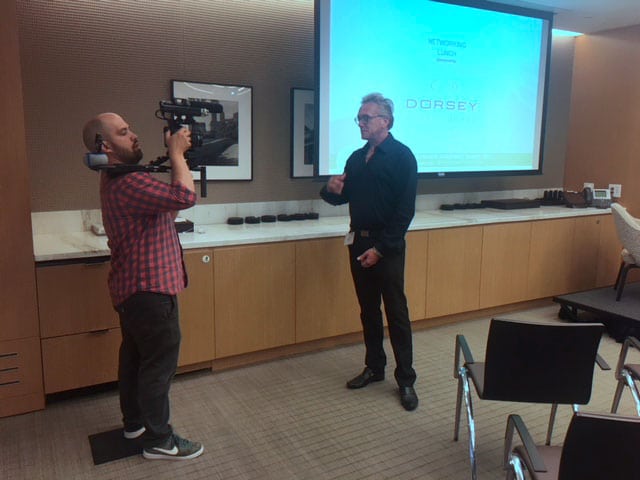
Last month saw the New York conference, which was sold out weeks before the event took place on September 19 at the office of Dorsey & Whitney. The Cannabis Private Investment Summit, which runs Cannabrunch, has a mission to “Bring together the best and brightest cannabis entrepreneurs and ultra-high net worth investors and family offices with the goal to create a unique and intimate meeting for those seeking to find deals and necessary educational tools to thrive in the cannabis industry.” They come though in spades.
The informative “Cannabis Investing and Multi-State Opportunities” panel.
The rainy day in September was was packed with educational seminars, including “An Overview of The Legal Marijuana Industry In The US,” “What Agriculture and Consumer Markets Can Teach Us About Cannabis,” “International Emerging Market Opportunities,” “Cannabis Investing and Multi-State Opportunities,” “The Benefits of an Investment Fund in the Cannabis Industry,” “Marijuana Banking,” “Medical Marijuana,” and “The Emergence of Private Equity in Cannabis.”
Perhaps the most interesting for entrepreneurs was the “Investor Pitch Session,” during which five companies each got seven minutes to pitch to a room of investors. This year’s New York winner was GoFire. The GoFire vaporizer works in tandem with an innovative app that allows users to identify how multiple concentrates and extracts affect them. Their system aims to enable patients and caregivers alike to study the unique formulas of consumption—the potency of the bud, loose leaf or concentrate, how much was inhaled—then compare that against the desired outcome. That information will be relayed to partners and enhance product knowledge in the future.
Publisher of The Fresh Toast, JJ McKay, gets ready for this close up.
A full day of networking and education was followed in the best way possible: a cocktail party in more of the most beautiful residences in New York City, high atop 57th street on the 72nd floor. By the end of the evening everyone was friends. Investors had leads as to where they should invest their money and entrepreneurs had solid contacts with those who wish to invest. What could be better than that?
Want to break into the marijuana industry? Don’t miss the Cannabis Private Investment Summit in Toronto, November 2, 2017.