Tuesday, June 16, 2026
Home Blog Page 501

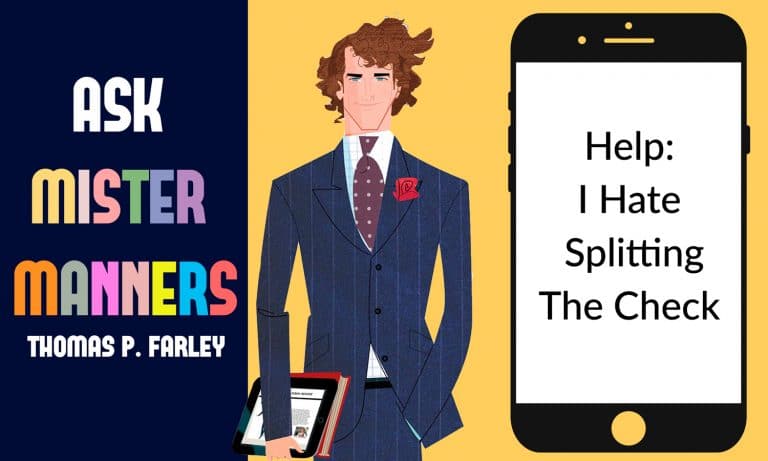
Ask Mister Manners, Thomas P. Farley: ‘I Hate Splitting The Check’

Help! My friends expect me to split the restaurant bill even though I always order way less than they do. How do I approach this without looking like a cheapskate?

Etiquette tips on how to interact in today’s world. Have a question for Mister Manners? Send your queries to info@whatmannersmost.com and look for replies in the coming weeks. 

READY TO SPLIT UP

Q: As restaurants in my state have started to reopen, I’m looking forward to dining out with many of my closest friends — but also wary. More than COVID-19, I’m concerned that their old habits will be back, ordering multiple cocktails and expensive dishes. Good for them, but they always presume we’ll split the check evenly despite the fact that I don’t drink, and usually order just a soup or a salad. How can I get them to see the injustice in this arrangement without looking like a cheapskate? 

A: If I had a dollar for every time I receive this question, I could treat all of you to dinner for a year. It’s an issue that gives us much to chew on, for sure. In the ideal world, when a group dines out on a regular basis, any imbalance that favors your friends one time is righted by an imbalance that favors you the next time. In your scenario, however, the disproportion never adjusts, and—lucky you—you have the ongoing privilege of subsidizing your friends’  food and bar tabs.

In keeping with the currency theme, there are two sides to this coin. 

In one respect, maintaining a running tally of how much each diner has ordered is tedious and can appear petty. It’s also inefficient. With the bulk of pricey dinners being paid for with plastic, “Split it five ways” is far easier for a server than “Put $56 on the green card; $32 on the blue card; $15 on the other blue card….”

RELATED: Ask Mister Manners, Thomas P. Farley: Help! I’m Karen — Not A ‘Karen’

And yet, you should not be taking a permanent hit to your wallet for the sake of a server’s convenience—or due to your friends’ lack of thoughtfulness.

As with any good restaurant menu, you have several options. One possibility is that you order last, selecting a meal and number of courses that more closely approximate what everyone else has chosen. But you may be watching your diet (or your wallet), in which case you’ll still order less than everyone else. If this is the more likely scenario, I advise you to have an advance word with whomever in the group is your closest friend. Ask them to speak up on your behalf when the check arrives, urging everyone to chip in a higher dollar amount and you, a lower one. Ideally, you should put in cash for your portion, which will come off the total before it is split evenly by everyone else. Just be sure not to undercalculate your share. Round up, and don’t neglect tax and tip.

RELATED: Ask Mister Manners, Thomas P. Farley: ‘Alexa Is Not A Person, Right?’

This should help settle the score (and the tab), but if not, it may be time to forego dining with these oblivious epicures and find a set of compatriots whose ordering habits more closely match your own.

Instagram Kits
Photo by Free-Photos via Pixabay

WHAT’S NOT TO LIKE?

Q: Do I need to follow a friend back on Instagram even if what she posts is boring to me?

A: Giving your friend a boost on social media costs you nothing. And if you can’t bear a tedious post popping up in your feed every now and again, what does that say about your ability to listen to her stories in person? In the realm of the thoughtful gestures we do for our friends, a “follow” is about as low a bar as you’ll encounter. As the Nike slogan advises, just do it.

Mister Manners, Thomas P. Farley, is a nationally regarded expert who appears regularly in the media to discuss modern-day etiquette dilemmas — from how to split a check fairly to how to get a word in edgewise. Follow Thomas on Facebook, Twitter and Instagram. And for more insights, listen to his brand-new podcast, “What Manners Most,” which will be focused exclusively on Coronavirus-related etiquette for the foreseeable future.


Older Marijuana Consumers Tend To Be Healthy

A study suggests Americans over the age of 60 show a connection between marijuana use and leading a more active lifestyle.

The lazy stoner stereotype is one of the most prevalent ones when it comes to marijuana use. Making appearances in movies and college, it’s a stereotype that’s meant to be funny and used by people who are older or don’t know much about the drug.

Science has shown, a few times now, that regular cannabis use doesn’t imply a sedentary lifestyle, however. Turns out that people can get high and lead active lives.

A study conducted on older Americans found that those who consumed cannabis engaged in more workouts and physical activities than non consumers. Researchers surveyed participants over a period of fourmonths, conducting an exercise intervention program. Participants who consumed cannabis had lower body mass indexes (BMI) and were more likely to commit to their workout routines when compared to other participants.

RELATED: Marijuana Use Among Seniors Is Growing Fast

“These findings suggest that it may be easier for older adults who endorse using cannabis to increase and maintain their exercise behavior, potentially because cannabis users have lower body weight than their non-using peers,” write the authors of the study. “At minimum, the evidence suggests that cannabis use does not hinder older adults’ ability to engage in physical activity, to participate in a supervised exercise program, or to increase their fitness as a result of physical activity.”

Photo by rawpixel.com

While the connection between cannabis and lower body mass indexes remains unknown, these types of studies continue to show that cannabis is more than a drug that gives people the munchies and encourages them to laze around. Anecdotal and scientific data shows that marijuana can be a helpful and motivating tool for staying active, a big issue that plagues Americans, especially those over the age of 50.

RELATED: Smoking Marijuana Before Exercises Can Increase Workout Productivity

As scientists and users of different ages and lifestyles spend more time with the drug, more information is discovered. While it’s unknown if the drug could help people work out more, studies like these are at least discouraging the spread of outdated stereotypes.

Half Baked 2 May Happen With A Catch

The cult classic stoner flick will finally get a sequel more than two decades later, but is it the one Half Baked fans deserve?

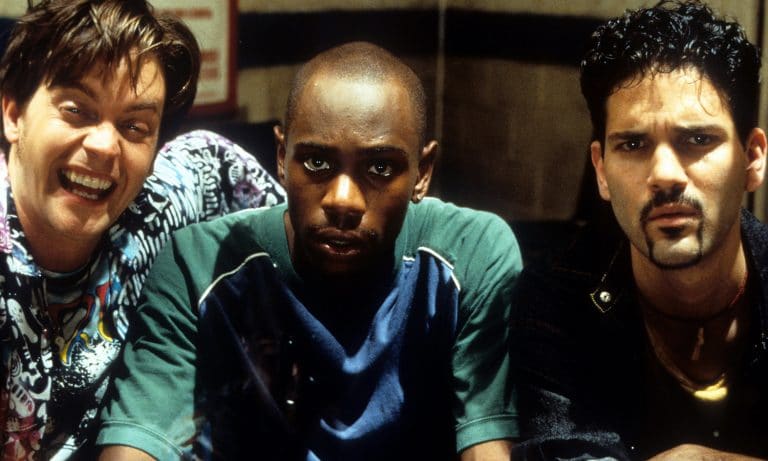
Cannabis culture at large is slowly transitioning away from stoner bros and high-minded hijinks, but that doesn’t mean we can’t appreciate and reimagine the past. Half Baked, co-written by and starring Dave Chappelle, ranks among the most cited and celebrated stoner movie of the past several decades. Rumors have long circulated a sequel was in the works, but now it looks like those rumors will become reality.

That’s because Half Baked 2 acquired a prized tax credit allocation by the California Film Commission, according to reports. Once a movie receives that tax credit, filming is supposed to begin within 180 days of the announcement. Whether or not the coronavirus pandemic affects that requirements or not remains to be seen.

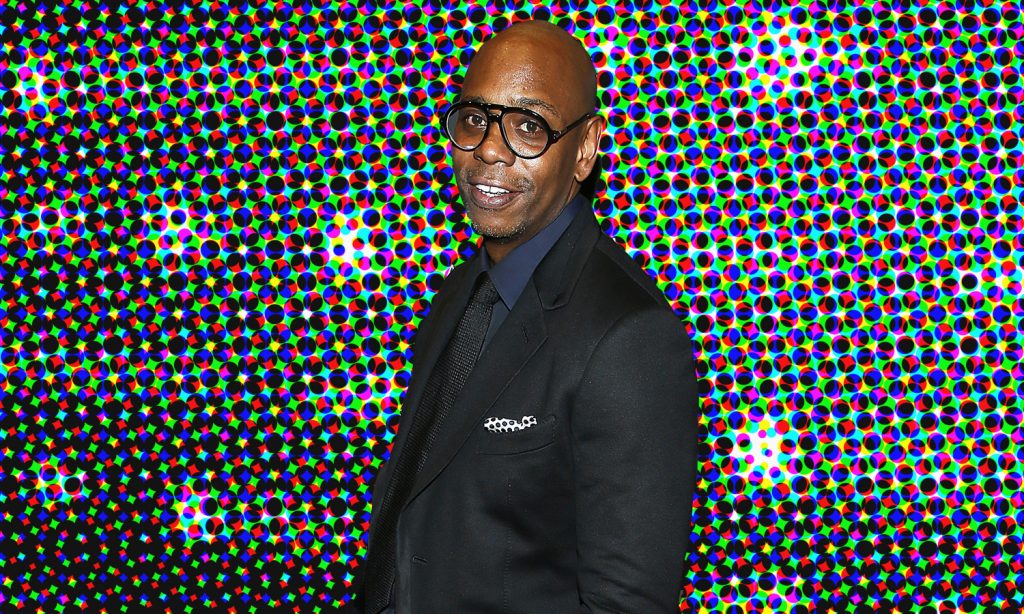
Dave Chappelle Apparently Hates Sharing His Weed
Photo by Paul Morigi/Stringer/Getty Images

Back in December, comedian/director Justin Hires revealed on Instagram that he’d been selected to write the Half Baked 2 screenplay.

RELATED: Is It Okay To Experiment With Marijuana During Self-Quarantine?

“Excited to announce I’ll be writing the sequel to Half Baked,” he wrote. “Yes I know the original is a classic and yes this sequel will be [fire] because I’m writing it. Oh yeah, I write screenplays too.”

https://www.instagram.com/p/B58hCqEAPVv/

Bold words. However, it’s worth remembering Half Baked was considered a flop upon its initial release. It grossed only $17.5 million on a $8 million budget and was panned by critics for its juvenile humor. Only once the movie hit cable networks and VHS tapes—yes, that’s how old the movie is—did it find the cult following has to this day.

To answer the most pressing question, Dave Chappelle will not appear in the sequel. Instead, the movie will supposedly feature his character’s son and follow his adventures around Los Angeles. Chappelle infamously loathed the movie upon release, feeling like the studio edited the movie for a younger audience than he and co-writer Neal Brennan had intended.

RELATED: 7 Movies To Watch Under Quarantine While High

“Half Baked didn’t come out the way I wanted it to come out. I was real upset about that, cause it was a real cool script,” Chappelle told James Lipton during a 2014 interview on Inside the Actors Studio. “And then I saw it, I was like, ‘Hey, man, you made a weed movie for kids’ and it wasn’t for kids, the script, you know? It was all these things and so much pressure.”

Avoiding Weed Car Search From Police

If you happen to get pulled over, prepare for a shakedown like no other. You will need to be prepared to handle police officers, or risk going to jail.

It’s true 11 states have legalized adult-use marijuana and 47 out of 50 states maintain some medical cannabis program. But make no mistake about it, weed is still mostly illegal in the United States. Here are tips on avoiding weed car search from police

We’d like to tell you that even law enforcement in areas of prohibition is turning a blind eye to those caught in possession of marijuana, but plenty of police forces on the streets of America remain eager to take you down for using this plant. This is especially true now that more jurisdictions border legal cannabis states.

The long arm of the law may not act like they are ramping up efforts to try and control interstate drug tracking, but rest assured these cops have a hard nosed plan in place to stop as many motorists as possible from bringing cannabis products into their neck of the woods. And if you happen to be one of those that they pull over, prepare for a shakedown like no other. You will need to be prepared to handle them, or else you could end up going to jail.

RELATED: How To Not Get Busted Smuggling Marijuana Into A Prohibition State

It is important to understand, first off, that police do not have the right to search your vehicle for no reason. Some people think, “Well, they’re the police, they can do what they want.” Nothing could be further from the truth. Law enforcement agencies typically need a search warrant before they can rip your vehicle apart. More importantly, they cannot size someone up during a traffic stop and conduct a search based on a gut feeling telling them that something illegal is taking place. An officer must first see or smell something that establishes probable cause before he or she can perform a search and, depending on what is discovered, make an arrest. But police just can’t go sniffing around your personal property because you had a busted tail-light.

Photo by welcomia/Getty Images

Still, they’ll try like hell to get one over on you because they know that most people aren’t aware of their rights.

One of the best methods for avoiding a search is to not give the police any reason to hassle you in the first place. So, if you and a few friends visit Colorado, where marijuana is entirely legal, and plan to drive back to Missouri with pot products onboard, it is always a smart move to obey the traffic laws. Not smoking marijuana in the vehicle during the trip is also advised. As we mentioned earlier, the odor of marijuana alone is enough in most places for a cop to search a vehicle without a warrant. Keep all drug-related items, even prescription pill bottles, out of sight. In the event of a traffic stop, we don’t want to give the officer any reason to suspect that we’re up to no good.

If you do end up getting pulled over, however, the next thing to remember is to always be calm and collected. As with any situation where one must deal with another person, being polite, courteous and respectful goes a long way. We don’t want to be ranting and raving about knowing our rights as soon as the officer shows up outside the driver’s side window. Just keep calm, but stay on your toes. Even if the cop seems nice, don’t think for a second that he’s not looking for a reason to take the traffic stop to the next level. If you’ve followed the advice from above – hiding drug paraphernalia and not smoking in the car — you should be in good shape. He shouldn’t see or smell anything suspicious. Soon, you will be on your way.

But police are notorious for asking questions in hopes of tripping people up and getting them to spill their guts about what they’ve been doing and where they’ve been. “Where you folks headed?” is one of the most common. The wrong answers could spell trouble. For example: It is probably not a good idea to tell a Kansas State trooper that you and your friend just spent a few days in Colorado to see what it was all about. Because their next question might be: “Did you guys smoke any marijuana while you were there?” Once the cop gets on the marijuana jag, there is no stopping him. So, be as vague as possible without sounding awkward. Try saying something like, “We just finished visiting some family in Boulder. It was my great grandmothers 102 birthday.” Just remember that anything you say can and will be used against you. So be careful answering questions.

Photo by why kei via Unsplash

Okay, let’s pretend you’ve done everything right, but the officer still persists in busting you for drugs. You’ll know when it’s time to get serious as soon as he utters the phrase “Are there any drugs, weapons or other contraband in the vehicle that I need to know about?” The correct answer in this situation, just in case you were wondering, is NO. But don’t expect the cop to take your word for it. He will likely follow up with something like, “Would you mind if I take a look for myself?” It is essential to understand that you have the right to refuse searches. It’s written in the 4th Amendment. So your response to his request should be: “Officer, I understand you’ve got a job to do, but I do not consent to searches.” The cop will not like this one bit. In fact, he may start playing dirty by suggesting that your refusal to a search means you are trying to hide something. Just keep cool. You are never required to let police search your vehicle just because they feel like it.

RELATED: The Surprising Effect Marijuana Legalization Has On Police Traffic Searches

The cop may step up his game at this juncture and threaten to call in the K-9 unit to sniff around. Remember, as far as the cop knows, you haven’t broken any laws. He doesn’t know that you have three ounces of weed stuffed in your suitcase. We don’t want to give him the chance to find it either. Simply ask him at this point if you are free to go. “Officer, am I being detained, or am I free to go?” He may ask again to search your vehicle. Just keep following this routine:

Cop: Can I search your vehicle?

Motorist: Officer, I do not consent to searches.

Cop: Maybe you’ve got something to hide.

Motorist: Officer, am I being detained, or am I free to go?

If you are being detained for whatever reason – the cop may suspect you of a crime — it is best to keep quiet. The last words the police should hear coming from your mouth is, “I’m going to remain silent until after I speak to a lawyer.” It might seem easier to just go along with the cop’s request and endure the harassment to get back on the road faster, but your best legal protection is always to just shut up. On the other hand, if you are free to go, the officer will let you know. When all else fails, just keep repeating the above phrases until the cop moves on to an easier target.

Troops Who Used Marijuana Get Second Chance

A House committee approved an amendment that would allow military service members to reenlist despite previous cannabis use.

The military makes no confusion about its views on marijuana. Despite widespread legalization and rising positive marijuana drug tests for Army soldiers, military service members who confess to consuming cannabis just once are barred from re-enlisting under current law.

But late last Thursday the House Armed Services Committee approved an amendment to its $740.5 billion defense policy bill that could grant a second chance to those troops. Rep. Ruben Gallego submitted a proposal alongside the bill that would create a one-time reenlistment waiver for former service members who admitted marijuana use. Approval would be granted on a case-by-case basis under the provision.

RELATED: Enormous Tax Revenue Is Exactly Why The Feds Won’t Legalize Cannabis

“Smoking pot just once shouldn’t prevent a patriotic American from fighting for our country,” Gallego said in a release. “We need to finally exercise some common sense when it comes to our marijuana policies, and I’m glad my amendment will lead us in that direction.”

Gallego, a Marine Corps combat veteran who served in Iraq, has submitted this proposal for the past couple years. The rider was approved in the 2019 defense spending House bill, but was removed in reconciliation with Senate defense bill.

Marijuana For Veterans
Photo by PeteMuller/Getty Images

At the time, Gallego said a conversation with a constituent inspired the provision. After studying in law school, the constituent went to reenlist in the Marine Corps and admitted to using cannabis. The recruiter told him to either lie about smoking marijuana or else forget being reenlisted.

“There’s ample evidence that the social and personal consequences are far worse for alcohol use than for marijuana use—but we wouldn’t be able to assemble even one Marine Corps regiment if we excluded everyone who’s ever had a sip of beer or whiskey,” Gallego previously said.

RELATED: Why Marijuana Could Be Risky For Your Heart

Gallego’s provision is the only cannabis-related rider on the House bill, but a bipartisan group led by Sen. Diane Feinstein have their own proposal they’d like to attach to the Senate’s defense policy legislation. The amendment would institute requirements into CBD research and provide protections for doctors who discuss cannabis treatment with their patients. It is unclear whether the amendment will make it onto the Senate floor for further discussion or not.

How To Stay Safe While Eating Out At A Restaurant

Restaurants are reopening, but it’s important to be as safe as possible to minimize risks.

Restaurants have been one of the hardest hit businesses since the novel coronavirus caused lockdowns across the country. Now that these places are reopening across states in the U.S., business owners are looking for effective ways of navigating this new normal. They must manage preventing the spread of virus while also making a profit.

When going out to a restaurant, you’ll always be exposing yourself to risk. When compared to the risks you’re exposing yourself to when visiting parks and working out outdoors, restaurants work differently. Even if the restaurant you’re visiting is very careful with their social distancing measures, there’s no way of knowing if you’re occupying a space with someone that was exposed to the virus. In addition, you and everyone else will be eating and drinking close together, unable to wear face masks for most of your stay.

Still, after months spent cooped up indoors, an outing to a restaurant may be the shot of normalcy your body is craving. There are effective ways of minimizing your risks:

Look for outdoor seating

eating the same lunch everyday might help you cope with stress
Photo by Dan Gold via Unsplash

RELATED: 3 Ways You Can Stay Safe While Visiting A Salon

When leaving the safety of your home, the safest thing you can do is find a place to hang out outdoors. Open spaces with free airflow are safer for everyone since the spread of germs is less likely. Unless the indoor restaurant you’re attending is very big and distanced, it’s a big risk to sit somewhere for a significant portion of time in contact with people without wearing masks.

Dine out with people you live with

While restaurant outings are great opportunities to catch up with friends, we’re still living in pandemic times. By eating out with people you live with, you’ll be eliminating tons of risks. When it comes to eating out with friends, a good option is to get take out and to eat in an open space, keeping six feet of distance between everyone and avoiding sharing utensils or napkins.

Wash your hands regularly

5 New Ways To Fight Acne
Photo by Matthew Henry via Burst

RELATED: 3 New Guidelines Beauty Stores Now Have To Follow

Constant hand washing is stressful and bad for your skin, which is why it pays to learn when to wash your hands. As a rule of thumb, what works best is to wash your hands when leaving and entering a building, after using the bathroom and before eating. If you don’t have access to soap, hand sanitizer also works.

What is THC? A Beginner’s Guide To Marijuana’s Psychoactive Cannabinoid

The therapeutic benefits, side effects, and risks of THC. Welcome to cannabis 101.

There are three certainties we accept in life: death, taxes, and that THC gets you high. But what is TCH, there is a beninnger’s guide to marijuana’s psychoactive cannabinoid. THC, tetrahydrocannabinol, it’s probably as the cannabinoid responsible for marijuana’s psychoactive effect. This is very much true, but newcomers and experienced consumers alike still have much to learn about this cannabis compound.

How does THC work?

Located throughout your body exists tiny receptors that specifically respond to cannabis compound. This is what’s known as your endocannabinoid system (ECS). These receptors allow THC to bind with your body and affect various functioning systems. Similar to neurotransmitters in your brain, endocannabinoids influence how a person feels, reacts, and moves. They don’t dictate different processes in your body, but they do act as a control center of sorts. Think of them like a light dimmer in your house: it doesn’t flip the switch on or off, but the amount of light possible.

When working properly, the ECS strive to maintain homeostasis throughout your body. It facilitates communications between cells and nerves, while also serving as a bridge between your mind and body. Humans don’t naturally produce phytocannabinoids, or cannabinoids produced by plants. This is why consuming cannabis can produce such dramatic effects on how you think or feel.

How will THC make me feel?

When you ingest THC, it instructs the brain to release dopamine. This produces the euphoric rush often associated with cannabis. Some positive effects THC is known to cause include relaxation, sedation, hunger, drowsiness, pain relief, and elation.

RELATED: What To Expect When Smoking Weed For The First Time

There are possibly negative effects as well. Consuming too much THC could induce anxiety, paranoia, memory impairment, scattered thinking, and more. It’s often recommended new marijuana users find balanced cannabis products that include CBD to avoid these side effects. CBD can counteract the sensations caused by THC, and actually produce more therapeutic benefits.

People Use Marijuana
Photo by Hưng Nguyễn via Unsplash

Possible Risks

Do not let the most high-minded hippie tell you otherwise: There are risks to smoking marijuana. If you know what they are, you should be able to prepare for them. Too much smoking and vaping can disrupt your respiratory system and result in pulmonary complications in some cases. Worth noting: A 2012 study found smoking a joint per day for up to seven years had no impact in adverse lung functioning. You can always use alternative consumption methods to avoid the possibility, however.

RELATED: Why Some People Don’t Get High The First Time They Smoke Marijuana

You can also develop a tolerance to THC. This might cause you to smoke more, which will cause all the lung problems above. We advise taking breaks and some other methods to maintain your tolerance levels.

It is possible to overdose on marijuana, though take some calm knowing no fatal overdoses have ever been recorded. Common overdoses involve edibles, where individuals overindulge or assume the cannabis isn’t working, so they eat another gummy. Don’t worry, we have some tips so you don’t become a statistic.

Therapeutic benefits

As the National Cancer Institute notes, cannabis has been used as medicine for over 3,000 years. Prior to marijuana prohibition, many Americans actually had cannabis tinctures as household remedies for nausea and rheumatism.

Some well-known uses for THC today include:

Asking Siri For Medical Marijuana Advice

0

Researchers looked at how Siri, Alexa, and other mainstream AI programs responded to questions related to marijuana addiction. Here’s what they found.

“Hey Siri, will medical marijuana help with my anxiety?”

Earlier this year, at the park with my kids, I posed this question to Apple’s AI bot and I was met with a list of internet links that might answer my question. In my house, we ask Siri for all kinds of things: directions, recipes, or simply to tell us a joke. Why not ask her for medical marijuana advice?

If you want to turn to Siri for medical marijuana advice, her functionality is limited. The bot can look up dispensaries using your location. She can also get you started on the hunt to answer your questions about medical marijuana using the search function. 

The ability to set reminders is a function that medical marijuana patients could find helpful. With the help of Siri, or whichever AI bot you use, you can ask for a reminder when it is time for another dose. 

What Role Does Siri Play in Addiction and Cessation?

While Siri doesn’t have a wealth of information about using marijuana, the bot also falls short for tech users who want information on addiction or cessation. This includes giving up alcohol, smoking, or smoking marijuana less frequently.

In January, researchers looked at how Siri, Alexa, and other mainstream AI programs responded to questions related to marijuana addiction. According to Digital Medicine, in response to questions like, “help me quit pot,” these programs were more likely to recommend a retailer selling marijuana than a free hotline for addiction treatment. 

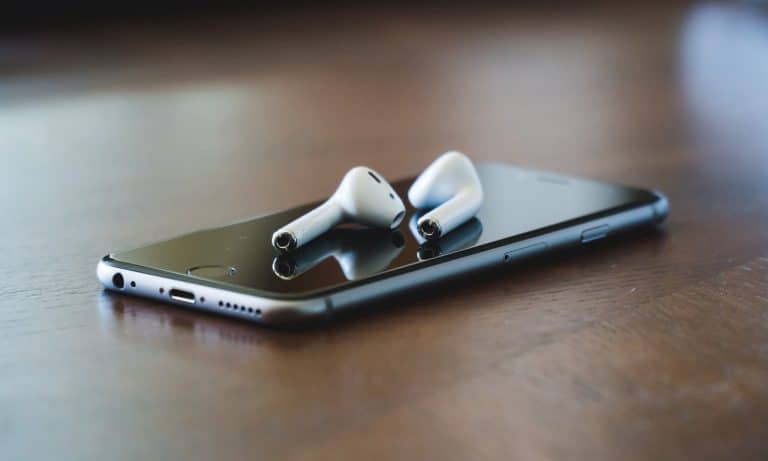
People Found A Way To Get Siri To Curse And It's Super Easy
Photo by dem10/Getty Images

Alternative AI Steps in When Mainstream Programs Fall Short

It might be sometime before you can get the answers you want about medical marijuana from Siri, but there is an alternative AI program that is hoping to step in where mainstream apps fall short. Cannabot was created with marijuana users in mind by AI Health Outcomes, which operates out of Philadelphia. The bot is now available to healthcare providers through Affinity Network.

There are a few things that make Cannabot so special. First, health providers can purchase subscriptions to the service and then offer it to the patients they treat without charge. Second, this AI program has access to a large amount of research you won’t be able to pull up online because the bot has access to studies not available to the general public. Additionally, AI Health Outcomes has pulled in the experts to help with the backend, so you know your answers are coming from a reliable source.

FDA Authorizes Next Generation Test For Diagnosing COVID-19

The primary goal is to know if the virus is changing in ways that would affect current medical treatments.

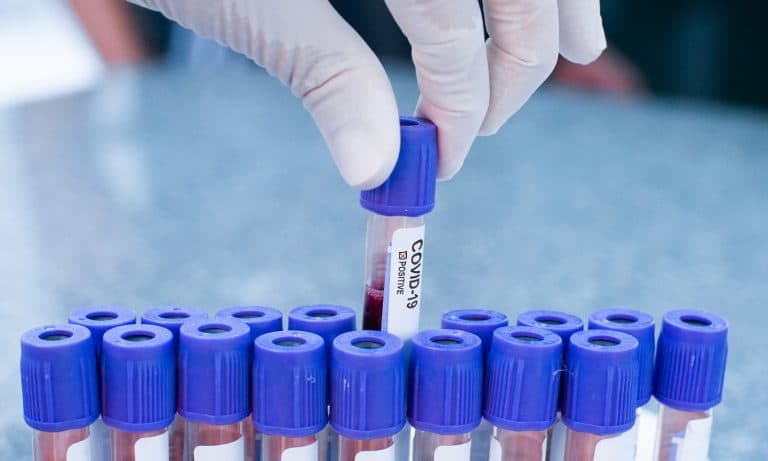
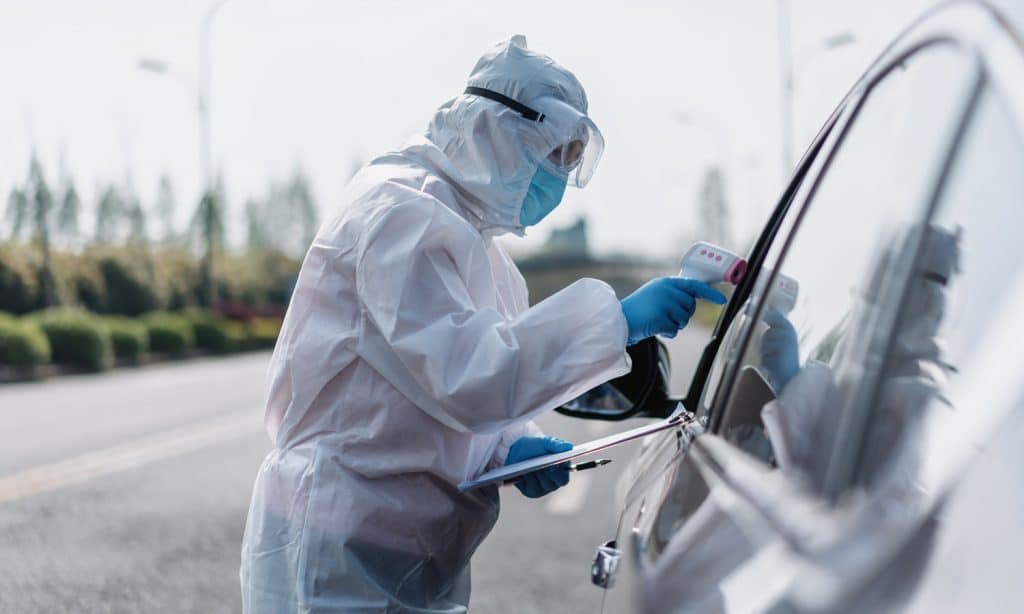
The FDA authorizes next generation test for diagnosing COVID-19. The U.S. Food and Drug Administration (FDA) issued an emergency use authorization (EUA) for the use of genomic sequencing in COVID-19 that will both significantly improve the level of research into COVID-19, as well as holding real promise for the ongoing treatment of the coronavirus. 

The FDA authorized the Illumina COVIDSeq Test for the qualitative detection of SARS-CoV-2 RNA from respiratory specimens collected from individuals suspected of COVID-19 by medical response teams, or by their healthcare provider. In the fight against coronavirus, using next-generation sequencing tools means that the test can generate information about the genomic sequence of the virus present in a sample. 

In a recent interview, Dr. Phil Febbo, chief medical officer of Illumina, explained that diagnostic testing helps medical professionals manage patients, while surveillance is required to manage whole populations. Diagnostic testing, he explained, provides yes/no answers for individual patients. Dr. Febbo contrasted diagnostics with surveillance testing, where the goal is to inform public health professionals to track the path of a pandemic, understand transmission routes, and determine viral evolution. The most important goal is to know if the virus is changing in ways that would affect current medical treatments.

The EUA means that medical professionals can use the COVIDSeq test to produce information about the genomic sequence of the virus, as recognized as present in a sample obtained in research or from a patient. The FDA uses the EUA to fast track the availability of medicine or treatment programs in a time of emergency. 

RELATED: What The FDA Is Doing For Better COVID-19 Data Dashboards

Dr. Stephen Hahn, MD, the Commissioner of the FDA, explored the promise this new set of testing tools offers medical professionals in response to COVID-19.  “Throughout the COVID-19 pandemic, we have seen the ingenuity that results from the FDA working in partnership with the private sector. Genetic sequencing information will help us monitor if and how the virus mutates, which will be crucial to our efforts to continue to learn and fight this virus,” said Dr. Hahn, M.D.

FDA Steps Up In Ongoing Coronavirus Health Crisis
Photo by sinology/Getty Images

Understanding why sequencing matters

Sequencing is necessary to track the transmission route of the virus globally, monitoring exposure to the most established cluster. More aggressive measures are warranted to contain the spread of the virus. 

In finding the best therapeutics, sequencing can determine how quickly the virus is adapting as it spreads. It appears that SARS-CoV-2 achieves two mutations per month as it spreads. This information allows public health officials to identify how likely the virus is to avoid detection from established PCR assays and become resistant to therapies.

RELATED: FDA Pursues Action Against Companies Offering Misleading Antibody Tests

Sequencing identifies targets for therapies. Knowing the viral genome is essential to understanding therapeutic efficacy from small molecule therapeutics targeting specific viral proteins to vaccines directed against viral antigens.  

Sequencing-based surveillance is required to understand the role of co-infection. COVID-19 can range from asymptomatic to fatal. Respiratory pathogens can often cause progressive disease by lowering host immunity and fostering a co-infection that results in more severe and life-threatening diseases.   

FDA Issues Guidance On Prescription Drug Marketing Act

In response to the COVID-19 emergency, the FDA is announcing a temporary policy regarding enforcement of the requirement for drug samples.

The U.S. Food and Drug Administration (FDA) is issuing updated guidance to address questions they’ve received asking for clarification regarding their enforcement of requirements on the distribution of drug samples under the Prescription Drug Marketing Act (PDMA) of 1987 . The PDMA is part of the Federal Food, Drug, and Cosmetic Act, and the relevant implementing regulations regarding drug samples are in 21 CFR part 203 (part 203), subpart D.

The relevance of this modification affects health care providers, patients affected by COVID-19 and related conditions, and the life science companies themselves, according to information highlighted in The National Law Review

The drug sample revisions, issued by the FDA earlier in June, affect how licensed practitioners provide care and consultation to their clients during a public health emergency. In response to the COVID-19 emergency, the FDA is announcing a temporary policy regarding enforcement of the requirement for drug samples. This policy covers samples only to be sent to the requesting healthcare practitioner licensed to prescribe the drug, or to a professional at the pharmacy of a hospital or health care entity.

RELATED: FDA Publishes New Updates For Healthcare Professionals

Under the current FDA guidance during the public health emergency (PHE), the FDA clarified drug samples can not be distributed to licensed retail pharmacies. That set of regulations has effectively not changed.  

How Marijuana Helped Me Overcome My Addiction To Pain Pills
Photo by Matvevna via Pixabay

The revised guidance is in part due to patients meeting with their health practitioners via phone or video conference call. “The FDA understands that during the COVID-19 PHE, many licensed practitioners are not meeting face-to-face with patients, and these licensed practitioners would like to be able to request that manufacturer or authorized distributor can send drug samples directly to the identified patient’s home,” the updated guidance memo reads.

RELATED: What The FDA Is Doing For Better COVID-19 Data Dashboards

The FDA recognized that due to various statewide quarantines, the stay at home recommendations, as well as the almost universally recommended social distancing guidelines designed for the protection of both patients and healthcare providers, that the standard procedures must have exemptions.  

Similarly, the FDA does not intend to take regulatory or enforcement actions against any manufacturer or authorized distributors that have been delivering drug samples by mail or common shipping carrier directly to the identified patient. 

Don't Miss Your Weekly Dose of The Fresh Toast.

Stay informed with exclusive news briefs delivered directly to your inbox every Friday.

We respect your privacy. Unsubscribe anytime.