Tuesday, May 12, 2026
Home Blog Page 505

How Does Marijuana Influence Your Anxiety?

0

Marijuana can produce different feelings, from giggles to intense anxiety. Your genes, the type of strain you consume and dosage are all important factors.

Marijuana is a stress relieving property for many, allowing people to feel relaxed and uninhibited, like a giant weight has been lifted off their shoulders. Curiously, cannabis is also a common anxiety inducing substance. So how does marijuana influence your anxiety?

Paranoia and anxiety are two of the most popular negative side effects of marijuana, to a degree where these kinds of experiences keep a lot of people from regularly using the drug. Luckily, the degree of anxiety that marijuana produces can be managed through several factor;  your mindset, the kind of marijuana you consume and dosage all play a part.

While there are many perks and therapeutic benefits of THC, research shows that it’s the compound most associated with anxiety. THC is responsible for that “high” feeling we all associate with marijuana use, while CBD has been shown to block the paranoia and anxiety effects of THC. If you’re someone who’s concerned over feeling anxious, choosing the right strain is key.

RELATED: What You Should Know About Crossfaded Highs

Officially speaking, there’s three major kinds of strains: indica, sativa and hybrids. After many years of crossbreeding marijuana plants, these labels feel a bit outdated. The majority of strains are hybrids, with a sativa or indica slant. Scientists need to dive deeper into this topic, but anecdotal evidence says that indica dominant strains provide a “body-focused” high. This means that they are less cerebral and less likely to produce anxiety.

Can Marijuana Help Ease Coronavirus Anxiety?
Photo by M.T ElGassier via Unsplash

Dosage is also key, particularly with people who are inexperienced with marijuana or are trying out a new method or strain. Start off slow if you’re trying anything new, giving your body some time to experience the effects of the drug before taking another hit.

RELATED: Marijuana Makes You Paranoid? Study Suggests Your Genes Are To Blame

Cannabis affects everyone in different ways, with gene variations playing a big part in how bodies process this kind of stimulus. There might be drastically different reactions from people smoking the same batch of weed, with some feeling giggly, anxious or introspective.

In order to prevent anxiety bouts, the best thing you can do is try to control the factors. Speak with your budtender and ask for an indica dominant strain or something with a manageable THC content. When trying out marijuana for the first time or trying out a new method, be sure to do so with someone you trust or in a setting that’s safe and comfortable for you.

5 Coronavirus Myths That Have Been Debunked

0

From holding your breath to test if you have COVID-19, to wiping down surfaces so you don’t catch it. Here’s what you should not believe about the coronavirus.

The coronavirus has been around for most of 2020, giving us plenty of opportunities to learn about a constantly evolving topic. A virus that triggered a pandemic understandably prompts challenges for all, from average people who are uninformed, to experts and scientists who are learning on the go. The scale of the coronavirus is unprecedented, as are the myths that it has prompted.

The Huffington Post compiled a list of them, from those that are commonly believed to the truly egregious ones that should be corrected ASAP. Here, we highlight some of the most interesting coronavirus myths that have already been debunked.

Summer weather can control the virus

The Coronavirus Won't Die Out Due To Summer Weather
Photo by Connor Jalbert via Unsplash

RELATED: The Coronavirus Probably Won’t Die Just Because It’s Getting Warm

This myth has some science to support it but sadly, the coronavirus is here to stay for the foreseeable future, no matter how warm the weather gets. Right before the pandemic became a pandemic, some experts believed that summer might be able to control the coronavirus, since many viruses like the flu and the common cold propagate when the weather is cold and people are more vulnerable. So, here we are, officially in summer. And we still have the coronavirus to contend with. In fact, many cities are seeing spikes in cases.

Average people shouldn’t wear masks

Myths About Grocery Shopping During Coronavirus
Photo by Anna Shvets via Pexels

RELATED: Fake Instagram Accounts Are Becoming More Popular During Quarantine

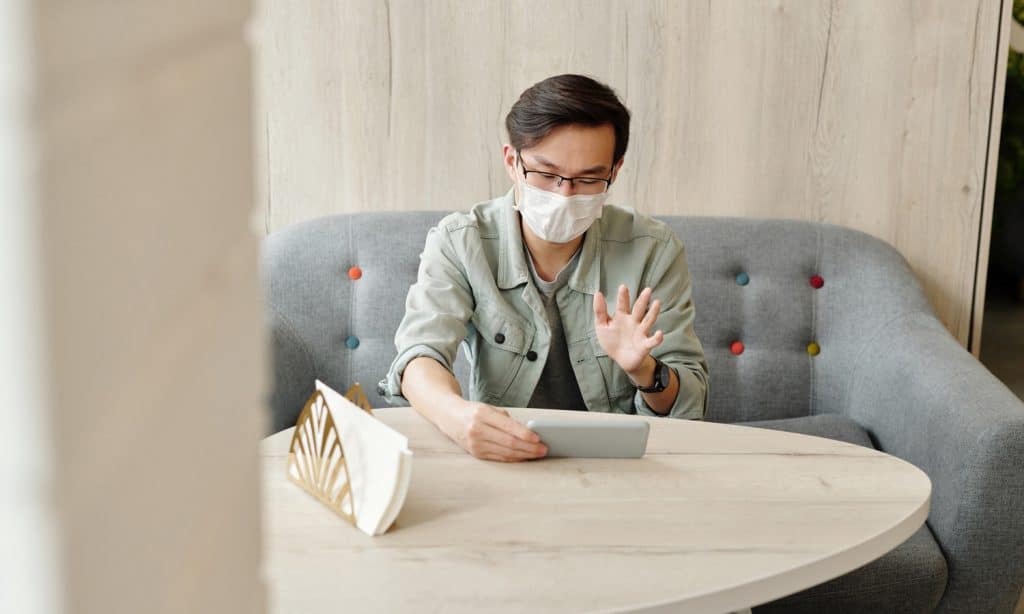
One of the most annoying beliefs that the Centers for Disease Control (CDC) and other health experts spread for months was that masks shouldn’t be worn by people who weren’t hospital workers. This was mainly because they didn’t want our frontline workers to not have masks themselves. However, it’s now been reported multiple times that face masks are, indeed, an effective way of preventing the spread of the virus when worn by everyone.

Packages and groceries can spread the virus

Photo by josemiguels via Pixabay

One of the biggest sources of stress for people is whether to disinfect packages and groceries. While it is possible for the virus to survive on surfaces like cardboard (which is porous) and hard plastics, the CDC is explicit in reassuring people that the main thing they should worry about is contracting the virus through other people.

Children can’t get the coronavirus

5 Myths About Coronavirus That Have Been Debunked
Photo by Gustavo Fring via Pexels

RELATED: Teens Are Struggling With Mental Health Amid COVID-19

While the coronavirus deals the worst hand to older people or those with preexisting conditions, people of all ages can get it, including children. There have been several cases reported in children associated with COVID-19, where there’s heart, lung and kidney inflammation.

Holding your breath for long times proves your virus free 

Do Deep Breaths Help With Coronavirus?
Photo by Arun Sharma via Unsplash

RELATED: Does Deep Breathing Help With Coronavirus Symptoms?

The silliest myth in this list is one you’ve likely seen around social media during the first couple of weeks of the virus. No, holding your breath for prolonged periods of time doesn’t mean that you’re virus-free, no matter how much you want it to be true. The only way to know for sure if you have the virus is to either have symptoms or to get a test. Pro tip: If you think you may be infected, voluntarily restricting your breathing won’t make you feel better.

Why 2021 Will Be The Year For Marijuana Legalization

According to one analyst, if the Democrats capture the Senate, bills to legalize marijuana at the federal level will easily pass both the Senate and the House next year.

Marijuana legalization might not receive its expected attention in the upcoming election due to advocacy complications caused by the pandemic. Because of these issues, and how the political landscape might change following the election, analysts pinpoint 2021 as the year cannabis prohibition ends in parts of the country.

Ballot initiatives have emerged in recent years as the primary mechanism activists use to push legalization in state elections. The way it works is pretty simple: Legalization networks collect signatures from state residents until they reach a threshold determined by the state. Montana lawmakers, for example, required 25,000 and 51,000 valid signatures for two separate adult-use marijuana measures to qualify for the November ballot.

Only physical signatures meet the criteria, which is difficult to gather amid social distancing protocols. Montana activists collected more than 130,000 signatures in what Marijuana Policy Project deputy director Matthew Schweich described as the “most innovative signature drive I’ve ever seen.” Other state drives haven’t been as successful and the general consensus is the coronavirus has negatively impacted marijuana legalization.

RELATED: Could Marijuana Legalization Swing Voters To Joe Biden?

Those consequence could be temporary, suggest some analysts. According to Canaccord Genuity analyst Bobby Burleson, a center on Budget & Policy Priorities study of 38 states found state budgets are expected to fall short by an aggregate 10%.

In 27 states, tax revenue budgets are expected to drop by 10% or more. According to Barron’s, Burleson noted that cannabis reform has received attention in nine of those states, saying, “We expect budget concerns to prompt resurgent legalization efforts for these and other challenged states.”

Photo by Bulat Silvia/Getty Images

This has already happened to some extent. Bipartisan lawmakers in Pennsylvania, New Mexico, and New York have already suggested cannabis legalization as an injection to state budgets. Shifting political winds, The Motley Fool writes, could also change the conversation around federal marijuana legalization.

Expectations were that Republicans would maintain control of the senate after the 2020 election. But according to RealClearPolitics, five senate seats are currently toss-ups and poll projections show Democrat candidates leading in each race.

RELATED: Joe Biden Adds Marijuana And Drug Reform To ‘Plan For Black America’ Agenda

“If the Democrats capture the Senate, my prediction is that bills to legalize marijuana at the federal level will easily pass both the Senate and the House (which appears to be safe for Democrats) in 2021,” Motley Fool’s Keith Speights wrote. “I don’t see either Joe Biden or Donald Trump vetoing this legislation, despite the lack of fervor for either candidate on marijuana legalization.”

MRSA And Cannabis: What’s The Link?

Researchers believe they’ve uncovered another antibiotic element that cannabis offers, creating an additional tool in the weapon against healthcare associated infections.


“An interdisciplinary team of McMaster researchers found that the chemical compound, or cannabinoid, called cannabigerol (CBG) is not only antibacterial but also effective in mice against a resilient family of bacteria known as methicillin-resistant Staphylococcus aureus (MRSA).”McMaster University

Could cannabis have a hand in treating Methicillin-resistant Staphylococcus aureus (MRSA) infections? Researchers at McMaster University believe they’ve uncovered another antibiotic element that cannabis offers, creating an additional tool in the weapon against the rise of healthcare associated infections (HAIs), which are costing hospitals and clinics billions of dollars.

RELATED: What Is CBG And Is It Legal?

Looking at 18 commercially-available cannabinoids, the team identified a “non-psychoactive cannabinoid” called CBG, which offered the most promise. After synthetizing and recreating the element in mass quantities to study, the research team “found that CBG had antibacterial activity against drug-resistant MRSA,” targeting the cell’s membrane and eliminating the bacteria.

Study lead Eric Brown, Professor of Biochemistry & Biomedical Sciences, says:

CBG proved to be marvelous at tackling pathogenic bacteria… findings suggest real therapeutic potential for cannabinoids as antibiotics.


Noting that researchers had been looking into the antibiotic properties of cannabis for years, Brown noted that reducing the stigma in cannabis research could lead to more findings. “There has been some stigma of investing in this kind of research, but there’s increasing anecdotal evidence of the medicinal use of cannabis. The stigma seems to be waning.”

Scientists Identify Optimal Legal Age For Smoking Mairjuana
Photo by wera Rodsawang/Getty Images

According to the Centers for Disease Control (CDC), about two in every 100 people carry MRSA, a bacterial infection that’s difficult to treat and easy to spread — especially in a healthcare setting. Costing hospitals around $10 billion a year to treat in the United States at an average of $60,000 per patient, MRSA infections often are difficult to control as they can lead to outbreaks.

RELATED: Could CBD Eventually Become An Antibiotic?

Being studied at a faster pace than ever before, several studies have already looked into the antibiotic effects of cannabis on the human body, with many concluding that cannabis offered great promise in treating infection in new ways. Often referred to as “antimicrobial,”  a 2017 study published in the journal Neuroimmunomodulation found that cannabis research is the key the fight against many infectious diseases. The study stated: 

“Contact with cannabinoid compounds can affect different types of infectious agents, by allowing their replication or by eliminating them. This supports the idea of existing cannabinoid receptors infecting pathogens and that their activation may be responsible for previously mentioned effects, pointing to a new biological function of ECS activation.”

With new research coming each year, scientists and doctors across the globe are looking into how cannabis can help treat infection without the side effects of many drugs currently on the market and the results look promising.

Cannabis And Strokes: Debunking Myths And Misconceptions

The link between cannabis and a heightened risk of stroke has been studied multiple times as THC turns “on” the CB1 and CB2 receptors in the central nervous and cardiovascular systems.

“As these products become increasingly used across the country, getting clearer, scientifically rigorous data is going to be important as we try to understand the overall health effects of cannabis.” Robert Harrington, M.D., president of the American Heart Association 

In late 2019, a report was published in the American Association for the Advancement of Science (AAAS) that found, “frequent cannabis (marijuana) use among young people was linked to an increased risk of stroke” as well as an increase on heart rhythm disturbances, or arrhythmias. Published by the American Heart Association, the study did not look into the direct connection between stroke and cannabis use, rather it discovered it as a potential link.  

The study found that younger cannabis users had a heightened risk of stroke, compared to individuals that didn’t use cannabis. Interestingly, the study also cited that, “The cannabis users were also more likely to be heavy drinkers, current cigarette users and e-cigarette users, which may have also influenced their risk, even though the researchers adjusted for those factors in their analysis.”

Study author Tarang Parekh, M.B.B.S., M.S., a health policy researcher at George Mason University in Fairfax, Virginia had this to say: “Young cannabis users, especially those who use tobacco and have other risk factors for strokes, such as high blood pressure, should understand that they may be raising their risk of having a stroke at a young age.”

The link between cannabis and a heightened risk of stroke has been studied several other times as THC turns “on” the CB1 and CB2 receptors in the central nervous and cardiovascular systems. One study in 2013 found that CB1 receptors who worked overtime, often could lead to significantly higher risks of cardiovascular disorders in the valve and arteries.

RELATED: Marijuana Can Dramatically Alter The Shape Of Your Heart

Put simply, cannabis elevates blood pressure, putting strain on the heart and body, which can cause issues for people with underlying or even unknown health conditions — making important discussions with your care team even more imperative if you’re a medical marijuana or cannabis user.

Here's What You Should Know About CBD & Heart Health
Photo by Robina Weermeijer

Here are three important items to note about cannabis and your heart: 

Cannabis doesn’t directly lead to heart attacks or stroke.

What can happen is, cannabis can elevate the blood pressure for as long as 3 hours, especially for new users. While the effects of blood pressure elevation seemed to decrease over time for some users, it’s important to discuss with your care team. 

Not all doctors and healthcare professionals agree with the studies.

While many doctors are citing the studies, some like Dr. Mark Rabe, chairman of the scientific advisory board for Medical Marijuana Sciences, believe more research is needed. He explained, “When you look retrospectively into databases and pull out bits and pieces of data, and then assemble them and present them, the results can often times be misleading.”

RELATED: Study Finds No Association Between Marijuana And Stroke Risk

Rabe believes that while it’s important to have frank conversations with your healthcare team about the study and its results, the use of marijuana might outweigh the cardiovascular risk. “The evidence that’s out there would suggest that the risk of cardiovascular problems would be very low relative to the potential benefit of the therapeutic effects of cannabis.”

Research is far-behind what we need to know to draw important conclusions.

For many, marijuana research is still unattainable, held under a titanium seal of the U.S. Food and Drug Administration (FDA.) Until the drug is declassified, medical researchers face issues with accessibility to dig further into research. 

It’s important to remember that while medical marijuana is on the rise, healthcare professionals still don’t have important information on how cannabis affects all areas of the body. The hope is that the FDA continues to greenlight research to not only showcase the drug’s powerful benefits, but its potential risks as well. 

Upcoming Webinar Details How Cannabis History Ties Into Current Protests

0

Marijuana’s complicated history will be the topic of a webcast conversation hosted by Governance Studies at Brookings on June 23.

Propaganda and misinformation overshadow much of marijuana’s history in America. In the early 1900s, cannabis was a medicine used across the country. Pharmacies sold cannabis tinctures and extracts to treat stomach problems and rheumatism. Historians have found evidence that ancient cultures in China, Egypt, and Greece alleviated inflammation, labor pain, and anxiety through cannabis medicine. These traditions were lost over the past century and replaced with myths and taboos that eventually led to the War on Drugs.

Brookings Institute Senior Fellow John Hudak, who is one of the foremost experts on cannabis legalization, tracks marijuana’s complicated past and how the plant has become a mainstream issue in his new book Marijuana: A Short History. Recent attention to systemic inequalities and racist policies in America following George Floyd’s killing by Minneapolis police has brought this history into a new light.

RELATED: Data Shows Roadside Searches Decrease After Marijuana Legalization

“As the U.S. debates issue of racial justice, criminal justice, and policing, the role cannabis has played in harming Black and Brown America must be part of that discussion,” Hudak told The Fresh Toast. “This book engages those issues and reveals a history of racism, over-policing, and political targeting via the War on Drugs.”

despite cbds popularity americans still dont know the compounds effect and capibilities
Photo by Olga Volkovaia/Getty Images

These issues and histories will be the topic of a webinar hosted by Governance Studies at Brookings tomorrow (June 23). Politico reporter Natalie Fertig will moderate the discussion between Hudak and Budding Solutions founder and CEO Shanita Penny.

“Now is a critical time to have a conversation about the history of cannabis and the effect it has had on this country,” Hudak said. “Cannabis criminalization began as a racist effort to divided white Americans from immigrants and people of color and has been used to incarcerate and disrupt the lives of millions of Americans for a century.”

RELATED: It’s Time To Disband The DEA

Those interested in learning more can check out the event page here or submit questions via email at events@brookings.edu or by tweeting at @BrookingsGov using #MarijuanaHistory.

(Full disclosure: Both John Hudak and Natalie Fertig have previously contributed articles to The Fresh Toast.)

6 Things To Know Before Buying CBD

0

If you haven’t tried CBD yet, or are just getting started in your journey, here are some things that may be helpful to know before you make your purchase.

Have you been watching from the sidelines while everyone around you has been joining the CBD craze? If you’re ready to find out for yourself what it’s all about, you might feel kind of overwhelmed. There is an incredible amount of information about CBD available online with some of it feeling contradictory and confusing. 

Here are 6 things to know before buying CBD for the first time.

1. CBD Can Be Derived From Either Hemp or Marijuana 

Let’s cover the basics first. CBD, or cannabidiol, can either be derived from marijuana or hemp, both of which come from the cannabis sativa species of plant. The main difference between hemp and marijuana CBD is the amount of THC it contains. Hemp has only .03% THC, while CBD derived from marijuana can have between 5% and 30% THC. And unlike hemp, it’s considered a Schedule 1 drug, which makes it federally illegal. So, if you stick with CBD derived from hemp, which has no psychoactive effect, you won’t get high. 

2. CBD Is Legal in Most States

Photo by Binoid CBD via Pexels

RELATED: FDA And USDA Start Making Sense On Hemp CBD

Because hemp-derived CBD contains little or no THC, it is legal to sell and buy throughout most of the United States. This is due to a bill called the US Farm Bill which was passed in December of 2018. 

3. CBD is Safe

For most people, CBD is safe, according to the World Health Organization. There are a few populations who shouldn’t take it or need to talk it over with their doctor first. If you’re pregnant or breastfeeding, you should avoid it altogether. If you’re immunocompromised or taking prescription medications, you should talk with your doctor about any potential side effects. Children should also be seen by a doctor before beginning the use of CBD.

4. CBD Does Have Side Effects

5 Common Myths About Hemp Oil And CBD Oil
Photo by Tinnakorn Jorruang/Getty Images

RELATED: Why That CBD Oil You Just Bought Might Be Bogus

If anyone tries to tell you there are no side effects associated with the use of CBD, they’re wrong. The most common side effects associated with CBD are fatigue and drowsiness, nausea, diarrhea, and changes in mood. The good news is that these side effects are uncommon and typically mild. Sometimes, adjusting your dose can help alleviate or eliminate side effects altogether.

5. Good CBD Can Be Expensive

Even though you can certainly find cheap CBD, that doesn’t mean you should expect to be able to find a high-quality product for $10 or $15. In the case of hemp-derived products you definitely get what you pay for. If you want a lab-tested, high potency product you can expect to spend between $30 and $120 for a quality CBD oil tincture.

6. CBD Has Health Benefits, but It Doesn’t Fix Everything

how to choose cannabis topicals that will actually work
Photo by Hemptouch CBD via Unsplash

While it is certainly true that cannabidiol has been found to have certain health benefits, it is not the cure-all some make it out to be. So far, it has only been approved by the FDA for use on specific seizure disorders

There is also some research that has found it to decrease anxiety and aid in better sleep. It can reduce inflammation and may help reduce pain for this reason. Before you turn to CBD, do a little research and talk to your doctor to make sure it is a good fit for you.

What You Should Know About Crossfaded Highs

Crossfaded highs are known for their dizzying, nauseating and disorienting effects. They might even facilitate weed induced panic attacks.

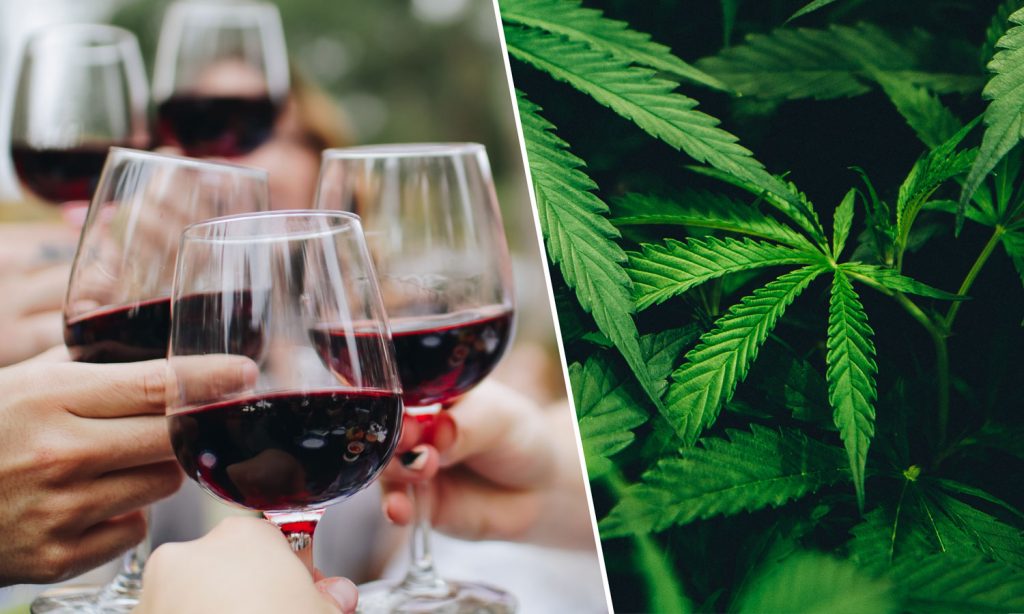
Crossfaded highs are terrible, but fortunately they’re pretty easy to avoid. In the simplest of terms, crossfaded highs occur when you’re both high and drunk. Just like it sounds, it’s not fun.

While crossfaded highs can be entertaining for some people — like the moment where you’re drunk but not black out drunk — for the large majority, this isn’t the case. Crossfaded highs are known for their dizzying, nauseating and disorienting effects. They might even facilitate weed induced panic attacks.

Some medical experts also think that there’s actual dangers to crossfade highs. Marijuana produces an antiemetic effect, making it harder for people to vomit. While this is helpful for medical marijuana, when paired with alcohol, vomiting is one of the most efficient and straightforward ways of purging the body of excess alcohol the liver can’t process, preventing alcohol poisoning.

RELATED: Why Some People Don’t Get High The First Time They Smoke Marijuana

It’s not understood why this phenomenon happens and why combining these two different substances creates such a strong reaction within our bodies, which is why the most effective way to prevent crossfaded highs is to avoid mixing heavy drinking and smoking. Still, sometimes all you need is to have a couple of beers and a puff of marijuana before you go off the crossfaded deep end.

What Are Crossfaded Highs And How To Avoid Them
Polina Zimmerman/Pexels

When faced with one of these highs, the best thing you can do is to stay calm and nurse yourself out of your drunken stupor, which is the part that could lead to some health risks. Find a friend that you trust and who can care for you, stay hydrated and wait it out. Sleeping it off is also effective, since it’s one of the simplest ways of coping with too much alcohol and marijuana in your system. Just, you know, good luck falling asleep.

RELATED: Drinker Or Toker: Which One Makes A Better Life Partner?

The most effective way to avoid crossfaded highs is to choose a substance for the night and stick to it. If it’s a weed night, keep the alcohol locked away and vice versa. If you’re out partying and consuming alcohol, try to resist the urge to toke up when a friend offers.

Colorado Consumers Thoughts On Stoned Driving Policies

0

According to a new study, Colorado users question the dangers of driving while high and desire more research about legal limit and self-assessment guidelines.

Cannabis consumers thoughts on stoned driving policies have recently been made clear.   The feedback about driving while under the influence of marijuana is “out of touch,” although not in a way you might expect. A two-year study from the Colorado Department of Transportation (CDOT) found Colorado marijuana users considered driving while high was, more often than not, not that dangerous.

They were also skeptical about many laws and regulations involving cannabis use and getting behind the wheel. Many heavy users relied on a “gut check” to determine whether they could drive safely or not after using.

“The more often people consumed cannabis, the less dangerous they considered driving under the influence of cannabis to be,” the study’s authors wrote. “Respondents who use cannabis typically believed individual differences in consumption or tolerance were mitigating factors in someone’s ability to safely drive under the influence.

“Most users are critical of laws, policies, and enforcement surrounding driving under the influence of cannabis,” researchers continued. “Cannabis supporters saw government policies as out-of-touch.”

RELATED: Driving With Kids In Your Car Can Lead To Felony Charges If You Have THC In Your System

Educators and law enforcement teach drivers your body requires one hour to process each drink you’ve had. Online charts also calculate what your blood alcohol level may be based on gender, weight, and how much you drank. But no such data or guidelines exist for marijuana use, complained study participants. They wanted more meaningful research about detection methods, proper self-assessment guidelines, and how long to wait until driving.

Here's How Marijuana Is Helping Keep Denver Safe
Photo by 12019 via Pixabay

CDOT surveyed more than 18,000 Coloradans for the research through a combination of online forms, in-person meetings, and focus groups. They found many marijuana users were sensitive to negative, “stoner” stereotypes or scare tactics traditionally used in public service announcements and education campaigns. Researchers concluded the most effective strategy was to first appeal to consumers’ feelings, then follow up with facts.

RELATED: Heavy Marijuana Users Are More Dangerous Drivers — Even When Sober

“When you’re talking about marijuana and cross over into that ‘and then he died’ phase … you cross over into that area where you’re getting unbelievable and those of us who partake are going, ‘Oh my gosh, again?’” one woman told researchers. “When you aren’t realistic, it gets really frustrating and nobody listens.”

A previous survey found drivers think texting is more dangerous than driving while high. AAA released a study last year that found nearly 15 million Americans got behind the wheel of a car an hour after smoking marijuana within the past 30 days. A 2017 report released by the Governors Highway Safety Association concluded the effects of marijuana on driving “are complex, not understood well, and vary from driver to driver.”

Cannabis And Ketamine: Is There A Risk Of Interaction?

With more research on the horizon, those suffering with severe depression may find reprieve in ketamine and cannabis.

Used for thousands of years, cannabis ignites the CB1 and CB2 receptors, offering positive effects throughout the human body. Discovered as early as the 1960s, ketamine is often prescribed to help individuals with mental illness, such as depression. Both help the body experience euphoria, and recently, researchers studied the use of both drugs to better understand their links and interactions. 

In 2015, the journal Biological Psychiatry found that one patient experienced an interaction with their bipolar drugs. While all drugs have the risk of interaction, a lack of available studies and research keep the specifics around drug interactions with cannabis difficult to pinpoint. 

A 2012 study found exactly the opposite. In the case of a 56-year-old woman suffering from severe neuropathic pain, cannabis mixed with ketamine offered deep relief. Published in the Journal of Clinical Anesthesia, researchers found that despite the use of opiates, the woman’s pain steadily increased. After stopping pain medication due to side effects, her team started her on oral cannabis (0.5 grams in cookies). This resulted in “the reduction of pain intensity from 8 to 5 on the pain scale. Adding ketamine cream twice daily further reduced the pain (pain scale: 2 to 3).” The authors cited that, “Ketamine and cannabis may act synergistically because cross-talk exists, and the cannabinoid and the opioid receptor systems also have synergistic interactions.” This begs the question, “Why do some drugs interact with cannabis while others do not?”

According to researchers, it’s all in the compounds.

Understanding cannabis’s interactions

A 2019 study published in the journal Medicines found certain drugs seemed to interact with cannabis in oncology patients in many ways. Researchers explained that, “Drug interactions may result from chemical reactions between different components or modifications by certain components of certain biochemical pathways involved in the action or metabolism of related drugs.” Researchers also indicated that cannabis’s interactions could stem from how the compound was grown and prepared, as well as how its chemical make-up joined another compound.  

RELATED: Does Marijuana Have Any Dangerous Drug Interactions?

“Cannabis has been used in various forms as crude extracts or purified ingredients (with different THC/cannabinoids ratios); therefore, drug interactions caused by cannabis depend not only on the drugs involved but also the chemical components/profiles of the cannabis preparations used.” 

The study directly tied vaporized cannabis to an increase in the pain-relieving effects of opioids as well. Drug interactions are not always negative and health practitioners often look to stack or co-prescribe drugs to help with certain symptoms. The study additionally cited an earlier research project which found, “a synergistic interaction between gabapentin and THC, where gabapentin not only improved the THC therapeutic window, but also effectively enhanced its anti-allodynic activity.” 

Researchers concluded that, “There is still limited data on significant drug interactions caused by medicinal cannabis. Thus, the evidence-based clinical guidelines on interactions of drugs with medicinal cannabis are still lacking.”  

Getting Medical Marijuana Can Sometimes Be Tricky — Here's How To Navigate
Photo by Denise Hasse/EyeEm/Getty Images

So, what is it about cannabis and ketamine? 

According to the Multidisciplinary Association for Psychedelic Studies (MAPS), they believe both cannabis and ketamine have the potential to treat certain conditions, with some considerations.  

“In 2006, scientists from the US National Institute of Mental Health injected 17 patients suffering from depression — and who had failed at least six previous drug treatments – with either a low dose of ketamine or a placebo. More than two thirds responded favorably to the drug within a day.” 

RELATED: Will Psilocybin Clinics Be The Next Big Thing In Treating Depression?

Often prescribed for veterans or those with PTSD, ketamine can be a lifeline for individuals experiencing mental illness. However, it can also be addicting. One veteran, Sean Kiernan, President of the Weed for Warriors Project, stated that, “Ketamine was the most effective drug I’ve ever taken for suicidal thoughts — but it is not a long-term medicine you should use. I got psychologically addicted to it for four years.” Kiernan believes cannabis has the potential to help many veterans and advocates for its use not only because it’s non-addictive, but it can be a better alternative to ketamine, which can alter the mind and create dependency. 

With more research on the horizon, those suffering with severe depression may find reprieve in ketamine and cannabis, but only after discussing potential interactions with their healthcare teams.

Don't Miss Your Weekly Dose of The Fresh Toast.

Stay informed with exclusive news briefs delivered directly to your inbox every Friday.

We respect your privacy. Unsubscribe anytime.