Wednesday, June 17, 2026
Home Blog Page 585

Why Dry January Is Dumb And What You Should Do Instead

Dry January might add to such confusion giving the message that a month of abstinence does away with the need for regular breaks from drinking.

Alcohol Concern has thrown down the gauntlet to drinkers: can you manage a month without alcohol? The campaign, Dry January, aims to attract funding through donations, raise awareness of alcohol-related problems and educate people about the health benefits of abstaining from alcohol.

Aside from saving money, Alcohol Concern claims that abstaining will help you lose weight and improve your sleep.

There is no shortage of participants — more than two million people signed up last year, but is there any evidence that Dry January works?

RELATED: Can Legal Marijuana Fix America’s Binge Drinking Problem?

Gram for gram, alcohol contains almost the same amount of calories as pure fat, so abstaining for a month could reduce your weight, assuming you don’t compensate for the lost calories by eating more. Fat accumulates in the liver as a result of drinking. As little as two weeks abstinence can return your liver to good health, reducing the risk of alcohol-related liver disease.

As for improving sleep, there is clear evidence that you will get a better night’s sleep if you abstain from alcohol.

Photo via rawpixel.com

Things Have Been Getting Worse

So far so good, but the main ambition of Alcohol Concern is to change the drinking culture in the U.K. through events such as Dry January. Unfortunately, there is no evidence that Dry January achieves lasting change in consumption or in our beliefs and behaviour in relation to alcohol.

The campaign is premised on the idea of social contagion. If your friends start reducing their alcohol intake you are more likely to adopt the same behavior.

RELATED: This Is Why Your Wine Glass Is 7 Times Larger Than It Used To Be

Most people exhibit denial when asked how much they drink. This is demonstrated by the consistent difference between self-reported consumption of alcohol and total alcohol sales recorded by HM revenue and customs.

There has been an increasing trend in overall consumption of alcohol in the last sixty years. With estimates provided by the alcohol industry suggesting we are consuming 1.4 liters more of alcohol per person than we were in 1975.
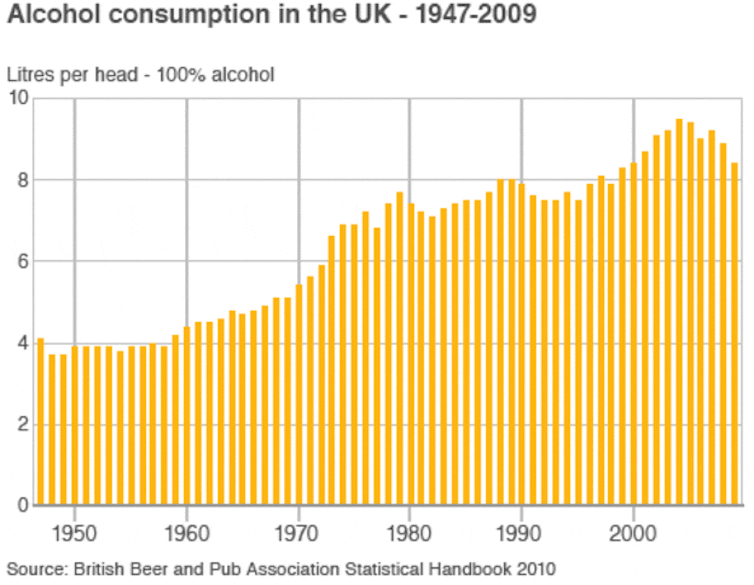
As the long term trend in consumption has risen, so has the number of people developing alcohol-related health problems. Since 2009 there has been a 44% increase in those aged 50 and over accessing alcohol treatment.

More generally, alcohol costs every tax payer £120 a year through the one million annual hospital admissions attributable to its use.

If we discovered alcohol today, we would restrict and criminalize its use in the same way we have for drugs such as heroin. Objective examination of harms associated with 20 of the most commonly used legal and illegal drugs ranked alcohol as the most dangerous.

More Harm Than Good?

For people who have developed a dependency on alcohol, abstaining can produce a rebound effect. As a person experiences withdrawal symptoms such as anxiety, sleep disruption and restlessness — paradoxically the very things that many people find alcohol helps them overcome in the short term. This rebound effect could lead to more serious implications for heavy drinkers such as seizures and hallucinations. For this group Dry January may not be the right thing to do as it could cause more harm than good.

The consistent advice from the U.K. government is to have two dry days a week.The ConversationGuidance about alcohol has been difficult to communicate and there is generally confusion about safe levels of consumption. Dry January might add to such confusion giving the message that a month of abstinence does away with the need for regular breaks from drinking.

Ian Hamilton is a lecturer in mental health at the University of York. This article was originally published on The Conversation

5 Important Cannabis Discoveries Of 2019

0

2019 was a big year for cannabis. Here are some of the most important findings that researchers discovered.

Thanks to an evolving perspective on cannabis, every year there’s more we know about the plant. In the short span of time that followed weed’s legalization in several U.S. states, scientists and researchers have found the plant full of potential for a variety of medical conditions and even some ecological concerns.

Here are five of the most important cannabis discoveries researchers made during 2019. Although on paper these studies are very promising, keep in mind that more research is necessary and that the findings are preliminary.

Bees love male hemp flowers

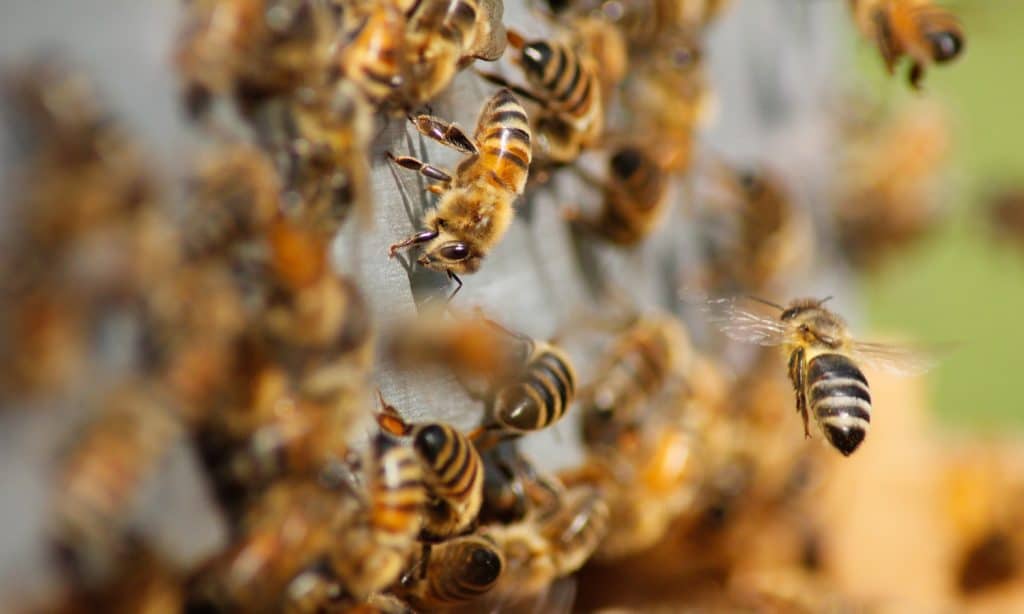
A study published this month in Environmental Entomology says that bees flock towards male hemp flowers due to unknown reasons. The study says that the greater the area covered by hemp, the greater amount of bees it attracted.

RELATED: Relationship Between Bees And Hemp Might Surprise You

Interestingly enough, the cannabis plant does not produce nectar or feature bright colors, traits that are normally what attract bees in the first place. No one knows why bees are so attracted to these plants, but this finding is intriguing because, if understood, it could influence pollination dynamics and the way in which we manage crops.

The Relationship Between Bees and Marijuana Might Surprise You
Photo by Damien TUPINIER via Unsplash

Flavonoids in cannabis are potent painkillers

Despite the praise thrown at CBD and THC, researchers discovered that cannabis’s most potent painkiller capability lies within its flavonoids, which are the chemicals present in all fruits and veggies and responsible for their color. An August 2019 study, published in the journal Phytochemistry, found that cannflavins A and B, which are only found in cannabis plants, are expected to be 30 times more potent than aspirin. These findings could alter our understanding of cannabis as pain management tool and widen the scope of cannabis research.

5 Predictions For The Cannabis Industry In 2020
Photo by FatCamera/Getty Images

Our genes might explain why we experience different highs

Some of the questions that have always plagued marijuana use is why it hits differently depending on the person, why some find it euphoric and motivating and others find it anxiety inducing. A couple of studies from 2019 suggest that our genes have something to do with it.

RELATED: Marijuana Makes You Paranoid? Study Suggests Your Genes Are To Blame

An April 2019 study, published in the International Journal of Molecular Sciences, found that some people are born with mutant CB receptors, thus influencing the way in which their bodies interact with THC, CBD and more. While one person might feel a sense of euphoria from a strain of marijuana, another one smoking the same strain might experience couch lock.

CBD for childhood autism

A January 2019 study, published in the journal Frontiers in Pharmacology, shows that cannabis could provide treatment for pediatric cases of autism. In it, 53 young patients with a median age of 11 showed relief in hyperactivity symptoms, rage attacks, anxiety and self harm behaviors when administered with daily doses of THC and CBD.

Could CBD Help With Weight Loss?
Photo by MysteryShot/Getty Images

Cannabis does not shrink brains

A February 2019 study, published in the journal Neuropsychopharmacology, featuring a sample size of over 700 teens showed that there were no significant differences between the brains of cannabis users and non-users, putting to rest the rumors that cannabis affects brain development and growth.

“There were no significant differences by cannabis group in global or regional brain volumes, cortical thickness, or gray matter density, and no significant group by age interactions were found,” concludes the study.

4 Items You Should Toss From Your Pantry Before 2020

Your pantry could use a New Year’s cleaning. Here are 4 items you should consider throwing out.

There are pantry staples that we rarely consider throwing out, things like flours, teas, coffee beans, vinegars and oils. However, these things all have expiration dates and may need to be discarded before they run out. Just because you haven’t used that giant jar of natural peanut butter doesn’t mean it’s still good.

Lisa Ruff, director of the organizational company Neat Method, told Huffington Post that  pantries should be cleaned thoroughly at least twice a year. “Pull everything out. You never know what may be hidden in the back of a shelf. Then look at the expiration dates and compost anything that’s expired,” she said.

It’s not easy being told that all grains should be periodically inspected since they can be infected with moths, and that they should be removed from their original container and transferred into someplace airtight if you hope to keep them stuffed in the dark for over a year.

RELATED: So You Got CBD For Christmas, Now What?

Here are some items you should inspect before the end of the year and what you can do to extend their shelf life for as long as possible:

Flours

Flours have a super long shelf life, and can last over two years when properly cared for. The catch is that most of the time they get spoiled due to contamination, making them taste and smell awful. What a way to ruin some cupcakes.

In order to extend the shelf life of your flours, store them in a cool and dry place and transfer them to an airtight container. Write down their expiration date so you can keep an eye on them. Add a bay leaf to the package if you’re feeling particularly crafty, thus repelling insects and other types of pests.

Here Are 4 Items You Should Throw Out Of Your Pantry Before The End Of The Year
Photo by Kaboompics .com via Pexels

Teas

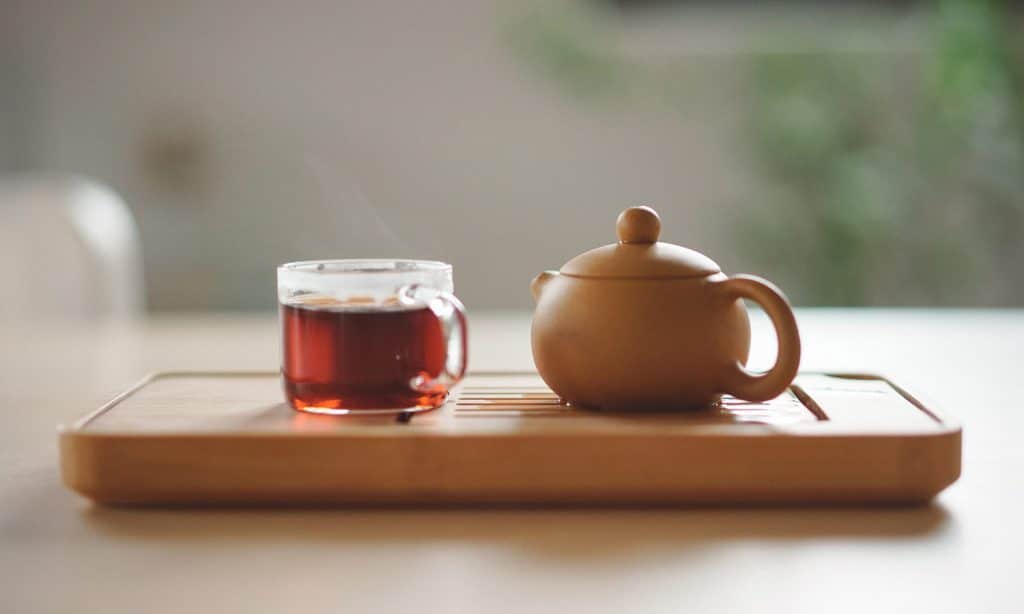
As with flour, store your teas in a dry place, away from direct sunlight. You can also transfer them to an airtight container, preventing contamination and ensuring they receive as little air as possible. Try to stock up on small amounts of tea, that way you’re forced to switch them out periodically.

tea staycation
Photo by Manki Kim via Unsplash

Oils

There’s a wide variety of oils, with large parts of them having a long shelf life for over a year. But many oils that are popular nowadays, like sesame, avocado and grape seed, have shorter shelf lives. Keep them in a visible area and taste and smell them before using, especially once you’ve had them for some months.

RELATED: 5 Ways To Relieve Holiday Stress

Here Are 4 Items You Should Throw Out Of Your Pantry Before The End Of The Year
Photo by jonathan ocampo via Unsplash

Canned goods

Canned foods are what people eat during the apocalypse, meaning that they have the longest shelf life of all. Still, they still get spoiled. High acidity canned goods, like tomatoes, jams and fruits, last 18 months. Low acidity foods can last for longer periods of time, up to five years when properly stored.

Here Are 4 Items You Should Throw Out Of Your Pantry Before The End Of The Year
Photo by Calle Macarone via Unsplash

Questions About Champagne You Always Wanted Answered

It is the champagne season and people are enjoying the fizzy treat!  But what do you know about this nose-tickling delight?

In 2022, 326 million bottles of Champagne were shipped globally. The US cemented its status as the top export market for Champagne as sales soared by 19.4% in 2022. Producers sold 33.72 million bottles in the US market throughout the year, according to new figures released today (6th April) by the Comité Champagne.

“Champagne, as the supreme wine of celebrations, has been the natural choice of the world’s consumers as they rejoiced at the end of lockdowns and rediscovered a taste for parties, for going out and for traveling.” added David Chatillon, president of the Union des Maisons de Champagne and co-president of the Comité Champagne.

Where Do The Bubbles Come From?

Assuming you’re looking at a decent bottle of sparkling, the answer is simple: fermentation. There are several different methods for trapping the carbonation, which I’ll explain below, but in all cases the carbon dioxide is a byproduct of fermentation. Only in really cheap sparkling wines will you find artificial carbonation, and those are wines to avoid.

What Is Champagne?

A place, and a way of making wine. The place is in northeastern France, and is the only region in the world legally permitted to label their wine “Champagne.” The method involves making a still wine (or many of them and then blending them), bottling it, and adding more sugar and yeast.

Champagne alternatives
Photo by RondellMelling via Pixabay

RELATED: Why You Should Skip Those Online Wine Clubs 

This second fermentation happens in a closed bottle, meaning the carbon dioxide stays trapped until you open it. This method is now used around the world, and is more commonly called the “traditional method,” or “method traditionelle.”

Wait, What Else Do They Do?

Well, there’s this thing called the Charmat method, where larger vessels are used for secondary fermentation, and then the wine is bottled. This is how most Prosecco and Lambrusco is made, which is why it typically those are slightly less carbonated than most other sparkling wines. The other method involves bottling the wine before the initial fermentation has finished, resulting in a mildly effervescent wine typically called “petillant naturel,” or pet nat if you’re feeling frisky.

What Are Some Wines To Look For?

To start with, Champagne! There’s a dizzying range of styles and terms to know in the region, but there are very few bad Champagnes out there. That said, you will definitely pay more for these wines than most other sparklers, so keep that in mind. If value is a consideration, Cremant is a great term to look for: it’s reserved for wines from France that are made in the “traditional method,” just not in Champagne itself.

RELATED: Why You Should Be Ordering Bottles Of Wine 

Cava, especially at the Reserva and Gran Reserva level, can also be a great option. Prosecco can really run the gamut from cheap and banal to less cheap and really tasty, so it’s harder to offer a blanket statement.

So, I Should Get Out My Flutes?

No! Champagne flutes are only good for one thing, and that’s showing off the bubbles. Just use a regular old wine glass, and you’ll actually be able to smell the wine, which is part of the appeal. Plus, you can fit a whole lot more wine in those glasses.

Sparkling wine, be it Champagne or otherwise, is one of the most amazing and versatile wines on the planet. Try having a bottle with dinner the next time you dine out or cook at home, and you’ll be amazed at just how well it pairs with almost anything you throw at it. Cheers!

Why Enforcement Is Not The Best Way To Combat The Illicit Market

0

It seems that California is following the traditional path of other states with regulated cannabis markets and stepping up enforcement.

It’s no secret that California’s illicit cannabis market is alive and well; a recent audit showed that there are nearly 3,000 unlawful cannabis businesses in the Golden State. A few months ago, I wrote a post offering a few suggestions on how the state could combat the problem of illicit cannabis, and I am not the only one who has made these suggestions.

Until very recently, it did not look like the state was taking serious action to do any of the things that I or others have suggested to combat the illicit market (in fact, the state recently announced tax hikes for cannabis which will just raise the price of legal cannabis and drive sales towards the illicit market). It seems now, however, that the state is following the traditional path of other states with regulated cannabis markets and stepping up enforcement.

Earlier this month, for example, the Bureau of Cannabis Control (“BCC”) and Los Angeles officials raided 24 allegedly unlicensed businesses in Los Angeles. This follows on the heels of the BCC mailing hundreds of notice letters to landlords of allegedly unlawful cannabis businesses across the state informing them that they could be subject to criminal and civil liability. This kind of enforcement activity is a major uptick in comparison to what the BCC had previously done. Up until recently, the BCC had only sporadically raided and shut down allegedly unlawful operators.

The BCC is not the only agency that has begun ramping up enforcement. On December 13, the California Attorney General, on behalf of the California Department of Food and Agriculture (“CDFA”), sued a number of persons and entities, claiming that they had cultivated and processed cannabis without licenses. That lawsuit claims that the defendants are liable for civil penalties of up to three times the amount of the CDFA’s nearly $10,000 license fee per violation, which could be a massive penalty.

RELATED: Op-Ed: California’s Thriving Illicit Market Leading To More Crime

The penalties that the state can seek are no joke. Under state law, the California cannabis agencies are entitled to seek penalties of up to $30,000 per day/violation for unlicensed commercial cannabis activity. Anyone can do this math. Being in the illicit market is beyond a major risk, especially now that the government is doing something about it. Just consider how many days it takes to get from seed to harvest, and this fine could get into the millions very quickly. In fact, Stanislaus County recently made the news by implementing a $1,000 per plant, per day penalty, which according to one source could amount to $90 million for a 3,000 plant unlicensed grow over 30 days.

Photo by casey via rawpixel.com

The enforcement trend is only going to increase. Just take a look at Washington, a state with a much more mature regulated recreational cannabis market. Any of our Washington cannabis lawyers will tell you that as the agencies became more sophisticated, they moved from compliance to enforcement (in fact, Washington went so full-in with enforcement that its legislators had to force the cannabis agency to focus its attention back on compliance by way of legislation).

RELATED: Green Rush Blues: Why The Illicit Market Will Thrive In California

In my opinion, enforcement is not the best way to combat the illicit market. No matter how high the penalties are, there will always be people who are willing to “risk it” and ignore the law. Prohibition never stopped many people from selling cannabis. The big difference between prohibition and enforcement, however, is that enforcement still leaves open the possibility that there is a regulated (yet very complicated and expensive) pathway to selling cannabis. But if the government really wants to eliminate the illicit market in California, lower taxes, lesser regulations, and expanded access to cannabis are a pretty good starting point.

Griffen Thorne is an attorney at Harris Bricken. This article originally appeared on the Canna Law Blog

Cannabis Arrests Significantly Drop In Illinois Ahead Of Legalization

Police department data shows that marijuana-related arrests have decreased significantly over the past couple of years.

The decriminalization of marijuana and an evolving perspective on the drug could be responsible for a significant drop in arrests in some of Illinois’ largest suburbs.

The Aurora Beacon News reports that marijuana-related crimes in the state dropped by a range of 63 to 80 percent from the years of 2015 to 2018, with numbers suggesting that the drop will continue on to 2019.

Although recreational marijuana was legalized in Illinois earlier this year, the measure will become effective January 1, 2020. This change has caused police officers to reduce the number of arrests made for cannabis possession and manufacture ahead of time. One factor that was also instrumental to this decrease in marijuana related arrests was a law introduced in 2016, which prompted officers to issue citations over arrests when encountering people carrying small amounts of marijuana.

RELATED: Illinois To Become The 11th State To Legalize Recreational Marijuana

FBI Data Shows Marijuana Arrests Increases For Third Straight Year
Photo by jirkaejc/Getty Images

It also helps that law enforcers and the general population’s opinions have shifted regarding marijuana. “We arrest somebody for marijuana, and the courts just throw it out because they look at it as just a real minor offense,” says Steven Stelter, president of the Illinois Association of Chiefs of Police. “The real mindset is, what’s the big deal?”

RELATED: Illinois Pot Offenders: How To Get Your Marijuana Offense Wiped Clean

According to police department data, some of the communities that experienced this drop, such as Aurora, Naperville, Elgin, Joliet and Waukegan, were some of the most affected by cannabis arrests in the past. These cities are also among the most populated areas of the state.

Don’t Believe Most Of What You Read About CBD Laws Online

There can be some pretty severe consequences for Hemp CBD businesses that rely on what they read after a five-minute Google search to make big-picture business decisions.

When it comes to hemp-derived CBD (“Hemp CBD”), the best advice we can give is not to trust most of what’s out there on the internet. No, I am not talking about the claims of medical benefits for Hemp CBD (which could be the subject of its own entire post), but rather about whether or not Hemp CBD is legal.

As I write this post, the 2018 Farm Bill is just over a year old. Generally, when such a significant law has been on the books for about a year, it’s easy to find reliable and accurate information about that law online. But for whatever reason, there is still so much inaccurate information about Hemp CBD online in the wake of the 2018 Farm Bill.

For example, anyone who does a Google search for “Is CBD legal in X state” will likely see numerous sources that claim that CBD is completely legal, or at least fail to address critical legal nuances that may clearly bar one class of products (such as Hemp CBD foods) while leaving others in a gray area (such as cosmetics). A person can even find websites making claims that Hemp CBD is lawful in states like California that have made clear since months before the 2018 Farm Bill was passed that certain Hemp CBD products are not lawful.

RELATED: Social Media Bans On CBD Ads Make No Sense

Many dubious sources also ignore the FDA’s long-stated position that some Hemp CBD products are not lawful. I still even hear, on a semi-regular basis, people say that “I read online that the 2018 Farm Bill legalized all Hemp CBD products, right?” (If you couldn’t guess where I was going with this, the answer is no.) The persistence is remarkable.

5 Google Search Hacks That Will Make You Ruler Of The World
Photo by 377053 via Pixabay

I can’t comment on the reason why there is so much incorrect information about Hemp CBD online. But I can say that there can be some pretty severe consequences for Hemp CBD businesses who rely on what they read after a five-minute Google search to make big-picture business decisions. On numerous occasions, our Hemp CBD lawyers have spoken with business owners who have done just that, and in some cases have invested a lot of money into proposed ventures that need to be completely scrapped or at least heavily retooled.

RELATED: Where Do Federal Agencies Stand On CBD?

The moral of the story is that businesses need to do their homework before jumping into the Hemp CBD game. It’s not always easy to do tons of up-front work in an industry that is so rapidly evolving and when getting in first can mean more success. But doing the leg work up front can often mean the difference between being on the FDA or some state agency’s short list for an enforcement action, or operating without avoidable problems.

While Google can be a valuable starting point in many industries, it should not be the only source that Hemp CBD businesses should look to when developing products or strategies.

Griffen Thorne is an attorney at Harris Bricken. This article originally appeared on the Canna Law Blog

Pete Buttigieg Says Incarceration Is Not The Answer To Drug Possession

0

As an alternative to incarceration, Buttigieg proposed diversion programs, saying the benefits are higher rates of rehabilitation, no incarceration costs and no harm to people being separated from their family.

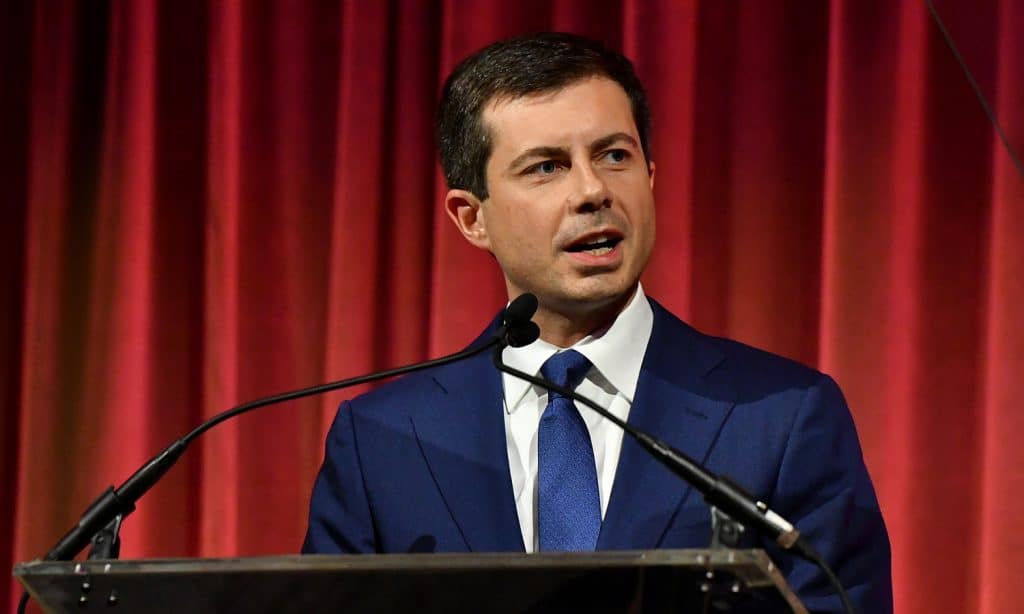
Democratic presidential candidate and South Bend, Indiana Mayor Pete Buttigieg is on the record as saying incarceration should not be the response to simple drug possession.

He disclosed the viewpoint in an interview with the Des Moines Register last week.

When asked if he is referring to various drugs such as methamphetamine, cocaine or ecstasy, the politician and Navy Reserve veteran said yes, adding: “that doesn’t mean legalization of everything.”

He gave the example of synthetic marijuana, which he said receives “dramatically less” attention than some other forms of addiction.

RELATED: Pete Buttigieg Admits Marijuana Use, Calls For Legalization Nationwide

The mayor said he witnessed an overdose and is “very much alive to the harm that drug use can cause,” but is also aware that substances as harmful as “rat poison sprayed onto grass” are being sold in some cases.

“You’d be much better off with real marijuana.”

Pete Buttigieg Admits Marijuana Use, Calls For Legalization Nationwide
Photo by Craig Barritt/Stringer/Getty Images

“The idea that you can criminalize addiction, or the idea that incarceration is the right way to handle possession I think has been disproven by the American experience over the course of my lifetime.”

As an alternative to incarceration, Buttigieg proposed diversion programs, saying the benefits are higher rates of rehabilitation, no incarceration costs and no harm to people being separated from their family, loved ones or any supporting group they need the most.

Buttigieg’s official campaign webpage states the following on the topic of criminal justice reform:

“Eliminate incarceration for drug possession, reduce sentences for other drug offenses and apply these reductions retroactively, legalize marijuana, and expunge past convictions.”

This article originally appeared on Benzinga.

8 Little-Known Facts About Marijuana You Need

0

For all the progress that the cannabis industry has made, the marijuana plant remains very mysterious. Here are some facts you should know about the plant.

Marijuana is a plant with multiple purposes, ranging from the medicinal to recreational. While we’re at a moment where we know more about the herb than ever, it still remains a little on the mysterious side. We know it’s powerful, but we’re still not sure why it produces such a wide variety of effects on your body.

We’ve gathered some of the most random, but also super interesting facts about marijuana, because you can never be too informed or educated on the subject.

Mysterious Origins

When we think about the birthplace of marijuana, the Love Generation of the 1960s likely comes to mind, but the herb has been around for much longer. The 60s were simply the decade when the drug acquired some popularity.

A Marijuana Compound Responsible For Flavor & Smell Might Help Treat Pancreatic Cancer
Photo by Bloomberg Creative Photos/Getty Images

RELATED: What We Can Learn About Cannabis From Chinese Medicine

At the Drug Enforcement Administration Museum in Arlington, Virginia it’s stated that the first time the use of cannabis was recorded was in China in 2727 B.C., when the Emperor Shen Nung discovered it and began to use it medically. Some people argue that Nung wasn’t the emperor of China during that time period, claiming that the true emperor was Qin Shi Huang.  

Hemp Vs. THC

Industrial hemp plants and marijuana plants are very confusing and a lot of people (including cops) don’t know the difference between the two. Hemp and marijuana come from the same plant, cannabis sativa, but their cannabinoid content varies greatly. THC is present in marijuana and is responsible for giving you that feeling of being “high”. Hemp plants have none of that and that’s why they’re no fun to consume. They do contain a lot of CDB, which is another cannabinoid that has some great properties. 

Multiple Uses For Hemp

Hemp can be used for many things, like rope, clothes, shoes and even technology. One of the oddest uses of a hemp rope was for transporting giant pieces of stone, specifically the ones that make up the humongous Easter Island statues.

Photo by chrisbeez via Pixabay

RELATED: 5 Uses For Hemp Besides CBD Oil

Some people theorized that aliens had to have helped out in the creation of these statues due to how big they were and how limited our technology was during that time period.

Nope, no aliens, just marijuana.

Marijuana In The Air

A study from 2012 discovered that there are trace amounts of marijuana in the air in seven different Italian cities. These levels of marijuana were too low to produce any effects on humans, so tourists don’t have to worry about getting accidentally high while taking in the sites. Shame.

Gender Differences

Recent studies have discovered that marijuana can affect men and women in different ways. Research on rats conducted on 2011 discovered that female rats felt more of a painkilling effect than male rats when consuming marijuana. These females were also more more likely to develop a tolerance for the herb.

You Won't Guess Which Canadians Are The Biggest Marijuana Users
Photo by LordHenriVoton/Getty Images

RELATED: 5 Weird Ways In Which Marijuana Affects Men And Women Differently

Estrogen seems to be the cause for this weird discovery considering that female rats were more sensitive to cannabis when ovulating.

Marijuana Addiction

Over time, heavy marijuana users can become very dependent on the herb, feeling sick and uncomfortable when not consuming the drug. Scientists have discovered several variables that suggest that this dependency may be related to genetic reasons, leaving some people more vulnerable than others due to their DNA. These variables are not causal; they simply exist and will definitely lead to future research and exploration on the subject.  

Consumption Methods

The legalization of the herb and its acceptance throughout different states suggests that soon we’ll be discovering new methods when it comes to consuming marijuana. A study conducted on 2,800 people found that consumers who come from states where the herb is legal have consumed marijuana in different ways, be that through vaping or edibles.

RELATED: 7 Ways To Consume Cannabis You’ve Probably Never Heard Of

Photo by contrastaddict/Getty Images

Stoner Shakespeare

In 2001, an anthropologist found remnants of marijuana on a pipe that was found on the presumed residence of William Shakespeare. Are we really that surprised?

Can Beer Yeast Be Used To Create THC And CBD?

0

Here’s why researchers are going through the trouble of creating THC and CBD from yeast when these chemicals are naturally available in the cannabis plant.

Science has a way, from time to time, of stepping outside the realm of the sane and possible and wallowing around inside dark territories that can only be called, as the kids might say, WTF moments.

Last year, it was head transplants pushing the limits of our medical potential, and now researchers say they have managed to create the cannabis compounds CBD and THC from the building block of bread and beer. Apparently, yeast is all we ever needed to produce the effects of marijuana. And if you just found yourself thinking holy cow, this is a brave new world, we are right there with you!

In a paper published earlier this year in the journal Nature, scientists explain the process in which they are using yeasts to manufacture cannabis compounds. These test tube shenanigans are being conducted more as a way for scientists to gain a better understanding of THC and CBD rather than a means for bypassing the cannabis plant in one’s quest for buzz or therapeutic benefits.

How does this work? It’s complicated, so try to keep up. Scientists essentially load hacked beer yeasts with the genes of a cannabis plant, which turn into CBGA, which then become either THCA or CBDA. Once these compounds are exposed to a heat source, they magically transform into THC and CBD.

RELATED: I Used A Decarboxylator To Make Weed Beer And It Was Amazing

Get it? Yeah, admittedly, the scientific mumble jumble behind this process sort of catapulted us back to the days when we were struggling to pass Chemistry class. It’s the reason we went on to become writers and not, well, mad scientists earning their livings morphing yeast in pot parts.

Brewers File Patent To Produce Beer Made Entirely From Marijuana
Photo by Erik Wieder/EyeEm/Getty Images

So, if all researchers are trying to do is study cannabinoids, why are they going through the trouble of creating THC and CBD from yeast when these chemicals are naturally available in the cannabis plant? Well, they say the creation of alternative cannabinoids is necessary because working with the plant itself is difficult. There is the growing process — and they don’t have time for that — and don’t get them started on the hassles involved with extracting the compounds from the plant. It is just easier and more efficient for them to create THC and CBD in a laboratory setting.

Another benefit to using yeast to produce cannabis compounds is it allows scientists more control. Extracting these chemicals from the flower creates a situation where it’s possible for CBD to be tainted with THC and vice versa. In order to properly study THC and CBD, researchers need to have flexibility. How else are researchers ever going to learn whether CBD is the all healing, rockstar compound that it has been made out to be?

“Being able to produce that [CBD] in a way that’s uncontaminated with THC is a pretty valuable thing,” UC Berkeley chemical engineer Jay Keasling, one of the study authors, told Wired.

However, comparing this process to head transplants is a bit of a stretch.

RELATED: What You Need To Know About The Healing Benefits Of Marijuana’s CBG

Researchers admit that what they are doing in the lab isn’t much different from what is actually happening with raw marijuana. Eating buds straight off a cannabis plant it isn’t going to do much more than leave a weird aftertaste in your mouth (don’t ask us how we know that). That’s because THC, the stoner component, isn’t generated until after the raw flower (containing mostly THCA) is exposed to heat. This is called decarboxylation. It’s interesting science, but nothing as fascinating as the Frankenstein madness of attaching heads to another body.

Researchers say the bioengineered cannabinoids they are creating from yeast are precisely the same as those found in cannabis. To that end, they believe the yeast technique could be the future of marijuana research.

Don't Miss Your Weekly Dose of The Fresh Toast.

Stay informed with exclusive news briefs delivered directly to your inbox every Friday.

We respect your privacy. Unsubscribe anytime.