There are some potential drawbacks to using weed while gaming, namely the decrease in linear motor response and a slowing in the perception of time.
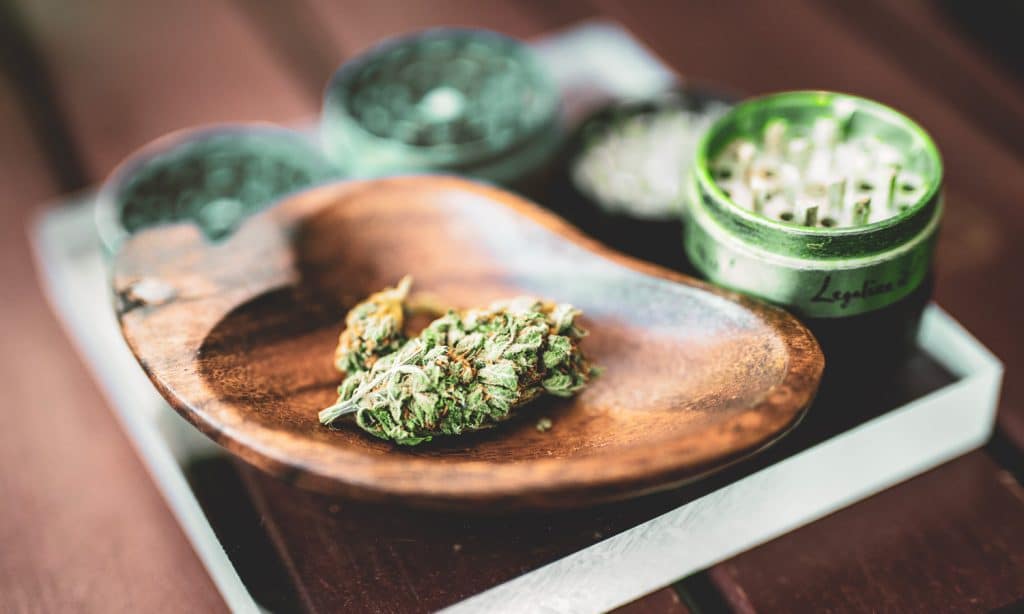
For many, cannabis and video games is as inspired a combination as peanut butter and chocolate. While many devotees of both swear marijuana boosts their gaming performance, so far the emerging science is mixed. Weed might actually improve certain performance factors, but may also decrease others.
The common stereotype is that smoking weed turns people into human sloths, content to snack on junk food and stare at cartoons on the TV. Some research suggests that cannabis consumption improves focus and cognitive performance, attributes that are critical in the competitive gaming space.
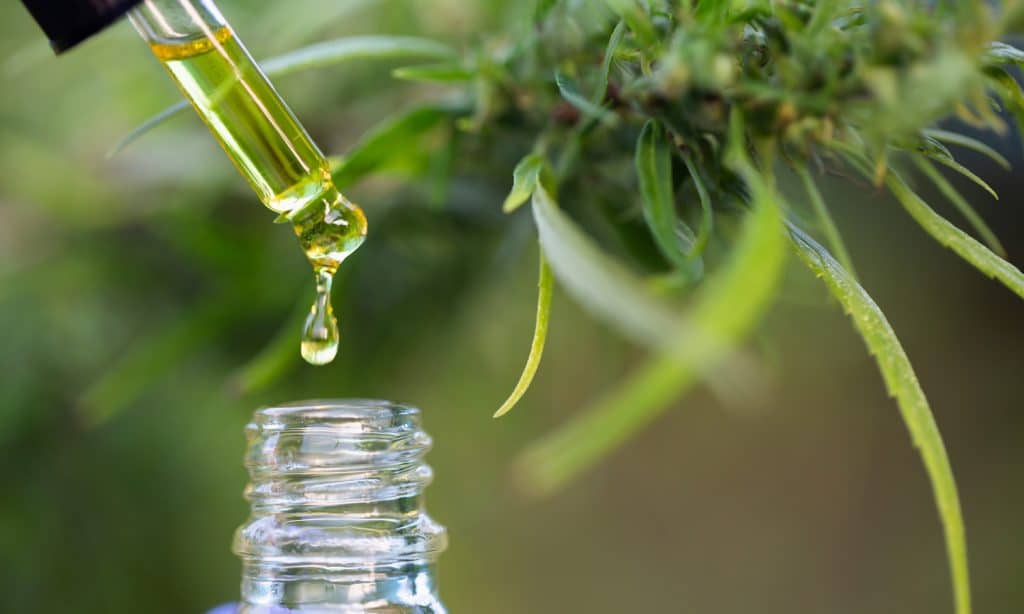
CBD is commonly associated with a decrease in pain and inflammation, conditions that can be brought about by long periods of gaming, and can seriously impair performance. CBD’s calming effect can also contribute to improved gaming, improving situational awareness and decision-making.
There are some potential drawbacks to using weed while gaming, namely the decrease in linear motor response and a slowing in the perception of time. Some studies suggest that the decrease in fine motor skills continues to increase in consumption while the desired effects plateau at some point. Real world effects vary by individual and some studies used unrealistic consumption scenarios such as administering THC-only doses intravenously.
For some of the world’s top gamers, access to medicinal or recreational marijuana is limited, especially in regions such as Asia, the nexus of pro gaming. Recreational cannabis is available in popular US states, such as California, however, where esports is also popular and home to game developers, dedicated arenas, and pros.
While cannabis is legal throughout Canada, the esports scene is still ramping up, but showing potential, with Canadian pro gamers such as Quebecer Stéphanie Harvey and teams such as Toronto Defiant as part of the esports scene internationally.
Amsterdam is known for its renowned canals, unique architecture, cannabis coffee shops, and the red-light district. Overall, it’s more of a liberal city than people may think.
For several decades, Amsterdam has been a widely-visited Dutch city that’s been at the forefront of successful cannabis coffee shops. Although these coffee shops have similarities to American cannabis dispensaries, there are some aspects that could be incorporated into the U.S. cannabis model. Here’s how.
Background Of Amsterdam’s Cannabis Coffee Shops
Although different U.S. states have implemented their own cannabis programs over the years, the U.S. federal government classifies cannabis as a Schedule I illegal substance. Whereas, in Holland, cannabis legislation is set up very differently. Their classification of cannabis is somewhat similar. However, Holland’s legalization approach went into a different direction. In particular, Dutch law can be quite practical, which is different than that of many other countries.
In the early 1970s, Dutch lawmakers realized that a drug-free society would turn out to be a complete utopia or dreamland. Therefore, the country’s government decided to develop the “Tolerance Policy” with the intention of attempting to overcome the negative affect that prohibition would have on Dutch society. From this point, the sale and consumption of cannabis within the grounds of licensed coffee shops and cafes turned into a reality.
In the Netherlands, the transaction of small quantities of cannabis are allowed, whereas, the mass production of cannabis continues to be forbidden in addition to punishable by the full extent of Dutch law. Overall, though, the Netherlands is known as one of the few destinations in the westernized world in which cannabis consumption has been decriminalized.
Amsterdam — Cannabis Capital Of The World
Moreover, Amsterdam’s first coffee shops opened in 1975, which made them a symbol of cannabis culture. This Dutch city is also the home of the first High Times cannabis cup. In addition, Amsterdam has become a center/hub for cannabis enthusiasts to visit at least once during their life. For those who wish to experience Amsterdam’s historic cannabis coffee shops and cafes and the well-known cannabis scene, there’s opportunities to do so without fearing of getting arrested or paying steep fines.
In Amsterdam, cannabis consumers can sample different world-class strains in addition to experiencing guided expeditions throughout the country’s cannabis production process from the beginning stages of growing to harvesting.
Dutch Cannabis Tourism Vs. U.S. Cannabis Tourism
Currently, the American cannabis-oriented tourist hub is still far away from the successful Dutch model. It’s unlikely that the U.S. would make changes to their cannabis tourism industry that’d replace Amsterdam as the world’s cannabis hub. This is the case because of one primary reason, which is that the Dutch were there first, and they stamped their cannabis presence into the ground long before other countries did.
In your opinion, what makes tourism so intriguing? For one, tourism is all about traveling to new locations that are different from what one’s home has to offer. Travelers can also experience a different culture and people, new ways of life, and places they’ve never been before. For as long as Amsterdam’s cannabis tourism industry existed, it has thrived. However, once cannabis legalization grows to become an even larger worldwide marvel, the uniqueness of international cannabis tourism could lessen. In other words, why would people travel overseas to purchase and experience something that they could find near their home?
In the future, cannabis tourism will most likely shift to mostly domestic rather than international traveling, but this won’t happen tomorrow. Cannabis legalization efforts are growing in other countries, but the pace is slow and steady.
Photo by Flickr user Dominic Milton Trott
Differences Between Amsterdam Coffee Shops & U.S. Cannabis Dispensaries
Although Amsterdam coffee shops and U.S. dispensaries both sell goods to consumers, the settings of these two locales are quite different. For example, customers can expect to receive cannabis menus from bartenders at Amsterdam coffee shops alongside a lingering aroma of different cannabis strains being lit up. Whereas, in dispensaries, customers are greeted by budtenders, who are normally behind a counter, and they’re presented with a cannabis menu too.
However, one key difference between Amsterdam’s coffee shops and cannabis dispensaries consists of the consumer experience they provide. At coffee shops, individuals undergo a combined consumer experience with kind intentions and assistance from the purchasing stage to the munchies stage. While, dispensaries focus on helping customers get the cannabis products they’re looking for, and then, they send them on their way.
Also, the aromas of Amsterdam coffee shops and cannabis dispensaries are dissimilar mostly because consumers can light up in Dutch coffee shops, which isn’t allowed in U.S. dispensaries.
Trending On-Site Cannabis Consumption
Overall, Dutch legislation regarding cannabis consumption is relatively flexible. This is mostly the case because the law’s intention is to regulate people who are allowed to sell cannabis rather than where consumers are allowed to light up. This turned into the beginning of many smoke-friendly bars that have opened near several established coffee shops.
Although tobacco can be openly consumed in many public places, this has spread to cannabis consumption in Holland as well. In the U.S., some California dispensaries have attained a legal on-site cannabis consumption permit in Los Angeles and San Francisco. Then, in Canada, there has been an increase in BYOC (bring your own cannabis) in their vapor-lounge scene, which continues to grow. Although there are few public places in which individuals can openly consume cannabis in the U.S. and Canada, this is slowly changing.
All in all, U.S. cannabis dispensaries and America’s cannabis tourism industry can learn a lot from the Dutch cannabis model. In the future, Amsterdam’s cannabis industry will continue to be known as well-developed and established, and due to its historic background, it’s likely that people will still travel there even when cannabis legalization efforts evolve further in North America.
This week we highlight HAIM’s great new song, Jhené Aiko, who’s always in top form, and a sort of light song from Grimes.
This Week’s Music is a weekly column that discusses the weeks’ best, worst, and most interesting songs. We try to select songs of different artists and genres to keep things interesting and to please a variety of music fans.
This week we highlight new music from HAIM, Jhené Aiko, who’s always in top form, and a sort of light song from Grimes. Have a listen.
Pop
HAIM – Hallelujah
HAIM has always stood out from some of their pop counterparts because they’re a truly a band. Their music has always felt layered and intricate, ever since they released their first record in 2013. Although they’ve always played with people’s perceptions and have had to accept criticisms and belittlement because they’re all girls and siblings, their careful compositions have always been able to speak for themselves. As the band ages, it becomes more clear that they have a large arsenal at their disposal, providing fun and bright songs but also melancholic and thoughtful ones, with plenty of layers in terms of voices and instruments.
Jhené Aiko knows her strengths well, always releasing songs supported by her amazing and distinct vocals and her simple yet clear musical arrangements. It’s hard thinking of an artist that is so well aware of their skills. “None Of Your Concern” is classic Aiko, from the heartbreak to the faintly oceanic sounds. I’d say that Big Sean’s participation diminishes the song’s effect; there’s no need to mess with a foolproof formula.
Electronic
Grimes – So Heavy I Fell Through the Earth
Despite the heavy song title and an even heavier music video where some kind of warrior battles a dragon while a planet burns and freezes in the background (I’m serious), “So Heavy I Fell Through the Earth” is kind of light. At least in terms of sound, the compositions are brighter and much less dour and edgy than some of Grimes’ previous outings. While I tend to lean towards a darker Grimes — even if she scares me — musical records need some balance. Let’s see what the rest of her album has to say once it’s released on February 21.
Research from McGill University in Montreal is the first study to demonstrate that the opioid system in human brains is directly involved in musical enjoyment.
We all know intuitively that the trifecta of sex, drugs and rock ‘n’ roll provides pleasure in most humans. And now a new study proves that the euphoria you experience while enjoying music is triggered by the same brain chemical system that gives humans pleasurable feelings associated with sex and recreational drugs.
The landmark research from McGill University in Montreal is the first study to demonstrate that the opioid system in human brains is directly involved in musical enjoyment.
“This is the first demonstration that the brain’s own opioids are directly involved in musical pleasure,” says cognitive psychologist Daniel Levitin, senior author of the paper.
While previous work by Levitin’s lab and others had used neuroimaging to map areas of the brain that are active during moments of musical pleasure, scientists were able only to infer the involvement of the opioid system.
“The findings, themselves, were what we hypothesized,” Levitin said. “But the anecdotes — the impressions our participants shared with us after the experiment — were fascinating. One said: ‘I know this is my favorite song but it doesn’t feel like it usually does.’ Another: ‘It sounds pretty, but it’s not doing anything for me.’ ”
Photo by Eric Nopanen via Unsplash
Although the neural underpinnings of music cognition have been widely studied in the last 15 years, the study found that relatively little is known about the neurochemical processes underlying musical pleasure. Preliminary studies have shown that both performing and listening to music modulate levels of serotonin, epinepherine, dopamine, oxytocin, and prolactin. Music can reliably induce feelings of pleasure, and indeed, people consistently rank music as among the top ten things in their lives that bring pleasure, above money, food and art.
Aside from the strong findings, the study also suggests that musical therapy may be much more effective than previously known. And musical therapy is not a “new-wave” form of treatment for improving mental health. It is one of many types of therapy.
“The idea of music as a healing influence which could affect health and behavior is as least as old as the writings of Aristotle and Plato. The 20th century discipline began after World War I and World War II when community musicians of all types, both amateur and professional, went to Veterans hospitals around the country to play for the thousands of veterans suffering both physical and emotional trauma from the wars.
Photo by Kelly Sikkema via Unsplash
“The patients’ notable physical and emotional responses to music led the doctors and nurses to request the hiring of musicians by the hospitals. It was soon evident that the hospital musicians needed some prior training before entering the facility and so the demand grew for a college curriculum. The first music therapy degree program in the world, founded at Michigan State University in 1944, celebrated its 50th anniversary in 1994. The American Music Therapy Association was founded in 1998 as a union of the National Association for Music Therapy and the American Association for Music therapy.”
The McGill University study proved to be “the most involved, difficult and Sisyphean task our lab has undertaken in 20 years of research,” according to Levitin. “Anytime you give prescription drugs to college students who don’t need them for health reasons, you have to be very careful to ensure against any possible ill effects.”
Music’s universality and its ability to deeply affect emotions suggest an evolutionary origin, and these recent findings “add to the growing body of evidence for the evolutionary biological substrates of music,” the researchers write.
A recent study provides very interesting data for those of us who grew up hearing that marijuana lowers sperm count and may even cause atrophy or shrinkage of the testicles.
Infertility is big business. Five billion dollars is spent in the U.S. each year towards helping couples conceive a child. More importantly, infertility creates stress and hardship for the approximately 15% of couples who have trouble conceiving.
With an increase in both legal marijuana in the U.S. and consumer usage of the herb, researchers naturally wanted to know if fertility is reduced among couples in which one or both partners consume. The short answer is no.
The study, published in the Journal of Epidemiology and Community Health, found that consuming cannabis did not show itself to affect the probability that a menstrual cycle resulted in pregnancy, otherwise known as fecundability.
The researchers conducted an online survey of over 4,194 women in the United States and Canada and 1,125 of their male partners. Participants were not using birth control nor any fertility treatment at the time. Both women and men participated in a baseline survey, and the female partners continued to submit data every eight weeks for one year. Twelve-percent of the women and 14% of the men reported having used cannabis within the 60 days leading up to the study.
The data showed that, regardless of cannabis use, the chance of getting pregnant was unchanged. It seemed to have no effect. According to the report:
“In this preconception cohort study, there was little overall association between female or male marijuana use and fecundability.”
This is very interesting data for those of us who grew up hearing that marijuana lowers sperm count and may even cause atrophy or shrinkage of the testicles. Testicle shrinkage is a myth that caught the attention of many boys and men in the 1980s, though it has no grounding in fact. The same myth was widely touted about Mountain Dew and Yellow #5 dye.
Now that cannabis is becoming locally legal for many Americans, we can no longer rely on the myths and half-truths that passed for information in the days of full-bore prohibition.
Previous studies have pointed to cannabis as a cause of reduced sperm count and motility, or ability to move. The results of the recent study stand in opposition to studies like one conducted on lab mice in 2010 that showed cannabis reduced sperm cells’ motility as well as the fertility of the male mice.
Photo by Sarah Pflug via Burst
Widely respected MDs like Harvard’s professor emeritus of psychiatry Lester Grinspoon have been very vocal about past studies that point to a connection between cannabis consumption and reduced fertility.
As Grinspoon stated in an interview with WebMD:
“The fact of the matter is people have difficulty accepting the fact that cannabis is one of the least toxic substances known to man,” stated Dr. Grinspoon. “We keep searching with these microscopic lenses for things, but it just doesn’t show.”
So, can we take this new study as the absolute truth? It is probably a bit early for that. Researchers note one of the key limitations of this study is the fact that amount and frequency of cannabis use were not considered. Another consideration is the fact that the majority of citizens living the U.S. and Canada still do not have access to legal cannabis. This fact could be a very rational reason some participants may not want to admit to using the substance.
Funding for follow up studies is bound to be available for follow-up research. Additionally, as more states legalize cannabis and the stigma is further reduced, it should be easier to find even larger groups of couples willing to contribute to this search for knowledge.
Everyone uses their smartphone way too much. Here’s how you can stop.
Smartphone addiction may sound like an exaggeration, something that only bloggers and celebrities are affected by, but then you find yourself reaching for your phone subconsciously and you realize that your will isn’t as strong as you thought it was. It’s no one’s fault. Smartphones are designed to be as enticing as possible, begging for your attention even when their screens are off and there’s nothing going on.
Popular Science reports the average smartphone user unlocks their phone 70 times a day, using it for a couple of minutes and then putting it away. The cycle repeats itself every 10 minutes, leaving us in an endless loop of phone-checking that makes us all look a little crazy. Here are 5 tips to help you quit your smartphone addiction.
Quitting your phone for a couple of days straight may only result in tons of anxiety, so try to take it slow at first, reducing your smartphone intake little by little.
Popular Science recommends setting a timer every 15 minutes, allowing you to check all of your apps and then putting your phone face down somewhere in your line of sight. The fact that your phone is in front of your will reduce your anxiety and, over time, you’ll feel less of a pressing need to check your phone constantly.
Make your phone less attractive
Even though smartphone addiction goes beyond the fact that your phone beeps and it attracts your attention, make sure to turn off all of the notifications you can find.
Photo by rawpixel.com
Popular Science recommends a sort of extreme method to get you to grow bored of checking your social media apps by creating folders for each app and putting them on the last page of your screen. This method will make your phone look clunky, but it’ll make these apps harder to access. You can also delete your social media apps and limit yourself to using the website version.
The busier you are, the less time you’ll have to invest on social media, so try to let go of your phone and watch a TV show, bake a cake, do a sport, all without checking you phone. It won’t be easy, but you’ll feel great afterwards.
Every time you get a notification from Facebook, Twitter, etc., your brain gets a dose of dopamine, which is why it’s so hard to stop. This endless loop of stimulus keeps your brain moving all the time, so it helps to try calming exercises such as meditation, yoga and routine workouts, which are all natural and more consistent sources of dopamine.
Just because you’re trying to use your phone less doesn’t mean your life has to get messy. Instead of keeping notes in your phone, carry around a physical notebook and use a physical calendar. Same goes if you purchase an alarm clock, which might even keep you from scrolling in bed.
A new report commissioned by the state found marijuana legalization to be “slightly positive” for Florida.
Thanks to its white beaches and theme parks, Florida already ranks high as a travel destination for most Americans. But if the state wants to pull more money into its economy, it should legalize marijuana. If voters agree in the 2020 election, legal marijuana would pump $190 million into the state’s economy from taxes and tourism.
That view comes courtesy of a recent financial analysis of the ballot initiative to legalize adult-use cannabis in Florida, reports The Miami New Times. Commissioned by the state, the report determined that introducing legal marijuana to Florida would be “slightly positive” to the economy. It’s worth noting how much of an endorsement that is from the state, as Florida was once a major battlegrounds for the war on drugs.
Perhaps more surprising, that $190 million figures qualifies as a conservative estimate, says Michael Minardi, the Florida attorney behind Regulate Florida, one of three ballot initiatives to end prohibition in the state. Minardi told the New Times he believes the commission used the state’s standard 5-6% tax placed on all sales. For comparison, Colorado taxes marijuana at 15%. If the state followed regulation from other states, the revenue brought into the economy could increase significantly.
Photo by Yarygin/Getty ImagesThe report was slightly down on how that would impact Florida’s budget. Analysts believe it will cost around $1.5 million to establish regulation for the marijuana industry, plus $9.1 million annually to continue running it. While state would offset these costs through licensing fees and taxes, it would only result in 0.1% increase to the budge.
However, Floridians have shown they’re ready for legal weed in the state. Following a slogging bureaucratic battle, medical marijuana patients were allowed access to smokable cannabis flower this March. According to a report from the state Board of Medicine and the Board of Osteopathic Medicine, 128,040 patients order over 1.82 million ounce of cannabis flower during a six-month period. Translated, reports The Miami Herald, that amounts to 113,922 pounds, or 57 tons, of flower.
Weed is great, but it’s not the best companion for high-stress situations.
Marijuana is popular for a reason. Aside from the medicinal value, it’s been a treasured source of excitement for millions of people, primarily because it improves activities that would otherwise be average. Watching a comedy, eating a large meal or completing an intense workout can feel completely different when you’re high. But the reverse is also true. Being high transforms something simple into a highly stressful activity. Take shopping for instance.
Now that Thanksgiving is around the corner and you’ll hopefully get a much needed super long weekend, it can be tempting to light up the minute you’re off work. Sure, you could do that, but it also helps to remind yourself that some activities, like cooking, grocery shopping and Black Friday, are also on the radar.
Here are 5 reasons why shopping while high might not be your brightest idea.
Getting high will give you the munchies, and a grocery store full of junk food is not the place you want to be with when you get the munchies. Your parents might send you out for carrots and you’ll most likely return with everything but carrots. Try to keep the weed to a minimum dosage on these instances, especially since these stores tend to be packed during Thanksgiving week.
Crowded stores can feel crazier
If you’re shopping on Black Friday, you might need to be on top of all of your senses, at least when purchasing the important stuff. Smoking weed before, especially copious amounts, might make you rethink your priorities and decide that you don’t really need that present your dad has been asking for a couple of months. Nope, you’ll get him a scarf instead.
The holiday season is a time of monetary and emotional stress. If you have a large family or tons of friends, you’re going to have to buy a ton of presents. Now it’s not the time to buy random things that might seem cool in the heat of the moment. Stick to a shopping list.
You might feel judged by the cashier
If your cashier is judging you because of your red eyes, they’re probably an idiot, but what if you think they’re judging you and they’re just trying to get through the day like the rest of us? You’ll never know. Being super high can really alter your perceptions of people.
It’ll take you hours to get your shopping done
Photo by Free-Photos via Pixabay
Thanksgiving week is a total collapse in terms of traveling, shopping, family dinners, etc. Don’t you want to get done everything quickly and efficiently, especially when there’s hundreds of people trying to get the same thing you’re buying?
Don’t stare at Tucker Carlson’s latest marijuana hot take too long, or it might blind you with its idiocy.
Is Tucker Carlson is more focused on making news or making memes. The Fox News host has now made it his express mission to deliver the hottest takes imaginable when it comes to marijuana. So hot that, like the sun, to stare at them too long will cause you to go blind.
Following the recent Democratic presidential debates, Carlson pinpointed why many candidates now support marijuana legalization at the federal level. It has nothing to do with marijuana as a medicine, or reversing the damage done by the war on drugs. Nope, Carlson believes Dems want you high all the time, so you don’t realize how poor you are.
Tucker Carlson says Dems support marijuana legalization because they want you to be too high to know you have student loan debt pic.twitter.com/PDrRSQBkQM
“When you’ve shafted young people so completely that they can’t even buy cars, because they’re so deeply in debt to colleges that fund your campaign, which is what happens, you want them to be as high as possible,” Carlson said. “That way they don’t even know how badly you screwed them.”
Carlson, by the way, took a similar stance when Congress passed the SAFE Banking Act earlier this year. Lawmakers didn’t pass the bill because they wanted to give small marijuana business and corporations the same advantages and loans other small businesses and corporations use to create profit in America. Nope. They approved the legislation because they “want you to be dumb” from smoking weed.
Furthermore, Carlson blamed America’s recent mass shootings on marijuana legalization as well, trying to link smoking marijuana with mass acts of senseless violence. It makes you question if Carlson might be high himself when he says things like this.
This week’s meme takes something historic and gives it a comedic twist.
This week’s most prominent meme is goes further than your average screenshot superimposed to a funny and fitting situation. “Gonna tell my kids” takes something kind of historic or embedded in our brains and shifts the perspective, resulting in something that makes sense and that’s funny.
For the meme to work you simply have to use the “gonna tell my kids” template, choose an image and think of a fitting scenario. Like Baby Yoda and Danny DeVito, because it’s genius and it also capitalizes on one of the week’s biggest trends: Baby Yoda, not Danny DeVito.
The meme works so well because, like the best memes, it requires a bit of internet and pop culture knowledge. If you don’t know who Baby Yoda is, or god forbid, Danny DeVito, this particular version of the meme is not going to do much for you.
Here are some of the funniest entries we found on Twitter: