Tuesday, June 23, 2026
Home Blog Page 587

6 Ways To Develop Healthy Marijuana

If you find yourself chilling on the couch getting stoned more often than you find yourself  improving upon your health, maybe it’s time to reevaluate your schedule.

If you use cannabis and cannabis products, there’s a good chance that you’re already incorporating the herb to improve your health. From increasing your appetite to helping you get a good night’s rest, medical marijuana does wonders. What if you want to step up your health awareness a notch for the new year, though? There are great ways to do so using cannabis. Here are just six.

Use Cannabis Infused Salves Both Pre And Post Workout
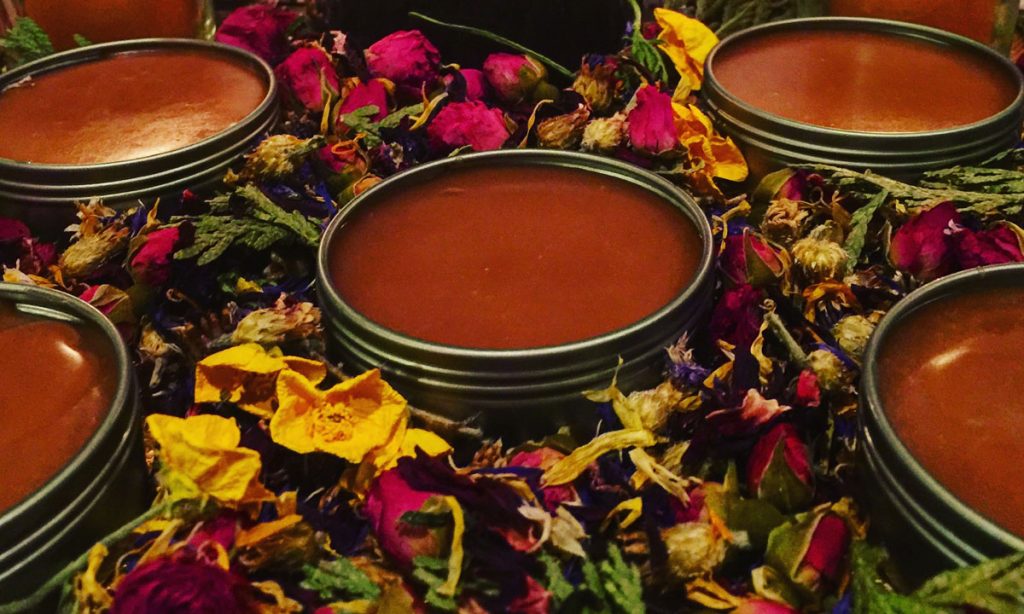
Photo by TheHeth via Pixabay

RELATED: 5 Types Of Marijuana To Help Improve And Enhance Your Workouts

Your muscles are bound to get sore if you’re pushing yourself, but using a preventative measure, such as rubbing them down with THC, CBD or a combo infusion before and after a workout, you’ll be well on your way to greater comfort and better training. When using topicals, even if infused with activated THC, they won’t alter your mind, and therefore are great for when you really want to push yourself or even if you’re just out having active fun.

Cut Some Of The Sugar Out Of Your Edibles

Research your local dispensaries before going for edibles. No matter how good the chocolates and caramels and creams taste, they really should be eaten in moderation. No one’s going crazy and saying to cut them out completely, but maybe look for the pot infused granola next time or make your own at home where you have total control over the ingredients.

Microdose And Stretch

Photo by Daria Shevtsova via Pexels

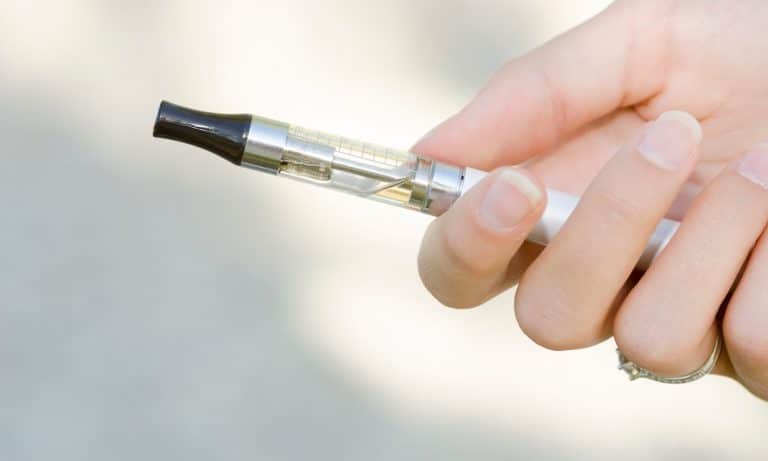
From yoga to pre and post workout, stretching is one of the healthiest activities we can participate in as human beings. Get that extra inch of stretch in and let yourself feel the burn by either taking a very small amount of marijuana in edible or tincture form, like 5 mg or less, an hour before stretching or by having a puff off of your vape pen or pipe right before. The added stimulation will have you in the zone.

Bring Your Vape Pen On A Brisk Walk

Some of the best parts about vape pens are that they’re very portable and non-intrusive, whereas a billowing cloud of smoke can be off-putting in public, not to mention pretty much illegal. Be aware of your surroundings at all times, though and use the vape as a reward system by taking a draw per mile or whatever dosage you’re comfortable with.

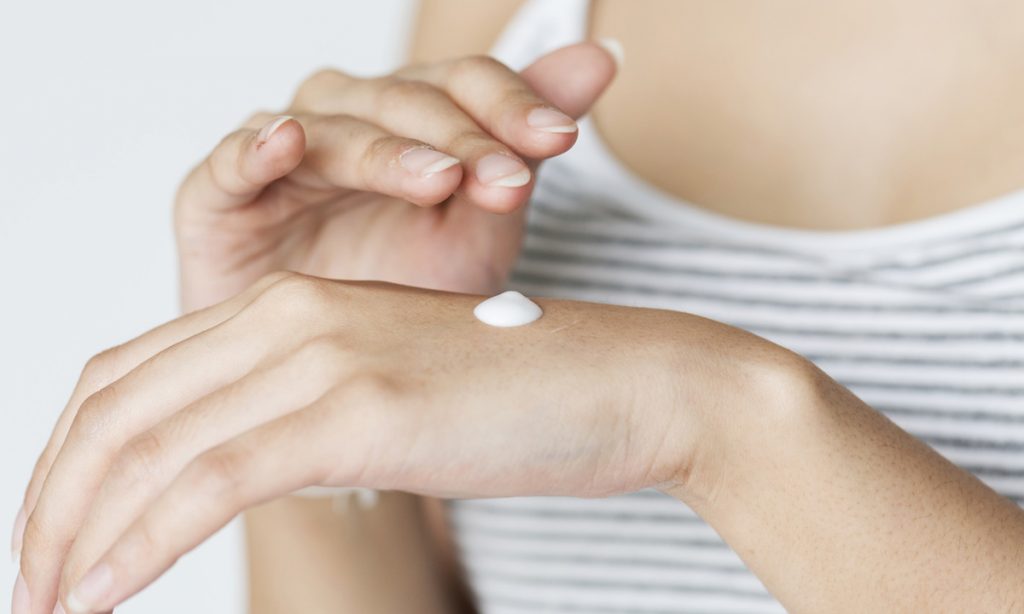
DIY THC Creams And Other Infusions
Cannabis Topicals
Photo by rawpixel.com

RELATED: Does Soaking In CBD Help Sore Muscles?

Cannabis is so very versatile, it can go into just about anything with a carrier oil or other carrier substance. Making your own at home, whether it be salve for sore muscles or healthy, love baked goodies, means that you have full control over what goes into the infusion, and therefore what goes into your system.

Cut Back On The Netflix And Chill Seshes

Again, this isn’t a habit that one must “kick,” but if you find yourself chilling on the couch getting stoned more often than you find yourself outdoors, making art or otherwise improving upon your health, maybe it’s time to reevaluate your schedule. Make more time for seshing in the above ways or in any way that makes you feel better about yourself from the inside out.
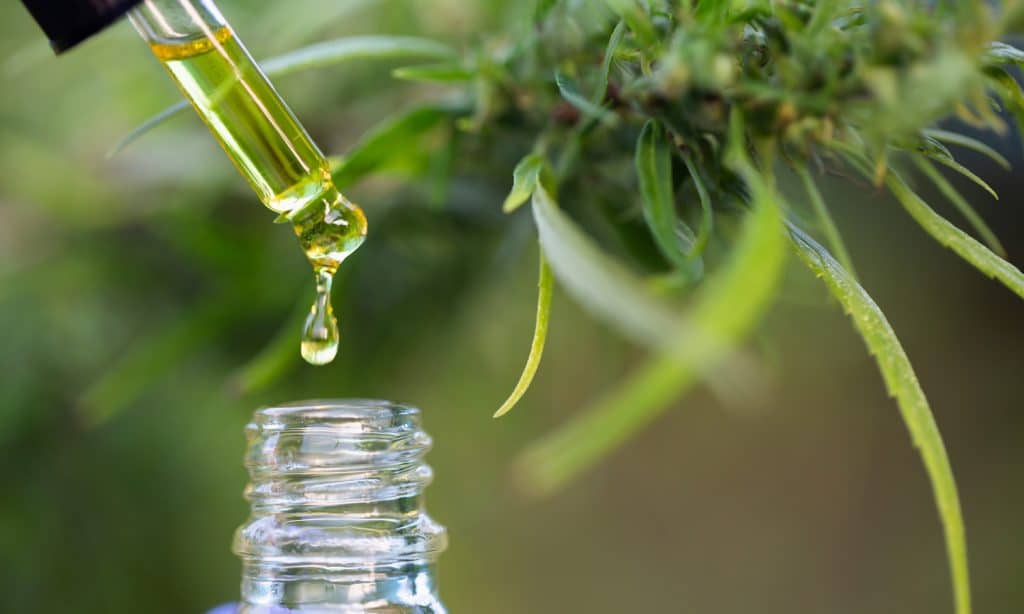
Is Coca-Cola Flirting With A CBD Drink

An online video generated speculation as to whether or not Coca-Cola is secretly planning an entry into the CBD marketplace.

The theory is sound: Coca-Cola, one of the largest drink manufacturers in the world, sees the popularity of CBD-infused beverages and wants in. Last year, Bloomberg poured gas on this fire when it reported that Coca-Cola was in “serious talks” with Aurora Cannabis Inc. to produce cannabis-infused drinks. But that idea dimmed in the interceding time, as no new substantial developments were reported about a potential Aurora-Coke partnership.

Until now, that is. Rumors galore circulated again thanks to a YouTube video from user “Gabor the Blind Guy,” where he showed a childproof lid atop a Coca-Cola can. Gabor then claims his father had been contracted by Coca-Cola to construct a childproof lid for Coke’s upcoming new CBD drinks. The man adds that his father “produces bottling and capping machines for many major pharmaceutical and food companies.”

RELATED: What Scientists Are Saying About The CBD Boom

The video, titled “Blind Guy vs New Childproof CBD Coca-Cola can,” has since been deleted, but a copy was posted on Reddit’s r/WallStreetBets forum.

Can Taking CBD Make It Easier To Digest Political News?
Photo by Tinnakorn Jorruang/Getty Images

“In Canada, Coca-Cola is coming out with a new line of Coca-Cola that contains CBD extracts — pretty much cannabis-based drugs,” Gabor the Blind Guy says. “So my dad was tasked with designing a cap that will prevent little kids from opening these cans of CBD Coca-Cola.”

However, Coca-Cola representatives denied the substance of the video.

“These rumors are untrue,” Coca-Cola told Bloomberg. “As we have stated many times, we have no plans to enter the CBD market.”

RELATED: 5 Cannabis Industry Predictions For 2020

In addition to the video being deleted, the “Gabor the Blind Guy” YouTube account was deleted, along with related Facebook and Twitter accounts. Reddit users pointed out that before deletion, these accounts had no relation to marijuana or Aurora Cannabis or Coca-Cola. Others speculated this was a ploy to boost stocks associated with the companies in question.

Currently, the news remains unsubstantiated. Aurora has not responded to media requests as of this time.

All Of Those Returned Holiday Gifts? Here’s What Happens To Them

0

Even though returning a gift you don’t want is very convenient, it’s actually just another way of perpetuating environmental waste, not to mention the waste of millions of dollars.

America makes it extremely easy to buy stuff and then give it back, which is why in January millions of people will be returning their holiday presents for either a refund or an exchange.

In January 2018 alone, UPS reported that that by January 3, 2018,  over 1.4 million packages had been returned to stores — an 8% increase over the previous year’s returns. These numbers will keep increasing as the years go by, all due to stores that advertise free return policies in order to appeal to more customers.

Despite the fact that the customer gets a full refund for the returned item, this process is more complicated than it seems, resulting in high costs for retailers that accumulated to an estimated $90 billion in 2017.

RELATED: So You Got CBD For Christmas, Now What?

Once an item is returned, retailers have to make sure that it’s in prime condition and fit to be resold. If the item is brand new then it can be resold at full price. But if the item has some sort of damage, then it has to go to liquidators or discounters where it’ll be sold for half or less of the original selling price.

Photo by Joanna Malinowska via freestocks.org

Best Life reports that between 30-40% of all returned holiday gifts end up thrown away due to return shipping and repackaging costs, which end up amounting to more than the original worth of the item. “If it’s a lower brand that’s not as well-known, and it’s clothing and $20 originally, it may be worth pennies on the dollar,” says Tobin Moore, CEO of Optoro, a company that specializes in return shipments.

RELATED: Drunk Shopping Is A Thing And People Are Going Broke Doing It

Even though returning a gift you don’t want is very convenient, it’s actually just another way of perpetuating environmental waste, not to mention the waste of millions of dollars. You may think that a single returned item won’t amount to much, but you’re just a cog in a really big machine where all cogs have similar thoughts.

Next time you’re out there looking for presents, think before you shop and make sure that you want what you want. Or better yet, gift an experience instead of stuff.

WSJ Blames Marijuana Legalization For Vaping Crisis, Which Is Wrong

0

The newspaper points the finger at legal weed, but research shows black market and regulation as the real culprit in vaping illness outbreak.

Sometimes even the smartest people you know state opinions or perform actions that leave you confused. How could someone so intelligent do or say something so dumb? That was my reaction reading a new editorial from the Wall Street Journal blaming marijuana legalization for the nation’s minor vaping crisis.

“A surge in vaping related lung illnesses this year caught the medical community by surprise, with the Centers for Disease Control and Prevention (CDC) reporting more than 2,500 lung illnesses and 54 deaths,” the Journal’s editorial board wrote. “Politicians are targeting e-cigarettes, but the CDC reported last week that marijuana is so far the greatest common denominator.”

All of which is true. But the conclusions the Journal draws feels like they forgot to solve for X.

“This is another reminder that America is undertaking a risky social experiment by legalizing and especially destigmatizing cannabis, and the potential effects are hard to foresee or control.”

RELATED: Vaping Could Be Worse For Your Heart Than Smoking Cigarettes

The Journal skips a key detail in all of this — many of the marijuana-related vaping illnesses originated from cannabis products bought on the black market. If you examine the CDC’s map of cases, which demonstrates the amount of vaping-related lung illnesses for each state, you find concentrations in states without legal recreational marijuana, including Texas, Illinois (adult-use marijuana doesn’t become legal until Jan. 1, 2020), Florida, Utah, Pennsylvania, and New York.

A curious exception is California, which claims the third-highest number of cases. Though recreationally legal in the state, California has a known black-market problem. According to an Associated Press report earlier this year, 80% of marijuana “sales in the state remain under the table, snatching profits from legal storefronts.” This is due to high taxes and overregulation, as one Portland State University study found. When researchers asked producers and consumers alike why they stayed in the black market, frequent responses included “high taxes,” “overregulation,” and “cost of compliance.”

“The reasons behind the persistence of the marijuana black market are complex,” the study’s author Sikang Song wrote. “One of the main arguments is that the legalized states have failed to establish a regulatory framework which effectively keeps both producers and consumers in the legal market. Instead, strict regulations and high cost of compliance have created an environment in favor of big players while driving small-scale businesses into the black market.”

New Study Provides Clues Behind The Vaping Illness Outbreak
Photo by jetcityimage/Getty Images

The CDC did report earlier this month that most of the nearly 2,300 patients who developed lung damage had vaped products containing THC. Furthermore, 56% of hospitalized patients had used Dank Vapes, a black-market brand that doesn’t hold a marijuana license or ties to any single business. Instead, Dank Vapes exists as fake packaging, which was previously available on Amazon, to grant illicit products an air of legitimacy.

A different study from the Mayo Clinic pointed to an extracurricular agent as the caused behind the illness. “What we see with these vaping cases is a kind of severe chemical injury that I’ve never seen before in a tobacco smoker or a traditional marijuana smoker,” study co-author Dr. Brandon Larsen said. Meanwhile, other researchers have suggested that flavoring additives could be to blame. Black market producers will often “cut,” or dilute, their vaping liquids with cheaper additives to make higher profits.

RELATED: Who Wins From Marijuana Taxes? It’s Not Always Who You Think.

The Wall Street Journal blames “celebrating pot use” as the catalyst to the vaping crisis. But data and research shows that poor regulation and prohibition stand as stronger causes. By keeping cannabis illegal, it draws consumers to the black market, where they are far more likely to buy dangerous and unregulated marijuana products. The problem isn’t legalization, it’s keeping marijuana illegal.

“The latest national and state findings suggest THC-containing e-cigarette, or vaping, products, particularly from informal sources like friends, family, or in-person or online dealers, are linked to most of the cases and play a major role in the outbreak,” the latest CDC report concludes.

Meme Of The Week: A Pug MRI Is The Creepiest And Funniest Thing Online

0

An X-Ray of a pug became this week’s most viral image. Check out some of the internet’s reactions below.

Have you ever imagined what an X-Ray of a pug looks like? Like something strange and otherworldly, surely. But I’m sure that whatever you pictured won’t compare to the reality, which was uploaded to Twitter and quickly became a viral sensation, gathering over 120,000 likes in a single day.

Posted by comedian Andy Richter, the photo quickly reached thousands of people, all with millions of things to say. Luckily, Richter confirmed that the pug in the X-Ray is healthy, even if the image looks like the close-up of a bug or like the skeleton of an owl.  Maybe a scarier deconstructed version of Darth Vader. Big eyes are spooky is all I’m trying to say.

RELATED: Meme Of The Week: The Best Memes Of 2019

Here are some of the shocked replies people posted:

RELATED: Meme Of The Week: ‘Marriage Story’ Becomes The Unlikeliest Meme

Legal Weed Does Not Increase Underage Cannabis Use

0

A new study finds that marijuana dispensaries comply with underage laws, more so than liquor stores.

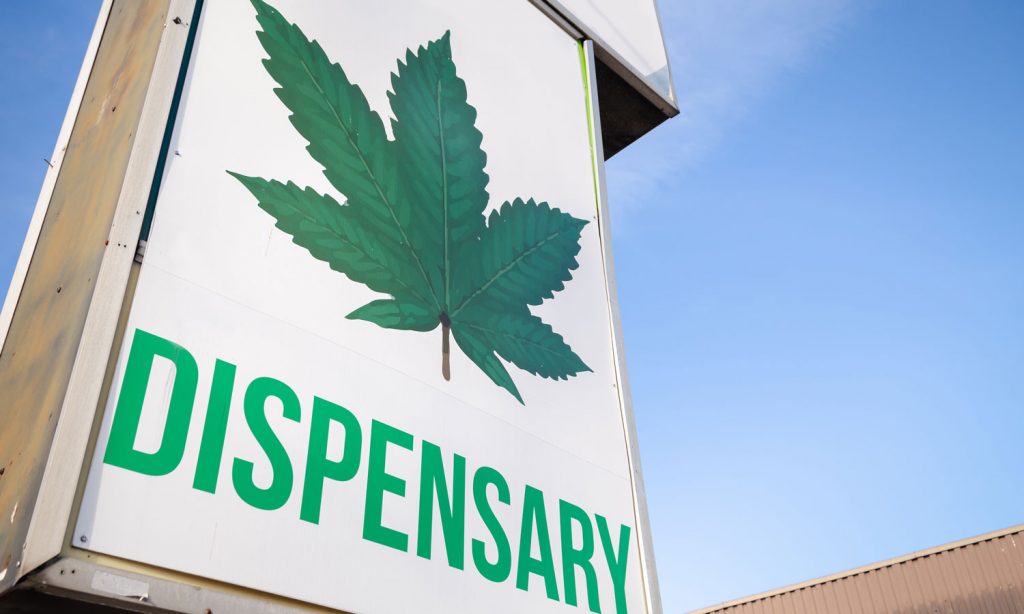
One of the main concerns regarding the legalization of marijuana is the access that these establishments would grant to young users and increasing the rate of underage cannabis use. But a new study disproves this notion, showing that in legal states like Colorado and Washington, compliance with age accordance laws is very high.

The study, published in the Journal of Studies on Alcohol and Drugs, examined how often dispensaries requested the IDs of shoppers. To determine this, a team of researchers sent participants who appeared young into establishments without carrying IDs. These would-be buyers were sent to 85 shops in Colorado and 90 in Washington.

RELATED: How Young Adults Are Misusing Medical Marijuana Prescriptions

“Buyers were asked to present an ID at some point in all,” the study found, explaining that shoppers were asked either at the door of the dispensary or at some point when inside the shop.

5 questions you should ask yourself before visiting a marijuana dispensary
Photo by A_Melnyk/Getty Images

When comparing results from the two states, refusal rates were higher in Colorado, with more stores checking for IDs when people were entering the shops.

“More than 40% of buyers made it onto the stores’ sales floor in Washington State without having their IDs checked, and only about three quarters were checked before making the purchase attempt,” says the study.

RELATED: As Marijuana Legalization Spreads, Teen Use Lowest In 40 Years

Authors speculate that the most effective way of checking age credentials is to check shoppers’ IDs at the door. Once customers have made their way inside the shop, employers might get confused and think that some other clerk might have already checked credentials.

The study concludes that refusal rates for underage people in Washington and Colorado was higher than the refusal rates for alcohol, and up to par with refusal rates for tobacco.

5 Wellness Trends To Ditch In 2020

0

2019 has been a year filled with wellness trends. Here are 5 we should tone down or get rid in the coming year.

Wellness trends tend to be as varied and ridiculous as anything you can think of. From “penis facials” to “cow cuddling,” you can never be too surprised when listening in to the latest wellness trend that everyone is trying out.

These trends tend to permeate culture for a brief period of time, only to be forgotten after the shine of the new has worn off and the wellness benefits are proven to be much less amazing than when they were first introduced.

The Huffington Post compiled a list of all the health and wellness fads of 2019. Here are 5 we think should be dropped or at least toned down a bit:

IV drips

As an extreme cure for hangovers, different establishments have been selling intravenous hydration and vitamin drips. While this is an effective way of hydrating people, used in hospitals with professionals, this is the first time where the service is being offered in shops that may not have the necessary licenses.

5 Wellness Trends To Leave Behind In 2019
Photo by Jub Rubjob/Getty Images

Extreme fasting

Intermittent fasting has had a big year, with more people joining in than ever. As long as people don’t get too crazy with it, it’s a practice that can reduce inflammation, bloating and high cholesterol. But, as is the case with everything, once you take intermittent fasting things to the extreme you create a new set of problems, including malnutrition, breaking fasts with high caloric meals, and even messing with women’s menstruation.

RELATED: Is Legal Marijuana Creating More Junk Food Junkies?

americans are finally eating healthier
Photo by Jony Ariadi via Unsplash

Sketchy vapes

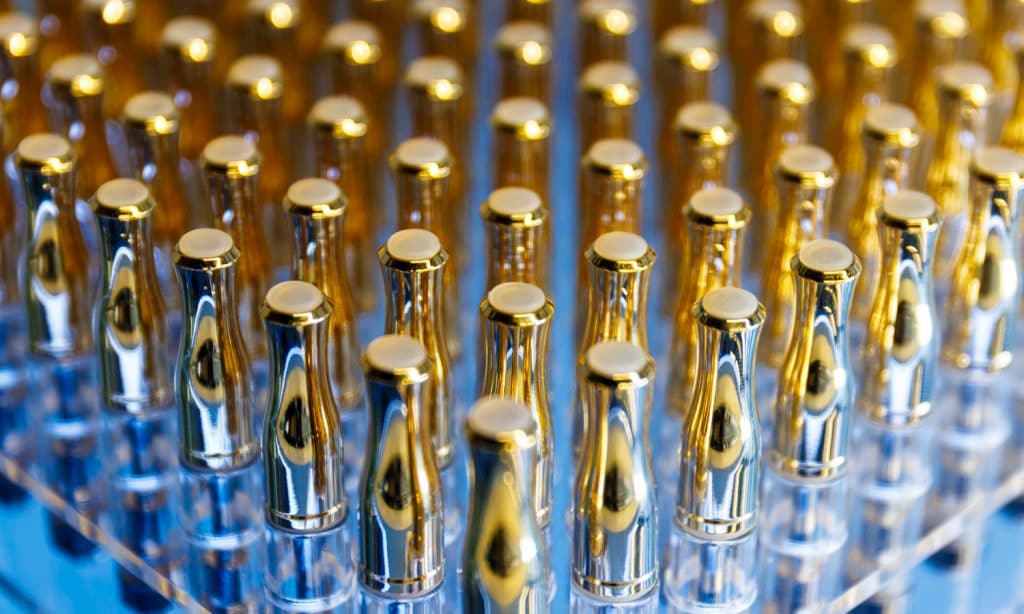
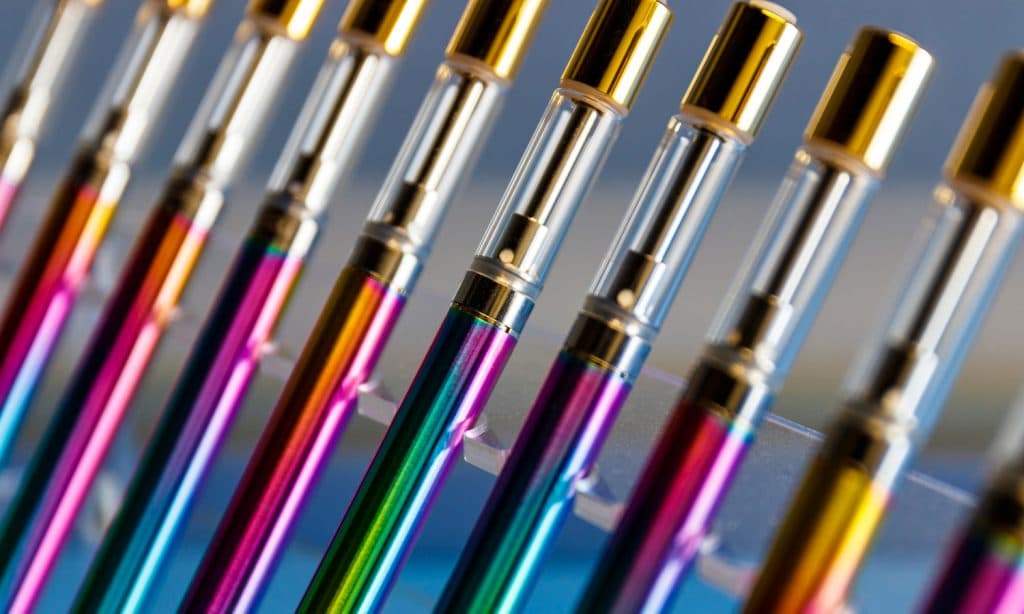
The rise of vaping devices was unprecedented in 2019. And aside from the fact that a recent study showed vaping damages lungs, this year introduced a serious and deadly vaping illness — a number of which were linked to the cannabis black market. There are also vape cartridges on the market that do not contain pure cannabis. These products are cut with substances other than cannabis such as Vitamin E, propylene glycol (PG), PEG 400, vegetable glycerin (VG), and medium chain triglycerides (MCT), as well as using cannabis which is grown using pesticides.

4 tips to avoid fake vape cartridges
Photo by jetcityimage/Getty Images

Adding CBD to everything

CBD is a medicinal compound with dozens of benefits. Still, it’s no miracle drug, as it has been painted by hundreds of sketchy companies that are just hoping to cash in. CBD still needs more research and scientific support, which is why adding it to seemingly everything these days is overkill. To we really need it in our makeup?

RELATED: CBD Oil For Wellness: Why Not All Doctors Are Buying The Hype

Does CBD Cause Liver Damage?
Photo by HighGradeRoots/Getty Images

Wellness apps

While wellness apps are helpful for monitoring your workouts, logging meals and tracking sleep, a large percentage of them are not accurate. Also, at what point does tracking every little thing you do create mental fatigue?

threesome apps are real but do they work
Photo by rawpixel.com

The main reasons why these apps have become a problem is the fact that some people think they don’t have to visit the doctor in person. As New York based OB-GYN Kecia Gaither told HuffPo, “Apps have their place along a health continuum, but cannot replace a health provider seeing you face to face, obtaining a medical history from you, examining you, and performing specific diagnostic testing to evaluate, diagnose and treat whatever ails you.”

Teenagers Ditch Alcohol And Cigarettes For Weed And Vaping

0

Substances that carry long-term health consequences, like alcohol and tobacco, have fallen out of favor with teenagers.

In previous generations, parents worried their children might hang with the wrong crowd and end up underneath the bleachers smoking a joint or drinking a beer. Nowadays, parents still worry about their kids, but their concern revolves around whether they vape or not.

According to a new Monitoring the Future poll from the National Institutes of Health, teenage vaping use has been on the rise. Among 12th graders nationwide, 30.9% reported past-month usage and 40.6% admitted vaping over the past year. In 2019, 12th graders were 5.4 times more likely to use vaping products than smoke a cigarette in the past 30 days. Comparatively, today’s teenagers smoked e-vapor products in the past month at the same rate as teens who smoked tobacco in 2000.

Overall, teenagers are turning away from products they believe exhibit long-term health consequences and opting for substances they deem safer and easier to use. For example, 74% of people who were 12th graders in 1975 reported smoking a cigarette in their lifetime, but only 22% of 2019 12th graders have ever smoked a cigarette. Meanwhile, 46% of today’s adolescents admit to using a vaporizer, either to consume nicotine or cannabis.

RELATED: The Surprising Way Legal Marijuana Affects The Alcohol And Tobacco Industries

The same is true in alcohol vs. cannabis. More than 50% of 1992 teenagers reported using alcohol within the past 30 days while 29.3% of teens today would say the same. On the other hand, 22.3% of adolescents today have used cannabis in the past month, the poll reports. Of those same 1992 teenagers who didn’t fret over experimenting with booze, only 11.9% smoked marijuana within the past 30 days. What we’ve seen is a convergence between the perceived risk and usage rates of alcohol and cannabis among teenagers.

how rising levels of anxiety in teens might support the rise of cbd
Photo by rawpixel.com

“As these trends have been borne out, we continue to see declines in lifetime alcohol incidence, which currently stands at 58.5% vs. 61.5% in 2017,” reads a new report from investment bank Cowen Inc. regarding the MTF poll.

“Consistent with prior commentary, we attribute the steady decline to an increasingly health conscious consumer. Meanwhile, cannabis lifetime incidence has remained relatively steady over the past ten years.”

RELATED: Here’s Why Millennials Are Choosing Cannabis Over Alcohol

We’re also seeing that teenagers have become more open to regular cannabis consumption. The perceived risk of regularly smoking marijuana among adolescents has dropped from 76.5% in 1992 to 30.3% in 2019. At same time, disapproval of alcohol use from 12th graders has been on the rise.

“In addition, we see evidence of decreased alcoholic consumption levels among heavy users,” Cowen’s report reads. “Over the last five years, the percentage of teens who have indicated that they have been drunk is down 600 bps to 17.5%. Along those lines, leveraging data from the CDC, we have seen binge drinking sessions per month move lower in adult use states relative to non-cannabis states.”

Here’s What You Should Know About Seniors And CBD

0

CBD, one of the more manageable and effective cannabinoids, shows promise for a variety of conditions that afflict seniors.

While medical marijuana promises great things for seniors, CBD has quickly grown more popular for providing relief to a less invasive degree. The fact that the compound is separate from THC provides some peace of mind for seniors who don’t feel comfortable with getting high or who want their medicine to provide a more manageable effect.

CBD can be ingested in multiple ways. You can find it in vapors, topical creams, edibles, and more, all having different effects when paired with the user’s condition.

For senior use, it’s important to remember that CBD is a drug that’s in FDA limbo, meaning that there’s no clear pathway for dosage or a clear track record of scientific studies. There’s also the fact that there’s a large amount of fake CBD products on the market, with some claiming to provide benefits without having the evidence to back them up.

While CBD is no miracle drug, there’s plenty of anecdotal evidence and scientific findings that suggest that it’s a compound worth investigating, especially when it comes to improving people’s quality of life. Here are some of the main benefits CBD could provide for seniors:

Pain relief

Plenty of CBD topicals have been designed to treat localized conditions such as chronic, muscle and joint pain. These topicals are also very effective, providing fast acting relief since they interact with the cannabinoids that lie on the surface of the skin.

While studies haven’t been conducted on humans, plenty of trials on animals show that CBD has anti-inflammatory properties and that there’s also an analgesic effect.

Treating insomnia and sleep disorders

Plenty of seniors have trouble putting in their necessary sleep hours, especially when it comes to deep and healing sleep. These phases of rest are very important since they flush out toxins and restore the brain, even preventing Alzheimer’s and other sleep disorders. To prevent these kinds of conditions, CBD could act as a helpful tool, preventing anxiety, restlessness and other factors that mess with people’s sleep habits.

RELATED: Science: Medical Marijuana Is The Safer Option For Seniors

Melatonin, Marijuana And A Good Night’s Sleep
Illustration by ProSmile via Pixabay

Stimulating appetite

Loss of appetite is a big problem for seniors, weakening their bodies, causing weight loss and affecting their mental health. While THC has always been associated with the munchies, CBD stimulates the appetite, foregoing the munchies and boosting people’s system in a different way, especially if they usually suffer from upset stomachs and nausea. “CBD helps relieve nausea and can calm your nervous system and digestive tract. If you feel less nauseated, you may eat more. CBD also quells pain, and feeling less pain may also boost appetite,” explains Janice Newell Bissex, a dietician that spoke with the Washington Post.

Promotes bone health

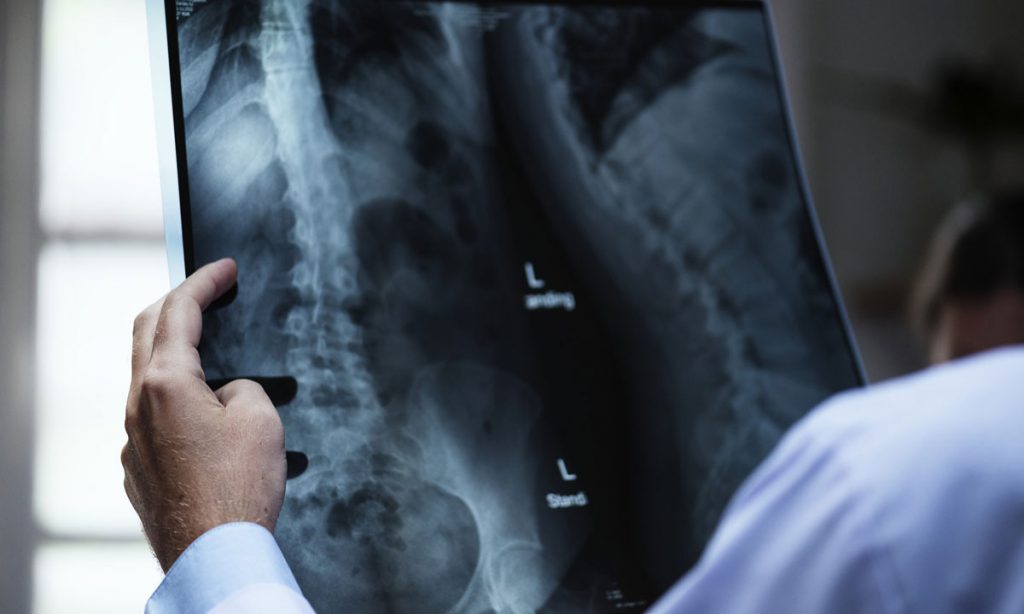
One of the main issues that affects seniors is bone health. The development of osteoporosis and the weakening of their bones means that one fall could result in grave damage. It’s even the main cause of death for men over 60. Some research shows that CBD can help strengthen bones and promote healing when fractures occur.

RELATED: Can Marijuana Help Seniors With Dementia?

Having Orthopedic Surgery? Cannabis Will Help
Photo by rawpixel via Pixabay

Alternative medicine

One of the most promising aspects of CBD is the fact that it could supplement prescription medications, especially those that are accompanied by a batch of impairing negative side effects. The use of CBD, which comes with less possibility for addiction and damaging side effects, can boost people’s immune systems and provide relief while also replacing or decreasing the amount of prescription drugs that seniors submit themselves to.

Amazon Bans CBD Sales, But Here’s How You Can Buy It On The Platform

0

Amazon claims not allow the sale of CBD and hemp products, but it’s remarkably easy to buy such products on the platform.

Amazon has a strange relationship with cannabis. For instance, the company bans the sale of products containing hemp, THC, or CBD within their marketplace, according to its drug policy issued to sellers. But black market retailers could buy many of the materials necessary to produce illicit vaping products, including cartridges and Dank Vape brand packaging, on the shopping platform.

According to Minnesota Public Radio, Amazon quietly pulled many of these products from their listing following the national vaping crisis. In addition, a Washington Post investigation reported that it’s relatively easy to acquire CBD products on Amazon. From a sample of 13 suspected products the Post purchased, 11 tested positive for CBD. Another product showed small traces for THC. None of these products, however, state there is CBD in their product listings. That’s to get around Amazon’s aforementioned drug policy. “Listings for products containing cannabidiol (CBD) are prohibited,” the policy reads.

RELATED: Here’s How Long It Takes For CBD To Kick In

Entering CBD into Amazon’s search returns over 10,000 results. Some products are books full of CBD information. But many are for hemp gummies, hemp oil, or products infused with hemp oil. Elaine Kwon, a former Amazon manager and founder of e-commerce management firm Kwontified, told the Post that product listings will contain code words, like “full-spectrum hemp extract,” to alert savvy shoppers to what’s really inside.

what to expect on this years amazon prime day
Photo by Christian Wiediger via Unsplash

“It’s done with a wink-and-a-nod,” Kwon said. Kwon added her belief Amazon executives knows what’s going on with CBD sales on the site, and employ “half-measures” to project an air of serious oversight. “They do know it’s happening,” Kwon said. “It’s a good revenue driver. They are making a lot of money off it.”

In a statement, Amazon denied the claims.

“Amazon does not knowingly permit the sale of products it prohibits,” Amazon spokesman Patrick Graham said.

“Bad actors who attempt to undermine our store do not reflect the flourishing community of honest entrepreneurs that make up the vast majority of our seller community,” he added. “We move swiftly to hold bad actors accountable by removing selling privileges, withholding funds, and pursuing civil and criminal penalties.”

RELATED: Marijuana Flavoring Additives Could Be Cause Of Vaping Illness

Amazon’s inability, or unwillingness, to regulate and manage these sales highlights the gray area CBD products exist in. Though 76% of Americans believe CBD falls under federal regulations by the Food and Drug Administration, that is not the case. The 2018 Farm Bill made hemp legal in the United States, which many producers use to extract and manufacture CBD products. But the FDA has only approved of one CBD-infused product, Epidiolex, to treat rare forms of epilepsy. Otherwise the organization has dragged its feet on establishing clear rules and safety protocols as it relates to CBD.

Earlier this year, Ellipse Analytics tested the 250 top-selling CBD products in the country and detected THC levels in 45% of them. Furthermore, 21% CBD products boastings “THC-free” claims in fact had detectable levels of THC in the product.

Don't Miss Your Weekly Dose of The Fresh Toast.

Stay informed with exclusive news briefs delivered directly to your inbox every Friday.

We respect your privacy. Unsubscribe anytime.