A new study finds that marijuana dispensaries comply with underage laws, more so than liquor stores.
One of the main concerns regarding the legalization of marijuana is the access that these establishments would grant to young users and increasing the rate of underage cannabis use. But a new study disproves this notion, showing that in legal states like Colorado and Washington, compliance with age accordance laws is very high.
The study, published in the Journal of Studies on Alcohol and Drugs, examined how often dispensaries requested the IDs of shoppers. To determine this, a team of researchers sent participants who appeared young into establishments without carrying IDs. These would-be buyers were sent to 85 shops in Colorado and 90 in Washington.
“Buyers were asked to present an ID at some point in all,” the study found, explaining that shoppers were asked either at the door of the dispensary or at some point when inside the shop.
Photo by A_Melnyk/Getty Images
When comparing results from the two states, refusal rates were higher in Colorado, with more stores checking for IDs when people were entering the shops.
“More than 40% of buyers made it onto the stores’ sales floor in Washington State without having their IDs checked, and only about three quarters were checked before making the purchase attempt,” says the study.
Authors speculate that the most effective way of checking age credentials is to check shoppers’ IDs at the door. Once customers have made their way inside the shop, employers might get confused and think that some other clerk might have already checked credentials.
The study concludes that refusal rates for underage people in Washington and Colorado was higher than the refusal rates for alcohol, and up to par with refusal rates for tobacco.
2019 has been a year filled with wellness trends. Here are 5 we should tone down or get rid in the coming year.
Wellness trends tend to be as varied and ridiculous as anything you can think of. From “penis facials” to “cow cuddling,” you can never be too surprised when listening in to the latest wellness trend that everyone is trying out.
These trends tend to permeate culture for a brief period of time, only to be forgotten after the shine of the new has worn off and the wellness benefits are proven to be much less amazing than when they were first introduced.
The Huffington Post compiled a list of all the health and wellness fads of 2019. Here are 5 we think should be dropped or at least toned down a bit:
IV drips
As an extreme cure for hangovers, different establishments have been selling intravenous hydration and vitamin drips. While this is an effective way of hydrating people, used in hospitals with professionals, this is the first time where the service is being offered in shops that may not have the necessary licenses.
Photo by Jub Rubjob/Getty Images
Extreme fasting
Intermittent fasting has had a big year, with more people joining in than ever. As long as people don’t get too crazy with it, it’s a practice that can reduce inflammation, bloating and high cholesterol. But, as is the case with everything, once you take intermittent fasting things to the extreme you create a new set of problems, including malnutrition, breaking fasts with high caloric meals, and even messing with women’s menstruation.
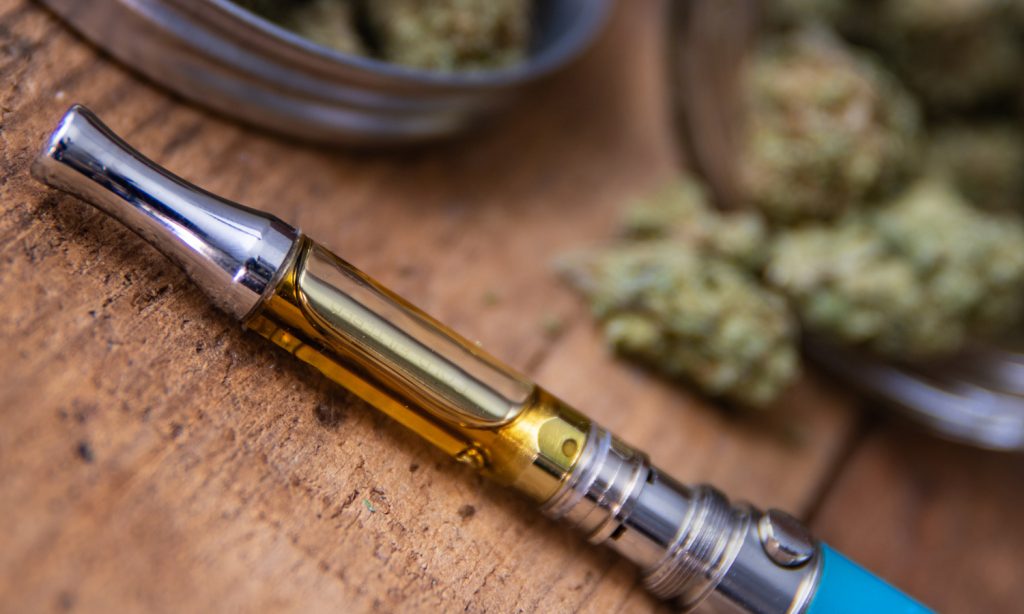
The rise of vaping devices was unprecedented in 2019. And aside from the fact that a recent study showed vaping damages lungs, this year introduced a serious and deadly vaping illness — a number of which were linked to the cannabis black market. There are also vape cartridges on the market that do not contain pure cannabis. These products are cut with substances other than cannabis such as Vitamin E, propylene glycol (PG), PEG 400, vegetable glycerin (VG), and medium chain triglycerides (MCT), as well as using cannabis which is grown using pesticides.
CBD is a medicinal compound with dozens of benefits. Still, it’s no miracle drug, as it has been painted by hundreds of sketchy companies that are just hoping to cash in. CBD still needs more research and scientific support, which is why adding it to seemingly everything these days is overkill. To we really need it in our makeup?
While wellness apps are helpful for monitoring your workouts, logging meals and tracking sleep, a large percentage of them are not accurate. Also, at what point does tracking every little thing you do create mental fatigue?
Photo by rawpixel.com
The main reasons why these apps have become a problem is the fact that some people think they don’t have to visit the doctor in person. As New York based OB-GYN Kecia Gaither told HuffPo, “Apps have their place along a health continuum, but cannot replace a health provider seeing you face to face, obtaining a medical history from you, examining you, and performing specific diagnostic testing to evaluate, diagnose and treat whatever ails you.”
Substances that carry long-term health consequences, like alcohol and tobacco, have fallen out of favor with teenagers.
In previous generations, parents worried their children might hang with the wrong crowd and end up underneath the bleachers smoking a joint or drinking a beer. Nowadays, parents still worry about their kids, but their concern revolves around whether they vape or not.
According to a new Monitoring the Future poll from the National Institutes of Health, teenage vaping use has been on the rise. Among 12th graders nationwide, 30.9% reported past-month usage and 40.6% admitted vaping over the past year. In 2019, 12th graders were 5.4 times more likely to use vaping products than smoke a cigarette in the past 30 days. Comparatively, today’s teenagers smoked e-vapor products in the past month at the same rate as teens who smoked tobacco in 2000.
Overall, teenagers are turning away from products they believe exhibit long-term health consequences and opting for substances they deem safer and easier to use. For example, 74% of people who were 12th graders in 1975 reported smoking a cigarette in their lifetime, but only 22% of 2019 12th graders have ever smoked a cigarette. Meanwhile, 46% of today’s adolescents admit to using a vaporizer, either to consume nicotine or cannabis.
The same is true in alcohol vs. cannabis. More than 50% of 1992 teenagers reported using alcohol within the past 30 days while 29.3% of teens today would say the same. On the other hand, 22.3% of adolescents today have used cannabis in the past month, the poll reports. Of those same 1992 teenagers who didn’t fret over experimenting with booze, only 11.9% smoked marijuana within the past 30 days. What we’ve seen is a convergence between the perceived risk and usage rates of alcohol and cannabis among teenagers.
Photo by rawpixel.com
“As these trends have been borne out, we continue to see declines in lifetime alcohol incidence, which currently stands at 58.5% vs. 61.5% in 2017,” reads a new report from investment bank Cowen Inc. regarding the MTF poll.
“Consistent with prior commentary, we attribute the steady decline to an increasingly health conscious consumer. Meanwhile, cannabis lifetime incidence has remained relatively steady over the past ten years.”
We’re also seeing that teenagers have become more open to regular cannabis consumption. The perceived risk of regularly smoking marijuana among adolescents has dropped from 76.5% in 1992 to 30.3% in 2019. At same time, disapproval of alcohol use from 12th graders has been on the rise.
“In addition, we see evidence of decreased alcoholic consumption levels among heavy users,” Cowen’s report reads. “Over the last five years, the percentage of teens who have indicated that they have been drunk is down 600 bps to 17.5%. Along those lines, leveraging data from the CDC, we have seen binge drinking sessions per month move lower in adult use states relative to non-cannabis states.”
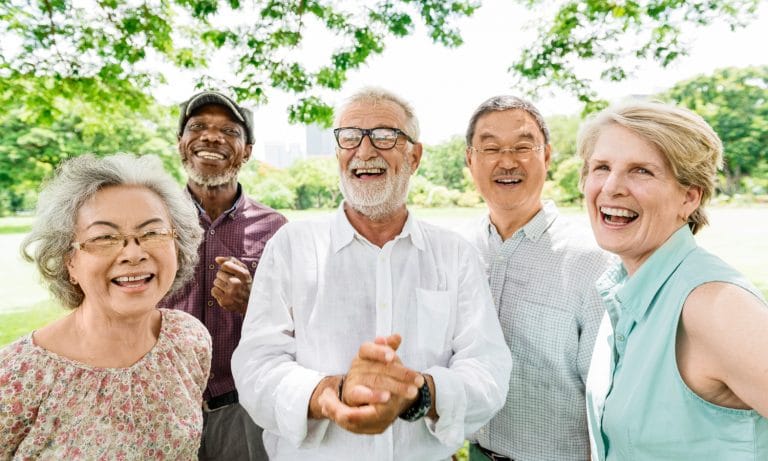
CBD, one of the more manageable and effective cannabinoids, shows promise for a variety of conditions that afflict seniors.
While medical marijuana promises great things for seniors, CBD has quickly grown more popular for providing relief to a less invasive degree. The fact that the compound is separate from THC provides some peace of mind for seniors who don’t feel comfortable with getting high or who want their medicine to provide a more manageable effect.
CBD can be ingested in multiple ways. You can find it in vapors, topical creams, edibles, and more, all having different effects when paired with the user’s condition.
For senior use, it’s important to remember that CBD is a drug that’s in FDA limbo, meaning that there’s no clear pathway for dosage or a clear track record of scientific studies. There’s also the fact that there’s a large amount of fake CBD products on the market, with some claiming to provide benefits without having the evidence to back them up.
While CBD is no miracle drug, there’s plenty of anecdotal evidence and scientific findings that suggest that it’s a compound worth investigating, especially when it comes to improving people’s quality of life. Here are some of the main benefits CBD could provide for seniors:
Pain relief
Plenty of CBD topicals have been designed to treat localized conditions such as chronic, muscle and joint pain. These topicals are also very effective, providing fast acting relief since they interact with the cannabinoids that lie on the surface of the skin.
While studies haven’t been conducted on humans, plenty of trials on animals show that CBD has anti-inflammatory properties and that there’s also an analgesic effect.
Treating insomnia and sleep disorders
Plenty of seniors have trouble putting in their necessary sleep hours, especially when it comes to deep and healing sleep. These phases of rest are very important since they flush out toxins and restore the brain, even preventing Alzheimer’s and other sleep disorders. To prevent these kinds of conditions, CBD could act as a helpful tool, preventing anxiety, restlessness and other factors that mess with people’s sleep habits.
Loss of appetite is a big problem for seniors, weakening their bodies, causing weight loss and affecting their mental health. While THC has always been associated with the munchies, CBD stimulates the appetite, foregoing the munchies and boosting people’s system in a different way, especially if they usually suffer from upset stomachs and nausea. “CBD helps relieve nausea and can calm your nervous system and digestive tract. If you feel less nauseated, you may eat more. CBD also quells pain, and feeling less pain may also boost appetite,” explains Janice Newell Bissex, a dietician that spoke with the Washington Post.
Promotes bone health
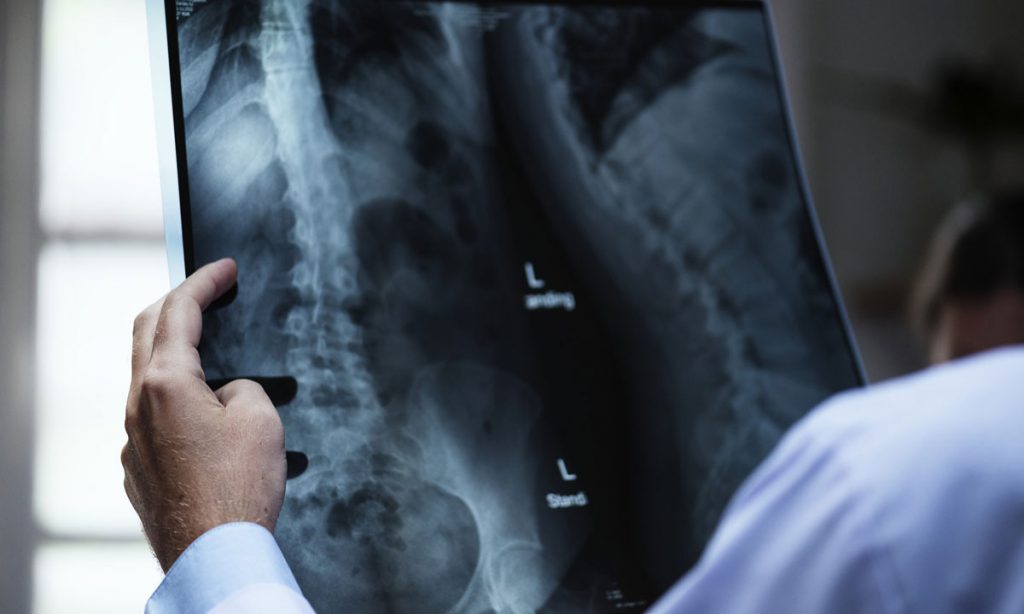
One of the main issues that affects seniors is bone health. The development of osteoporosis and the weakening of their bones means that one fall could result in grave damage. It’s even the main cause of death for men over 60. Some research shows that CBD can help strengthen bones and promote healing when fractures occur.
One of the most promising aspects of CBD is the fact that it could supplement prescription medications, especially those that are accompanied by a batch of impairing negative side effects. The use of CBD, which comes with less possibility for addiction and damaging side effects, can boost people’s immune systems and provide relief while also replacing or decreasing the amount of prescription drugs that seniors submit themselves to.
Amazon claims not allow the sale of CBD and hemp products, but it’s remarkably easy to buy such products on the platform.
Amazon has a strange relationship with cannabis. For instance, the company bans the sale of products containing hemp, THC, or CBD within their marketplace, according to its drug policy issued to sellers. But black market retailers could buy many of the materials necessary to produce illicit vaping products, including cartridges and Dank Vape brand packaging, on the shopping platform.
According to Minnesota Public Radio, Amazon quietly pulled many of these products from their listing following the national vaping crisis. In addition, a Washington Post investigation reported that it’s relatively easy to acquire CBD products on Amazon. From a sample of 13 suspected products the Post purchased, 11 tested positive for CBD. Another product showed small traces for THC. None of these products, however, state there is CBD in their product listings. That’s to get around Amazon’s aforementioned drug policy. “Listings for products containing cannabidiol (CBD) are prohibited,” the policy reads.
Entering CBD into Amazon’s search returns over 10,000 results. Some products are books full of CBD information. But many are for hemp gummies, hemp oil, or products infused with hemp oil. Elaine Kwon, a former Amazon manager and founder of e-commerce management firm Kwontified, told the Post that product listings will contain code words, like “full-spectrum hemp extract,” to alert savvy shoppers to what’s really inside.
Photo by Christian Wiediger via Unsplash
“It’s done with a wink-and-a-nod,” Kwon said. Kwon added her belief Amazon executives knows what’s going on with CBD sales on the site, and employ “half-measures” to project an air of serious oversight. “They do know it’s happening,” Kwon said. “It’s a good revenue driver. They are making a lot of money off it.”
In a statement, Amazon denied the claims.
“Amazon does not knowingly permit the sale of products it prohibits,” Amazon spokesman Patrick Graham said.
“Bad actors who attempt to undermine our store do not reflect the flourishing community of honest entrepreneurs that make up the vast majority of our seller community,” he added. “We move swiftly to hold bad actors accountable by removing selling privileges, withholding funds, and pursuing civil and criminal penalties.”
Amazon’s inability, or unwillingness, to regulate and manage these sales highlights the gray area CBD products exist in. Though 76% of Americans believe CBD falls under federal regulations by the Food and Drug Administration, that is not the case. The 2018 Farm Bill made hemp legal in the United States, which many producers use to extract and manufacture CBD products. But the FDA has only approved of one CBD-infused product, Epidiolex, to treat rare forms of epilepsy. Otherwise the organization has dragged its feet on establishing clear rules and safety protocols as it relates to CBD.
Earlier this year, Ellipse Analytics tested the 250 top-selling CBD products in the country and detected THC levels in 45% of them. Furthermore, 21% CBD products boastings “THC-free” claims in fact had detectable levels of THC in the product.
From a nutritional perspective, marijuana should be included in the list of superfoods along with spinach, kale, and broccoli.
Normally, it’s dried and cured marijuana that is consumed. But have you ever thought of consuming raw cannabis? Its taste? Its benefits?
Many research experiments have already demonstrated the health benefits of marijuana, but very few speak about the health benefits of raw cannabis. From a nutritional perspective, marijuana should be included in the list of superfoods along with spinach, kale, and broccoli.
Dr. William Courtney, MD, a member of International Cannabinoid Research Society, the International Association of Cannabis as Medicine, and the Society of Clinical Cannabis and the American Academy of Cannabinoid Medicine, says that he doesn’t want to refer to marijuana as a medicine, but as a dietary essential.
Here are Dr. Courtney’s reasons, why raw cannabis is good:
One can make the best use of the therapeutic properties of marijuana, through ingestion.
Raw cannabis activates the brain’s cannabinoid system, more effectively, which in turn, triggers the release of antioxidants. These antioxidants will effectively get rid of the damaged cells in the body, and this is something that dried cannabis, can do.
Raw cannabis consumption makes the cells in the body, more efficient.
Raw Cannabis Consumption: A Better Step Towards Health
Loaded with proteins, minerals, vitamins, fibers, and antioxidants, raw cannabis is rich in digestible globular proteins, and the balanced proportions of essential amino acids (the amino acids that cannot be synthesized in our body). Raw marijuana has an ideal ratio of omega-3 fatty acids and omega-6 fatty acids, with antioxidant properties. Antioxidants are very much important for the overall well-being, as these preserve health, boost the immune system, reduce the risk of heart diseases, address diabetes complications, and most importantly, lower the risk of cancer development.
During the normal drying and curing process of marijuana, the chlorophyll pigment from the herb is lost; however, it is this component that has loads of dietary benefits. Chlorophyll has the ability to rejuvenate the body, at the cellular level. With its structure similar to that of hemoglobin, chlorophyll has plenty of benefits such as it prevents DNA damage, promotes overall cleansing or detoxification within the body, encourages healing, treats inflammation, improves the iron content absorption, etc.
Photo by Flickr user Cannabis Reports
And, when you consume raw marijuana, you will not be consuming THC or CBD; instead, you will be consuming the acid forms of these components- Cannabidolic Acid (CBD-A) and Tetrahydrocannabonolic Acid (THC-A). Just like other components of raw cannabis, CBD-A and THC-A are also very good antioxidants. Recent research experiments show that these components can be powerful healers of serious medical condition, like cancer. In latest study conducted at Hiroshima International University, and published in 2017 January, the researchers discovered a possible way through which, CBD-A inhibits the COX-2 enzyme in aggressive breast cancer tumors. The study further talks about CBD-A’s ability to inhibit a proto-oncogene, c-Fos, which is an element involved in the cancer metastasis.On the other hand, THC-A is known to be neuroprotective, antispasmodic, and an excellent pain-reliever.
Raw Cannabis will also hold most of its terpenes. Terpenes not only decide the aroma and taste of the buds but also have their own medicinal properties, such as anti-fungal, antibacterial and anticancer properties.
The cleansing properties of raw cannabis, cannot be emphasized enough. Like any other raw herb, cannabis is also rich in fibers and foliates. Toxic accumulation in the body may happen for different reasons; it might be either due to your poor diet habits, or your body’s inability to fight against the free-radicals. In either condition, your body will need fiber content, which kicks out the toxic substances, from your body.
To make the best use of all the above-said benefits, you should be using the raw leaves and buds from live cannabis plants.
Best Methods To Consume Raw Marijuana
Smoothies: Weeds are usually bitter, so, mixing it up with other fruits or veggies, can make it taste, better.
Salad: Just the chopped fresh marijuana and some dressing, can make a delicious salad.
Juicing: Fresh marijuana with some spices, if you wish, can make your morning, a refreshing one.
Stephen Charbonneau is the owner of Stone-Tool-Seed and is a firm believer in the herbal use and an advocate for recreational marijuana. He and his wife of over forty years live on a farm and believe in organic farming and cultural practices that are eco-friendly and safe for people.
2020 is shaping up to be a year filled with changes and transitions for the cannabis industry.
Legal cannabis moves at a slow pace, often times making us forget that the process has been steady and forward moving. While legalization has stalled in many states, and there have been some snags along the way, the culture surrounding the plant continues to embrace new ideas.
From scouring the web and reading through the opinions of different cannabis experts, here are 5 of the most prominent cannabis predictions of 2020.
New cannabinoids
It feels like it’s finally time for other cannabinoids to step into the spotlight, giving THC and CBD a much needed break. Some of the options that are being proposed are cannabinoids like CBG, THCV and THCA, which provide different kinds of effects and medicinal support.
A crackdown on vaping
It’s only logical to assume that, after the crazy year that the vaping industry has had, there will be some kind or repercussions. Many expect an FDA crackdown in hopes of slowing down the industry. Despite this, it sounds pretty far fetched for the FDA to manage to kill the industry when it’s had so much prominence as of late.
CBD’s rise in popularity and stock has been unprecedented, which is good, but it’s also been extremely fast, which is kind of bad. If a product rises in stock and value so fast, it makes sense then that it’ll fade in popularity just as quick. With more research and scientific support, we can assume people will get confirmation that CBD isn’t a cure for all and they’ll stop taking it every time they get a hang nail.
New flavors in strains
New strains are developed every year. Next year is primed to become a crazy one in terms of flavor profiles and combination within cannabis strains. You can also expect some wild new names, which is always fun.
The cannabis industry is still in its infancy, meaning that prices will rise and fall depending on the state and that there’s not much we can do about it except wait. For legal states like Michigan, this is a good thing, since prices are currently very high and should normalize at some point.
If you haven’t used CBD before, start small with a 5mg dose. Then increase your dosage every hour or so until you reach the desired effect.
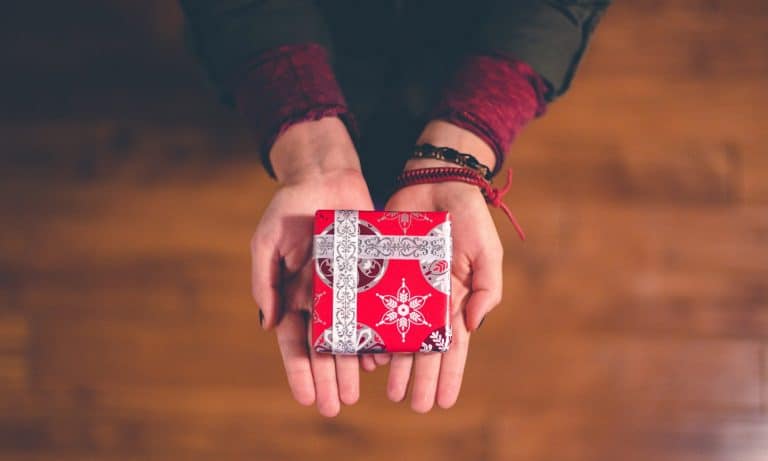
If they haven’t already, odds are someone will eventually give you a gift that has cannabidiol on the label, especially if they didn’t already get you CBD for Christmas. Hopefully, they read this article and got you a product that actually will work for you. But here are some pointers in case they just wanted to get in on this fad and didn’t do their homework before gifting you with CBD.
First, educate yourself. See what kind of CBD-infused product you have and how to best use it. Is it a tincture, edible, flower, topical, or vape oil? Each one has a different method for use.
Then learn how CBD works and how you can incorporate CBD into your daily life. While CBD is not a miracle cure-all, it has anti-inflammatory and neuro-protective properties that can enhance your state of well being. Taking CBD can help you reduce stress, get a good night’s sleep, help you stay calm and less anxious, improve your athletic performance, and provide relief from aches and pains.
As CBD does not have the psychedelic properties found in cannabis that contains THC, you can use your CBD product without finding yourself getting stoned. However, if you haven’t used CBD before, start out small with a 5mg dose. Then increase your dosage every hour or so until you reach the desired effect.
Photo by Pharma Hemp Complex via Unsplash
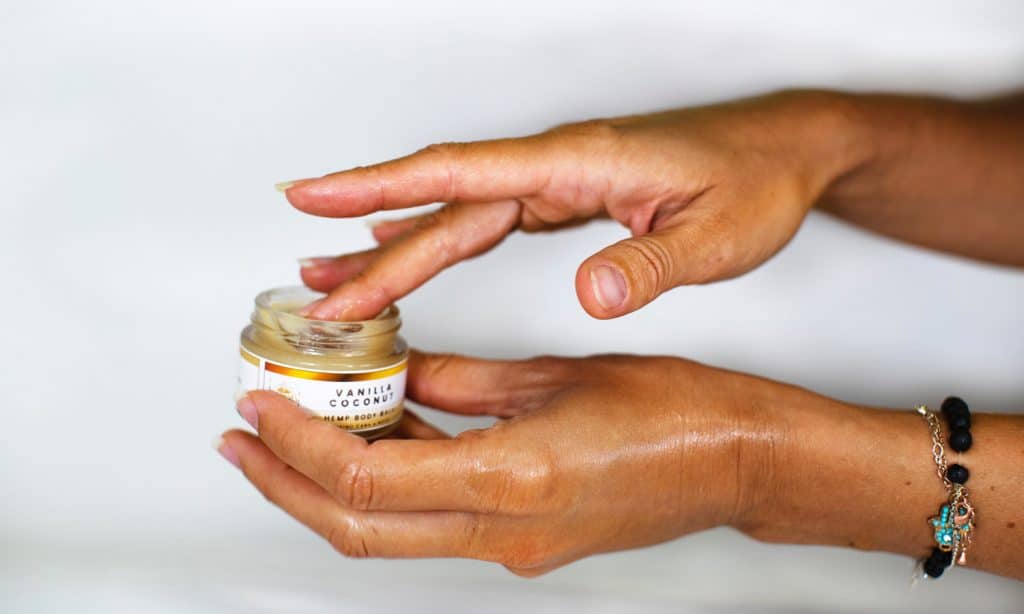
However, if you were gifted a CBD topical, then slather it wherever it hurts. Reapply liberally and then relax.
If you get a CBD beauty product, then it’s time to really pamper yourself. Regardless of your age or gender, CBD products can improve your skin and leave you with healthier more glowing skin without the use of harsh chemicals found in many commercial skin care products.
Make sure you were gifted with a topical that contains enough CBD so that it actually works. Along those lines, if the product says hemp seed oil in the list of ingredients then it’s not CBD. However, hemp seed oil does have some benefits for one’s skin. And if the product smells and feels nice, then use it. Just don’t expect to get the benefits from using CBD.
Finally, given CBD is federally legal, you can always regift the product if you’re just not into it!
Getting high doesn’t have to involve leaving a cloud of smelly smoke lingering in the room or on your clothes.
Cannabis, in both its raw and burnt form, has a distinctive and strong tell-tale aroma that doesn’t lend itself to inconspicuous consumption. This can make it difficult to enjoy a bowl or joint indoors with shared walls or hallways. The odor of burnt marijuana can even waft over backyards.
All of this can make it challenging for adults to get high without calling attention to themselves, but there are ways to discreetly high without having the neighbors rat you out on NextDoor.
Edibles
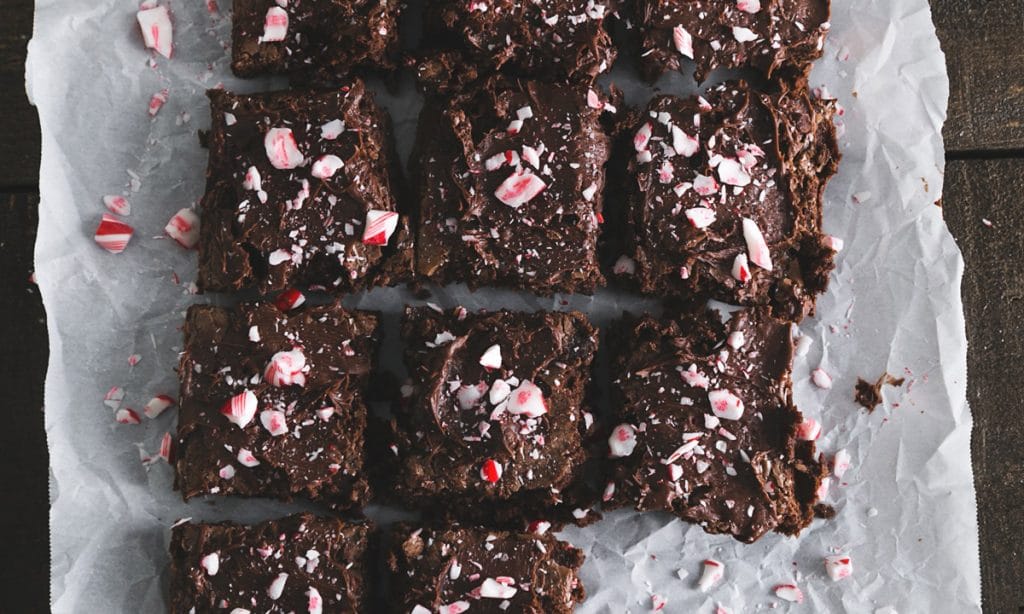
Edibles are perhaps the best-known alternative to smoking weed, and indeed they can be consumed with no-one being the wiser. Homemade edibles can be inconsistently or inaccurately dosed, however, and since the edible has to travel through the gastrointestinal (GI) system before being metabolized by the liver and made bioavailable, and can take up to a couple of hours to feel the onset of effects.
Photo by Sarah Pflug via Burst
Edibles also can’t be uneaten, so if a consumer eats a super dose, they’re in for an inescapable ride. Modern commercially available edibles are made in more predictable and smaller doses, some have even been designed to bypass GI path and enter the bloodstream directly. If past negative experience has made edibles unattractive, it might be time to revisit them.
Disposable Vape Pens
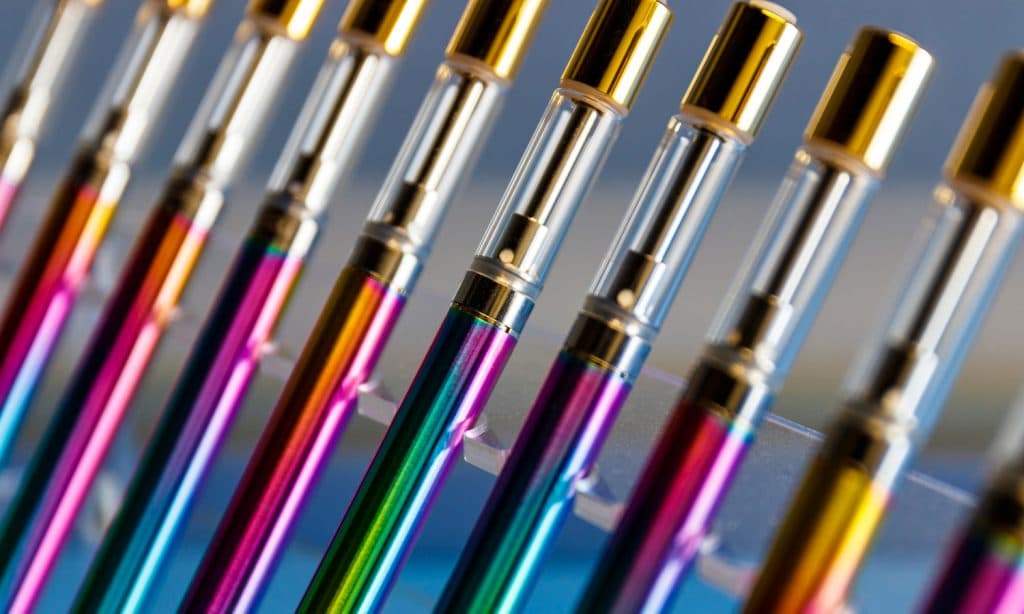
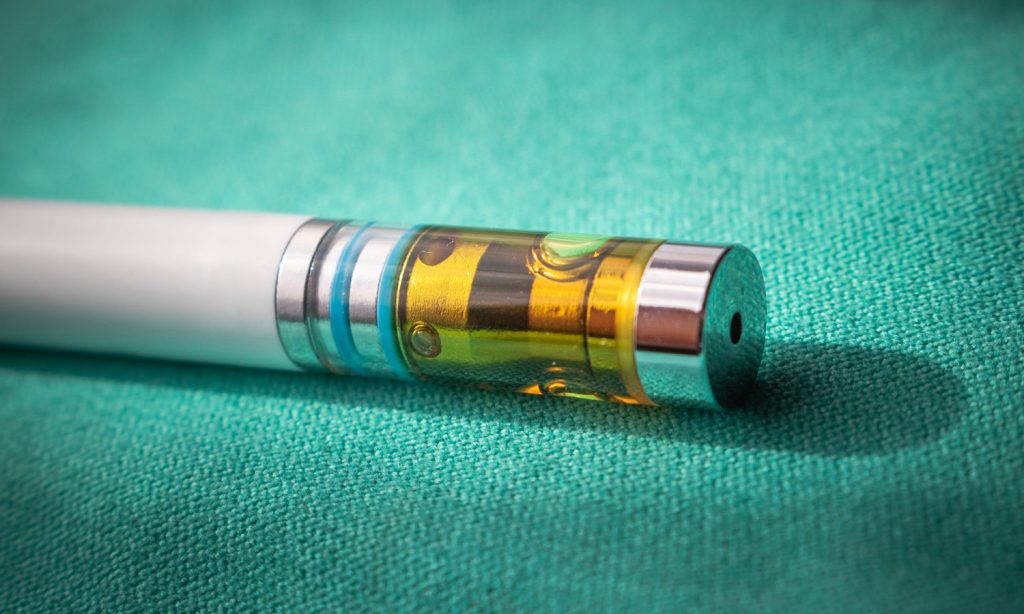
Vaping concentrates containing cannabinoids such as THC and CBD, as well as other compounds such as terpenes are popular and often sold in cartridges that screw onto separate batteries. Another popular vaping option is the disposable vape pen, whose all-in-one design allows for smaller, attractive devices that can be discretely pocketed and used. Vapor does have a slight smell but one that dissipates quickly and is dissimilar to burnt marijuana.
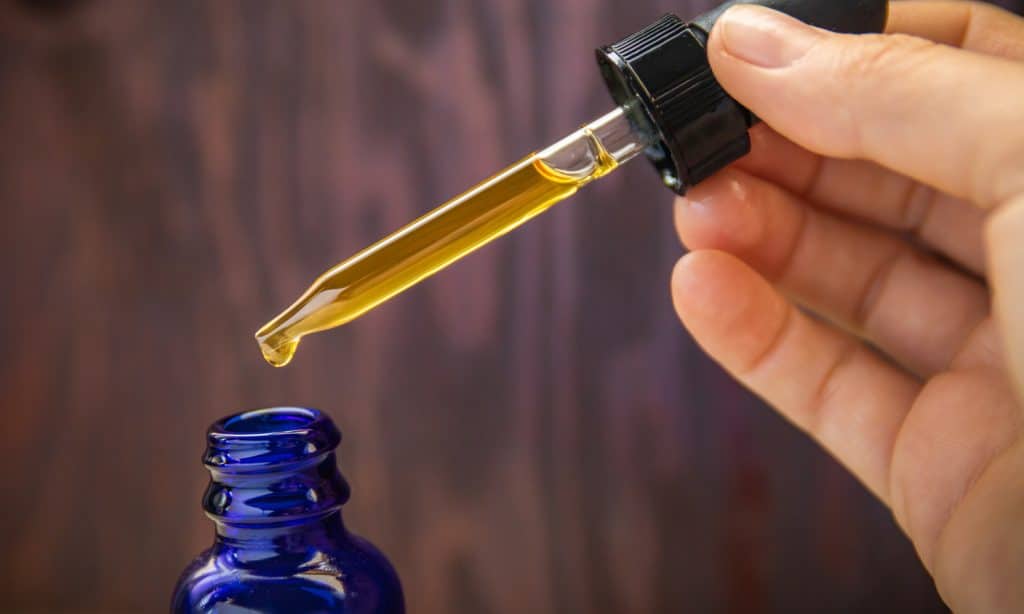
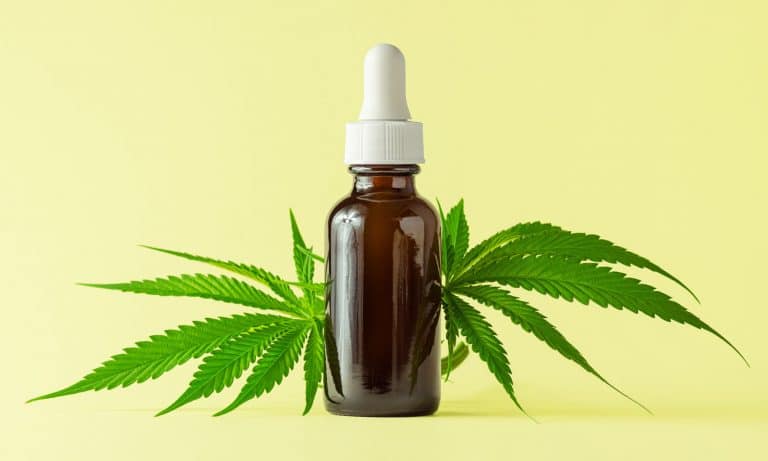
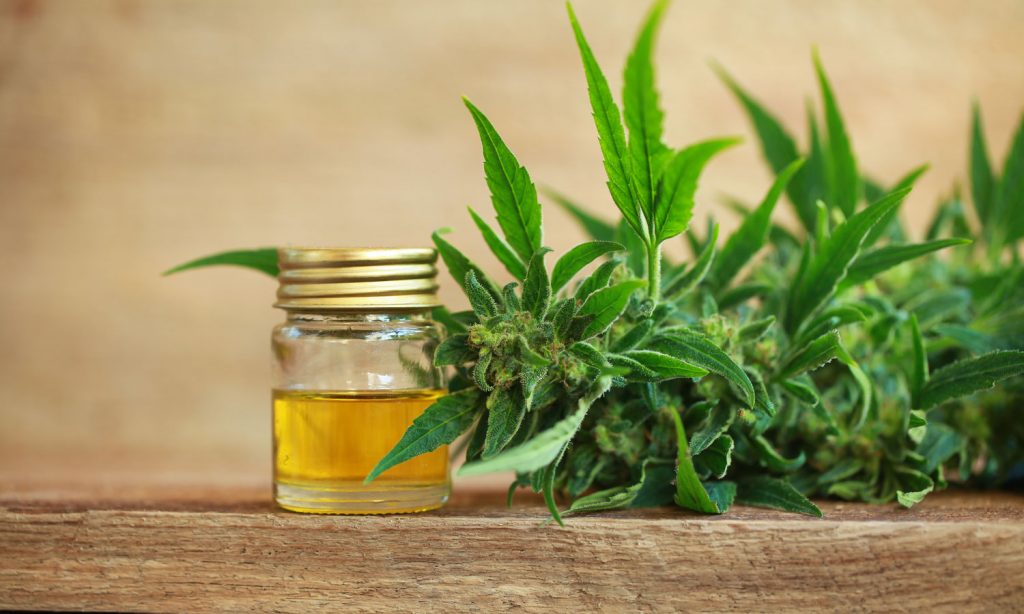
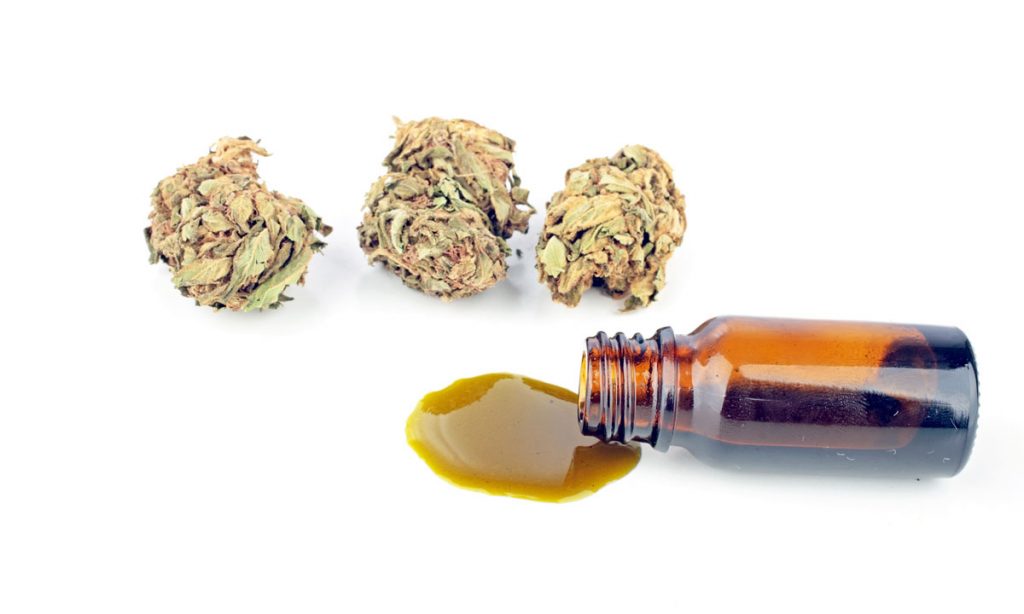
A tincture is a concentrated cannabis liquid preparation. While most will have a distinct taste, tinctures are easy to take, a dropper full or two taken under the tongue is typically enough to start feeling effects. Tinctures are also a great way to mix cannabis into a beverage for a casual and discreet way to get high.
Photo by Nisangha/Getty Images
Transdermal Patch
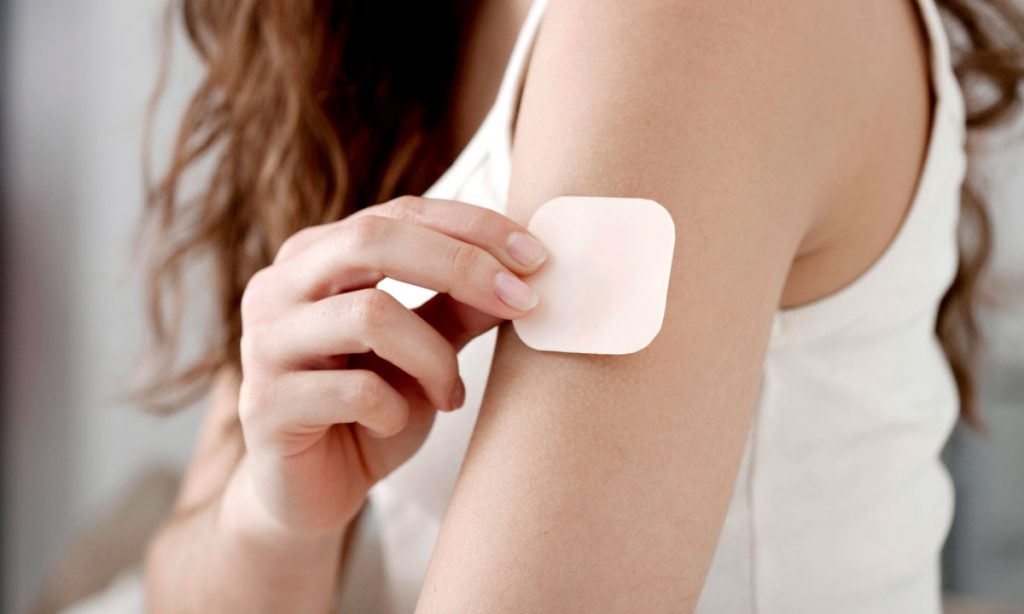
Cannabis is often consumed to address inflammation and pain management and transdermal patches containing cannabinoids are designed to address these ailments slowly and over hours. Most are not designed to get their users high but can provide the desired relief discreetly. Many patches also contain other ingredients to relieve pain and discomfort, such as menthol.
Getting high doesn’t have to involve leaving a cloud of smelly smoke lingering in the room or on your clothes. Any of the above options allow for marijuana use without the burn or anyone noticing.
The belief that being in a long-term romantic, sexual partnership is better than living alone fuels stereotypes that those living solo are less happy, or lonelier, than couples.
As the holiday season starts, singles may face questions from friends and family: “When are you getting serious about dating?” Remember, you are not alone if single during the holidays.
In many families, seasonal festivities draw lines between who’s coupled and who’s not. Romantic partners are invited to holiday meals, included in family photographs, and seen as potential life mates – while “mere” friends are not. These practices draw a line between relationships seen as significant – and those which aren’t.
As I’ve argued in my research on the ethics and politics of the family, these practices reflect widespread assumptions. One is that everyone is seeking a romantic relationship. The second is more value-laden: living in a long-term romantic, sexual partnership is better than living without one. This fuels beliefs that those living solo are less happy, or lonelier, than couples.
These assumptions are so prevalent that they guide many social interactions. But research shows they’re false.
Why more Americans are living single
The truth is that more Americans are living unmarried and without a romantic partner. In 2005, the census for the first time recorded a majority of women living outside of marriage Although, of course, some unmarried women have romantic partners.
But changing family patterns are not simply the result of financial instability. They reflect choices: Not everyone wants romantic partnership and many singles see solo life as more conducive to flourishing and autonomy.
For other people, being single is simply a relationship preference or even an orientation. For example, there are those, referred to as “asexuals” and “aromantics,” who lack interest in sexual and romantic relationships.
Who are asexuals and aromantics?
Data from a 1994 British survey of more than 18,000 people showed 1 percent of the respondents to be asexual. Because asexuality is still little-known, some asexuals might not identify as such. And so, it’s possible that the true numbers could be higher.
Asexuals are people who do not feel sexual attraction. Asexuality is not simply the behavior of abstaining from sex, but an orientation. Just as straight people feel sexual attraction to members of a different sex, and gays and lesbians feel attraction to members of the same sex, asexuals simply do not feel sexual attraction. Asexuals can have romantic feelings, wanting a life partner to share intimate moments with and even cuddle – but without sexual feelings.
But some asexuals are also aromantic, that is, not interested in romantic relationships. Like asexuality, aromanticism is an orientation. Aromantics may have sexual feelings or be asexual, but they do not have romantic feelings. Both asexuals and aromantics face a lack of understanding.
Angela Chen, a journalist writing a book about asexuality, reports that her asexual interview subjects suffered from a lack of information about asexuality. As they failed to develop sexual attractions during puberty – while their classmates did – they asked themselves, “Am I normal? Is something wrong with me?”
But while asexuality is sometimes misunderstood as a medical disorder, there are many differences between an asexual orientation and a medical disorder causing a low sex drive. When asexuals are treated as “abnormal” by doctors or therapists, it does them a disservice.
Since the early 2000s, asexuals have exchanged ideas and organized through online groups. One such group, The Asexual Visibility and Education Network, for example, promotes the understanding that lack of sexual attraction is normal for asexuals, and lack of romantic feelings is normal for aromantics.
Asexuals, like aromantics, challenge the expectation that everyone wants a romantic, sexual partnership. They don’t. Nor do they believe that they would be better off with one.
Single and alone – or lonely?
Far from the stereotype of the lonely single, lifelong singles are less lonely than other older people, according to psychologist Bella DePaulo, the author of “Singled Out.” Nor are singles alone.
Many singles have close friendships which are just as valuable as romantic partnerships. But assumptions that friendships are less significant than romantic partnerships hide their value.
Understanding the reasons people have for remaining single might help to handle family stresses. If you’re single, you could take unwanted questioning as a teachable moment. If you’re the friend or family member of someone who tells you they’re happily single – believe them.