Instagram’s Close Friends feature has acquired a functionality that wasn’t intended when it was first proposed.
Close Friends is one of Instagram’s most recent changes, one that tries to give its users what they had with Snapchat: that private exchange between friends that’s impossible to replicate on other apps. Like everything Instagram does, the Close Friends feature was monetized, and now influencers are charging people to be added to their Close Friends list.
Using social media to make money is nothing new, with hundreds of artists and writers using sites like Patreon and Kickstarter to crowdfund their projects. Still, this new phenomenon that utilizes a feature called Close Friends sounds a little creepy, like you’re paying for, well, friendship. Even if the influencers are providing you with something extra, it’s hard to imagine someone giving you anything different than the standard social media positivity spiel. No offense to influencers.
“Instagram Stories has become the place to express yourself and share everyday moments, but our community has grown and sometimes what you want to share isn’t for everyone. With Close Friends, you have the flexibility to share more personal moments with a smaller group that you choose,” explained Instagram’s blog last November when Close Friends was first introduced.
One of these Instagrammers, Gaby Abrao, is charging $3.33 a month on Patreon and providing her Close Friends (buyers) with “access to exclusive “rants, theories, and personal updates,” including “silly details” of Abrao’s love life, big ideas about “existence and wellness,” and poetry and prose from her personal archives.” So, more of what every other influencer is offering.
With every new feature and Instagram update, it becomes more and more obvious that Instagram is at an impasse. The app is becoming more fabricated and business oriented, even when trying to present itself as unfiltered and genuine.
Following reports of the vaping crisis, vaporizer sales have dropped in established and new markets alike. Now what?
Arcview Market Research in partnership with BDS Analytics released a report earlier this year on the trends of the cannabis industry. The hottest category in cannabis, the report declared, was concentrates, which had risen from 10% of the marijuana market in 2014 to 27% in 2019. As the report noted, “there is clearly a growing consumer preference for vaping versus smoking that is also happening with tobacco consumption, and the concentrates revolution will affect every aspect of the legal cannabis business.”
Vaping and concentrates remain the talk of the industry, just not in the manner the analytics firm intended. A vaping illness crisis has consumed the country, with Centers for Disease Control and Prevention putting their latest tally of confirmed and probable cases at 530. A CDC official told Congress this week she believes “hundreds more” will follow, the Associated Press reported. While the health organization identified vitamin E acetate—used to thin marijuana and nicotine concentrates—as a possible culprit behind the illnesses, the investigation is far from over.
RELATED: How To Tell If Your Vape Pen May Be Harmful
Understandably, this has popped a balloon in the once ballyhooed concentrates market in legal states. Headset Analytics, which tracks cannabis sales, reported that vaporizers made up almost a quarter of all marijuana sales (23.8%) prior to the crisis. Established markets like Colorado and Washington have already seen those figures drop, as Headset told The Fresh Toast the share of vaporizer sales have decreased between 2-4% when adjusting for previous year’s market behavior.
Photo by HighGradeRoots/Getty Images
According to New Frontier data, which gathers intelligence for the cannabis industry, those numbers are even worse in newer markets. Vape shares of sales are down 65% in New Mexico, 62% in Oregon, 37% in Massachusetts, and 33% in Nevada when compared to preceding 3-month averages. In response, both New Frontier and Headset’s analytics found consumers drifting toward purchasing more cannabis flower, pre-rolls, and tinctures.
Even long-time players in the cannabis space feel similar. Ian Eisenberg owns and operates Uncle Ike’s dispensary chain in Seattle. The business, which added a “Vapegate” tab to its website in response to consumer confusion, tested its vaporizer products for vitamin E acetate in response to the public health crisis. The results came back clean, but Eisenberg says if he were shopping at a dispensary beside his own, he’d stay away from vapes.
“If I was going to another store, I probably would buy flower over a vape right now,” Eisenberg told The Fresh Toast. “I know it’s not rational and I know it’s not logical—as the chances of anything happening is so low—but it’s just human nature.”
What long-term impact this will hold on the concentrates market remains to be seen. The outcome of the CDC’s investigation will impact the cannabis industry for years to come. The black market appears responsible for the majority of THC-related cases, as most have reported. But if unregulated products are the main cause behind the outbreak of the illness, New Frontier believe it will “likely fuel calls for legalization, standardization, and quality controls to minimize risks.”
Post-sex clean ups help prevent infections and STIs. Here are five tips that can help you stay healthy.
There are two kinds of people: those who don’t stress out about cleaning up after sex and those who do. According to experts, the correct approach is a healthy mix of these two behaviors.
Clean up varies depending on a lot of factors. Whether your partner was male or female, if there was a partner in the first place, whether you used a sex toy, etc. — no matter the variables you should at least do the bare minimum of clean up after each encounter to prevent infections..
Here are five simple tips that can help your private parts stay healthy.
Empty your bladder
The main thing you should do after having sex is to empty your bladder. This is very important for women since their urethra and bladder are located closely together and penetrative sex facilitates the entrance of bacteria. No matter if your partner is very clean, is wearing a condom or using a sex toy, any addition into the vagina alters its ecosystem and makes it more likely to develop infections.
Keep your cleaning simple
Forget about douches, perfumes and special soaps. Don’t do that. Plenty of studies and doctors have said that applying these products is bad for you, especially if you have a vagina and decide to alter its delicately balanced interior world. Douches and extreme soaps get rid of the healthy bacteria in your vagina, creating more possibilities for infections and irritation.
After you have sex, clean the outside area of your penis or vagina with warm water and, if you want, some mild soap. You don’t have to jump out of bed the minute you’re done, just clean yourself up at some point early on. Who wants to sleep or put on clothes when feeling all sticky anyway?
Photo by HOP DESIGN via Unsplash.
Have a glass of water
You’re going to want to pee after having sex in order to get rid of some bacteria, so drink plenty of water and stay hydrated.
Wear loose fitting clothes
Bacteria thrives in hot tight places, so don’t hop inside your tightest jeans after having sex. Wear underwear and pants that fit you loosely, allowing air in, or don’t wear anything at all.
Bacteria and all sorts of viruses can stick to your sex toys after you’re done using them. Be careful and clean your toys after each use, reading through their instructions. Sex toys are some of the easiest objects to ruin by cleaning them up incorrectly or by using the wrong kind of lubricant.
This year has seen an influx of celebs getting into the cannabis business one way or another, whether it’s collaborating on a line of products, starting a company targeted to athletes, or simply investing in a growing market.
Being a celebrity comes with a host of perks, including (for some) the option of choosing which products you want to endorse. And for many celebrities, their product of choice is cannabis.
2019 has seen an influx of notables getting into the business one way or another, whether it’s collaborating on a line of CBD products, starting a company targeted to athletes, or simply investing in a growing market.
Here are 7 celebrities who have recently attached their names to the cannabis industry.
Rachael and Megan Rapinoe
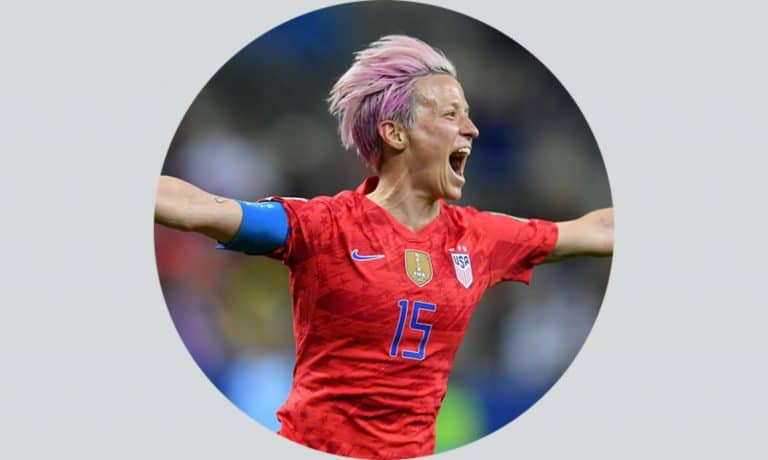
World Cup-winning soccer superstar Megan Rapinoe and her twin sister, Rachael, both of whom were star soccer players at the University of Portland, have launched a CBD brand called Mendi. The Portland company is focused on something close to the sisters’ hearts: providing athletes with an option for pain and recovery treatment. Mendi soft-launched online in August and, speaking toWillamette Week, Rachael says she personally takes 25 milligrams of CBD “probably two or three times a day, every day. I have for the past three years. It’s always in my system.”
https://www.instagram.com/p/Bf4OyjhnM_R/
Chelsea Handler
The comedienne and known marijuana enthusiast has her own line of cannabis in the works, in conjunction with NorCal Cannabis.
“NorCal Cannabis has developed a suite of brands, a mix of in-house brands and partnerships with influential figures in the space. Each brand will seek to address a specific demographic, as defined by one of the largest cannabis consumers surveys conducted to date.”
In addition to those new brands, NorCal is also collaborating on a brand with Handler, which will target the needs of female marijuana consumers, and will be curated by Handler herself.
John Legend
The singer just announced a partnership with PLUS Products, which currently holds the two top spots in California’s list of best-selling THC edibles. However, Legend will be partnering with the company’s line of 100% hemp CBD products. Says Legend:
“I have been a believer in the benefits of CBD for some time. I was drawn to the PLUS team because they’re an innovative, family-run company, and they use science to deliver a consistent, high-quality product. I appreciate that they’re committed to setting a high standard within an industry that has to date been fairly unregulated.”
In July it was announced that the media mogul would be joining the California cannabis company Caliva as chief brand strategist. By way of statement, Caliva said that Jay-Z will be focusing on social justice issues surrounding marijuana legalization, including the “economic participation of citizens returning from incarceration—many of who are not seeing the monetary benefits of legalization—through advocacy, job training, and overall employee and workforce development.”
Jay-Z actually sought out Caliva as a potential business partner, saying, “With all the potential in the cannabis industry, Caliva’s expertise and ethos makes them the best partner for this endeavor. We want to create something amazing, have fun in the process, do good and bring people along the way.”
Joe Montana
Back in January, before Jay-Z announced his partnership with Caliva known, four-time Super Bowl champ Joe Montana announced his venture firm would invest $75 million in the company. As The Fresh Toastreported at the time, the money “will be used to flesh out a vertically integrated company, including a farm, retail store, delivery center, and more.”
Montana told the Associated Press his firm was investing in an industry he believes “can provide relief to many people and can make a serious impact on opioid use or addiction.”
Photo by Thearon W. Henderson/Stringer/Getty Images
The retired quarterback hasn’t publicly said if he uses marijuana, but he has invested in the marijuana industry before. In 2017, according to the AP, he took part in a $4.1 million investment in Herb, which produces and distributes marijuana-related news and entertainment.
The Madden Brothers
Joel and Benji Madden (Good Charlotte) and their older brother Josh (who is an accomplished DJ in his own right) have recently announced their partnership with cannabis holding company Future State Brands.
The company, which is led by PRØHBTD CEO and Founder Drake Sutton-Shearer, has a growing portfolio of THC, hemp, and CBD brands that includes: hemp beauty line Hempathy; functional beverage platform Ceeby Dee’s; art-centric infused wearables The Patch Co.; and music-driven flower brand Heavy Grass.
https://www.instagram.com/p/BT9p767lzvJ/
“As partners with Drake and the team at PRØHBTD for the past couple of years, we look forward to the continuation of our work together at Future State Brands by providing our insights and hands-on experience across the pop and sub-culture spectrums,” said Joel, Benji and Josh Madden.
Seth Rogen
Not one to shy away from the stoner stereotype, Rogen, along with his buddy and creative partner Evan Goldberg (who executive produced Pineapple Express), teamed up to create Houseplant in collaboration with Canopy Growth. Described as an “elevated Canadian cannabis company,” Houseplant launched in March and is the self-described result of years of experience and dedication.
https://www.instagram.com/p/Bve4UnNhdMf/
“Houseplant is a passion we’ve brought to life through drive and dedication,” Rogen said in a statement. Every decision we’ve made for the business reflects the years of education, first-hand experience and respect we have for cannabis.”
RELATED: Seth Rogen Finally Joins The Marijuana Business Through Canopy Growth
“We are so proud to be launching in Canada, our home,” said Goldberg. “After spending five years diligently preparing for the launch of this company, we’re excited to be able to share our passion for cannabis with Canadians in this way.”
Houseplant Sativa was the company’s first strain, which was released (in Canada) in April.
The Duke of Sussex is seen adorably brushing Meghan Markle’s hair off her shoulder; Jenny McCarthy forgot Christina Applegate had her own show prior to her Emmy nod for “Dead to Me.”
Prince Harry and Meghan Markle have touched down in South Africa for their royal tour, but the viral moment of their trip has nothing to do with their advocacy or even baby Archie Harrison Mountbatten-Windsor, but instead the Duchess of Sussex’s hair.
Fans of the couple are currently gushing over a brief moment, which was caught on-camera, of Harry adjusting her ponytail after it shifted while in Cape Town’s Nyanga Township. The Duke has a history of doing this, particularly in September 2018 for the launch of her community cookbook. Still, the small gesture seems to be everything that their fans could want — in the most (and least) PDA way ever. During their trip, they reportedly visited a workshop that teaches youth about their rights.
https://www.instagram.com/p/B2wMbQYH16m/
“Harry and Meghan will begin their tour in a township in Cape Town where the royals will view a workshop that teaches children about their rights, self-awareness and safety and which provides self-defense classes and female empowerment training to young girls in the community,” as per a statement. Additionally, they’re set for 35 more engagements in just 10 days.
Jenny McCarthy proved she did not read Christina Applegate’s bio on the Television Academy’s website before interviewing her on the 2019 Emmy Awards red carpet Sunday night.
During their chat before the award show on Fox Network, McCarthy mentioned that she knew that the “Bad Moms” star — who was nominated for Outstanding Lead Actress in a Comedy Series for her turn as Jen Harding on Netflix’s “Dead to Me” — had been “nominated” for a guest role on “Friends” in the past. McCarthy, a judge on Fox’s “The Masked Singer,” then proceeded to make the rest of the interview incredibly awkward by saying:
“Tonight you’re nominated for your own show. What’s that like? First time, right?”
In response to McCarthy’s question, Applegate channeled the fury of her “Dead to Me” character and responded with: “Um, well, no … ‘Samantha Who?’ a couple of times. But it’s OK. We don’t have to talk about that.”
Applegate actually won an Emmy in 2003 for Outstanding Guest Actress in a Comedy Series for her portrayal as Rachel Green’s sister Amy in “Friends” and was nominated again in 2004. What made McCarthy’s question even more cringy was that Applegate has been nominated twice before — in 2008 and 2009 — for Lead Actress in a Comedy Series for playing Samantha Newly in ABC’s “Samantha Who?” — a show Applegate also co-executive produced.
McCarthy added that she remembers watching Applegate on TV when she was young and wanted to be her when she grew up, which was particularly odd being that McCarthy, 46, is only a year younger than the 47-year-old Applegate.
Researchers found that even though memories declined over a certain period of time, those who reported a closer bond to their partner and, thus, more sex, performed better on memory assessments. Here’s why.
Good sex (even bad sex, actually) can improve a lot of things: your mood, your sleep quality and even your appetite. But one study offers a new reason why men over 50 should maintain active sex lives: it could improve memory.
The study, published in the journal Archives of Sexual Behavior, examined whether sexual activity and emotional closeness during sex enhanced episodic memory in older adults. More than 6,000 men and women over the age of 50 completed a questionnaire regarding their lifestyle habits, including their emotional bond to their partner. Two years later, in 2014, they were asked to repeat the questionnaire. Results proved that, yes, in fact, a healthy sex life can improve short-term memory for older adults. According to the study:
The association between sexual activity and memory performance was stronger among older participants in the sample. Memory performance worsened over 2 years, but change in memory performance was unrelated to sexual activity or emotional closeness during partnered sexual activity.
Basically, even though memories declined over that two year period, those who reported a closer bond to their partner and, thus, more sex, performed better on the memory assessments, most likely because sex stimulates the hippocampus, which is vital for memory.
“The stress-reducing hormone oxytocin floods your body after orgasm, leaving you relaxed and worry-free. There’s also evidence that people who have sex at least once a week have better immune systems, because they benefit from higher levels of immunoglobulin A: an antibody that wards off illness. A healthy sex life can also reduce prostate cancer in guys — offering even more incentive to keep the passion alive as you age.”
Twice as many Americans report using marijuana to alleviate medical conditions than for recreation, new study finds.
The days of cannabis being most associated with stoners and hippies are over. As research and legalization expands, so too does the reason why Americans consume marijuana. More Americans turn to cannabis for medical conditions than to get high, according to a new study.
Published in the JAMA Network Open, researchers polled nearly 170,000 marijuana users between 2016 and 2017. The survey found that about 46% of users consumed marijuana products to cope or alleviate various medical conditions. Meanwhile, 22% of respondents said they expressly smoked, vaporized, and ate edibles to get high.
“Adults with medical conditions, especially those with respiratory conditions, cancer, and depression, were more likely to use marijuana,” the study’s authors wrote. “At present, marijuana use prevalence decreases with age, even among people with medical conditions. Because public perceptions of marijuana are becoming more favorable and medical conditions increase with age, older adults might also become frequent consumers of marijuana.”
Photo by FilippoBacci/Getty Images
Lead author Hongying “Daisy” Dai, an associate professor in the College of Public Health at the University of Nebraska, and her team conducted survey calls with 169,036 participants through the Behavioral Risk Factor Surveillance System, which provided a representative sample of U.S. adults across states. Among young adults between ages 18-24 with medical conditions, 25.5% reported current marijuana use while 11.2% said they consumed cannabis daily.
That current marijuana use for young adults was nearly 10 times the number those ages 65 and older reported (2.2%). Researchers concluded that decreased marijuana use among older age groups possibly stems from lingering stigmas, as adults ages 65 and older were more likely to view marijuana as highly addictive and harmful. However, researchers “the increase in public acceptance of marijuana use could lead older adults to start using marijuana for medical conditions.”
As research lingers in the United States due to its federally illegal status, Dai’s team found gaps between available scientific literature and the medical conditions patients listed as reasons they were using, which included anxiety, stress, chronic pain, cancer, and more.
“Adults with medical conditions have an increased risk of using marijuana, especially those with respiratory conditions, cancer and depression,” Dai told U.S. News & World Report. “Patients who are taking marijuana for a medical condition should be informed of evidence of efficacy and adverse effects for that condition.”
Research analyzing marijuana and its effects on seniors is lacking, but a recent one conducted in Geneva provided some positive results.
Some of the most promising developments on medical marijuana are the possibilities it provides for seniors struggling with chronic conditions. Marijuana is known for its broad effect, treating a variety of diseases and disorders without providing significant side effects. This alone makes it stand out in a market filled with opioids and medicines that affect people’s quality of life.
While research on marijuana and its effect on seniors is limited, relying a lot on anecdotal evidence and the doctor who’s prescribing it, a small study that took place in Geneva provided some scientifically based proof.
In the study, 10 women with severe dementia were given a dose of cannabis containing CBD and THC. The study found that the higher the dose, the better the results, with patients demonstrating a calm and more positive behavior, less problems with rigidity and better ability to conduct their daily care. Psychotropic medications were removed from the women’s treatment and their behavior improved by 40%, making it easier for their caretakers to do their jobs and for the facility to run smoothly. No negative side effects were reported.
It’s hard for Americans to provide non-invasive medication and treatments for their seniors. Marijuana remains illegal on a federal level, making it challenging for researchers to conduct the necessary experiments and for patients to get the information they need. Still, small studies like this one are changing people’s perceptions. Once marijuana is legal, it means that many more trials and experiments can be conducted, and that the medicinal value of the plant could finally be unlocked.
Hallucinogenic substances like ayahuasca, LSD, and psilocybin were effective in treating various psychiatric disorders, ranging from depression to autism.
Psychedelic research has generated significant momentum over the past several years. Johns Hopkins University announced earlier this month the Center for Psychedelic and Consciousness Research, which will focus on the efficacy of psilocybin mushrooms, LSD, MDMA, and other psychedelic substances in the treatment of mental health illnesses. The center, founded with a $17 million investment from private donors, handed psychedelic research a legitimacy long sought after in the field.
According to a scientific review of previous psychedelic studies published in the Journal of Psychiatric Practice, psychedelic research ranging from 1946 to 2017 demonstrated that substances like ayahuasca, ibogaine, LSD, psilocybin, more were effective in treating various psychiatric disorders. The review provides a foundation for the potential medical efficacy of psychedelics, as 15 out of the 16 studies researchers analyzed “produced clinically significant reduction” in symptoms. More importantly, the review found that subjects who had not responded to traditional treatments experienced many of these improvements.
“The conditions treated ranged from depression to autism, with the largest volume of research dedicated to substance use disorders,” researchers wrote. “The majority of studies that were reviewed demonstrated significant associations with improvement in the conditions investigated.”
Photo by Flickr user afgooey74
The researchers at University of Texas Health Science Center at San Antonio, the group behind the study, found that each hallucinogen impacted patients differently, though some psychedelics similarly improved some psychiatric disorders. For example, the review highlighted two small studies that highlighted ayahuasca’s ability to help those with treatment-resistant depression. Those patients diagnosed with a recurrent major depressive disorder saw their symptoms improve after just one single dose of ayahuasca, though the substance did induce vomiting in half of the subjects.
Meanwhile, a small study concluded that MDMA could assist women suffering from post-traumatic stress disorder caused by sexual trauma. Across the board, patients who received a higher dosage of MDMA experienced greater reduction in symptoms. A large portion of the studies researchers analyzed focused on how psychedelics could assist in treating substance abuse disorders for alcohol, cannabis, and cocaine. Ketamine, ibogaine, LSD, and dipropyltryptamine (DPT) showed significant evidence in helping patients maintain sobriety.
“While the successes reported in the studies reviewed here are intriguing, they should not be misinterpreted as an endorsement for the use of hallucinogens to medicate any of the above conditions,” researchers wrote. “This review was inherently biased by the selection criteria, and dangers of hallucinogenic drug use were not the focus of this review. This should not, however, distract from the potential benefits described.”
That’s where an institution like Johns Hopkins comes in, especially with its reported funding. The 2015 National Survey on Drug Use and Health estimated that more than 40 million Americans (15.3% of the U.S. population) have experimented with hallucinogens at least once. A 2018 survey by the Substance Abuse and Mental Health Services Administration also reported that an estimated 5.6 million Americans used hallucinogens last year. Momentum for psychedelic research will only continue to grow in the coming years, as even the federal government has acknowledged their possible therapeutic benefits. For those suffering from psychiatric disorders resisting treatment, the answers could be coming sooner rather than later.
Before Meghan Markle married Prince Harry and became literal royalty, she was best known for her role as Rachel Zane on the long-running legal drama Suits. Like most actors and actresses, Meghan got her start in the entertainment industry with an acting-adjacent job on TV. Back in 2006, Meghan starred as a “briefcase girl” on Deal or No Deal. She was even on the popular game show at the same time as Chrissy Teigen.
Now that Meghan is a Duchess, though, people from her past get asked about her all the time. Recently, Us Weekly asked former Deal or No Deal host Howie Mandell about the Duchess of Sussex and he had some interesting things to say. Mandell told the celebrity gossip magazine he doesn’t think Meghan will ever make a return to acting, despite rumors she’d appear in the final seasons of Suits.
Photo via sussexroyal/Instagram
According to Mandell, a royal life was always in the cards for Meghan. “Well, she’ll be seen on television, because she’s a duchess,” he continued. “But that was her plan. I used to say to her, ‘Meghan, open the case.’ And she used to say, ‘Not now, I’m doing some work on becoming a duchess.’ It was the master plan, so I don’t think she’ll come back for us.”
Though it’s totally possible Mandell was joking around with this anecdote (or that Meghan was joking around back in the day), it seems like Meghan predicted her life as a member of the British royal family over a decade ago. If the crown fits, wear it.
Everyone knows that Ariana Grande’s ponytail is her thing, so it’s quite a sight to see the pop titan cut the iconic ponytail in her new fragrance ad, which is appropriately named “thank u, next.”
On Thursday (September 19), the pop titan launched the perfume with a lengthy TV spot, which mocks her music video of the same name, where she recreated teen classics like Mean Girls, Legally Blonde and Bring It On. Unlike her viral video, this ad sees everyone in school, including Victoria Monet and new mom Colleen Ballinger, gossip about the perfume. “Supposedly she uses juicy raspberries in it so I’ve only been eating juicy raspberries for months so my breast milk will taste like her perfume smells,” the former says.
“Rumor has it, she put part of her ponytail in it,” another person says, before viewers catch a glimpse of Grande literally cutting her ponytail and putting it into the perfume. “Honestly, I’m not the biggest Ariana Grande fan, but I do hear the new fragrance is… somewhat promising,” Grande says towards the end of the video.
“thank u, next,” which is a collaboration with Ulta Beauty, serves as her seventh fragrance. “I wanted to make a fragrance that smells related to my first fragrance Ari but more summery, so I revisited Ari’s fruity pear and raspberry notes and changed it up by adding some coconut,” she previously said in a statement. “I was inspired to design a bottle that represented the message of my song ‘thank u next’—the emergence of the perfume from the broken heart represents moving forward from a challenging chapter.”